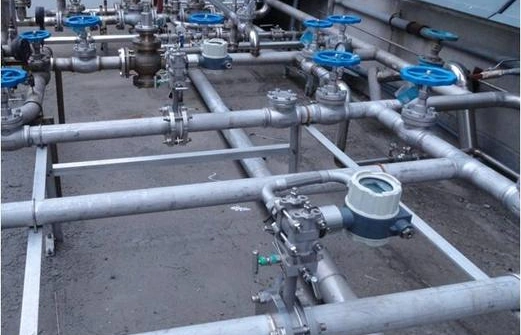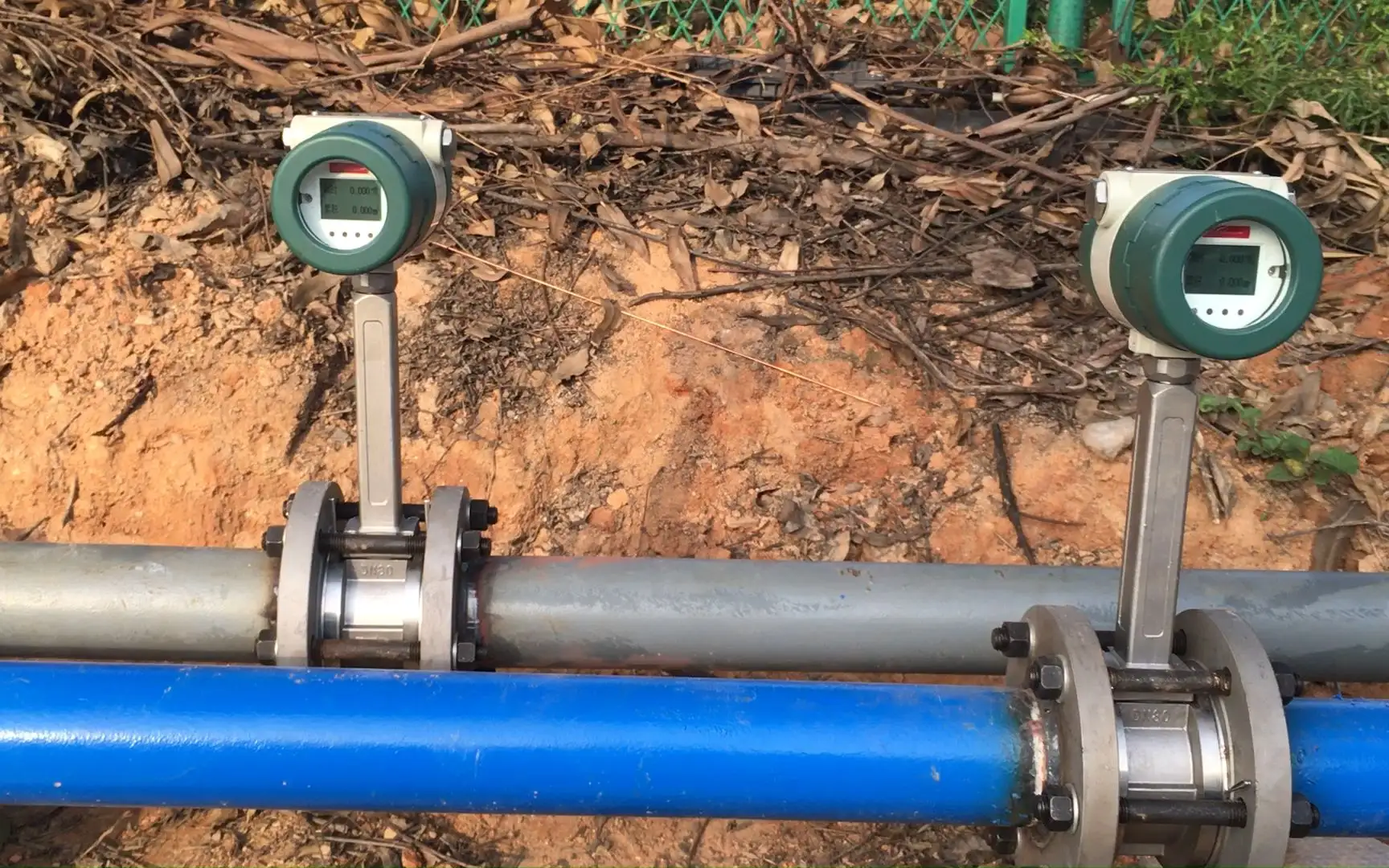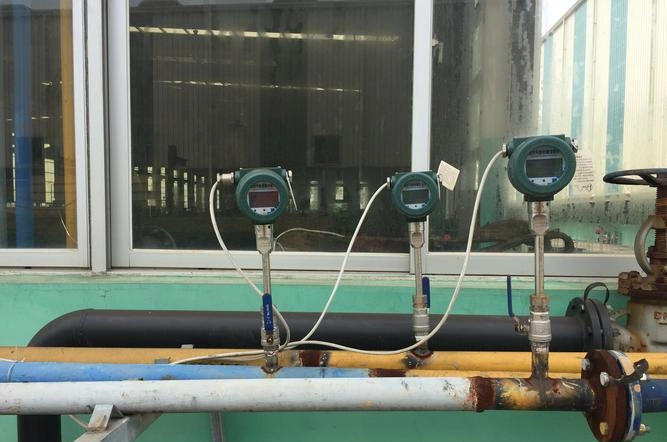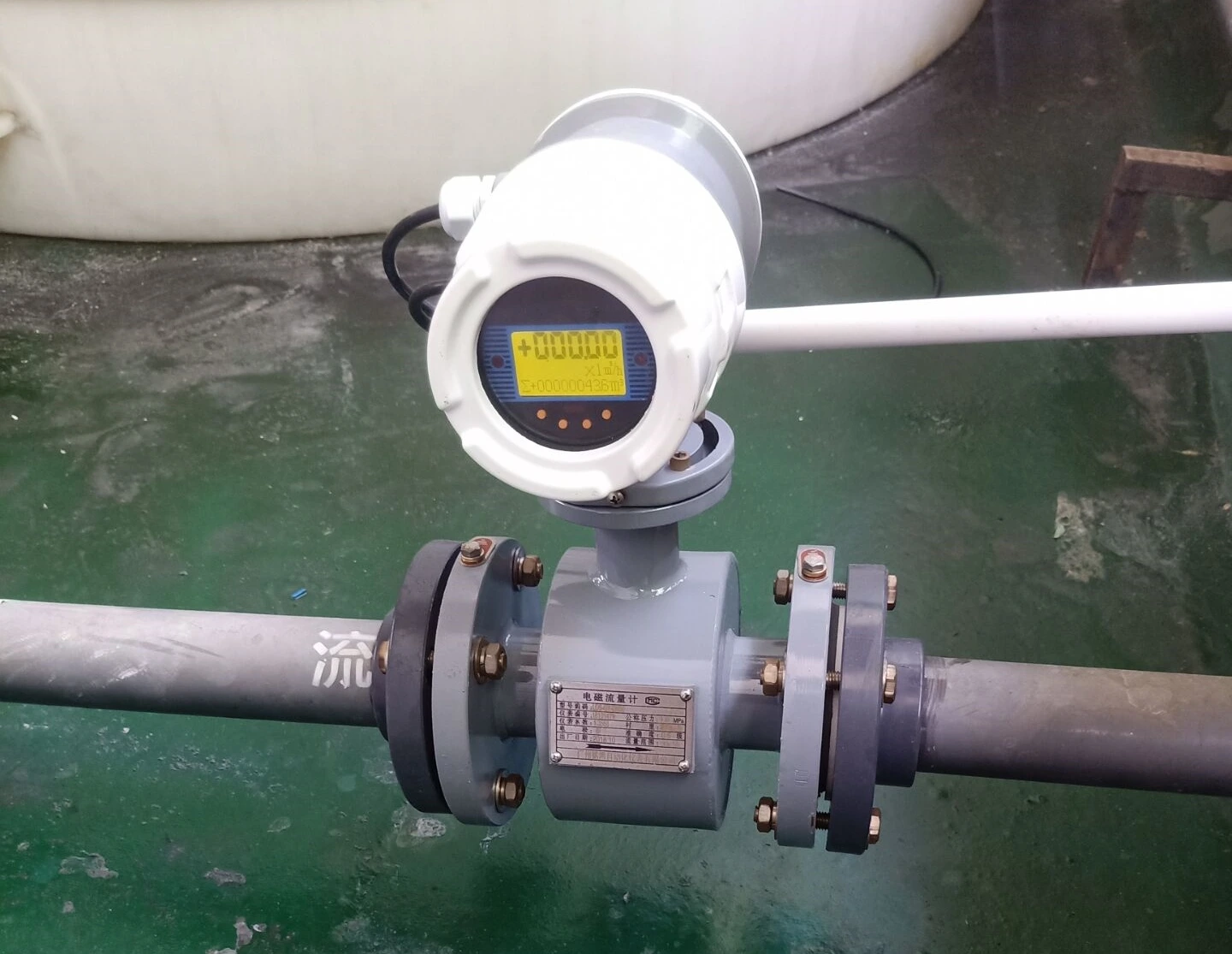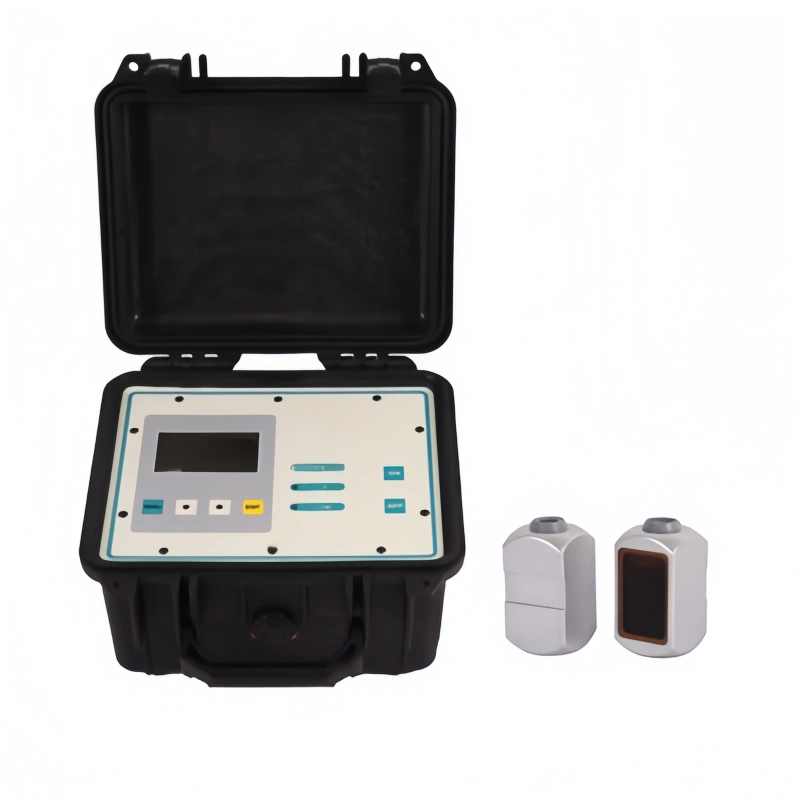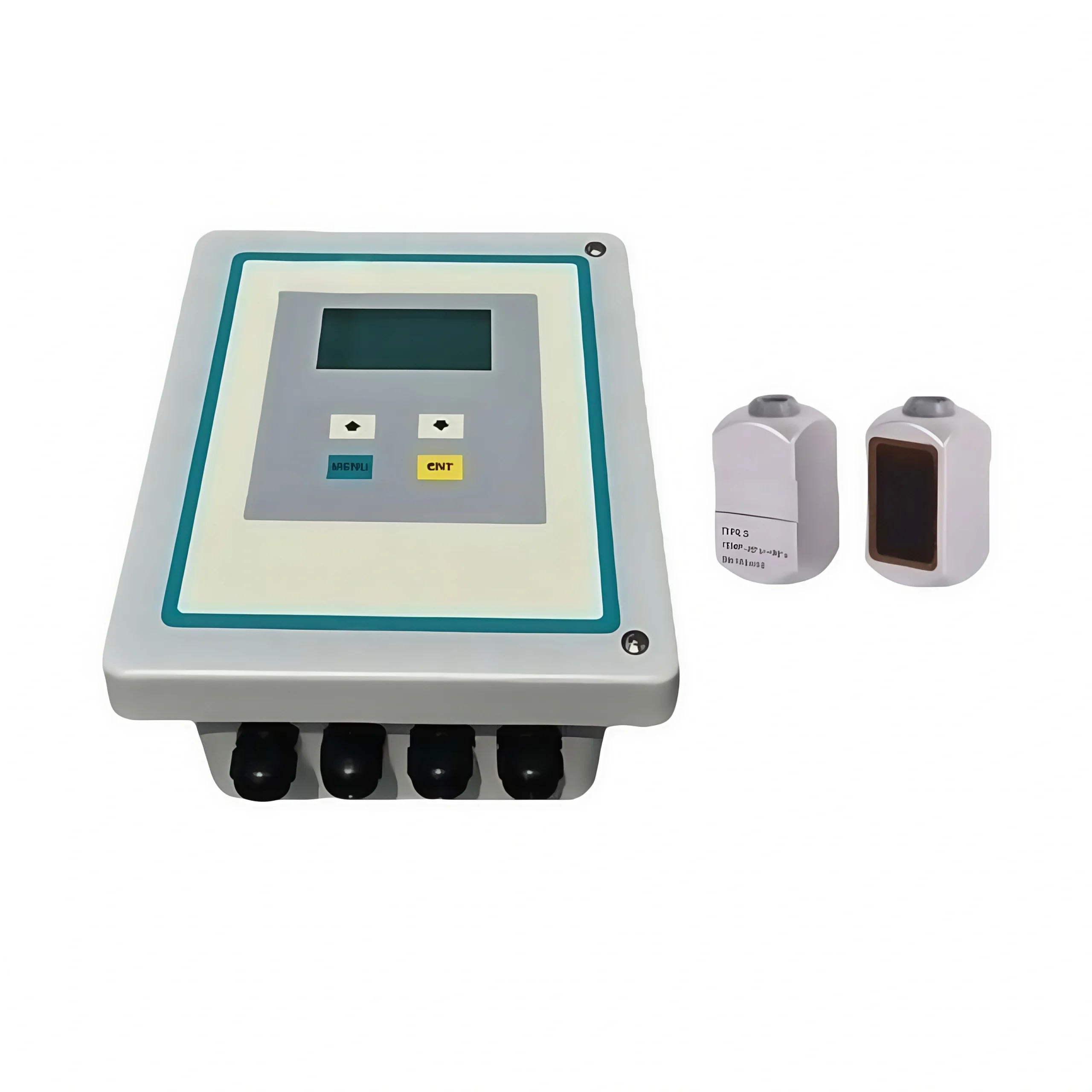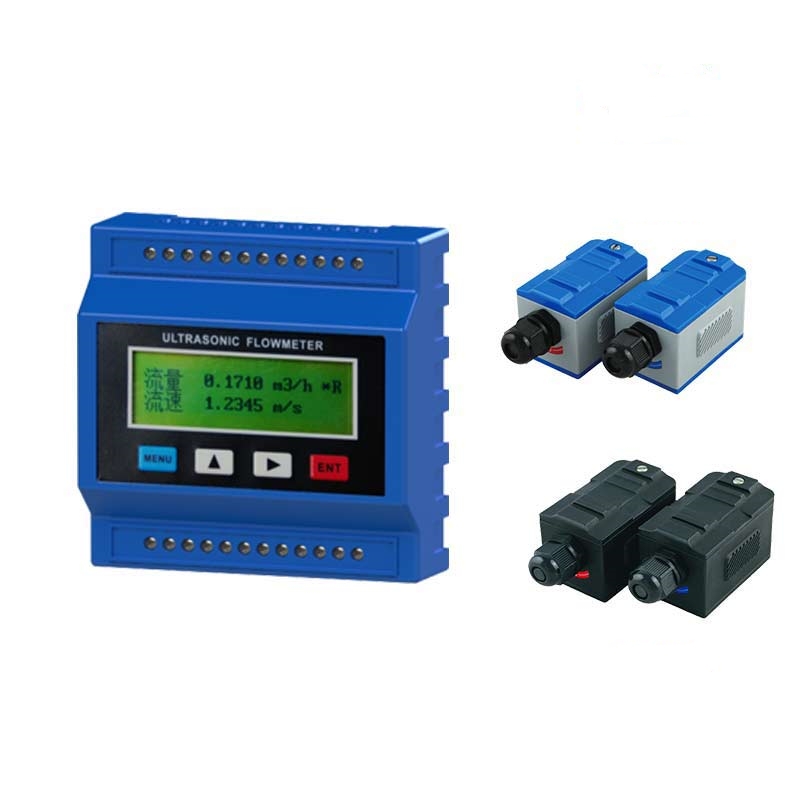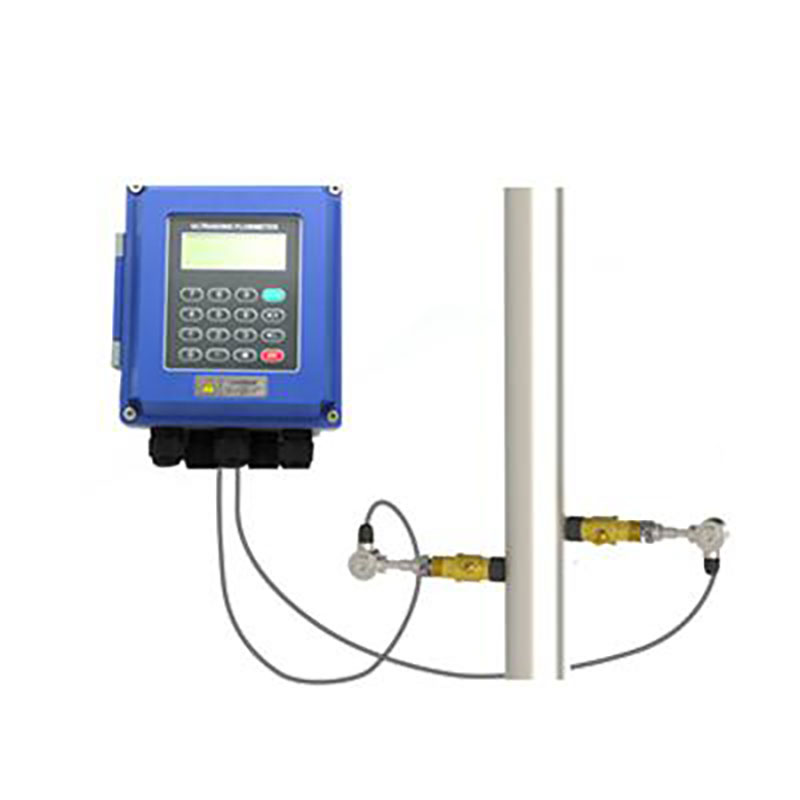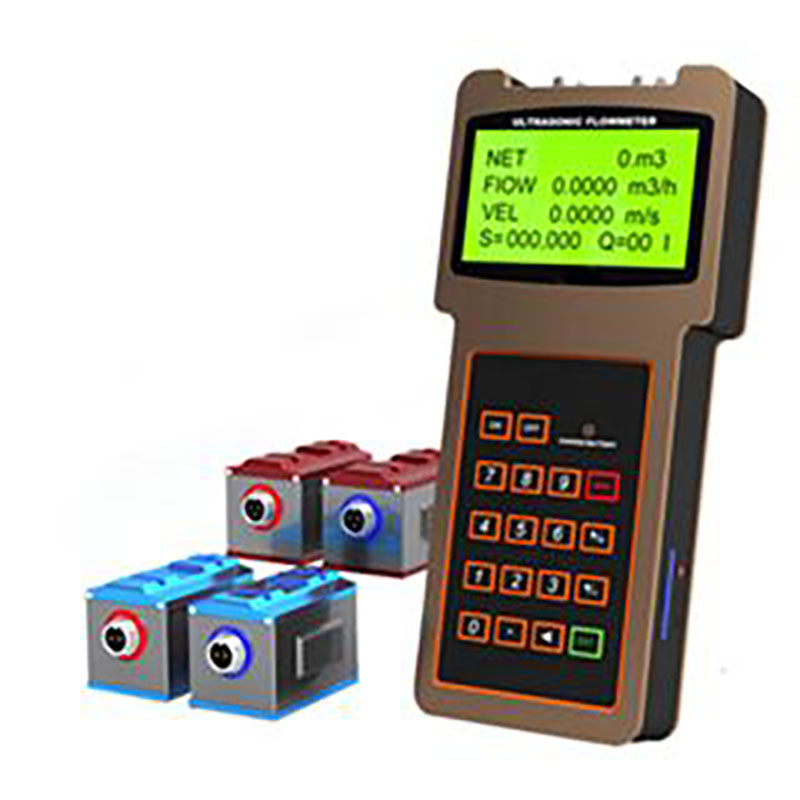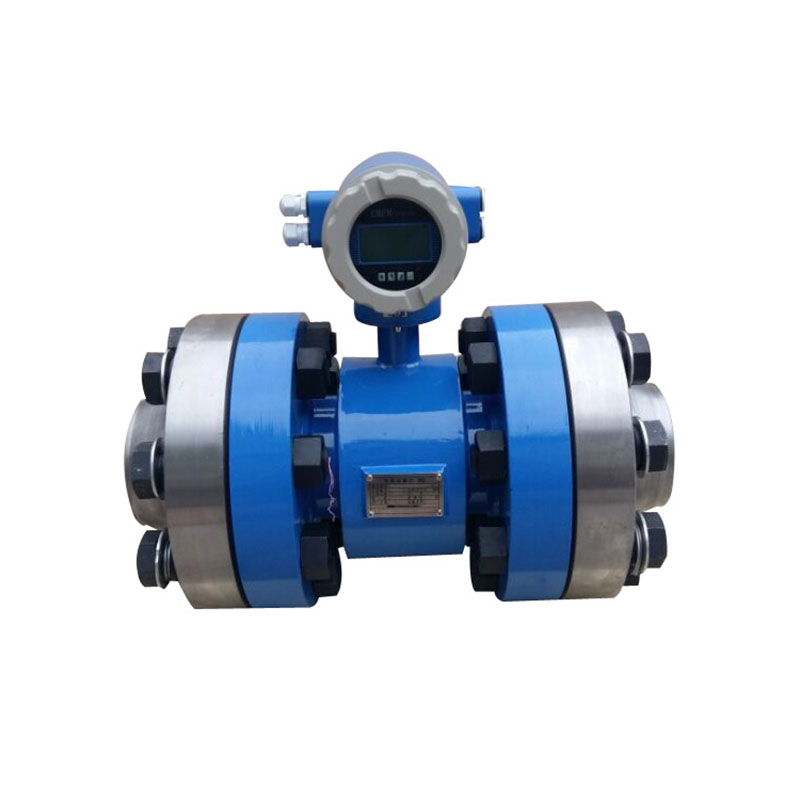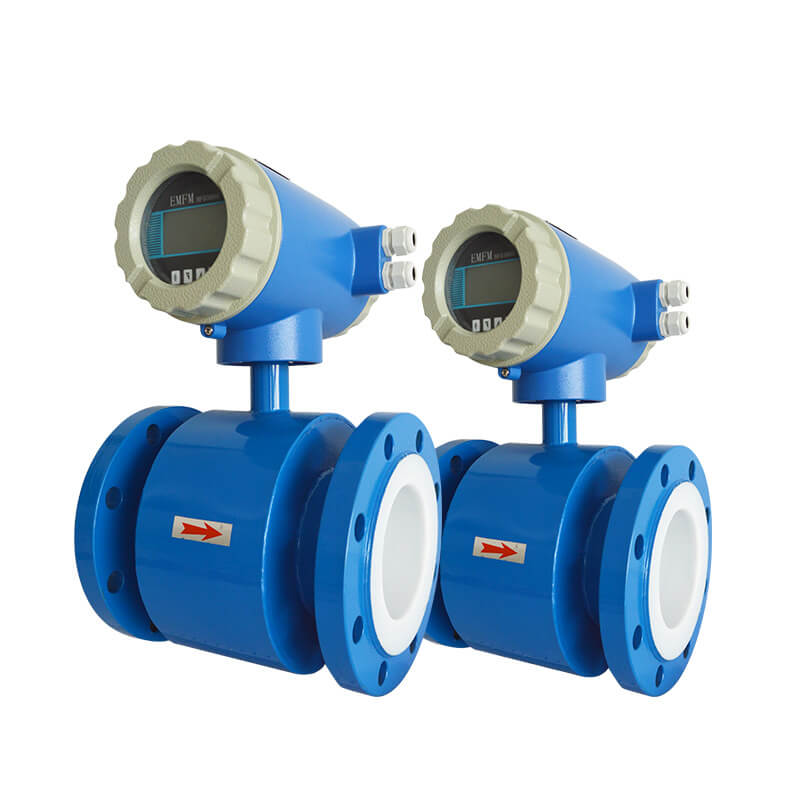
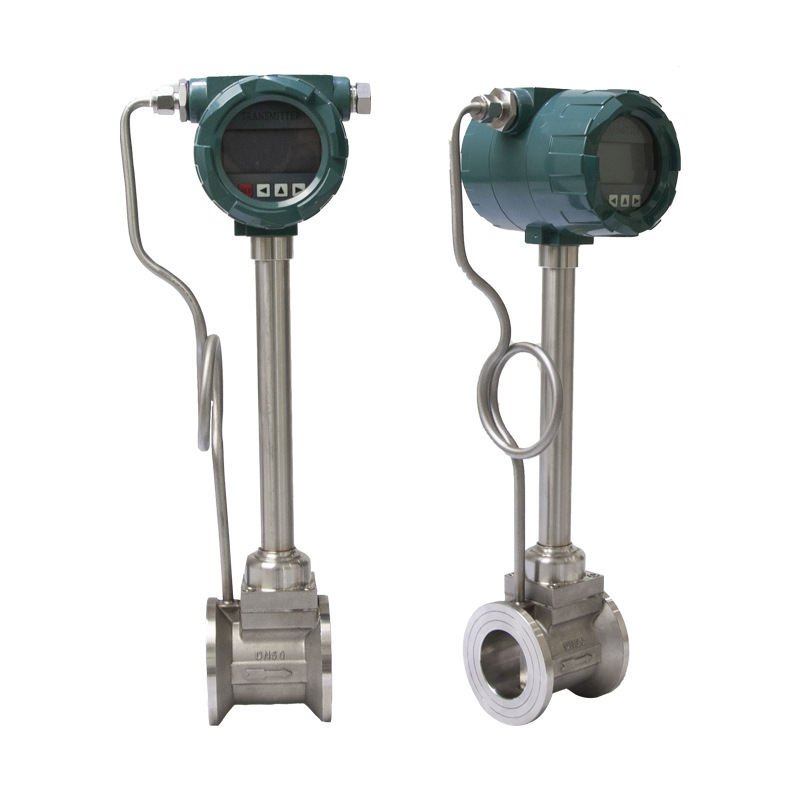
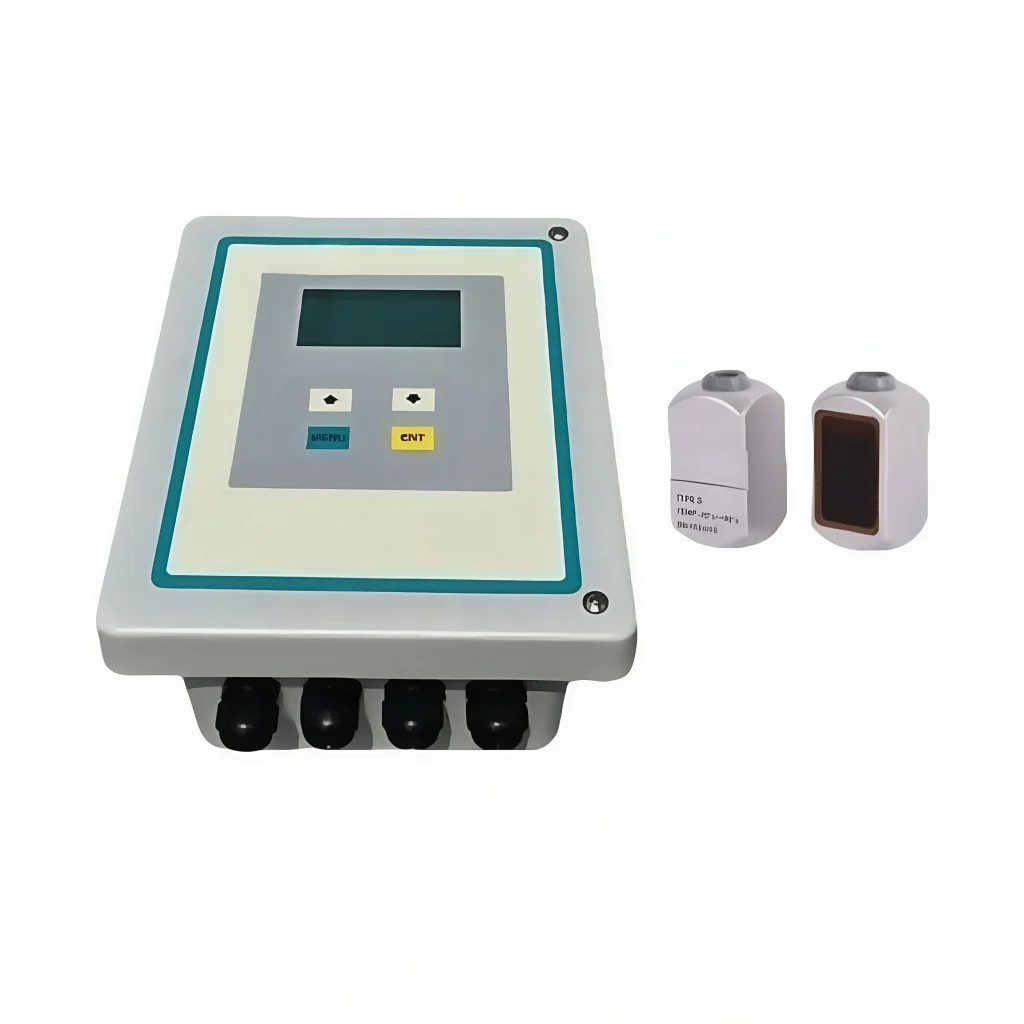
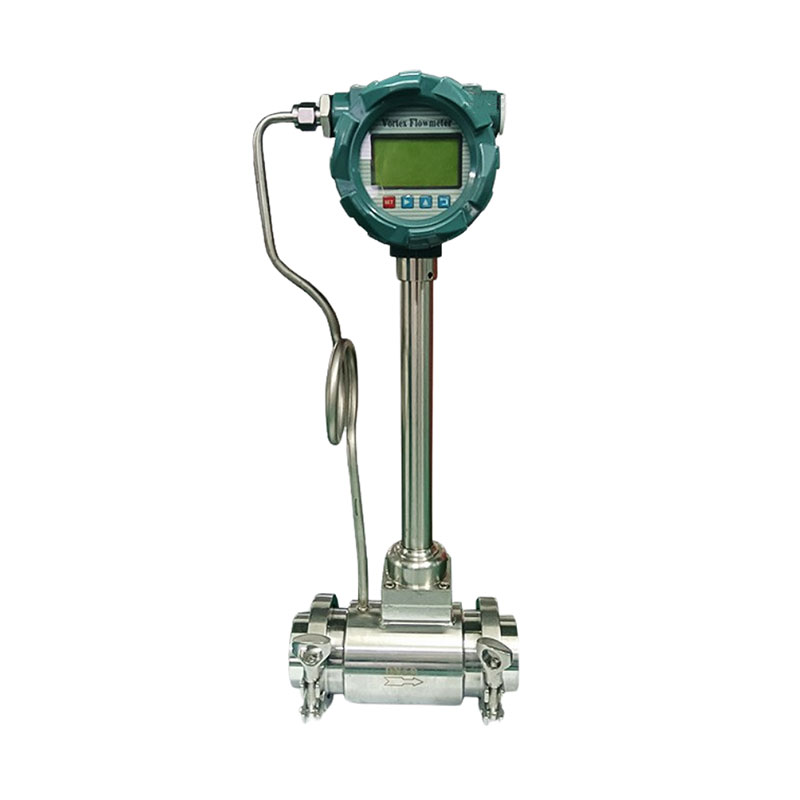
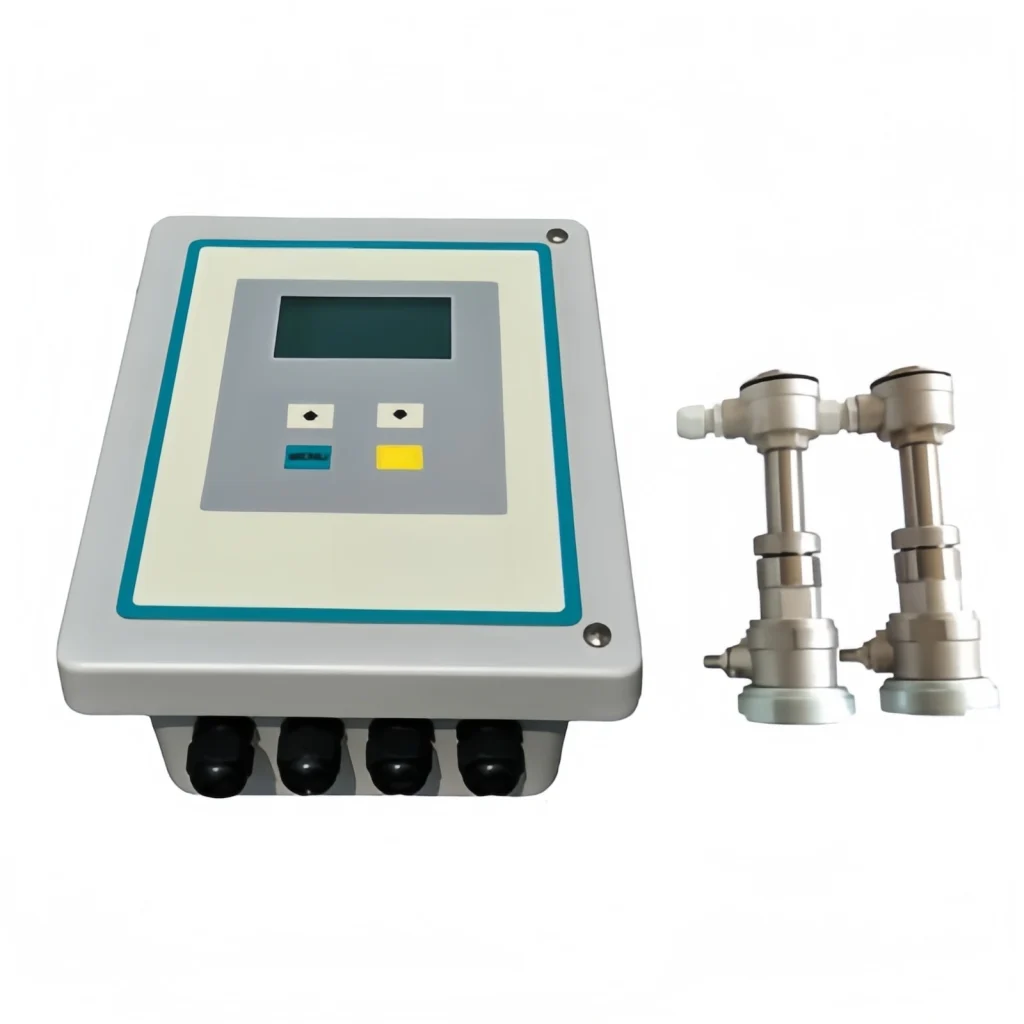
Flow meter pressure drop constitutes one of the critical performance indicators for flow meters, serving to characterise the pressure differential between the inlet and outlet ends of the device. It also represents the minimum pressure differential required to ensure the flow meter functions correctly. Typically, the pressure drop increases with rising flow rates, whilst also being influenced by the specific solution employed. For instance, the pressure drop associated with ultrasonic flow meters is significantly lower than that observed in vortex flow meters and differential pressure flow meters.
What is Pressure Drop
The pressure drop in a flowmeter essentially refers to the portion of mechanical energy that the fluid is compelled to expend when encountering structural obstructions within the device’s measuring assembly during its passage through the flowmeter. These internal structural obstructions include the sharp orifice of an orifice plate, the blades of a turbine, the vortex generator of a vortex flowmeter, and the clearance between the rotors of a positive displacement meter. This energy dissipation directly manifests as an irreversible absolute difference in static pressure between the upstream and downstream sides of the flowmeter. This differential is not an instantaneous signal but constitutes a permanent pressure loss.
Causes of Pressure Drop in Flow Meters
Mechanical Obstruction within Internal Structure
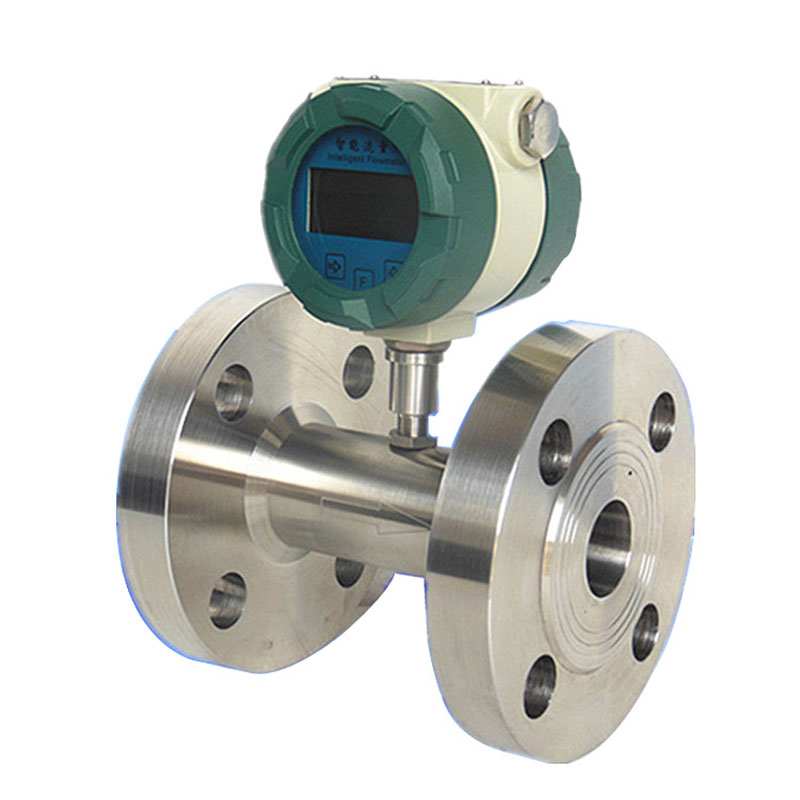
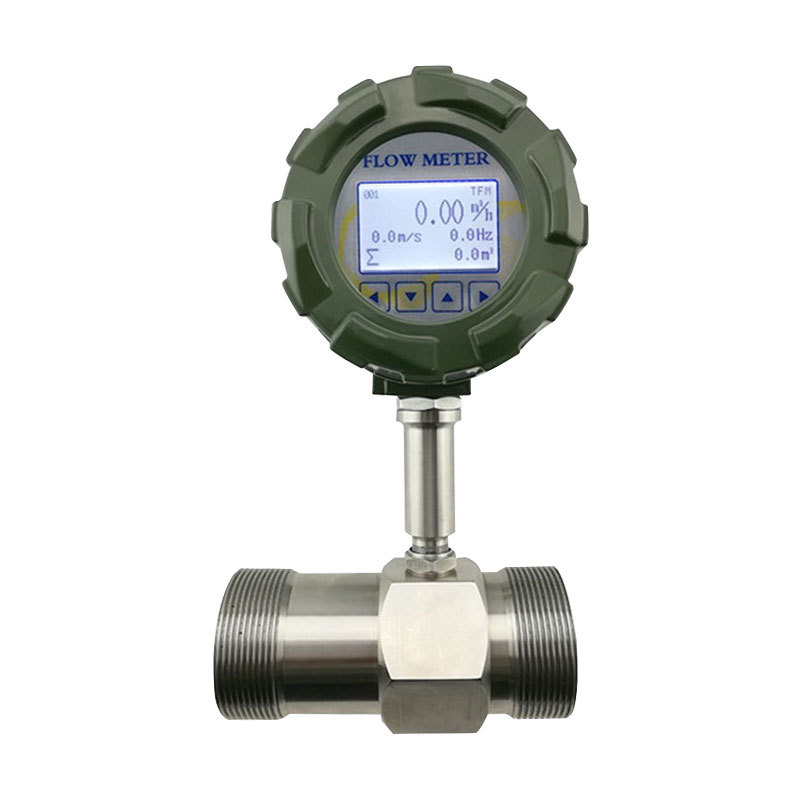
This constitutes the primary cause of pressure drop. The measuring components of various flowmeters feature specific structural designs. Take orifice plate flowmeters, for example. These have a metal plate with a sharp orifice, through which the fluid has to pass to flow. To measure the flow of a fluid, turbine flowmeters use the movement of the blades, which push against the fluid. These things get in the way of the fluid’s steady flow state. To get around this, the fluid has to put in some mechanical energy, which creates a pressure drop.
Viscous friction losses
All fluids exhibit viscosity. When liquid flows past the inner walls of the flowmeter or the surfaces of measuring elements, friction occurs between the liquid molecules and the solid surfaces, as well as between the liquid molecules themselves. This friction dissipates kinetic energy, resulting in a reduction in pressure. The pressure drop caused by viscous friction is particularly evident when fluids are moving quickly and have high viscosities.
Changes in Flow State
The direction and speed of a stream change quickly as it moves through the measuring parts of a flowmeter. Say you’re going through a sharp orifice plate. You speed up really fast and then suddenly slow down. In vortex flowmeters, fluid encounters the generating body, inducing vortices that disrupt the flow rhythm. Such violent changes cause part of the fluid’s energy to be converted into thermal energy or vortex kinetic energy, ultimately manifesting as a pressure drop.
Factors Influencing Pressure Drop Magnitude
Flow Meter Type and Structure
Different types of flow meter exhibit significant variations in pressure drop. Orifice plate flow meters, for instance, typically incur a substantial pressure drop due to the sharp orifice obstructing the fluid flow. Conversely, vortex and electromagnetic flow meters experience a relatively minor pressure drop. Electromagnetic flow meters, in particular, feature measuring components with no moving parts immersed in the fluid, resulting in negligible obstruction and virtually negligible pressure drop. Also, even with the same kind of flow meter, differences in internal structural parameters like orifice plate aperture size or turbine blade count can result in different pressure drops.
Fluid Characteristics
Fluid viscosity, density, and velocity are key influencing factors. Higher viscosity increases friction resistance during flow, leading to greater pressure drop. Higher density enhances fluid kinetic energy, resulting in greater energy dissipation against obstructions and consequently increased pressure drop. Faster flow velocity intensifies collisions and friction between the fluid and internal components, causing the pressure drop to rise markedly with velocity.
Actual Operating Conditions
Operating pressure and temperature at industrial sites also indirectly influence pressure drop. For instance, elevated temperatures may reduce the viscosity of certain fluids, thereby decreasing pressure drop. Conversely, increased pressure raises fluid density, potentially causing a slight rise in pressure drop. Also, the way you install pipelines can affect how fluids flow, which can change the pressure drop. This can happen because of things like straight pipe sections before and after flow meters, or bends in the pipeline.
The Impact of Pressure Drop on Flow Measurement Effect on Measurement Accuracy:
The core principle of flow measurement lies in capturing stable fluid flow parameters; abnormal pressure drops directly disrupt this stability. Excessive pressure drop causes irregular fluctuations in fluid velocity through the flowmeter’s measuring components. For instance, in orifice plate flowmeters, excessive pressure drop generates severe turbulence at the sharp orifice, exceeding normal measurement ranges and resulting in over- or under-reported data. Frequent pressure fluctuations cause unstable flowmeter output signals and erratic data drift, preventing accurate representation of actual flow rates.
Different types of flowmeter exhibit varying sensitivity to pressure drop. Devices such as orifice plates and Venturi tubes rely on stable differential pressure for measurement. If there are any deviations from the design values, this can result in measurement errors exceeding the specified limits. However, turbine and vortex flowmeters can experience issues with their internal moving parts (e.g. blades or rotors) if there is too much pressure drop, which can result in less accurate measurements.
Impact on measurement stability:
Prolonged operation under excessive pressure drop subjects internal components to sustained high-impact loads. For instance, the accelerated wear, deformation, or fracture of turbine flow meter blades is attributable to high-velocity fluid impact. In positive displacement meters, high pressure differentials have been observed to widen rotor clearances, thereby increasing leakage. This has the effect of compromising measurement accuracy and shortening the lifespan of the equipment.
Furthermore, excessive pressure drop induces fluid flow turbulence, leading to cavitation and vibration issues: cavitation corrodes the flowmeter’s inner walls and measuring components, while vibration disrupts electronic detection modules, causing module failures and signal transmission anomalies. This indirectly compromises measurement continuity and stability.
Increased metering operational costs:
Metering inaccuracies caused by abnormal pressure drops directly compromise the scientific rigour of production control. Underestimated data may result in insufficient material delivery and substandard product quality, while overestimated readings lead to material wastage and heightened energy consumption. Concurrently, operational staff must frequently halt production to inspect and calibrate flow meters, replacing worn components. This not only escalates labour and material costs but also disrupts production schedules.
The Difference Between Pressure Drop and Differential Pressure Distinct Definitions:
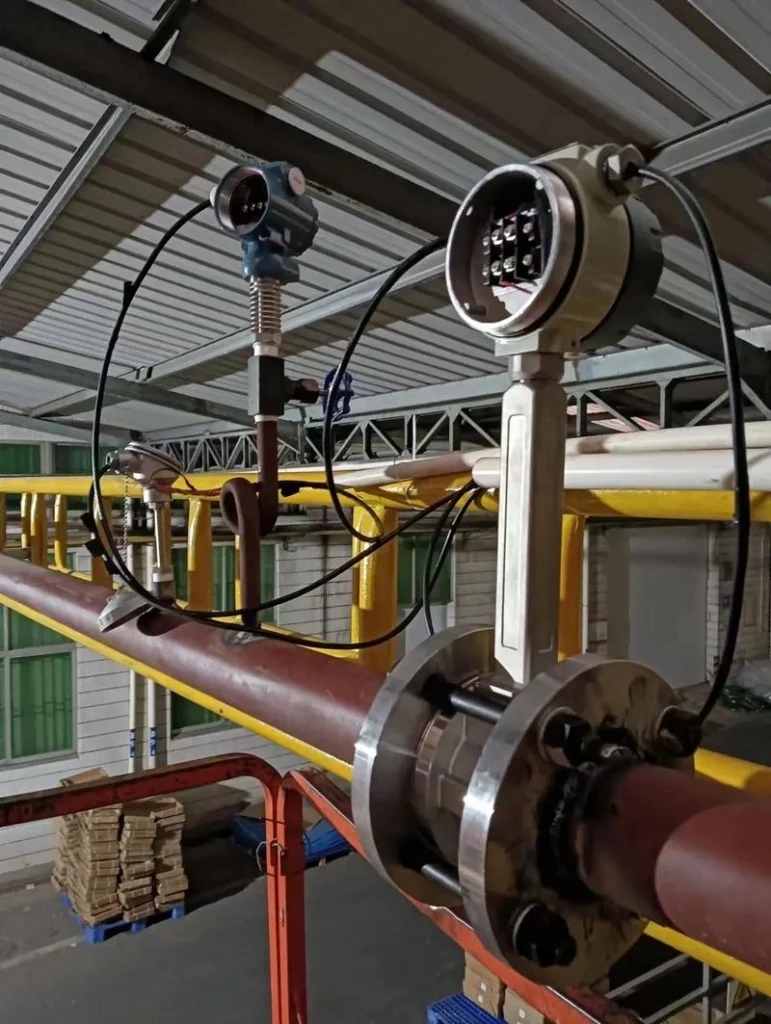
Differential pressure denotes the pressure difference between any two points within a fluid system, representing the resultant value after subtracting the pressure at one point from that at another. It constitutes a universal physical comparison concept, reflecting solely the magnitude disparity between two pressures without addressing the underlying causes.
Pressure drop is the name for the decrease in pressure that happens when a fluid (like water) flows through pipes, valves, flow meters and heat exchangers. This drop is caused by various things, like friction loss and localised resistance along the flow path. It shows how much resistance there is and how much energy is lost.
Directionality differs:
Differential pressure doesn’t have a fixed direction. You can subtract the upstream pressure from the downstream pressure, or vice versa, and get a positive, negative, or zero result. It just shows how one pressure compares to the other.
The pressure drop has to be in the right direction for the flow to work properly. You can work out the pressure by taking the downstream pressure away from the upstream pressure, according to the actual direction of the fluid flow. When everything’s running smoothly, its reading is always positive, showing how much the pressure is being reduced.
Differences in Physical Significance:
Differential pressure merely indicates a disparity between two pressures and does not signify energy loss. The differential may arise from various factors such as elevation, flow velocity, or equipment configuration, and does not inherently represent dissipation.
Pressure drop is directly proportional to energy loss during fluid flow, representing the pressure energy expended to overcome resistance. It has been demonstrated that an increase in pressure drop results in an increase in resistance and a corresponding rise in energy loss within the specified pathway section.
Different Application Scenarios:
Differential pressure is primarily used for measurement and monitoring purposes, for example in differential pressure flowmeters and level gauges, and for monitoring filter clogging. It uses the difference in pressure between two points to calculate parameters such as flow rate and liquid level.
Pressure drop is mainly used in system design, equipment selection, and resistance assessment. Examples include calculating pipeline pressure losses, determining whether flowmeter pressure losses exceed standards, and evaluating the flow performance of valves or heat exchangers.
Distinct numerical characteristics:
Differential pressure may be artificially generated, such as when flow meters employ throttling elements to create stable differential pressure for measurement. This differential pressure is operationally necessary and not considered an ineffective loss.
Pressure drop, however, represents unavoidable losses in equipment or piping. In engineering applications, the aim is generally to reduce pressure drop, thereby decreasing energy consumption and maintaining stable system flow and pressure.
How to Mitigate Measurement Impacts from Pressure Drop Selection and Adaptation
Select flow meters with suitable pressure drop based on fluid characteristics and production conditions: For scenarios requiring high measurement accuracy and moderate fluid viscosity, prioritise low-pressure-drop flow meters. Where differential pressure flow meters are essential, appropriately design parameters such as orifice plate aperture and Venturi cone angle to ensure actual pressure drop remains within permissible design limits. This prevents measurement inaccuracies caused by excessive pressure drop due to improper selection.
Standard Installation
Strictly adhere to flow meter installation specifications. Ensure sufficient straight pipe runs upstream and downstream to prevent turbulence caused by pipe bends or diameter changes, which can induce pressure fluctuation. Avoid installing meters near pipe elbows or valves to minimise localised resistance impacts on pressure drop, thereby maintaining the stable flow required for accurate measurement.
Regular Maintenance
Periodically clean internal impurities and scale deposits to prevent measurement component blockages and sudden pressure drop surges caused by obstructions. Conduct routine calibration to inspect wear on moving parts, promptly replacing aged or deformed components to maintain operational integrity. Install pressure gauges upstream and downstream to monitor pressure drop variations in real time. Immediately investigate deviations from normal ranges to prevent metering inaccuracies.
Optimising Operating Conditions
Adjust fluid velocity appropriately according to production requirements to prevent excessive flow rates causing abrupt pressure drops. For high-viscosity fluids, moderately increase temperature to reduce viscosity and minimise pressure losses from viscous friction. Regularly inspect pipeline integrity to prevent leaks causing abnormal pressure conditions that indirectly affect pressure drop stability.
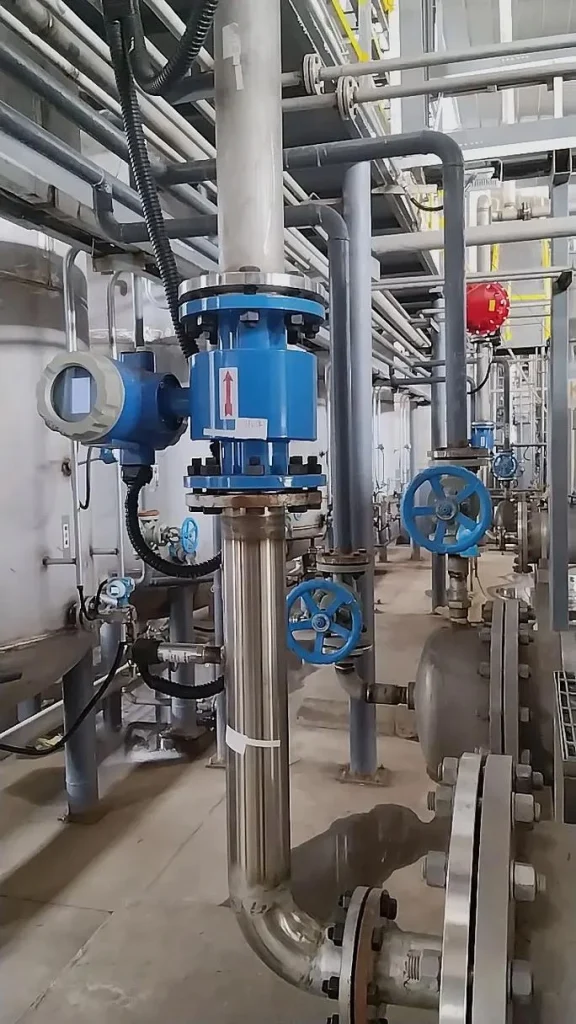
The accuracy of flow measurement and pressure drop management is directly linked to how well industrial production works, how much it costs and whether it follows the rules. It is very important to have professional technical support and clear solutions, for example when selecting and adapting equipment, installing it, or regulating pressure during operation. Sion-Inst has lots of experience in the industry and really knows how to measure flow. They can provide clients across different sectors with reliable flow meters, tailored pressure drop management solutions, and a full range of technical services. This approach mitigates issues such as measurement inaccuracies and equipment wear caused by abnormal pressure drops, enabling clients to achieve precise measurements, save energy, and maintain stable production.