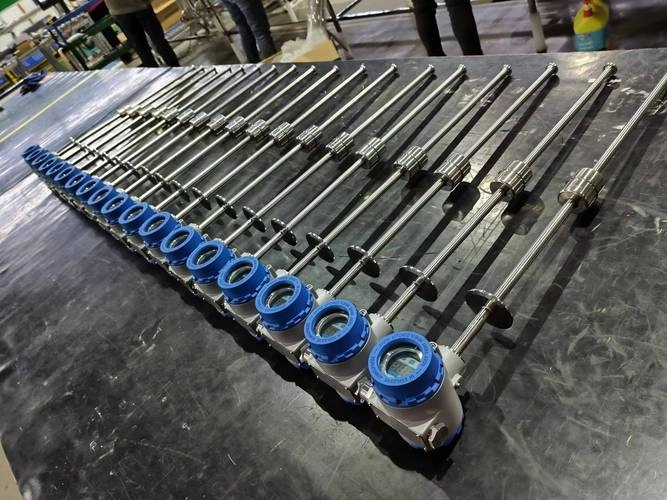
Vortex flow meters, which are used a lot for measuring flow rates of steam, gases, liquids and other media, are a great example of this. The accuracy of vortex flow meters is susceptible to multiple influencing factors, including installation environment, fluid characteristics, and equipment condition. Precise measurement serves as a prerequisite for enhancing quality, reducing costs, and improving efficiency in industrial production. As a flow measurement instrument based on the Karman vortex street principle, the accuracy of vortex flow meters directly determines the reliability of flow data.
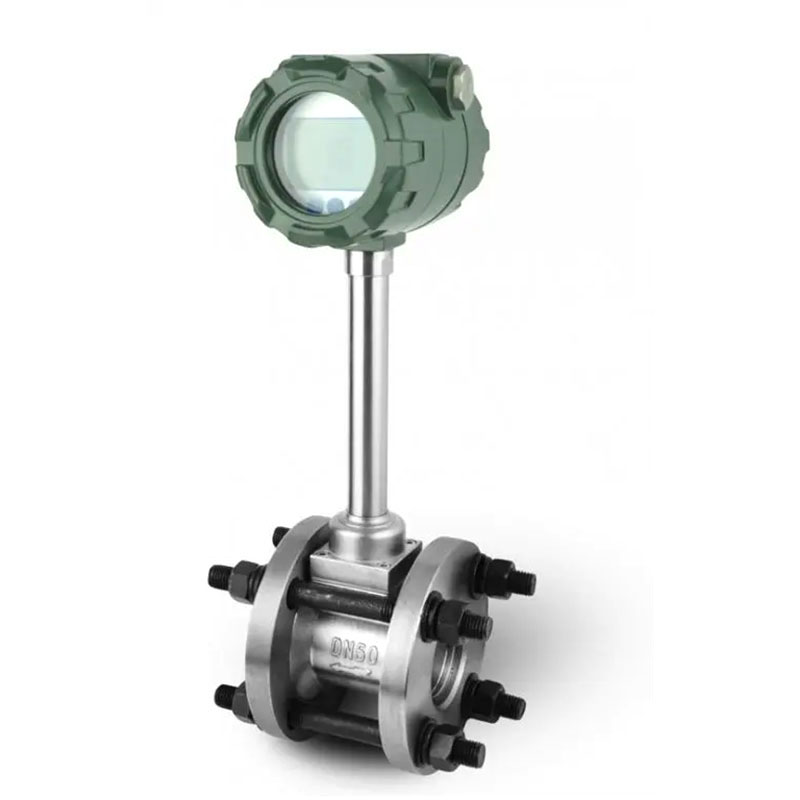
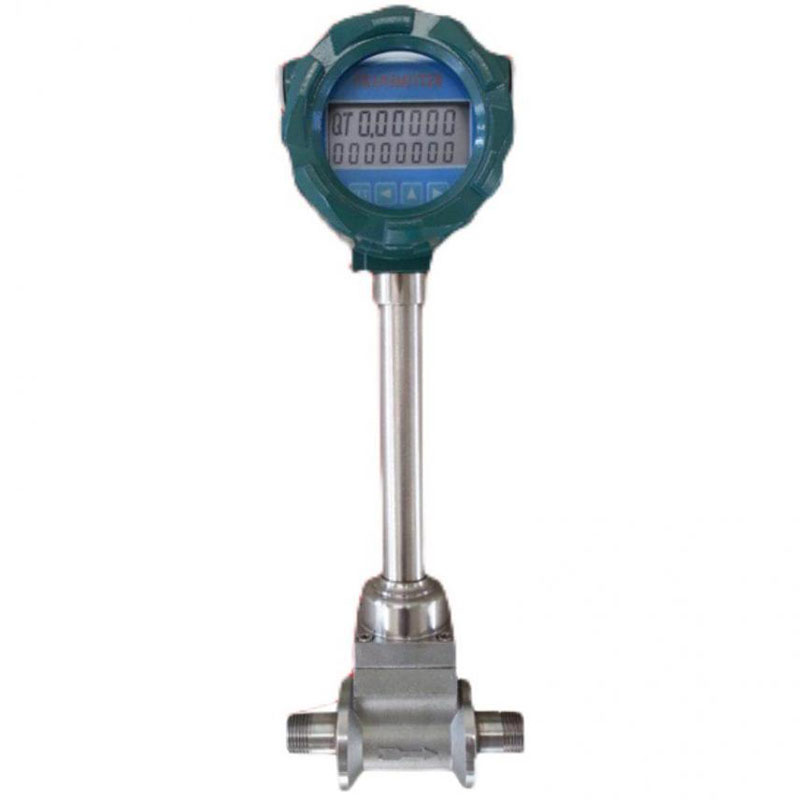
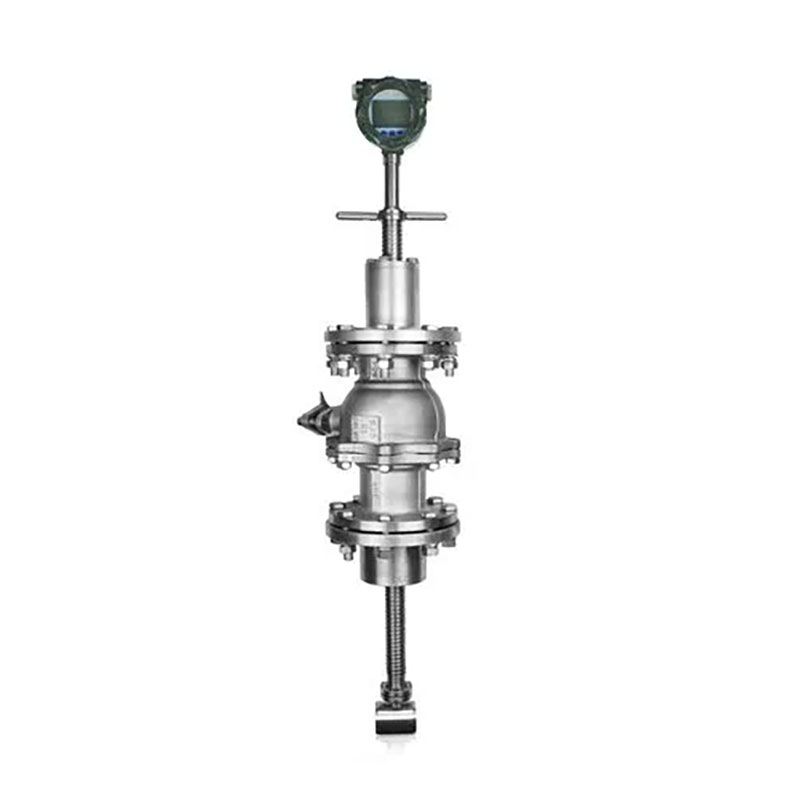
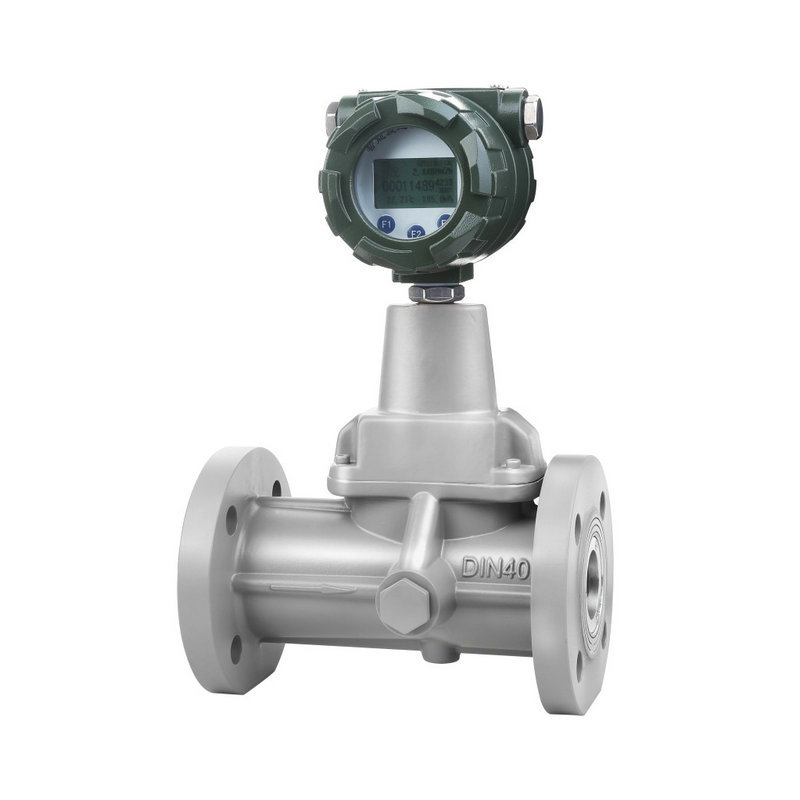
What is a Vortex Flow Meter
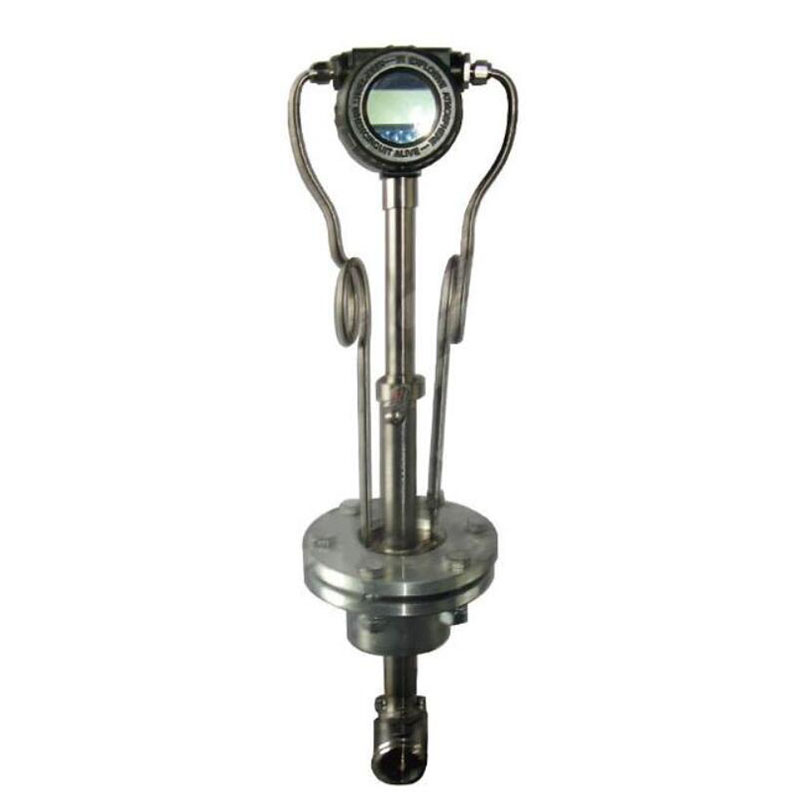
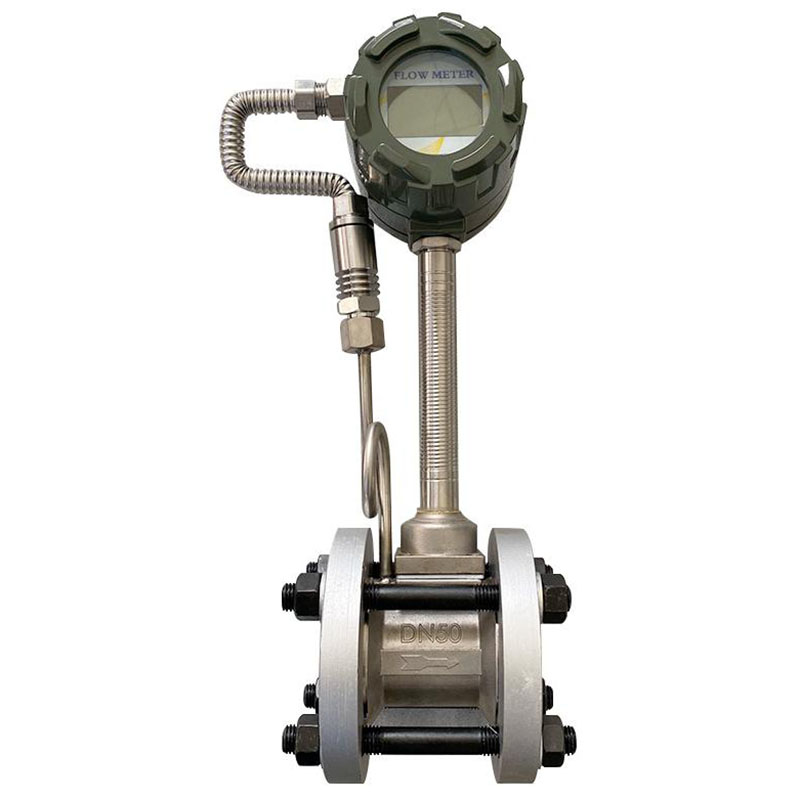
The vortex flow meter is developed based on the Karman vortex street principle, primarily used for measuring the flow rate of industrial pipeline media such as gases, liquids, steam, and other fluids. Its characteristics include low pressure loss, a wide measurement range, and high accuracy. When measuring volumetric flow under operating conditions, it is virtually unaffected by parameters such as fluid density, pressure, temperature, and viscosity.
With no moving mechanical parts, it offers high reliability and minimal maintenance requirements. The instrument’s settings stay the same for a long time. The Vortex Flow Meter uses piezoelectric stress sensors, making it highly reliable and capable of operating in temperatures ranging from -20°C to +250°C. Providing both analogue standard signals and digital pulse signal outputs makes it easy to use with computer systems and other digital equipment.
Accuracy of Vortex Flow Meters
Vortex flow meters are a common type of flow measurement device, typically used to measure the flow of liquids and gases. The accuracy class of a vortex flow meter indicates how precise the instrument can be. Higher accuracy classes provide more accurate measurements.
The internationally recognised standards for the accuracy classes of vortex flowmeters are ISO 4185 and ISO 6817.
ISO 4185 defines accuracy grades as 0.5, 1, 1.5, 2, and 2.5.
Grade 0.5 accuracy corresponds to a maximum permissible error of ±0.5%, suitable for high-precision applications such as trade settlement and precision batching;
Grade 1 accuracy corresponds to a maximum permissible error of ±1.0%, suitable for scenarios including energy metering and product quality control;
Grade 1.5 precision corresponds to a maximum permissible error of ±1.5%, suitable for general industrial process monitoring such as cooling water;
Grade 2 precision corresponds to a maximum permissible error of ±2.0%, suitable for auxiliary process monitoring such as wastewater discharge;
Grade 2.5 precision corresponds to a maximum permissible error of ±2.5%, suitable for non-critical flow indication scenarios such as standby circuit monitoring.
The ISO 6817 standard primarily addresses vortex flow meters for gas and steam media, with errors expressed as a percentage of reading (RD).
Class 0.2 corresponds to a maximum permissible error of ±0.2%, suitable for high-precision gas metering applications such as natural gas trade settlement;
Grade 0.5 corresponds to a maximum permissible error of ±0.5%, suitable for precise industrial gas control applications such as synthetic ammonia processes;
Grade 1 corresponds to a maximum permissible error of ±1.0%, suitable for steam energy management and general gas monitoring applications;
Grade 1.5 corresponds to a maximum permissible error of ±1.5%, suitable for routine operating conditions such as ventilation systems and exhaust emission monitoring.
Causes of Inaccurate Vortex Flow Meter Readings
1. Deposits on the Upstream Surface of the Vortex Generator
The properties of the fluid medium directly impact the suitability of vortex flow meters. If the measured fluid has any viscous particles in it, or if the medium is steam or liquid with solid particles in it, these can gradually build up on the upstream surface of the vortex generator. This changes its geometry and dimensions, which then changes the flow coefficient. So, it’s really important to keep things clean while they’re running.
2. Temperature’s Impact on Accuracy
Temperature variations significantly affect measurement precision. Elevated temperatures alter medium density and viscosity, impacting flow calculations. Concurrently, they induce mechanical thermal deformation, electronic component drift, and changes in pipe internal diameter. During selection, ensure compatibility with the medium’s temperature range to guarantee measurement accuracy.
3. Mismatch Between Pipeline and Flowmeter Bore Diameters
A discrepancy between the pipeline bore diameter and the flowmeter’s internal diameter distorts the fluid velocity distribution, leading to increased measurement errors or signal distortion. Neck-in or neck-out sections must be employed to ensure accurate measurement and stable flow conditions.
4. Installation considerations
Primarily, insufficient straight pipe length upstream of the sensor affects measurement accuracy. The length of the straight pipe must be determined according to the on-site pipeline routing and established procedures. If the length of the upstream straight pipe is inadequate, basic error correction methods or the installation of a flow conditioner can be used.
Measures to Enhance Vortex Flow Meter Accuracy
Selecting Models Suitable for Operating Conditions and Media: Ensure you select models that are the correct size for the inside diameter of the pipeline, and use concentric reducers to ensure they are the correct shape. Maintain flow rates within 30–80% of the measurement range to prevent signal anomalies. For trade settlement, opt for high-precision models with ±0.5% R accuracy. In environments with high levels of vibration, opt for models with dual sensors or capacitive detection. Opt for models that are resistant to wear and corrosion, or that are specially designed for your specific media.
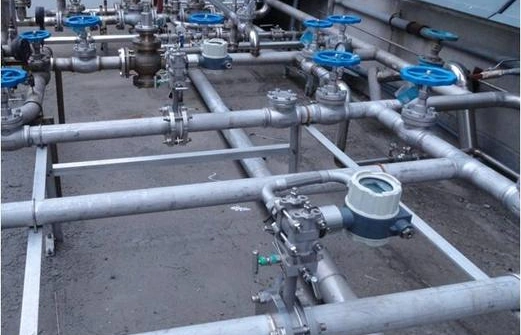
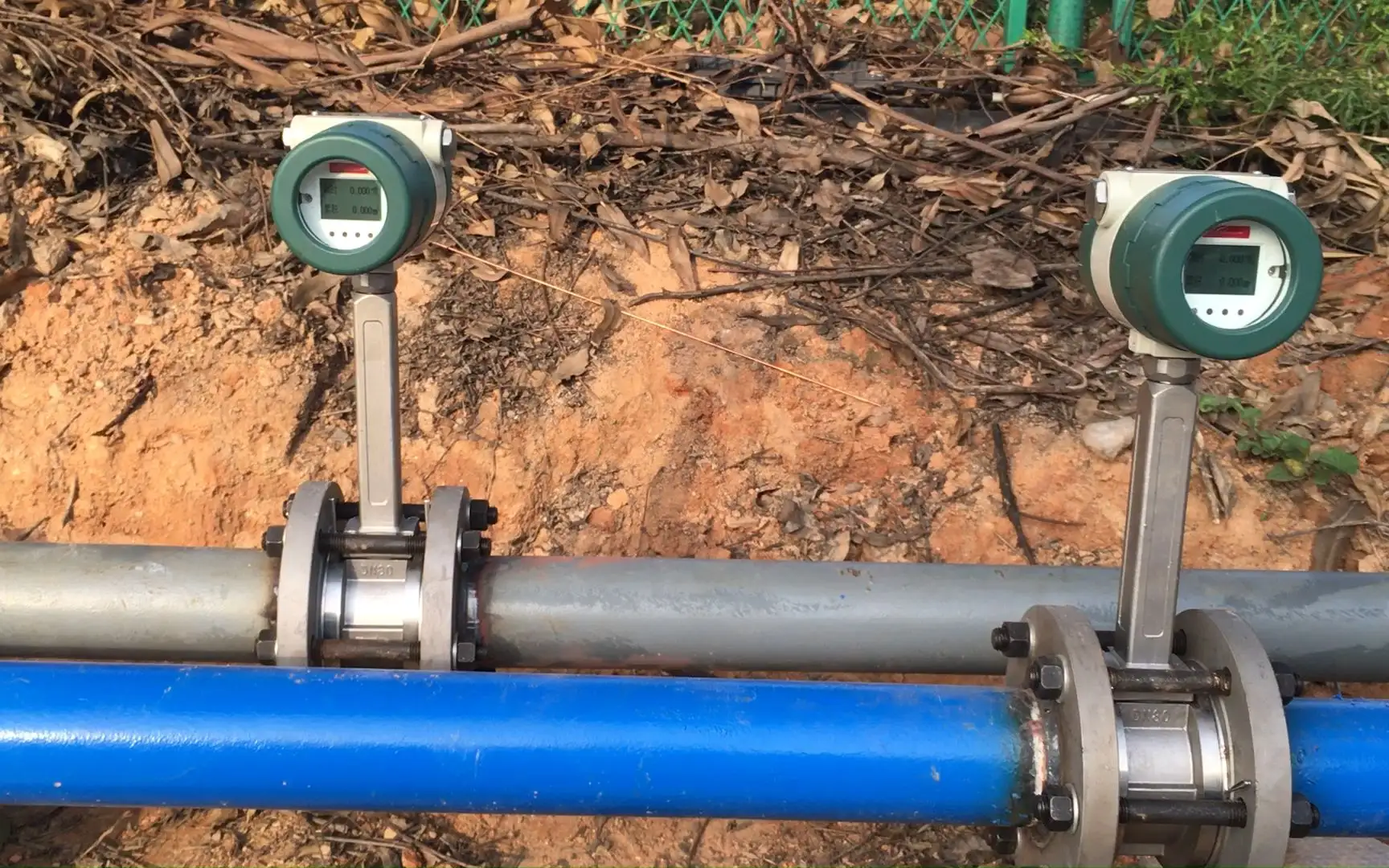
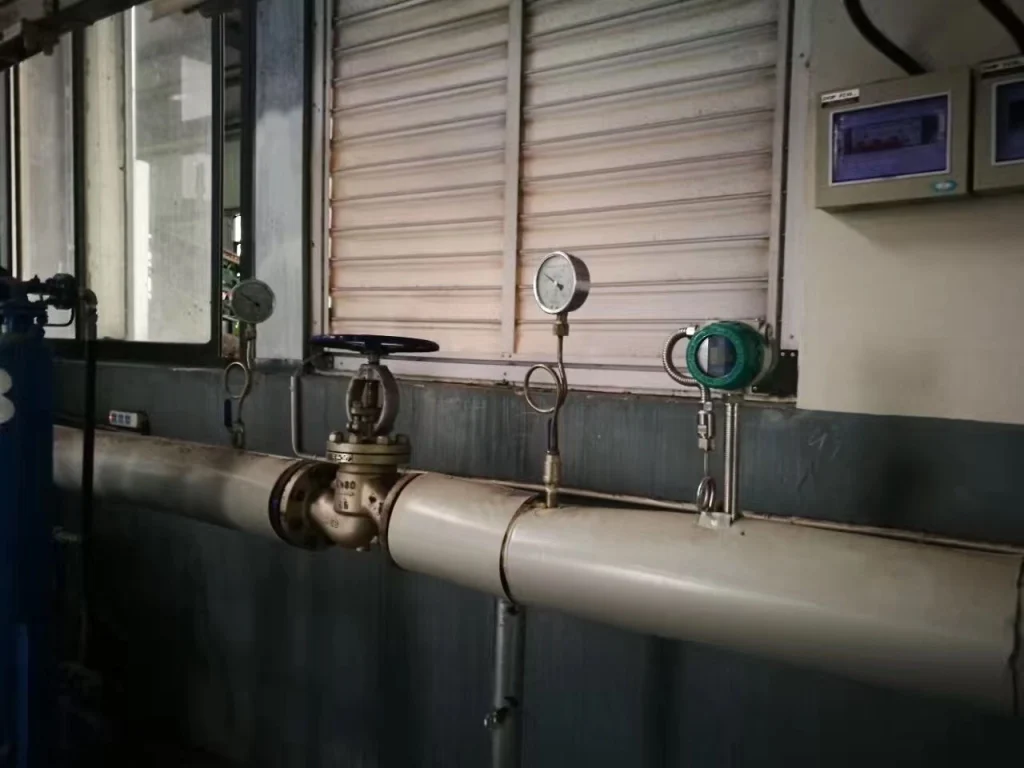
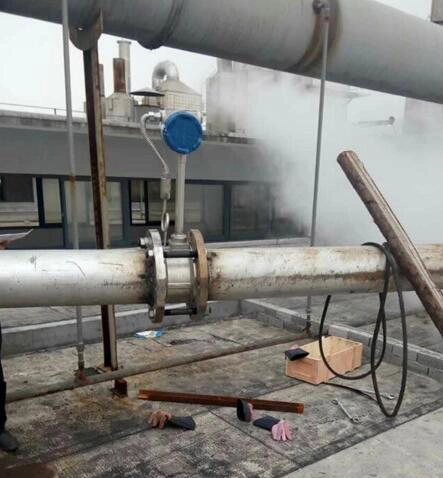
Correct Installation: Make sure the upstream straight pipe length is at least 15D and the downstream length is at least 5D. In some special cases, you may need to extend the lengths and install flow conditioners. For horizontal pipes, the sensors should face upwards. For vertical pipes, ensure there is full pipe flow from bottom to top. Install vibration dampers and position them away from strong vibration sources. The temperature and pressure measurement points are arranged in a way that minimises compensation errors.
Regular calibration: Conduct offline full-range calibration every 1-2 years and update K-factor; perform online comparison every 3-6 months; verify monthly in critical conditions. Calibration points must cover the common flow range (minimum 3-5 points). Recalibrate when media or operating conditions change.
Maintain stable and clean media: Install filters for impurity-laden media and gas separators for gas-containing media; fit steam traps for steam media. Quarterly cleaning of vortex generators; monthly purging for scaling-prone conditions. Annual sensor sensitivity checks with timely replacement of worn components.
Optimal parameter configuration: Ensure that the information you enter is correct and that the K-factor is set according to the calibration certificate. The pulse signal output is the most important thing. When using steam or gas, ensure that temperature-pressure compensation is switched on and activate the correction functions for special conditions. This will ensure they match the required specifications.
Accuracy Comparison of Vortex Flow Meters with Mainstream Flow Meters
Orifice Plate Flow Meter: A classic differential pressure instrument with an accuracy range of ±1.5% to ±3.0%. Its performance is significantly affected by Reynolds number, installation conditions, and wear of the throttling element. It can handle lots of different media, but it’s expensive and it’s a lot of work to keep it going. They’re pretty much as accurate as vortex flow meters, but vortex meters have moving throttling components, which makes them less resistant to erosion and less stable over time.
Ultrasonic Flow Meters: The margin of error is between plus or minus 1.0% and 2.0%. Non-contact measurement is great for large-bore, non-disruptive applications, but it’s also pretty sensitive to bubbles and suspended solids, and it’s not the best for measuring steam. Whirl flow meters, though contact-based, are pretty sensitive to bubbles and work better in gas-filled or contaminated conditions.
Coriolis mass flow meters: Accuracy range ±0.1% to ±0.5%. Capable of direct mass flow measurement unaffected by fluid properties. High precision but costing 5 to 10 times that of whirl meters. Vortex flow meters offer superior cost-effectiveness, making them the economical choice for medium-accuracy utility metering.
Turbine flow meters: Accuracy range ±0.5% to ±1.0%, with some high-precision models achieving ±0.1%. Performance relies on impeller rotation speed and is sensitive to medium cleanliness. Bearings are prone to wear, resulting in high maintenance costs. While accuracy is comparable to vortex meters, the latter’s lack of moving parts enables broader applicability.
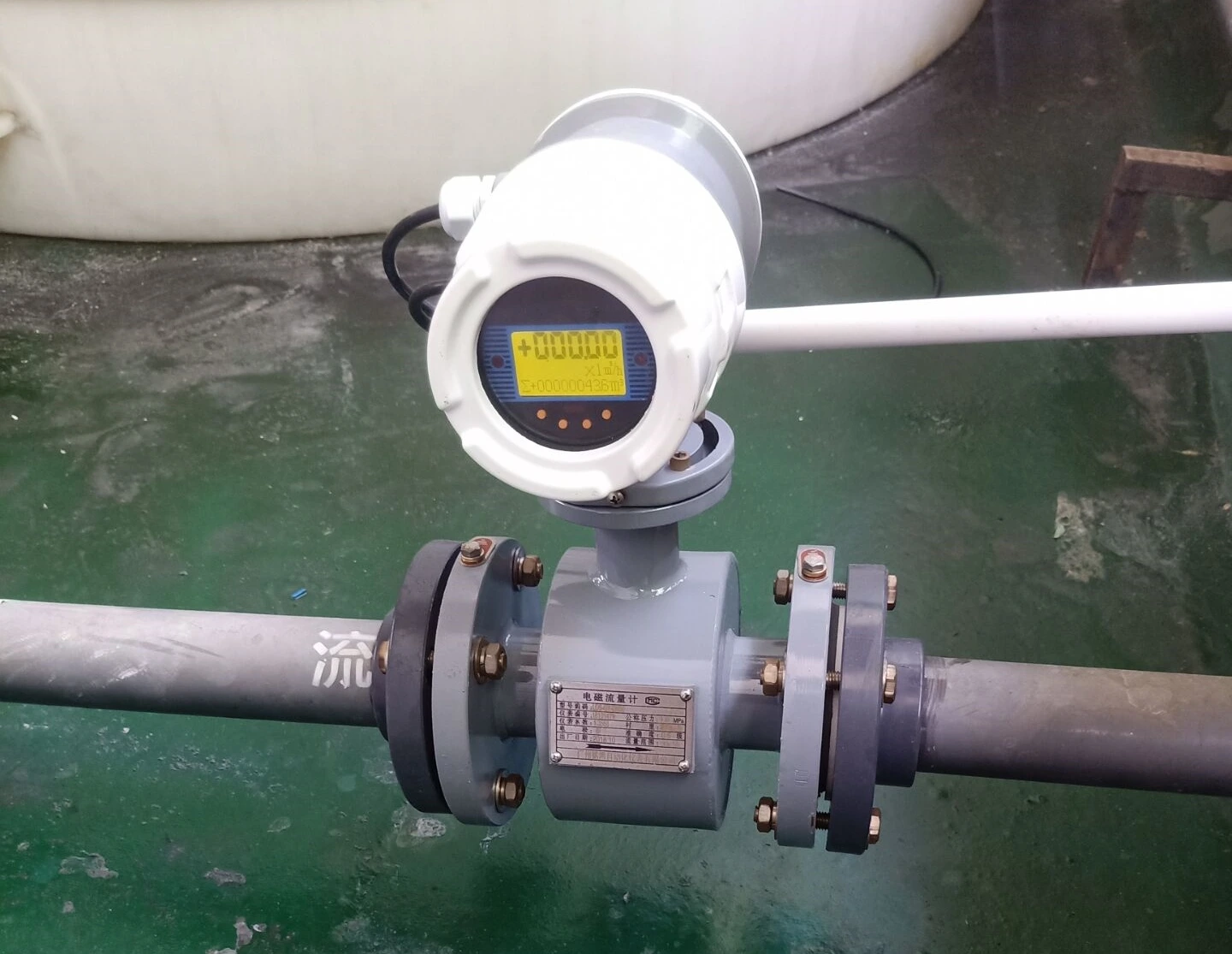
Electromagnetic Flowmeters: Accuracy range ±0.2% to ±0.5%. Features zero pressure loss and bidirectional measurement, suitable for conductive liquids containing impurities. However, it is restricted to media with conductivity ≥5μS/cm and cannot measure gases or vapours. Compared to vortex flowmeters, it offers superior accuracy for conductive liquids but has more stringent medium limitations; vortex flowmeters demonstrate greater versatility.
Positive displacement flowmeters: It’s pretty accurate too, with a range of plus or minus 0.1% to 0.5%, which is great for trade-grade precision. How well they work depends on how thick and slippery they are, so they’re great for thick, slippery stuff that doesn’t flow much. Compared to vortex flowmeters, they’re more stable and accurate for high-viscosity applications, but vortex meters need less maintenance and are more versatile.
Rotor flowmeters: Accuracy range ±2.0% to ±5.0%. Featuring simple construction and low cost, they are suitable for on-site monitoring of low-flow, low-pressure applications. Accuracy is significantly affected by operating conditions, rendering them unsuitable for precise measurement. Compared to vortex flowmeters, they offer lower accuracy, while vortex meters are more suitable for industrial process control.
It’s really important to measure things accurately when managing energy in a business, making sure payments are correct and improving how processes work. The accuracy of vortex flowmeters directly affects how good the measurements are and how useful they are in practice. Sion-Inst’s vortex flow meters meet international standards and are accurate to different levels, so they can be used in different situations, from very precise trade settlement to routine industrial monitoring. We welcome enquiries for consultation. We will design bespoke metering solutions tailored to your specific operating conditions. We deliver reliable products and professional services to enhance the quality and efficiency of your production operations.