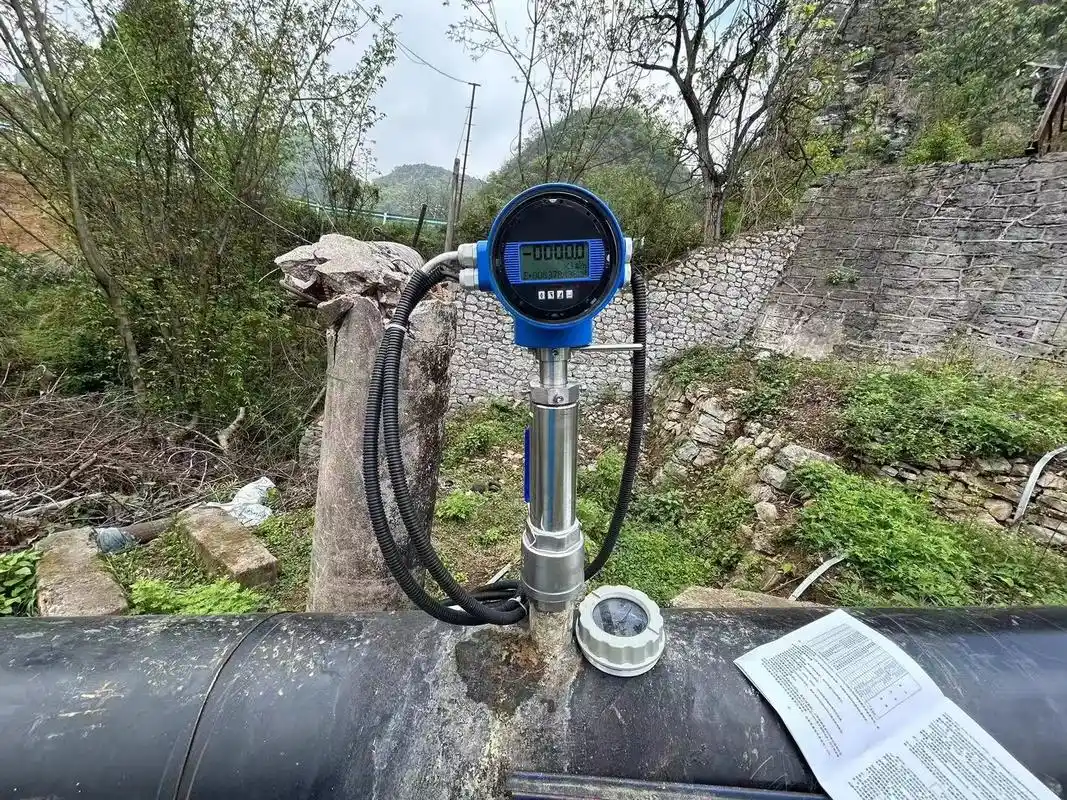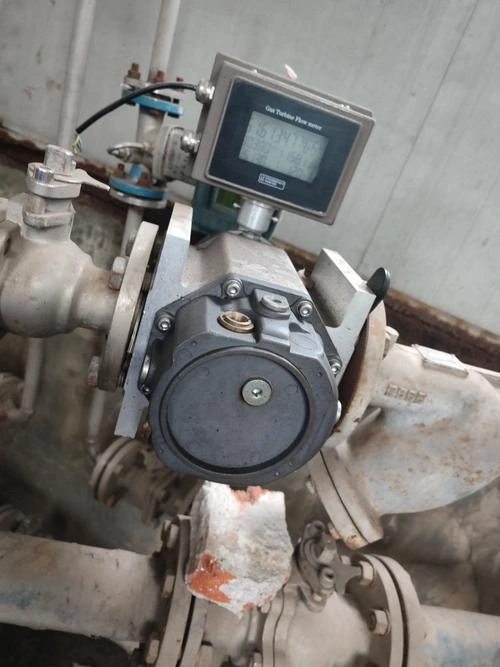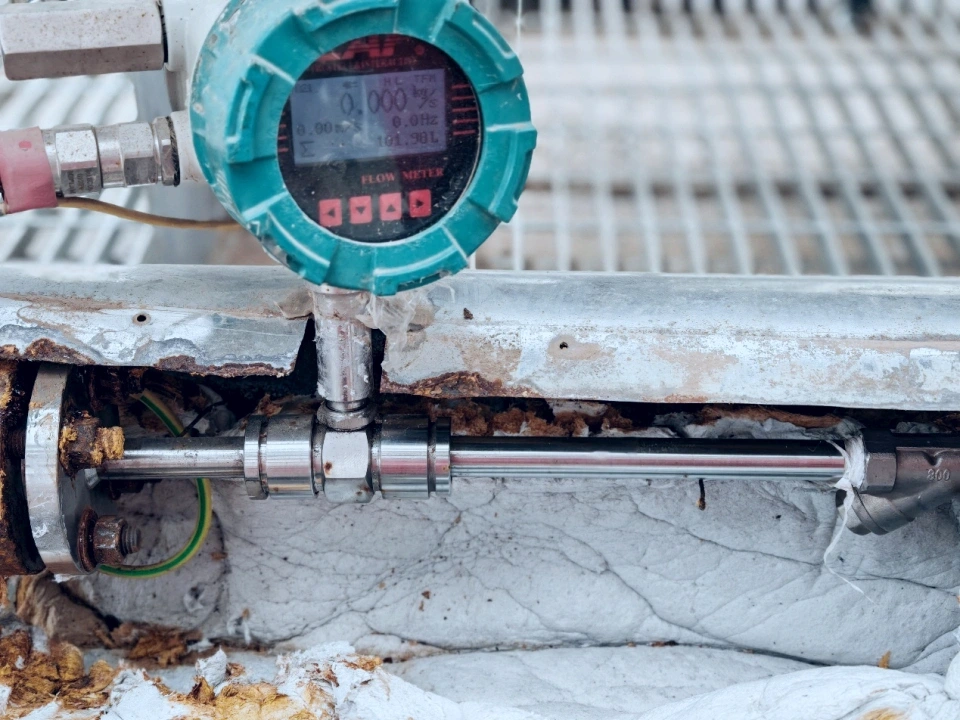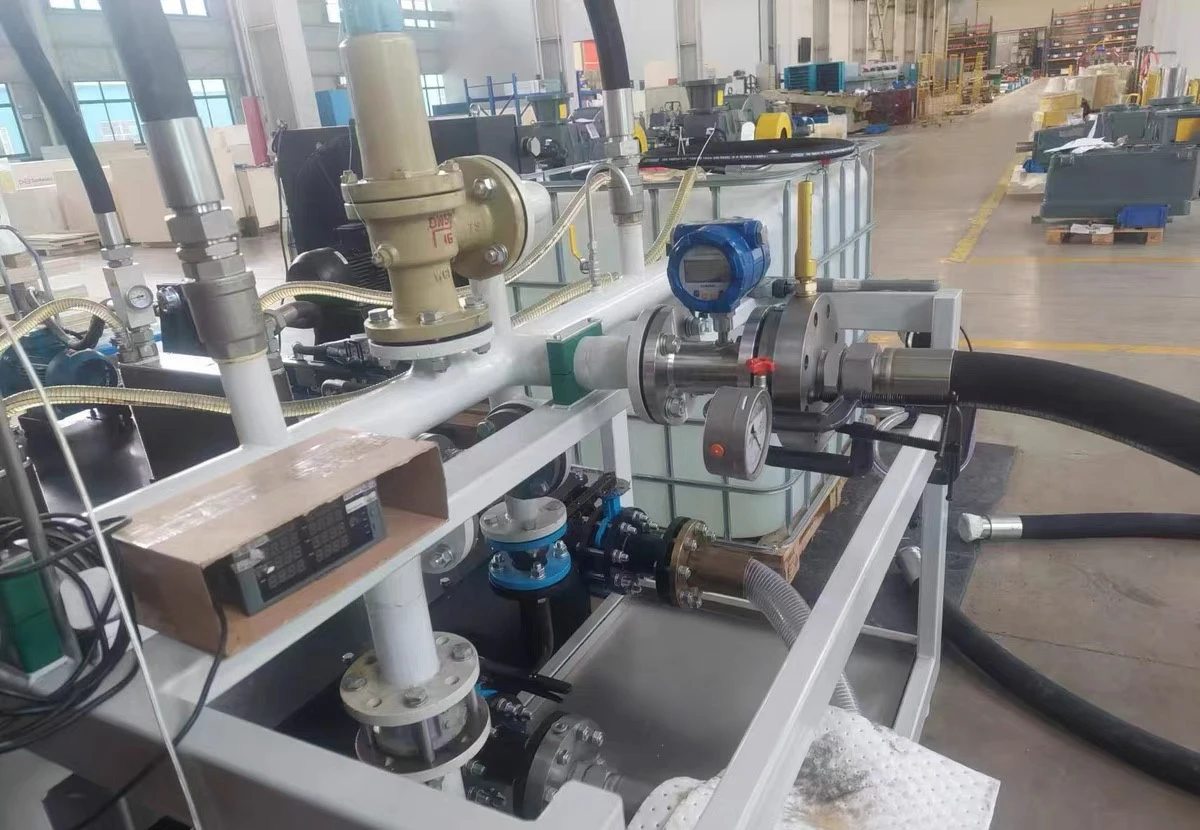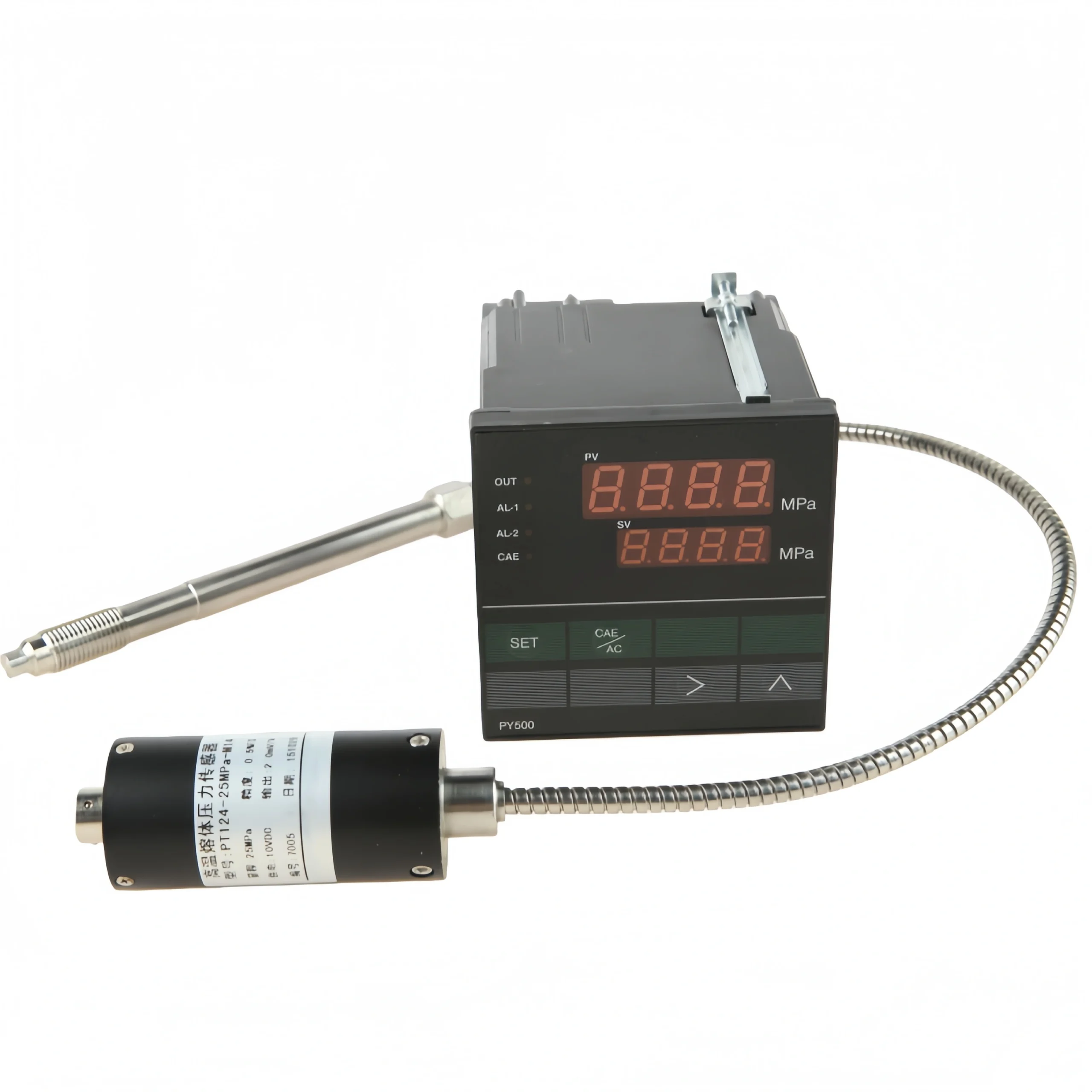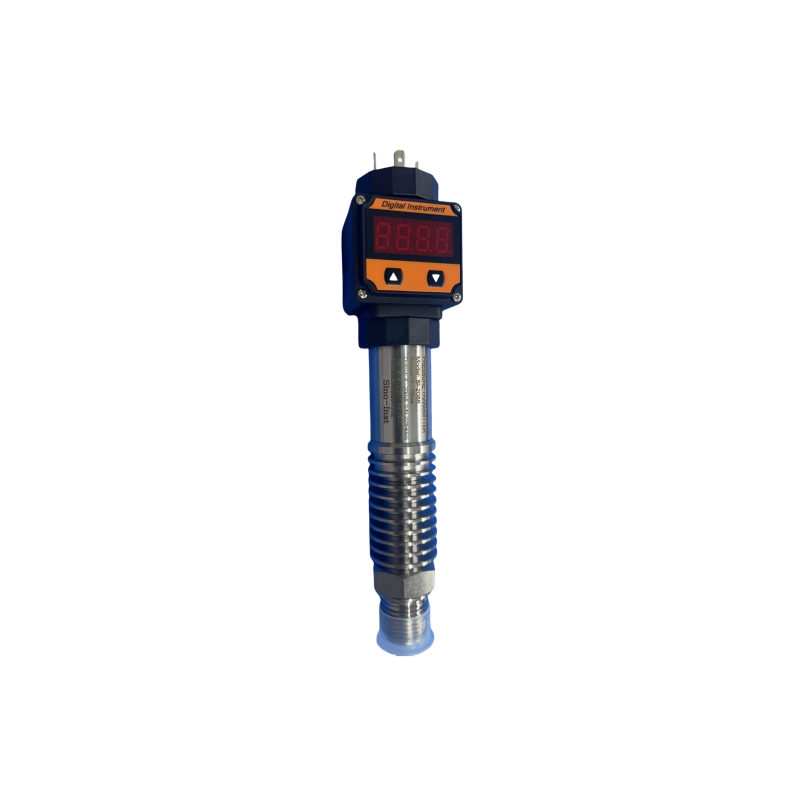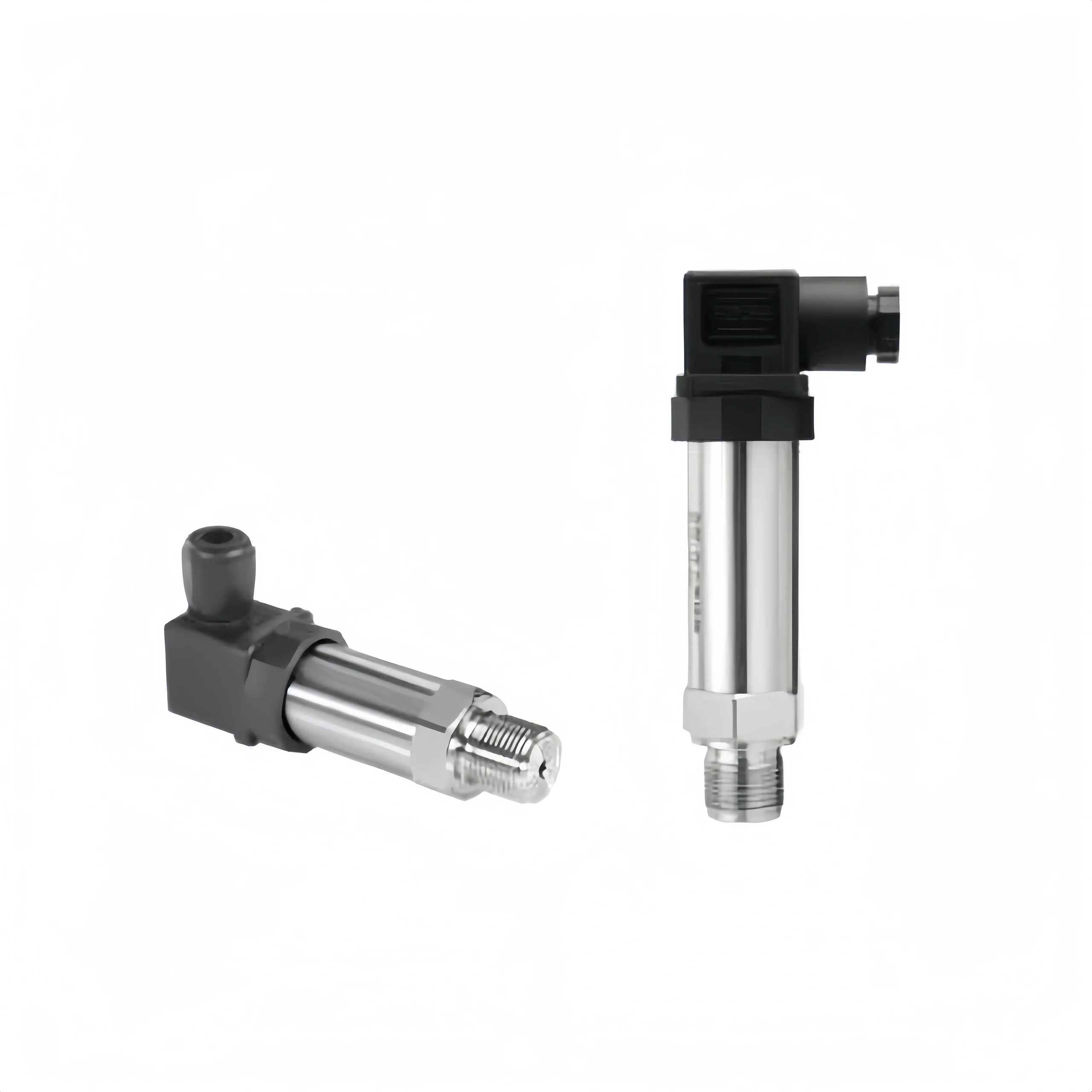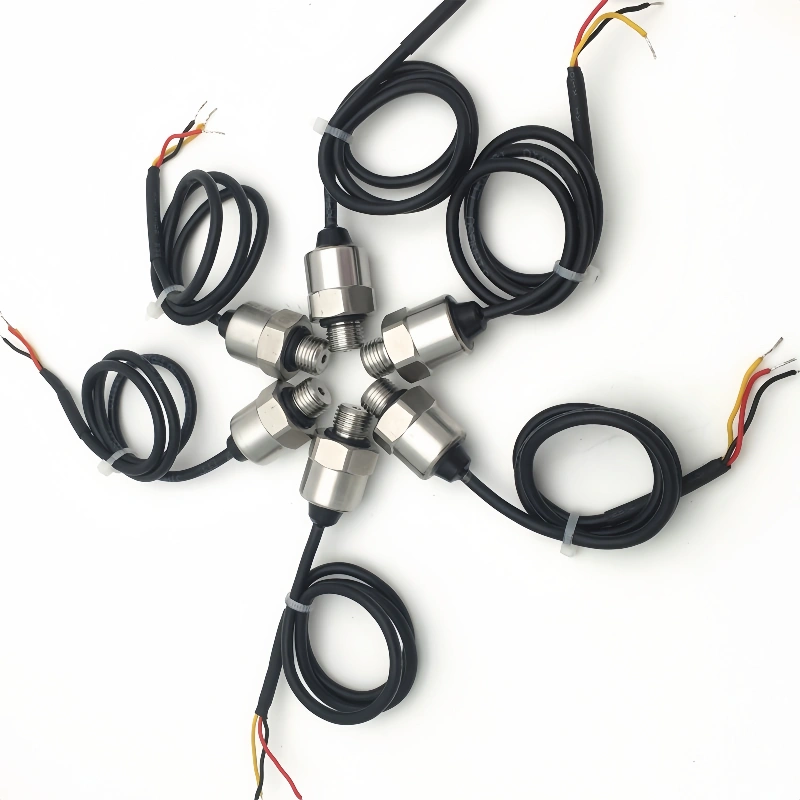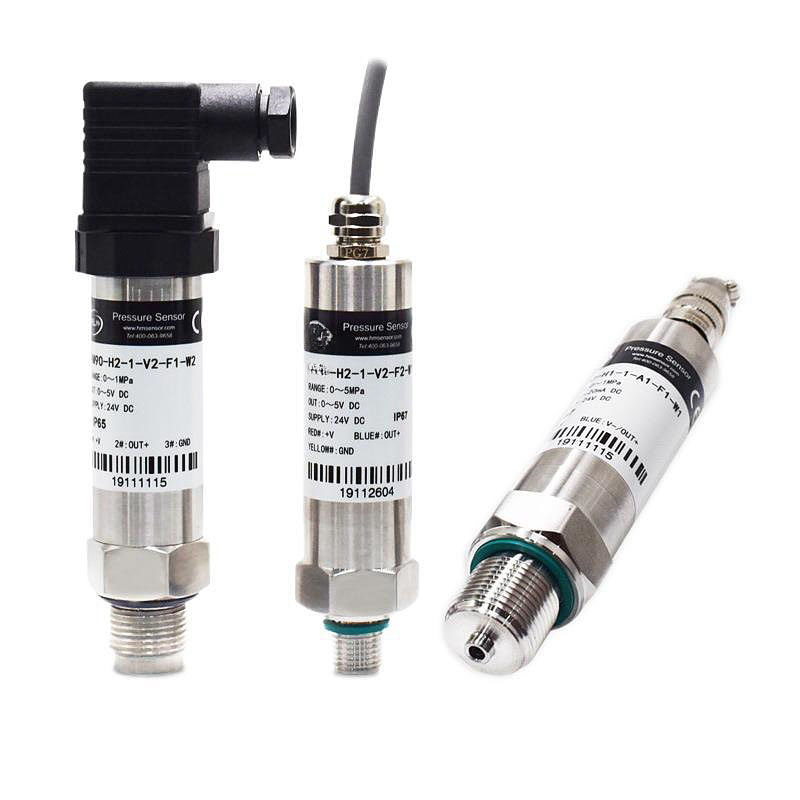
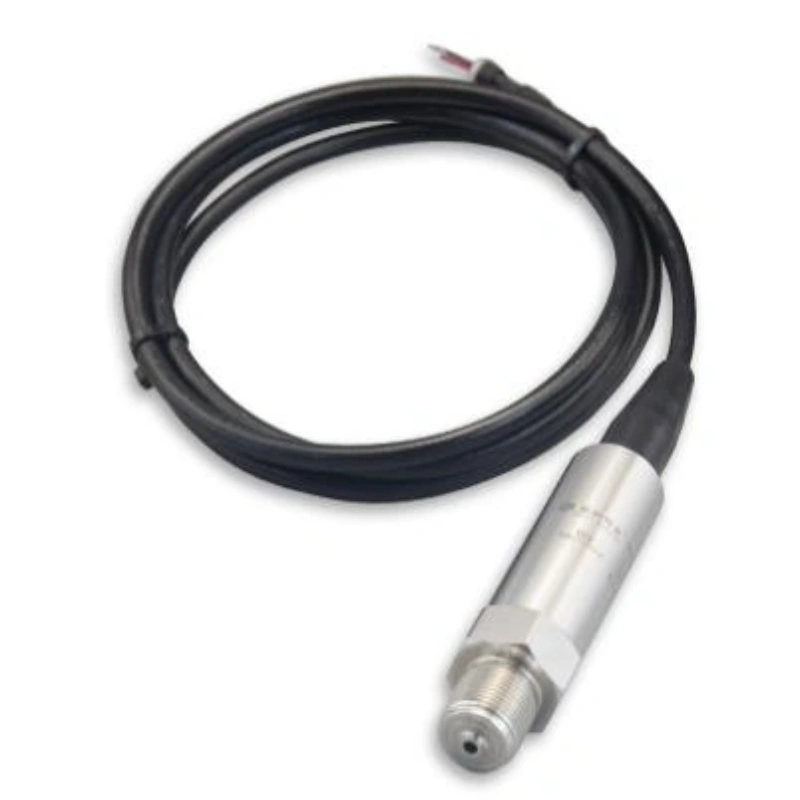
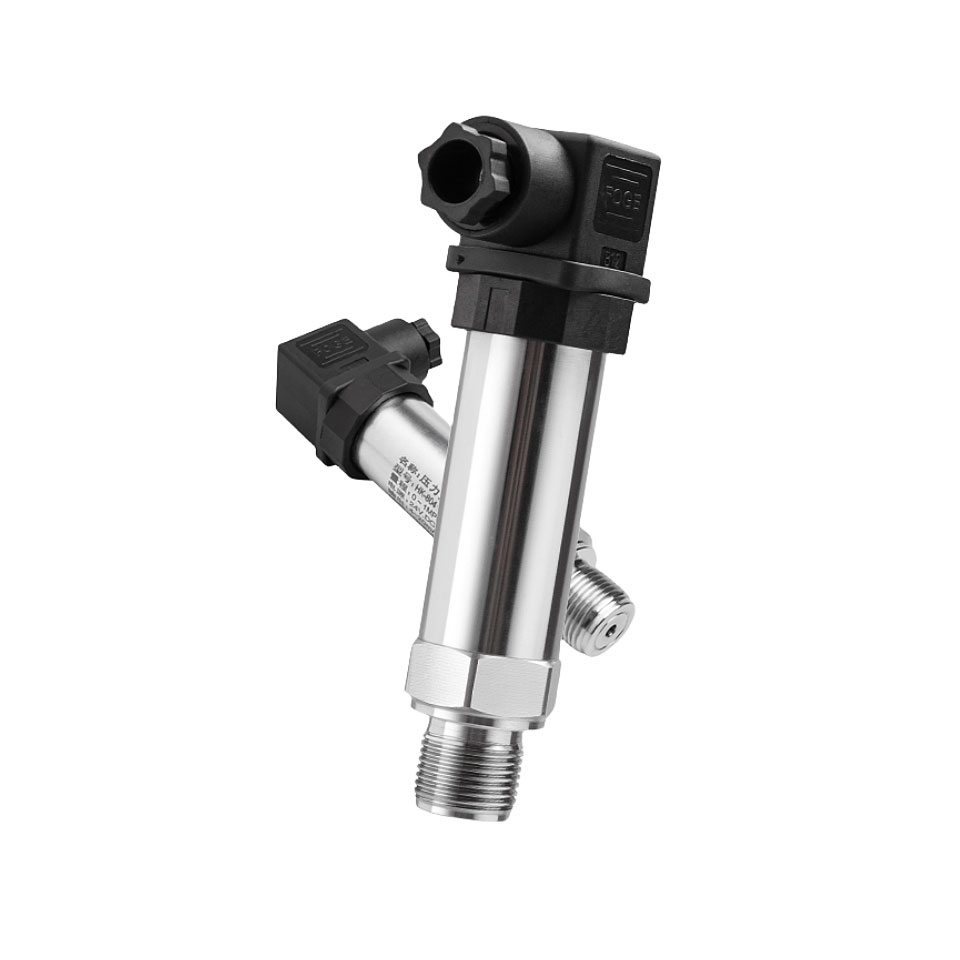
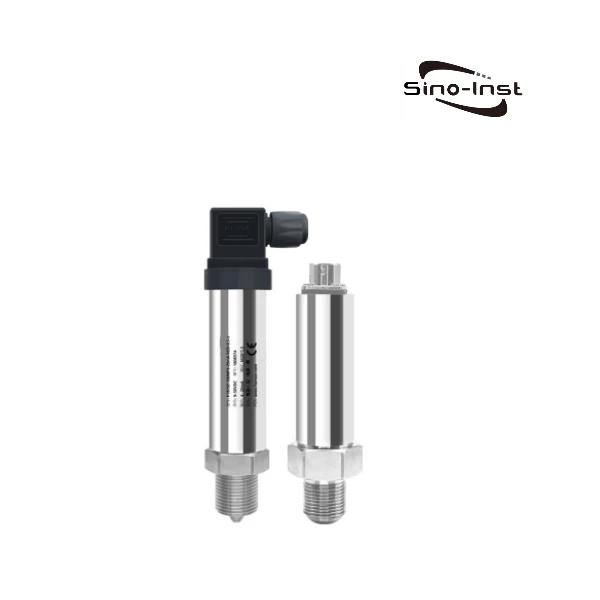
Hydrogen pressure sensors/transmitters are devices that convert pressure variations in hydrogen gas or liquid hydrogen into electrical signal outputs. Throughout the entire process chain of hydrogen production, conversion, transportation, storage, and distribution, hydrogen pressure sensors/transmitters serve as vital monitoring tools, playing a crucial role.
Fundamental Principles of Hydrogen Pressure Sensors
Standard pressure sensors frequently fail in hydrogen environments as they are not engineered to withstand hydrogen’s unique chemical properties.The hydrogen pressure sensor comprises three principal components: the sensing element, the signal processing circuitry, and the housing.
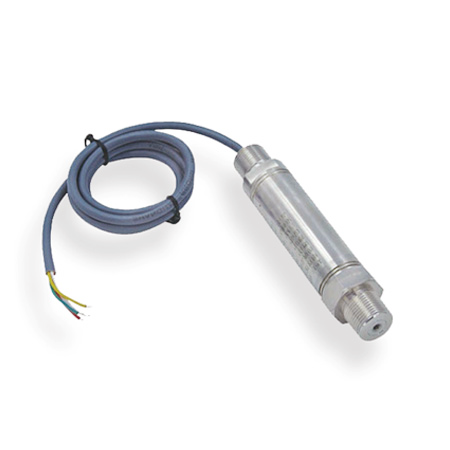
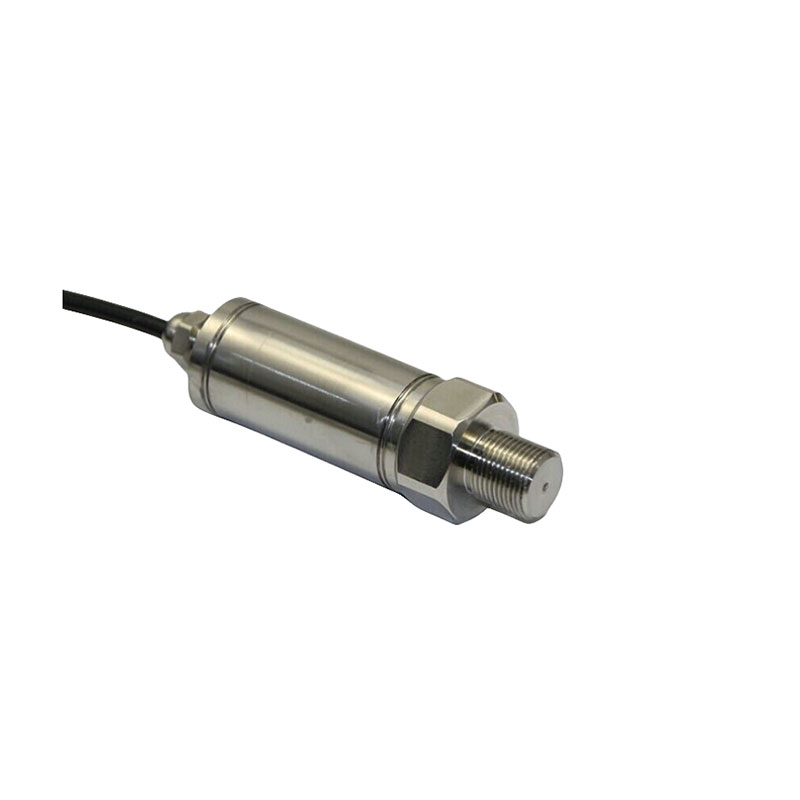
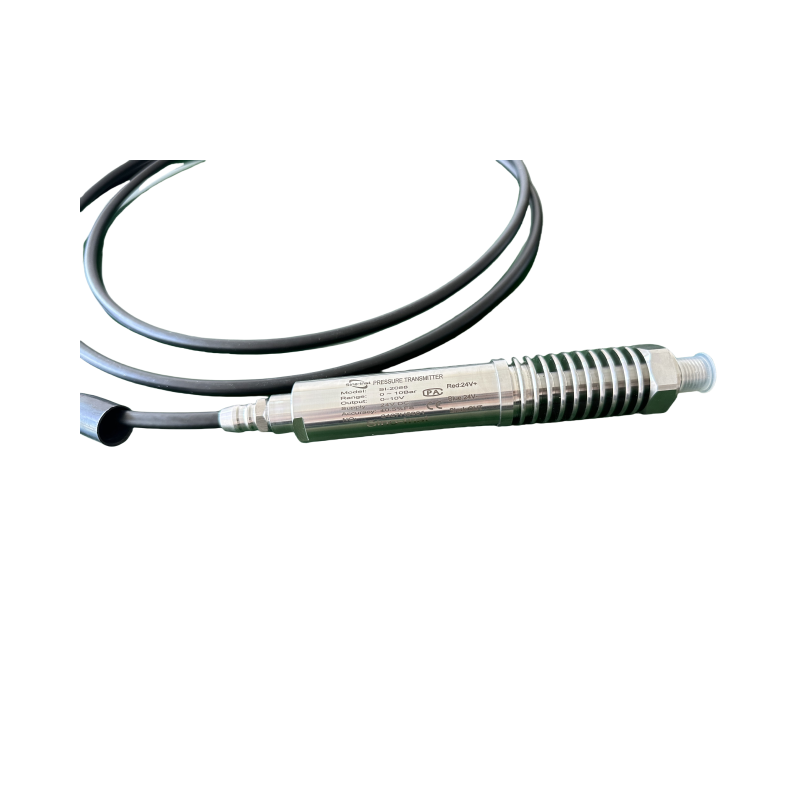
To withstand hydrogen environments, the diaphragm section undergoes specialised gold plating; the core structure employs a fully welded construction, enabling operation across a broad temperature range while offering flexible selection of multiple cable materials.
Material selection requires particular attention to hydrogen compatibility, typically employing hydrogen-resistant materials such as gold-plated components, stainless steel, and nickel-based alloys.
Properties of Hydrogen
Classification based on physical state and storage conditions divides hydrogen into gaseous hydrogen and liquid hydrogen. These states dictate significant differences between pressure sensors designed for hydrogen and conventional pressure sensors.
Hydrogen Gas
A colourless, odourless, and tasteless flammable gas.Highly prone to diffusion and permeation. A potent reducing agent, it exhibits permeation effects on steel, causing hydrogen embrittlement. When mixed with air, it forms explosive mixtures; ignition by open flames or intense heat can trigger combustion or explosion.
It undergoes violent chemical reactions with fluorine, chlorine, and similar elements. Combustion produces no visible flame, and mixtures with air, oxygen, chlorine, etc., are highly explosive.
Liquid Hydrogen
Liquid hydrogen is obtained by deep-cooling gaseous hydrogen into its liquid form.Liquid hydrogen is commonly employed as a concentrated form of hydrogen storage. Storing it as a liquid requires significantly less space than storing it as a gas at normal temperature and pressure.
However, its liquid density is extremely low compared to other common fuels. It must be preserved in highly insulated, specialised cryogenic tanks.
Sino-Inst provides pressure transmitters specifically designed for measuring cryogenic liquids and gases, capable of operating down to -252°C.Customised specifications for various cryogenic applications are also available.
Hydrogen Embrittlement and Hydrogen Permeation
What is Hydrogen Embrittlement
Hydrogen embrittlement refers to a brittle fracture phenomenon induced by hydrogen gas in materials. Its primary cause lies in hydrogen atoms readily damaging the metal surface, thereby significantly reducing the material’s ductility.
Hydrogen embrittlement can lead to catastrophic fracture of metals, compromising their strength and toughness.Consequently, in certain applications, specially treated materials must be selected to reduce the incidence of hydrogen embrittlement.
What is Hydrogen Permeation
Hydrogen permeation refers to the mass transfer process whereby hydrogen atoms (or ions), driven by concentration gradients, pressure gradients, or electric fields, migrate through the bulk of a solid material from the high-pressure (or high-concentration) side to the low-pressure (or low-concentration) side.
Effects of Hydrogen Embrittlement
Because of the way hydrogen can weaken materials, regular pressure transmitters that come into contact with hydrogen can have their performance affected in different ways.This manifests primarily in the following aspects:
(1)Reduced measurement accuracy: Hydrogen embrittlement causes sensor deformation, leading to diminished measurement precision.
(2) Slowed response time: Hydrogen embrittlement affects physical properties such as the bending stiffness of sensors, thereby reducing their response speed.
(3) Reduced service life: Hydrogen embrittlement also compromises the mechanical properties of sensors, shortening their operational lifespan.Consequently, pressure sensors designed for use with hydrogen must be highly corrosion-resistant and are usually made from gold-plated materials.
Characteristics of Hydrogen Pressure Sensors
Safe and Reliable Structural Design:
Meeting stringent explosion-proof and sealing standards is typical design intent, with the aim of preventing hazardous hydrogen leaks.
High Precision and Stability:
Capable of accurately measuring hydrogen pressure fluctuations with exceptional stability, suitable for precision industrial applications.
Corrosion Resistance:
Conventional steels are prone to failure in hydrogen environments. We prioritise materials resistant to cracking and fatigue under sustained high-pressure cycling.
316L Stainless Steel:
Industry standard due to its high nickel content, offering superior resistance to hydrogen embrittlement.
Titanium Alloy Pressure Sensors:
Employed in aerospace or high-performance specialised equipment demanding exceptional weight and durability.
Gold-Plated Diaphragms:
Gold-plated diaphragm pressure sensors are frequently employed to establish an additional barrier, thereby significantly reducing hydrogen permeation into the sensor element. Rapid response and high reliability: The product’s short response times mean that pressure variations can be captured swiftly. This allows for real-time monitoring and control.
Strong resistance to interference:
To prevent hydrogen leakage and explosion risks, hydrogen pressure sensors commonly employ fully welded, all-metal sealed structures. This robust, monolithic housing provides excellent defence against external humidity, dust, corrosive gases, and the effects of mechanical vibration and shock.
Excellent Long-Term Stability:
Materials that are resistant to hydrogen and water (like special stainless steels and Hastelloy alloys) make sure that they can be used with hydrogen. They also stop rust and can deal with high temperatures.This ensures stable sensor performance even when exposed to trace impurities in hydrogen or temperature fluctuations.
Applications of Hydrogen Pressure Sensors
1.Hydrogen Fuel Cell Vehicles
Hydrogen fuel cell vehicles utilise the chemical reaction between hydrogen and oxygen within fuel cells to generate electrical energy.Within these vehicles, hydrogen pressure sensors are extensively deployed in critical components such as hydrogen storage tanks, hydrogen supply systems, and fuel cell stacks.By continuously monitoring hydrogen pressure fluctuations, they ensure the normal operation and safety of hydrogen fuel cell vehicles.
2.Hydrogen Production and Storage
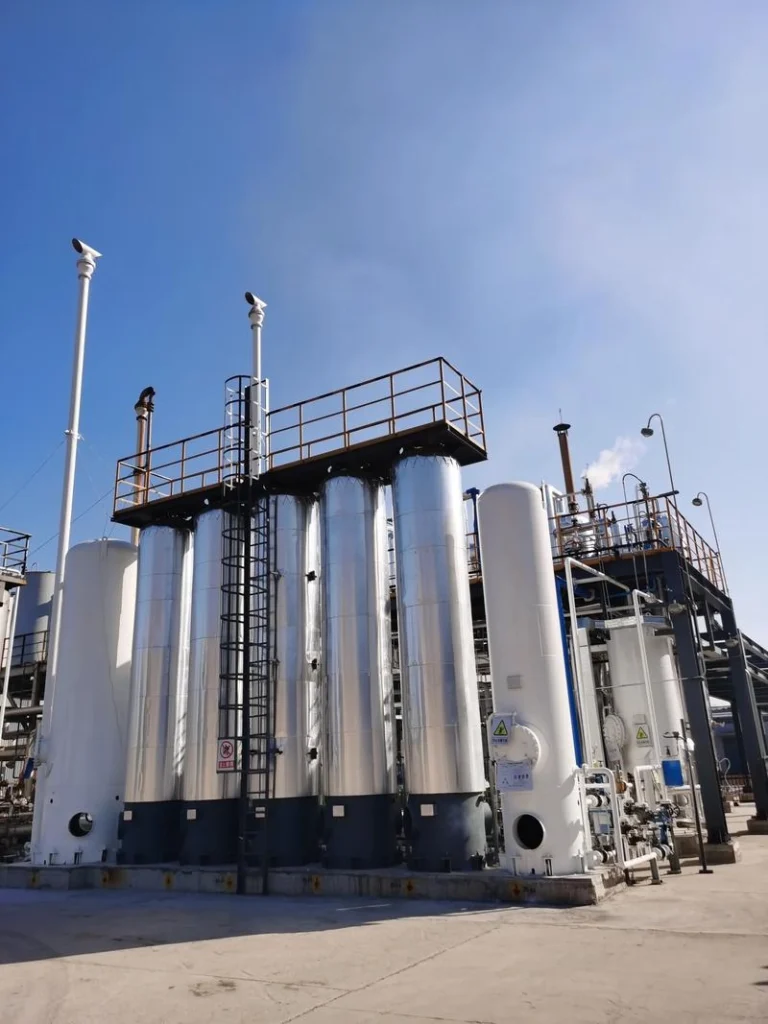
High-pressure-resistant hydrogen pressure sensors also play a vital role in hydrogen production and storage processes. During production, these sensors monitor the operational status of hydrogen generation equipment and output in real time, ensuring process stability and safety. In storage, digital hydrogen pressure sensors continuously track pressure fluctuations within storage tanks, preventing accidents caused by excessive or insufficient pressure.
3.Hydrogen Power Stations
Hydrogen power stations are facilities that generate energy from hydrogen. High-temperature-resistant hydrogen pressure sensors are deployed in critical areas of these stations, such as hydrogen combustion and circulation systems and power generating equipment.By continuously monitoring hydrogen pressure fluctuations, they safeguard the normal operation and power generation efficiency of hydrogen power stations.
Selecting the Appropriate Hydrogen Pressure Sensor
Material Compatibility:
Hydrogen molecules are extremely small and, under high pressure, can permeate into the metal lattice, causing a reduction in the material’s toughness, leading to cracking or even failure.Materials resistant to hydrogen embrittlement must be selected.
For wetted components in contact with hydrogen, such as diaphragms and process connections, materials like gold-plated components, 316L stainless steel or Hastelloy C-276 should be prioritised. Standard 316 stainless steel and carbon steel are not suitable for high-pressure hydrogen environments.
High Pressure Range:
Hydrogen storage and refuelling require extremely high pressures to maximise energy density.
Transmitters must possess exceptionally high pressure ratings and incorporate a safety overload capacity of at least 1.5 times (typically 2 times or more) the rated pressure to ensure absolute safety.
Sealing integrity:
Hydrogen possesses the smallest known molecular structure, rendering it highly prone to leakage. Even the slightest leak poses a significant hazard in flammable atmospheres.
Transmitters must therefore achieve exceptional sealing standards.Process connections typically employ metal-to-metal seals (e.g., tapered threads, ferrules) rather than soft seals (e.g., O-rings), as the latter may fail under high pressure and hydrogen permeation.Welded connections represent a more reliable alternative, which is why they are used in a variety of settings.
Safety:
Hydrogen is a flammable and explosive gas with a broad explosive limit range (4%-75%).
In potentially explosive atmospheres, transmitters must hold appropriate explosion-proof certifications such as ATEX (European), IECEx (International), or FM/CSA (North American). The certification level must correspond to the specific application zone.
Accuracy and Stability:
Hydrogen and liquid hydrogen monitoring demand exceptional metrological precision, while hydrogen production process control requires accurate pressure measurement.Select products offering high accuracy (e.g., ≤ ±0.5% FS or better) and excellent long-term stability to minimise drift and maintenance requirements.
Medium Purity:
For industrial production, it’s really important that the hydrogen is very pure (usually ≥99.97%).Any contamination could poison the catalyst.
The wetted parts of transmitters must be constructed from materials of high cleanliness that do not leach contaminants. Their design should eliminate dead zones to prevent impurity accumulation.
Precautions for Using Hydrogen Pressure Sensors
1.When using hydrogen transmitters, select models and specifications that are suitable for the operational environment. Ensure that the equipment is kept clean and functioning properly.
2.During use, avoid exposing hydrogen transmitters directly to corrosive substances such as acids and alkalis, as this will reduce their service life.
3.To ensure accurate measurements, hydrogen transmitters should undergo regular calibration and maintenance to preserve sensor sensitivity.
4.Adhere strictly to the requirements outlined in the user manual when operating hydrogen transmitters to prevent accidents caused by incorrect operation.
As a trailblazer in specialist sensor technology, Sino-Inst has cultivated extensive industry expertise over many years, dedicated to developing high-performance, highly trustworthy sensing solutions.
Our product portfolio includes multiple series, such as pressure sensors, liquid level sensors and displacement sensors. These sensors are widely used in sectors including construction machinery, industrial automation and petrochemical engineering. Moving forward, we shall persist in delivering exceptional products and cutting-edge technology to provide each client with more precise and stable service support.