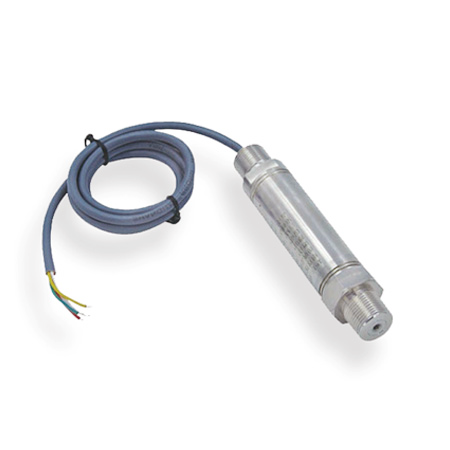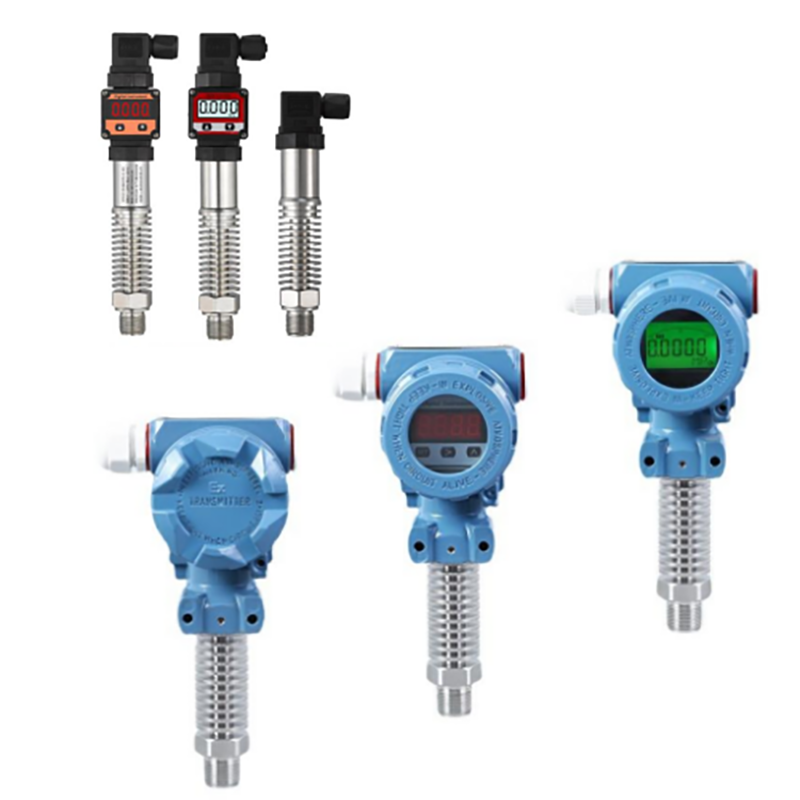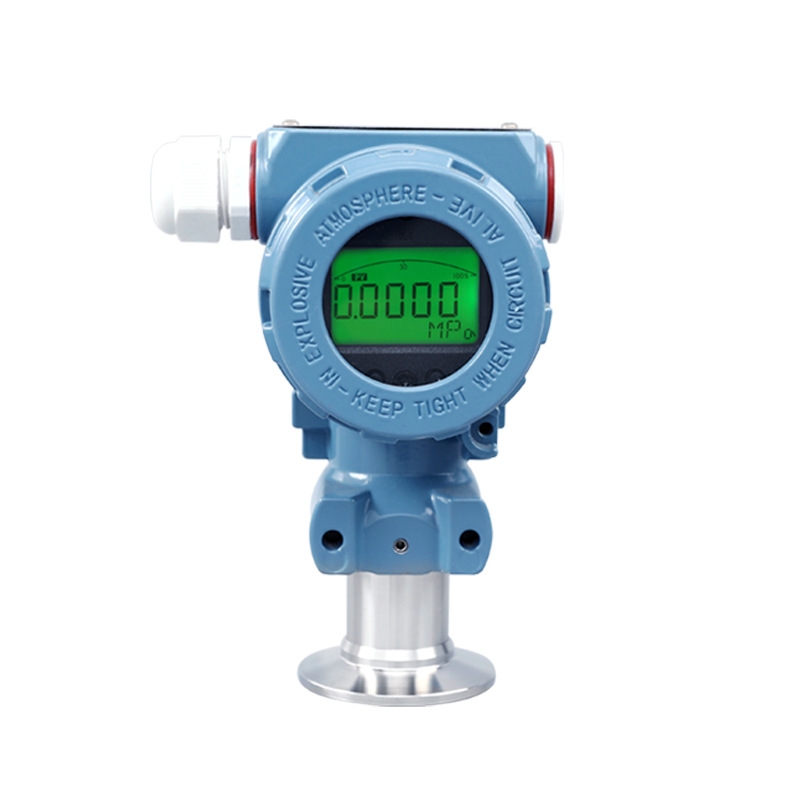
Piezoresistive pressure sensors represent a prevalent form of pressure sensor, which employs the piezoresistive effect to measure pressure. The sensors under consideration are distinguished by a simple structure and robust construction, which renders them suitable for a wide range of applications. These sensors are capable of measuring absolute pressure, gauge pressure, relative pressure, and differential pressure. They are appropriate for both high-pressure and low-pressure environments.
Sion-Inst is a true expert in the field of manufacturing piezoresistive pressure sensors! These sensors are used in a wide range of industries, making a real difference in so many areas. Sion-Inst’s pressure sensors are the absolute best for measuring the pressure of all kinds of media!
Working Principle of Piezoresistive Pressure Sensors
The operating principle of a piezoresistive pressure sensor is clear: pressure transmission, resistance change, and electrical signal conversion.Firstly, the process of pressure transmission involves the conveyance of the measured pressure to the sensing element. This element is generally constructed from a thin film or strain gauge, which is capable of converting pressure into strain.
Secondly, when pressure is applied to the sensing element, it undergoes deformation, causing a change in its resistance value. This variation is then detected by the measuring circuit.
In conclusion, the measuring circuit transforms this alteration in resistance into an electrical signal, such as voltage or current. The output of these electrical signals can be made directly or undergo further processing to achieve more accurate measurement results.
Basic Structure of a Piezoresistive Pressure Sensor
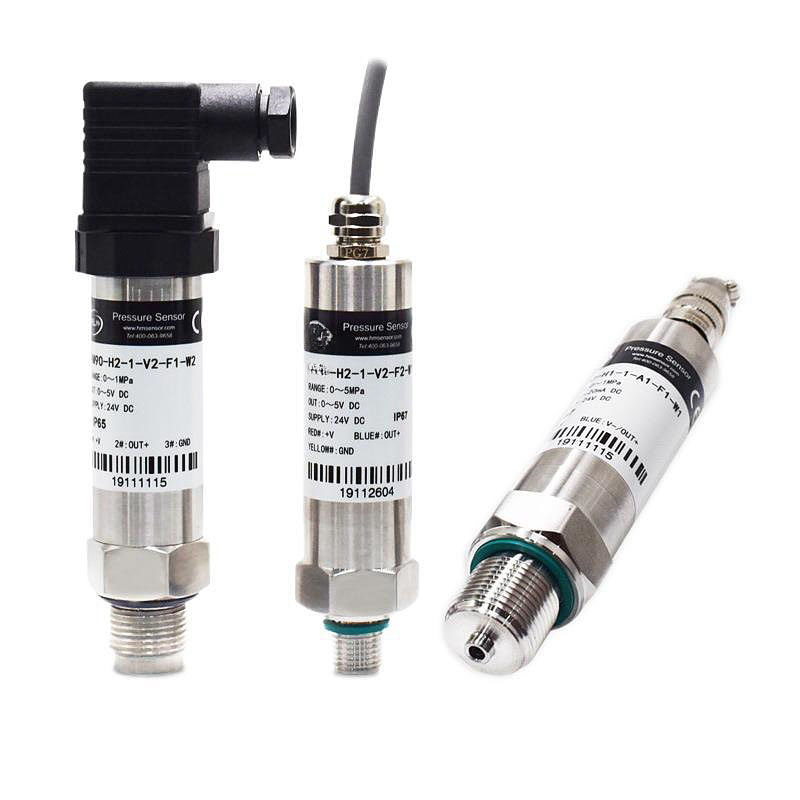
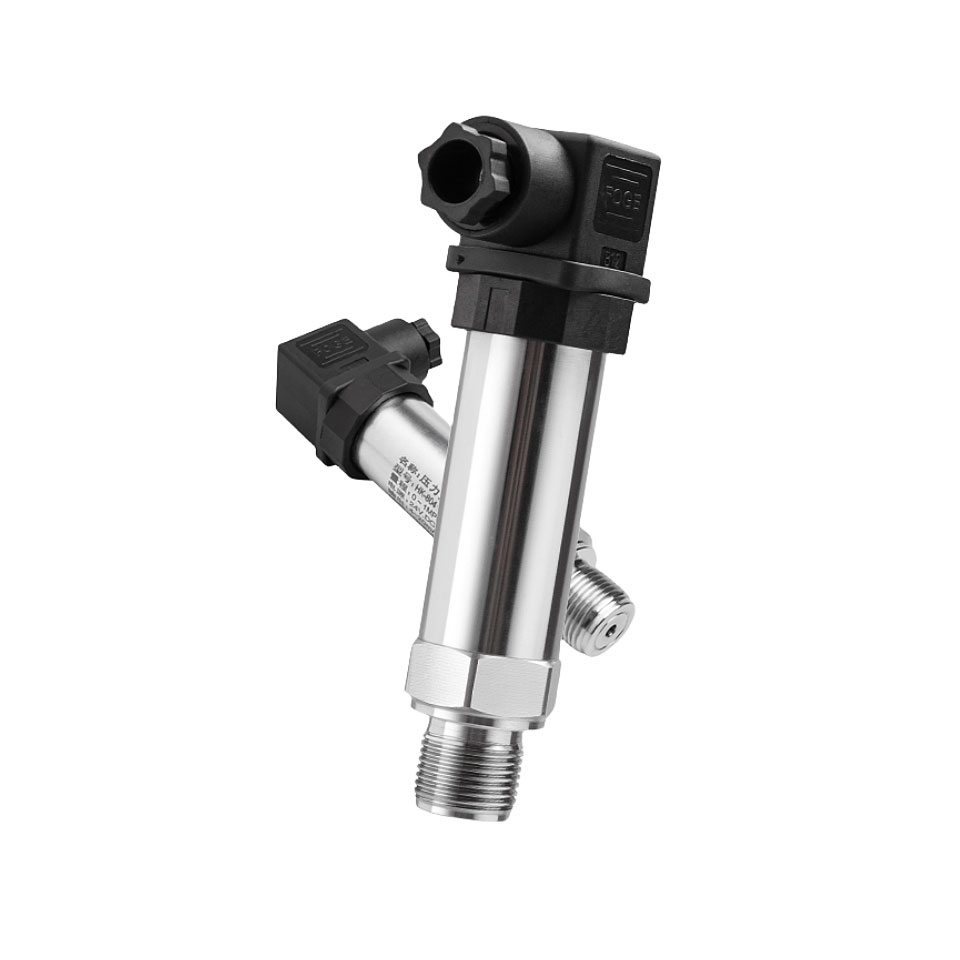
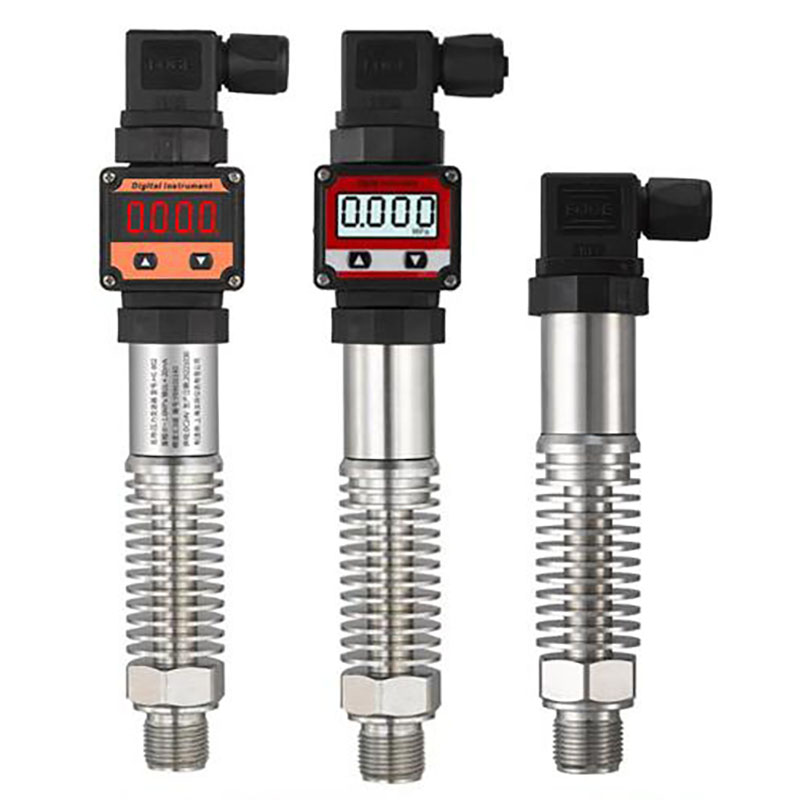
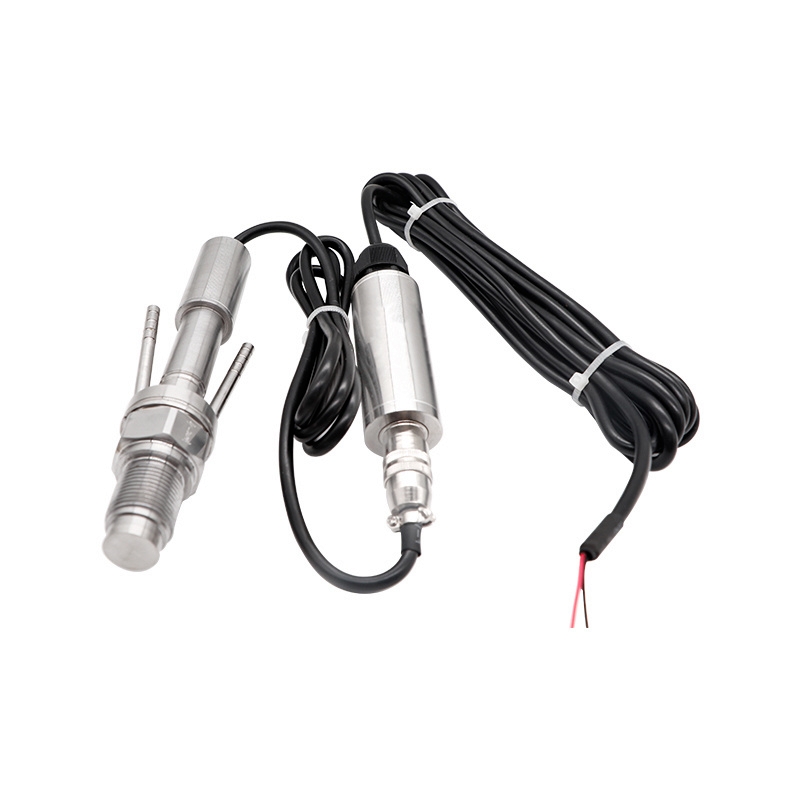
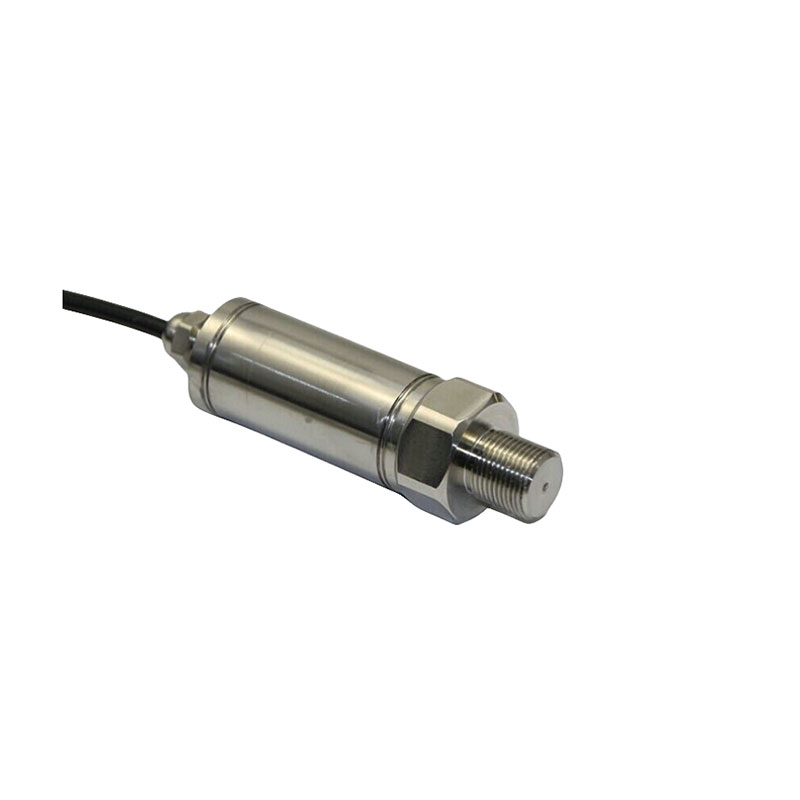
A piezoresistive pressure sensor consists of an elastic element, compensation resistors, cables and an enclosure. The elastic element is made of metal film or wound metal wire, and there are two main types: diaphragm and wound-wire. Compensation resistors are essential for counteracting the effect of temperature variations on the resistance value of the elastic element. Cables transmit signals, and enclosures protect the elastic element and internal circuitry.
Characteristics of piezoresistive pressure sensors
- The sensitivity coefficient of piezoresistive sensors is 50 to 100 times greater than that of metal strain gauge pressure sensors. In some instances, the output of piezoresistive sensors can be measured directly without requiring an amplifier.
- Piezoresistive pressure sensors can be integrated with other electronic devices to achieve more complex functionalities.
- Due to their fabrication using integrated circuit processes, they feature compact dimensions and lightweight construction.
- They offer high pressure resolution, capable of detecting micro-pressures as low as blood pressure.
- They exhibit excellent frequency response, enabling measurement of pulsating pressures up to tens of kilohertz.
- As both the force-sensing and detection elements are fabricated on the same silicon wafer, these sensors operate reliably with high overall accuracy and extended service life.
- Being constructed from silicon semiconductor material, the sensors are relatively temperature-sensitive; without temperature compensation, significant temperature-induced errors may occur.
Types of piezoresistive pressure sensors
Piezoresistive pressure sensors are manufactured based on the piezoresistive properties of semiconductors. The component within the sensor that converts strain into a change in resistance is termed the sensitive grid. The following types of sensitive grid are distinguished by their distinct manufacturing processes:
1.Bulk Semiconductor Strain Gauge
This strain gauge employs a sensitive grid that is fabricated from semiconductor materials, such as single-crystal silicon, which is processed through methods including etching.
2.Electrode Foil Strain Gauge
The strain gauge under consideration features a sensitive grid formed from a metal foil.
3.Resistance Wire Strain Gauges
Strain gauges are the devices used to measure mechanical strain. That is to say, they measure the change in length or deformation of an object under stress. These gauges use a sensitive grid composed of metallic resistance wire, allowing for precise measurement of strain.
4.Diffusion-type semiconductor strain gauges
These are strain gauges in which the sensitive grid is created by means of selective diffusion of impurities into the semiconductor material. PN junctions are used to provide isolation.
Applications of Piezoresistive Pressure Sensors
Piezoresistive sensors represent a vital sensing element based on the piezoresistive effect of semiconductors. These sensors boast significant application value across a range of engineering disciplines, from cutting-edge to fundamental, due to their high sensitivity, rapid dynamic response and outstanding stability. Their technical scope and application scenarios are always changing.
Industrial Automation Sector
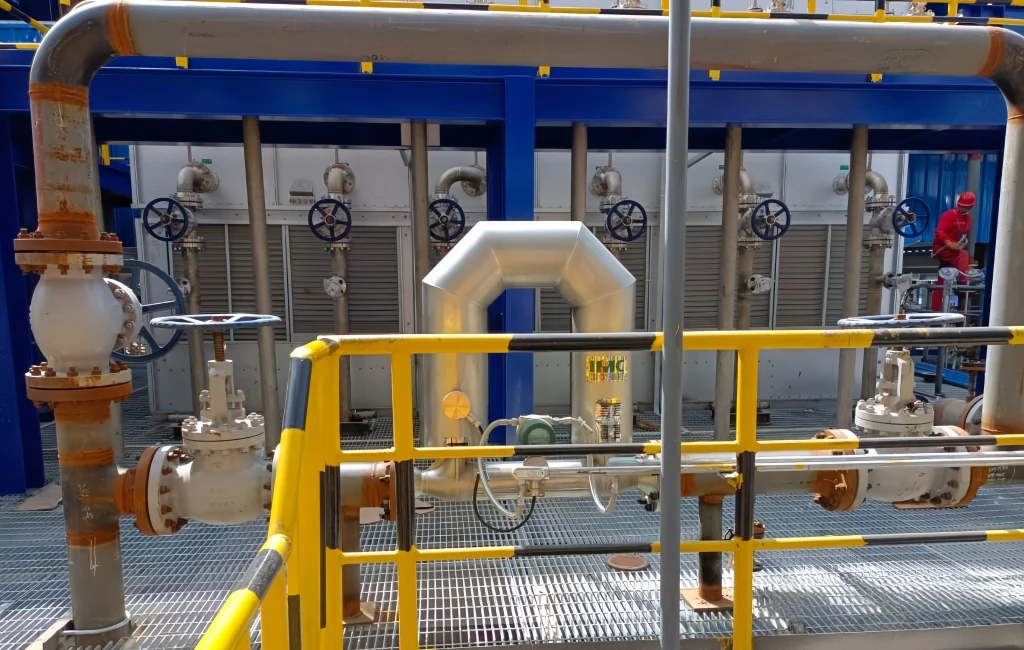
Piezoresistive sensors are a key part of modern industrial production lines and process control systems, and they’re really important for monitoring fluid pressure. By providing real-time, high-precision measurements of pressure variations within pipelines and reaction vessels for gases or liquids, and feeding these signals back to Programmable Logic Controllers (PLCs) or Distributed Control Systems (DCSs), they enable closed-loop control of fluid conveyance, chemical reactions, and fluid power systems.This ensures continuous and stable production processes, as well as preventing overpressure leaks and safeguarding both equipment and personnel.
Petrochemical Sector
Piezoresistive sensors are employed in a variety of professional settings within the petroleum industry, including petroleum exploration, refining operations and safety monitoring. These sensors are able to perform measurement tasks in challenging conditions. Their applications encompass: the transient capture of peak explosive shock wave pressures for the purpose of evaluating safety design and accident analysis; high-precision vacuum level measurement serving distillation and cracking processes; and reliable monitoring of corrosive media pressures. Sensors generally use fully welded stainless steel isolation diaphragms with oil-filled isolation structures to withstand high temperatures, pressures, corrosion and explosive environments.
Automotive and Energy Engineering Sector
In the domain of automotive engineering, piezoresistive sensors assume a pivotal role in the context of engine management systems.The monitoring of manifold absolute pressure (MAP), oil pressure, fuel pressure, and exhaust aftertreatment system pressure is of paramount importance for the optimisation of combustion efficiency, the reduction of emissions, and the assurance of powertrain reliability.Moreover, within the energy sector, the applications of these technologies extend to downhole pressure monitoring in oil wells, formation pressure assessment in measurement-while-drilling (MWD) operations, and pneumatic fault locati0n detection for underground sealed cables. These technologies provide critical data support for resource extraction and energy infrastructure maintenance
Key Considerations for Installing Piezoresistive Pressure Sensors
1.Please select an appropriate installation locati0n: In order to facilitate accurate pressure measurement, it is imperative that the sensor is mounted in a suitable position on the pressurised object.Please note that installation in areas subject to vibration, impact, or significant temperature fluctuations should be avoided.
- Please ensure that the installation environment is clean. Prior to installation, please ensure the environment is clean and dust-free. It is imperative that the surface where the sensor comes into contact with the object is kept clean and smooth to prevent any contamination from impacting sensor performance.
- Please select the appropriate sealing materials: Suitable sealing materials must be used between the sensor and the pressurised object to prevent medium leakage or compromised measurement accuracy. When selecting sealing materials, it is essential to consider the properties of the medium in question.
- It is important to avoid excessive compression. Please ensure that the sensor’s measurement range is selected according to the actual requirements in order to prevent sensor failure or damage caused by excessive compression.
- It is also important to maintain vertical installation. In order to minimise the impact of external forces, sensors should be installed vertically.
- Employ correct cabling: Please ensure that the appropriate cables are selected for connection of the sensor to the measuring equipment, in order to guarantee stable and accurate signal transmission.
- Conduct regular inspections and calibration: Following installation, it is recommended that the sensor’s operational status and accuracy be examined periodically. Calibration should be performed to guarantee precise measurement results.
Pressure Sensor Selection Guide
During the selection process for pressure sensors, a systematic and comprehensive evaluation of multiple key parameters and actual application conditions is required.
The primary consideration is environmental adaptability. Models must be chosen based on site conditions such as temperature, humidity, corrosiveness, and vibration, ensuring they possess the appropriate protection rating, temperature tolerance range, and media compatibility. Furthermore, their dimensions and mounting methods must align with the on-site mechanical requirements.
Secondly, it is imperative that measurement performance requirements are clearly defined, encompassing pressure measurement range and accuracy class. It is imperative that the measurement range encompasses potential pressure extremes under operating conditions, with adequate margin to ensure reliability. Accuracy is conventionally expressed as a percentage error of full scale, and it is imperative that it meets the practical demands for measurement precision and stability.
Output signal compatibility and system integration are equally critical. Selection between analogue signals (4-20mA, 0-5V) and digital signals (RS-485, CAN, IO-Link, etc.) must align with the interface requirements of data acquisition and control systems (e.g., PLC, DCS), ensuring signal compatibility and communication convenience.
Additionally, attention must be paid to power supply conditions and power consumption to ensure compatibility with on-site power sources. Low-power designs should be considered for applications sensitive to power consumption.
FAQ
Types of Pressure Sensors
Pressure sensors are an integral component of pressure detection instruments, exhibiting a variety of structural configurations. The most common types of pressure sensor include strain-gauge, piezoresistive, capacitive, piezoelectric, and frequency-oscillation sensors. Furthermore, the utilisation of optoelectronic, fibre-optic, and ultrasonic pressure sensors is of paramount importance. The employment of pressure sensors facilitates the direct conversion of measured pressure into various electrical signals, thereby enabling centralised detection and control requirements within automated systems. Consequently, they find extensive application in industrial production.
1 Strain Gauge Pressure Sensors
Strain gauge pressure sensors are an indirect measurement device for pressure, operating by detecting strain in various elastic elements. The classification of strain gauges is determined by their material composition, which can be categorised into two primary types: metallic and semiconductor.
2.Piezoresistive Pressure Sensors
Piezoresistive pressure sensors are devices that employ the piezoresistive effect of single-crystal silicon materials in conjunction with integrated circuit technology. When subjected to force, the resistivity of single-crystal silicon undergoes a change. By measuring this change, an electrical signal output proportional to the force variation can be obtained.
3.Capacitive Pressure Transducers
Capacitive pressure transducers are devices that utilise capacitance as the sensing element. They are able to convert measured pressure into changes in capacitance values. The capacitor typically employs circular metallic or metallised thin films as one electrode. Deformation of the film under pressure alters the capacitance between the film and the fixed electrode. Subsequently, measurement circuits yield electrical signals proportional to voltage.
4.Piezoelectric Pressure Sensors
The functionality of piezoelectric pressure sensors is predicated on the piezoelectric effect.These instruments are distinguished by their precision, with the capacity to utilise electrical components and mechanical elements to convert pressure into an electrical quantity. This subsequent conversion facilitates the execution of measurement tasks. Examples of such instruments include numerous pressure transmitters and pressure sensors.
What is the primary distinction between piezoresistive and piezoelectric sensors?
The distinction between piezoelectric and piezoresistive sensors is as follows:
Working Principle:
Piezoelectric sensors utilise the piezoelectric effect, determining applied pressure by measuring charge or voltage signals. Piezo-resistive sensors, conversely, gauge pressure magnitude by measuring changes in resistance values.
Sensitivity and Response:
Piezoelectric sensors exhibit high sensitivity, a broad measurement range, and rapid response characteristics, making them suitable for high-precision and dynamic measurement applications. Piezo-resistive sensors are comparatively simpler, more reliable, and lower in cost, rendering them appropriate for general pressure measurement requirements.
Do pressure sensors require regular calibration?
Pressure sensors, as vital measuring devices, directly impact production efficiency and safety performance through their accuracy and reliability. However, prolonged usage and external environmental factors may cause deviations in their output precision, making regular calibration particularly crucial.
The necessity of calibrating pressure sensors is the subject of this investigation. There are two primary reasons for this phenomenon. Firstly, it is important to note that extended utilisation may result in the deterioration or deformation of internal components, consequently impacting the precision of output.
Secondly, external environmental factors, such as temperature and humidity fluctuations, have been demonstrated to also impact sensor performance. It is imperative to calibrate the sensor at regular intervals in order to ensure that the values produced by the sensor align with the actual measurements taken. This process enhances the accuracy and reliability of the results obtained.
How should one interpret the “accuracy” specification of a pressure sensor?
Accuracy is a comprehensive error metric, typically encompassing nonlinearity, hysteresis, and non-repeatability errors.
- Resolution: Denotes the smallest pressure increment a sensor can detect, usually expressed as a percentage of full scale (FS). Applicable in scenarios requiring capture of minute pressure variations (e.g., intravascular pressure monitoring).
- Linearity: Describes the deviation between sensor output and actual pressure, expressed as nonlinear error.
- Hysteresis: Reflects the consistency of sensor output during pressure increase and decrease cycles, typically caused by material elastic deformation.
Sion-Inst has consistently adhered to the business philosophy of ‘Innovation-driven intelligent manufacturing, dedicated customer service’, providing clients with outstanding pressure sensor products and cost-effective solutions. Over the years, Sion-Inst has centred its approach on customer value, focusing on delivering bespoke product services while continuously innovating and upgrading its offerings. This commitment has earned the company widespread recognition and trust from its clientele.