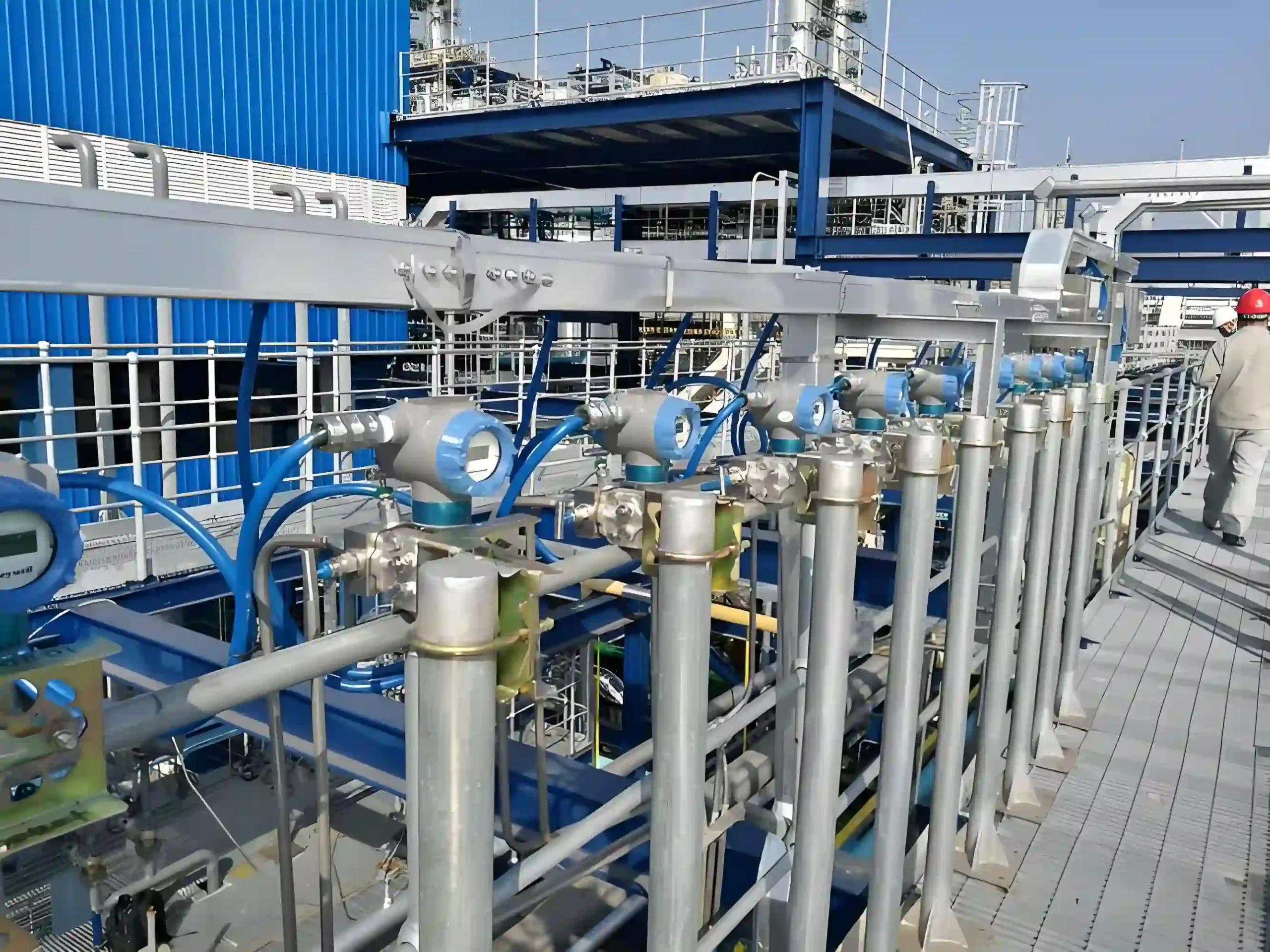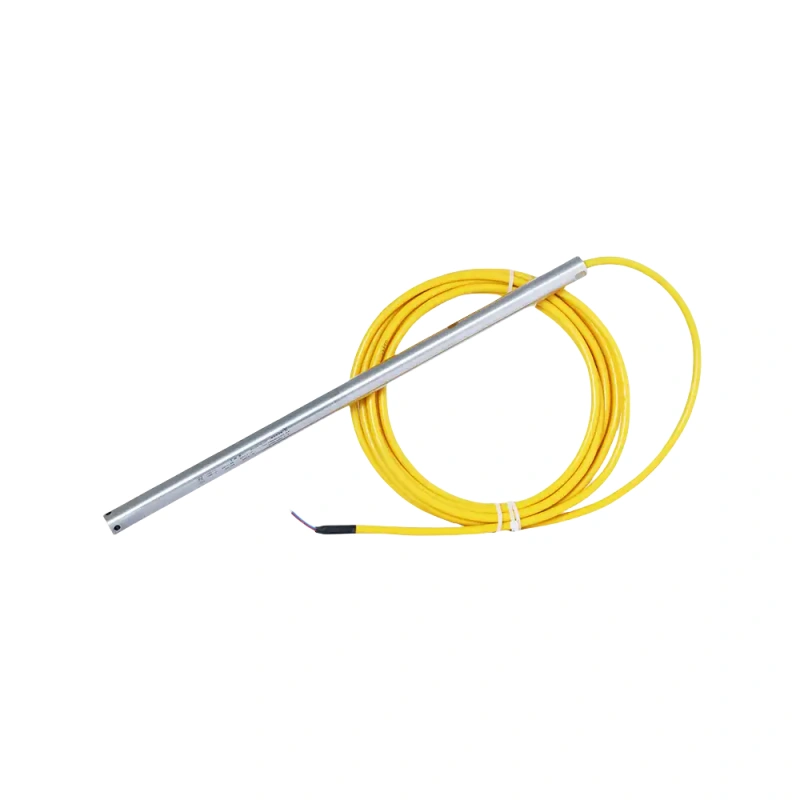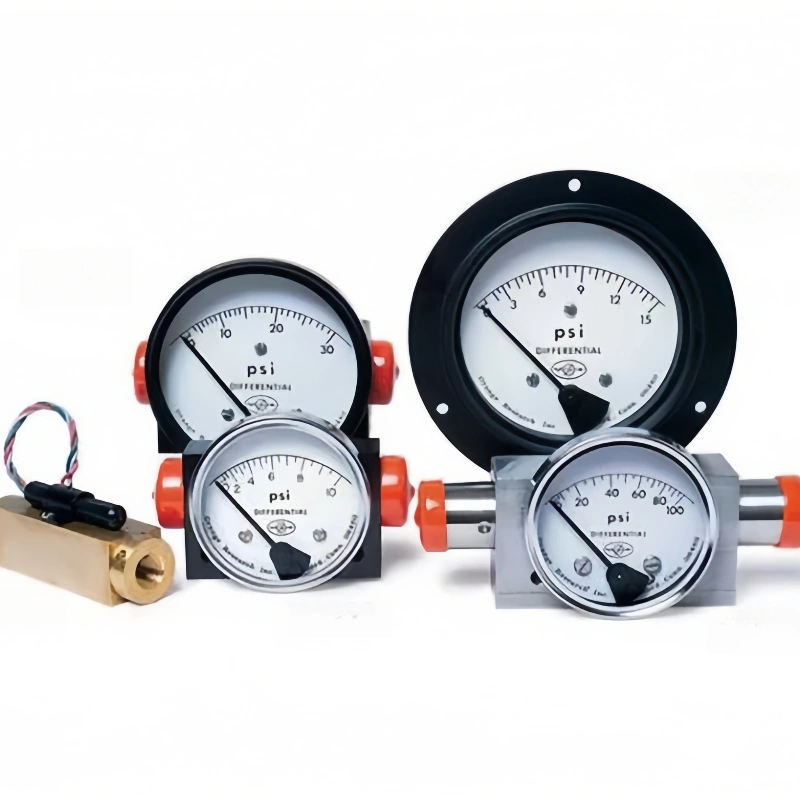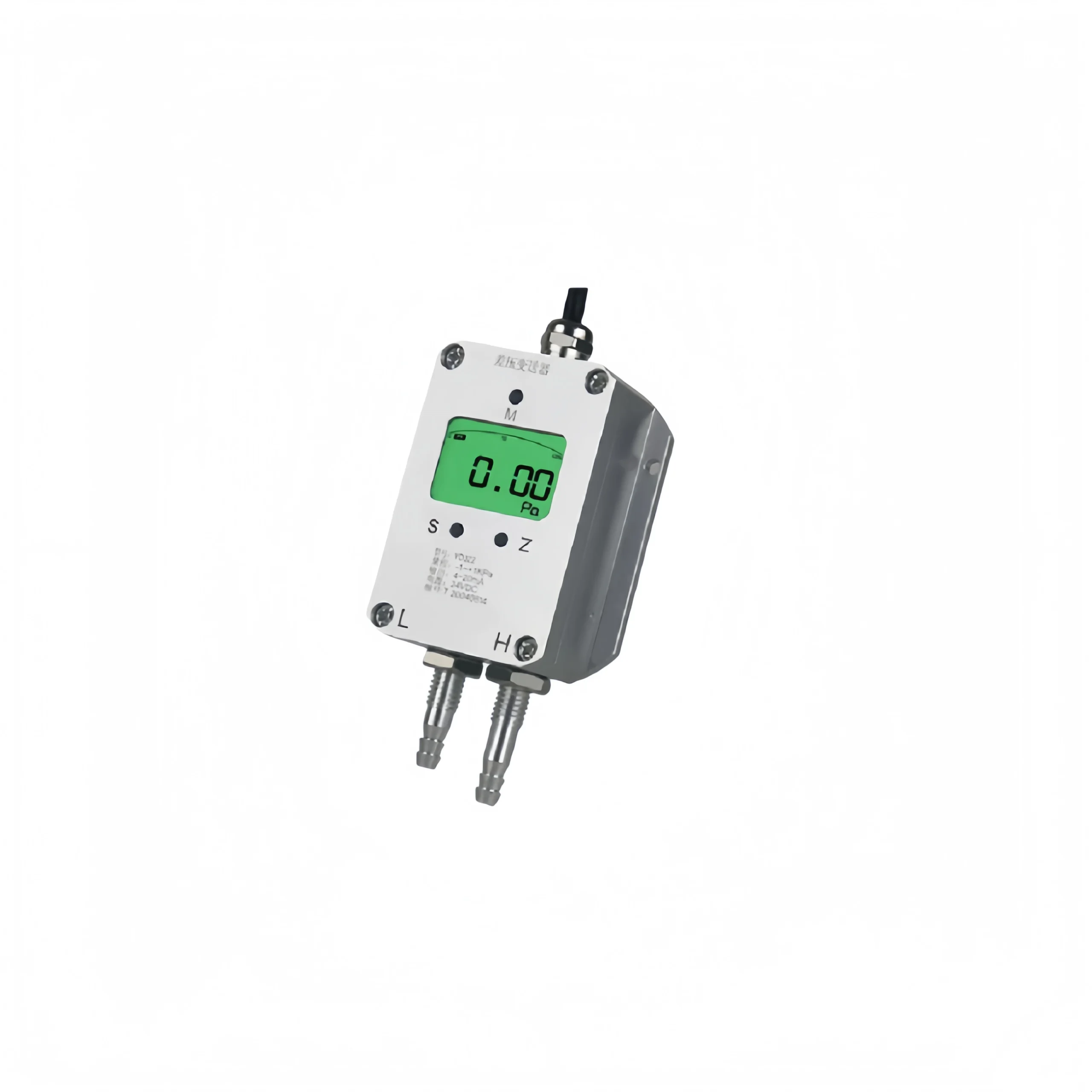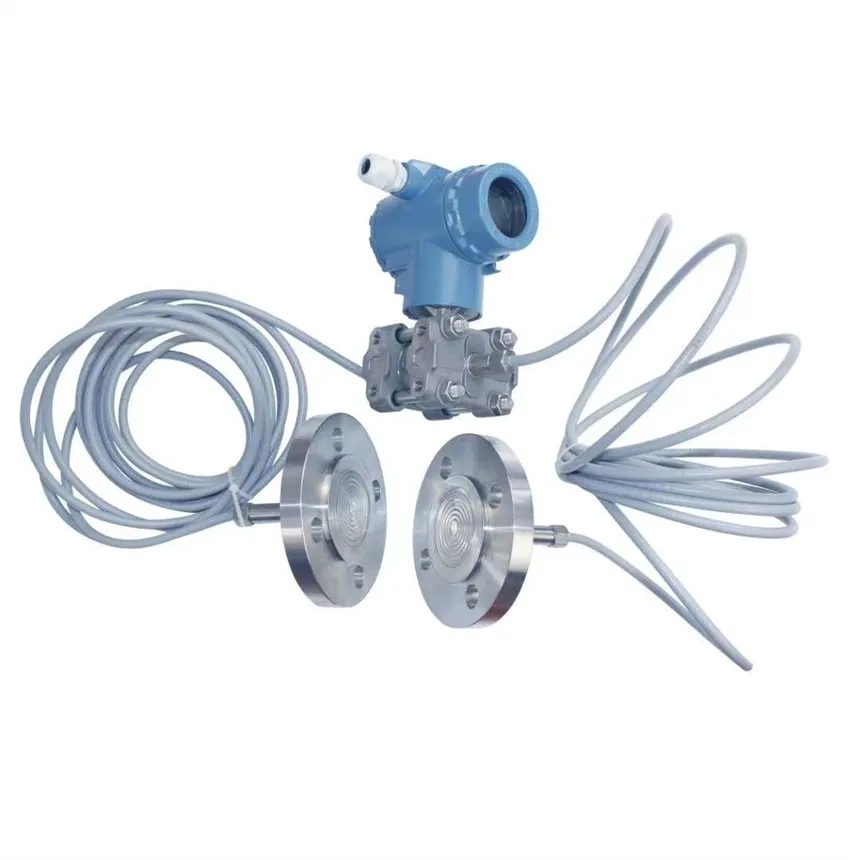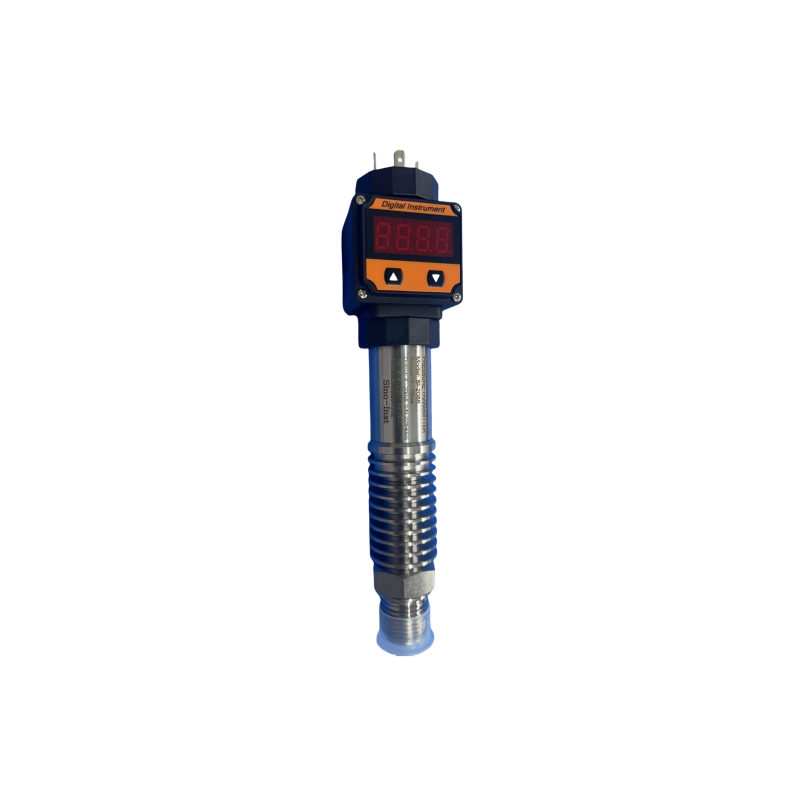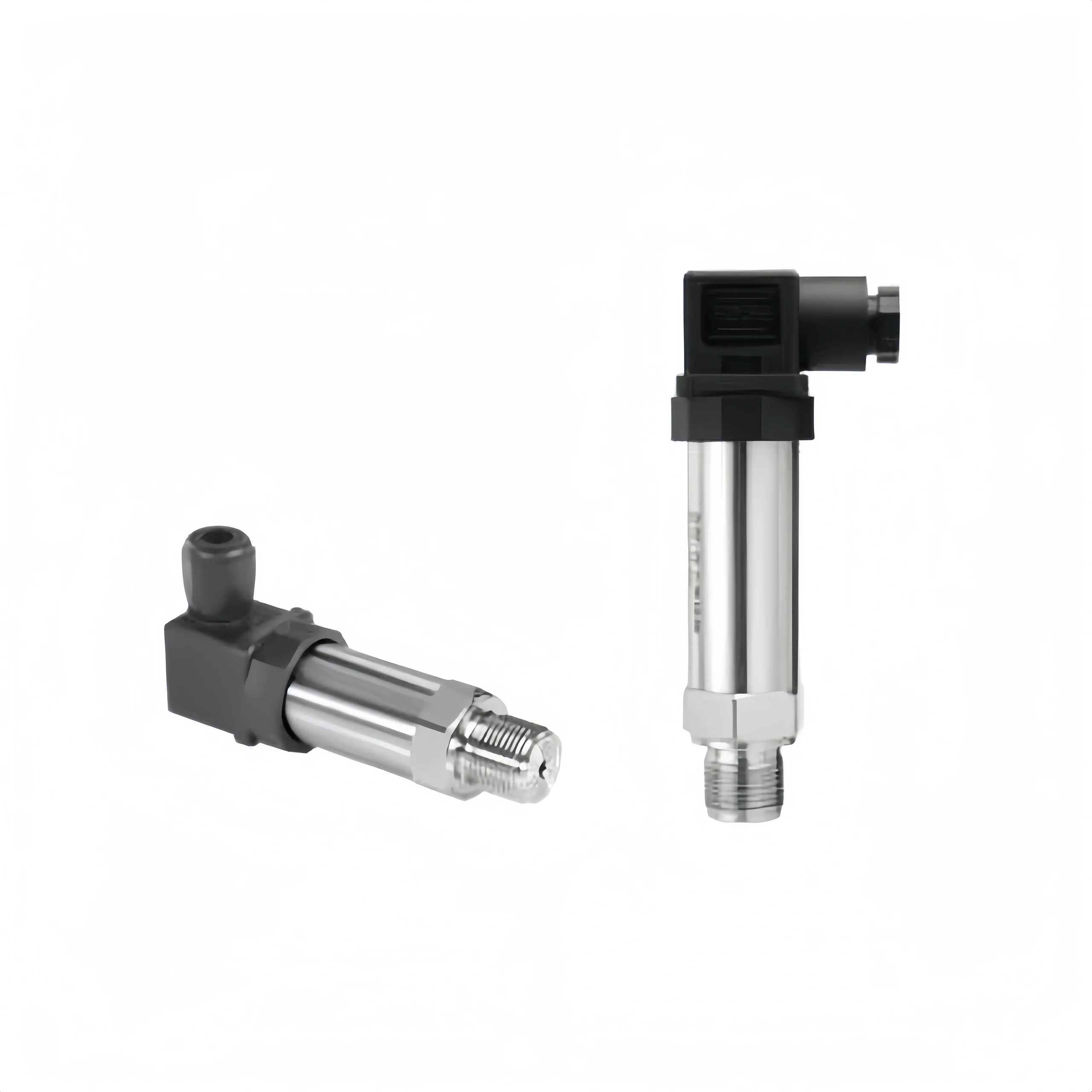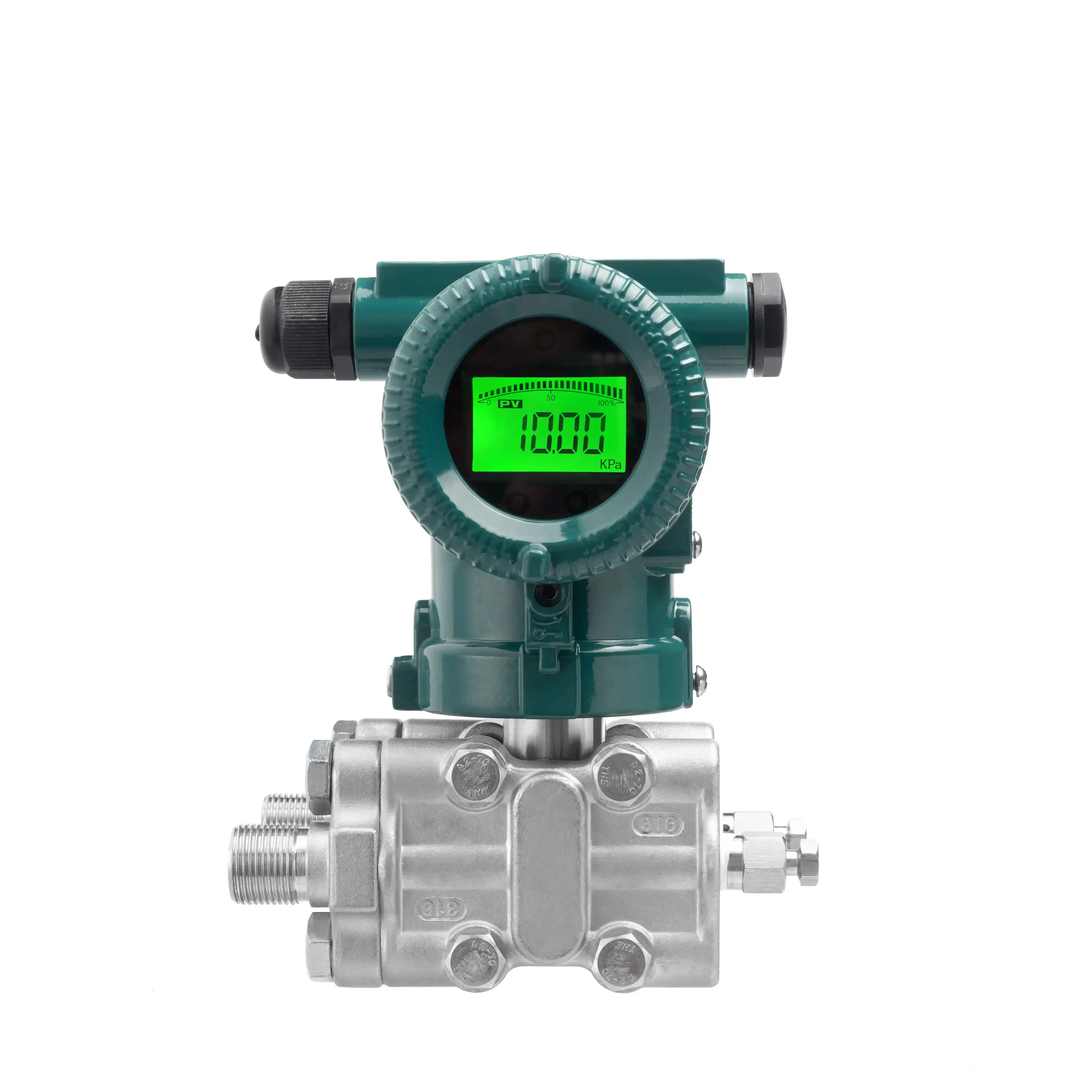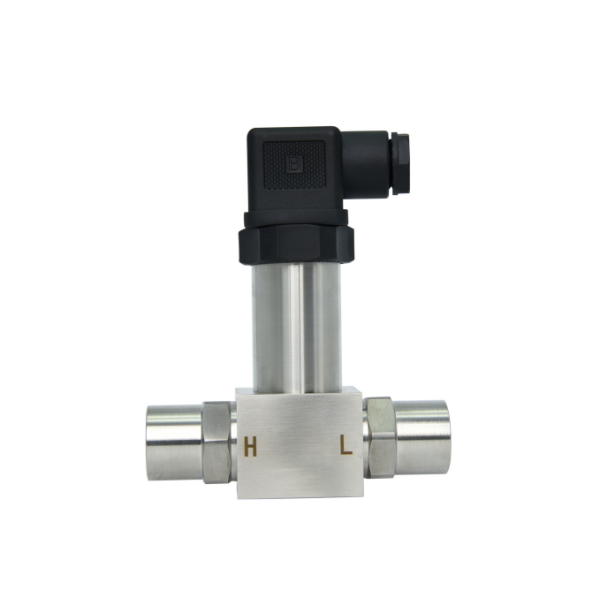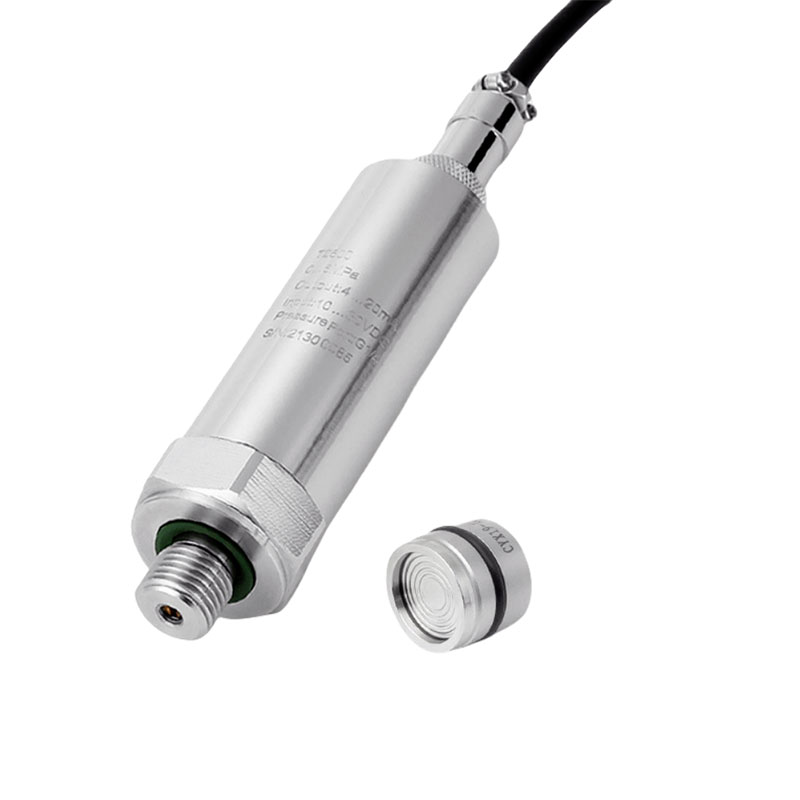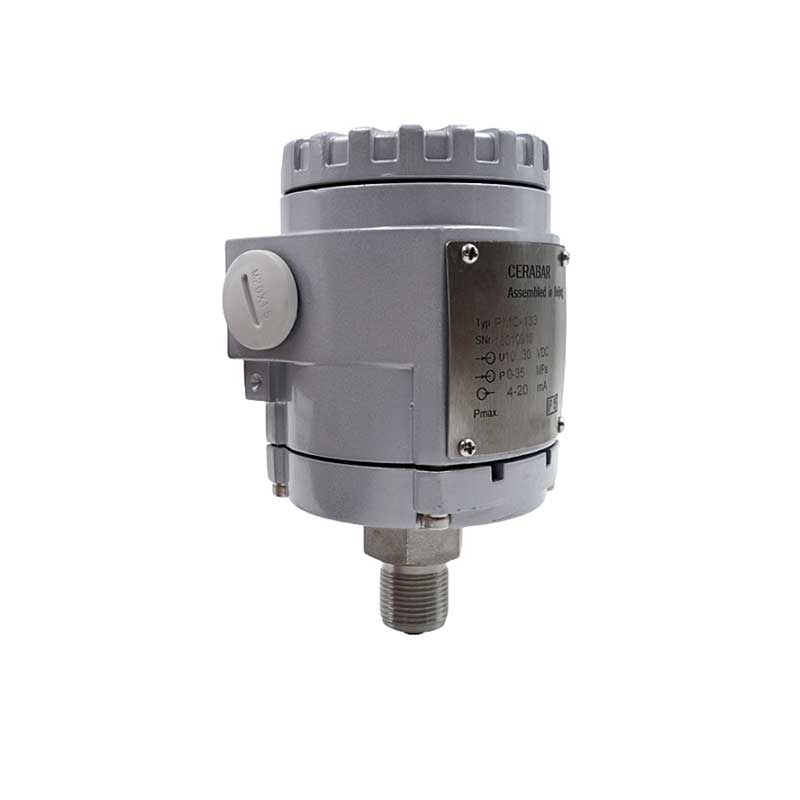
Capacitive differential pressure transmitters are key sensing components in process control. When pressure comes at them from both sides, the sensitive plates shift, and that’s how they nail differential pressure measurements with good accuracy.
The design isn’t anything fancy, they react fast, hold their stability over the long haul, and can take a solid beating from overload without flinching. This is why they are used a lot in the aircraft, petrochemical, and power industries.
What Is a Capacitive Differential Pressure Transmitter
Capacitive differential pressure transmitters are important sensing elements in process control. They monitor differential pressure with rock solid accuracy by sensing the movement of the capacitive plates when pressure is applied to both sides of the plates.
Design is quite straightforward, reaction is swift, stability holds up well over time and they can handle a decent bit of stress without breaking a sweat. This is why they are widely used in petrochemical, power, energy and aerospace sectors.
When fitted with orifice plates, they work effectively for flow measurement. They also deliver steady real-time monitoring for key process variables including liquid level, pressure and bulk material level.
Working Principle of Capacitive Differential Pressure Transmitters
The device contains a symmetrical capacitive sensing diaphragm and fixed electrodes. The high and low pressures being measured are introduced into the isolated chambers on either side of the transmitter; the pressure difference causes the central measuring diaphragm to undergo slight deformation.
As the diaphragm displaces, the capacitance value formed by the two electrodes changes accordingly. The circuit module keeps tabs on this capacitance difference nonstop and turns it into a standardized current or voltage signal in a linear fashion. After the signal gets amplified, compensated, and calibrated, what comes out the other end is an electrical signal that control systems can read, which lets differential pressure parameters get transmitted remotely and measured with precision.
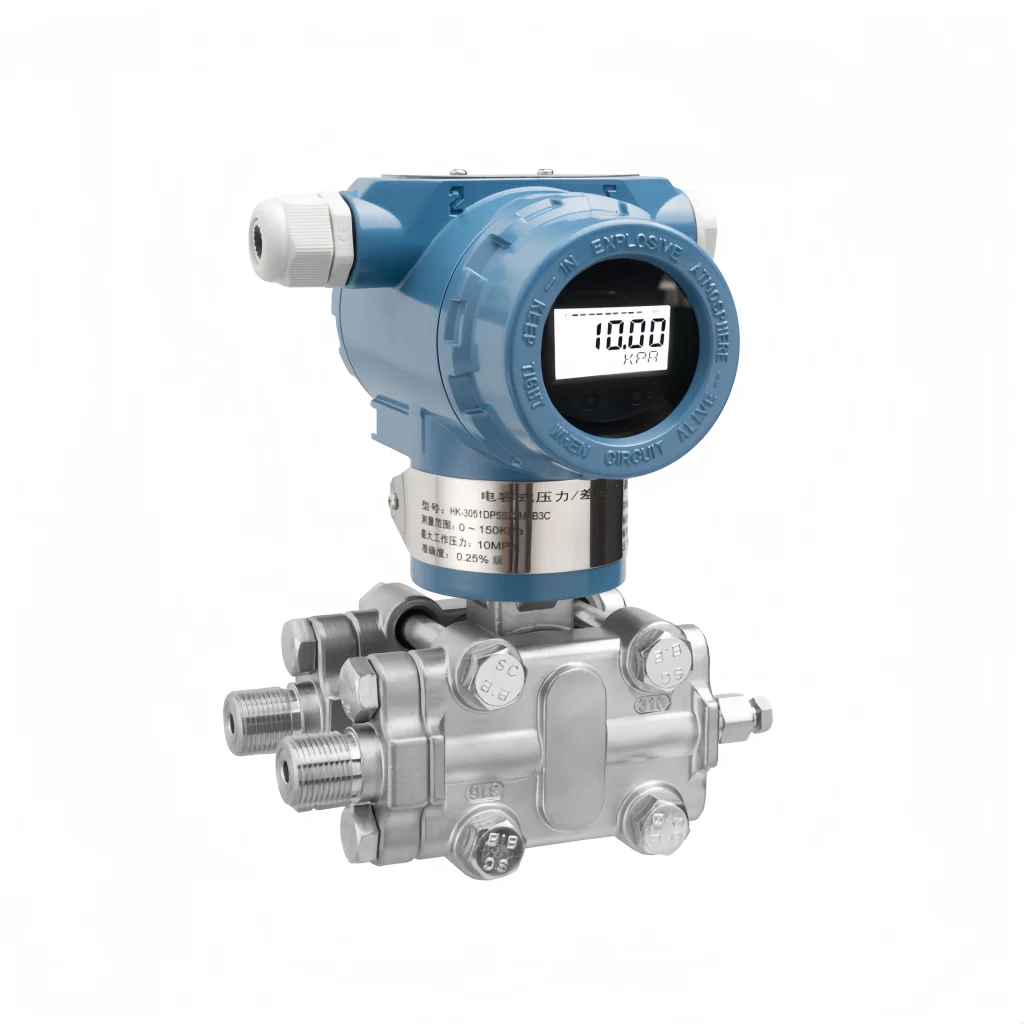
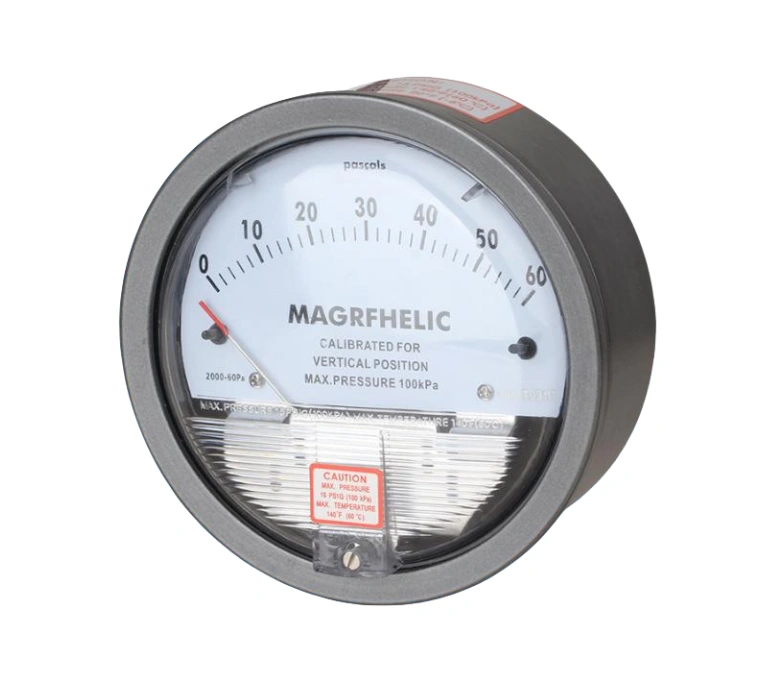
Basic Structure
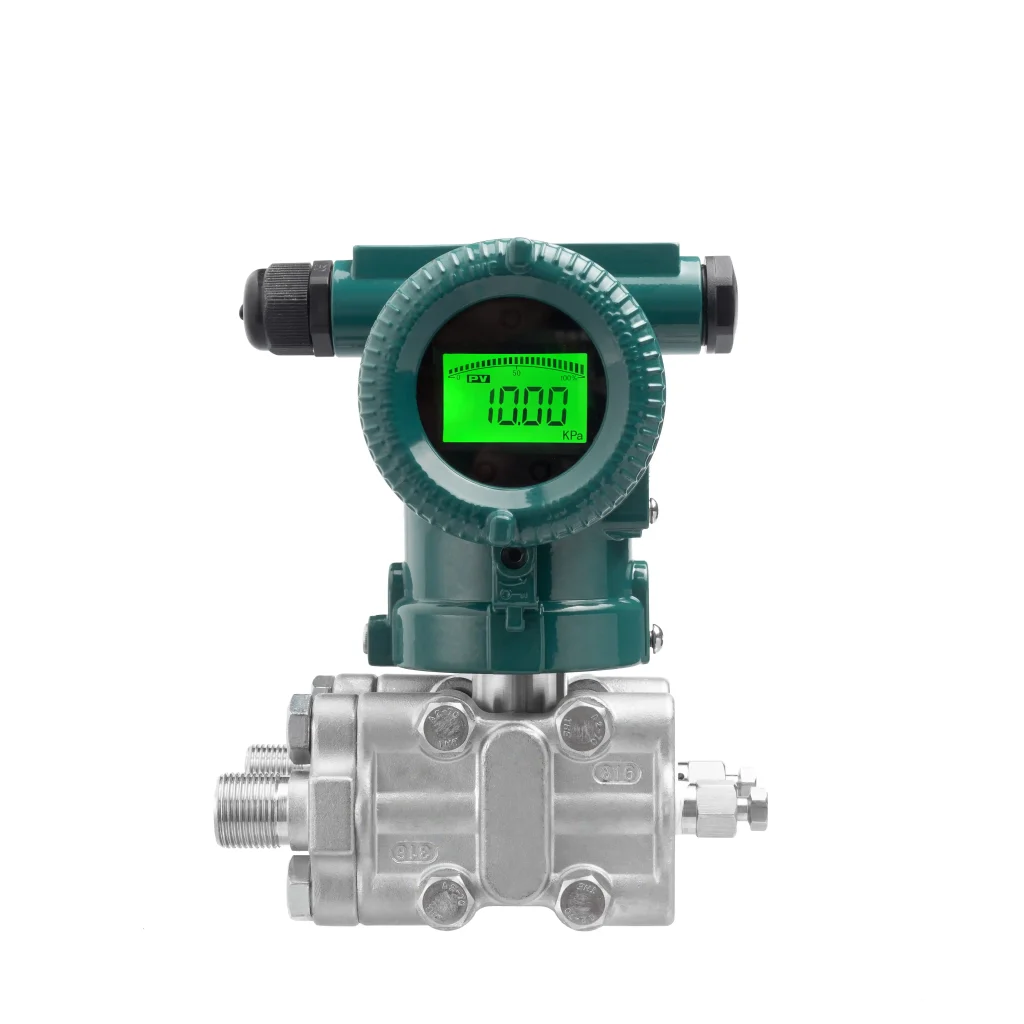
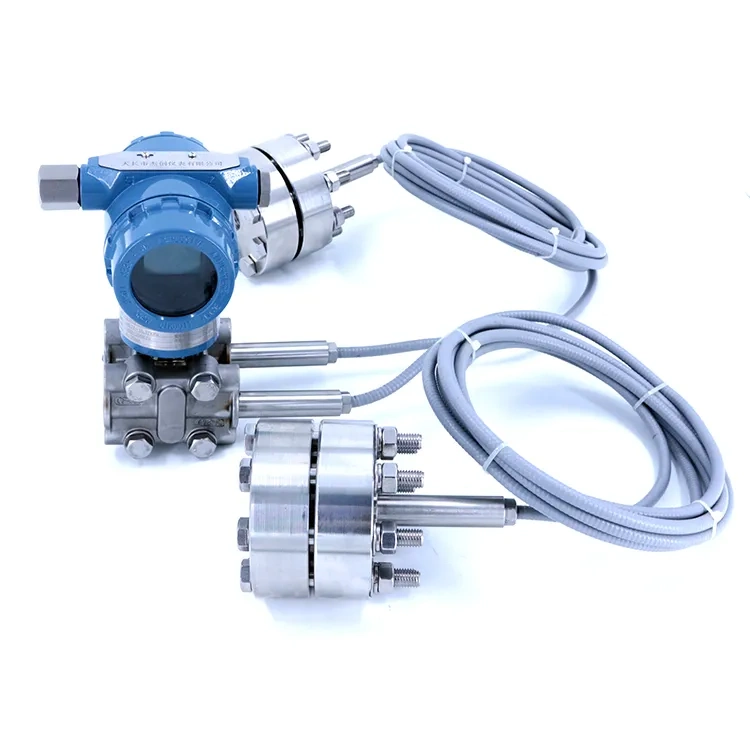
Measuring Diaphragm Assembly: This is the main sensing piece and it sits right in the middle of the chamber. When differential pressure hits it from either side, it flexes slightly. Together with the fill fluid and the separation diaphragms on both sides, it keeps the process medium at arm’s length, transfers the pressure, and shields the internal components from harm.
Fixed Electrodes: These electrodes are spaced evenly on both sides of the measuring diaphragm. They form a differential capacitance with the diaphragm and play a critical role in converting pressure signals over to capacitance signals.
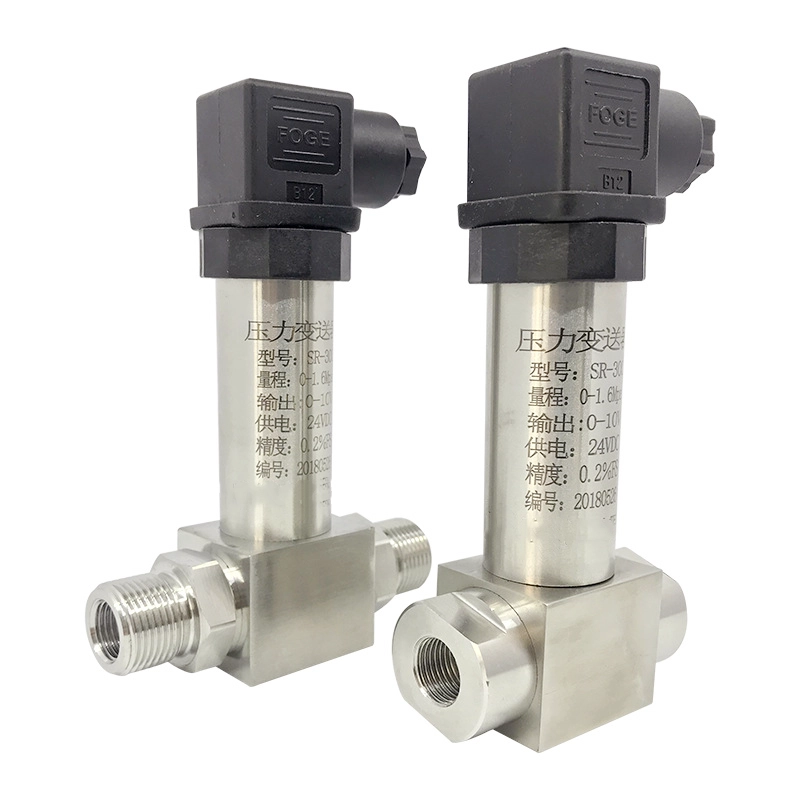
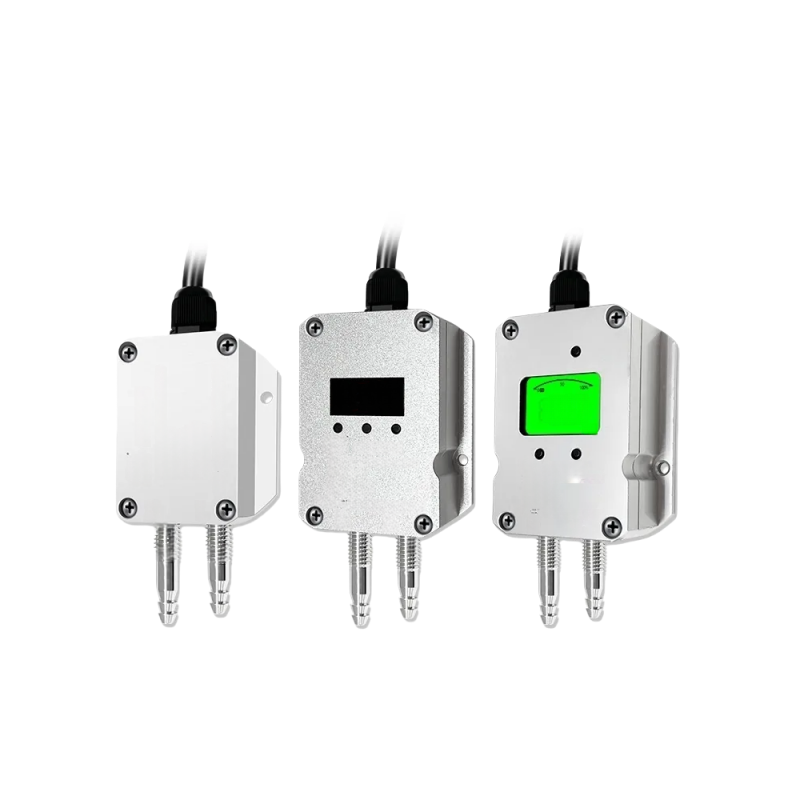
Housing and Pressure Ports: The integral housing provides sealing, protection and structural strength. The high-pressure and low-pressure ports are located on opposite faces for interfacing with the process media at different pressures.
Filling Fluid: It fills the space between the isolation diaphragms and the measuring diaphragm, has strong pressure transmission properties, provides uniform pressure distribution, works as a damping medium, and is corrosion-proof.
Electronic Conversion Circuit: This circuit is integrated in the transmitter housing, receives the changing capacitance signals and performs amplification, processing, temperature adjustment, linearity correction, etc. , and finally outputs a standard electrical signal.
Terminal Blocks and Housing Cover: The terminal blocks provide the external wiring interface for signal transmission and power supply; the housing cover delivers dust-tight, water-tight, and explosion-proof protection so the unit can operate in various industrial field conditions.
Advantages and Disadvantages
Advantages
1. Solid linearity, accurate measurement, and dependable stability over long runs. It keeps temperature and time drift in check, which stops data from wandering off during extended use. That makes it a good fit for high-precision pressure and differential pressure detection in industrial settings like metallurgy, power generation, and chemical processing.
2. The small, lightweight form factor makes installation less of a hassle—you don’t need to mess with a pile of extra accessories. Zero and span calibration right on site is quick and painless, so the unit fits into all sorts of industrial layouts, from pipelines to containers to cabinets.
3. With fast dynamic response, it grabs sudden shifts in differential pressure and pressure the moment they show up. Data feeds back in real time, so operators catch changing conditions as they develop and tweak production parameters on the fly without sitting around waiting.
4. It holds up well against interference, with decent resistance to electromagnetic noise, impact, and vibration. Throw it into a rough environment—dust everywhere, heavy shaking, strong electromagnetic fields—and the measurement data still comes through clean while the unit itself keeps chugging along steadily.
5. Wide turndown ratio and broad measurement range adjustment. One unit can cover a lot of different ranges, so it handles varying operating conditions without breaking a sweat. That simplifies spare parts management, cuts back on how many device models you need to stock, and brings procurement costs down.
6. The device has low power consumption and is compatible with standard 24V industrial DC power supply systems. It places minimal load on the power supply circuit and has low energy consumption.
Disadvantages
21. It has high requirements for the cleanliness of the measured medium. If the medium carries impurities, runs thick, or tends to crystallize and solidify, it can gum up the pressure-transmitting lines and sensor interfaces pretty easily. That throws off pressure transmission, drags down measurement accuracy, and in some cases kills the measurement entirely.
2. It doesn’t hold up well against highly corrosive media. When acidic or alkaline fluids hit the sensing diaphragm and core capacitive parts directly, damage follows. That means isolation devices have to go in, which pushes operating costs up.
3. The sensor has limited overpressure tolerance; when subjected to sudden high-pressure or negative-pressure surges, the sensing diaphragm is prone to irreversible deformation, which can cause zero-point drift and loss of accuracy. In severe cases, this can directly damage the equipment.
4. It struggles in high-temperature environments. Running above rated temperature for extended periods speeds up wear on internal components, throws off measurement stability, and shortens equipment life.
5. Compared with mechanical instruments, the internal circuitry is far more complex and delicate, so repair techs need stronger technical skills, and troubleshooting and maintenance become more of a headache.
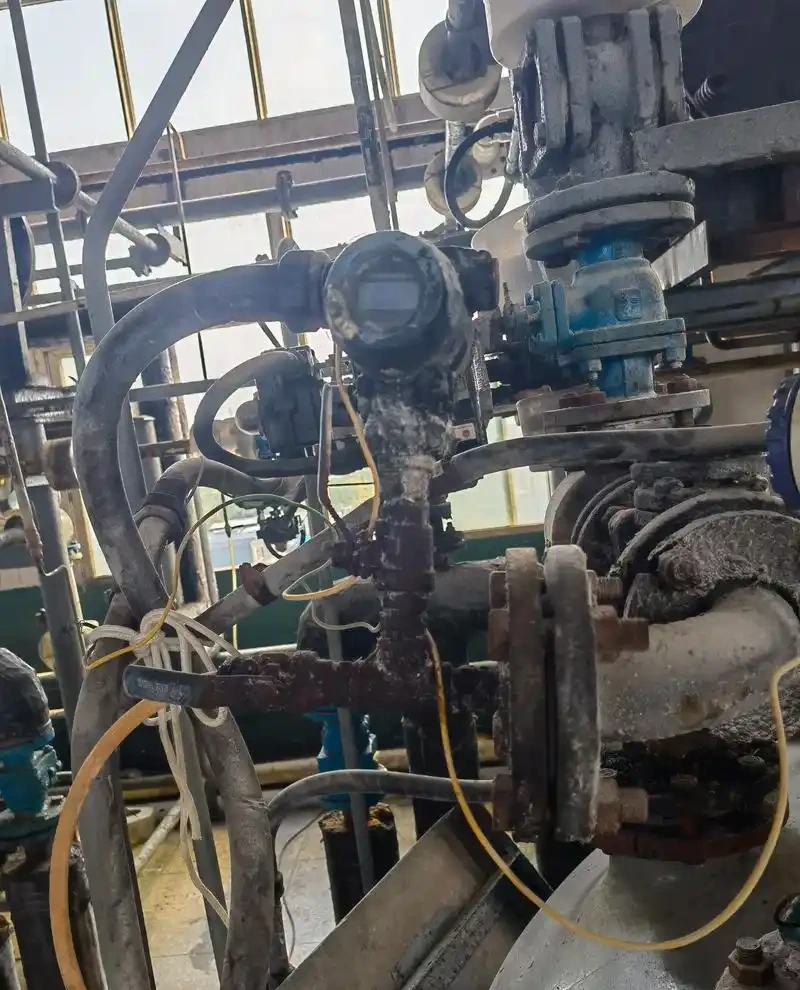
Types and Comparison of Differential Pressure Transmitters
Capacitive Differential Pressure Transmitter
1. As the pressure difference between the high- and low-pressure tanks changes, so does the distance between the capacitive plates.
This turns the differential pressure signal into a capacitance difference, which is then turned into a standard electrical signal output. The structure is simple generally, and it can handle overloading well and keep the temperature from drifting too much.
2. The measurement range is wide, so it can be used in a number of different situations, from very low differential pressure to low pressure to middle pressure and high pressure. You can use it with common industrial media like oil, gas, water, and gases because it works well with these types of media.
3. It has a low failure rate and great long-term operating stability, which makes it the most common type used in industrial fields. However, it has some problems when measuring with very high accuracy.
Piezoresistive Differential Pressure Transmitter
1. A semiconductor piezoresistive sensing unit is used. When the silicon cushion is put under pressure, it changes shape, which changes the internal resistance. This change in resistance is turned into an electrical signal by a bridge circuit. It has great dynamic performance and quick reaction times.
2. They’re compact, well put together, and cheap enough to manufacture that mass production makes sense. But temperature hits semiconductor elements hard—zero-point drift tends to creep in when things get too hot or too cold, so a temperature compensation circuit has to go in.
3. They don’t take shock and overload as well as capacitive types, which rules them out for situations with big pressure swings or sudden jolts. For the most part, they get used in standard low-pressure measurement jobs.
Resonance-Type Differential Pressure Transmitter
1. Utilizing a resonant element as its core, differential pressure alters the resonator’s natural vibration frequency. By detecting this frequency change, the differential pressure value is calculated. This is a frequency-type signal output with extremely strong resistance to interference.
2. It offers the highest measurement accuracy among the three types, with top-tier repeatability and long-term stability. It is suitable for high-precision measurement applications such as laboratories, metrological verification, and precision process control.
3. The structure is complex, making manufacturing and calibration difficult; the price is relatively high; it has strict requirements for the operating environment; shock resistance is average; it is not suitable for sites with high vibration or harsh operating conditions; and the range adjustment is relatively narrow.
Comprehensive Comparison
Accuracy Grade: Resonance-type comes out on top, capacitive-type lands somewhere in the middle, and piezoresistive-type usually trails the pack.
Environmental Adaptability: Capacitive types handle temperature swings, shocks, and general rough conditions the best; piezoresistive units don’t deal well with heat; resonant ones get thrown off by vibration and need the most tightly controlled environment.
Response Speed: Piezoresistive sensors react the quickest, capacitive ones come in right behind, and resonant types are the slowest of the bunch.
Cost and Applications: Capacitive sensors find a good balance between what you pay and what you get, so they end up being the usual choice for everyday industrial work; piezoresistive sensors are built with cost savings in mind for normal operating conditions; resonant sensors go after high-end precision tasks and see a lot of action in metrology labs and any place where measurement and control have to be spot-on.
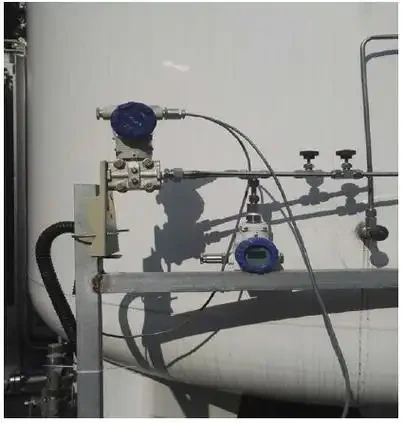
Practical Industrial Applications of Capacitive Differential Pressure Transmitters
Here is the revised English version with reduced AI detectability while maintaining the original formatting:
Capacitive differential pressure transmitters have a reputation for steady performance, decent adaptability, and holding up reliably over time, which is why they show up all over industrial measurement and control in plenty of different sectors. Here’s where they actually get put to work:
1. Chemical Industry
In chemical plants, these transmitters mainly track liquid level, flow rate, and pressure—the kind of stuff that keeps processes from falling apart.
They pull together reliable production data to help with tweaking processes and watching over equipment, which pushes automation up a notch and keeps chemical operations running without surprise shutdowns.
2. Wastewater Treatment Industry
In wastewater treatment, they nail flow and level measurements well enough, giving operators a real-time sense of how the system is performing.
With reliable data streaming in, running treatment equipment gets easier through better controls and sharper maintenance practices, moving wastewater management toward something smarter and more by-the-book while keeping everything in line with regulations.
3. Food and Beverage Industry
These systems follow flow and liquid levels as they move through food and beverage lines, and they’re designed to work in clean production spaces.
They keep material transport, ingredient mixing, and storage locked in—process variables that have to stay on target. That keeps day-to-day operations steady and product quality intact, while also keeping production stable and reducing quality issues that pop up when parameters drift.
4. Gas Industry
They monitor flow and pressure in real time during gas transmission, storage, and distribution, giving operators a live read on how the pipeline network is performing. They catch potential trouble tied to pressure or flow anomalies early, and that data feeds straight into efforts to keep gas moving and being consumed safely and without hiccups.
5. Power Industry
These units are mostly deployed in power plant water treatment systems, where they keep tabs on water pressure and medium flow rate.
The live status updates they feed back on equipment condition back up automated control of the water treatment setup, keeping things running efficiently and cutting down on unplanned downtime.
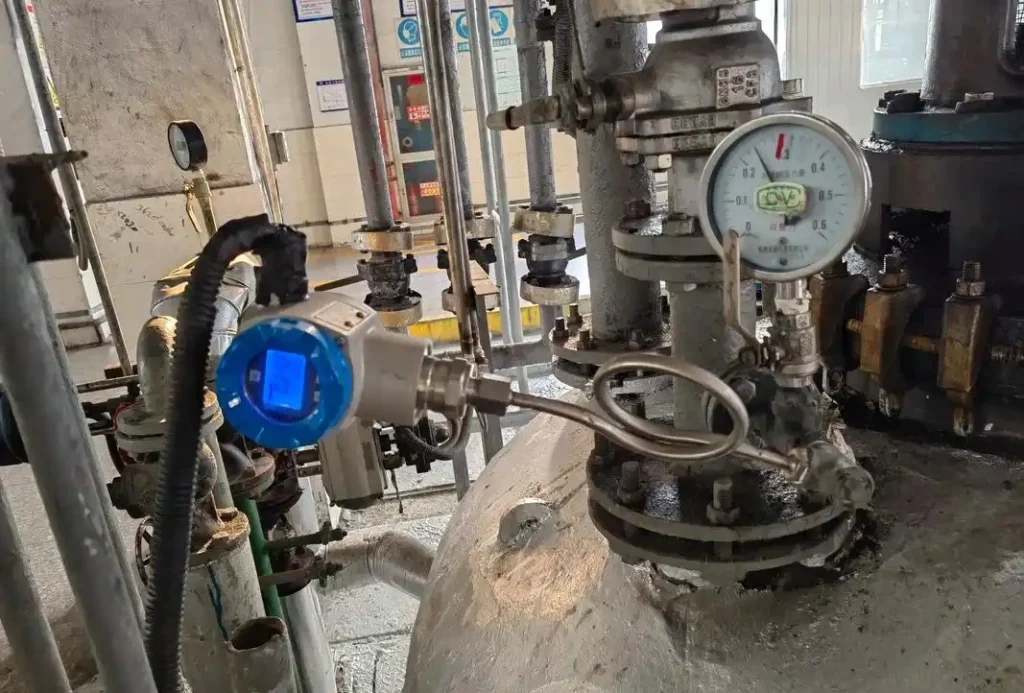
Sino-Inst stocks a full range of pressure transmitters, industrial flow meters, smart level transmitters, and other process measurement equipment. They also carry a wide selection of high-performance differential pressure transmitters that can handle just about any environment you throw at them.
Taken together, this lineup handles the measuring and control side for pressure, flow, liquid level, and material level across a number of industries—chemicals, power, environmental protection, gas, and food among them.