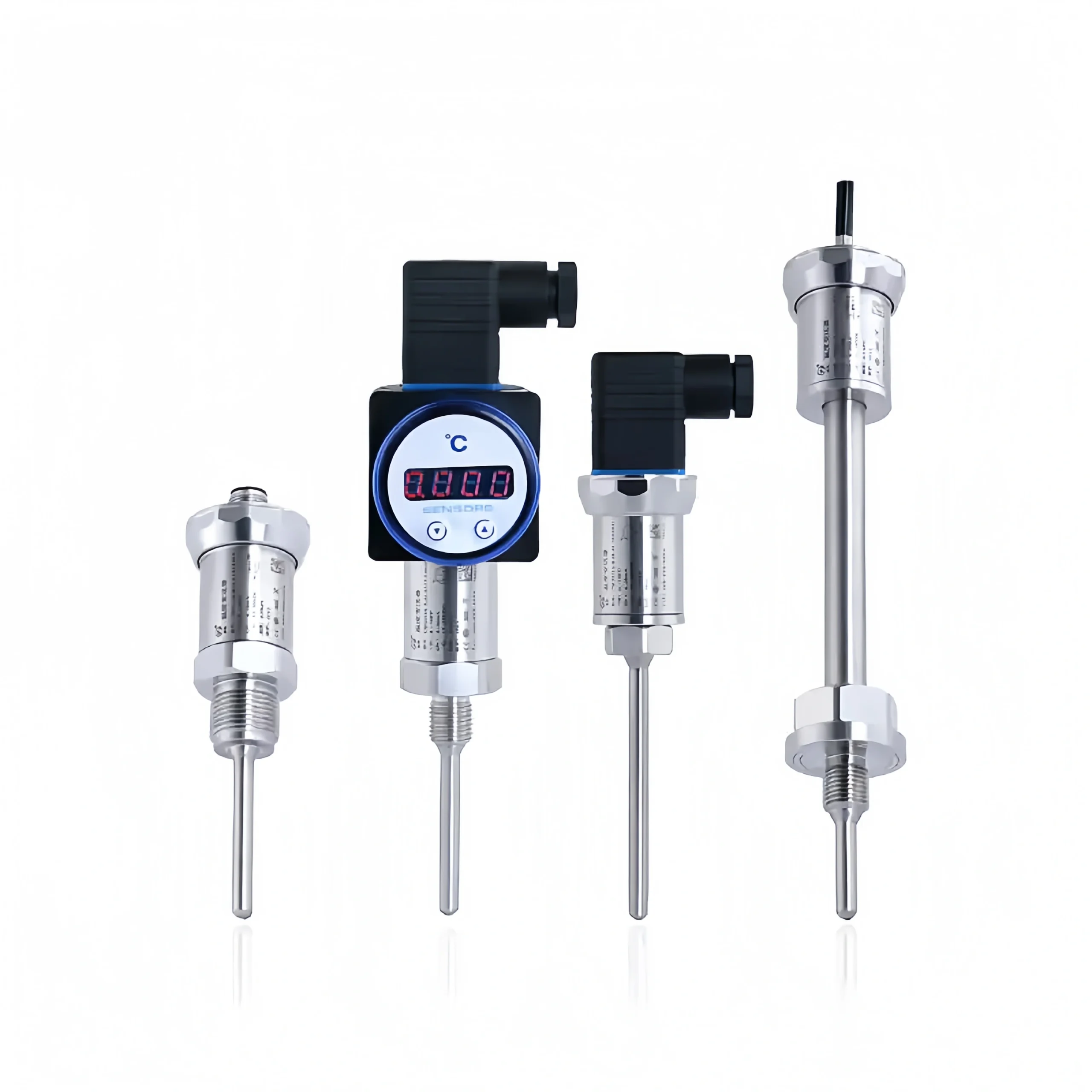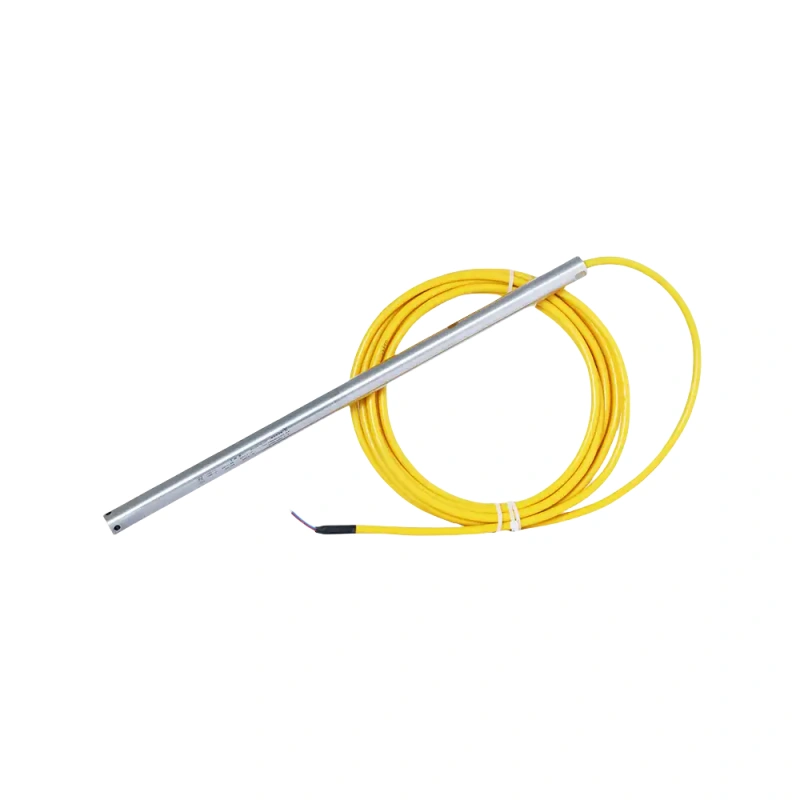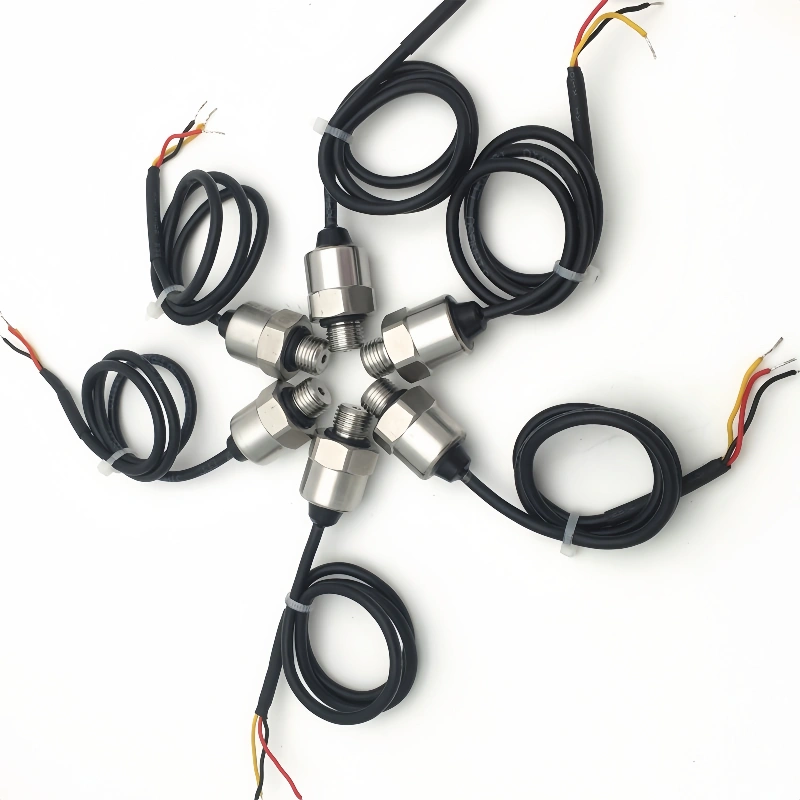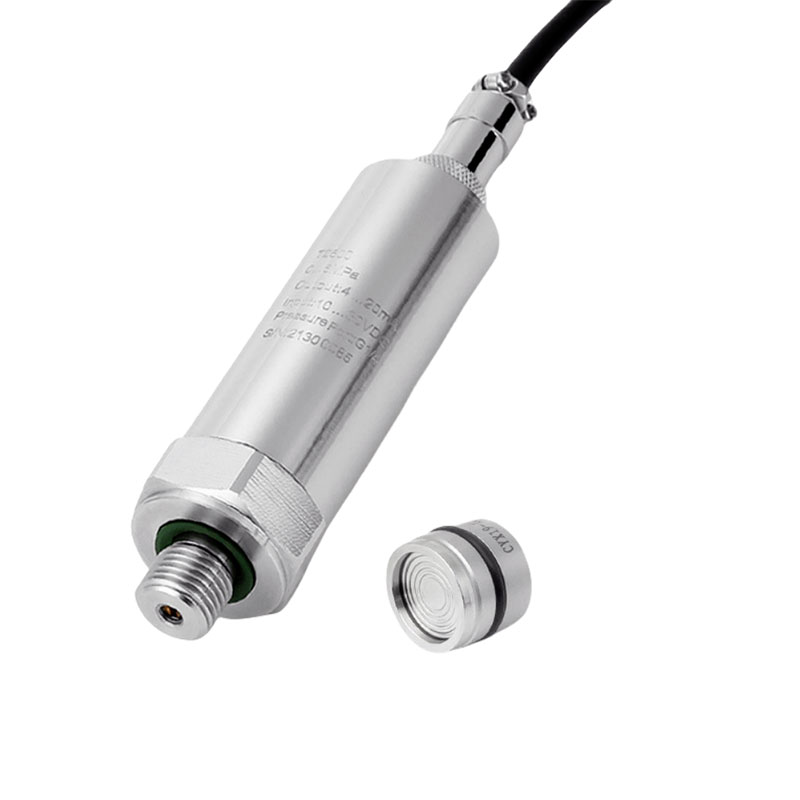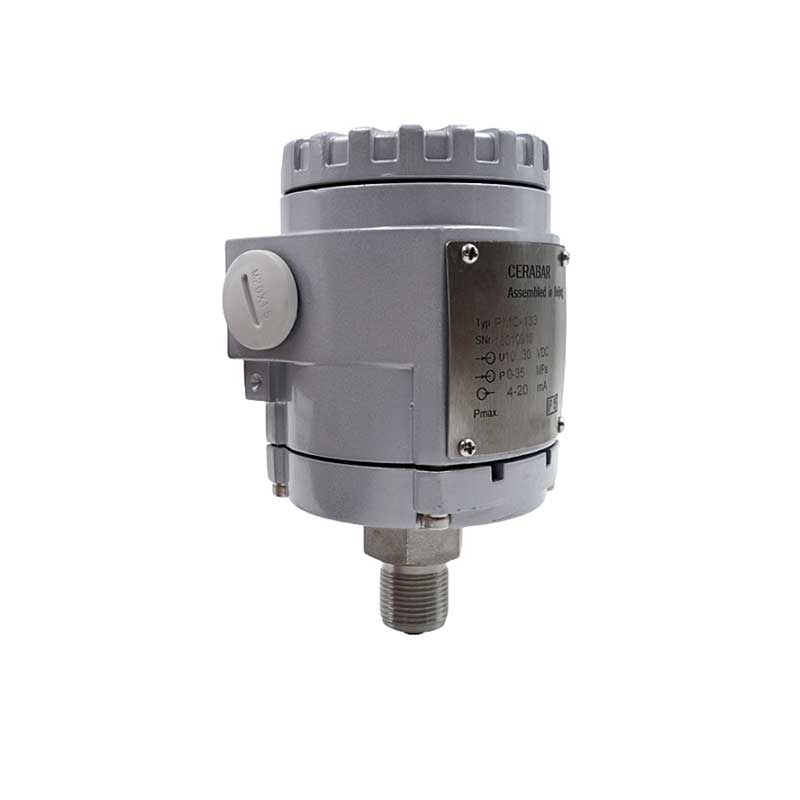
In industrial production processes, pressure and temperature are two core critical parameters. Different operating conditions mean different things for temperature and pressure. If these are not correct, normal production processes can be disrupted and, in some cases, equipment can be damaged. This can affect how efficiently production is done.
Pressure and temperature sensors help you to check these changes as they happen during production. When they’re connected to data processing systems, they make sure the pressure and temperature stay within the right range. This helps keep production efficient and reliable.
Principle of Operation
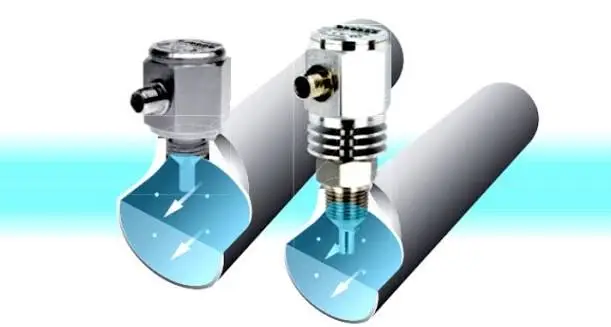
A pressure and temperature sensor typically consists of two components: a temperature sensing module and a pressure sensing module. These two modules are usually integrated onto a single chip and connected to the device’s main control unit via electronic circuits.
Through the coordinated operation of the internally integrated temperature-sensitive and pressure-sensitive elements, when changes in the temperature and pressure of the measured medium are detected, the corresponding physical signals are converted into recognisable electrical signals.
These weak electrical signals are amplified, compensated and conditioned by internal circuits before being output as standard electrical signals. These signals are then analysed and processed by data processing or control systems, ultimately enabling real-time monitoring and feedback of temperature and pressure parameters, thereby providing precise data support for subsequent automated control.
Internal Structure
The core area of the sensing element assembly integrates a pressure-sensitive chip and temperature-sensing elements (like thermistors or thermocouples), which directly detect changes in the pressure and temperature of the medium. This is the most basic component for signal conversion.
The signal conditioning circuitry, which includes amplification, compensation, filtering and analogue-to-digital conversion units, is located on the sensor’s internal circuit board. These units strengthen and stabilise weak electrical signals by adjusting for temperature changes.
The encapsulation and isolation structure uses a sealed isolation layer, a pressure-transmitting core and insulating encapsulation materials. This protects the internal chips and circuits from corrosion by the medium and thermal shock, whilst effectively transmitting pressure signals and preventing the ingress of external moisture and dust.
The electrical connection parts include internal pins, wires and connectors. These establish how the sensing elements, signal conditioning circuits and external interfaces are connected. They are also responsible for the stable transmission of the processed standard electrical signal to display instruments or control systems.
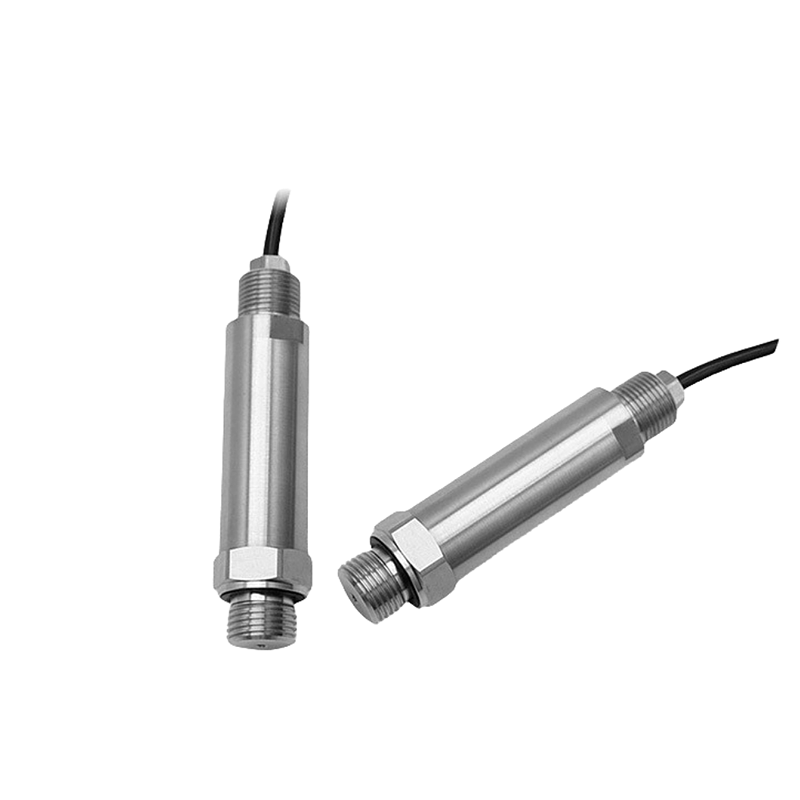
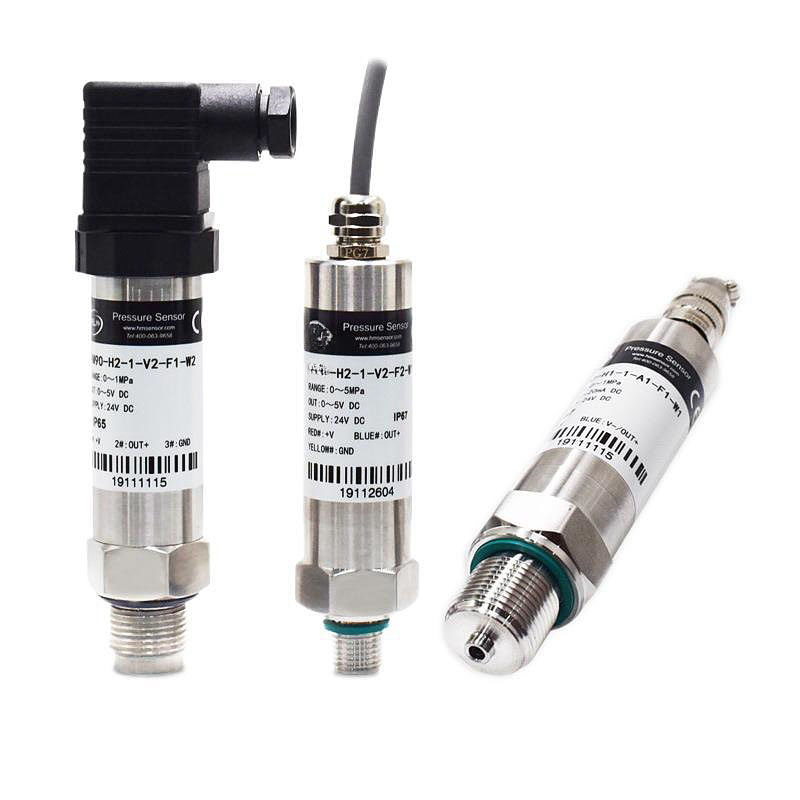
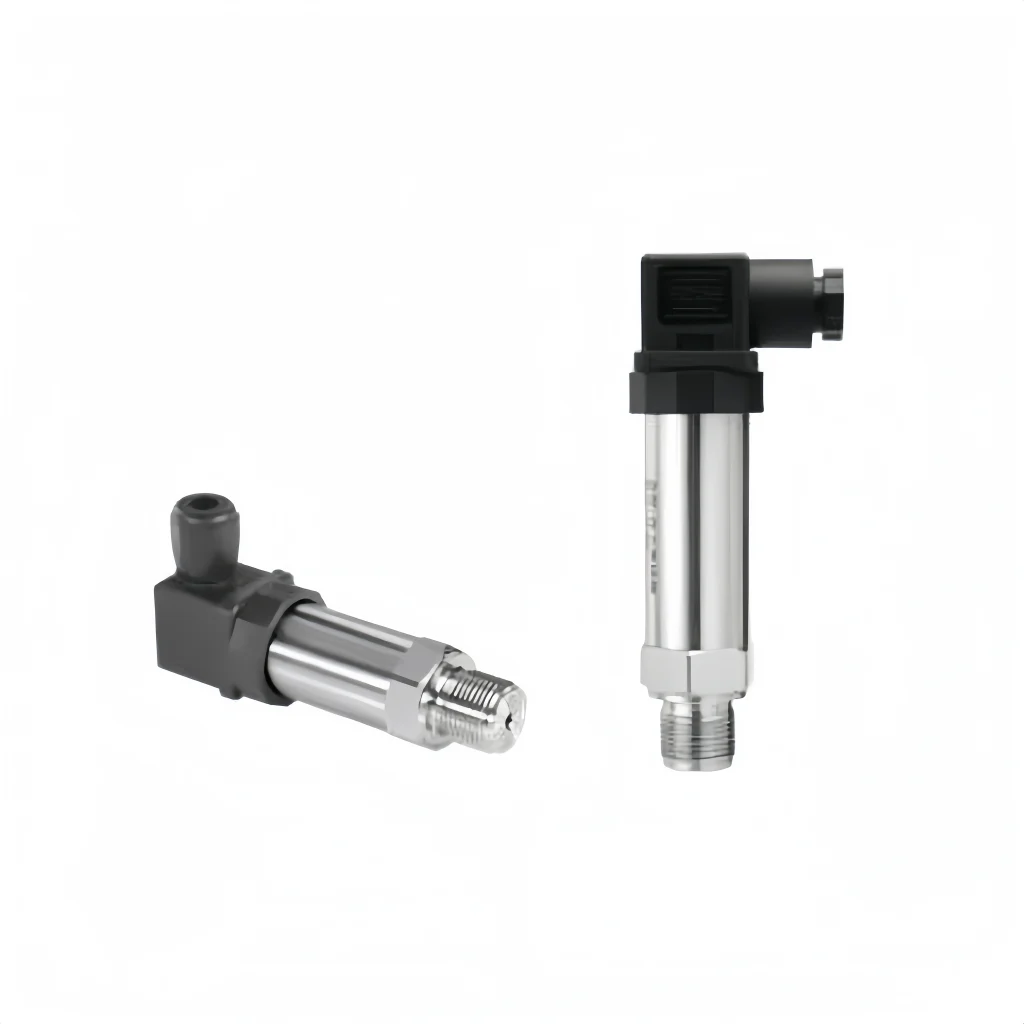
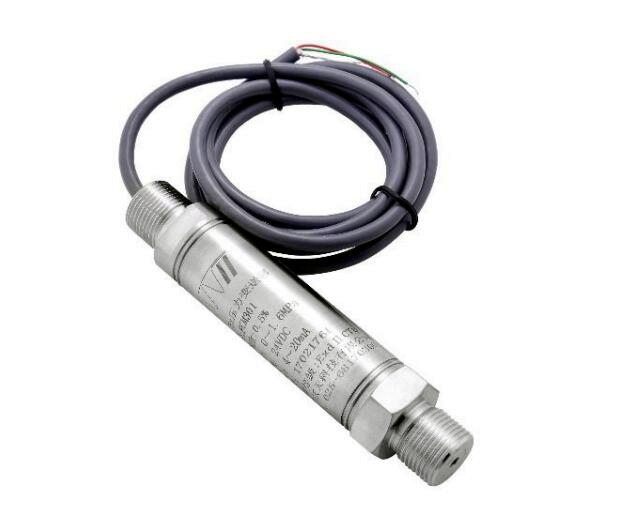
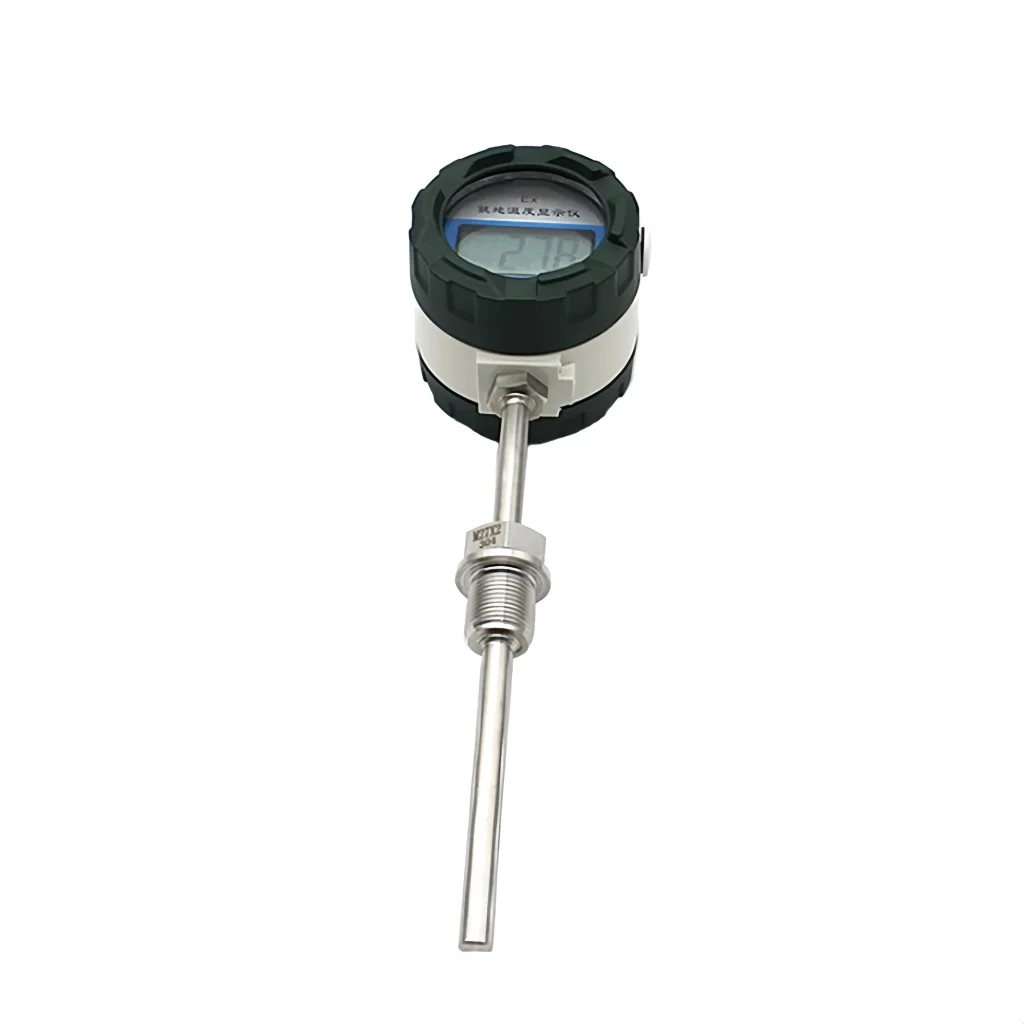
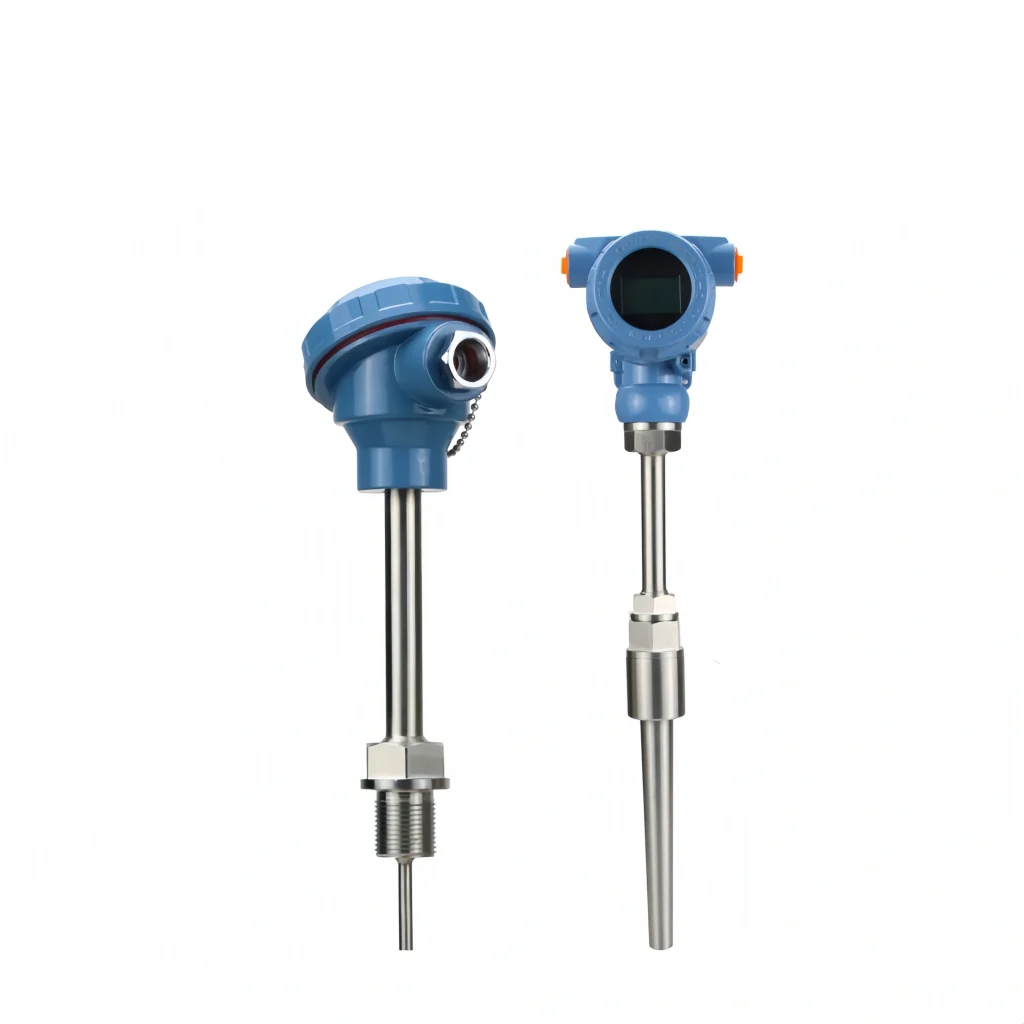
Advantages of Pressure and Temperature Sensors
1. High measurement accuracy
Utilising composite silicon materials and precision sensing elements, these sensors offer excellent sensitivity and stability, enabling them to accurately detect minute changes in temperature and pressure. A built-in system automatically corrects data for temperature, so that the temperature doesn’t affect the pressure measurements. This ensures the results are always accurate and reliable.
2. Rapid Dynamic Response
The sensors respond quickly to changes in temperature and pressure, providing real-time feedback on parameter fluctuations. This prevents control issues arising from slow responses, making them ideal for continuous, rapid industrial monitoring.
3. Strong Environmental Adaptability
It works well in tough conditions, like high temperatures, humidity, vibration, rust and corrosion. It works really well at stopping interference and stays stable over time. It rarely breaks and lasts a long time.
4. High Integration and Easy Installation
It integrates pressure and temperature measurement into a single, compact unit. This significantly reduces installation space and cabling costs, minimises the number of interfaces and connection points, and improves the system’s overall reliability.
5. Wide Signal Compatibility
With support for multiple output formats, including analogue (voltage and current) and digital (RS485, CAN, etc.), integration with various industrial control systems, data acquisition devices, and monitoring platforms is straightforward.
6. Versatile Functional Applications
This little gadget lets you monitor two things at the same time from one unit. It can be used for gas monitoring, estimating liquid levels and controlling processes, making it great for all sorts of industries, such as industrial automation, automotive, HVAC and environmental monitoring.
Disadvantages of Pressure and Temperature Sensors
1. Relatively high cost
Pressure and temperature sensors can do two things at once to measure pressure and temperature. The internal core components are highly precise and the manufacturing processes are more complex. Consequently, their purchase cost is higher than that of single-function temperature or pressure sensors, and the associated costs of maintenance and replacement are also correspondingly higher.
2. Strict requirements regarding the installation environment
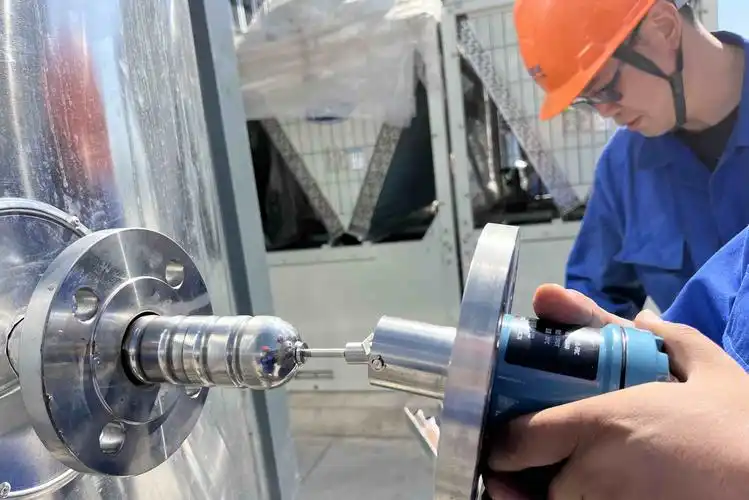
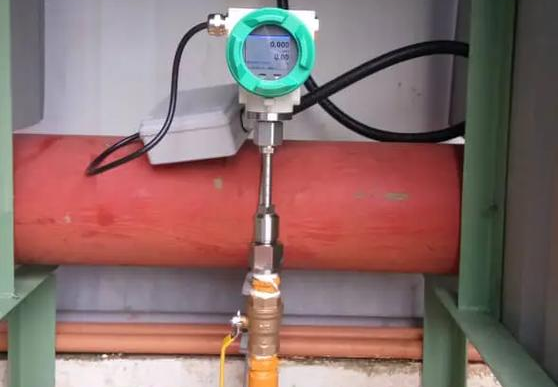
During installation, they must be kept away from sources of strong electromagnetic interference and areas subject to severe vibration. The installation angle and sealing performance must strictly comply with specification requirements; improper installation can easily lead to measurement errors.
3. Limited resistance to extreme operating conditions
Although they can withstand generally harsh environments, under extreme conditions such as ultra-high temperatures, ultra-high pressures, or highly corrosive environments, the internal sensitive elements and packaging materials are prone to damage, resulting in reduced measurement accuracy and a shorter service life; In cryogenic environments, signal response delays or data drift may also occur.
4. Calibration and maintenance are relatively complex
As calibration must be performed simultaneously for both temperature and pressure parameters, the process is more complex than for single-parameter sensors and requires specialised calibration equipment and technical personnel to operate; troubleshooting faults later on involves multiple components, which is not only difficult but also increases maintenance costs.
5. Limited measurement range
The pressure and temperature measurement ranges of temperature-pressure sensors are typically fixed combinations; they cannot simultaneously meet the requirements for ultra-wide temperature and ultra-wide pressure measurements. This lack of flexibility makes it difficult to adapt to the monitoring needs of a wide variety of operating conditions.
Practical Applications of Pressure and Temperature Sensors
As integrated temperature and pressure measurement devices, pressure and temperature sensors play a pivotal role in safety monitoring, process control, energy-saving optimisation, fault early warning and precise measurement. They are widely used across multiple industrial sectors, as detailed below:
Industrial Automation and Process Control
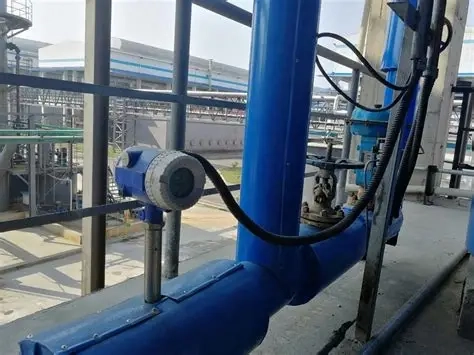
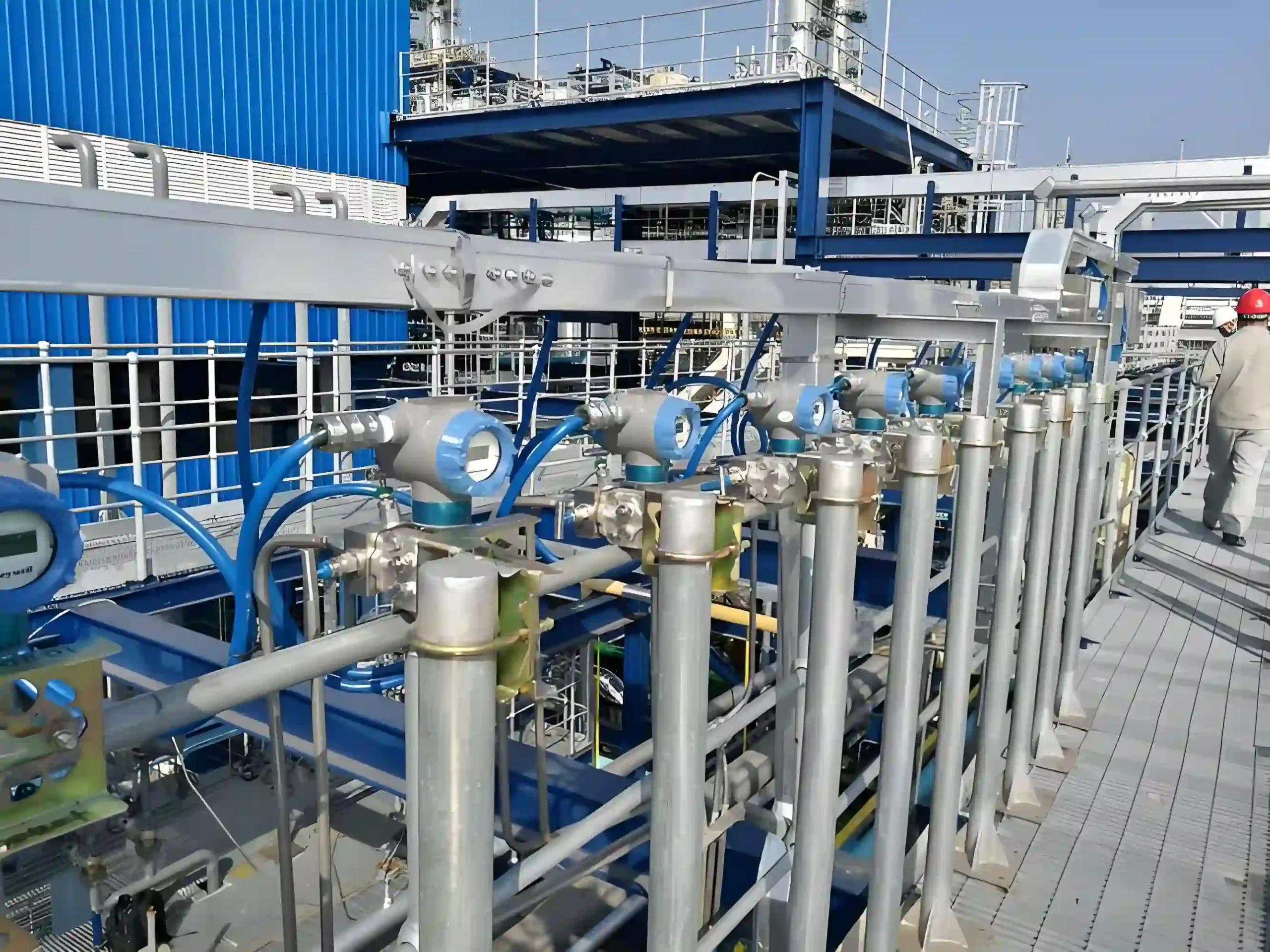
In petrochemicals, they’re used to monitor pressure and temperature in equipment like reactors and synthesis towers, as well as in oil and gas pipelines to make sure reactions stay stable and to spot leaks and other problems early on.
In the power and energy sector, they’re used in places like steam turbines and wind turbine gearboxes, as well as other equipment to keep an eye on things like bearing temperatures and oil pressure. This helps with predictive maintenance, which is pretty cool. They’re also used for high-temperature safety monitoring in nuclear power and hydrogen energy applications.
In industries where it gets really hot, like metallurgy, they keep an eye on the furnace temperature and pressure to spot any problems with the equipment early on.
In food and pharmaceuticals, they make sure the temperature and pressure in autoclaves and fermentation tanks are just right for sterilising and fermenting, and they keep the cleanrooms nice and clean.
In water treatment and air compressor applications, they make sure the pressure stays steady, protect against low water, and give alerts about energy saving.
Metering, gas and fluid instrumentation
Working in conjunction with smart gas meters to provide pressure and temperature compensation, thereby enhancing measurement accuracy; interfacing with heat meters and flow meters to calculate mass flow and energy flow, whilst also providing anomaly alerts for hydraulic and pneumatic systems.
Meteorology and environmental monitoring
Used in weather stations and radiosondes to monitor atmospheric temperature, pressure and altitude; adapted for water temperature and depth measurements in marine hydrographic monitoring; and utilised in air pollution and flue gas monitoring to enable integrated monitoring of flue gas temperature, pressure, velocity and composition.
Sino-Inst Pressure and Temperature Transmitter Case Studies
Case Study 1
Combined Pressure and Temperature Transmitter
Pressure: 0–400 bar
Output signal: 1–5 V
Temperature: –20–120 °C
Power supply: 24 V DC
Output signal: 1–5 V
Electrical connection: M12 metal connector (not plastic)
Accuracy: ±0.5% FS
G1/4 threaded connection
Case Study 2
Combined Pressure and Temperature Transmitter
Model: SI-706
Pressure Range: (0–5) MPa (absolute pressure)
Temperature Range: (0–800°C)
Type K thermocouple
Pressure Output: (0–10 V) (3-wire)
Process Connection: M20x1.5
Add Your Heading Text Here
The difference between pressure sensors and temperature sensors
They measure different physical quantities. Temperature sensors are used to measure temperature and heat, indicating the degree of warmth or coldness of a medium or object; pressure sensors are used to measure pressure, differential pressure and force, indicating the magnitude of the force exerted by a medium on a contact surface.
Different Operating Principles
Temperature sensors work by using things like the thermoelectric effect, changes in resistance when the temperature changes, and changes in semiconductors when the temperature changes to convert temperature into voltage, resistance or digital signals. Pressure sensors work in a different way, using piezoresistive, piezoelectric, capacitive and strain effects to convert pressure-induced deformation into electrical signals for output.
Differences in Sensing Elements and Structure
The core of a temperature sensor is the temperature-sensitive element, like a thermocouple, a resistance temperature detector (RTD) or a thermistor. The structure is designed to help conduct heat and measure temperature. Pressure sensors, on the other hand, rely on force-bearing structures, such as elastic diaphragms or strain beams. The main thing to think about here is how to make it able to resist pressure and deform.
Differences in Installation and Usage Requirements
To give an accurate reading, temperature sensors usually need to be touching the thing being measured. Pressure sensors need to be sealed off and pressure-resistant to stop them leaking or being damaged by too much pressure.
Different Application Focuses
Temperature sensors are mostly used for controlling temperature, protecting against overheating and monitoring process temperature. Pressure sensors are mainly used for controlling pressure, converting liquid levels, monitoring flow and checking hydraulic and pneumatic systems.
Differences in Signal Characteristics and Measurement Ranges
Temperature signals vary relatively gradually and cover a wide range; pressure signals respond more rapidly, with measurement ranges clearly divided into low, medium and high pressure, and higher requirements for overload protection.
Four Types of Temperature Sensors
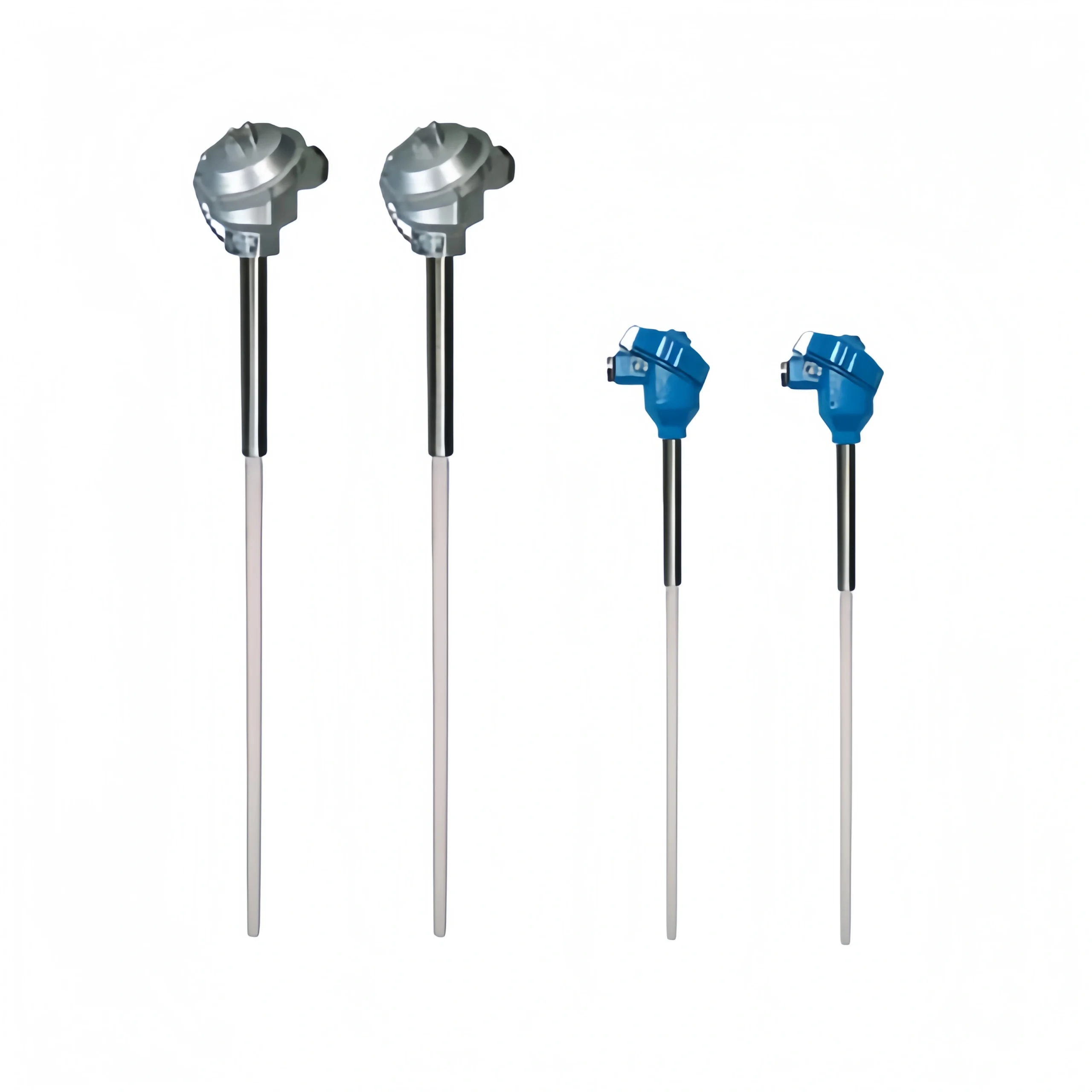
Thermocouple temperature sensors: These utilise the thermoelectric effect of two different metallic conductors to generate a potential difference for temperature measurement. They feature a simple structure, high-temperature resistance and fast response, and are commonly used in industrial high-temperature applications and general temperature measurement.
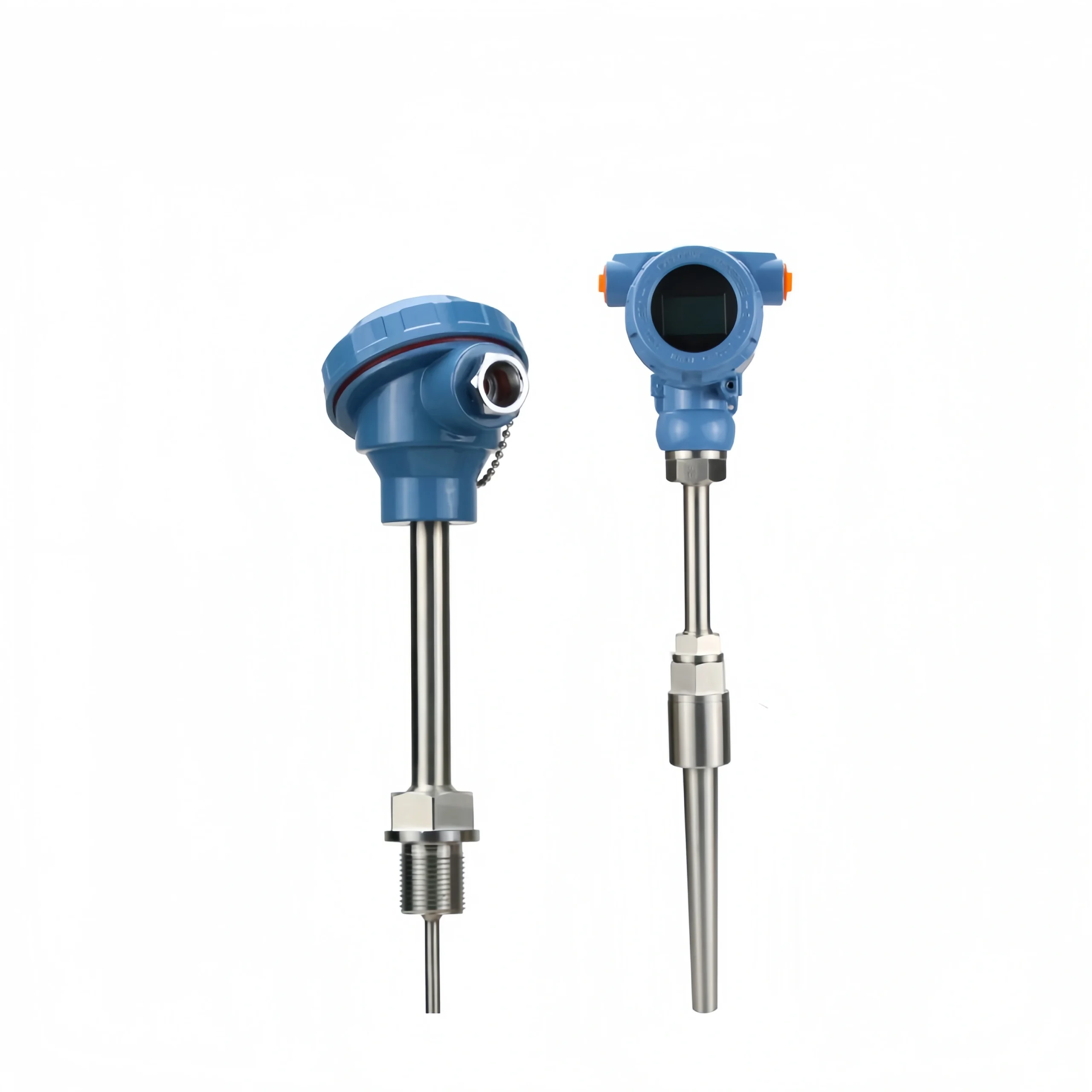
Resistance temperature detectors (RTDs): These work on the idea that the resistance of a metal conductor gets higher when the temperature gets higher. Common types include platinum and copper RTDs. They offer high measurement accuracy and good stability, and are frequently used for precision measurement at medium and low temperatures.
NTC/PTC Thermistors: Made from semiconductor ceramics, their resistance values change significantly with temperature. NTC (Negative Temperature Coefficient) thermistors offer high sensitivity and a compact size, whilst PTC thermistors are primarily used for overheat protection and are widely applied in temperature measurement for household appliances and electronic devices.
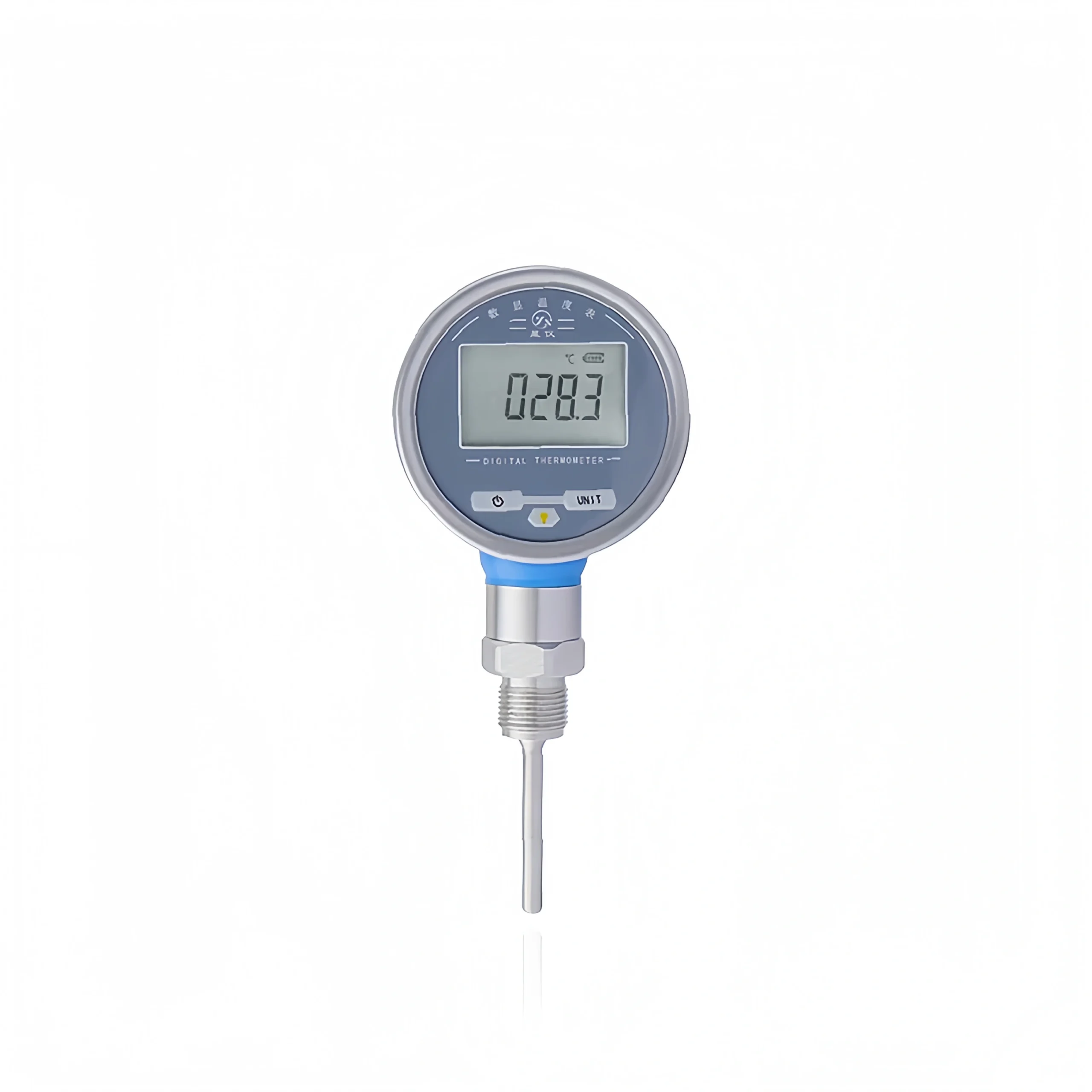
Integrated digital temperature sensors: They combine the sensing element, signal conditioning and analogue-to-digital conversion onto a single chip, allowing for direct digital signal output. They’re super accurate and easy to use, and they work well with microcontrollers and intelligent control systems. You’ll find them in all sorts of digital temperature measurement applications, like electronics and industrial control.
Seven types of pressure sensors
Piezoresistive pressure sensors: They’re made based on the idea that the resistivity of semiconductor materials changes under pressure, and they’ve got high sensitivity, a compact size and a moderate cost. They’re the most common type of pressure sensor right now, and you’ll find them in all sorts of industrial, automotive and hydraulic applications.
Piezoelectric pressure sensors: These sensors use something called the piezoelectric effect, which is where certain materials produce an electric charge when they are put under pressure. This makes them really fast and they’re great for measuring pressure that changes a lot, sudden shocks and pressure that changes regularly. They are often used in engine testing and for monitoring pressure in pipelines.
Capacitive pressure sensors: These gadgets measure pressure by detecting changes in capacitance. Capacitance is caused by changes in the distance or surface area between the electrodes when pressure is applied. They are perfect for measuring low and micro-pressure, as well as anything involving corrosive media.
Strain-gauge pressure sensors: These convert pressure into strain in an elastic body, which is then converted into an output signal via changes in the strain gauges’ resistance. They are highly reliable and stable, and are frequently employed for measuring pressure in various applications, such as weighing, hydraulics, and pneumatics.
Inductive pressure sensors: These use the change in inductance caused by the displacement of a ferrite core under pressure to achieve measurement. They are strong and do not break easily. They are often used to monitor pressure in difficult industrial environments.
Hall-effect pressure sensors: These use pressure to make a Hall element work, which creates a Hall voltage in a magnetic field. They have a simple structure, can resist vibrations and are cheap. This makes them useful in low-pressure, differential-pressure and some simple pressure detection applications.
Fibre-optic pressure sensors: These use light to detect and send signals. They can also measure over long distances and are resistant to electromagnetic interference and corrosion. This makes them suitable for pressure detection in special operating conditions, such as strong electromagnetic environments, flammable and explosive atmospheres, and high-voltage insulation.
Sino-Inst is a specialist supplier of sensing equipment. As well as high-performance combined pressure and temperature sensors, it offers a comprehensive range of temperature and pressure sensors. This includes important parts like thermistors, thermocouples and pressure-sensitive chips. This means we can meet the needs of different industries and operating conditions, whether it’s for single-parameter monitoring or simultaneous dual-parameter monitoring.
We always make sure that our measurements are accurate and our products are reliable. This means that we can make our products in a way that doesn’t need a lot of maintenance in the long-term. We also provide guidance on choosing the right products, professional installation and commissioning services, and comprehensive after-sales support. This helps businesses to monitor their processes more efficiently, increase production efficiency and reduce operational costs.