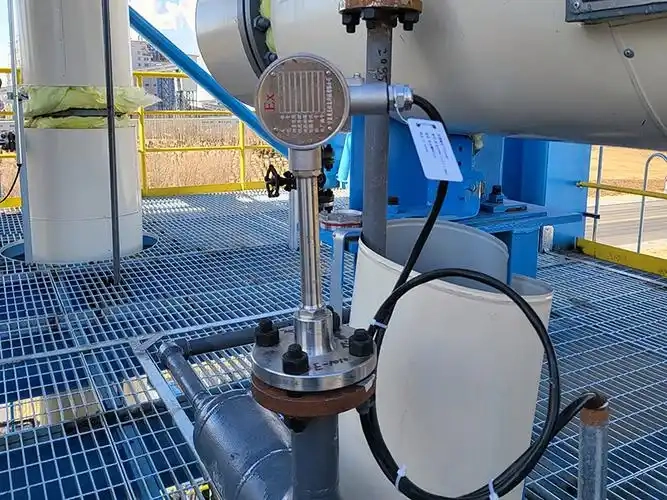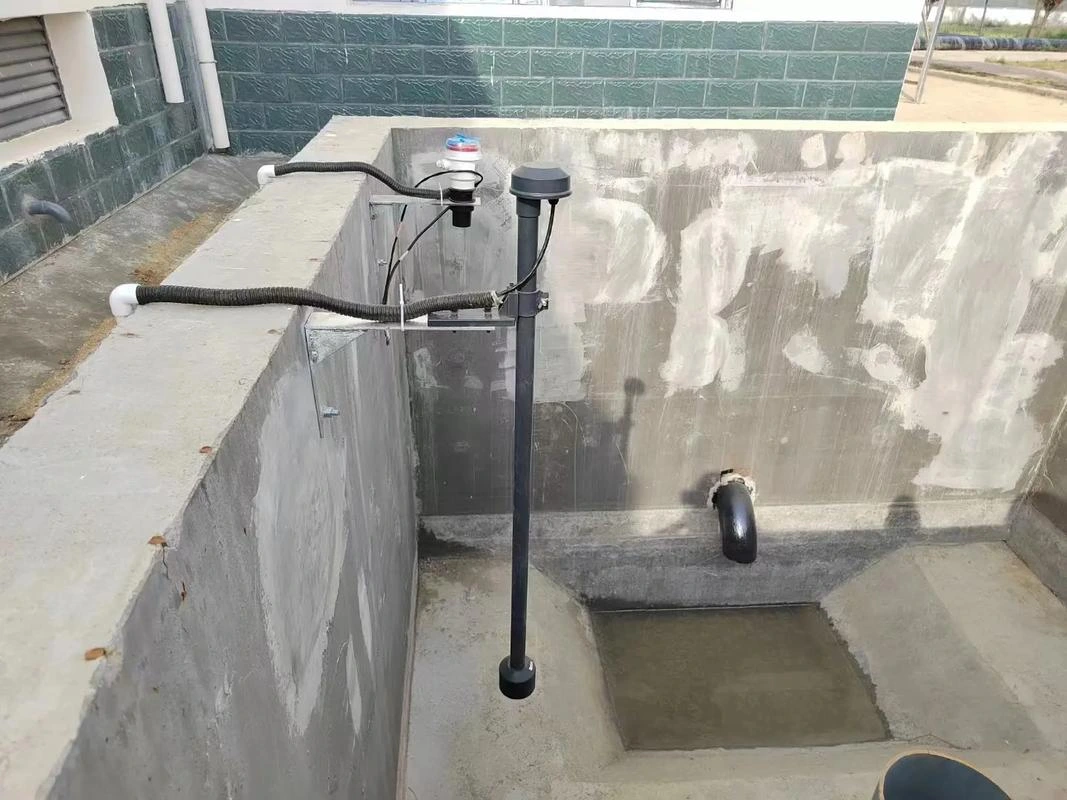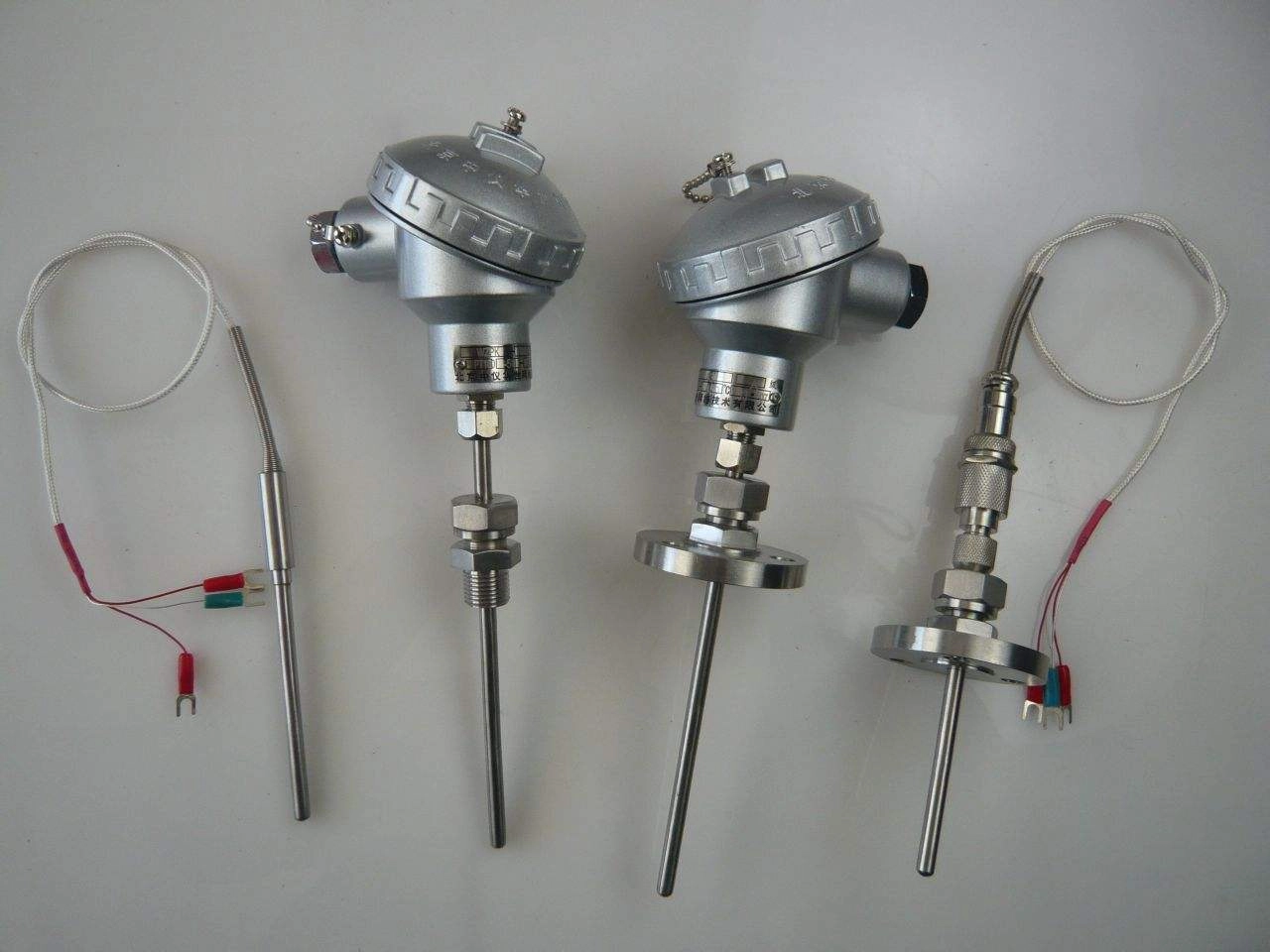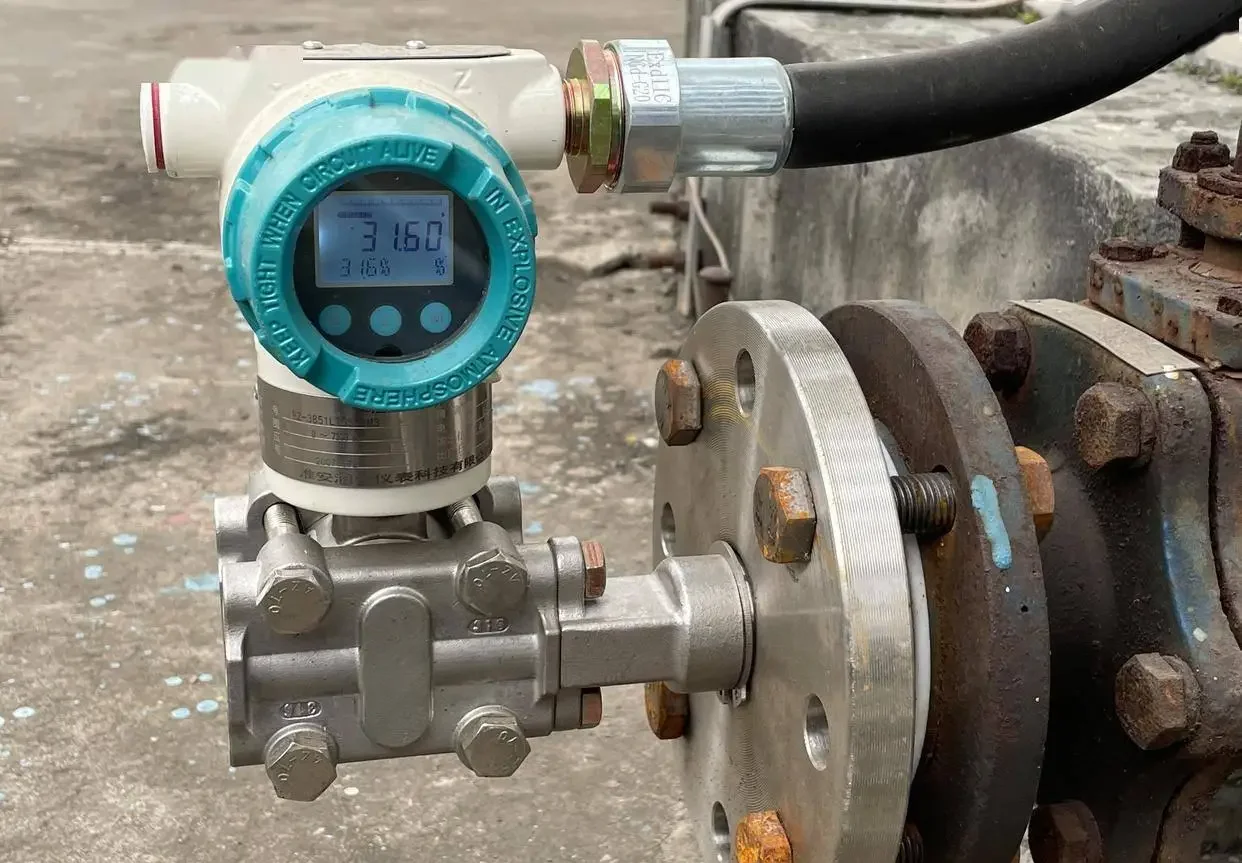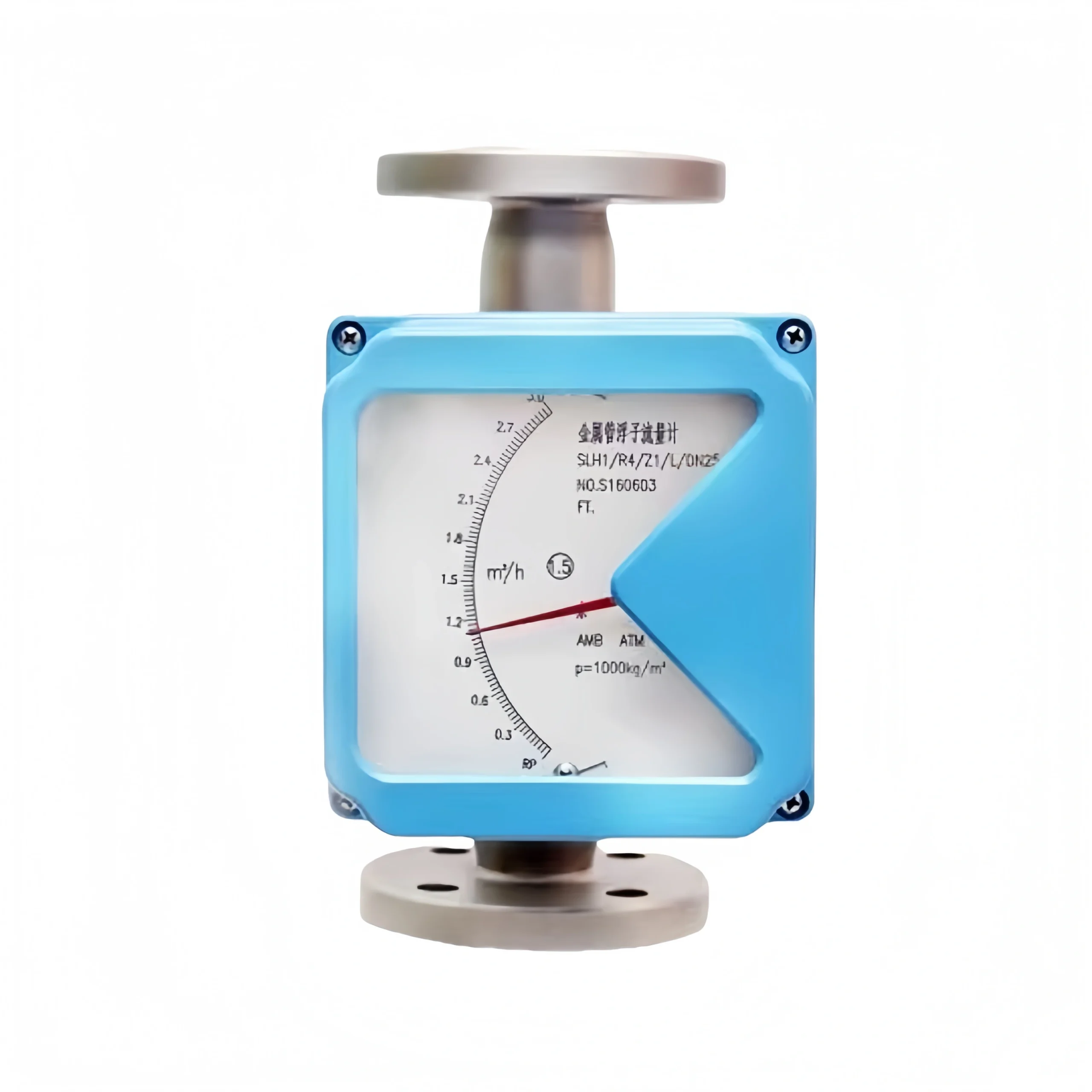
Water flow meters are essential devices for measuring water flow in various applications. They measure and help control the flow of water in pipes and hoses, providing continuous and accurate data. This helps in monitoring and managing water consumption. Therefore, understanding the different types of water flow meters is crucial for choosing the right one for your needs.
What is a water flow meter?
A water flow meter is a device used to measure the volume or flow rate of water passing through a pipe. It is used to indicate the quantity and speed of water flow.
It essentially acts as a “water speedometer.”
Water flow meters can measure the total volume of water that flows past a specific point in a given time. They can also measure the instantaneous flow rate. This is crucial for detecting potential leaks or inefficiencies in water systems.
How Water Flow Meters Work
Water flow meters work by measuring the speed of water flowing through a pipe and calculating the flow rate accordingly. This is typically based on the volume of water passing a given point in a given time.
Different methods can be used to determine the flow rate, including mechanical rotation (turbine or piston), electromagnetic induction, or ultrasonic measurement.
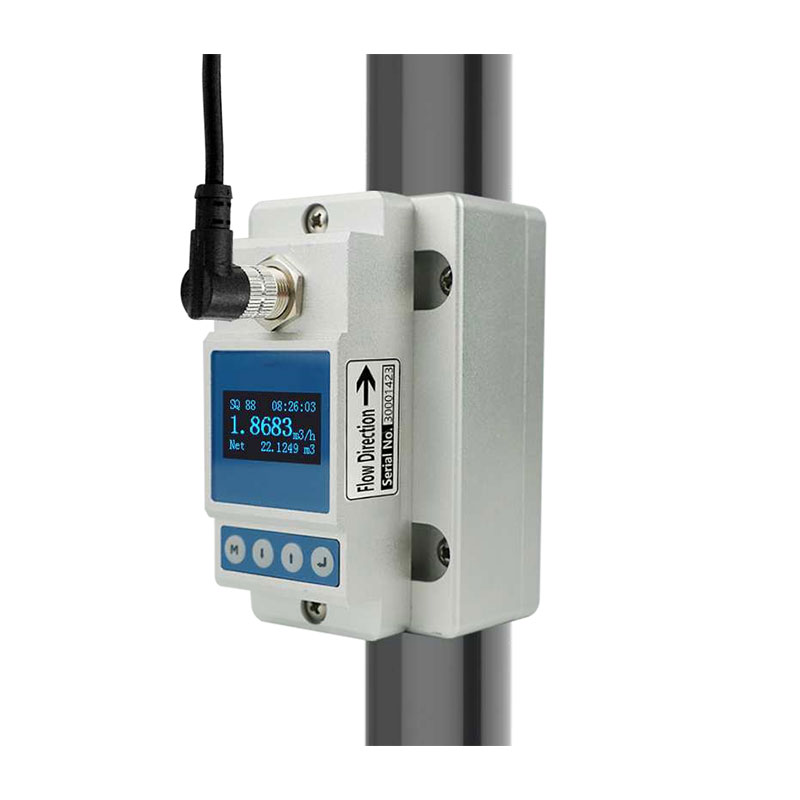
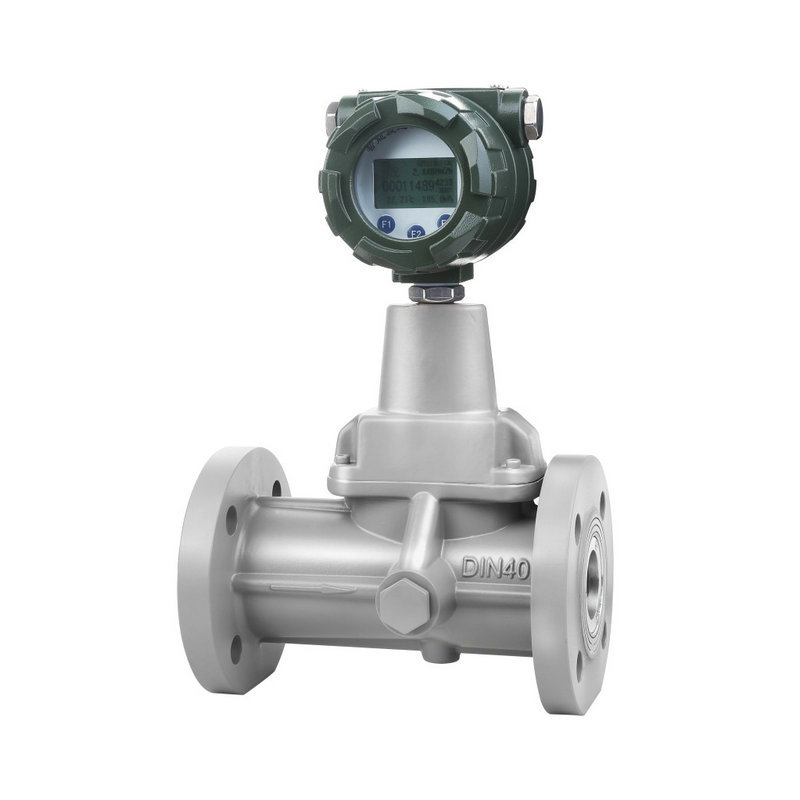
Water Flow Meter Types and Applications
There are many types of water flow meters. Below are some common types of water flow meters.
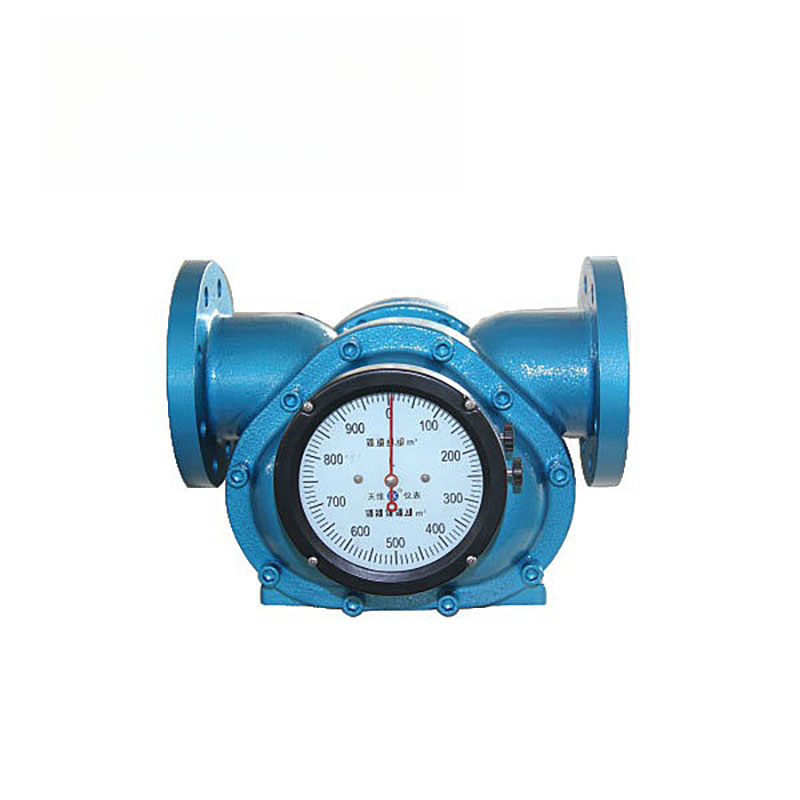
1.Positive Displacement Flow Meters
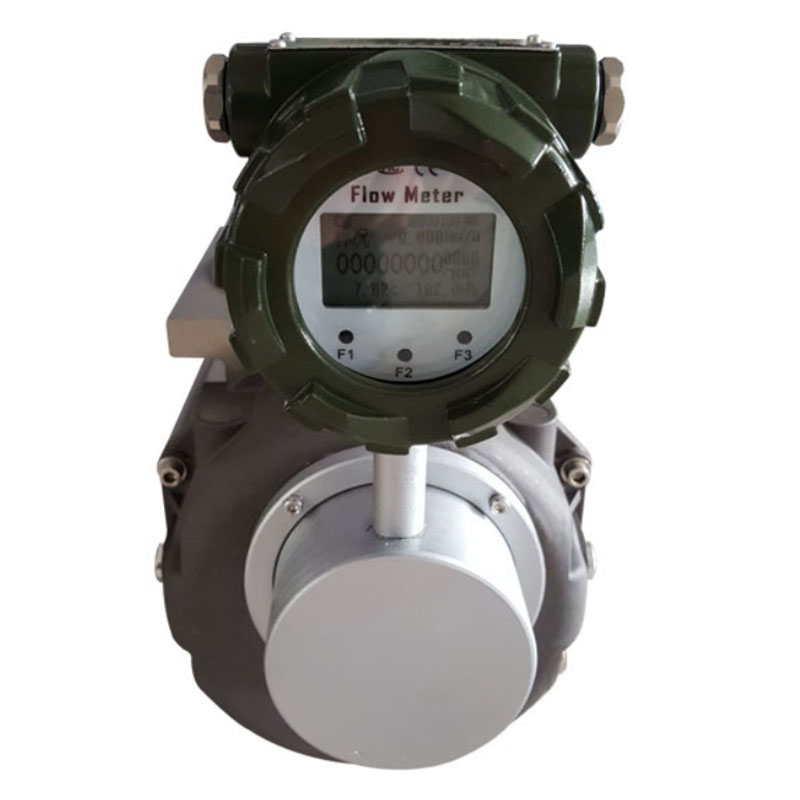
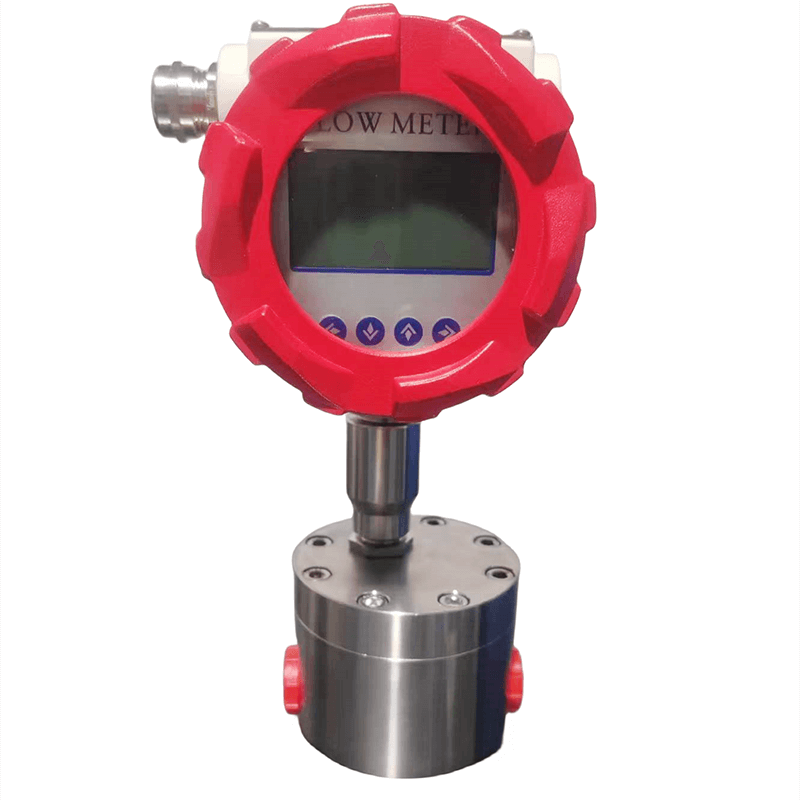
Positive displacement flow meters, also known as PD flow meters, are highly accurate flow meters. They capture a fixed volume of fluid and then mechanically displace it to measure the fluid flow rate. This method provides accurate flow readings, especially for viscous fluids.
We offer gear-type positive displacement flow meters, including oval gear and spur gear types. Oval gear flow meters can be mechanical flow meters, requiring no power supply and offering stable performance.
Common applications of positive displacement flow meters:
PD flow meters can measure crude oil, refined products, and natural gas liquids.
PD flow meters can be used in water treatment plants to monitor water flow and wastewater discharge.
PD flow meters can be used for precise metering and dispensing of chemicals.
Advantages and Disadvantages
Advantages:
High accuracy without the need for straight pipe sections. No external power supply required.
High accuracy, typically within ±0.1% of the actual flow rate.
High accuracy and wide measuring range.
High accuracy and configurable with electronic display, supporting pulse, 4-20mA current, RS485 and other signal outputs.
Disadvantages:
Complex design and large size.
Limited types of media that can be measured.
Generates noise and vibration.
Most PD flow meters are only suitable for clean, single-phase fluids.
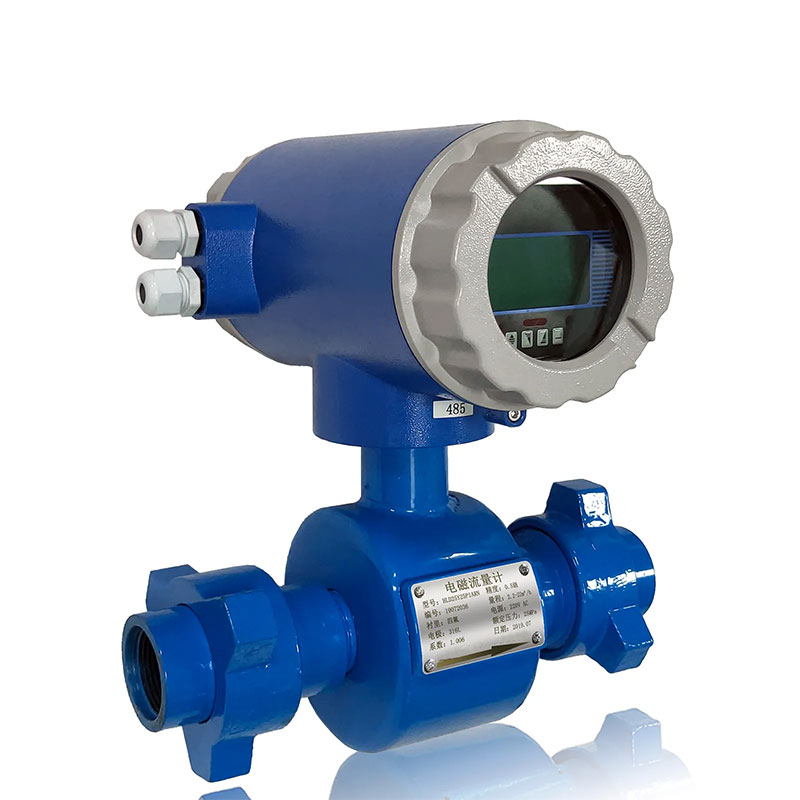
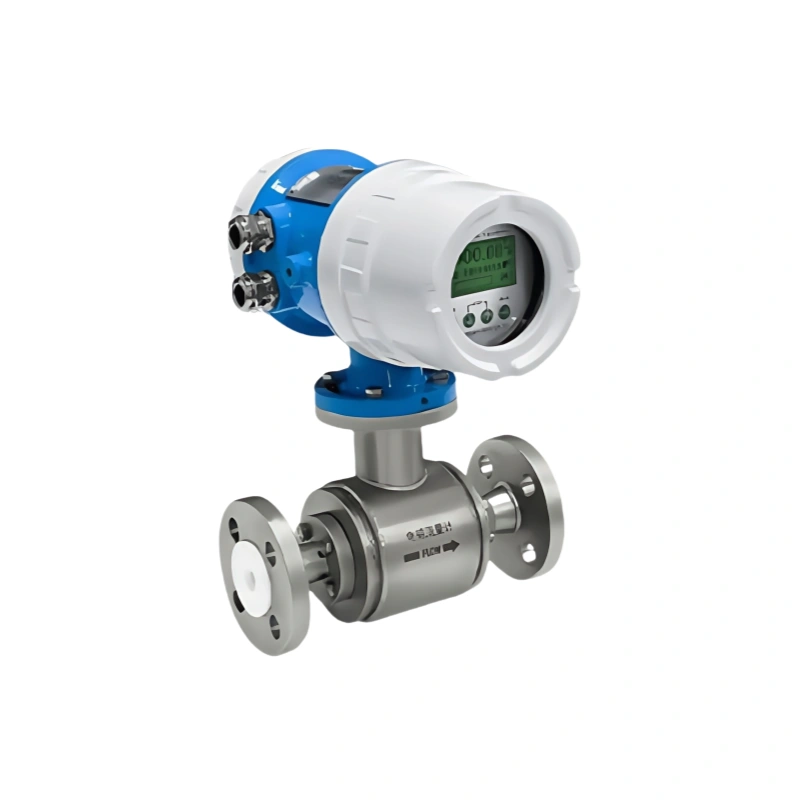
2.Electromagnetic Flow Meter
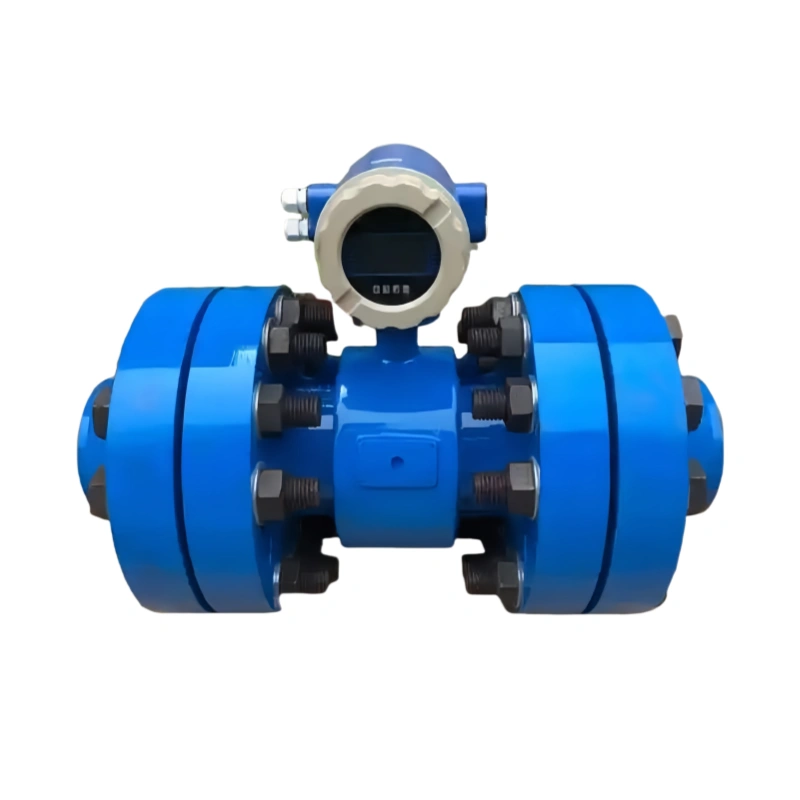
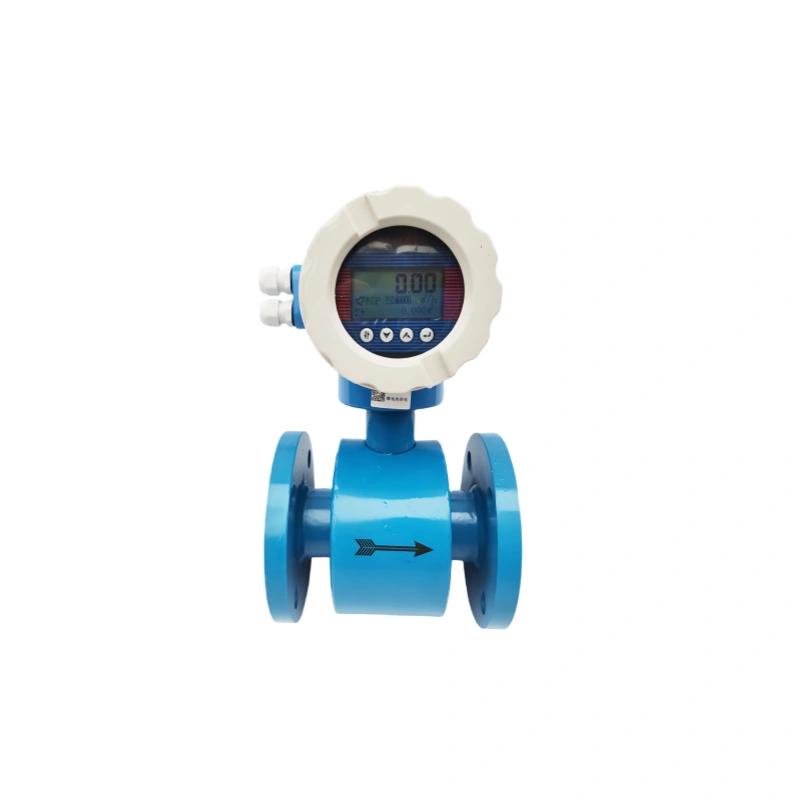
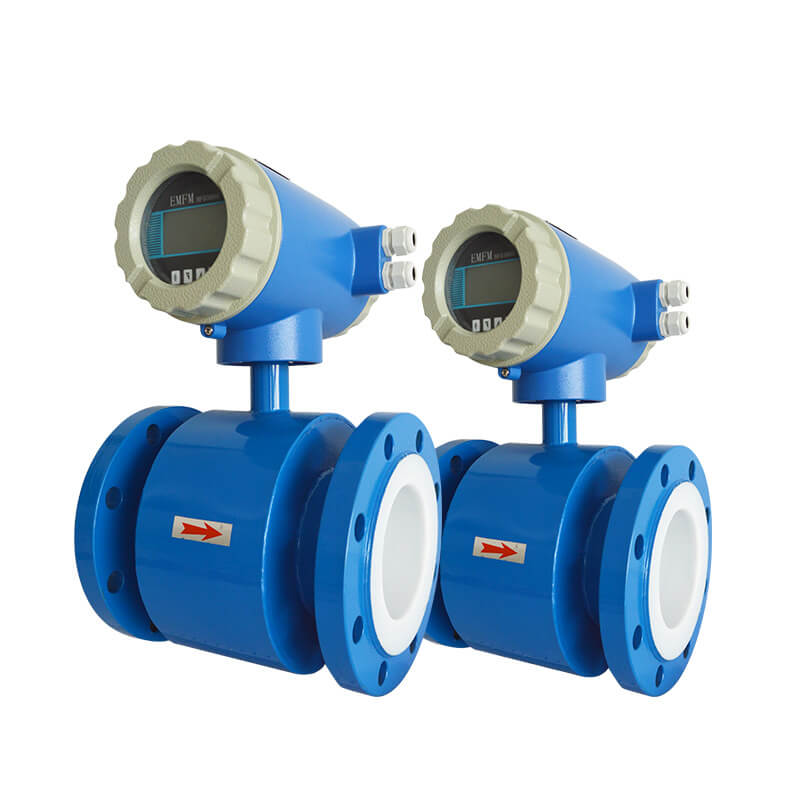
Electromagnetic flow meters utilize Faraday’s law of electromagnetic induction. They use a magnetic field to measure flow rate. When a conductive fluid flows through the magnetic field, a voltage is generated. This voltage is proportional to the fluid velocity, allowing for the calculation of the flow rate.
Common uses of electromagnetic flow meters:
Electromagnetic flow meters can handle corrosive materials.
Electromagnetic flow meters can measure abrasive slurries and process water.
Electromagnetic flow meters can also monitor produced water and brine injection.
Advantages and Disadvantages
Advantages:
The accuracy of electromagnetic flow meters is typically between ±0.2% and ±2% of the flow rate.
Electromagnetic flow meters have a wide measuring range.
Electromagnetic flow meters have a low pressure drop.
Electromagnetic flow meters have no moving parts.
Disadvantages:
Electromagnetic flow meters are limited to conductive liquids.
Electromagnetic flow meters are susceptible to magnetic interference.
The electrodes of electromagnetic flow meters are prone to scaling.
Electromagnetic flow meters are more expensive than other types of flow meters.
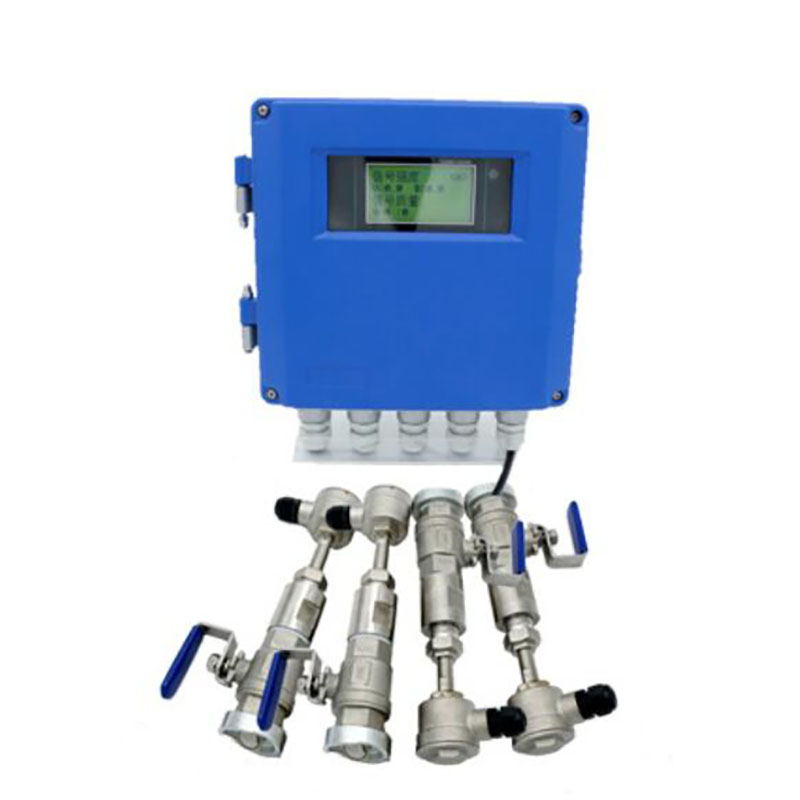
3.Ultrasonic Flow Meter
Ultrasonic flow meters use ultrasound to measure flow rate. They emit ultrasonic signals upstream and downstream in the fluid. The time difference between the propagation of the two signals is used to calculate the fluid velocity. The flow rate is then calculated based on the velocity and the cross-sectional area of the pipe.
Common uses of ultrasonic flow meters:
Ultrasonic flow meters can monitor and control the flow of water and wastewater in treatment plants.
Ultrasonic flow meters can measure the flow rate of various chemicals.
Ultrasonic flow meters can also monitor the flow rate of water and other fluids in power plants.
Advantages and Disadvantages
Advantages:
Ultrasonic flow meters typically have an accuracy of ±0.5% to ±2%.
Ultrasonic flow meters have low maintenance costs.
Ultrasonic flow meters are non-invasive.
Ultrasonic flow meters have a wide range of applications.
Disadvantages:
Ultrasonic flow meters have a higher initial cost.
Ultrasonic flow meters are highly sensitive to bubbles and contaminants.
Ultrasonic flow meters may not be suitable for all pipe sizes or materials.
4.Turbine Flow Meter
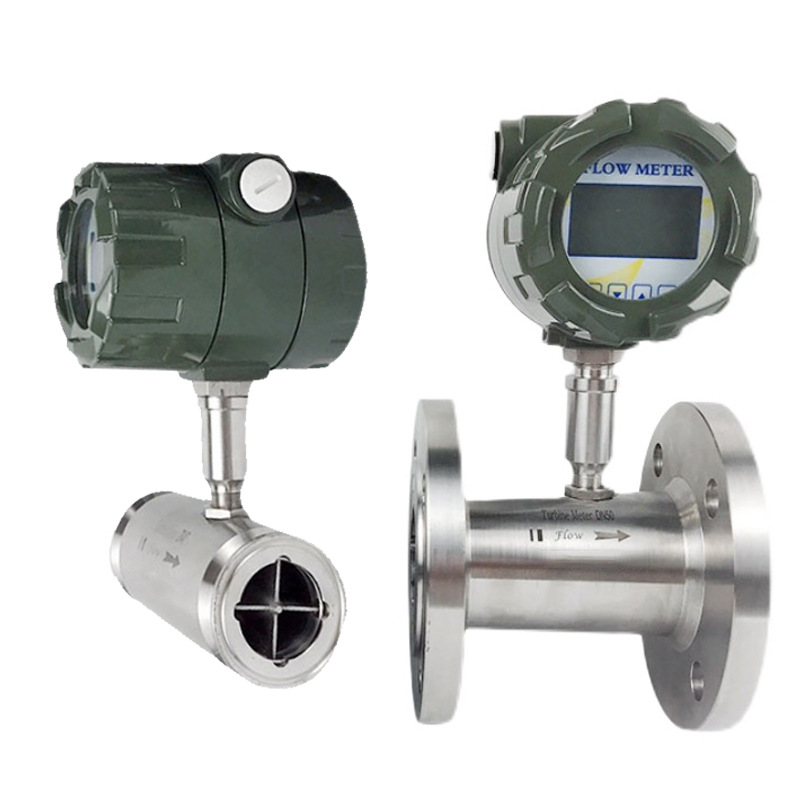
Turbine flow meters use a turbine rotor to measure the volumetric flow rate of liquids or gases. The rotational speed of the turbine rotor is proportional to the fluid velocity. The energy of the fluid causes the rotor to rotate. The rotational speed of the rotor is used to calculate the flow rate.
Common uses of turbine flow meters:
Turbine flow meters can be used for custody transfer of oil and gas.
Turbine flow meters can be used for chemical dosing and process control.
Turbine flow meters can be used in HVAC systems.
Advantages and Disadvantages
Advantages:
Turbine flow meters have high accuracy, typically between ±0.5% and ±1.5%.
Turbine flow meters are compact and lightweight, making them easy to install and maintain.
Turbine flow meters use bidirectional flow measurement.
Turbine flow meters have a fast response time.
Disadvantages:
Turbine flow meters are sensitive to fluid characteristics.
The moving parts of turbine flow meters are susceptible to wear.
Turbine flow meters are susceptible to vibration.
Turbine flow meters have a higher initial cost.
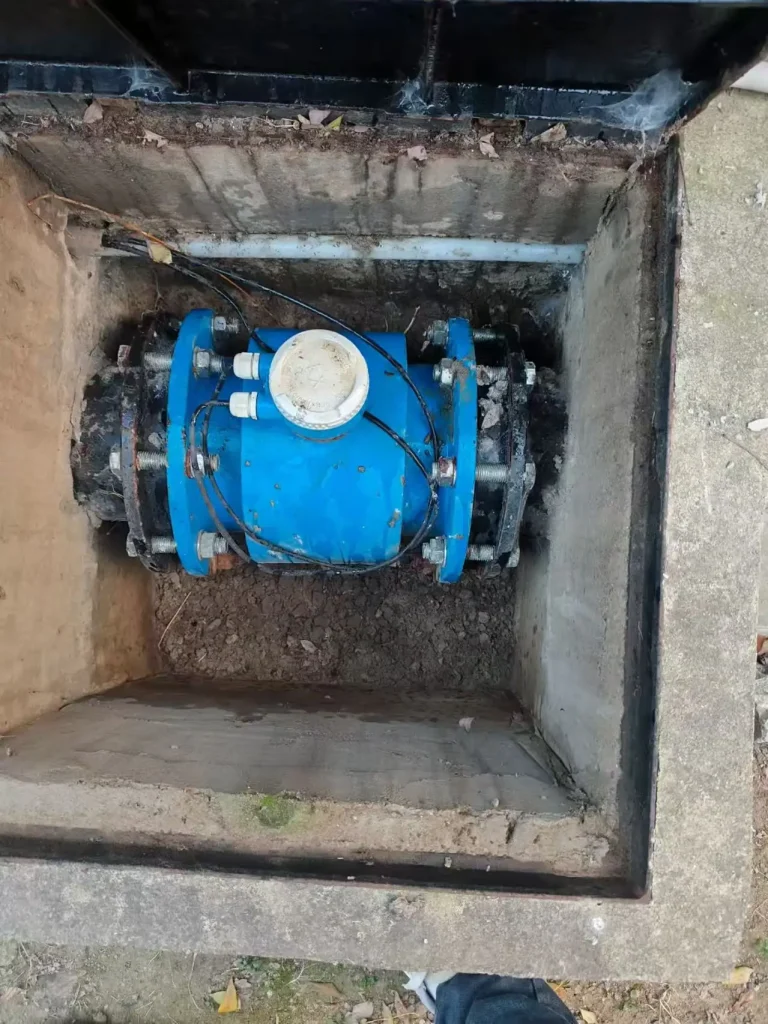
The difference between a water meter and a water flow meter.
Main differences | water meter | Water flow meter |
Measurement focus | Total volume | Flow rate (speed) |
Typical applications | Water meters are primarily used for billing and tracking water consumption. | Water flow meters are primarily used for real-time monitoring and measurement of various fluids and gases. |
Scope of application | Water meters primarily measure water. | Water flow meters are suitable for a wider range of liquids and gases. |
type | Water meters mainly include volumetric flow meters, velocity flow meters, and turbine flow meters. | Water flow meters mainly include mechanical flow meters, electromagnetic flow meters, and ultrasonic flow meters. |
Choosing the right water flow meter for your application.
Factors to consider | |
Basic Requirements | What basic functions does the flow meter need to provide? |
Application Requirements | Consider the pressure and temperature conditions of the water flow. Determine the minimum and maximum flow rates you need to measure. How accurate does the measurement need to be? |
When dealing with water, consider whether it is clean water, wastewater, or contains particles or other materials. | |
Fluid Type | Determine if your system has any limitations on pressure drop. |
Pressure Drop | Consider whether the flow meter will be installed indoors or outdoors? Will the installation be vertical or horizontal? |
Installation | Consider long-term maintenance requirements and the availability of spare parts. |
Maintenance | Consider the total cost of the flow meter over its lifespan. |
A water flow meter is a device used to measure the volume or flow rate of water passing through a pipe. It is crucial for accurately measuring and managing water usage because it provides precise flow data. This helps optimize resource allocation and ensures efficient operations.
Therefore, understanding the different types of water flow meters is essential for various water applications. You can choose the appropriate flow meter based on your specific application.
Our Sino-Inst flow meters are widely used in production and process flows across various industries. We can customize them according to customer needs. If you need to purchase a flow meter or have any questions, please feel free to contact us.