In the world of fluid mechanics and industrial fluid transport, flow rate is a key way to measure how fluids move. There are two main types of flow rate: volumetric flow rate and mass flow rate. Whilst the two are intrinsically linked, they play distinctly different roles in industrial measurement due to differences in their units of measurement.
What Are Mass Flow and Volume Flow?
Mass flow
Essentially, mass flow is the mass of a gas or liquid that flows in a certain amount of time. It is usually measured in units such as kilograms per second (kg/s) or pounds per minute (lb/min). In many industries, mass flow is critical to ensure accurate measurement and control of processes.
One advantage is that when measuring mass flow, mass or weight does not change with temperature or pressure. However, weight will change with gravity, but gravity is the same and does not affect mass flow.
Volume flow
Similarly, volume flow is the volume of gas or liquid flowing in a certain period of time, referred to as flow rate, represented by Q. It is usually expressed in units such as cubic meters per second (m³/s) or gallons per minute (GPM). Volume flow is essential for determining equipment size, monitoring fluid flow, and evaluating system performance.
Volume flow refers to the volume of fluid passing through a cross-section per unit of time. It is an important parameter for measuring the speed of fluid movement and is widely used in fluid mechanics, engineering fields, and the design and selection of flow meters.
In general, volume flow can be calculated by the following formula: Q=AXV. Among them, Q represents volume flow, A represents the cross-sectional area, and ⅴ represents the average flow velocity of the fluid on the cross-section.
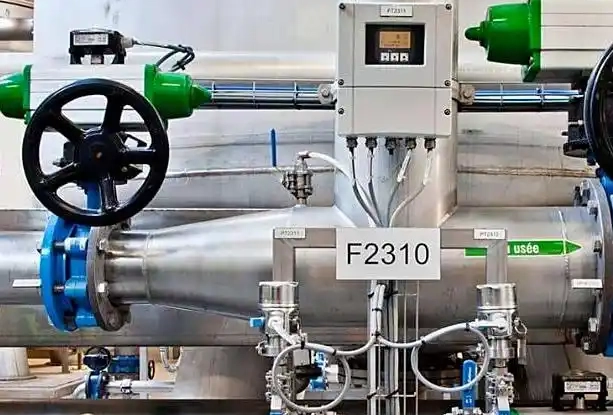
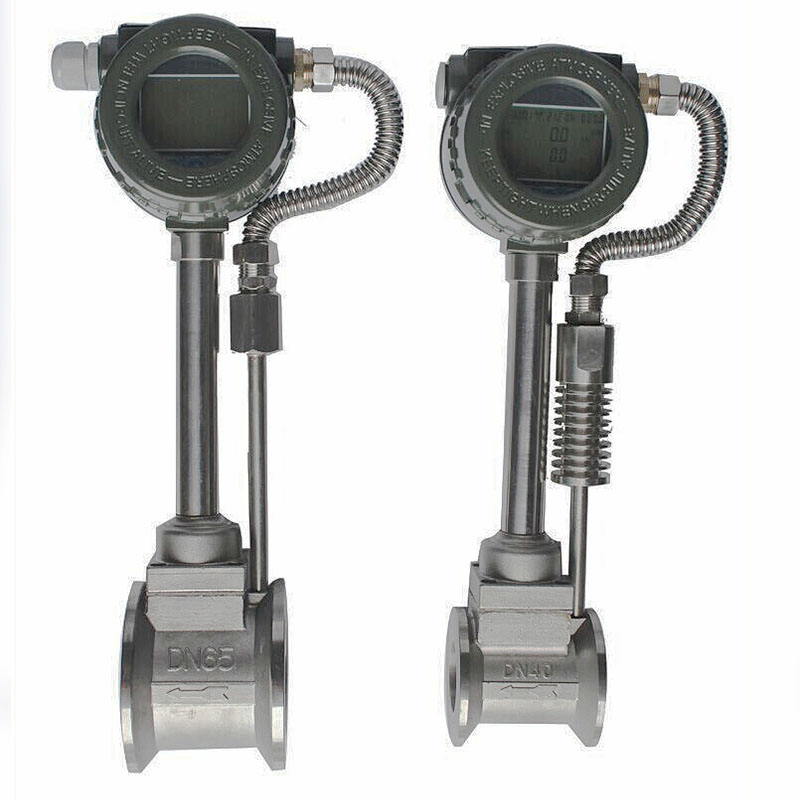
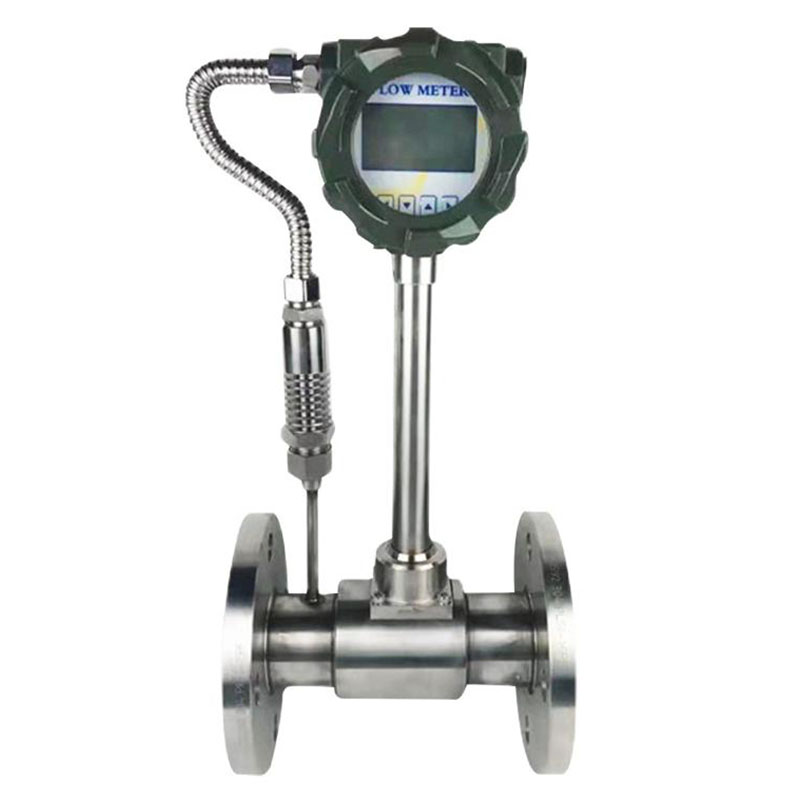
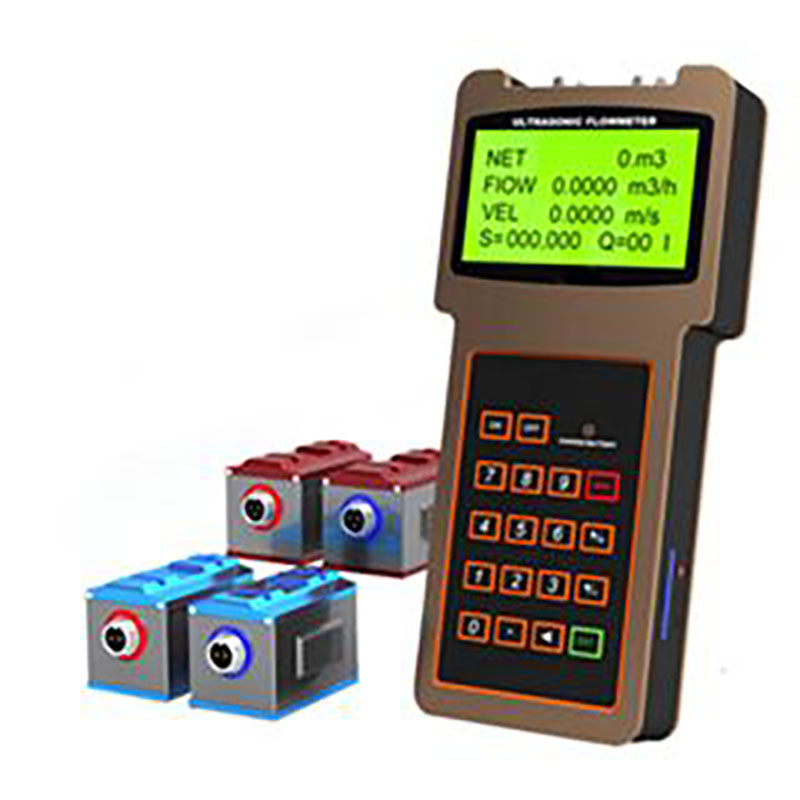
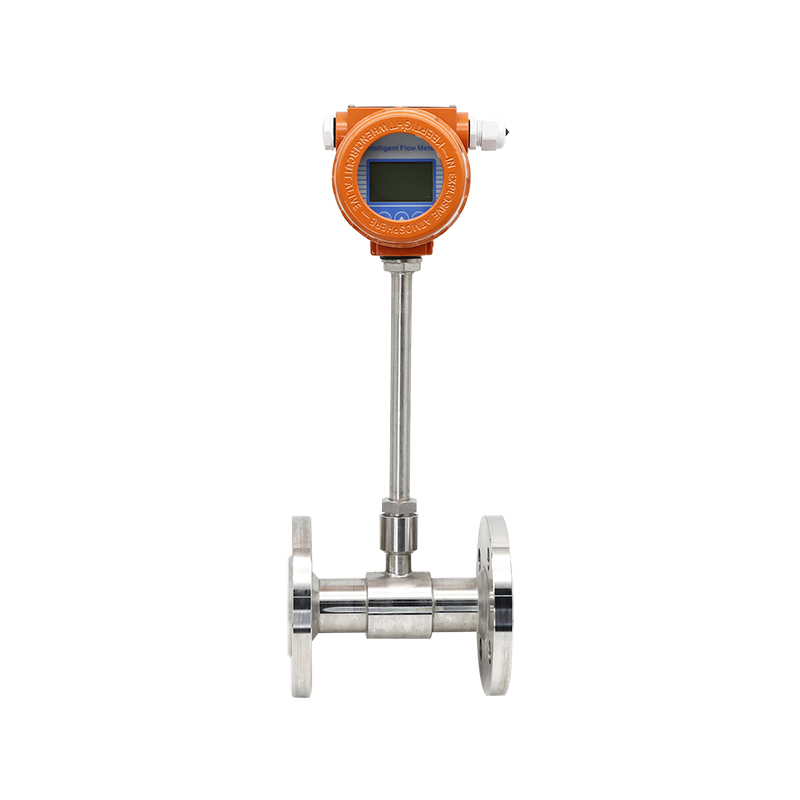
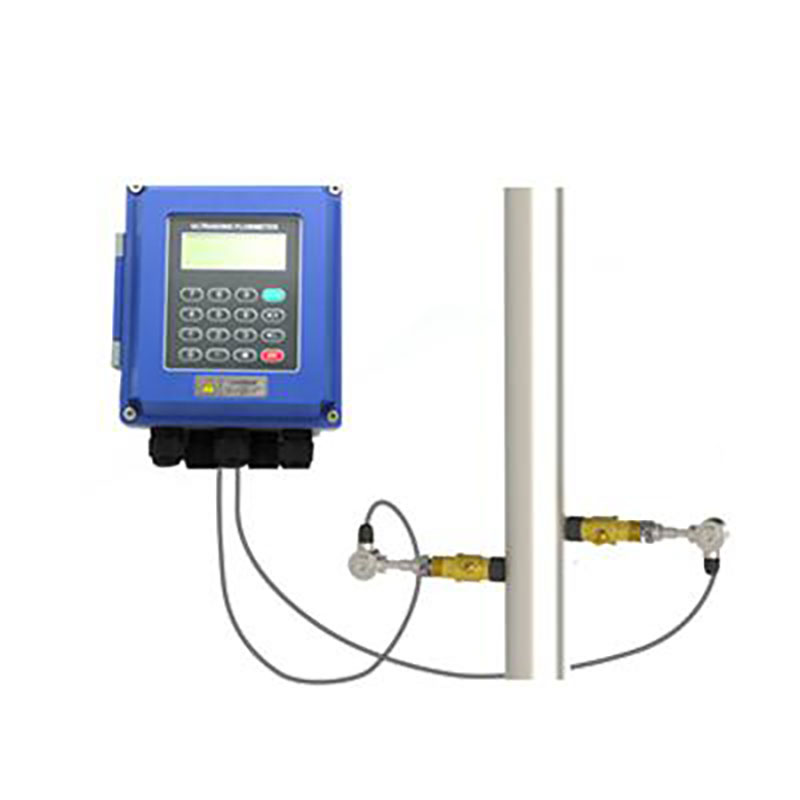
Common equipment for measuring volume flow includes the following: Common flow velocity measurement methods include electromagnetic flowmeter, vortex flowmeter, ultrasonic flowmeter, etc.
How Are Mass Flow and Volume Flow Related?
Mass flow is directly related to volume flow and depends on the density of the fluid. To calculate mass flow, simply multiply the volume flow by the density of the fluid: mass flow = volume flow x density. Since density varies with temperature and pressure, it is important to consider the specific conditions of the fluid when converting between mass flow and volume flow.
The volume flow is calculated as follows: Volume flow (Qv) = Average flow velocity in the pipe (u) × Cross-sectional area of the pipe (A). This formula means that volume flow is the volume of fluid that flows through the pipe per unit time, usually in units such as cubic meters per second (m³/s) or liters per minute (l/min).
The Ratio Between Volume Flow Rate and Mass Flow Rate
In industrial flow measurement, volume flow rate and mass flow rate are two commonly used measurement parameters, and there is a fixed conversion relationship between them.
The ratio of mass flow rate to volume flow rate is equal to the density of the fluid being measured; conversely, the ratio of volume flow rate to mass flow rate is the specific volume of the fluid, which is the reciprocal of density.
Simply put:
Mass flow rate ÷ Volume flow rate = Fluid density
Volume flow rate ÷ Mass flow rate = Specific volume of the fluid
In actual operating conditions, the density of media such as gases and steam is easily affected by temperature and pressure, causing the conversion between the two flow rates to vary accordingly. This is the primary reason why mass flow meters are selected for applications requiring precise measurement.
How to convert between volume flow rate and mass flow rate
In industrial flow measurement, volume flow rate and mass flow rate can be rapidly converted using the fluid’s density; the conversion logic is simple and universally applicable.
Core Conversion Formulas
Given the volumetric flow rate, calculate the mass flow rate
Mass flow rate = Volumetric flow rate × Fluid density
Given the mass flow rate, calculate the volumetric flow rate
Volumetric flow rate = Mass flow rate ÷ Fluid density
Under identical operating conditions, the higher the fluid density, the greater the mass corresponding to the same volume.
Things like gases, compressed air and steam are all different depending on the temperature and pressure, which makes density vary a lot. When operating conditions change, volume flow rate data alone can be really unreliable, so you need to apply real-time density correction to make sure you get accurate measurements.
The density of liquid media is relatively stable; for routine conversions, a fixed density value can generally be used directly, making calculations simpler.
Volume flow is calculated by dividing the mass flow by the density of the fluid. Volume flow varies with temperature and pressure, while mass flow remains constant when temperature or pressure changes.
In addition, volume flow is different from mass flow. Mass flow is the flow expressed in mass/time, usually in kilograms per second (kg/s), and the calculation formula is mass flow (M) = medium density (ρ) × volume flow (Qv). This means that the mass flow rate depends not only on the flow velocity and cross-sectional area but also on the density of the fluid.
The Difference Between Volume Flow and Mass Flow
Both measure the movement of fluids, but “volume flow” refers to the volume of fluid flowing past a point per unit time, while “mass flow” measures the mass of fluid flowing past a point per unit time.
Essentially, volume flow is about the space occupied by the fluid, while mass flow focuses on the amount of material actually flowing. This makes it more reliable when dealing with compressible fluids such as gases, whose volume can change significantly with changes in pressure and temperature.
Key points of difference:
Differences in measurement
The volumetric flow rate is how we measure the volume of fluid passing through a pipe cross-section per unit of time. The standard unit we use is m³/s. Mass flow rate is how we measure the mass of fluid passing through a pipe cross-section per unit of time. The standard unit is kg/s.
Differences in the effects of temperature and pressure
The amount of fluid flowing through a given space (volume flow rate) changes with pressure and temperature. This means that the values you get from measuring it can go up or down when these conditions change. On the other hand, mass flow is based on the mass of the fluid, so it won’t change with pressure or temperature. This means that the values you get from measuring it stay the same, even when the conditions are different.
Differences in Practical Applications
In scenarios requiring precise measurement of actual material usage, such as chemical processes, gas treatment and precision material control, mass flow measurement is the preferred method; whereas in scenarios where only the volume of the fluid needs to be recorded, such as ventilation air monitoring and routine liquid transfer, volumetric flow measurement is more suitable.
Differences in Measurement Equipment
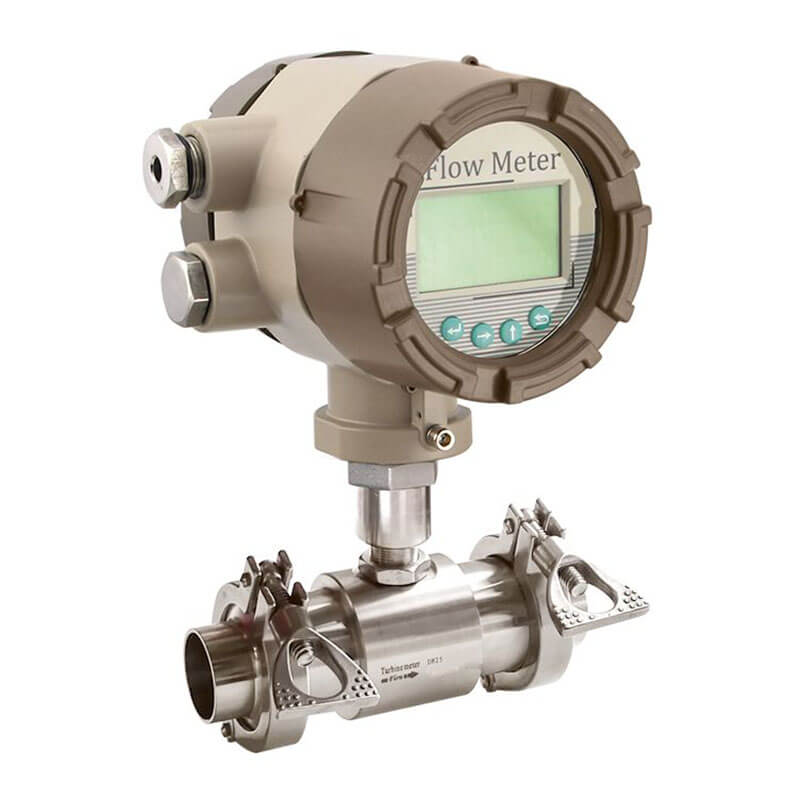
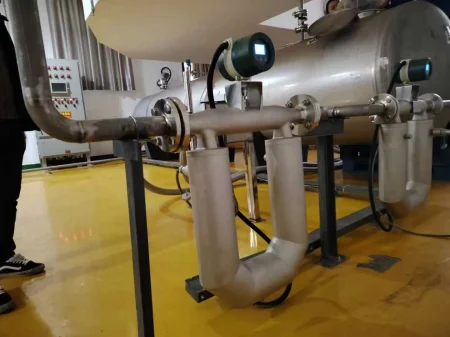
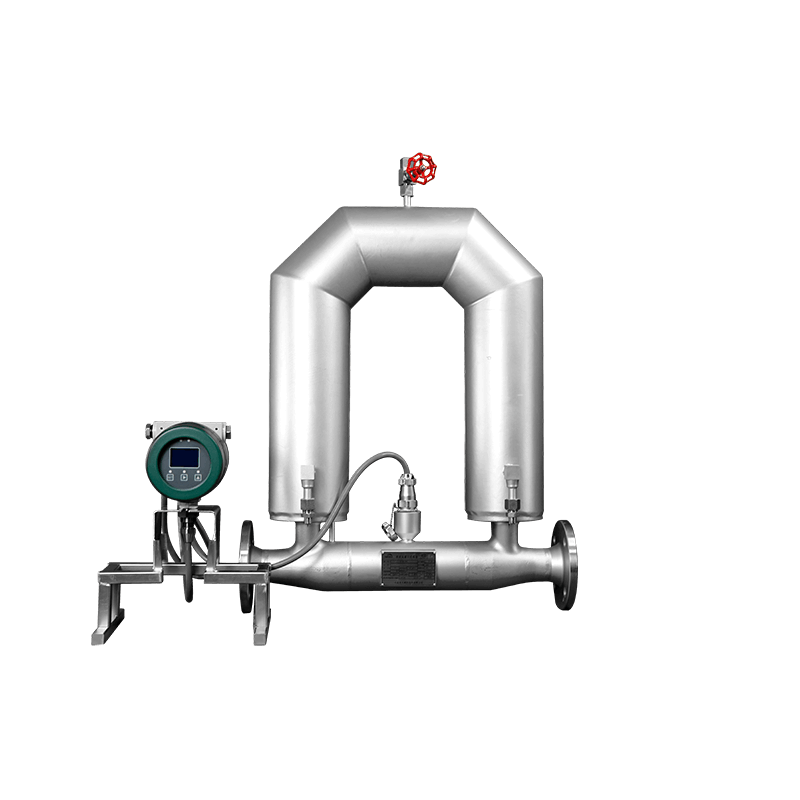
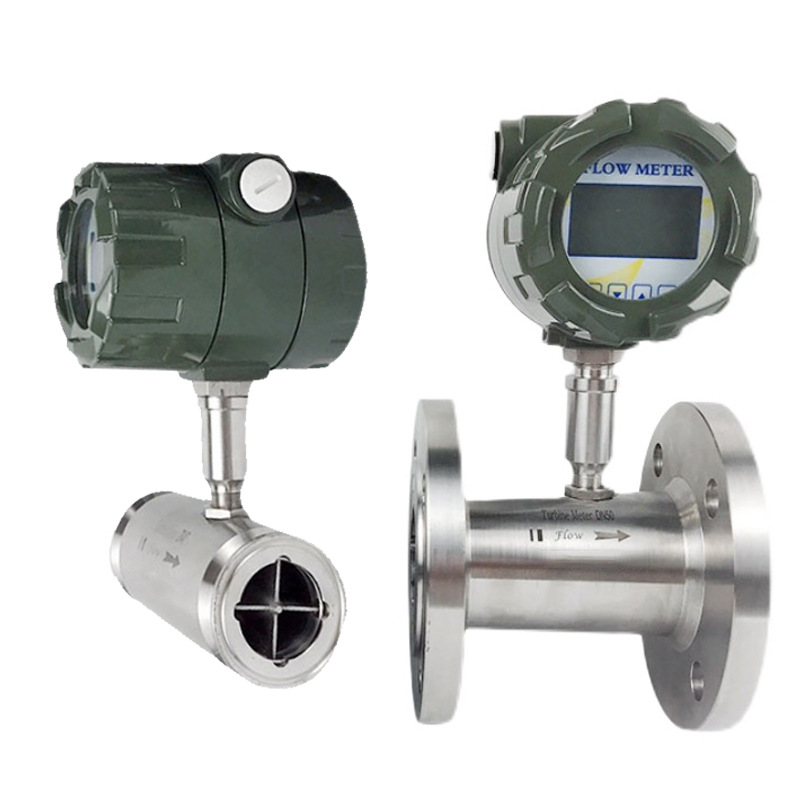
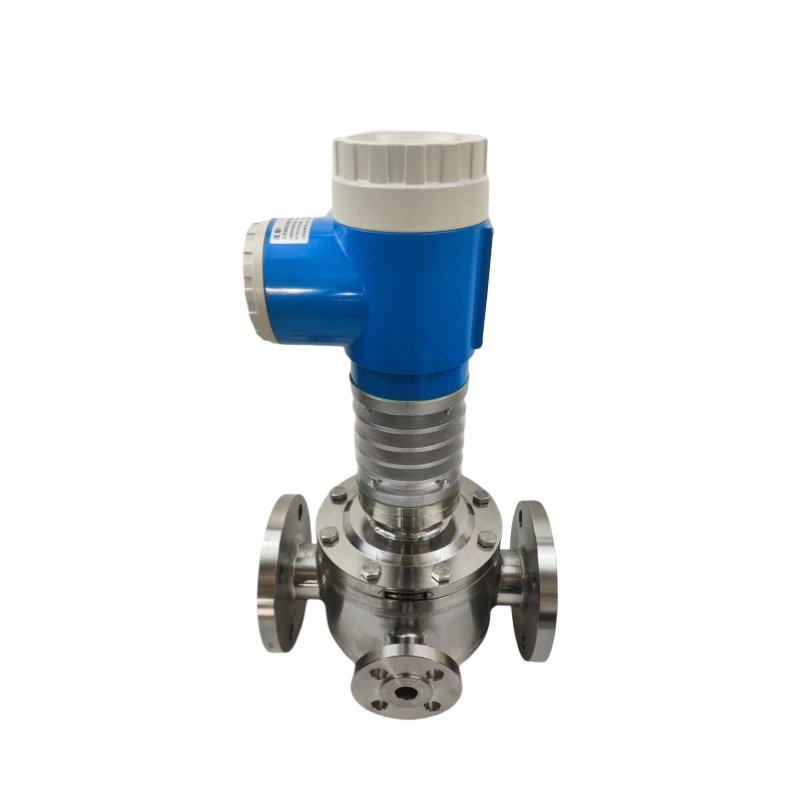
Each type of flow corresponds to specialised measuring instruments. Common equipment for mass flow includes Coriolis mass flowmeters and thermal mass flowmeters; common equipment for volumetric flow includes turbine flowmeters, positive displacement flowmeters and ultrasonic flow meters.
Differences in conversion logic
The two can be converted into one another based on fluid density. When fluid density fluctuates, the actual mass corresponding to the same volumetric flow will change; this is the core reason why mass flow measurement offers greater stability.
How to choose between measuring volumetric flow and mass flow
1. Consider process control requirements. If you just want to keep an eye on pipeline volume or do some basic process monitoring, and you don’t need anything fancy like precise batching or accounting, go for volumetric flow. But if the process is all about raw material ratios, precise feeding, or closed-loop control of production processes, then mass flow is the way to go.
2. Consider the intended application of the measurement. For general operational monitoring and internal rough statistics, volumetric flow is suitable; for high-demand scenarios such as trade settlement, cost accounting, energy metering, and environmental data reporting, mass flow must be selected.
3. Consider the medium and operating conditions. Liquids with stable temperature and pressure and constant density, such as water and conventional oils, are suitable for volumetric flow measurement; gases, steam, cryogenic liquids, high-temperature thermal oils, and fluids subject to significant temperature and pressure fluctuations or variable density are better suited to mass flow measurement.
4. Consider measurement accuracy and stability. Things like temperature, pressure and density can affect volumetric flow, and the more you change these things, the more errors you’re likely to see. On the other hand, mass flow doesn’t change based on how things are operated, so it’s more accurate and consistent, which makes it great for use in tough conditions.
5. Consider cost and retrofitting requirements. Volumetric flowmeters are cheaper to buy and easy to install, which makes them perfect for projects with limited budgets. On the other hand, direct-reading mass flowmeters cost more to buy, but you don’t need to spend any extra money on devices to compensate for temperature and pressure, which makes them easier to use and maintain in the long run.
6. Consider the data acquisition method. If temperature and pressure sensors can be installed on-site, a compromise solution involves using volumetric flow data with parameter compensation to convert to mass flow data; if direct reading of standard mass values is required to simplify the control system, opt directly for mass flow measurement equipment.
How to Measure and Control Mass Flow and Volume Flow?
How do we measure mass flow?
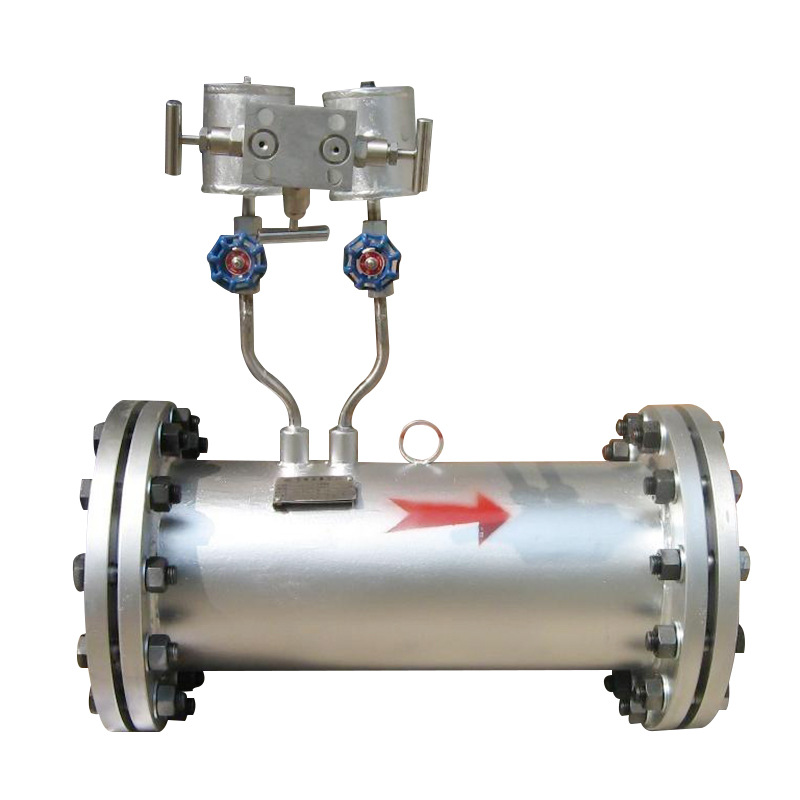
This type of meter directly measures mass flow using principles such as thermal mass flow sensing, Coriolis force, or differential pressure. These principles are less affected by temperature and pressure changes than volumetric flow meters.
Based on volumetric flow calculations, if you have a volumetric flow meter, you can calculate mass flow by multiplying the volumetric flow rate by the fluid density.
How to measure volume flow?
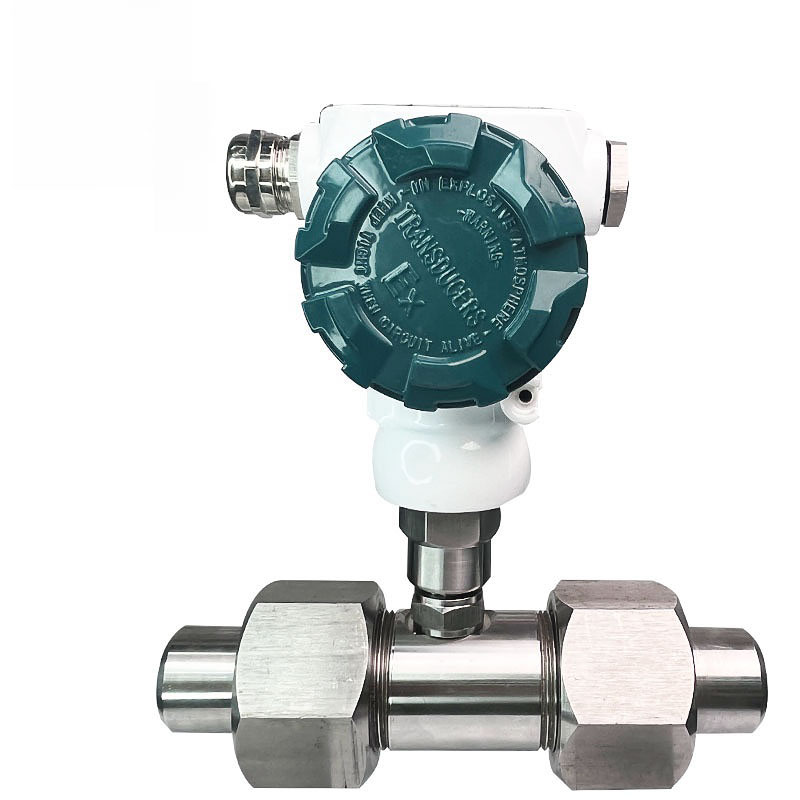
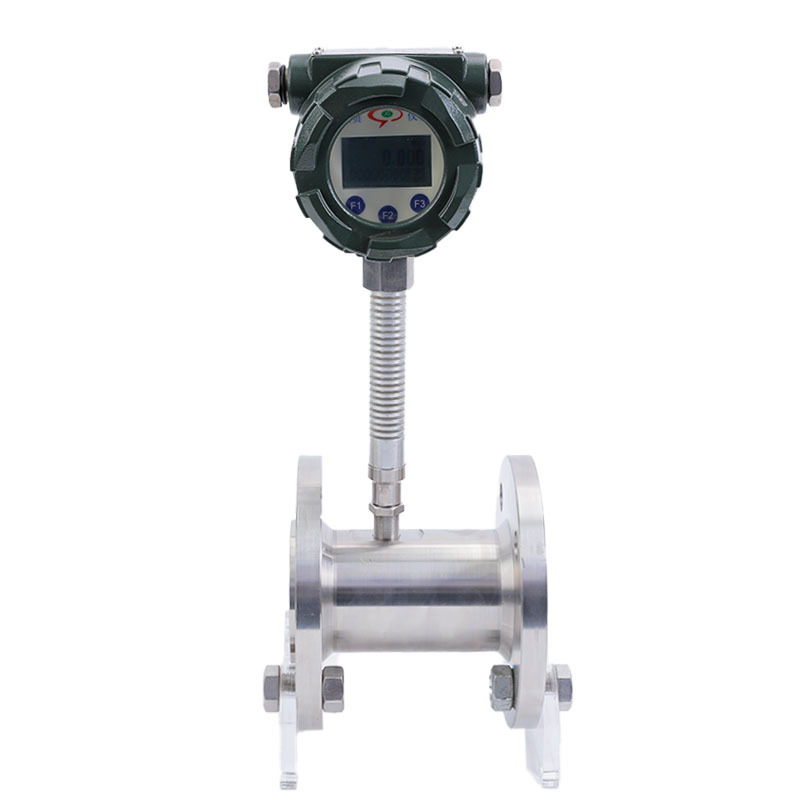
These meters measure volumetric flow directly using methods such as turbine rotation, vortex shedding, or magnetic flow meters.
Based on cross-sectional area and velocity calculations, you can calculate volumetric flow by multiplying the fluid velocity by the cross-sectional area of the pipe where the flow is being measured.
How to control mass flow and volume flow?
To control mass and volumetric flow, specialized devices called “mass flow controllers” are primarily used, which directly measure and regulate the mass of fluid flowing through a system.
They also adjust for changes in pressure and temperature, providing more accurate and stable flow control than simply controlling volumetric flow. For volumetric flow control, you can use standard flow control valves. However, be aware that their accuracy can be affected by fluctuations in pressure and temperature.
Mass flow controller: This is the primary instrument used to control mass flow, as it measures the mass of fluid flowing through a system, not just the volume. This makes it ideal for applications that require precise control, regardless of changes in pressure or temperature.
Volume flow control valve: Standard flow control valves can be used to regulate volumetric flow by adjusting the size of the opening through which the fluid passes. Even with a fixed valve setting, changes in pressure and temperature can significantly affect the actual volumetric flow.

Understanding the key differences between mass flow and volumetric flow and mastering conversion techniques are essential for professionals in industries that rely on accurate flow measurement. By following the guidance provided in this guide, you can enhance your understanding of these key concepts and improve operational efficiency.
At Sino-Inst, we are an experienced manufacturer and supplier of flow meters and process control equipment, offering a wide range of products tailored to your specific needs. We support customization and are committed to providing you with high-quality, reliable solutions