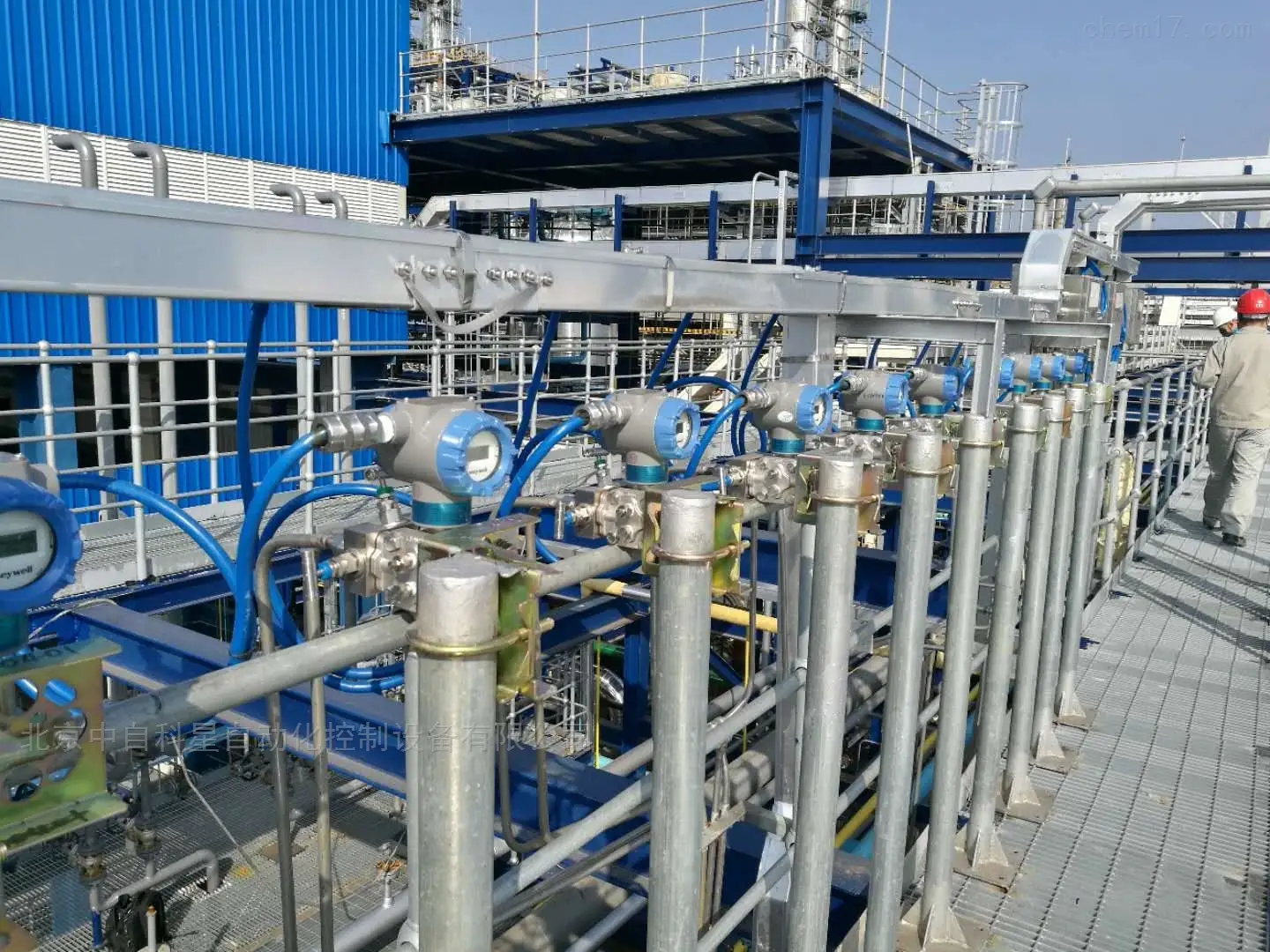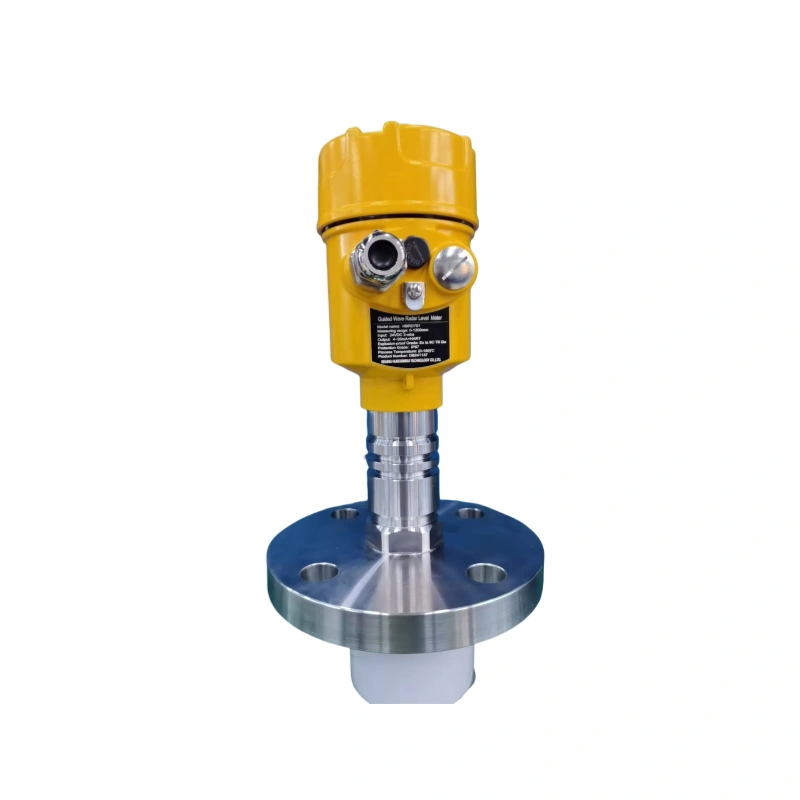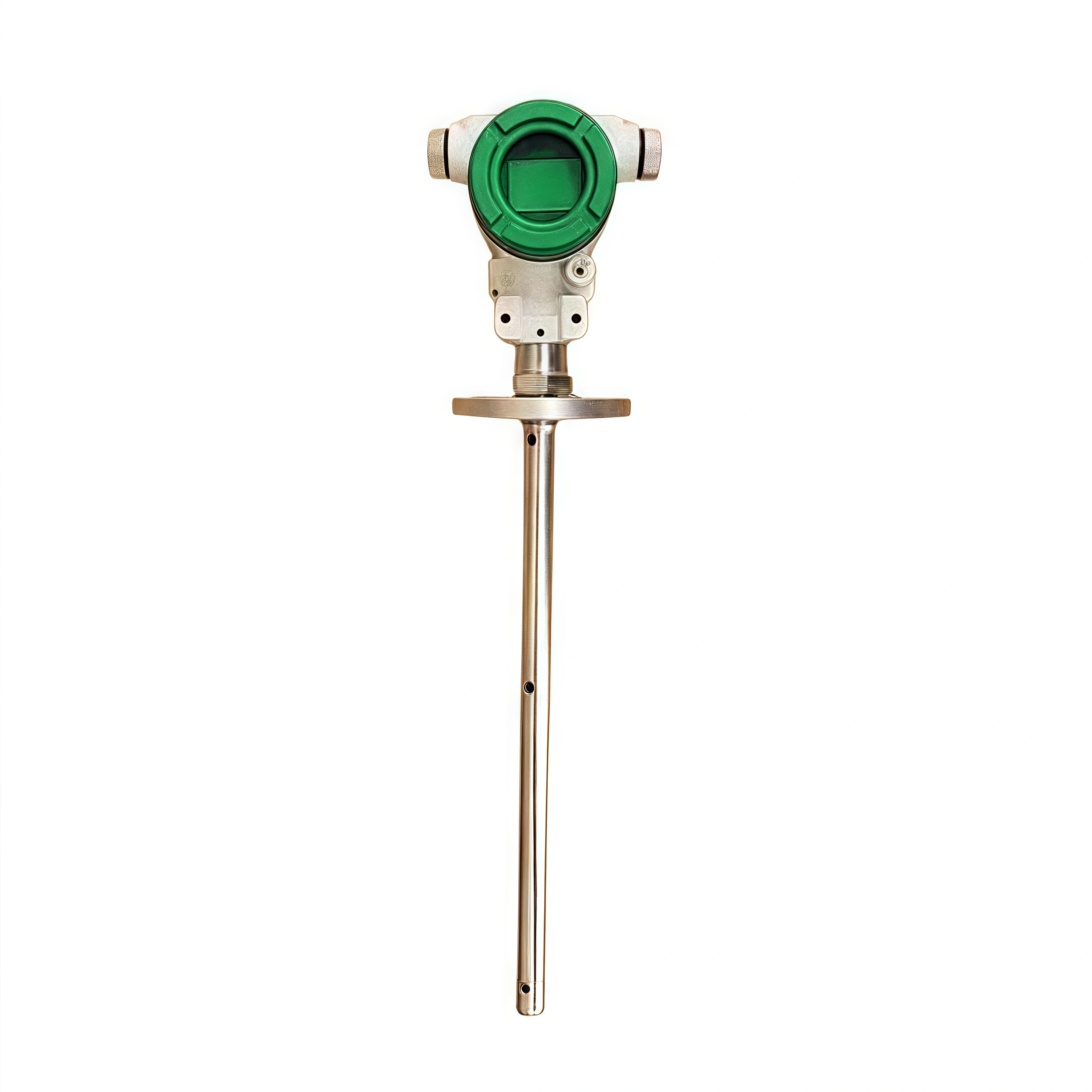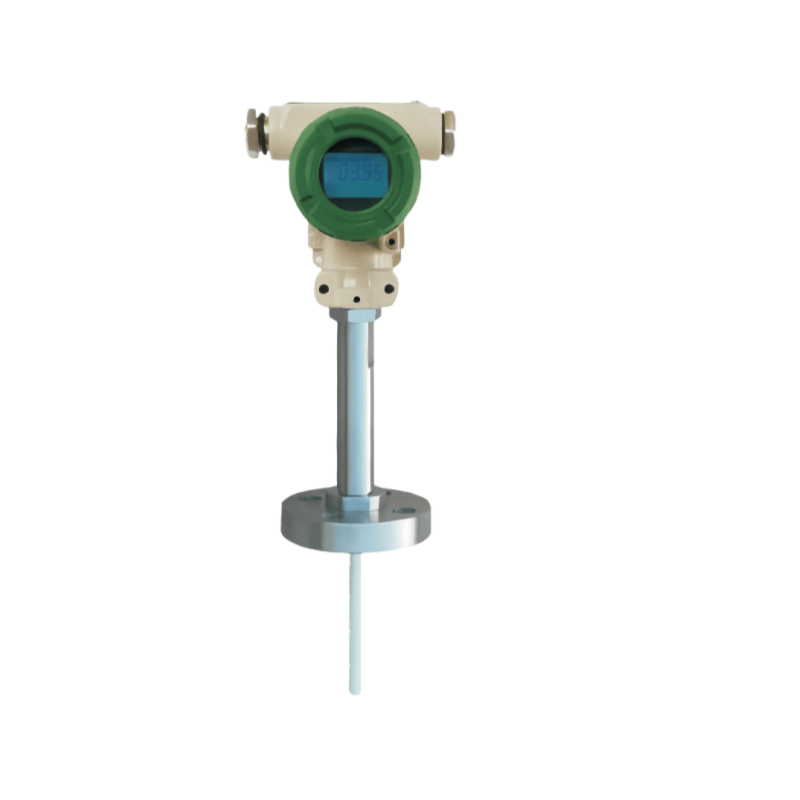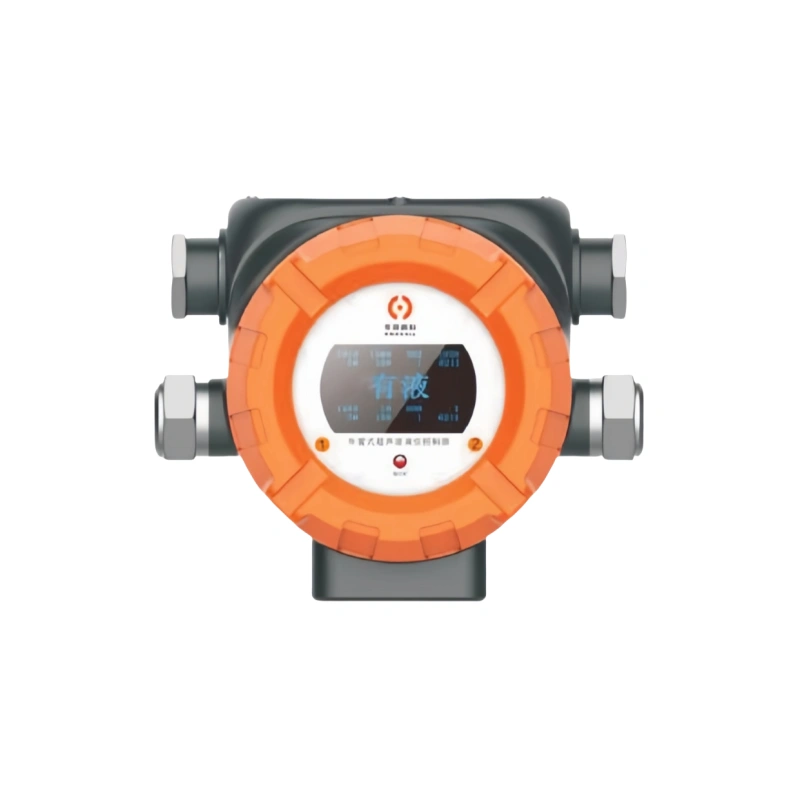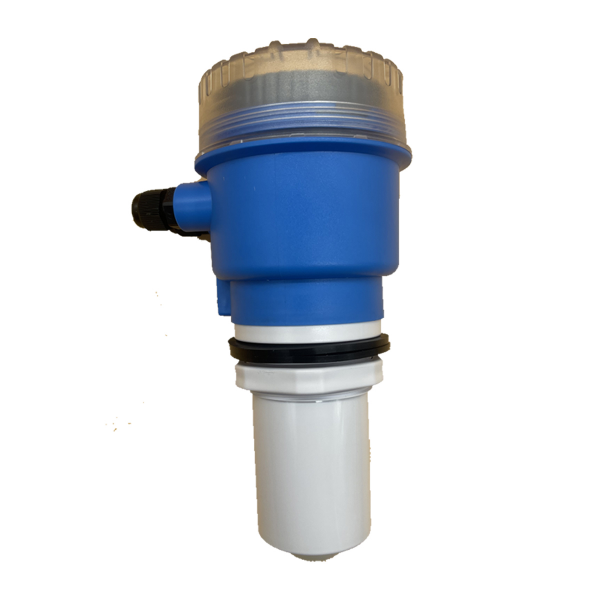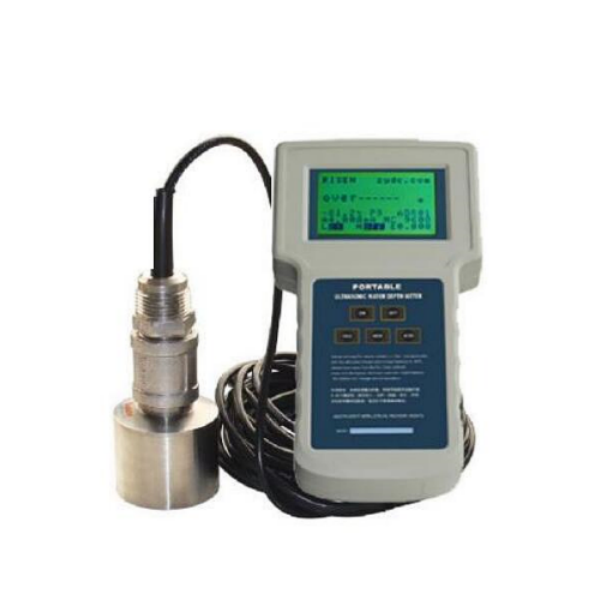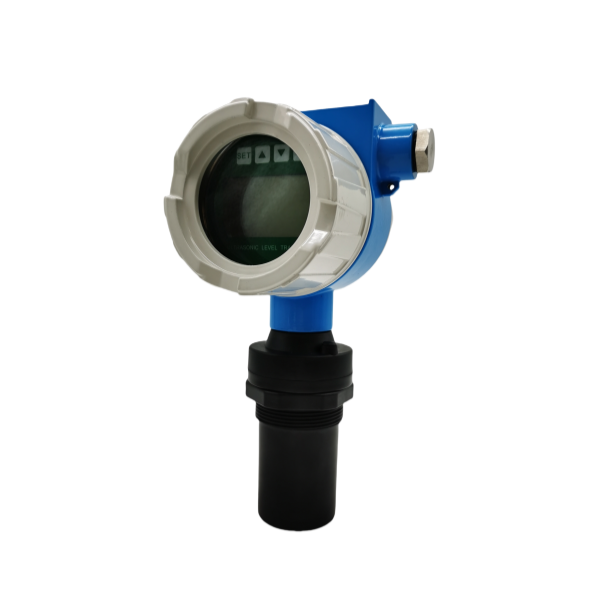
In the chemical, petrochemical, food processing and other industrial sectors with high safety requirements, level measurement is a core component of production operations and has a direct bearing on process safety, efficiency and economic benefits. Although traditional ultrasonic and differential pressure transmitters have been around for a long time, they often malfunction in high-temperature environments or those that are corrosive, dusty or prone to foaming.
This can lead to higher maintenance costs and downtime. On the other hand, non-contact radar level transmitters use radar technology to measure levels very accurately, reliably and without any maintenance. This is useful for modern industry because it ensures safety, efficiency and intelligence.
How Non-contact Radar Level Transmitters Work
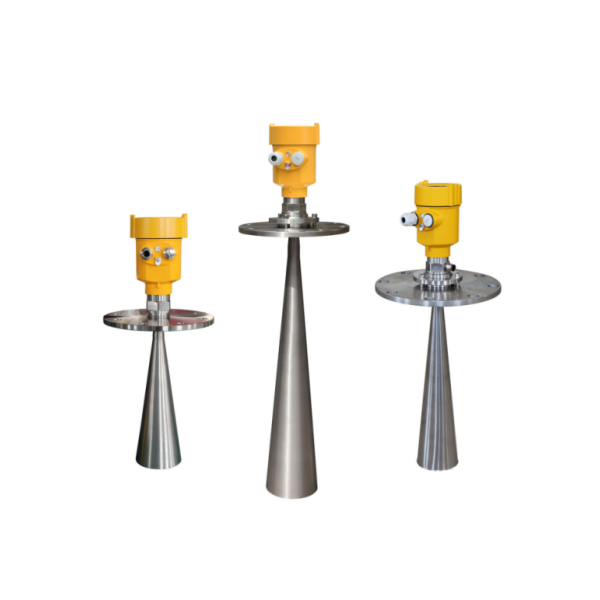
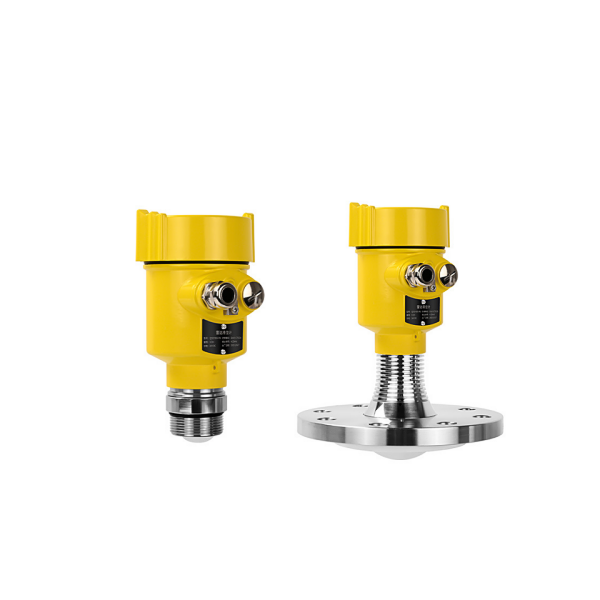
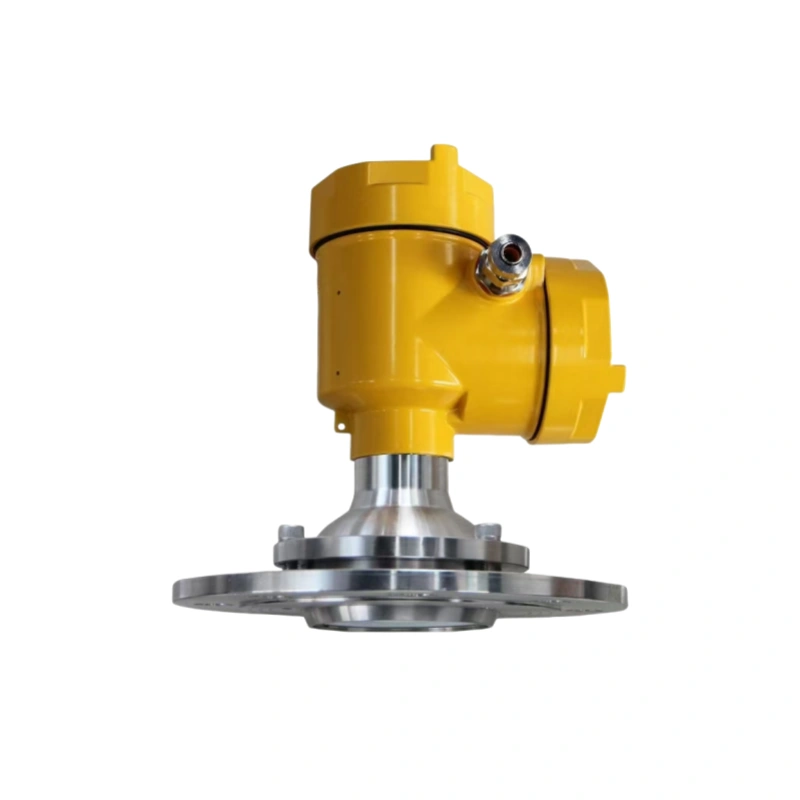
The basic idea behind non-contact radar level transmitters is to use the way microwaves travel to measure liquid levels. This is done by sending out a microwave, reflecting it off the surface of the liquid, and then receiving it back. The transmitters don’t actually touch the liquid at any point.
The instrument directs a microwave signal towards the liquid surface via an antenna. The microwaves propagate through the air at the speed of light. When the surface of the medium is encountered, a strong reflected echo is generated because there’s a significant difference in dielectric constants between the medium and the air. The echo goes back along the original path and is picked up by the antenna, before being sent to the signal processing unit.
The way it works is that it measures the time it takes for the microwaves to go back and forth, converts that into the distance from the antenna to the liquid surface using the speed of light, and then takes that away from the total height of the instrument to figure out the actual liquid level.

Advantages of Non-contact Radar Level Transmitters
Their unique measurement method makes non-contact radar level transmitters a great choice for measuring industrial levels, and they can handle a wide range of complex operating conditions. Their key advantages are as follows:
1. Non-contact measurement, low wear and no contamination: As there is no mechanical contact between the instrument and the measured medium throughout the process, corrosion, wear and blockages caused by the medium are avoided. This not only extends the instrument’s service life but also prevents contamination of the measured medium, making it particularly suitable for measuring corrosive, viscous, crystallising or toxic and hazardous media.
2. Strong anti-interference capability and high measurement stability:It can get through stuff like steam, foam and dust really well. It won’t be affected by changes in temperature or pressure, and false echoes from equipment like agitators or tank walls won’t interfere with it. It’s really reliable and accurate, so you can trust the data.
3. High measurement accuracy and wide measurement range:Both pulse radar and FMCW (frequency-modulated continuous wave) radar offer high measurement accuracy, with errors kept within a minimal range. The measurement range is extensive, covering distances from a few metres to hundreds of metres. This makes them suitable for both small and large storage tanks, as well as silos.
4. Easy installation and maintenance, with strong adaptability:You can install it however you like (there’s a top-mount or a side-mount option), and it won’t require any major modifications to the tank. You won’t have to spend much time on installation, either. It’s easy to look after, so you won’t have to take it apart or calibrate it regularly, which reduces the cost of labour. It can be used with many different measured materials, like liquids, slurries and solid particles, so it’s really versatile.
5. High level of intelligence, compatible with industrial automation:Most products come with smart signal processing units that can automatically filter out false echoes and perform automatic calibration. Some support remote monitoring and data transmission functions, which allows them to be seamlessly integrated with industrial automation control systems to improve production efficiency and management standards.
Comparison of Traditional Level Transmitters and Non-contact Radar Level Transmitters
Float Level Transmitters and Non-contact Radar Level Transmitters
Float-type level gauges work on the principle of Archimedes’ buoyancy. As the float goes up and down with the liquid level, it drives mechanical transmission parts like linkages and reed switches, converting the movement into an electrical signal.
They’re great because they’re simple to set up, you can easily swap components between them, they’re cheap to buy, and they’re easy to install. They are perfect for measuring clean liquids that are free from large amounts of impurities and do not form crystals.
However, due to mechanical limitations, their measurement accuracy is relatively modest. They are susceptible to scaling and material build-up; if medium adheres to the float’s surface, it disrupts the buoyancy balance, leading to measurement errors.
When it is very hot and pressurised, and when the materials are highly corrosive, the float and connecting rods can become damaged and rusty. This often causes the equipment to fail and require frequent maintenance. Furthermore, they are unsuitable for highly viscous or solidifying media.
Non-contact radar level transmitters operate on the principle of high-frequency microwave reflection. The transmitter sends out microwaves, which are picked up by the receiver and used to calculate the height of the liquid. As it is a non-contact measurement method, it is free from issues related to mechanical wear. Microwave propagation is unaffected by factors such as temperature, pressure and medium density, ensuring high measurement accuracy.
They are suitable for a wide range of harsh operating conditions, including high temperatures, high pressures, strong corrosion and high viscosity. Subsequent maintenance is minimal, requiring only periodic checks of the probe’s cleanliness; the sole limitation is that the initial purchase cost is significantly higher than that of float-type level gauges.
Differential Pressure Level Transmitters and Non-contact Radar Level Transmitters
Differential pressure level transmitters utilise the linear relationship between liquid static pressure and liquid level height (P = ρgh), converting the level by measuring the pressure difference between the gas phase at the bottom and top of the vessel. Key components include a differential pressure transmitter, pressure-conducting tubes and a pressure-separating chamber.
The technology is pretty much there, and it’s used a lot, with a reasonable price tag. It can handle medium-to-high temperatures and pressures, and it’s great for measuring stuff with viscosities from low to medium, including corrosive substances and things with a bit of suspended impurities. It’s often used to measure levels in storage tanks and reactors in the petrochemical and power generation industries.
But the accuracy of the equipment can be really affected by changes in medium density and temperature fluctuations. If the medium composition and temperature change, it can cause density shifts, which leads to measurement errors.
The pressure-taking tubes can get blocked and covered in condensation, so they need to be cleaned, insulated or heated regularly. Installation and maintenance procedures are relatively cumbersome, and its applicability is limited in highly viscous or crystallising media, where equipment failure is likely to occur due to blocked pressure-taking tubes.
Non-contact radar level transmitters require no pressure-transmitting tubes, thereby completely eliminating issues of blockage and condensation. Furthermore, they are unaffected by medium density, offer a wider measurement range, and are suitable for complex operating conditions involving highly viscous, crystallising, or highly corrosive media. They provide superior measurement accuracy and operational stability, with lower long-term maintenance costs; only the initial investment is higher than that of differential pressure level transmitters.
Ultrasonic level transmitters and non-contact radar level transmitters
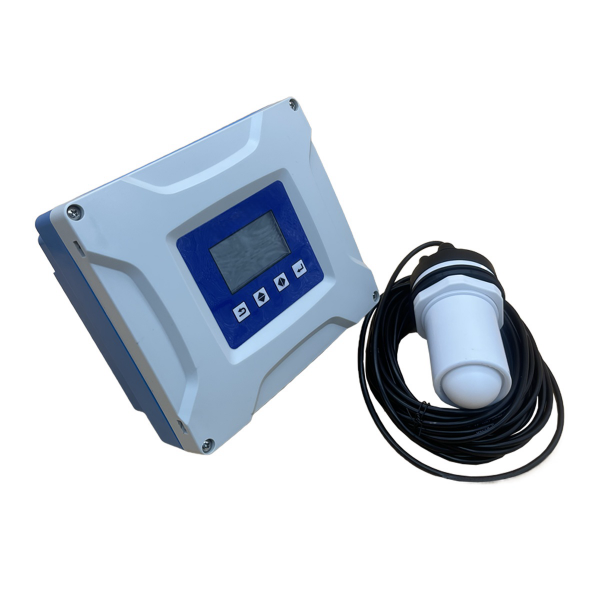
They’re both non-contact measurement methods, so there’s no need for direct contact with the measured medium, which prevents corrosion and wear and tear on the equipment. These transmitters send out high-frequency ultrasonic waves via a probe and calculate the height of the liquid based on how long it takes for the sound waves to bounce back.
Their main selling points are that they’re cheaper and easier to install, and you don’t have to make any structural changes to the vessel. They are suitable for measuring the levels of clean, corrosive and low-foam liquids, and are frequently used in applications such as municipal water supply and wastewater treatment.
However, these devices are significantly affected by environmental factors; temperature fluctuations alter the speed of ultrasonic wave propagation, whilst dust, vapour and high humidity attenuate the acoustic signal, resulting in insufficient measurement accuracy and poor stability.
Their measurement range is relatively limited, making them unsuitable for deep tanks. In high-foam or high-dust conditions, sound waves are easily absorbed or scattered, leading to measurement failure, and they require a relatively smooth liquid surface.
Non-contact radar level transmitters emit high-frequency microwaves that can penetrate dust, vapour and foam without being affected by environmental factors. They are more accurate and can measure a wider range of things. They can also be used in difficult conditions, such as when there is a lot of foam, dust, or high temperatures and pressures.
They demonstrate strong operational stability and require minimal maintenance. The only drawback is that their purchase cost is higher than that of ultrasonic level transmitters; furthermore, if a film of condensation forms on the probe surface, a blow-off device must be installed to assist operation.
Non-contact Radar Level Transmitters and Guided Wave Radar Level Transmitters
Both non-contact radar level transmitters and guided wave radar level transmitters utilise microwave radar measurement technology; they offer similar measurement accuracy, and their results are unaffected by changes in medium density or temperature. Non-contact radar level transmitters emit high-frequency microwaves via a probe; these are reflected by the liquid surface and converted into a level reading.
As there is no contact with the medium throughout the process, they are suitable for a wider range of operating conditions and can withstand harsh environments such as high temperatures, high pressures, strong corrosion and sticky substances. They are also easy to install, suffer no mechanical wear and require minimal maintenance.
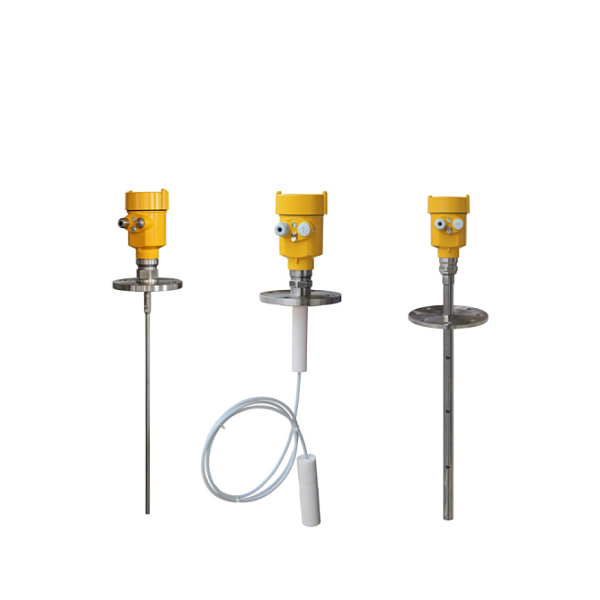
Guided-wave radar level transmitters, on the other hand, rely on a guided-wave rod or cable to make contact with the medium for microwave transmission and reflection measurement. Although they are not suitable for highly viscous or crystallising media, they demonstrate superior interference resistance in conditions where liquid levels fluctuate significantly or where there are obstacles within the tank.
However, as their guided-wave components come into direct contact with the medium, they require regular inspection and maintenance, and installation is relatively more complex.
Applications of Non-contact Radar Level Transmitters
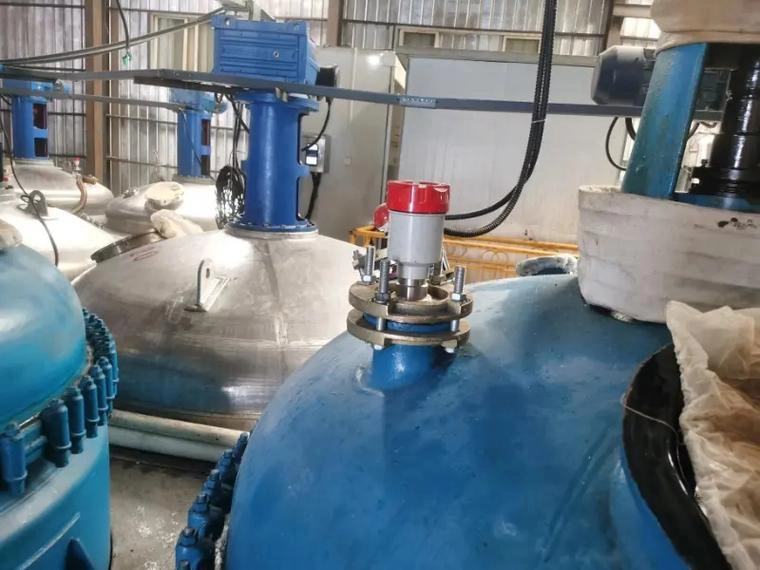
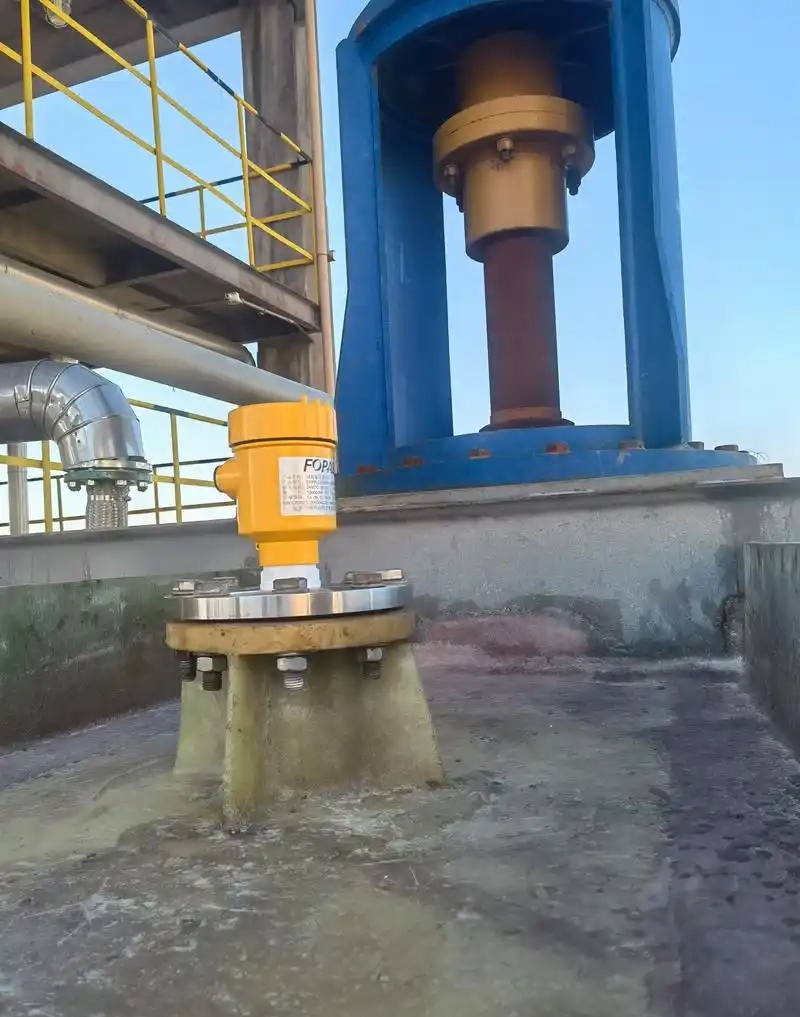
Petrochemical Industry: You can use it to measure the level of liquid in different types of storage tanks. This includes tanks that contain crude oil, refined petroleum products, light hydrocarbons and chemical solvents. These devices can measure without touching corrosive, flammable, explosive or volatile substances, which makes them safe and stable. They are often used in atmospheric, spherical and horizontal tanks.
Water Resources and Environmental Protection: You can use these devices to check the water level in rivers, lakes, reservoirs, watercourses and open channels as it happens. They don’t need to be in contact with water, so they’re not affected by changes in water flow, sedimentation or water quality. They can also be used to detect liquid levels in equalisation tanks, aeration tanks and sludge tanks at wastewater treatment plants. They can operate in difficult conditions.
Power and Energy Sector: This is mostly used to keep an eye on the levels in power plant tanks, like demineralised water tanks, condensate tanks, ash slurry tanks and desulphurisation tower slurry tanks. It can handle tough environments like high temperatures, dust, steam and acid-alkali corrosion, and it’s pretty accurate, with minimal interference from outside. This makes sure power generation systems stay stable.
Metallurgy and Mining Industry: It’s perfect for measuring levels or materials in equipment like slurry tanks, hoppers, settling ponds and acid tanks. It can withstand tough conditions such as dust, high temperatures and corrosive slurries. Its non-contact design prevents viscous media from adhering to it, meaning it requires less frequent cleaning and maintenance during long-term use.
Food and Pharmaceutical Industry: This tool is used to check the level of liquids like water, syrup, oil, alcohol, medicine and sauce that are kept in storage tanks. It’s perfect for measuring accurately without touching anything, and it won’t contaminate the product. It works well with stainless steel storage tanks used in the food and pharmaceutical industries.
Warehousing and General Industry: It’s used a lot to keep an eye on levels in places like grain and oil storage facilities, cement silos, water towers, fire water tanks, and various industrial raw material tanks. Installation is a breeze and you won’t have to worry about any damage to the tank structure. It can handle solid particles, viscous liquids and clean liquids, and it lets you automate level management and remote monitoring.
Here at Sino-Inst, we get that choosing the right instruments for your needs is about more than just cost. It’s about making sure they’re safe to make, they work well, and they’re affordable. We have lots of different products, from level transmitters to temperature sensors, and our technical support team is really helpful. We’re here for you every step of the way. We’ll help you choose the right product, set it up wherever you need it, and ensure that it is working properly. We’ll also ensure that everything is working properly once the installation is complete.
If you’re struggling to measure liquid levels or want to improve your current system to make it more automated and reliable, just contact us. We have lots of experience in this area, as well as some great products, so we can provide you with a reliable, accurate and affordable liquid level measurement solution. This will make your production process safer, more efficient and smarter.