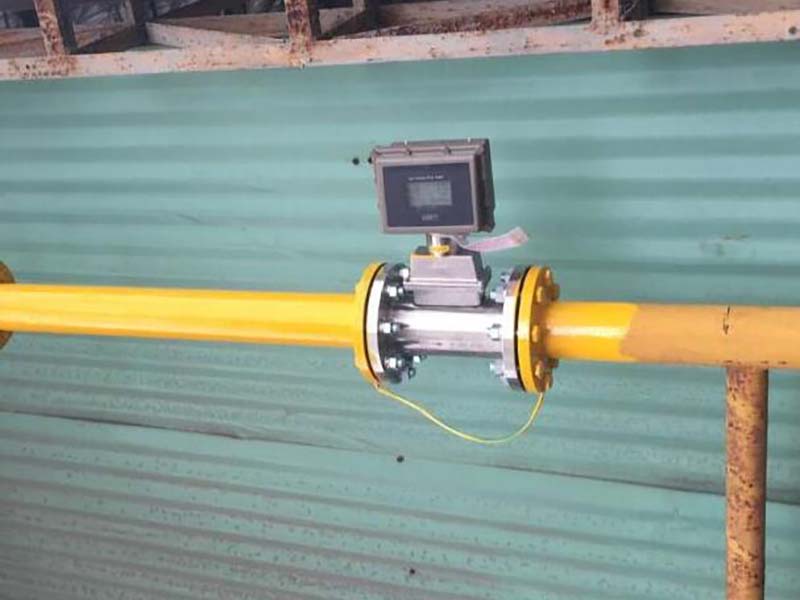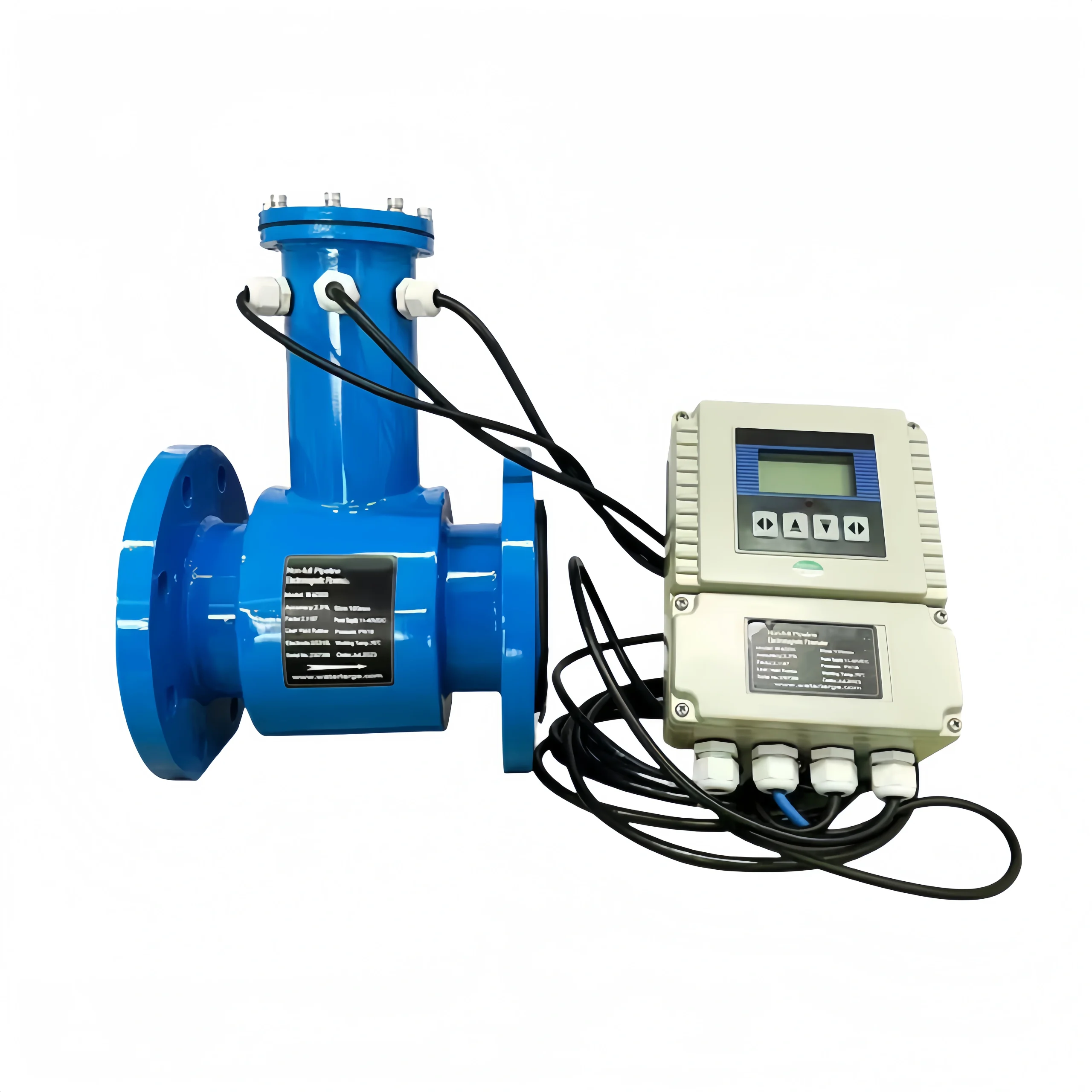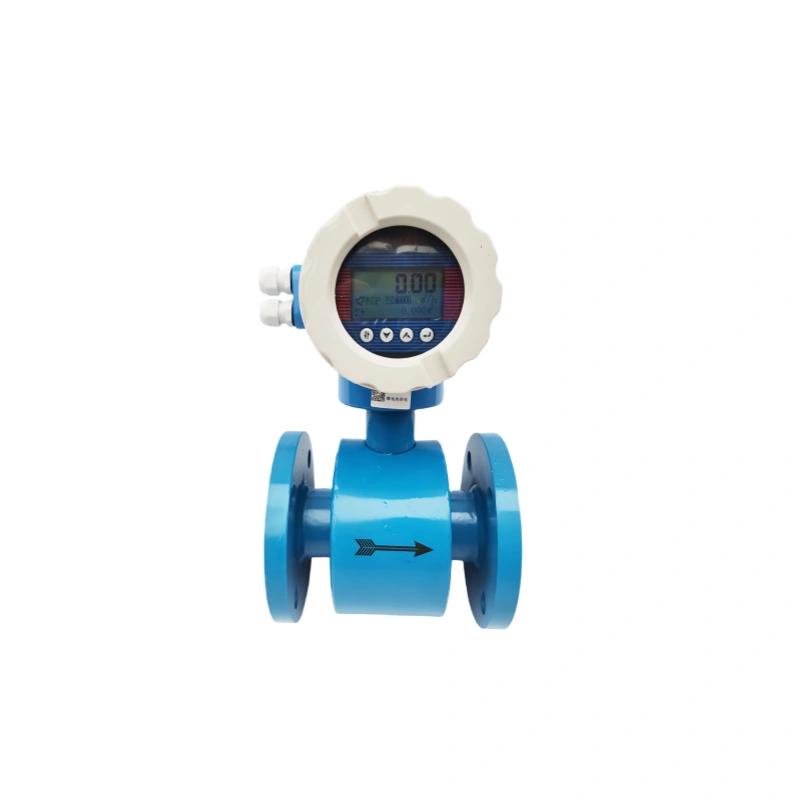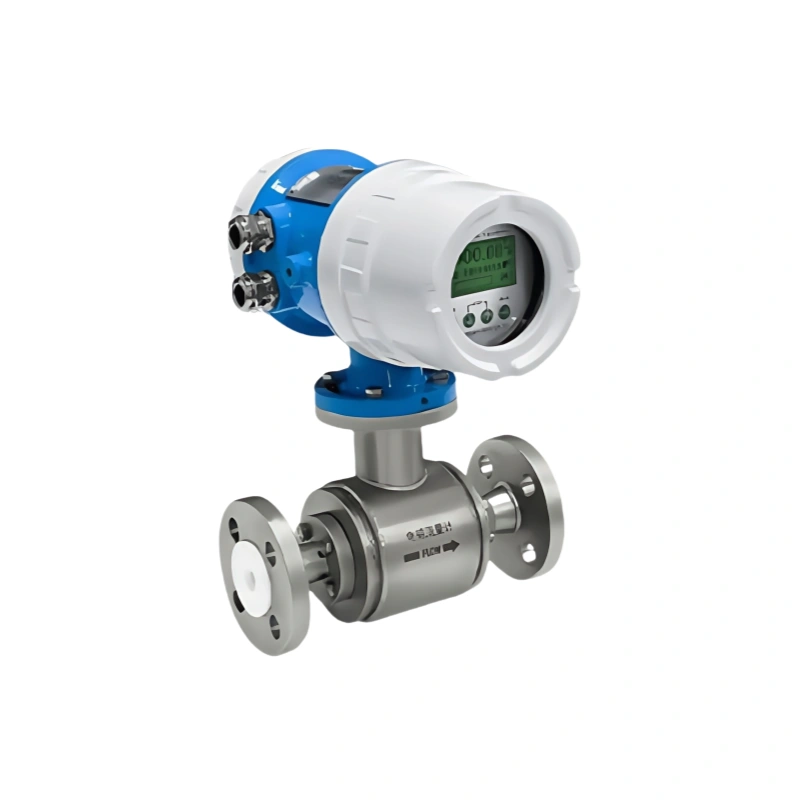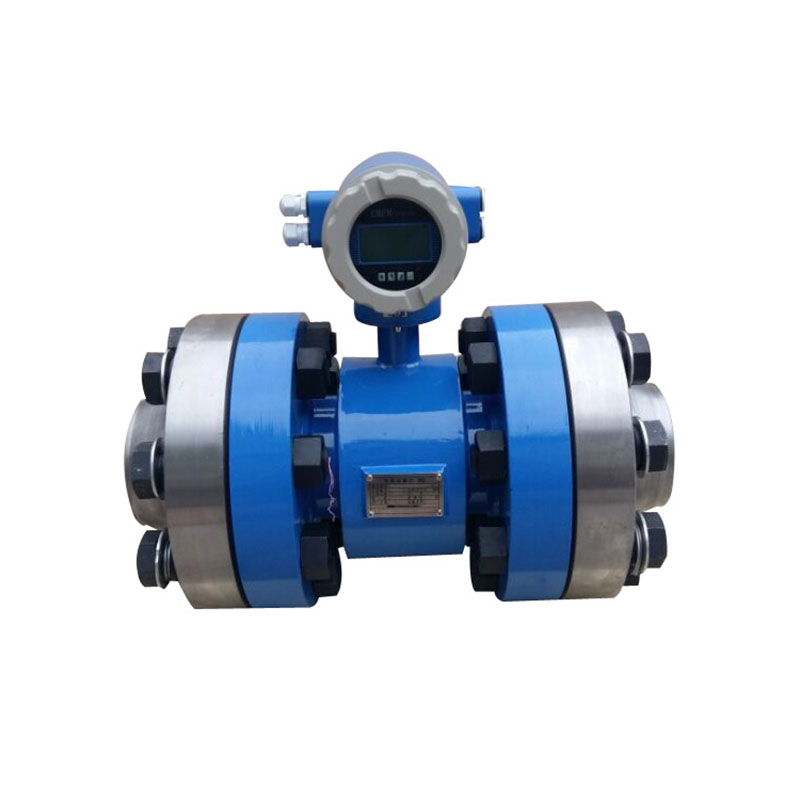
Electromagnetic flow meters are an important piece of equipment for measuring flow in industry. The material used to line the inside of the meter affects how accurate the measurements are and how long it will last.
The main job of the lining material is to separate the measuring electrodes from the surrounding material, stopping them from corroding while making sure the measurement signal can be sent reliably.
Working Principle of Electromagnetic Flowmeters
Electromagnetic flow meters are widely employed flow measurement devices in industrial applications, operating on the principle of Faraday’s law of electromagnetic induction.The flowmeter creates a steady magnetic field using special coils.When a liquid with electrical properties flows through the tube, it disrupts the magnetic field, creating an electromotive force.
This induced EMF is picked up by electrodes on the tube wall, converted into an electrical signal, and made stronger and cleaner by a preamplifier to get rid of any noise. The signal then enters an intelligent signal processing unit, where an analogue-to-digital converter (ADC) converts the analogue signal into a digital format for subsequent processing.
Structural Composition
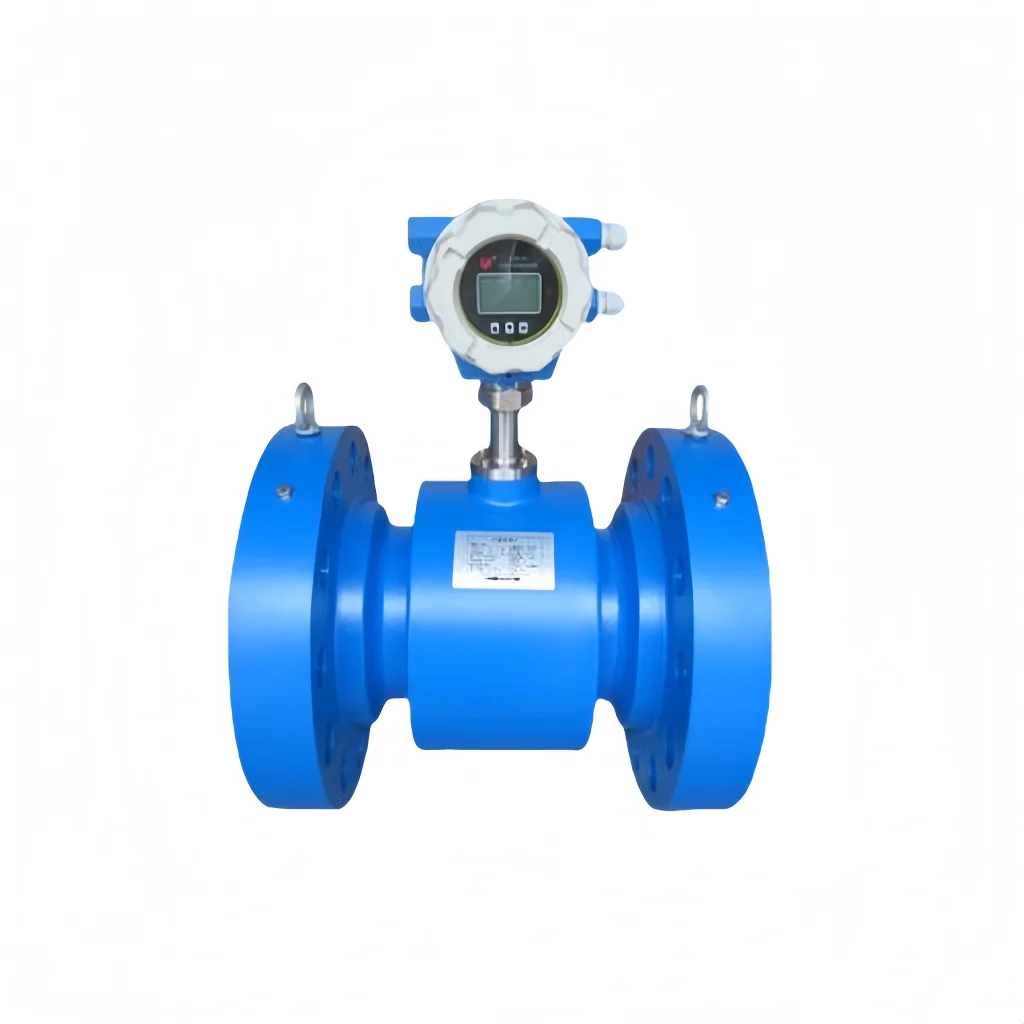
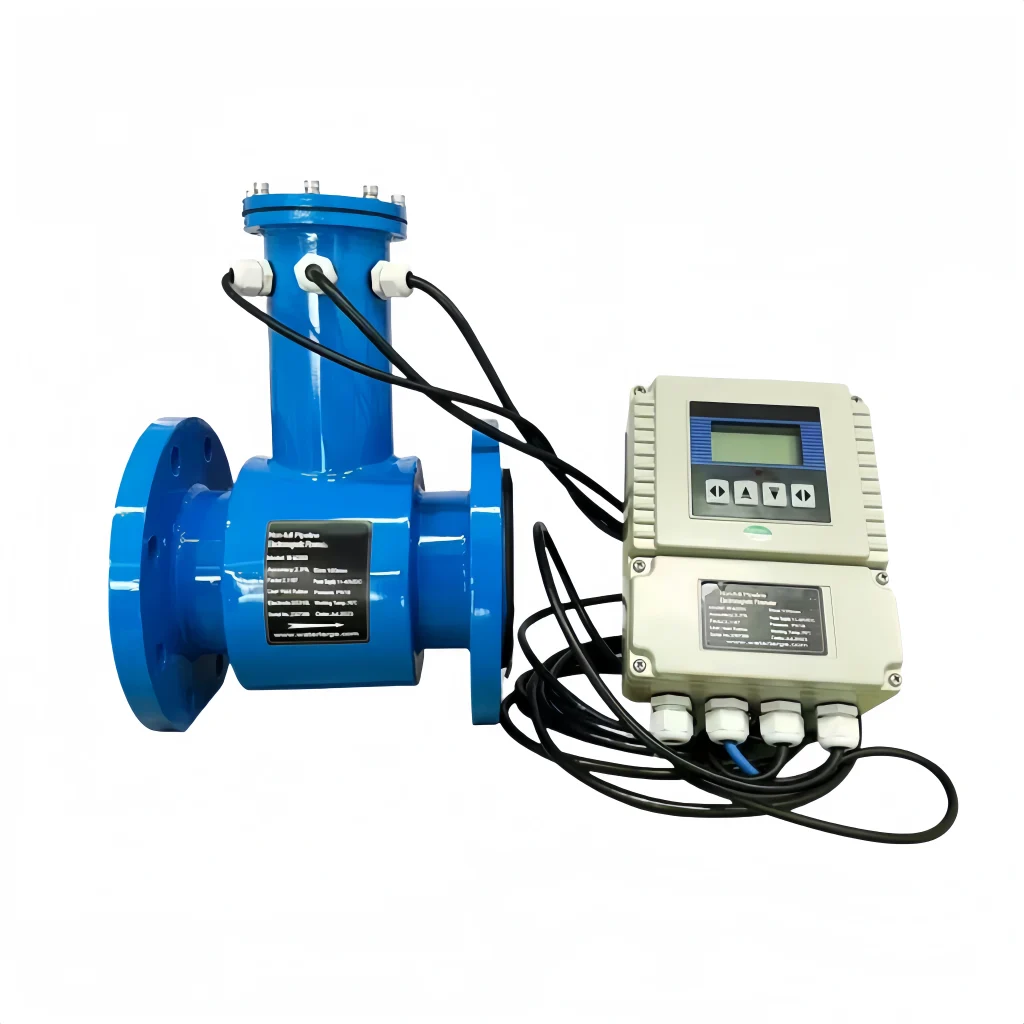
The electromagnetic flow meter’s structure primarily comprises the magnetic circuit system, measuring tube, electrodes, casing, and converter.
Magnetic Circuit System: Its function is to generate a uniform direct or alternating current magnetic field.
Measuring Conduit: This component allows the conductive medium being measured to pass through. To prevent magnetic flux diversion or short-circuiting when magnetic lines of force traverse the measuring conduit, it must be constructed from non-magnetic materials with low electrical and thermal conductivity, coupled with adequate mechanical strength.Suitable options include non-magnetic stainless steel, fibreglass-reinforced plastic, or high-strength plastics.
Electrode: Its function is to extract the induced electromotive force signal proportional to the measured quantity.Electrodes are typically fabricated from non-magnetic stainless steel and must be flush with the lining to ensure unimpeded fluid flow.
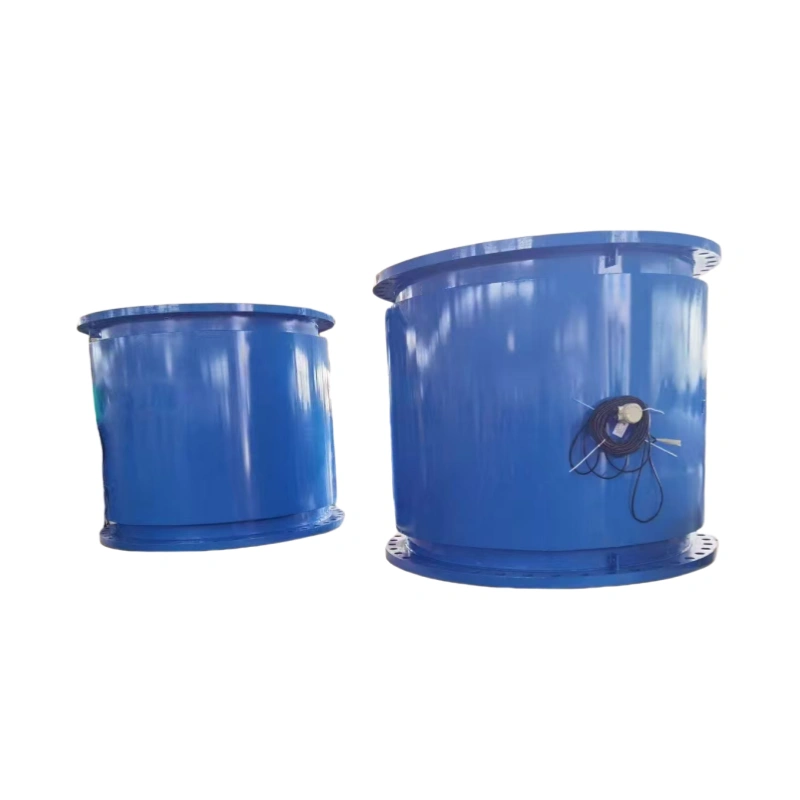
Lining: An integral, electrically insulating lining is applied to the inner surface of the measuring tube.This layer directly contacts the measured medium, enhancing the measuring tube’s corrosion resistance and preventing short-circuiting of the induced electromotive force by the metal tube wall.Lining materials are predominantly corrosion-resistant, high-temperature-resistant, and wear-resistant rubber, fluoroplastics, ceramics, etc.
Transducer: The transducer amplifies the induced electromotive force signal, converts it into a standardised output signal, and suppresses primary interference signals.
Why do electromagnetic flowmeters require a lining?
Electromagnetic flowmeters typically comprise a set of coils and two electrodes.The coils serve to apply an electric field to the fluid, with the flowing conductive liquid acting as a conductor.According to Faraday’s law of electromagnetic induction, when a conductor cuts through magnetic field lines, an induced electromotive force proportional to its velocity is generated.
The electrodes measure this induced EMF.Consequently, only the electrodes within the measuring tube are in contact with the conductive liquid, while the remaining components are lined with an insulating material to ensure proper operation.Should the metal pipe segment exposed to the magnetic field also come into contact with the liquid, a short circuit would occur between the conductive liquid and the metal pipe.
This would allow electricity to flow, which would cancel out the induced electromotive force and stop the flowmeter from measuring it.So, the inside of the electromagnetic flowmeter must be lined.
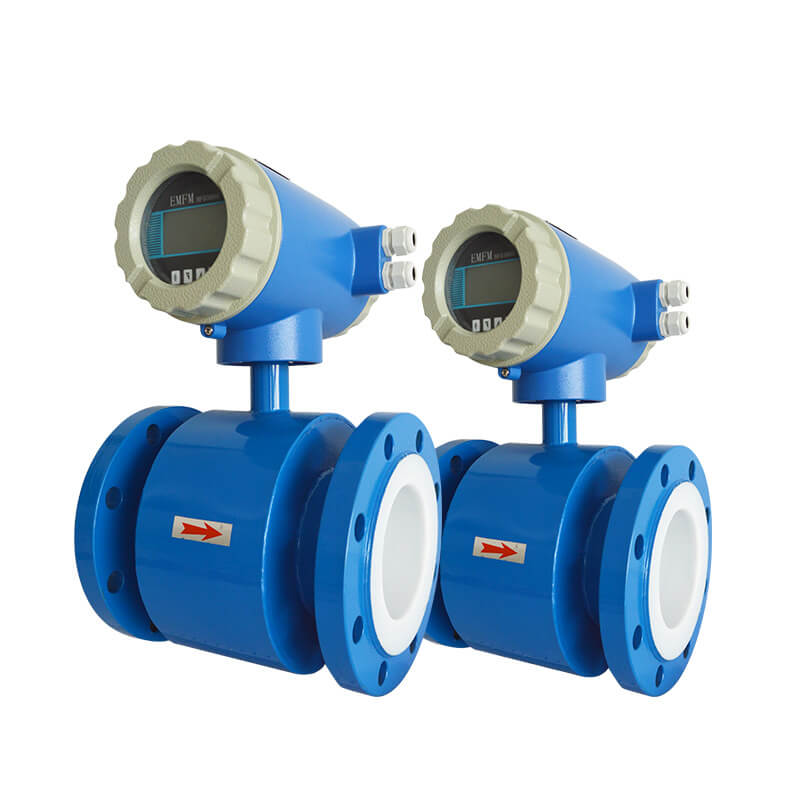
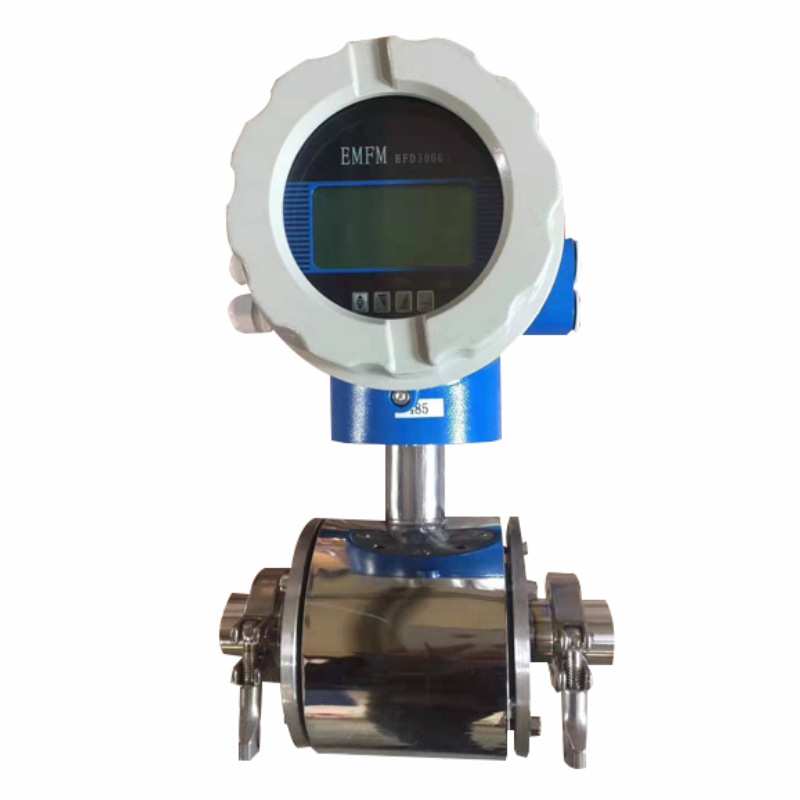
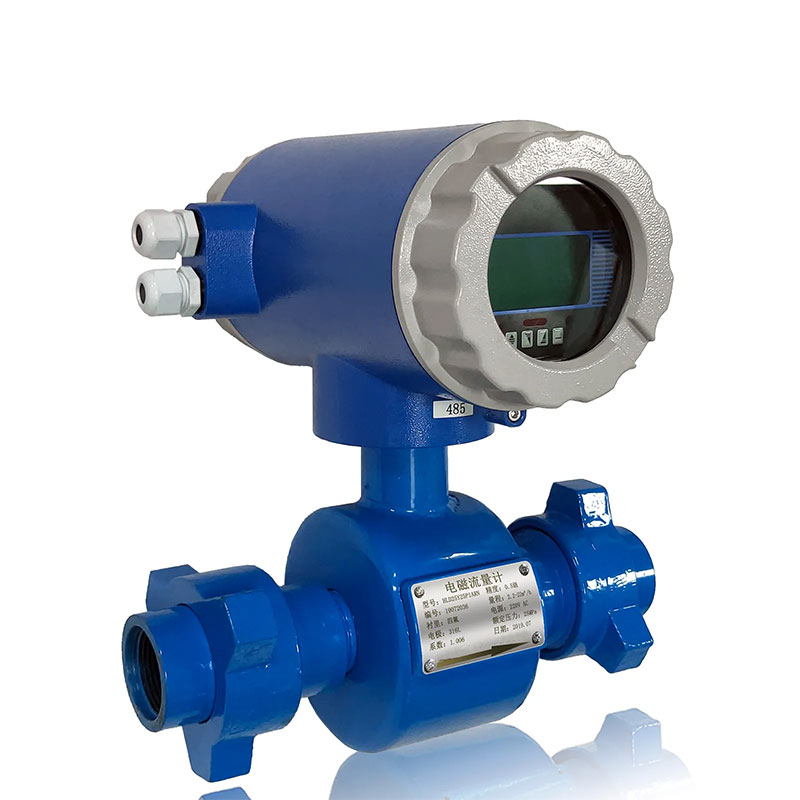
Common Lining Materials for Electromagnetic Flowmeters
Rubber Types:
Natural Rubber:
Advantages: Possesses excellent elasticity, wear resistance, and high tensile strength.Can accommodate a degree of pipeline deformation and fluid impact. Relatively low cost and easy to process. Suitable for measuring media with low corrosivity to rubber, such as water.
Disadvantages: Limited corrosion resistance, sensitive to temperature fluctuations, prone to ageing and deformation under prolonged high-temperature conditions. Unsuitable for measuring high-temperature or highly corrosive media.
Neoprene:
Advantages: Excellent abrasion resistance and superior elasticity. Offers outstanding resistance to oxidation and ozone, is non-flammable with self-extinguishing properties upon ignition, and exhibits good resistance to oils, solvents, acids, alkalis, ageing, and airtightness.Commonly employed in water supply, drainage, and sewage treatment applications.
Disadvantages: Vulnerable to oxidation-based corrosive media, with relatively limited corrosion resistance.Service life is constrained in highly corrosive environments.Operating temperature generally should not exceed 60°C.
Polyurethane Rubber:
Advantages: Exceptional wear resistance.Within the Shore A60 to A70 hardness range, it offers high strength, good elasticity, excellent shock absorption, good oil and chemical resistance, and a relatively high friction coefficient.
It also features low-temperature resistance, ozone resistance, radiation resistance, electrical insulation, and good adhesion. Suitable for industrial and mining environments demanding high wear resistance, such as measuring media like mineral slurry or coal slurry.
Disadvantages: Insufficient tolerance for corrosive media, with operating temperatures generally not exceeding 80°C.
Fluoroplastics:
Polytetrafluoroethylene (PTFE):
Advantages: Exceptionally stable chemical properties, resistant to virtually all chemical media, including boiling hydrochloric acid, sulphuric acid, nitric acid, aqua regia, concentrated alkalis, and various organic solvents.
Excellent heat and cold resistance, suitable for long-term use between 0°C and 120°C. Low friction coefficient, smooth surface minimises media adhesion, facilitating easy cleaning and maintenance.Consequently, it is frequently employed for measuring sanitary-grade liquids or highly corrosive fluids such as concentrated acids and alkalis.
Disadvantages: Relatively high cost, lower mechanical strength, inferior negative pressure resistance compared to neoprene rubber, and poor adhesive properties.
Polyvinylidene Fluoride (F46):
Advantages: Exhibits excellent chemical stability and outstanding radiation resistance, alongside non-flammability, good electrical properties, and mechanical performance. This material is similar to PTFE but offers superior wear resistance, along with better compressive and tensile strength. It can withstand medium temperatures of up to 180°C.
Disadvantages: Its performance may be slightly lower than that of PTFE when it is extremely hot or in very strong chemical environments.
Polyfluoroethylene (FS):
Advantages: Exhibits characteristics similar to F4 (PTFE), including certain corrosion resistance.Offers high cost-effectiveness with lower material costs than F4.
Disadvantages: Slightly inferior temperature tolerance, generally not exceeding 80°C for media temperatures.
Ceramic Materials:
Advantages: Exceptional wear resistance and corrosion resistance, capable of withstanding erosion from various strong acids, alkalis, and other corrosive media.Exhibits excellent long-term stability, maintaining consistent performance over extended use and minimising errors caused by wear and corrosion.
Its high hardness and resistance to abrasion ensure measurement accuracy and reliability.Additionally, ceramic materials possess good high-temperature resistance, enabling stable operation in elevated thermal conditions.
Disadvantages: The manufacturing process is complex and demands extremely high precision, resulting in a relatively high cost. Furthermore, ceramic materials are relatively brittle, necessitating particular care during installation and use to prevent breakage or damage.
Recommendations for Lining Selection in Electromagnetic Flowmeters
1.Fluid Characteristics
Acidity/Alkalinity: Select appropriate acid-alkali resistant materials such as PTFE or F46 based on the fluid’s pH level.
Corrosiveness: For highly corrosive fluids, opt for corrosion-resistant materials like PFA or PTFE.
2.Temperature and Pressure
High Temperature and Pressure: PFA and PEEK are preferable for high-temperature, high-pressure applications, maintaining stable performance under such conditions.
Low Temperature and Pressure: For ambient or slightly elevated temperature applications, PTFE and F46 are typically adequate.
3.Accuracy Requirements
Precision: Different lining materials offer varying levels of accuracy.For instance, PTFE and PFA enhance measurement precision due to their high surface smoothness.
4.Operating Environment
Corrosive Environments: In highly corrosive settings, such as chemical processing, fibreglass-reinforced plastic (FRP) or PFA linings may be preferable.
Abrasive Environments: For highly abrasive conditions, materials with superior wear resistance like polyurethane rubber or PEEK are suitable.
5.Cost Considerations
Economy: Material costs vary significantly.Balancing performance requirements with budget constraints is essential; natural rubber and neoprene typically offer lower prices.
6.Cleaning and Maintenance
Ease of Cleaning: Materials like PTFE and PFA facilitate straightforward cleaning, whereas Teflon and ceramics may prove challenging.The convenience of cleaning procedures must be factored into lining material selection.
FAQ
Factors Affecting the Measurement Accuracy of Electromagnetic Flowmeters
1.Fluid Properties: Physical characteristics such as the fluid’s conductivity, viscosity, and density may influence the measurement of induced potential.Particularly in cases of low conductivity or high viscosity, measurement accuracy may be compromised.
2.Pipeline Characteristics: Pipeline properties including material composition, internal wall roughness, and length may impact measurement precision.For instance, a rough pipe inner wall may interfere with the measurement of induced potential.
3.Installation Conditions: Environmental factors such as installation locati0n, pipeline vibration, and temperature variations may affect measurement accuracy. For example, an improper installation locati0n may alter the fluid flow state, thereby influencing the measurement results.
4.Instrument Calibration: How accurate the instrument is affects the accuracy of the measurements.If the calibration is not accurate enough, the measurements will be more inaccurate.
What are the requirements for the medium in electromagnetic flowmeters?
Conductivity Requirements
Electromagnetic flowmeters measure the conductivity of liquids or gases, making the conductivity of the measured medium a key factor affecting measurement accuracy.Generally, higher conductivity yields greater accuracy. For media with low conductivity, specialised measuring electrodes or an increased number of electrodes are required to enhance measurement precision.
Viscosity Requirements
Electromagnetic flowmeters are unsuitable for measuring highly viscous media, as fluid movement encounters significant resistance in such media, leading to reduced measurement accuracy. If the liquid is very thick, you usually need a different kind of flowmeter.
Temperature Requirements
Electromagnetic flowmeters operate within a typical temperature range of -20°C to 180°C. Consequently, the temperature of the measured medium must also fall within this range.Should the medium’s temperature exceed these limits, the flowmeter may exhibit measurement errors, resulting in inaccurate readings.
What are the installation requirements for electromagnetic flowmeters?
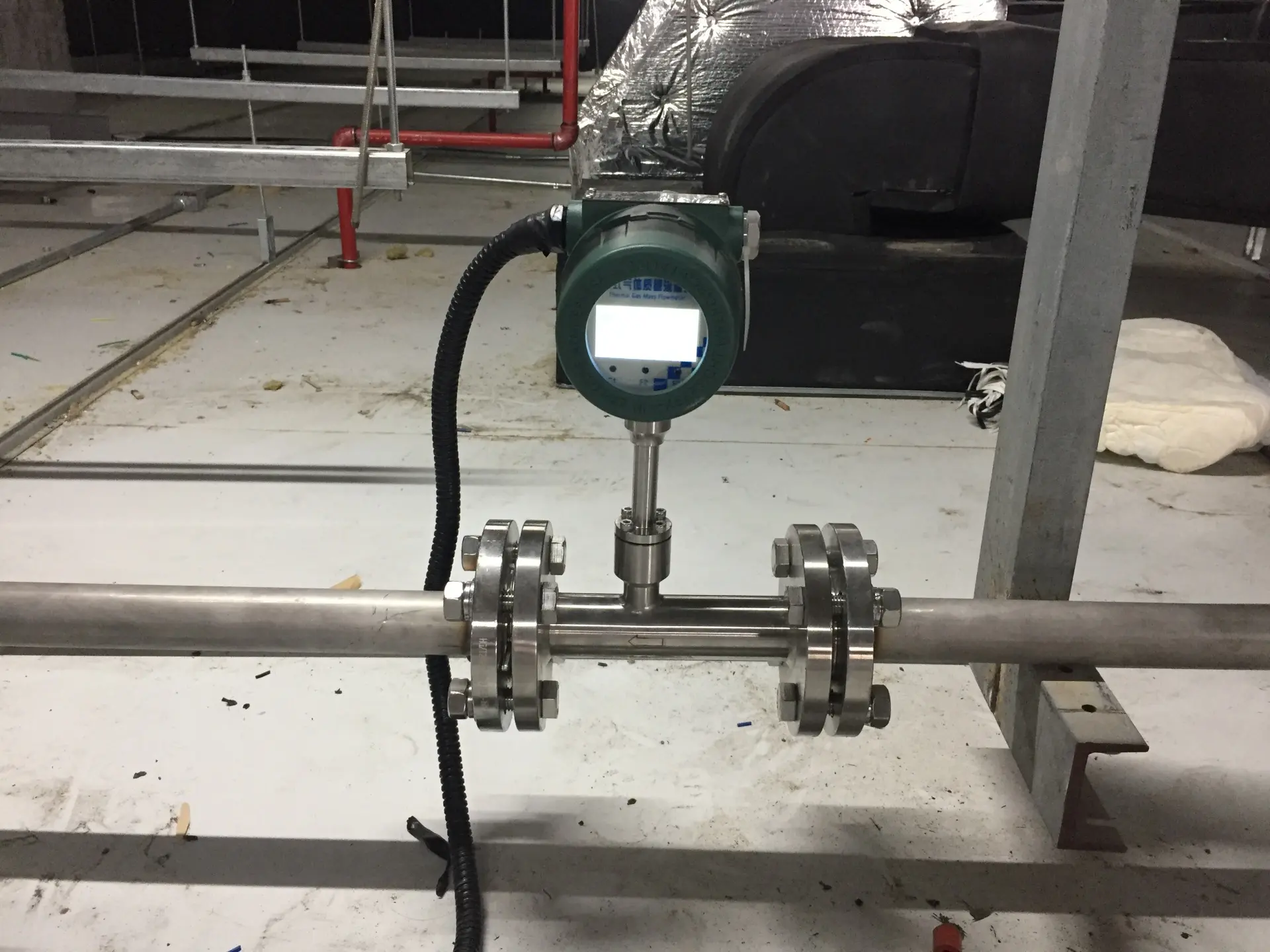
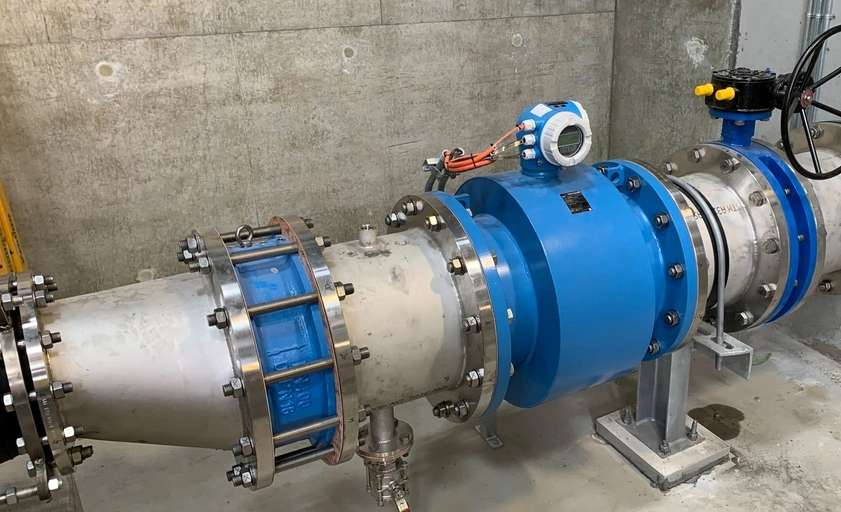
Straight pipe sections: It is recommended to measure upstream (5-10 times the pipe diameter) and downstream (2-5 times the pipe diameter) to ensure accurate readings.
Grounding: Correct grounding is essential to avoid electromagnetic interference.Pipe material: Must be compatible with the fluid and electrodes.
Orientation: May be installed horizontally or vertically, but the pipe must be fully filled with liquid to prevent bubble formation.
Avoidance of bubbles: Install in locations that minimise bubble generation.
Sino-Inst is a high-tech enterprise specialising in the research, development, manufacturing and sales of flow, pressure, temperature and level measurement instruments, alongside secondary instrumentation systems. We consistently prioritise both technological innovation and product quality, having assembled a team of professionals across automation, electronics, mechanical engineering and computer science.This has enabled us to build substantial expertise in instrumentation technology R&D and application.
Through years of development, the company has become a key supplier within China’s automation instrumentation sector.Our products are extensively deployed across industries including oil and gas, power and energy, chemical and metallurgical, building materials and environmental protection, food and light industry, municipal water services, and aerospace. We are committed to providing clients with reliable, efficient industrial measurement solutions and comprehensive service support.