It’s really important that industrial boilers are safe and stable to keep the production line going. One of the most important things when it comes to keeping the boilers safe and running smoothly is to keep an eye on the level in the boiler drum. When it’s really hot and under pressure, the way water molecules in the drum behave changes a lot.
The densities of saturated steam and saturated water tend to become the same as the pressure gets higher. It can be hard to measure things accurately when there is a lot of steam around. This is because the usual ways of measuring can’t always tell the difference between signals. So, we need special transmitters that can reliably detect and transmit signals.
What is a boiler drum?
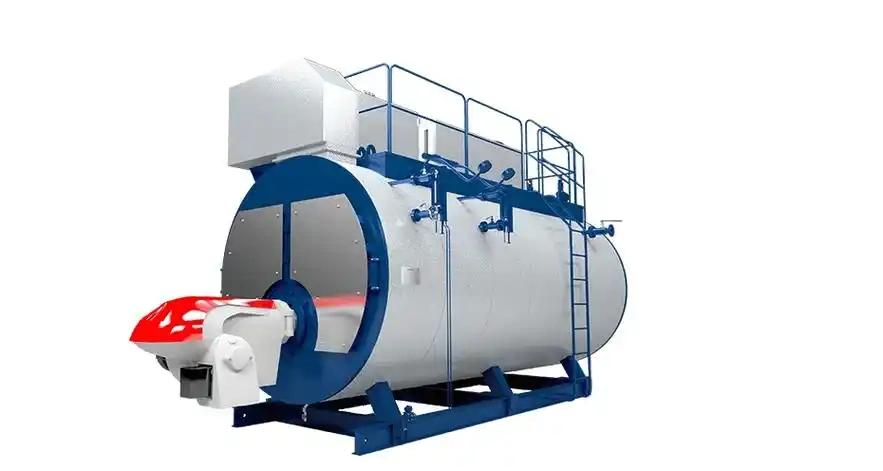
The boiler drum is a core pressure-bearing component in industrial boilers, such as those found in power stations. It is typically a horizontal cylindrical structure, whose primary functions are to separate steam from water within the boiler, store a certain volume of feedwater, and balance boiler operating conditions whilst buffering fluctuations in operating parameters.
Inside the drum are devices such as steam-water separators, which separate saturated steam from the boiler’s water walls. This ensures that the resulting steam is of good quality and prevents water from entering the superheater and steam turbine, where it could cause damage.
The stored feedwater makes sure there is enough water during changes in operating conditions and keeps the boiler water circulating at a steady level. It also makes the water dirty and helps to get rid of the water in the boiler. It is an important piece of equipment that helps to make sure the boiler is safe, efficient and running smoothly.

Why monitor the boiler drum?
The main reason for keeping an eye on the boiler drum is to make sure the boiler unit is running safely, smoothly and efficiently, to prevent accidents and to make sure production doesn’t stop. The drum is the core pressure-bearing component of a boiler and performs critical functions such as separating steam and water, storing feedwater and buffering against operating conditions.
How well it works has a big impact on how safe and efficient the whole boiler system is. If the drum doesn’t work normally (e.g. if there’s a problem with the level or the pressure is too high), it can cause really bad accidents like water flooding, water shortage or tube bursts. This can lead to the unit being switched off without warning, which can result in a lot of money being lost.
So, checking and recording important information like water level, pressure, water quality and how well the structure is working is an important part of safely running and looking after industrial boilers. This is also an essential measure for safeguarding energy supply and minimising operational losses.
Challenges in Monitoring Boiler Drum
The challenges in monitoring boiler drums stem primarily from their specific operating conditions, complex internal structure, and the dual constraints of monitoring accuracy and safety requirements, as detailed below:
Extreme operating conditions and harsh monitoring environment: The interior of the drum is constantly subjected to high temperatures (typically 300–400°C) and high pressure (up to 10–16 MPa), and is characterised by the coexistence of saturated water and saturated steam. These high temperatures and pressures make monitoring equipment age and break more quickly, and also make the signals it’s monitoring less stable. This makes it hard to do monitoring on site.
Complex internal structure with numerous monitoring blind spots: The interior of the steam drum houses multiple components such as steam-water separators, blowdown devices and chemical injection pipes. The small size of the structure makes it hard to get to certain areas. Normal monitoring methods can’t cover all areas, which creates blind spots. This makes it hard to spot hidden dangers like localised corrosion and scaling.
Parameter coupling and interference make it difficult to ensure monitoring accuracy: Parameters such as liquid level, pressure and temperature within the drum interact and are highly coupled. Changes in temperature alter the density of the medium, all of which interfere with the monitoring accuracy of core parameters such as liquid level and pressure, making it difficult to obtain accurate and stable monitoring data.
Significant conflict between monitoring and operation, with operational constraints:There is a big problem between monitoring and operations, because operations are limited by other things. The boiler drum is a very important piece of equipment that needs to be working all the time. It is usually not possible to stop it to check it. Online monitoring must therefore be carried out without halting the boiler or disrupting normal production. This places extremely high demands on the compatibility of monitoring equipment and the safety of monitoring methods, whilst also limiting the application of certain high-precision offline monitoring methods.
Level Gauges for Boiler Drum Monitoring
The interior of a boiler drum is subject to long-term conditions of high temperature and high pressure, with a mixture of saturated water and steam coexisting. The accuracy of level monitoring is directly linked to the safe and stable operation of the unit. Currently, the two types of level gauges with the widest applicability and most widespread use are differential pressure level gauges and radar level gauges. The key points are summarised as follows:
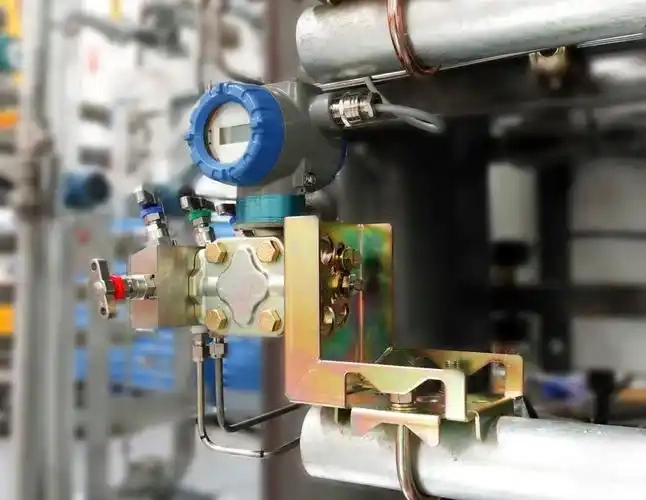
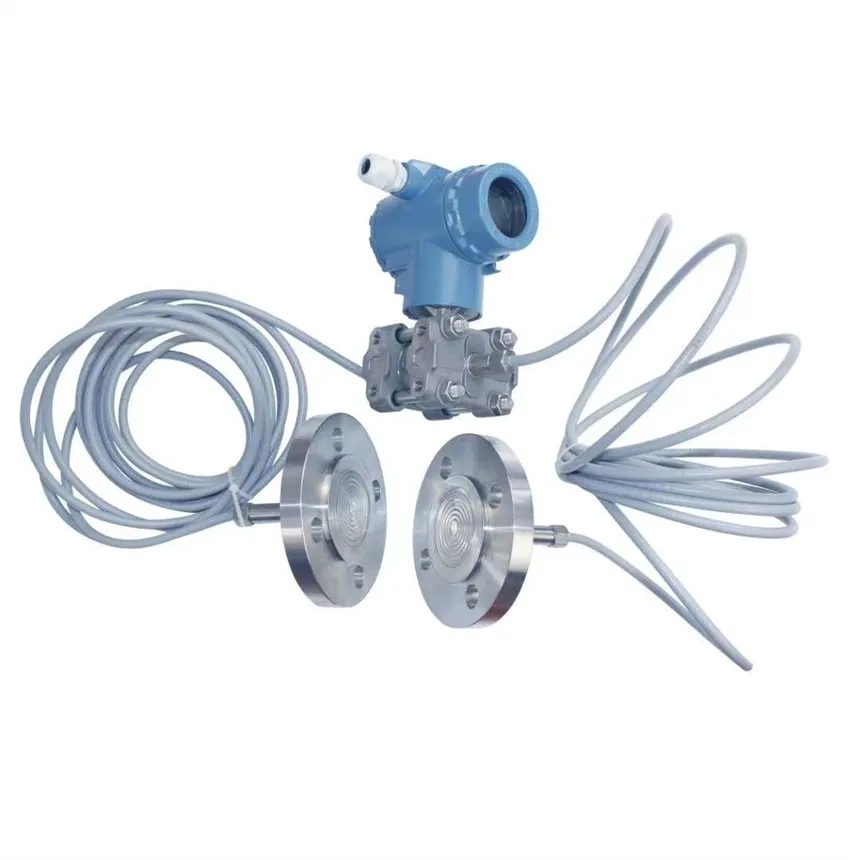
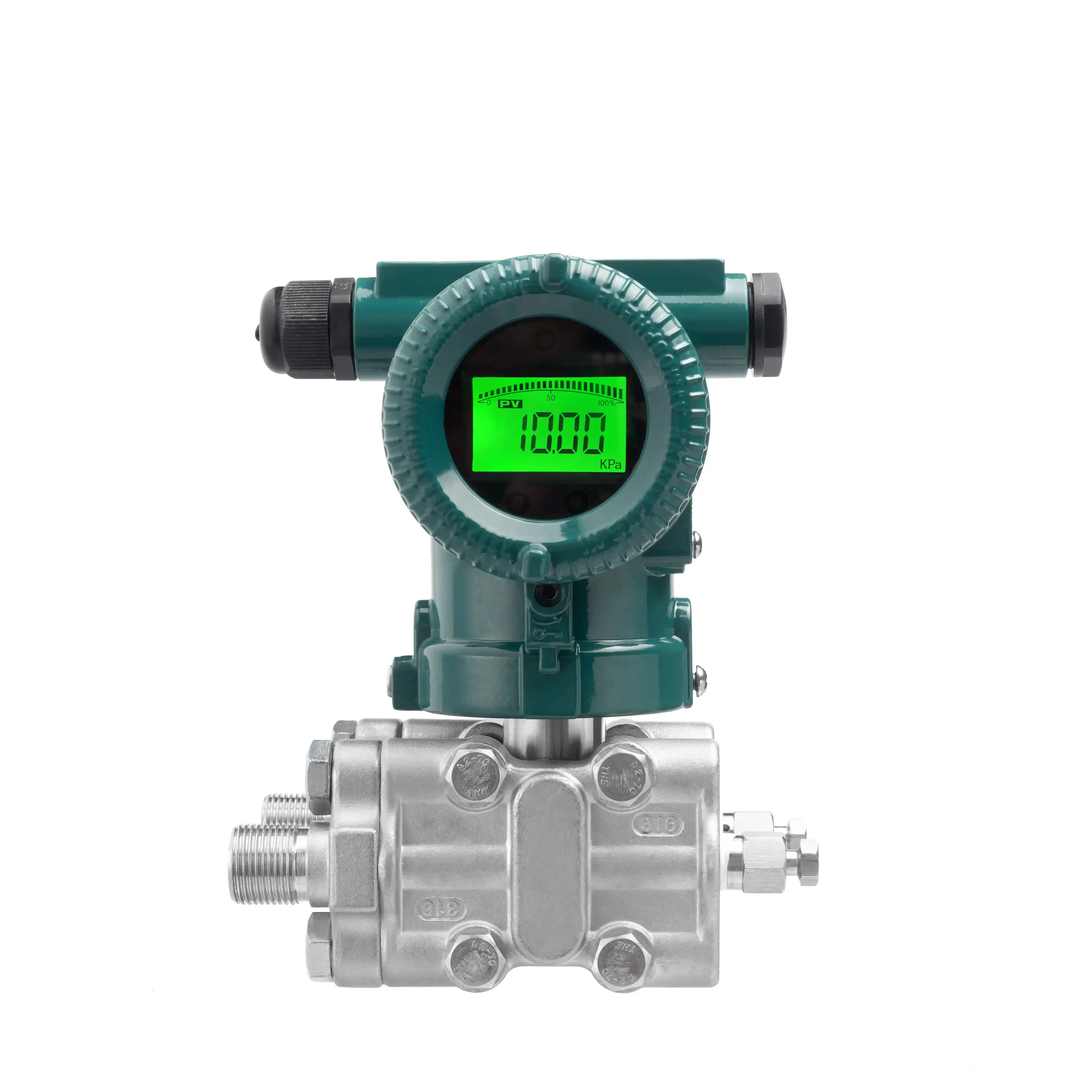
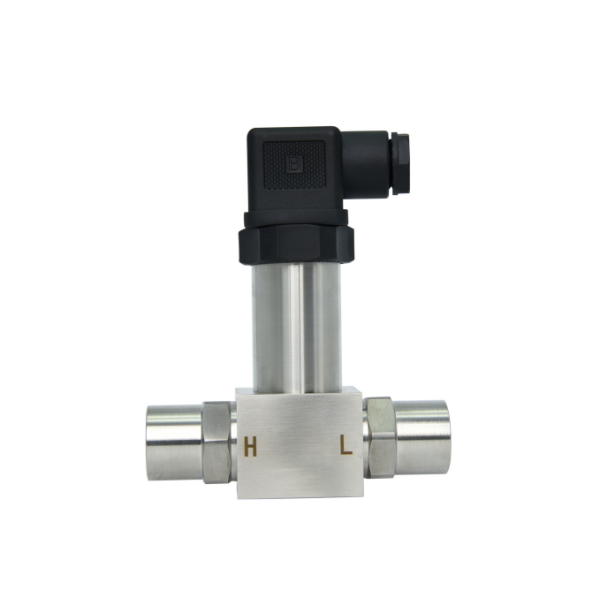
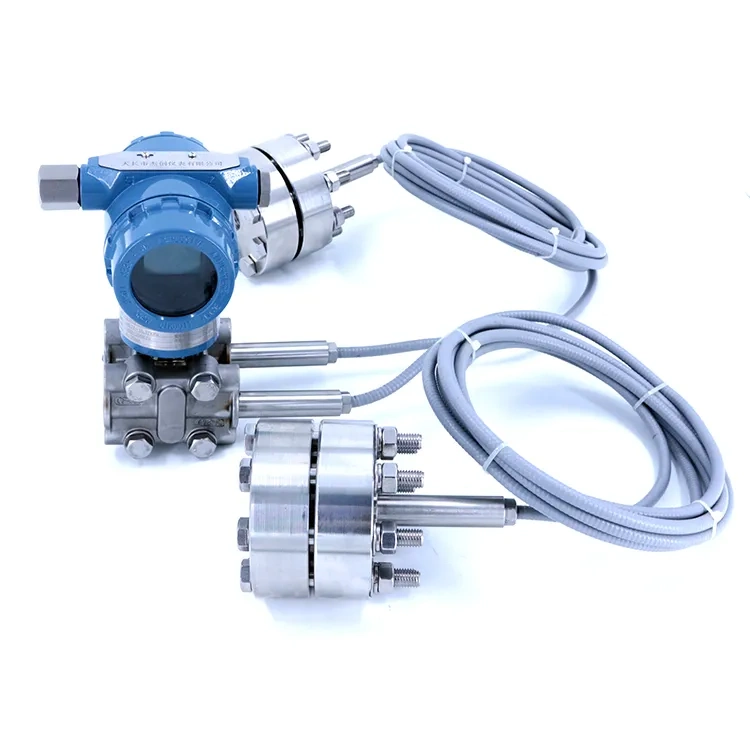
Differential Pressure Level Transmitters
Core Principle:
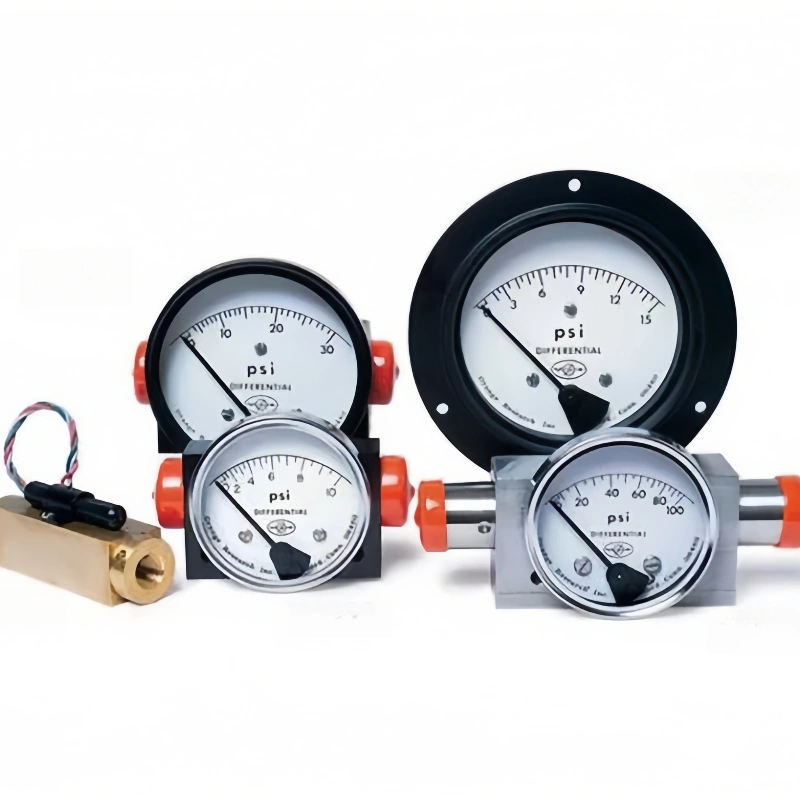
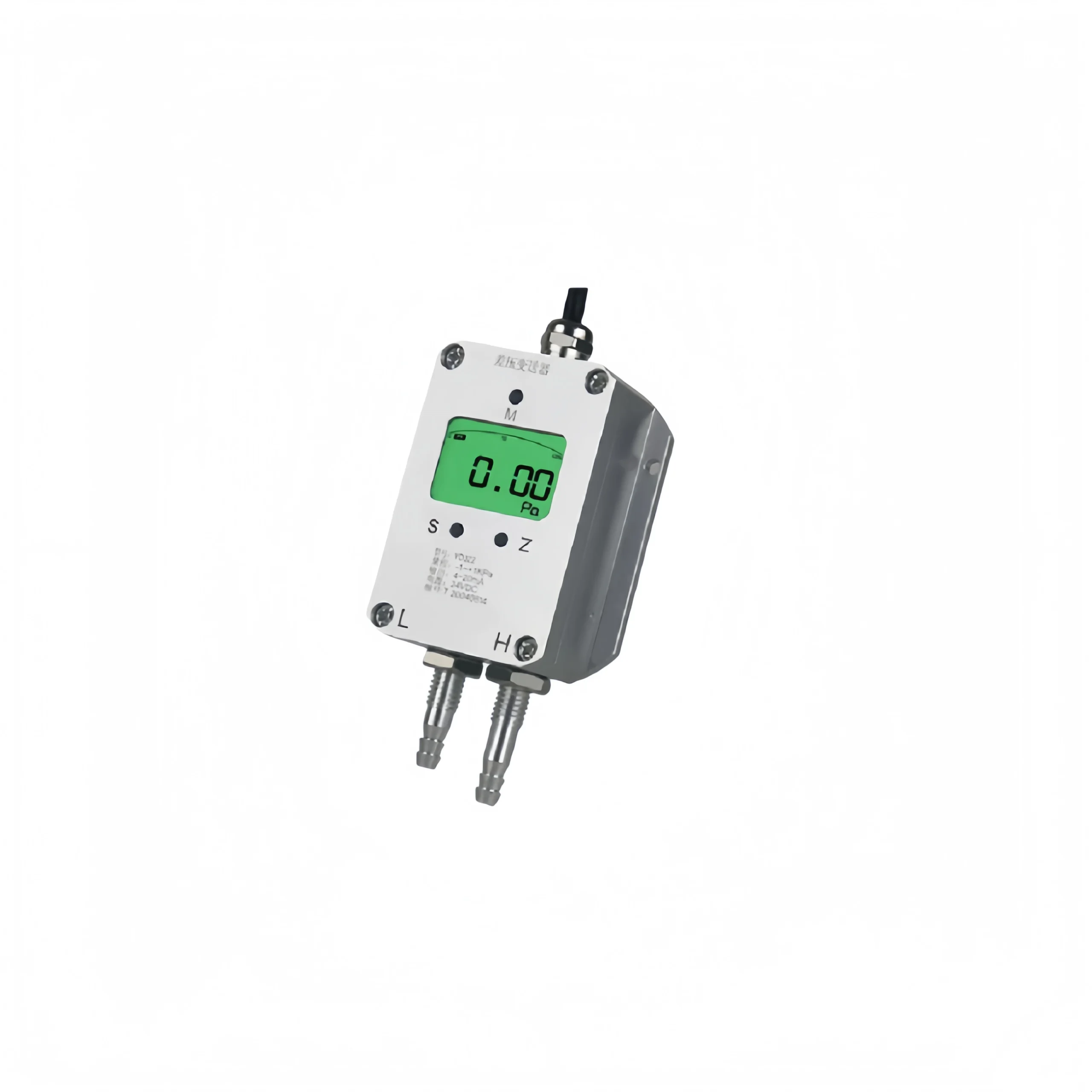
These devices use hydrostatic principles to measure the pressure difference caused by changes in the liquid level in the drum. This signal is then converted to determine the liquid’s actual height.
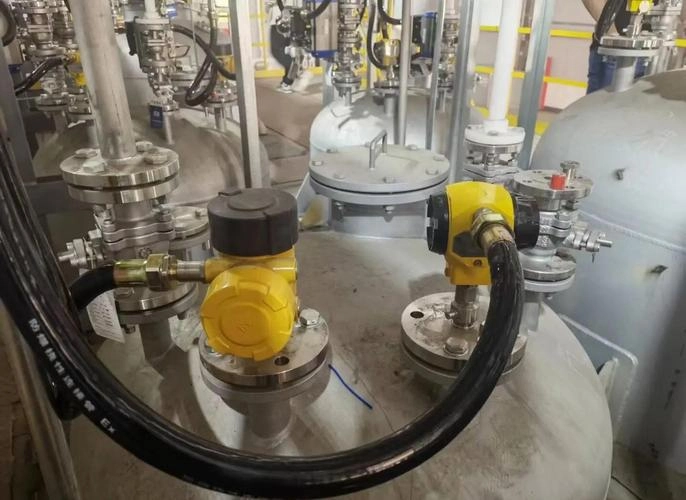
A differential pressure transmitter converts the physical signal into a standardised electrical signal, which is fed into the DCS control system to enable real-time monitoring and closed-loop control. This is currently the most technically mature and widely used type of level monitoring for boiler drums.
Measurement Advantages:
1. Exceptionally adaptable; capable of stable operation under high-temperature, high-pressure conditions in various industrial boilers, power station boilers and ultra-supercritical units, meeting the monitoring requirements of steam drums of different specifications with high versatility.
2. This reliable, well-established technology responds quickly. When used with a balancing vessel, it can effectively correct errors caused by changes in pressure and medium density. This ensures stable measurements and undistorted signals.
3. Moderate cost with high cost-effectiveness; easy to integrate seamlessly with DCS control systems; enables remote monitoring and automatic regulation, facilitating system integration and future expansion.
4. Can be directly used for closed-loop control of drum liquid levels; provides precise feedback on continuous liquid level changes; meets the core monitoring requirements for the safe operation of industrial boilers; currently the mainstream and preferred equipment for drum liquid level monitoring.
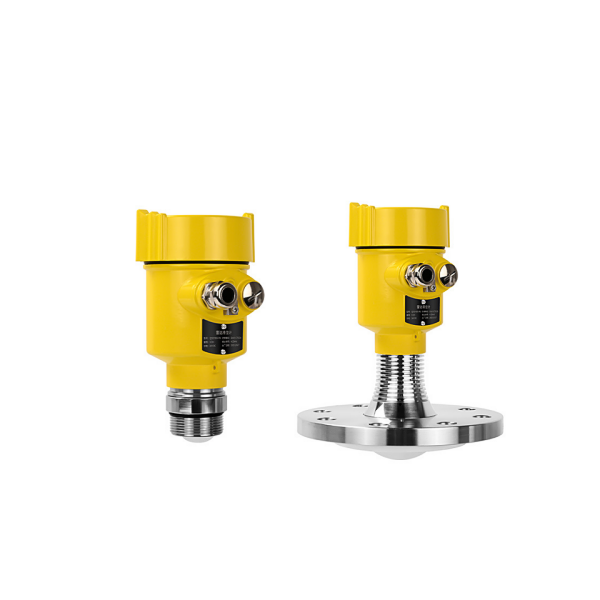
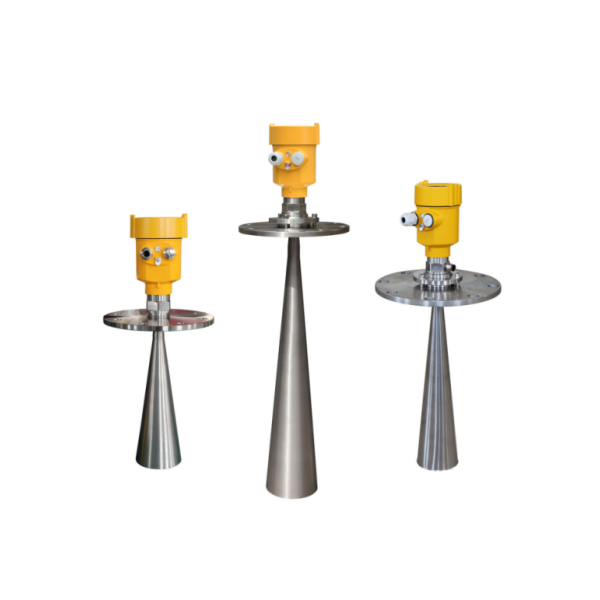
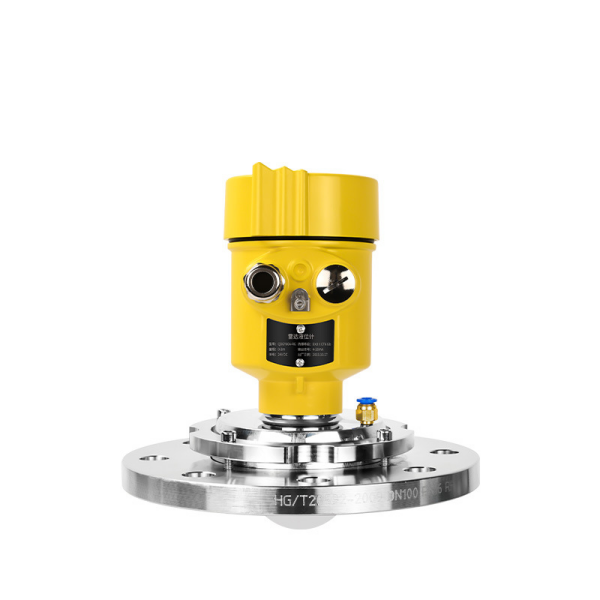
Radar Level Transmitter
Core Principle:
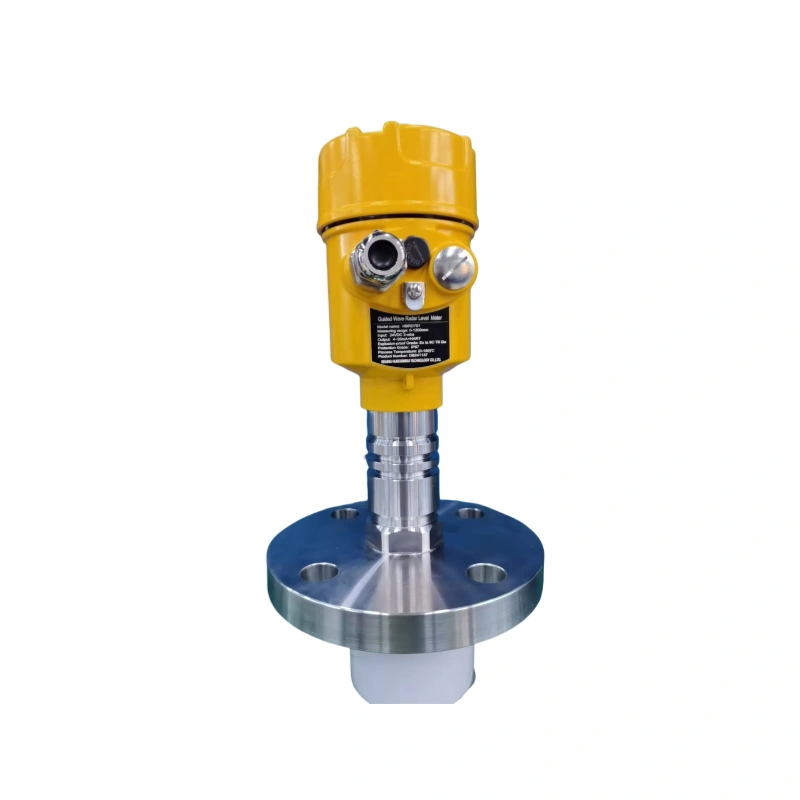
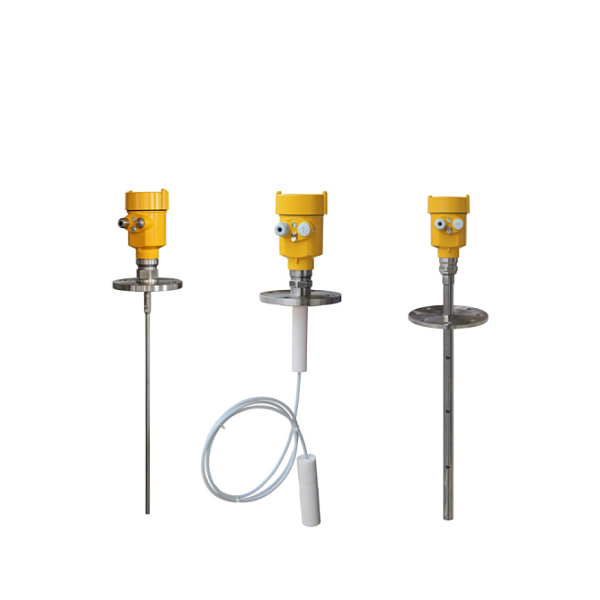
The probe emits a microwave signal towards the liquid surface in the drum; the signal propagates along the guide rod, is reflected by the liquid surface, and returns. The liquid level height is calculated using the time-of-flight of the signal. Its core measurement characteristic is that, provided the speed of light remains constant, the measurement result is influenced solely by the dielectric constant (or reflectivity) of the measured fluid. The higher the dielectric constant, the stronger the return signal, and the more accurate the measurement.
Measurement Advantages:
1. Non-contact measurement: The probe does not come into direct contact with the high-temperature, high-pressure, corrosive substances inside the drum. Its combination of high-temperature, high-pressure and corrosion-resistant materials results in low equipment wear, a long service life and significantly reduced equipment replacement and maintenance costs.
2. Extremely high accuracy, far superior to differential pressure level gauges; it can precisely capture subtle fluctuations in liquid level, meeting the high-precision monitoring requirements of high-end boilers and ultra-supercritical units; furthermore, it is minimally affected by changes in the dielectric constant of water, maintaining measurement stability even under conditions of severe fluctuations in the drum.
3. Strong anti-interference capability; specialised software algorithms effectively suppress interference caused by steam, bubbles and water vapour disturbances, ensuring excellent measurement stability.
4. Overcomes the limitations of traditional radar measurement by employing steam compensation technology to address the issue of reduced signal propagation velocity caused by saturated steam. By continuously assessing the rate of decline in signal propagation velocity in the area above the probe, it adjusts calculation parameters in real time to compensate for measurement errors, thereby preventing measurement distortion and energy wastage caused by variations in signal velocity. This makes it suitable for complex operating conditions where air within the drum is displaced by saturated steam.
5. The system offers easy maintenance, low running costs and high reliability. The steam compensation technology can be adjusted in real time to ensure precise and continuous measurements during boiler start-up, shutdown and normal operation. When used with differential pressure level transmitters, it creates a redundant monitoring system that makes drum level monitoring even more reliable.
Sino-Inst Case Study
Project Background:
At a big thermal power plant in Central China, the electrical contact level gauges were often wrongly triggering false alarms when the pressure was high. Also, old ceramic seals were leaking steam, which was a big problem for production.
Solution:
The power station started using Sino-Inst radar level transmitters to measure and record the level of liquid in containers. We put four Sino-Inst level transmitters on each side of the drum. This is to protect against high and low water levels. These devices were perfect for the high temperatures and pressures of the 660MW unit’s boiler drum, so they solved the safety issues with the original equipment.
Performance in Practice:
Installation and Commissioning: The Sino-Inst radar level transmitters were installed directly on top of the existing measurement tubes, so there was no need to make major changes to the original piping. Engineers completed the installation of fixed interference shielding at the base of the 3-metre bypass pipe in just 15 minutes. The echo quality remained consistently above 80 dB, meeting the requirements for stable signal transmission under the complex operating conditions of the boiler drum. This significantly shortened the installation and commissioning cycle and reduced on-site construction costs.
Safety Protection: When the water level got too high because of a problem with the main feedwater pump, the Sino-Inst level gauge spotted the moment the water level hit the warning line, sent off an action signal straight away and got the protection system to start emergency blowdown. This prevented a water-flooding incident, ensuring the unit operated safely and reliably, and avoiding significant economic losses resulting from an unplanned boiler shutdown. This demonstrates the accuracy and reliability of Sino-Inst’s level measurement equipment.
Differential Pressure Level Transmitters vs Radar Level Transmitters
Differences in Measurement Principles
Differential Pressure Level Transmitters: These instruments operate on the principle of hydrostatic pressure. They detect the pressure difference between the liquid and vapour phases within a vessel and convert this into a liquid level value based on the medium’s density. This is a contact-type measurement method, with the core formula being ΔP = ρgh.
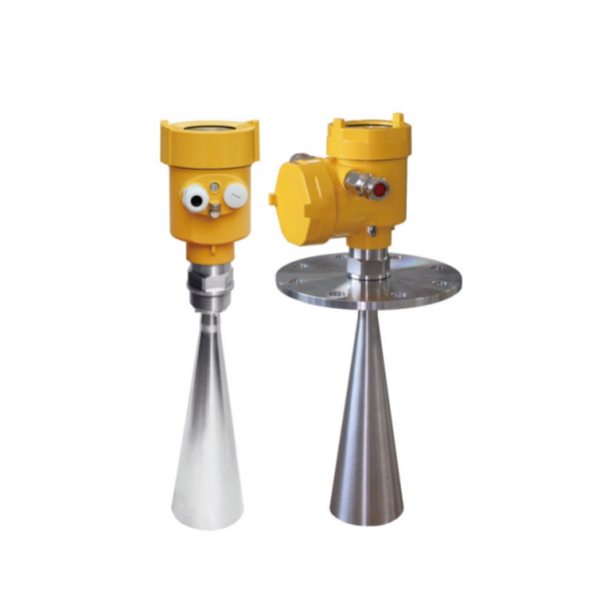
Radar Level Transmitter: It measures distance by looking at the time difference and the frequency difference between microwaves that are sent out and those that are reflected back. This is a non-contact measurement method. This means that it does not come into contact with the measured medium. The liquid level is calculated directly from the distance between the liquid surface and the probe.
Accuracy and Influencing Factors
Differential Pressure Level Transmitter: The results are usually moderate, but this depends greatly on the thickness of the medium. However, changes in density and temperature can cause errors, so it is important to regularly check and adjust for temperature. Anti-freeze heating is also required in winter.
Radar Level Transmitter: It’s pretty accurate (±1 mm), doesn’t really get affected by changes in density, temperature or pressure, doesn’t need much in the way of a medium’s dielectric constant, and is pretty resistant to interference.
Adaptability to Operating Conditions
Differential Pressure Level Transmitters: It’s great for sealed high-pressure vessels and standard clear liquid applications, and it can measure oil-water interfaces too. But they can be affected by blocked pressure lines, condensation and bubbles, and they’re not suitable for foamy, dusty or viscous media.
Radar Level Transmitter: It can deal with steam, foam, dust and other difficult situations, and it works well with hot, thick liquids. It can also measure materials with solid particles, making it more useful in complicated situations.
Installation and Maintenance
Differential Pressure Level Transmitter: You need to install pressure-conducting pipes and capillary tubes, which makes the installation process complex. There’s a risk of leakage and blockage issues later on, and it needs to be regularly calibrated and maintained, which leads to relatively high costs.
Radar Level Transmitter: As it doesn’t come into contact with the medium, it can be installed and maintained without shutting down. There is no risk of mechanical wear or blockage, and it is highly stable in the long term. What’s more, it requires minimal routine maintenance.
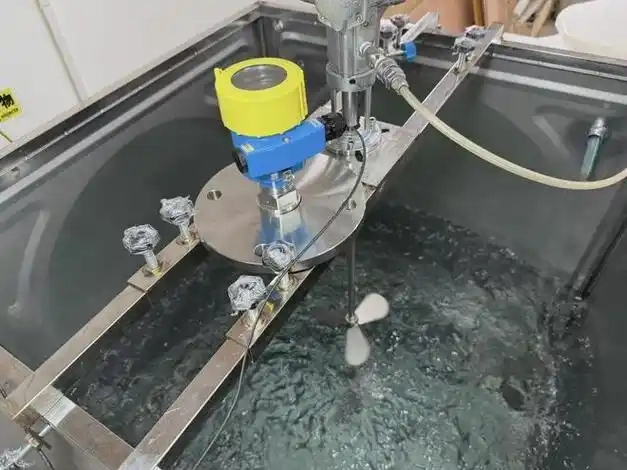
Precise monitoring is a prerequisite for the safe and efficient operation of industrial boilers, and high-quality level measurement equipment is the key to ensuring this. To meet the monitoring requirements of boiler drums, which operate under high-temperature, high-pressure and complex conditions, Sino-Inst specialises in supplying differential pressure and radar level transmitters. Both products have undergone rigorous testing under demanding conditions and are suitable for all types of industrial boilers and ultra-supercritical units.
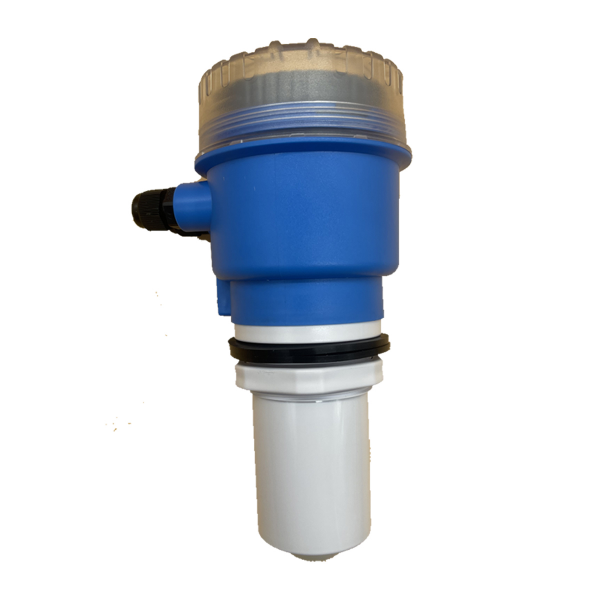
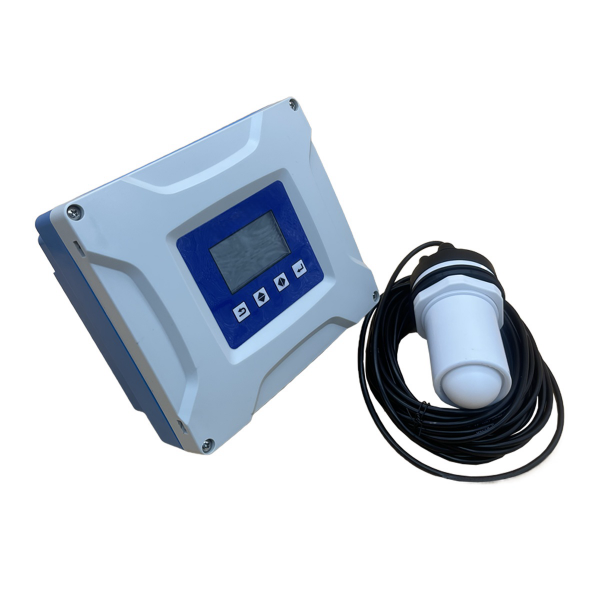
They effectively deal with problems like signal interference and lack of accuracy, helping businesses to reduce safety risks and save money on operations and maintenance. What’s more, Sino-Inst has a great range of level gauges, including float, hydrostatic and ultrasonic models, which can be used in all sorts of situations, and are accurate enough for whatever you need them for. They’re pretty affordable, too.