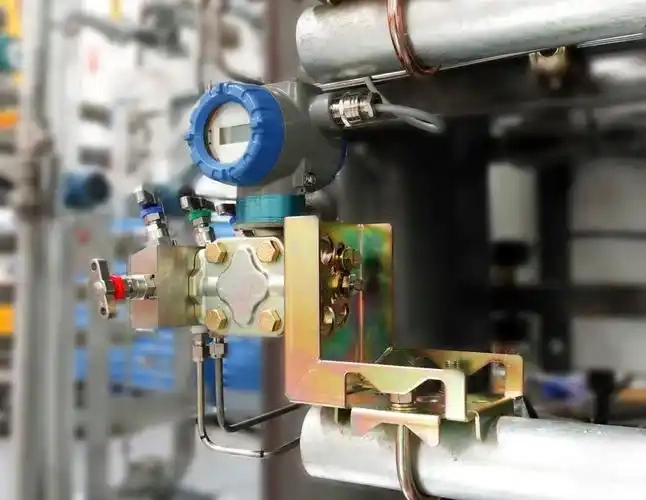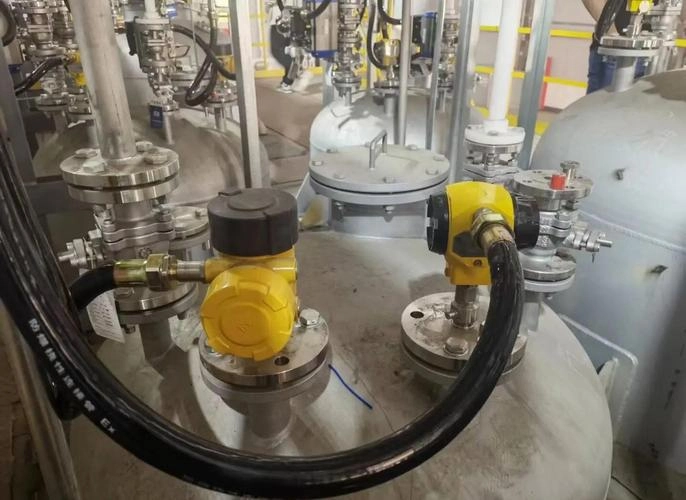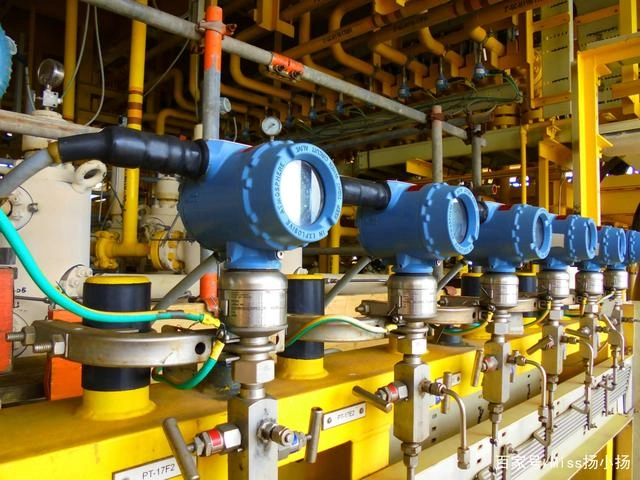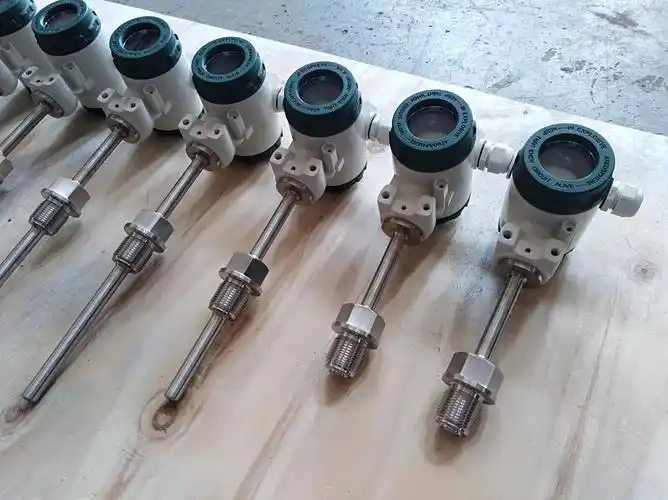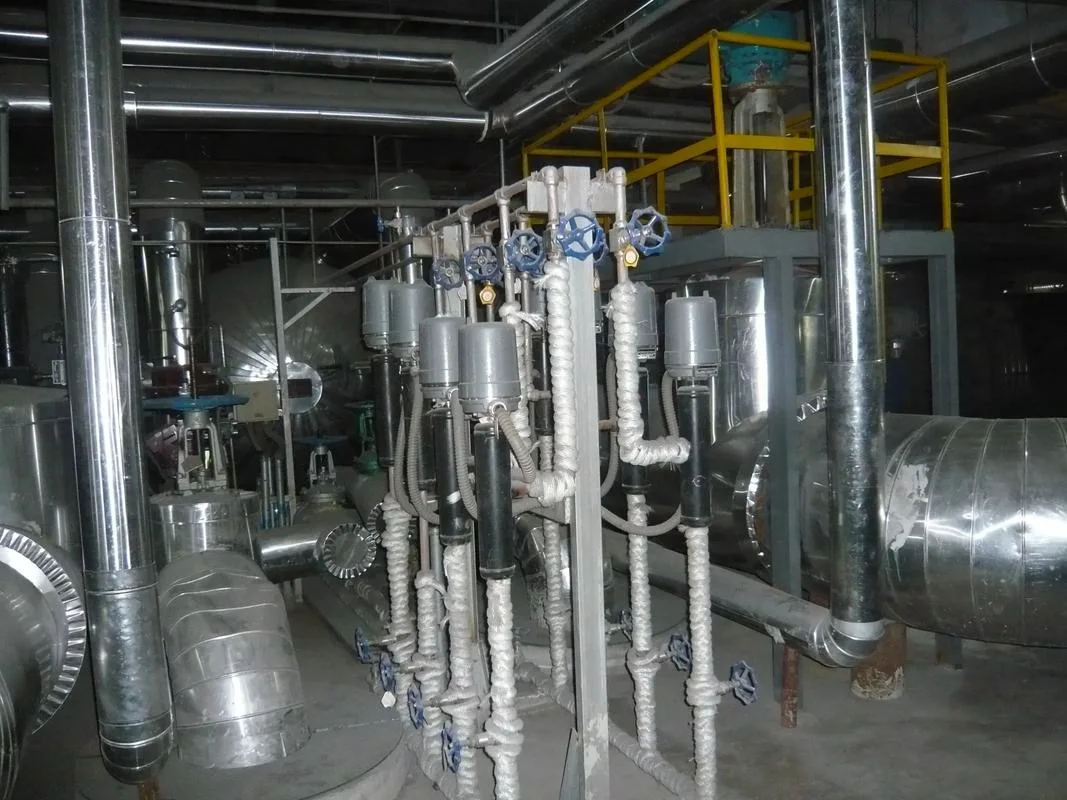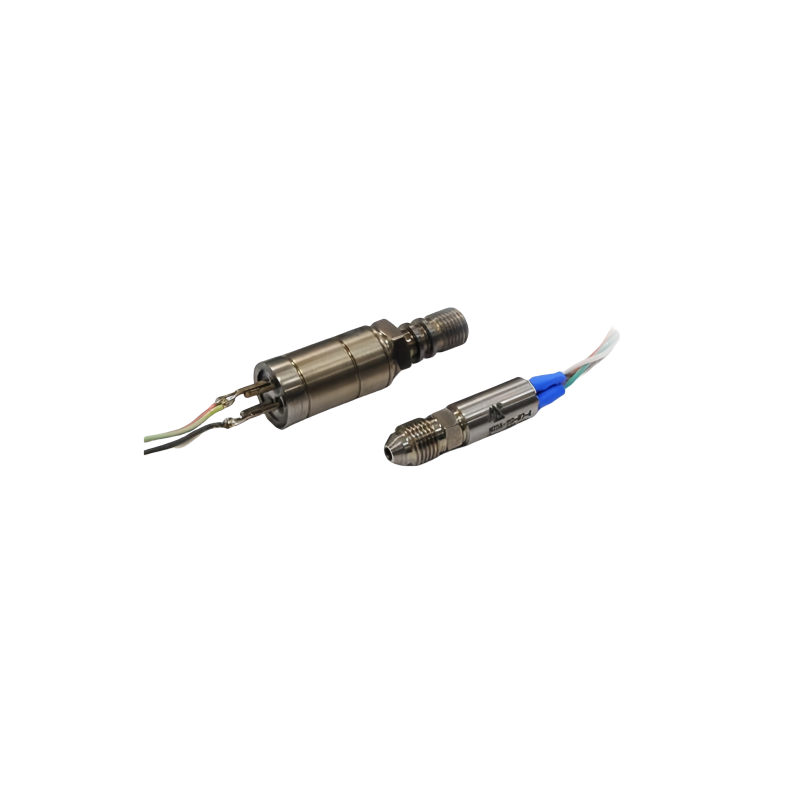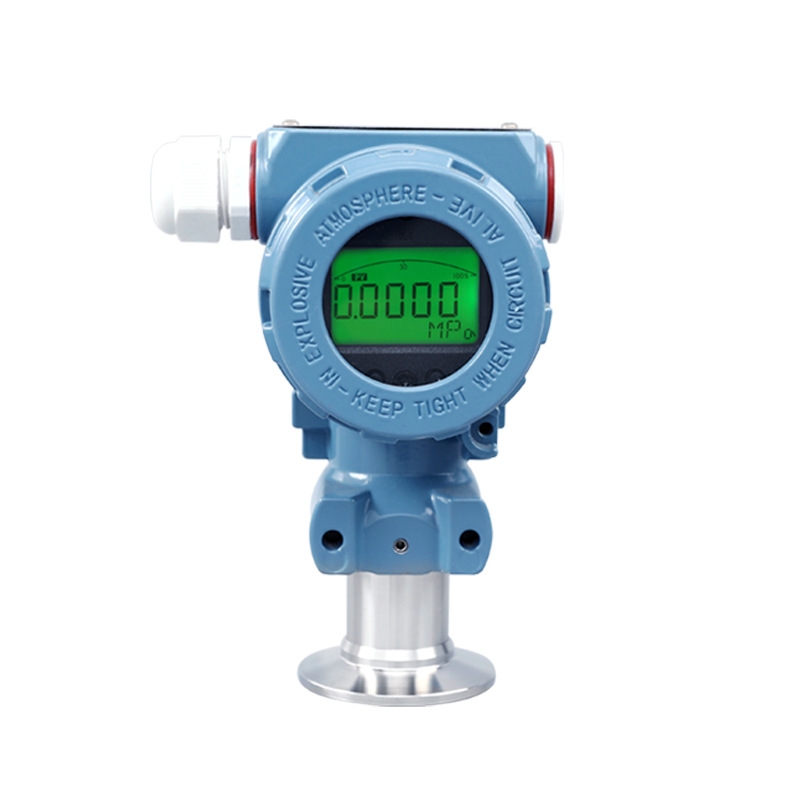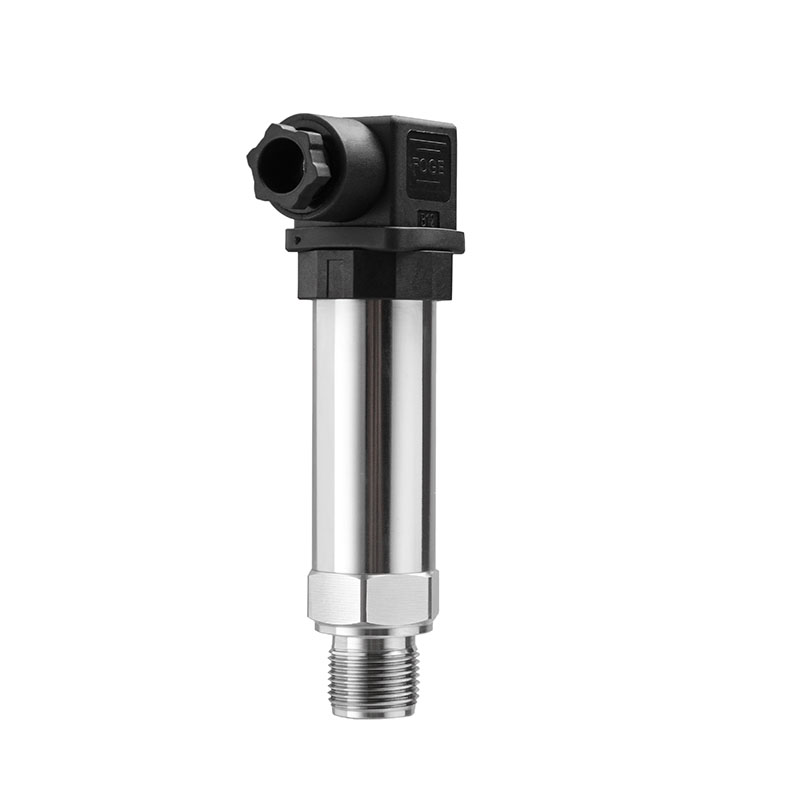
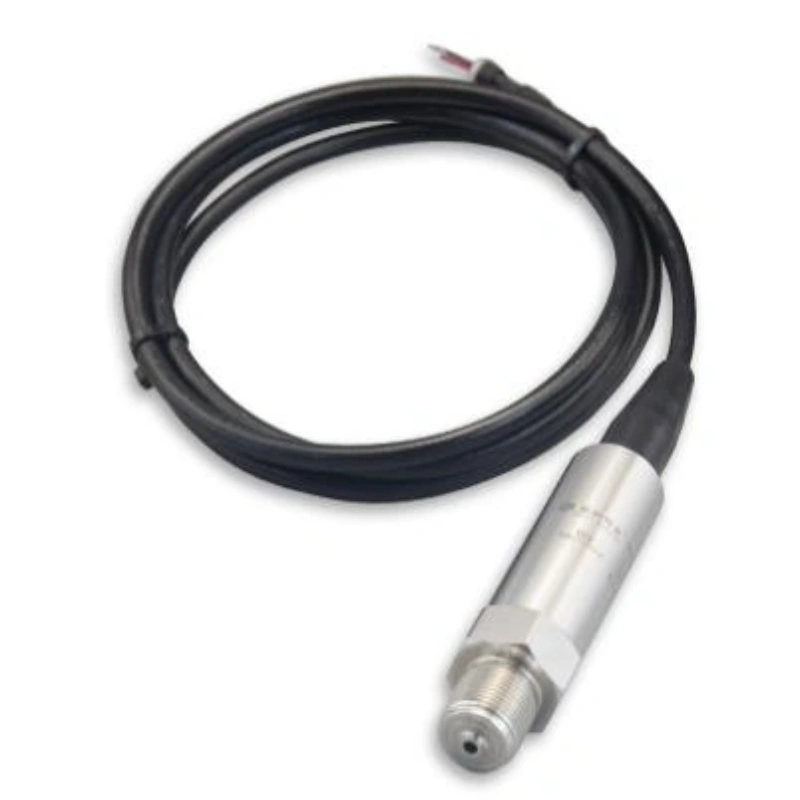
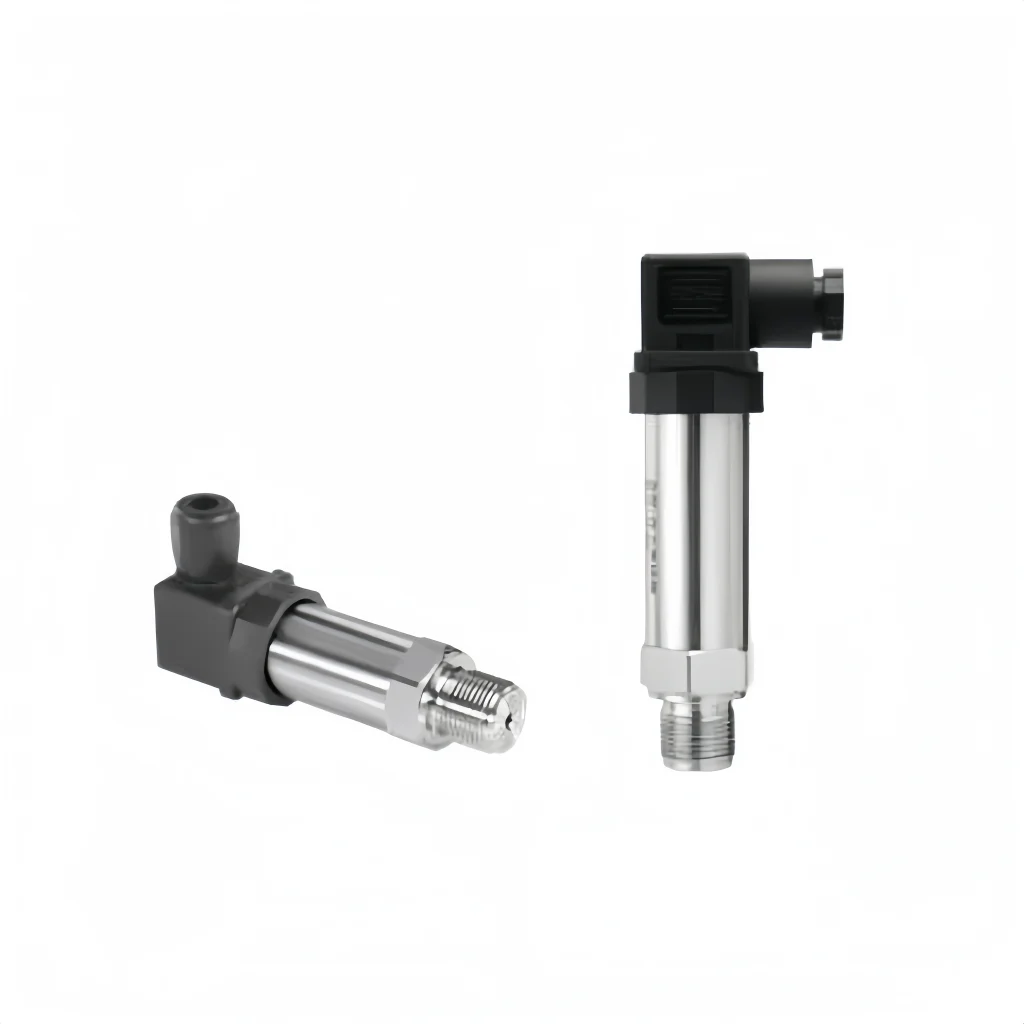
A strain gauge pressure sensor is a pressure measurement instrument that utilises strain gauge technology to convert measured pressure into an electrical signal.
It can be applied to the measurement of forces ranging from extremely small to very large, both dynamic and static, offering high measurement accuracy and wide applicability.
Principle of Operation of Pressure Sensors
Strain gauge pressure sensors comprise an elastic metallic body with strain gauges affixed to its surface.When subjected to external pressure, the internal elastic element (typically a metallic diaphragm or thin film) undergoes deformation.
Strain gauges—which may be bonded metallic foils or deposited films—are applied to this diaphragm.As the material stretches or compresses, the resistance value changes accordingly.
Core Components:
Elastic Diaphragm: The physical element (usually stainless steel) that deforms under pressure.
Strain Gauge: A resistor (typically Type 4) whose resistance changes when stretched.
Wheatstone Bridge: A circuit that balances resistors to generate a signal.
Types of Strain-Gauge Pressure Sensors
Thin-Film Strain Gauge Technology
Thin-film pressure sensors are fabricated by directly forming insulating layers and strain gauge elements via vapour deposition or sputtering onto a polished pressure-sensing diaphragm or beam. The desired strain gauge pattern is deposited by masking non-conductive areas with the diaphragm or by etching away excess conductive material.
Incorporated into blood pressure monitors.Incorporated into ventilators.Incorporated into other medical devices.All to safeguard patient wellbeing.Consequently, thin-film technology offers excellent thermal zero stability, full-scale sensitivity stability, and superior long-term stability.However, drawbacks include weaker output signals, limited frequency response, and reduced high-pressure tolerance.
Diffused Silicon Semiconductor Strain Gauges
Diffused semiconductor pressure sensors utilise semiconductor material as the strain gauge element, embedded within the silicon pressure-sensing diaphragm via a diffusion process rather than being surface-mounted.
The diffusion process embeds the strain gauge element within the sensing diaphragm, avoiding common issues associated with surface-mounted strain gauges. However, diffused semiconductor strain gauges require complex temperature compensation circuits to minimise zero drift and sensitivity variation.
Adhesive-mounted semiconductor strain gauges
In adhesive-mounted semiconductor pressure sensors, silicon rods are bonded to the pressure-sensing diaphragm or beam and electrically connected as active arms of a Wheatstone bridge. These sensors deliver exceptionally high output signals, yet their assembly demands meticulous care to minimise the impact of permanent creep in the adhesive material.
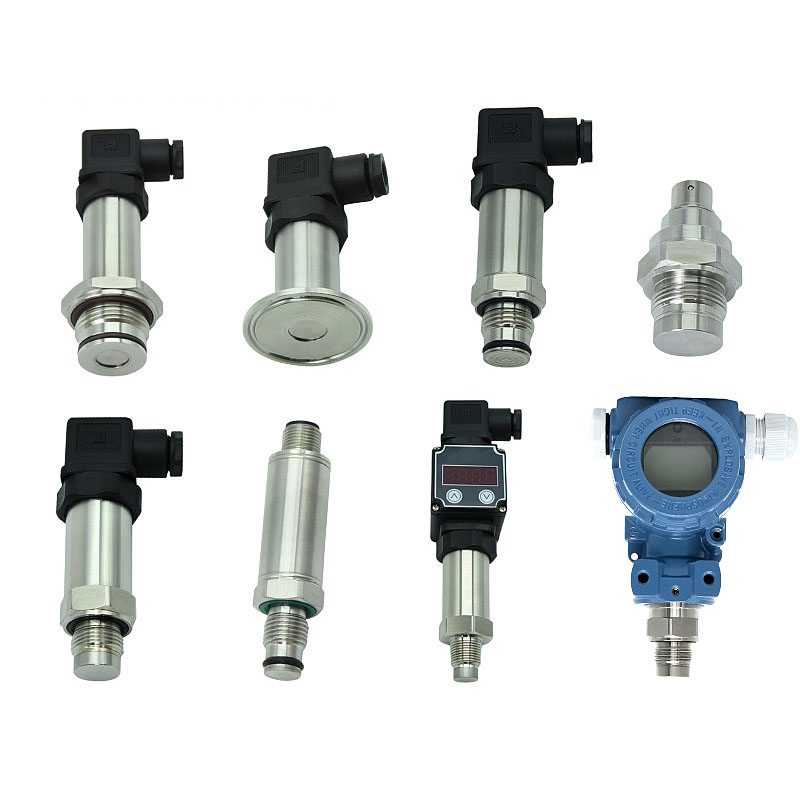
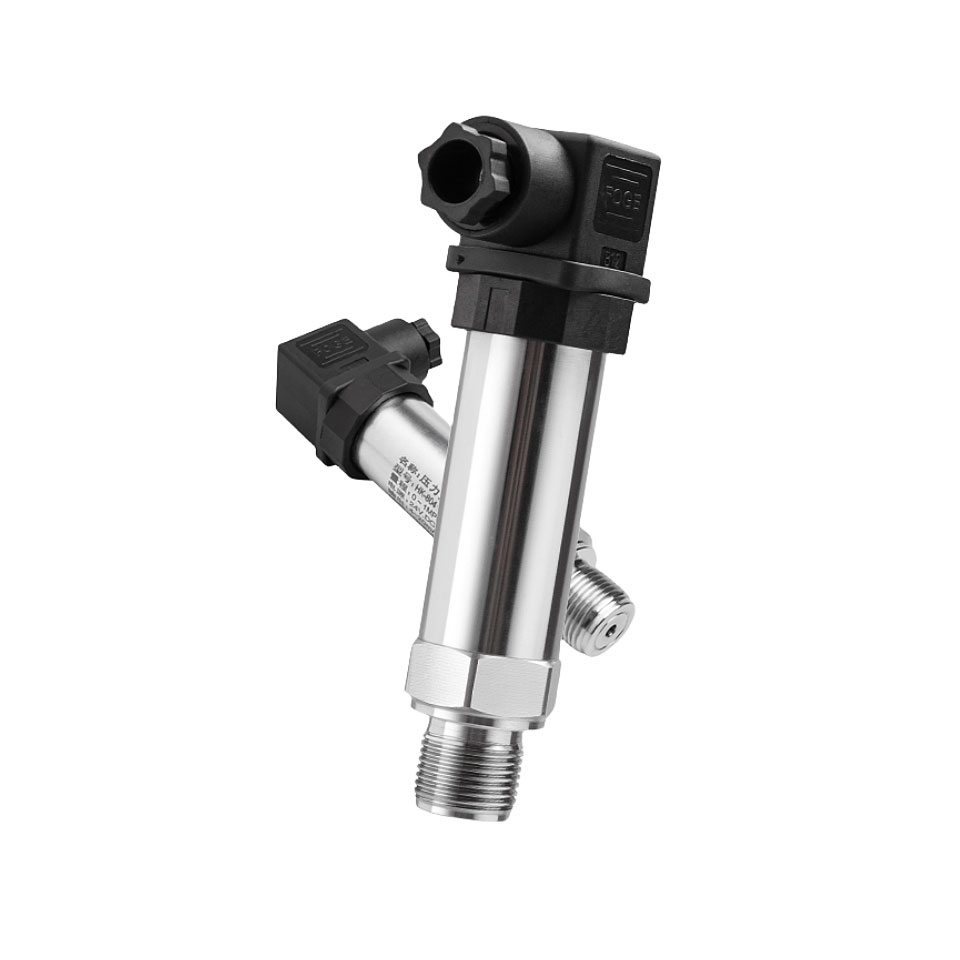
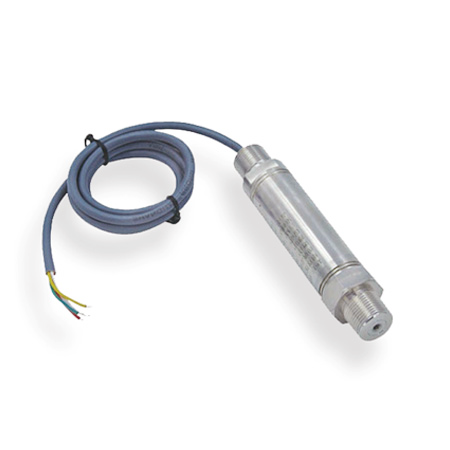
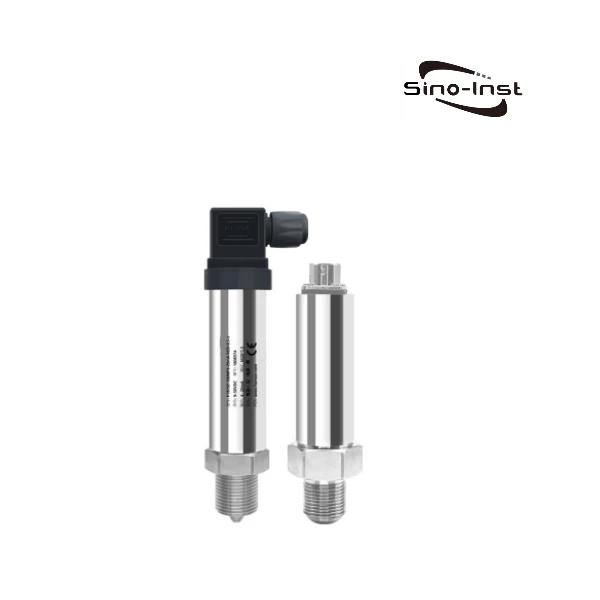
Advantages and Limitations of Strain Gauge Pressure Sensors
Each sensor technology has its optimal application scenarios, and strain gauge pressure sensors are undoubtedly the mainstay in heavy-duty applications.These sensors are widely used due to their unrivalled balance of durability and performance, particularly within the US industrial market. However, it is crucial to understand their strengths and limitations when building reliable systems.
Advantages
For most industrial pressure measurement applications, these sensors are the preferred choice.They are designed for robustness and are exceptionally well-suited to harsh environments.
Rapid Response and Dynamic Measurement: Whether monitoring static tank levels or rapid pressure surges in hydraulic pressure sensor applications, these devices respond almost instantaneously.They excel particularly at capturing dynamic pressure variations that other technologies might miss.
Robustness: They can resist shocks and vibrations really well. The acceleration sensitivity is very low when strain gauges are directly bonded or sputtered onto the sensing element.
High-Pressure Capability: When requiring high-precision pressure sensors for extreme pressures (up to 15,000 bar), this technology is often the only viable option.
Versatility: They can handle a wide variety of media, from water and oil to corrosive gases, particularly when manufactured with stainless steel contact parts.
Disadvantages:
Although strain gauge pressure sensors are versatile, they are not suitable for every application.
Signal Output: The raw sensing element is a millivolt/volt output sensor.This signal is weak and requires amplification for use in control systems. While many modern devices incorporate built-in amplifiers (converting to 4-20 mA or 0-10V), the raw element itself is susceptible to noise interference without proper signal conditioning.
Ultra-low pressure: For extremely low-pressure applications (such as airflow ranges in HVAC systems), capacitive sensors typically outperform strain gauge sensors.Strain gauge sensors typically lack the sensitivity required for high-precision readings below several pounds per square inch.
Long-term stability: Whilst thin-film manometers exhibit excellent performance, bonded foil manometers may experience slight drift over time due to adhesive relaxation, necessitating periodic recalibration to maintain top-tier accuracy.
Practical Applications of Strain-Gauge Pressure Sensors
1.Industrial Automation
Employed to monitor pipeline and tank pressures, control production processes, and ensure operational safety.
2.Automotive Industry
Utilised in automotive braking systems and engine control to guarantee stable and secure vehicle operation.
3.Medical Equipment
Its function is to safeguard patient wellbeing by being incorporated into blood pressure monitors, ventilators and other medical devices.
4.Aerospace
Employed in pressure monitoring and control for aircraft, rockets, and similar systems to guarantee flight safety.
5.Petroleum and Chemical Industries
Used in oil drilling, well monitoring, and chemical processes to track pressure variations in pipelines, valves, and other components, ensuring production and equipment remain safe and stable.
6.Clean Technology Sector
Monitoring pressure in filtration systems, nozzles, and other cleaning equipment to ensure proper operation, thereby supporting environmental protection and clean technology advancement.
7.Construction Engineering
Employed in concrete pouring and foundation settlement monitoring projects to help ensure structural stability and safety.
8.Wastewater Treatment
Within wastewater treatment plants, strain gauge pressure sensors monitor pressure variations within pipelines, assisting in process control to enhance efficiency and reduce costs.

How to Select Strain Gauge Pressure Sensors
Type of Pressure Being Measured: Select an appropriate strain gauge pressure sensor based on whether the pressure being measured is absolute pressure, gauge pressure, or differential pressure.
Measurement Range and Accuracy: Select an appropriate measurement range based on the upper and lower limits of the pressure being measured, ensuring the sensor operates within its normal working range.
Measured Medium: It must be ensured that the sensor’s materials can withstand corrosion, adhesion, or solidification from the measured medium (liquid or gas).
Environmental Adaptability: Consider environmental factors such as temperature, humidity, and corrosive gases.For instance, in automotive electronics, sensors must meet IP67 protection standards or higher.
Output Signal and Interface Type: Common options include voltage output (mV/V) and current output (4-20mA), with the latter being more suitable for long-distance transmission and industrial automation systems.
Installation Space and Packaging: In space-constrained applications, such as medical devices or drones, miniature or surface-mount device (SMD) packaging should be selected.
Cost and Lifespan: For bulk procurement, both the initial cost of the sensor and long-term maintenance costs must be comprehensively considered.
Temperature Compensation: Strain gauges exhibit a relatively high temperature coefficient of resistance.If you don’t have temperature compensation, you might get some measurement errors. One way to solve this is to use sensors with built-in temperature compensation or to add compensation resistors to the circuitry.
Dynamic Response Time: Certain applications (e.g., barometric pressure detection) demand rapid response. Excessively long sensor response times may adversely affect system performance.Precautions for Installing Strain-Gauge Pressure Sensors
Precautions for Installing Strain Gauge Pressure Sensors
1.Selecting the Appropriate Sensor: When choosing a strain-gauge pressure sensor, determine the sensor type, specifications, and measurement range based on the application scenario and measurement requirements.Different sensors exhibit varying sensitivity, accuracy, and stability, necessitating selection according to actual needs.
2.Installation Position Selection:When mounting strain gauge pressure sensors, choose a suitable locati0n. Position the sensor where the object experiences significant force or deformation to ensure the sensor can fully detect the applied load.
3.Fixing Method Selection: Strain gauge pressure sensors are typically secured to the measurement object via mounting fixtures. The chosen fixing method must be stable and reliable, and be able to fully transmit the applied load forces.This stops the sensor and the object from moving relative to each other, which could cause measurement errors or damage the sensor.
4.Protective Measures: To prolong sensor lifespan and shield it from environmental impacts, protective measures may be implemented.For instance, sealing devices can be employed to prevent ingress of dust, moisture, or contaminants. In demanding environments, sensors with higher protection ratings or those specifically designed for harsh conditions should be selected.
5.Avoid Overloading: Strain-gauge pressure sensors possess a defined measurement range. During operation, loads exceeding this range must be avoided.Overloading may result in sensor damage or inaccurate measurements.
6.Calibration and Maintenance: Regular calibration and maintenance of strain-gauge tension/compression sensors are essential to preserve measurement accuracy and stability. Calibration may be performed by comparison with standard loads, while maintenance includes cleaning the sensor and promptly replacing damaged components.
As a specialist manufacturer with deep expertise in the sensor sector, Sino-Inst has leveraged years of technological accumulation and continuous innovation to establish a comprehensive product portfolio spanning multiple sensor series, including pressure and liquid level sensors.
Our solutions are extensively deployed across critical industries such as construction machinery, industrial automation, and petrochemicals.We are dedicated to providing our clients with exceptional stability and high precision, empowering them to make intelligent upgrades and transform their industries.