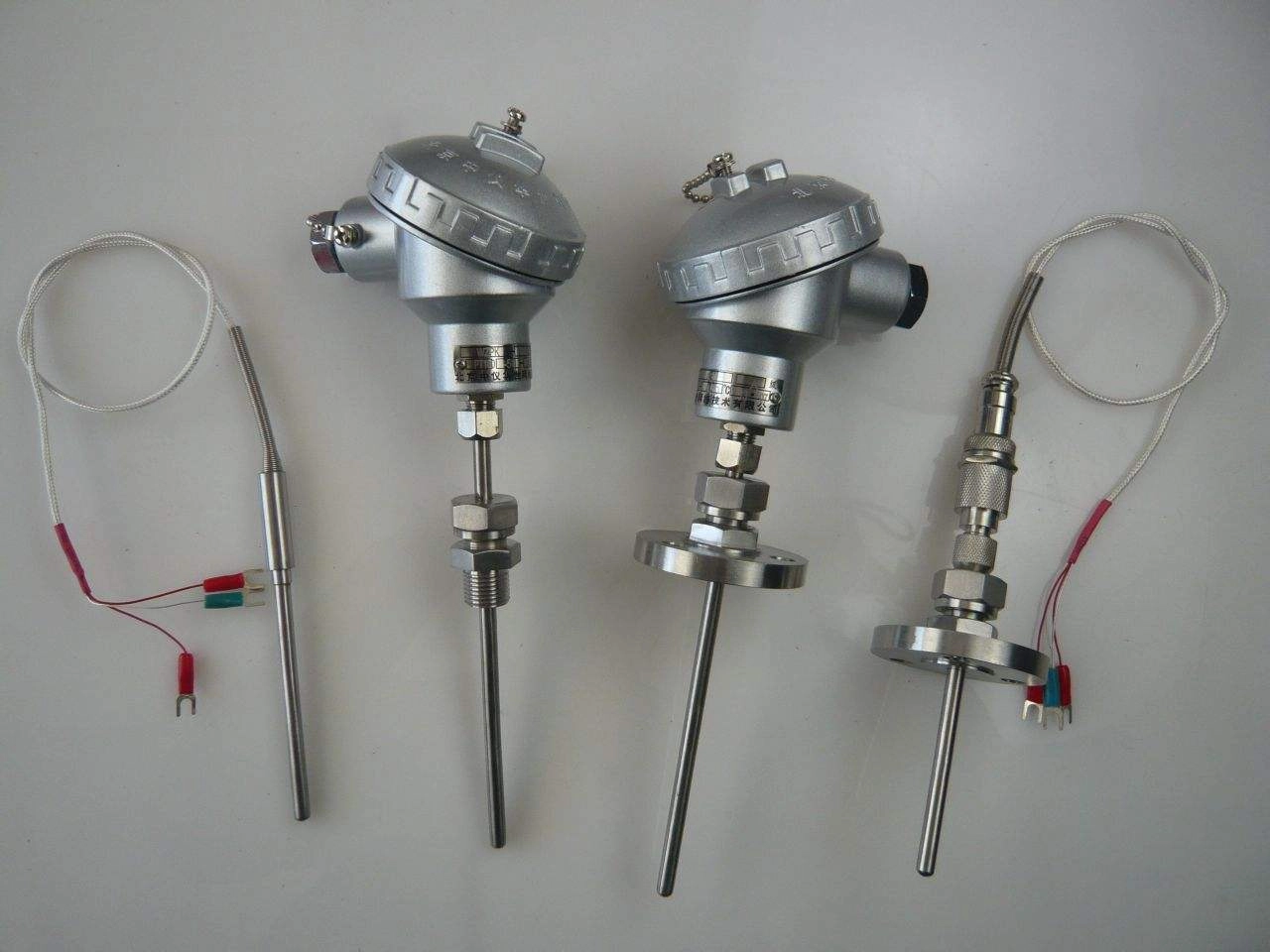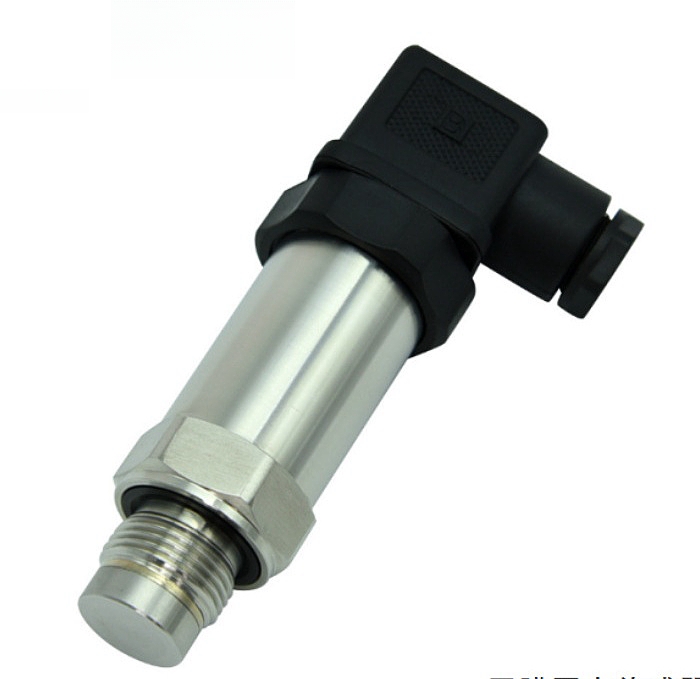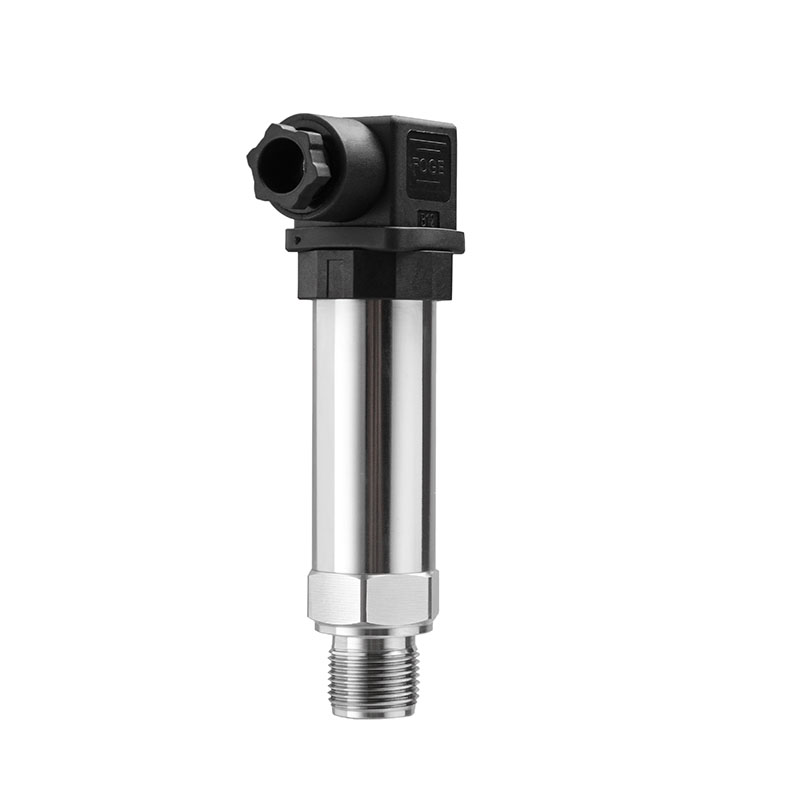
What is a Gas Pressure Transmitter
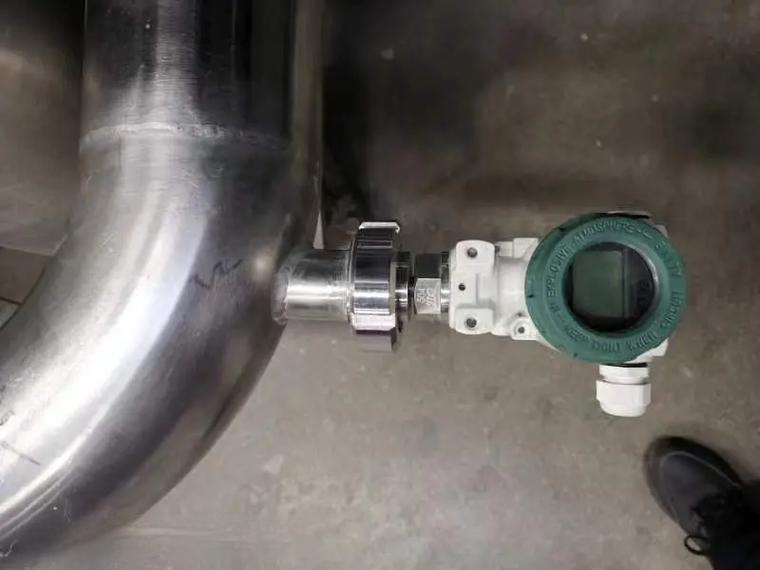
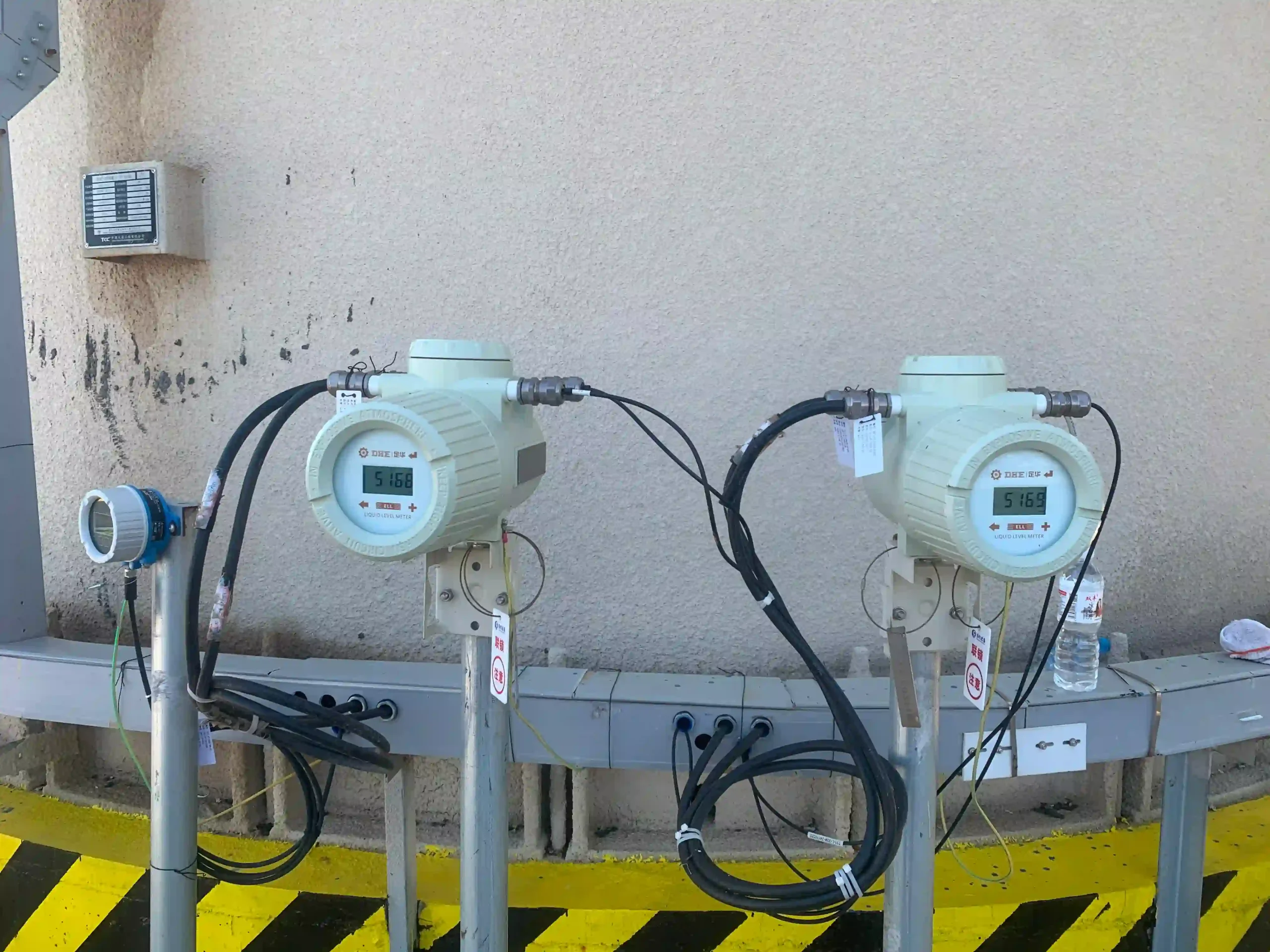
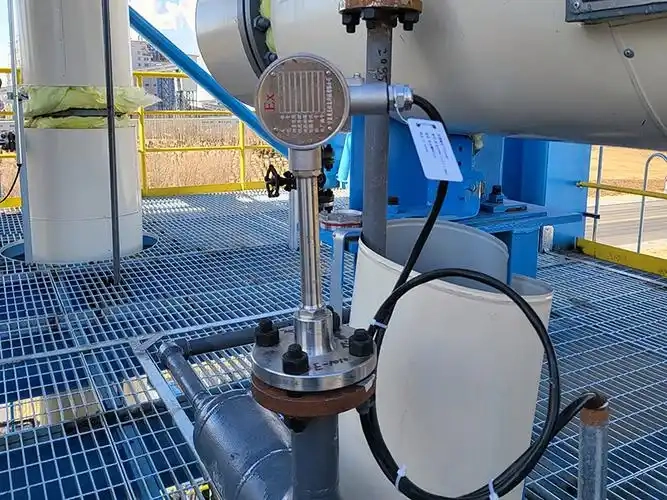
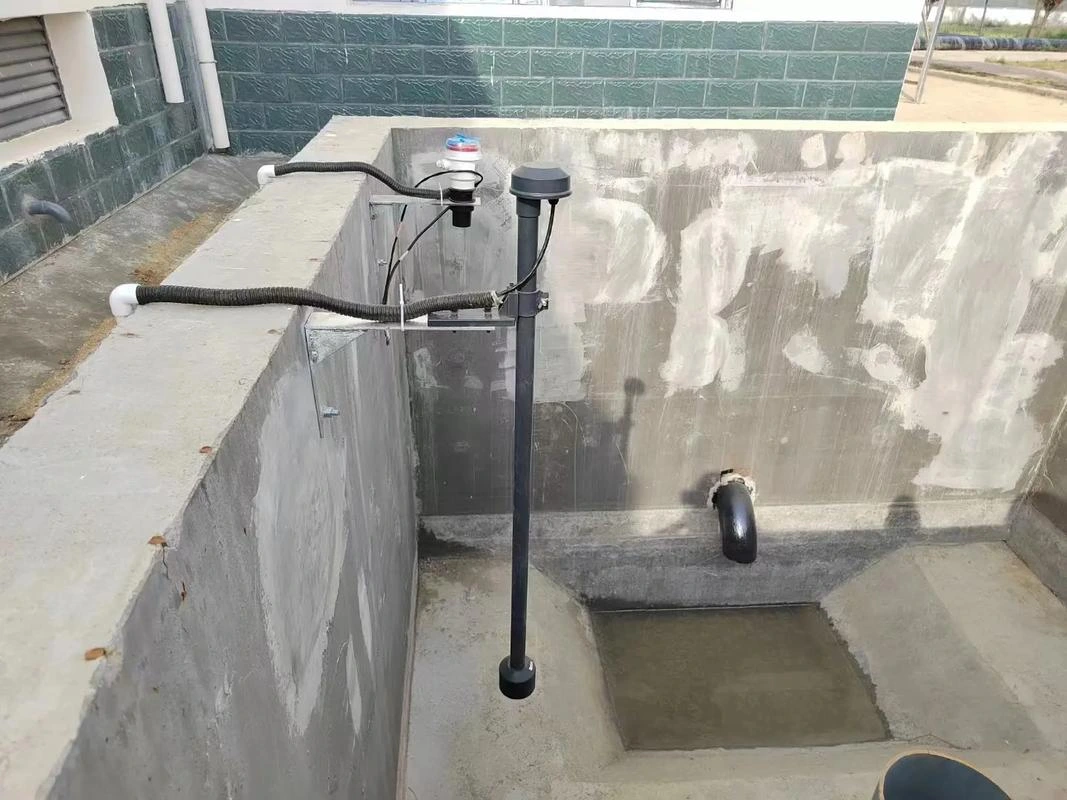
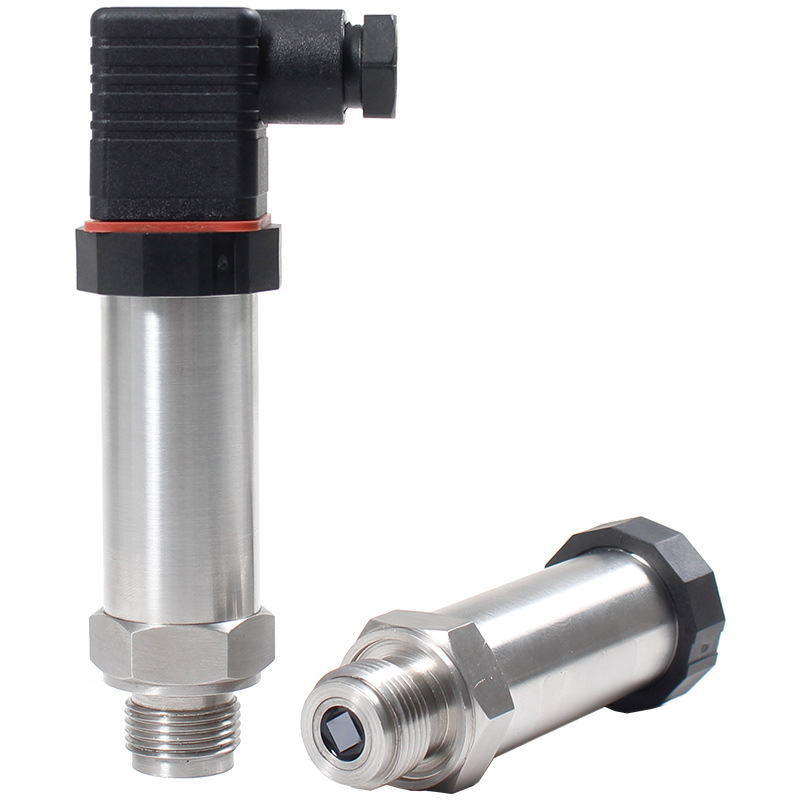
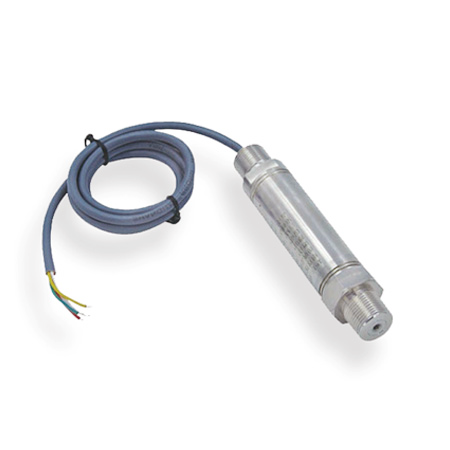
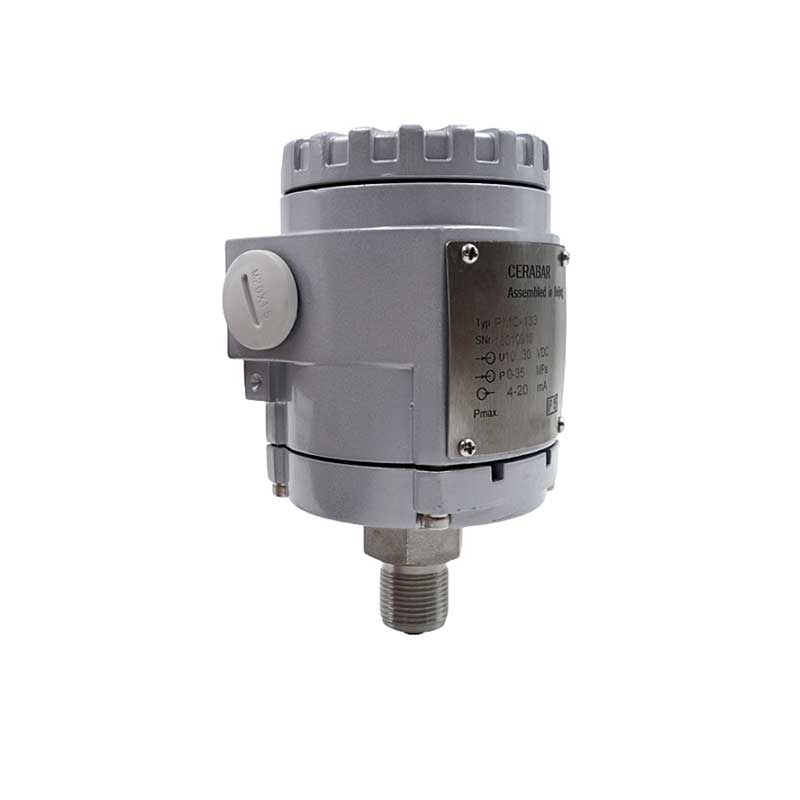
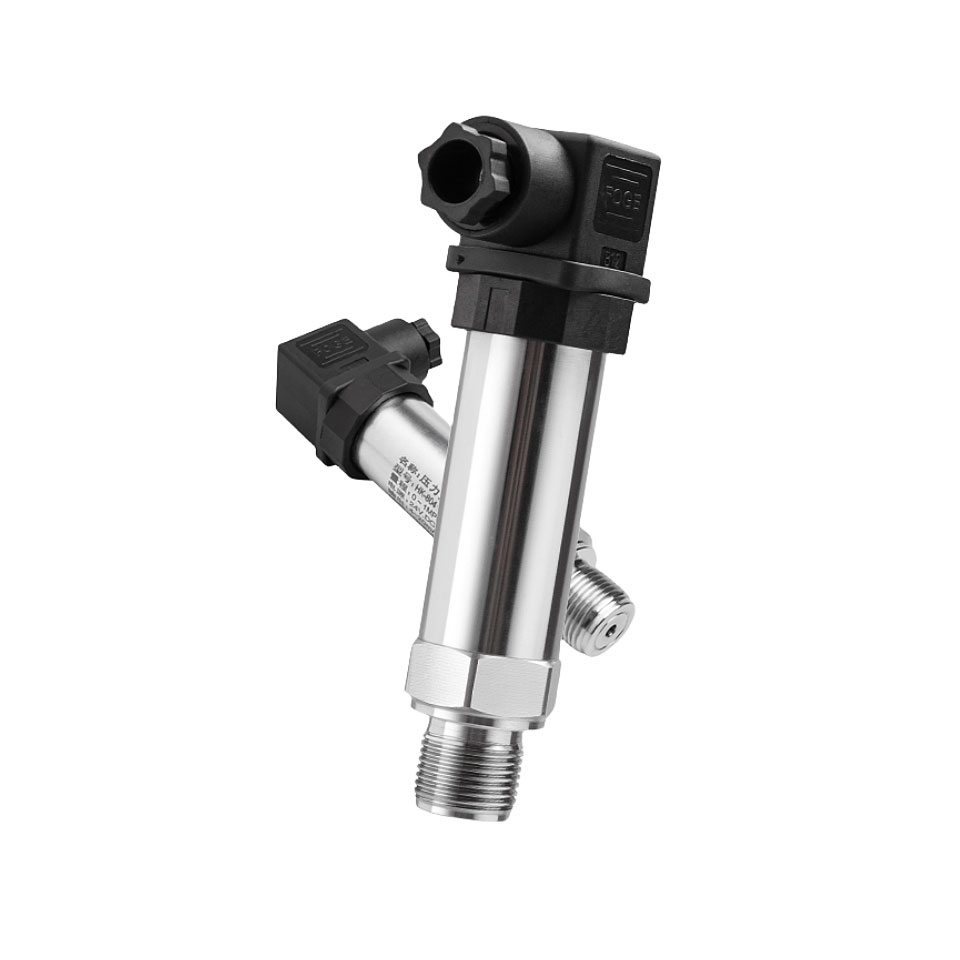
A gas pressure transmitter is an incredible device that has the amazing ability to convert gas pressure signals into measurable electrical signals.Its uses are extensive!From industrial automation to environmental monitoring, medical equipment to automotive electronics, and more, this incredible technology has so many applications.
Working Principle of Gas Pressure Transmitters
Gas pressure transmitters are a type of pressure transducer: they generate an electrical signal proportional to the measured pressure.This enables microprocessors, programmable controllers, computers, and other electronic devices connected to the transmitter to monitor pressure.The most commonly employed technology in gas pressure transmitters is the piezoresistive strain gauge, which utilises the piezoresistive principle. The core component of this transmitter is a diaphragm constructed from single-crystal silicon, polycrystalline silicon film, bonded metal foil, thick film, or sputtered film.
The diaphragm functions similarly to a semiconductor strain gauge: when pressurised by gas, it deforms, altering the material’s crystalline structure.This in turn alters the diaphragm’s electrical resistance, enabling the transmitter to reflect pressure variations as changes in current output.Other less common gas pressure transmitter technologies include capacitive (similar to piezoresistive but relying on changes in material capacitance), electromagnetic, piezoelectric (operating solely on pressure changes), optical, and potentiometric variants.
Types of Gas Pressure
Gas pressure transmitters can measure various types of gas pressure.
Gauge pressure is a really interesting concept.It’s measured relative to the surrounding atmospheric pressure, representing a pressure value referenced against atmospheric pressure. It shows the difference between the measured pressure and the local atmospheric pressure!
Vacuum pressure denotes the negative difference between the gas pressure at a specific locati0n and atmospheric pressure.Absolute pressure is measured from zero or ideal vacuum (0 PSI). Unlike gauge pressure, absolute pressure remains unaffected by the surrounding environment, which varies with altitude and other factors.
Differential pressure denotes the difference between two gas pressures—for instance, the pressure differential between two gas lines connected to the transmitter. Similar to gauge pressure, transmitters can measure gas pressure variations in both positive and negative directions (i.e., positive or negative differential values).
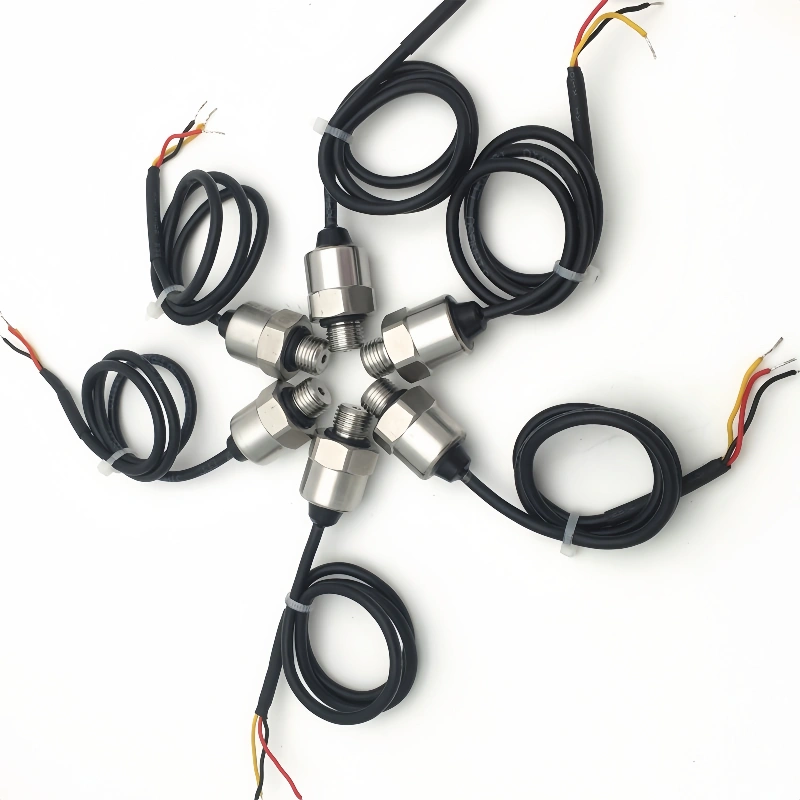
Practical Applications of Gas Pressure Transmitters
High-Temperature Combustion Gas Pressure
Gas pressure transmitters can measure high-temperature gases through pressure-conducting pipes integrated with cooling, condensation, or oil-filled isolation systems – a well-established and reliable method.Alternatively, transmitters employing specialised sensing elements feature sensor heads capable of briefly withstanding extreme temperatures. These are protected by robust cooling systems at the rear, enabling millisecond-level direct, high-speed dynamic pressure capture.
Sino-Inst offers bespoke high-temperature gas pressure transmitters. Conventional models withstand up to 850°C via cooling elements, while water-cooled variants measure gases up to 1200°C. For dynamic pressure applications, custom transmitters capable of handling 200°C are available.
Measuring Industrial Exhaust Gas Pressure
In the face of mounting environmental regulations, accurately measuring industrial exhaust gas pressure is more important than ever.This vital measurement helps to evaluate ventilation system performance, control pollutant emissions and ensure safe equipment operation.Monitoring exhaust emissions from factory chimneys is a great way to keep on top of the system and make sure it is functioning correctly.
The absence of effective pressure detection may lead to energy wastage, equipment damage, or even safety incidents.Gas pressure transmitters are the most commonly employed instruments for measuring industrial exhaust gas pressure, offering high precision, straightforward operation, and direct pressure value display. Instrument selection must consider measurement range, accuracy, and environmental adaptability—for instance, corrosion-resistant materials are essential for high-temperature exhaust gas detection.
Sino-Inst offers bespoke exhaust gas pressure transmitters rated for temperatures up to 850°C and pressures up to 700 MPa. Alternatively, customised combined temperature-pressure transmitters can simultaneously measure both pressure and temperature data within exhaust ducts.
Measuring Pressure in Corrosive Gases
Gas pressure transmitters employ corrosion-resistant isolation diaphragms to transmit the pressure of corrosive gases.The core component of such transmitters is a diaphragm crafted from ceramic material.This diaphragm exhibits elasticity while offering resistance to corrosion and wear, thereby enabling the measurement of corrosive gas pressures.Gas pressure transmitters provide complete isolation from corrosive gases, shielding the core components entirely from their effects. Only the diaphragm requires appropriate material selection. They offer high reliability and extended service life.
Commonly Used Corrosion-Resistant Materials for Pressure Transmitters
Metal Materials:
316L Stainless Steel: Exhibits excellent corrosion resistance, withstanding exposure to various chemicals.Suitable for most media in general chemical, food and beverage, pharmaceutical, and wastewater treatment industries.
Titanium Alloy: Exhibits exceptional corrosion resistance.Its performance surpasses most stainless steels in oxidising media such as air, seawater, nitric acid, sulphuric acid, and strong alkalis, effectively resisting corrosion.However, it carries a higher cost than 316L.
Hastelloy: Examples such as Hastelloy C276 are suitable for phosphoric acid environments at ambient temperatures and various organic acids (excluding hydrofluoric acid).However, it is unsuitable for alkaline environments or high concentrations of sulphates and nitrates.
Tantalum: Suitable for all media except hydrofluoric acid and strong alkalis.
Monel Alloy: Exhibits good corrosion resistance and strength, particularly tolerant to seawater and brine. Maintains stability in certain reducing acids and alkaline environments.
Non-metallic materials:
Polytetrafluoroethylene (PTFE): Exhibits exceptional corrosion resistance, withstanding virtually all chemicals including strong acids, alkalis, and oxidising agents. Features a low coefficient of friction, minimal media adhesion, and excellent self-cleaning and anti-clogging properties.
Polyvinylidene fluoride (PVDF): Exhibits excellent corrosion resistance and chemical stability, withstanding corrosion from various acids, alkalis, salt solutions, and organic solvents.It also possesses good mechanical strength and wear resistance.
Ceramic: Exhibits exceptional hardness and wear resistance alongside robust corrosion resistance, enabling stable operation under harsh conditions such as high temperatures, high pressures, and severe corrosion.
Semiconductor Materials:
Diffused Silicon: Manufactured based on the piezoresistive effect of monocrystalline silicon, it offers high precision, sensitivity, and frequency response with excellent corrosion resistance.Suitable for general applications across various media, it also demonstrates good compatibility with silicone oils.
Measuring the pressure of gases containing impurities
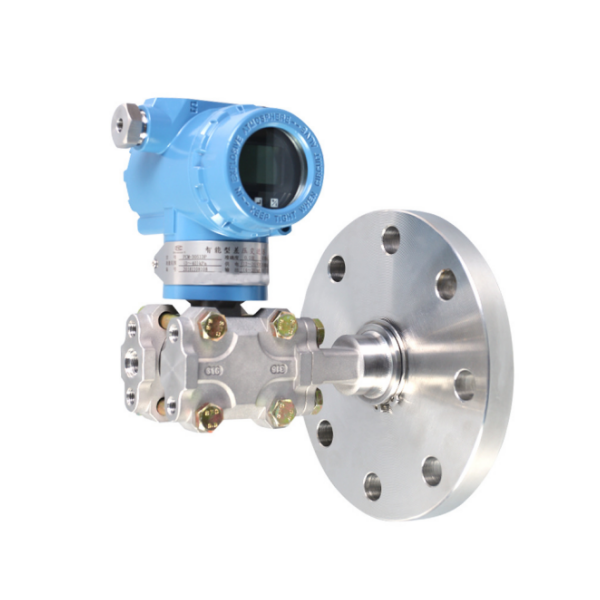
Gas pressure transmitters may be employed to monitor gases containing impurities such as dust, oil mist, moisture, fibres, and similar contaminants.The diaphragm seal within the gas pressure transmitter comprises a thin, flexible membrane that isolates the measured medium from the transmitter itself. Alternatively, a large-area process flange may be installed flush, with the diaphragm material (e.g., Hastelloy, Teflon-coated) directly contacting the process medium.Owing to the diaphragm’s large surface area, smooth finish, and flush mounting, viscous or solidifying contaminants are less likely to accumulate.This design renders the transmitter highly suitable for monitoring the pressure of contaminated gases.
Measuring Special Gases
Natural Gas
Gas pressure transmitters serve as vital measurement instruments extensively deployed throughout petroleum and natural gas exploration, extraction, transportation, and storage operations.Natural gas pressure transmitters not only monitor pressure fluctuations within systems but also provide timely alerts for potential safety hazards, ensuring the uninterrupted operation of production equipment.These transmitters must meet explosion-proof standards to guarantee safe functioning in potentially methane-explosive environments, such as those certified to EXD or EXIA explosion-proof ratings.
Hydrogen
Hydrogen pressure measurement differs from conventional gas pressure measurement.Whilst hydrogen lacks corrosive properties, it possesses exceptional permeation capabilities.Even in atmospheric conditions, hydrogen infiltrates the crystal lattice of metallic materials through various pathways.Under the combined effects of elevated temperatures, pressures, and concentrations, hydrogen permeation significantly intensifies.Within pressure transmitters, the diaphragm constitutes the primary component in contact with the medium. Typically measuring only 0.04–0.08mm thick, it represents the most vulnerable part of the transmitter.Hydrogen embrittlement in hydrogen pressure transmitters manifests chiefly in the diaphragm.Consequently, when measuring hydrogen pressure, the sensor diaphragm employs gold-plated processing. The core assembly features a fully welded structure. This configuration enables effective hydrogen pressure measurement.
Methane
Methane is a highly flammable and explosive gas.In methane-rich environments, even a single spark has been known to precipitate catastrophic consequences.Consequently, the utilisation of explosion-proof pressure transmitters or intrinsically safe pressure transmitters is imperative.The primary function of these transmitters is to avert the risk of internal combustion, thereby preventing the ignition of surrounding gases.
Recommendations for Selecting Gas Pressure Transmitters
A variety of gas pressure transmitters are available on the market.They differ in terms of application suitability, cost, underlying technology, physical dimensions, accessories, process connections, and manufacturing materials.
Measurement Range and Overload Capacity
The measurement range must cover the actual pressure values while incorporating a safety margin.This prevents equipment damage under abnormal operating conditions.
Accuracy Class and Long-Term Stability
Accuracy class indicates the transmitter’s measurement error, with common grades including ±0.1%FS, ±0.25%FS, and ±0.5%FS.
Media Compatibility
Gas measurement characteristics: Consider gas density, humidity, and potential corrosive components.For instance, moisture-laden gases require designs incorporating waterproof permeable membranes.
Standard Gases: For inert gases or air, standard 316L stainless steel is typically sufficient.Corrosive Applications: For corrosive gas pressure sensors, select diaphragms made from Hastelloy C or Monel alloy.
Hydrogen: Standard steel diaphragms are susceptible to hydrogen embrittlement. Use dedicated hydrogen pressure transmitters with gold-plated or special alloy diaphragms to prevent metal cracking.
Oxygen: Safety is paramount.Oxygen pressure transmitters must be strictly ‘oil-free’ and undergo specialised cleaning for oxygen environments to prevent explosions.
Environmental Adaptability
Temperature Range: Standard (-20°C to 85°C) suits indoor scenarios; wide-temperature (-40°C to 120°C) is designed for outdoor piping in northern winters.
Protection Rating: IP65 is standard.For exposed or dusty environments, upgrade to IP68 to prevent ingress of rainwater or dust.
Output Signal and Communication Interface
Analogue Output (4-20mA): High interference resistance, suitable for long-distance transmission to PLCs or controllers.
Digital Output (RS485/Modbus): Facilitates integration into IoT platforms or host computer systems, supporting remote monitoring and parameter adjustment.
Installation Method and Response Time
Installation Orientation: Pressure transmitters must be mounted vertically on horizontal pipelines to prevent sedimentation from affecting measurements.
Response Time: The duration from pressure change to stable output signal must be ≤500ms to accommodate rapid process control.
Highly Corrosive Environments
Material Selection: The utilisation of Hastelloy, tantalum or PTFE has been observed in the manufacture of diaphragms.
Process connections, on the other hand, are typically made using 316L stainless steel or specialised coatings.
Sealing Design: Double O-ring seals or welded structures prevent corrosive media ingress into the sensor.
High-Temperature or Low-Temperature Environments
Temperature Resistance: Ceramic diaphragms or high-temperature sensors are required for high-temperature scenarios (>150°C).Materials must be verified for low-temperature brittleness in environments below -40°C.
Cooling Devices: Install cooling jackets or heat sinks for high-temperature medium measurement; employ freeze-proof transmitters in cryogenic scenarios.
High-Viscosity or Particulate-Containing Media
Diaphragm Design: Utilise flat or convex diaphragms to minimise medium adhesion, complemented by pre-filters or flushing mechanisms.Self-Cleaning Functionality: Transmitters must support backflush or ultrasonic cleaning to prevent particulate blockages affecting measurement accuracy.
FAQ
Common Faults and Solutions for Pressure Transmitters
During operation, pressure transmitters may encounter certain common issues. Below are some faults and their corresponding solutions:
1.Unstable signal: This may be caused by poor connections or unstable power supply.Inspect the connection cables and power source.
2.Inaccurate readings: This may result from sensor ageing or improper calibration.Regular calibration of the equipment is recommended.
3.Equipment damage: If the transmitter has suffered excessive impact or overload, it may be damaged. Replace the equipment promptly to avoid affecting system operation.
How to maintain pressure transmitters?
Maintaining pressure transmitters is crucial for ensuring their long-term stable operation.Here are some maintenance tips:
1.Regularly inspect wiring and connection ports to ensure there is no looseness or corrosion.
2.Calibrate periodically to ensure the accuracy of readings.
3.Give the transmitter a clean to get rid of any dust and dirt that might affect how it works.
4. Keep an eye on the equipment and note down the details of any maintenance sessions so we’ve got a record of its conditio.
Precautions for Using Pressure Transmitters
Precautions for Using Pressure Transmitters
1.Make sure there’s no debris collecting on the inside, and keep the transmitter away from anything that could damage it, like corrosive substances or extreme heat.
2.When measuring gas pressure, the pressure tapping point should be located at the top of the process pipe, with the transmitter also installed in the upper section of the process pipe to facilitate the drainage of accumulated liquids back into the process line.
3.When measuring liquid pressure, the pressure tapping point should be located on the side of the process pipe to avoid sediment accumulation.
4.The pressure-conducting pipe should be installed in an area with minimal temperature fluctuations.When measuring liquid pressure, the transmitter installation position should avoid liquid impact to prevent damage from overpressure.
In addition to standard products for gas pressure measurement, Sion-Inst can provide bespoke products and solutions tailored to customers’ unique requirements.Gas pressure sensors and transducers for measuring other industrial gases, such as chlorine, are also available as optional configurations.Natural gas finds extensive application in industrial process control, encompassing transportation, storage, and specific equipment such as pipelines and skid-mounted installations.
Sion-Inst supplies pressure sensors, pressure transmitters, and sensors for natural gas pressure measurement to ensure safe operation.Beyond industrial gases, we provide specialised pressure measurement products and solutions for other fluid media including oil, water, and beverages.