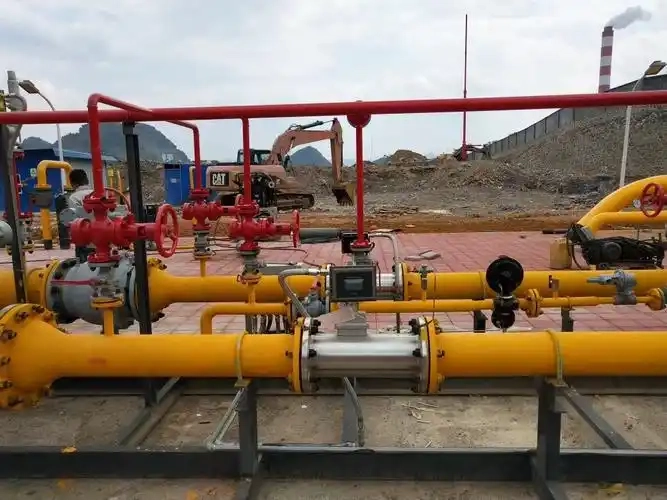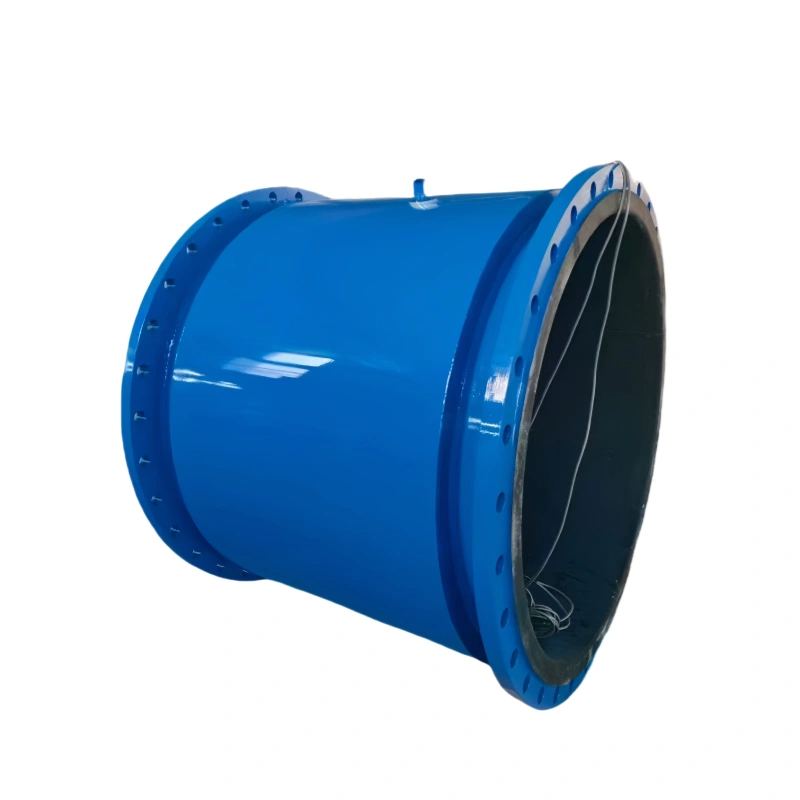
In industrial production, scientific research, pharmaceuticals, food processing and numerous other fields, measuring flow rates under low-flow conditions presents a seemingly fundamental yet highly challenging task. Low flow is usually defined as a flow rate of less than 5 m³/h (for liquids) or between a few millilitres and tens of litres per minute (for gases). This is different from normal flow scenarios, where the flow rate is usually higher. In these situations, things don’t move as smoothly, and signals are weak, which can make it hard for regular flow meters to do their job properly.
Challenges in Low Flow Measurement
Firstly, low-flow measurement is very sensitive to changes in the environment. Things like pipeline vibrations, air bubbles and temperature fluctuations can all mess up the accuracy of the measurement. At the same time, difficult outdoor conditions like humidity and high temperatures are another test for the meter’s stability and protective abilities, and they can have a big effect on the results. This makes low-flow measurement much more difficult than measuring flow with a regular gauge.
Secondly, medium compatibility poses significant challenges. Low-flow scenarios often involve specialised media such as pharmaceutical-grade water for injection, high-viscosity chocolate paste in food processing, or ultrapure water in semiconductor manufacturing. These media demand either exceptional cleanliness or exhibit high viscosity and corrosiveness, placing stringent requirements on flow meter materials and construction. The slightest oversight can lead to medium contamination or instrument damage.
On top of that, the signal’s not strong enough. At low speeds, the fluid doesn’t really interact much with the sensors. Whatever they’re doing, whether it’s using pressure, vibrations or temperature changes, signals can be really easily messed up by the environment. This can lead to big differences in measurements and too many errors. For instance, normal turbine flowmeters operating below 0.05 m/s experience Reynolds numbers falling below critical thresholds, causing big increases in non-linear errors. These conditions just aren’t precise enough for accurate measurement.
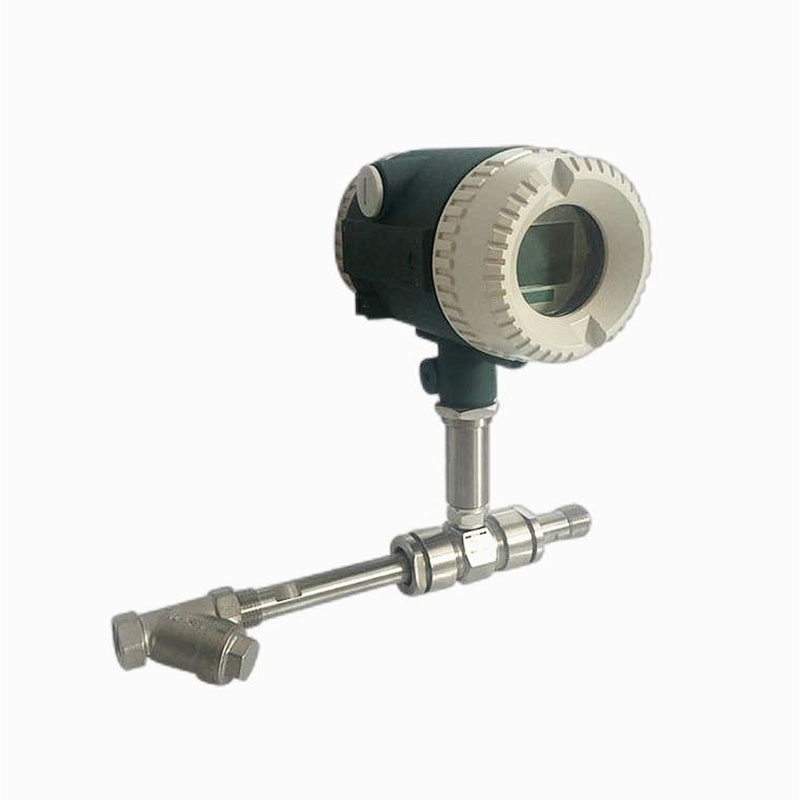
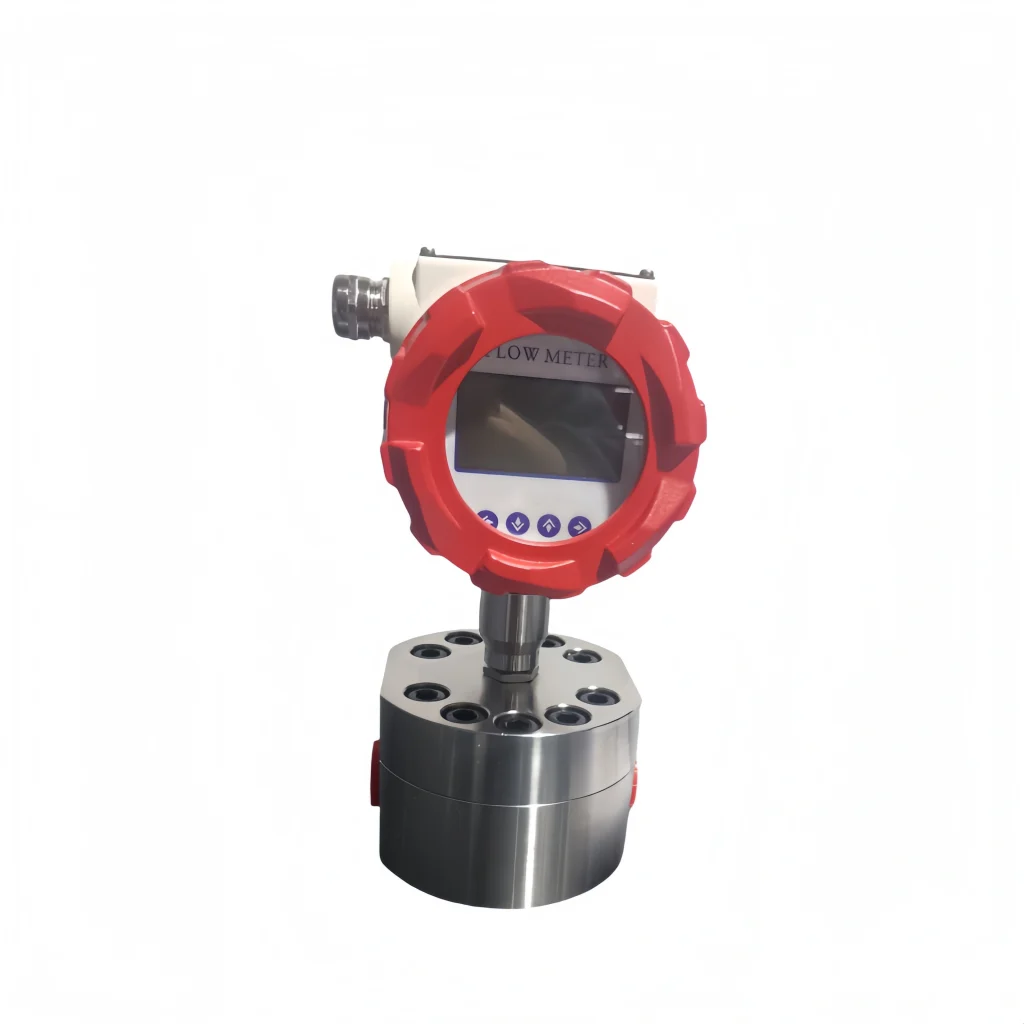
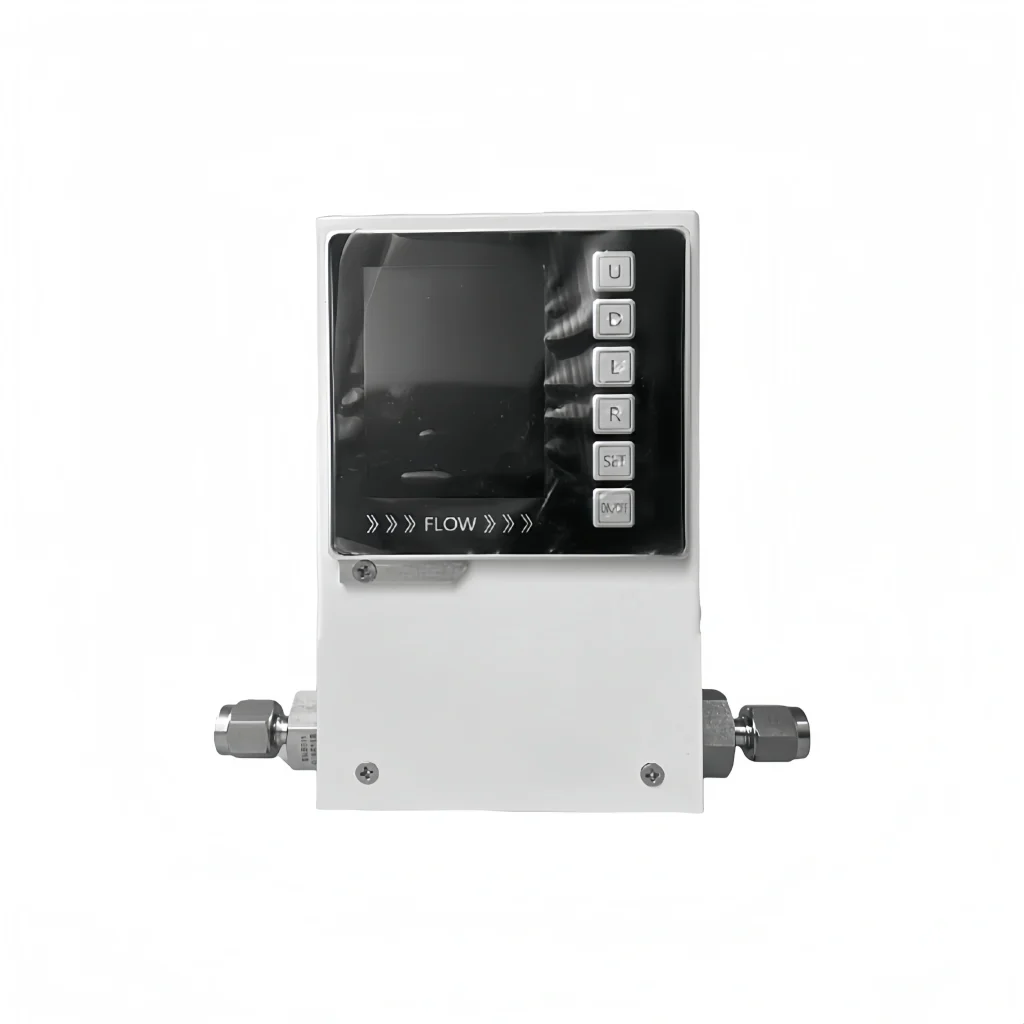
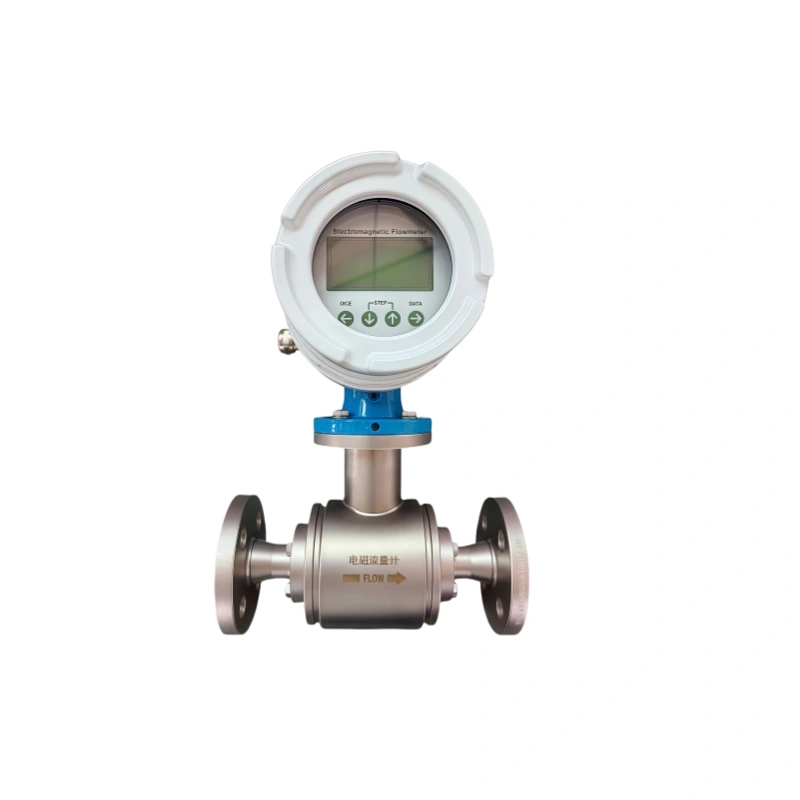
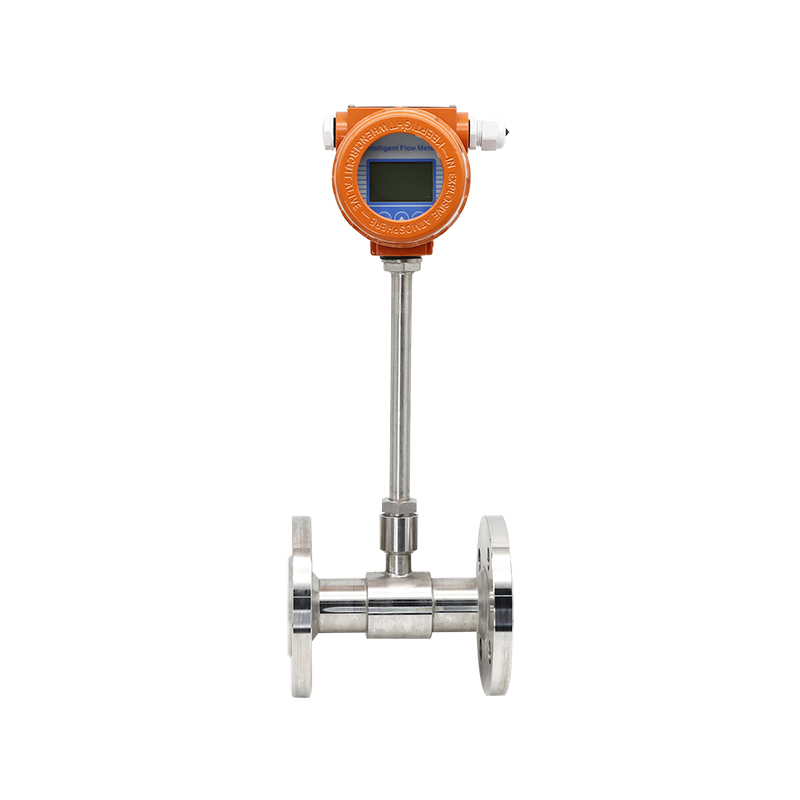
Flow meters suitable for low flow conditions
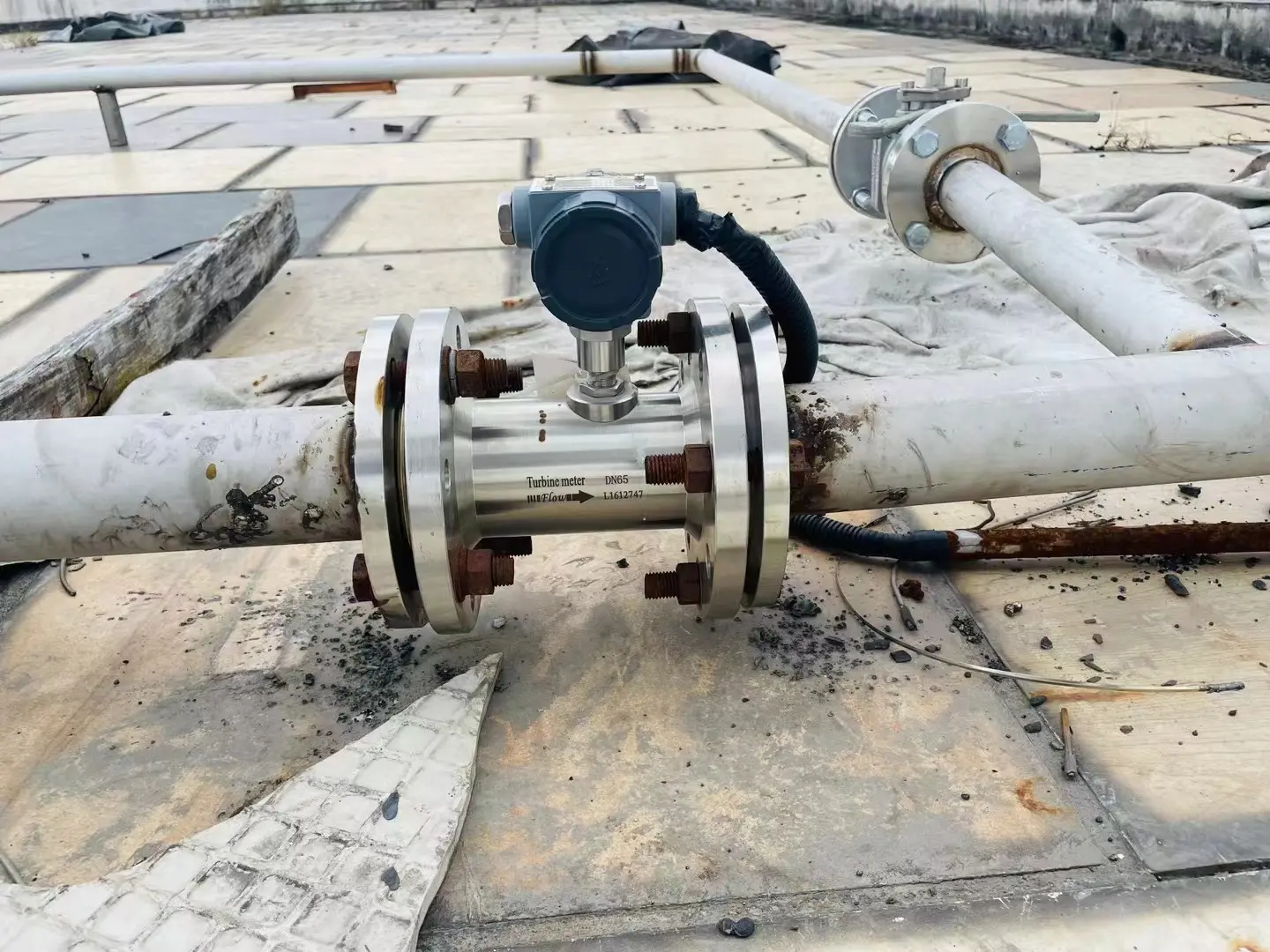
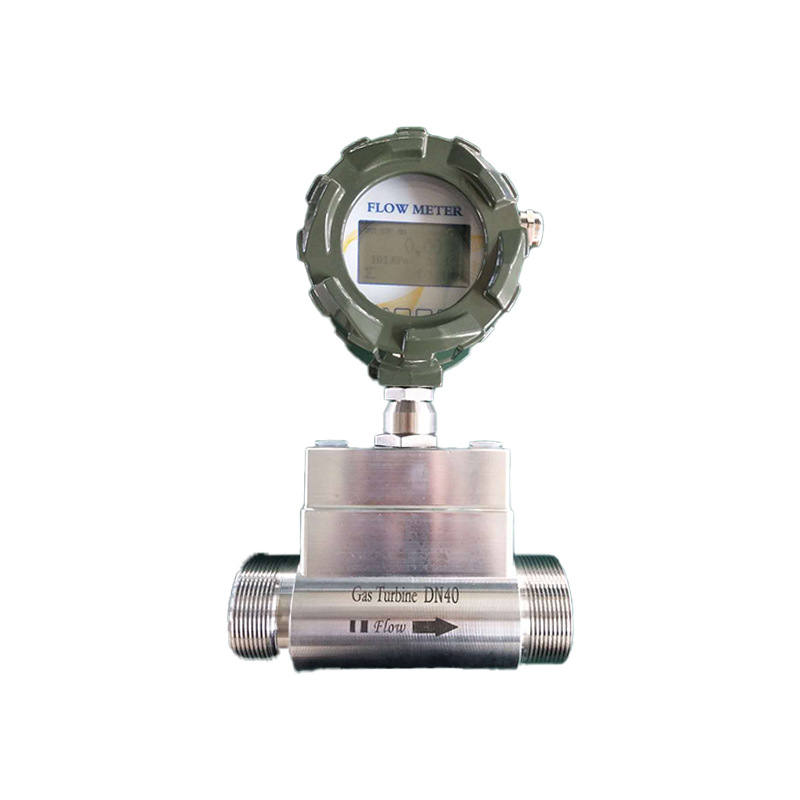
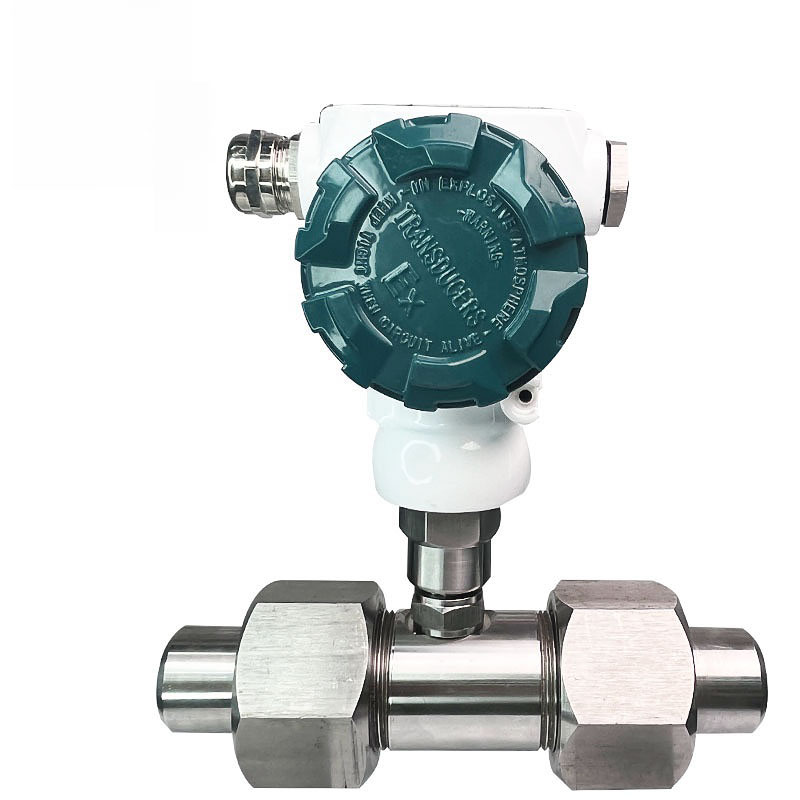
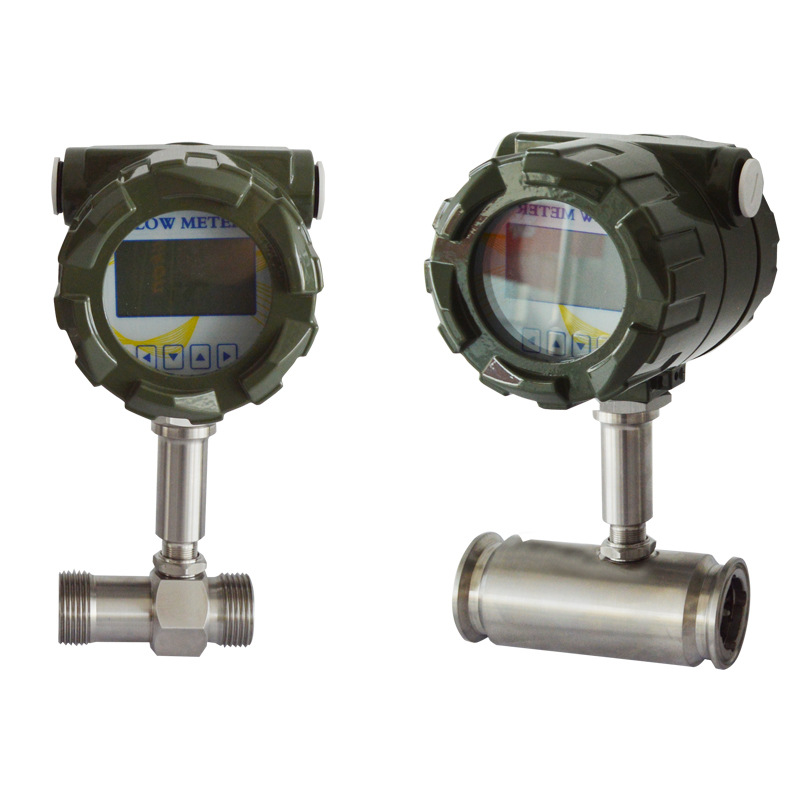
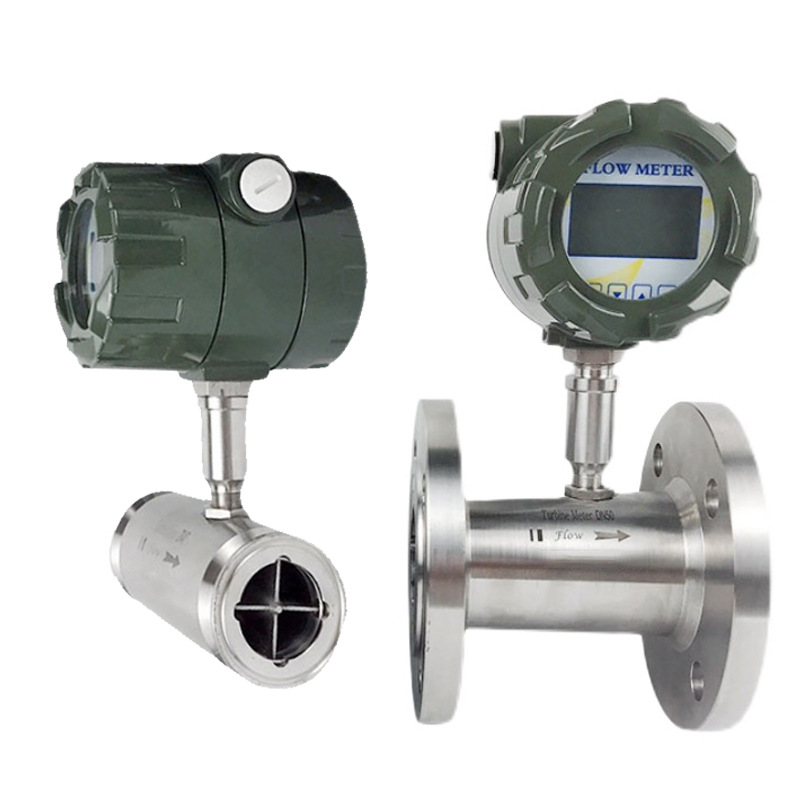
Turbine flow meters
Core principle:
Based on the conservation of angular momentum, the fluid impels turbine blades to rotate. The turbine rotational speed is directly proportional to the fluid flow rate. By detecting the rotational speed, the flow rate is calculated. Suitable for medium-to-high precision measurement of minute flow rates.
Core advantages:
Rapid response with strong real-time capability. Responds swiftly to flow variations, capturing minute instantaneous fluctuations in low flow rates. Suitable for scenarios requiring dynamic monitoring of low flow rates.
It’s highly accurate and can be used in a lot of different ways. Standard models achieve ±1.0%FS accuracy, while premium models reach ±0.5%FS. It’s great for measuring low flow rates of clean liquids and gases, with turndown ratios ranging from 10:1 to 100:1.
It’s nice and compact, perfect for tight spots. It’s small, so it’s easy to install, and it can measure micro-pipes and portable devices, which makes it really versatile.
There are also a variety of signal outputs, making it easy to integrate the system. It can produce pulse or 4-20mA analogue signals, which makes it easy to incorporate into DCS/PLC systems for remote monitoring and control.
Points to note:
There are more errors when the flow rate is low, and there are blind zones where you can’t measure.
It needs a medium level of cleanliness, because particulate impurities can wear turbine blades.
It’s significantly influenced by medium viscosity, so it’s not suitable for highly viscous fluids.
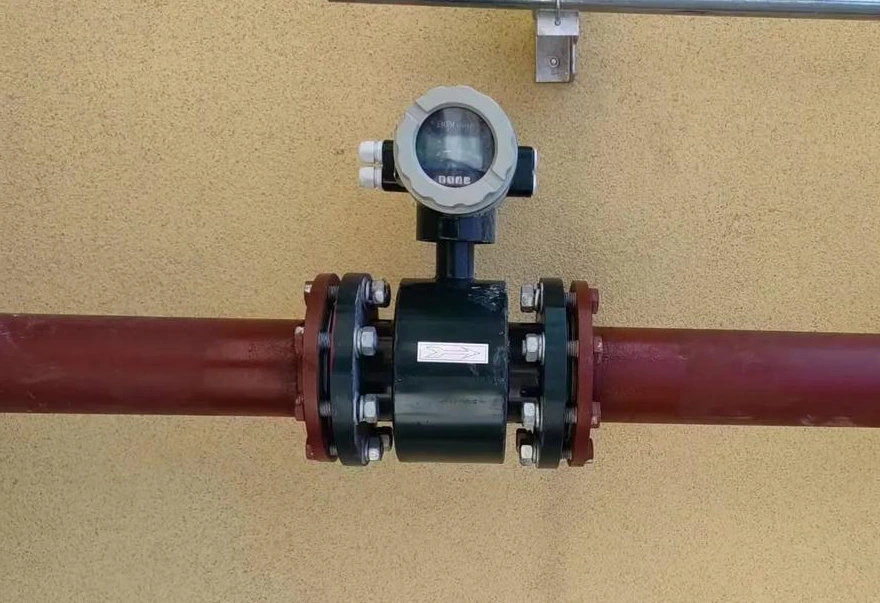
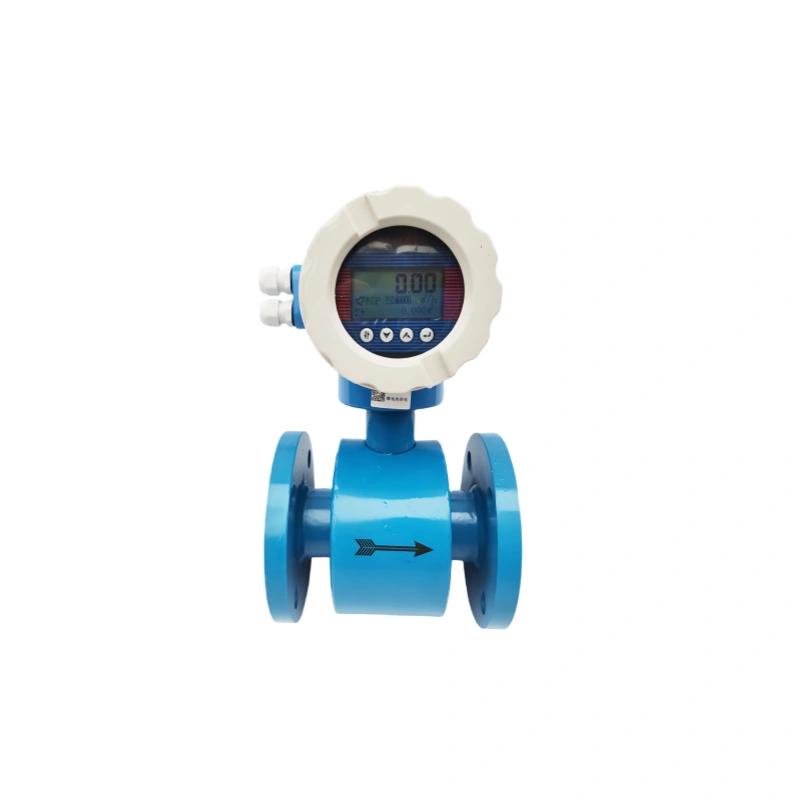
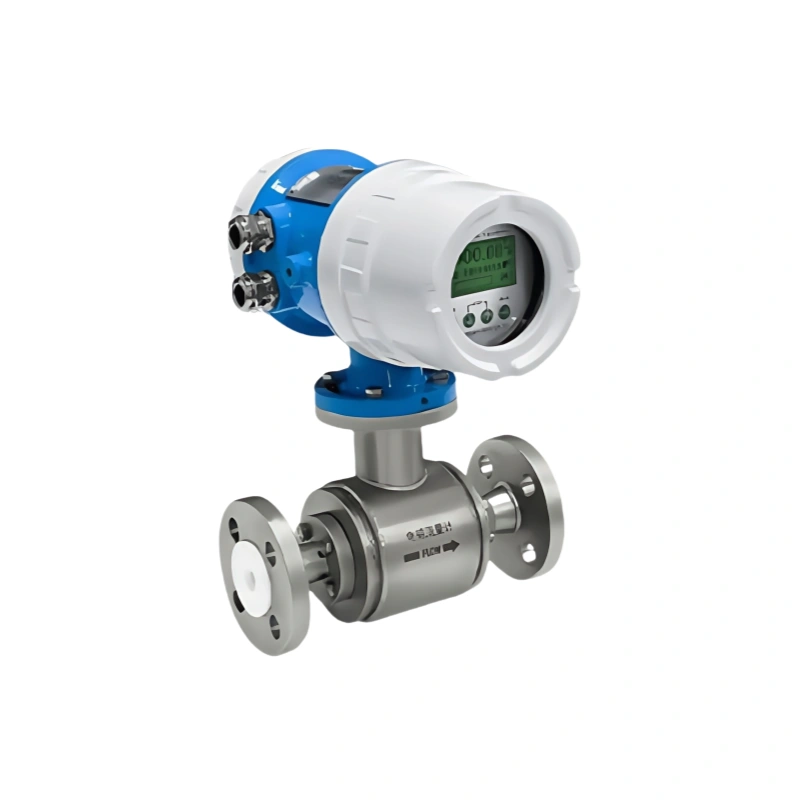
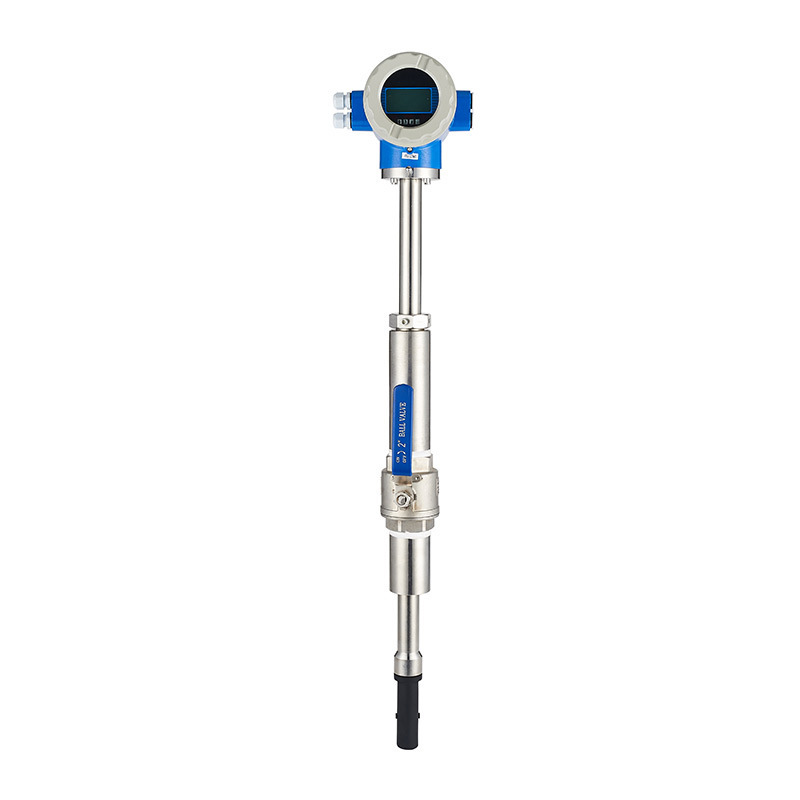
Electromagnetic Flowmeter
Core Principle:
Operates on Faraday’s law of electromagnetic induction, measuring the voltage induced in conductive liquids within a magnetic field to calculate flow rate. Applicable only to conductive liquids with conductivity ≥5μS/cm.
Core Advantages:
Exceptional adaptability at low flow rates. Compared to other flowmeters, it reliably measures velocities as low as 0.01 m/s with no measurement blind zones, accurately capturing minute fluctuations in low-flow ranges to meet metering demands for conductive liquids at minimal flow rates.
Zero pressure loss, suitable for pressure-sensitive systems. With no mechanical throttling components, it does not alter the fluid flow state, resulting in no pressure loss. This makes it ideal for pressure-sensitive delivery systems in low-flow scenarios, preventing production processes from being affected by pressure variations.
High accuracy and strong anti-interference capability. Premium models achieve measurement errors as low as ±0.2% with excellent repeatability. Paired with dedicated signal processing modules, they effectively resist environmental electromagnetic interference, making them suitable for low-flow measurement in complex industrial environments.
It’s resistant to corrosion and works with a variety of conductive materials. It works well with Hastelloy, titanium alloy electrodes, and PTFE/F46 linings, and is great for corrosive conductive media such as acidic/alkaline solutions and salt solutions. It also ticks all the boxes when it comes to clean environment requirements, like measuring ultra-pure water.
Points to note:
Not suitable for non-conductive liquids. Ensure straight pipe sections during installation to prevent bubble accumulation. Implement shielding in strong electromagnetic field environments.
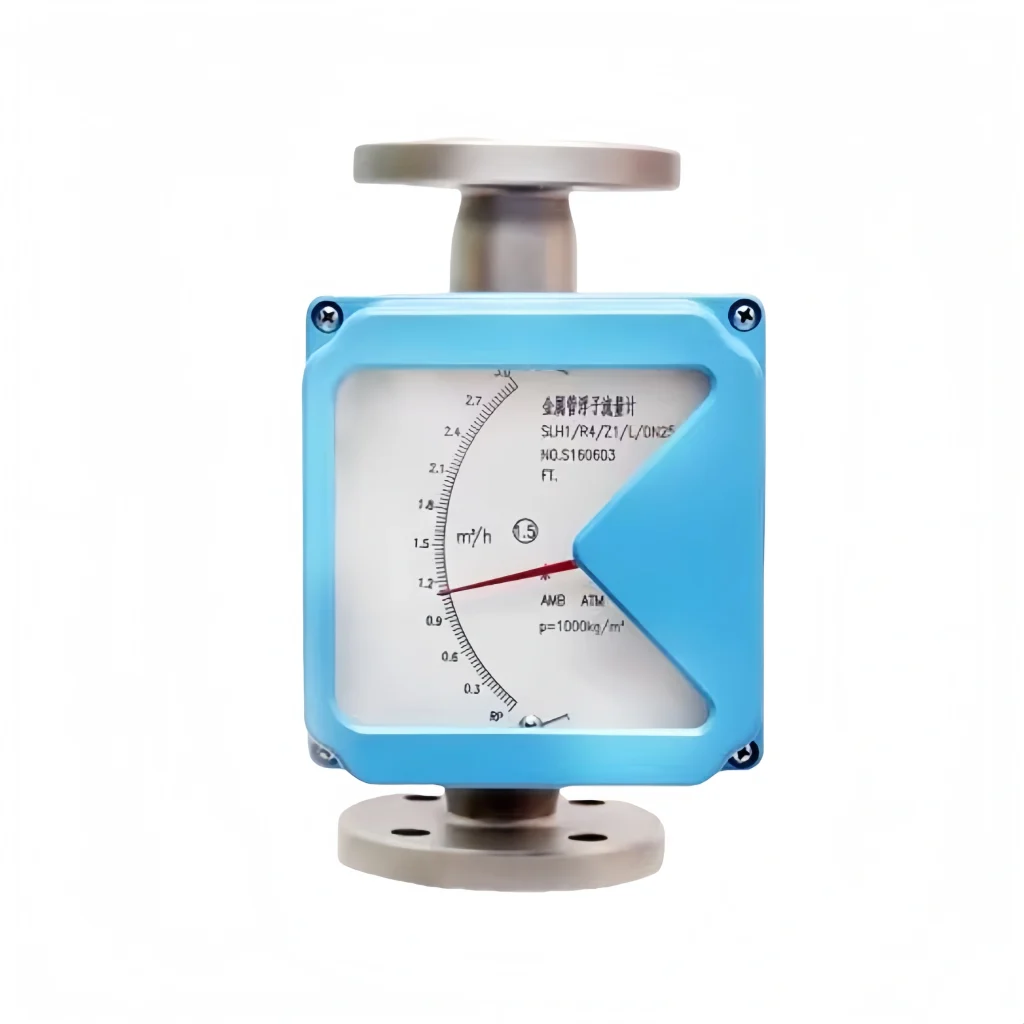
Metal Rotor Flow Meter
Core Principle:
The fluid uses the principles of buoyancy and gravitational equilibrium to push the rotor up or down inside a cone-shaped tube. The rotor’s position is directly related to the flow rate, which is then measured using special scales. This makes it a very good, cheap way of measuring very small amounts of liquid.
Core Advantages:
Simple structure with outstanding cost-effectiveness. It doesn’t have any complex electronic parts, so it’s cheap to make and easy on the pocket. It’s perfect for using in lots of low-flow monitoring setups.
It can measure over a wide range without any gaps. A turndown ratio of 10:1 to 20:1 is great for measuring anything from millilitres to tens of litres per minute, whether it’s liquid or gas. It’s really versatile!
Installation is straightforward with excellent adaptability. Its compact size permits horizontal or vertical mounting, making it suitable for space-constrained micro-flow applications. No complex installation or commissioning is required, ensuring low operational complexity.
Points to Note:
Medium cleanliness is required to prevent impurities from blocking the conical tube or jamming the rotor. Measurement accuracy is moderate, rendering it unsuitable for high-precision metering applications. Performance is influenced by medium density and temperature, necessitating prior calibration.
GF Gear Flow Meter
Core Principle:
Operates on volumetric measurement principles. The fluid makes a pair of precision gears rotate in a meshing motion. Each gear revolution displaces a fixed fluid volume. You can calculate flow rate by counting gear revolutions, which makes it a key instrument for measuring micro-flow with a high level of precision.
Core Advantages:
It’s always the same and very precise. The margin of error for measurement can be as low as ±0.5% FS, with the best models achieving ±0.1% FS. Its reliability makes it perfect for use in demanding applications that require precise measurement of small liquid flows, such as in the pharmaceutical and chemical processing industries.
High adaptability to high-viscosity media. Capable of stable measurement across a broad viscosity range, particularly suited for metering high-viscosity liquids at minute flow rates, overcoming compatibility limitations of other flow meters.
It is strong and does not rust easily, making it perfect for use with specialised media. Made from materials that do not rust, such as stainless steel and Hastelloy, it can deal with acids, alkalis and organic solvents. This makes it perfect for the chemical and pharmaceutical industries.
It works well and will last a long time. The gears are made to a very high standard using special machines, so they don’t wear out, leak or fail to seal. It’s perfect for measuring small flows over a long time, with maintenance that can be done every 6-12 months.
Points to note:
It needs to be kept really clean to stop particles from damaging the gears.
It’ll set you back a few more pounds than a metal rotor flowmeter, but it’ll do the job better for very precise measurements.
It can’t be used to measure gas-liquid two-phase fluids.
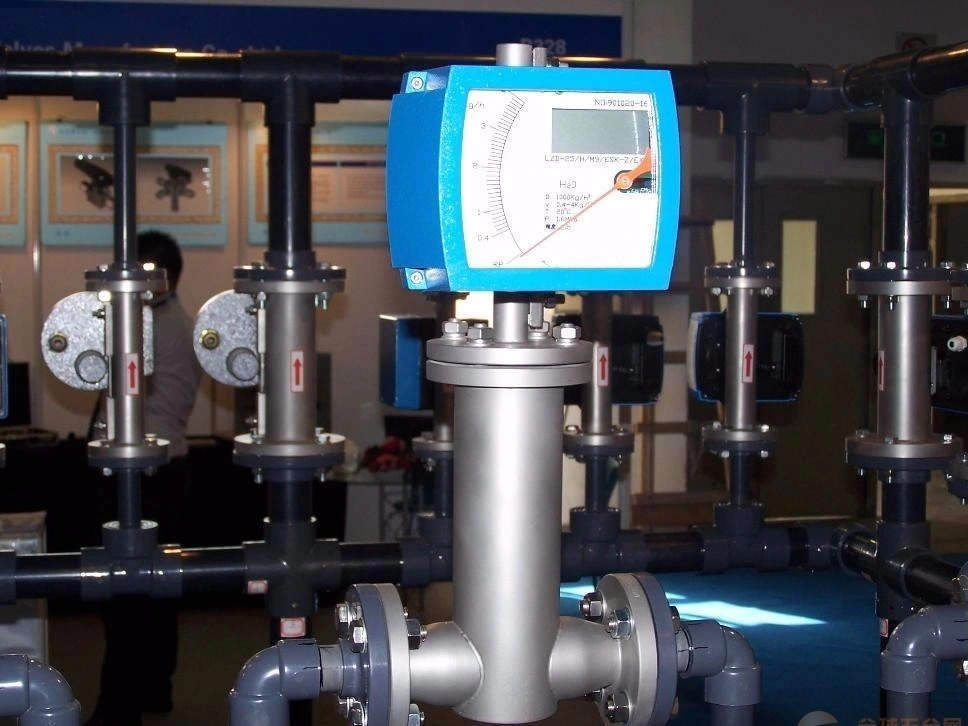
Mass Flow Meters
Mass flow meters constitute a core category for high-precision measurement of minute flow rates, primarily categorised into Coriolis mass flow meters and thermal mass flow meters. These two types complement each other, catering to different scenarios involving minute flow rates.
Coriolis Mass Flow Meters
Core Principle:
By measuring the Coriolis force generated when fluid flows through a vibrating tube, the measuring tube undergoes torsional deformation. The magnitude of this deformation is directly proportional to the fluid’s mass flow rate, enabling direct mass flow measurement. Simultaneously, it accommodates density and temperature measurement, establishing it as the core instrument for high-precision measurement of minute flows.
Core Advantages:
This is a high-precision measurement tool that’s really reliable. It won’t be affected by temperature, pressure or viscosity, so it’s great for liquids, gases, high-viscosity media and microflows with trace impurities. It’s got no moving parts, so it’s low-maintenance and you can measure multiple parameters at the same time for a comprehensive, precise monitoring experience.
Considerations:
Higher cost with stringent installation requirements necessitating vibration avoidance; ideal for microflow applications prioritising accuracy with adequate budget.
Thermal Mass Flow Meter
Core Principle:
Utilises the correlation between heating element dissipation rate and fluid flow rate. Classified into constant power and constant temperature difference methods. Directly measures gas mass flow without additional temperature/pressure compensation, suitable for minute gas flow measurement.
Core Advantages:
Wide turndown ratio, stably measures ultra-low gas flows from millilitres per minute to tens of litres per minute; low pressure drop, compatible with pressure-sensitive minute gas delivery systems; Rapid response with robust interference resistance; compact design for straightforward installation and maintenance.
Points to Note:
Sensitive to variations in fluid thermal conductivity; unsuitable for complex mixed gases. When measuring liquids, prevent medium adhesion to heating elements to maintain accuracy.
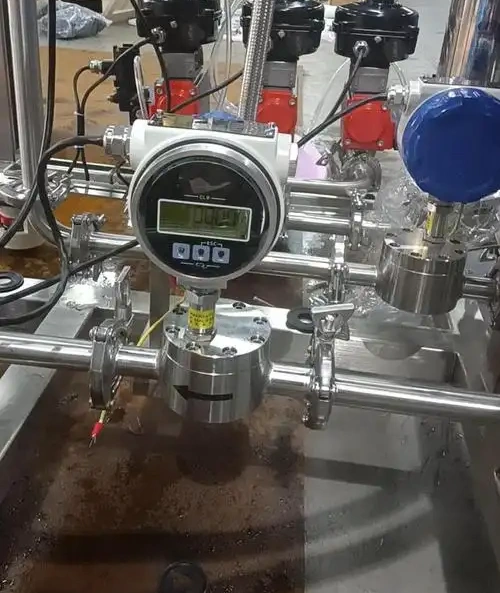
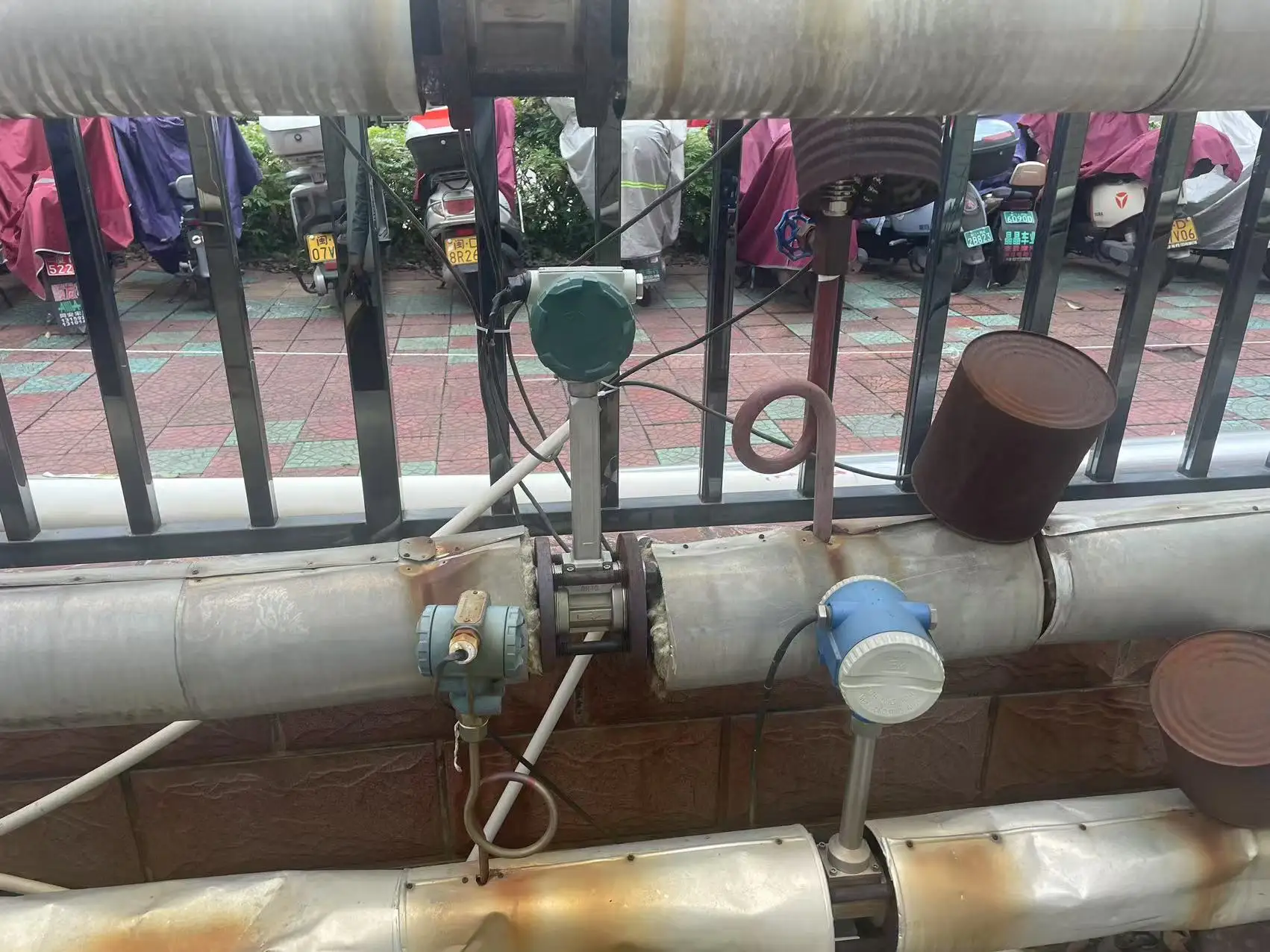
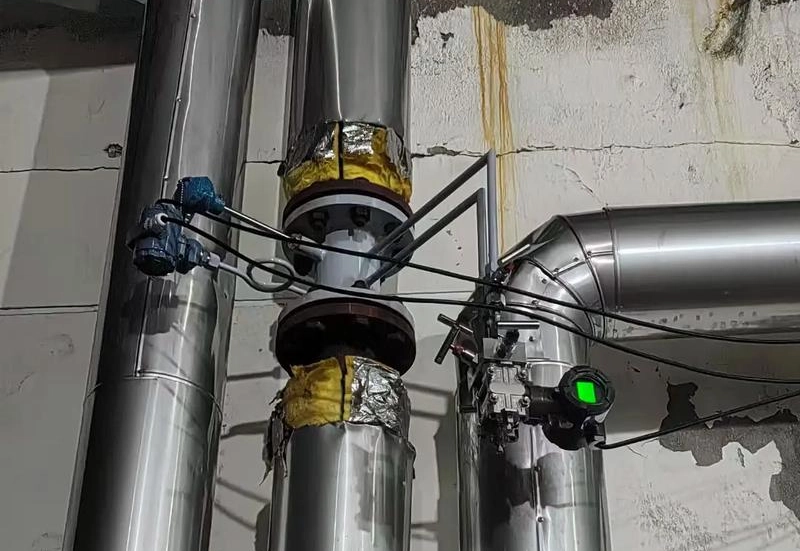
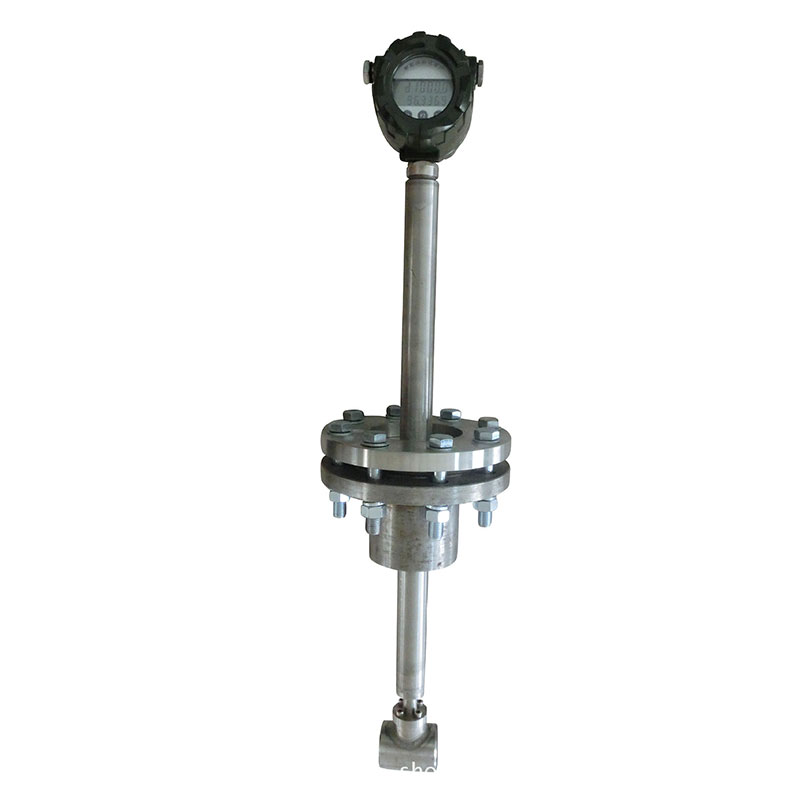
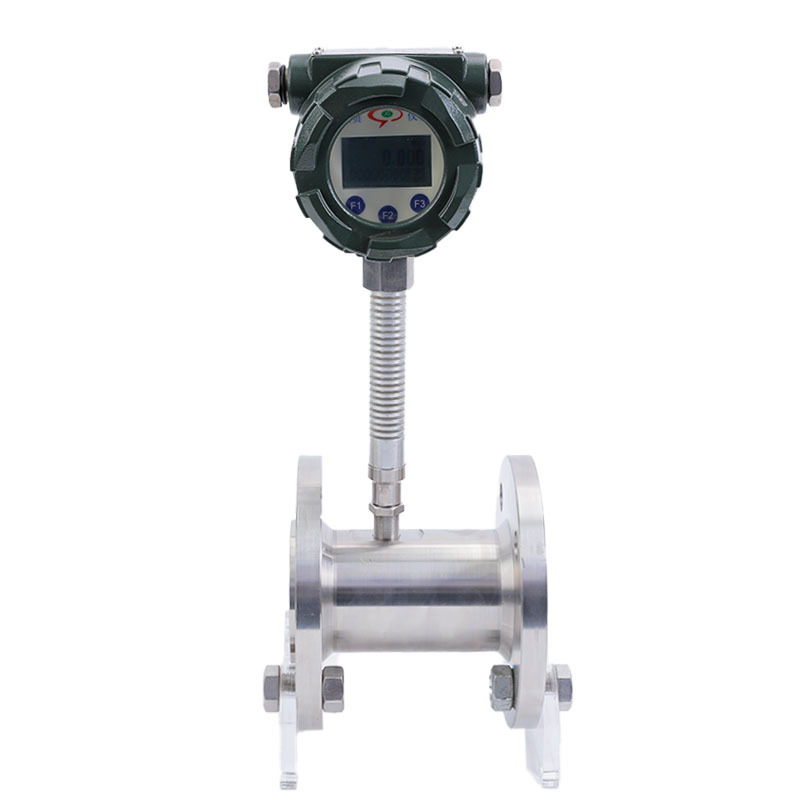
Addressing core flow measurement requirements across industries, Sion-Inst delivers comprehensive customised solutions. Leveraging a full range of low-flow meters—including vortex, electromagnetic, Coriolis, and thermal models—we combine expert selection guidance, standardised installation and commissioning, and comprehensive after-sales maintenance to meet diverse application-specific needs. We look forward to collaborating with industry partners to deepen expertise in flow measurement, jointly establishing precise, efficient, and reliable metrology systems that empower enterprises in achieving high-quality development.