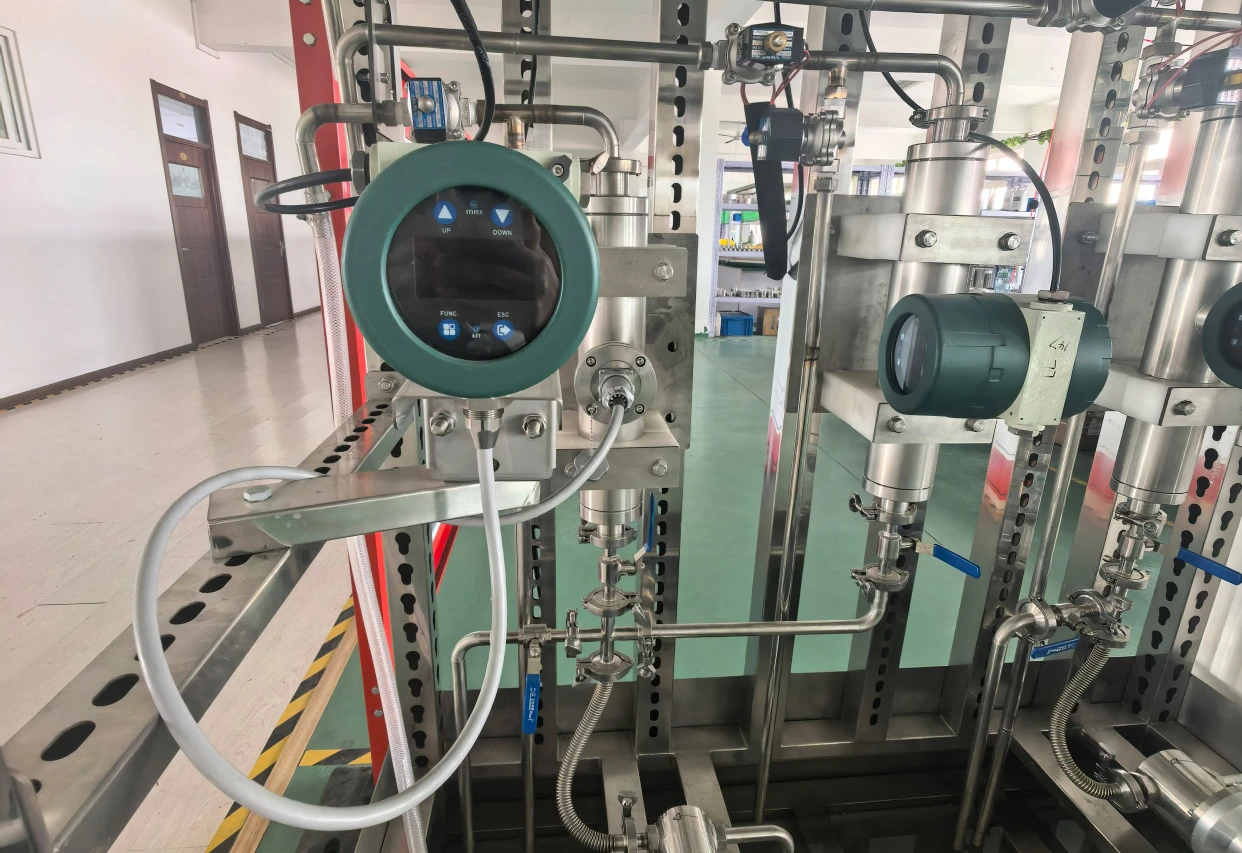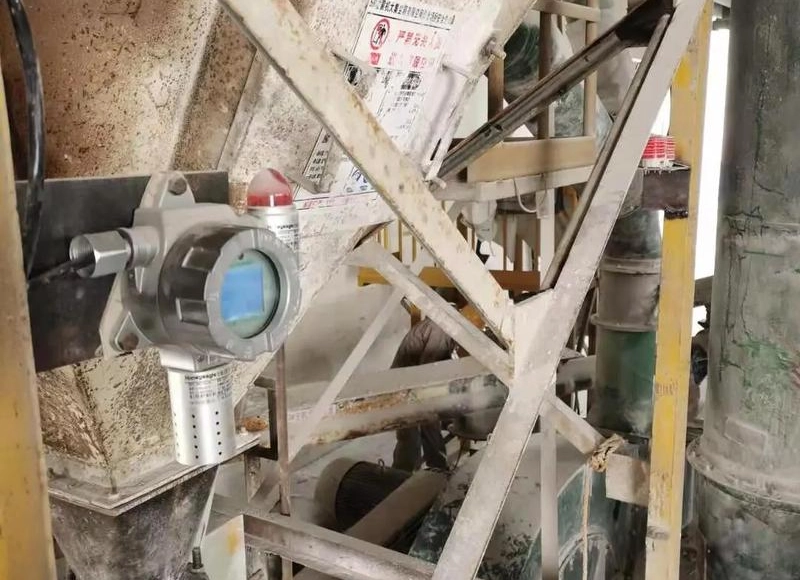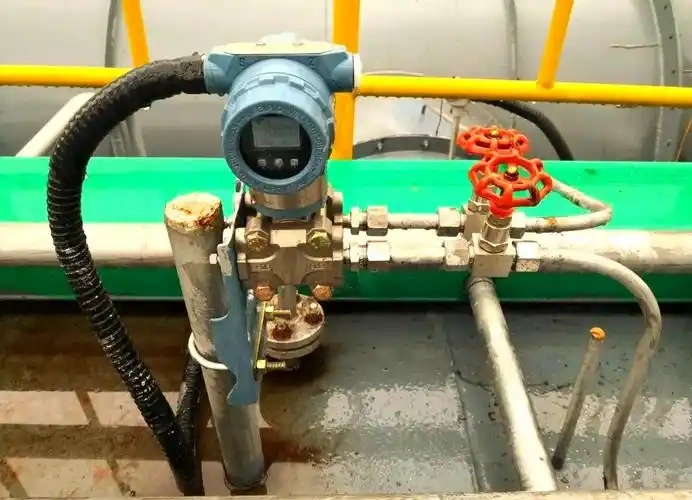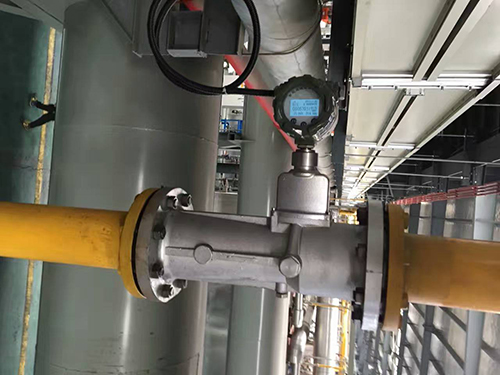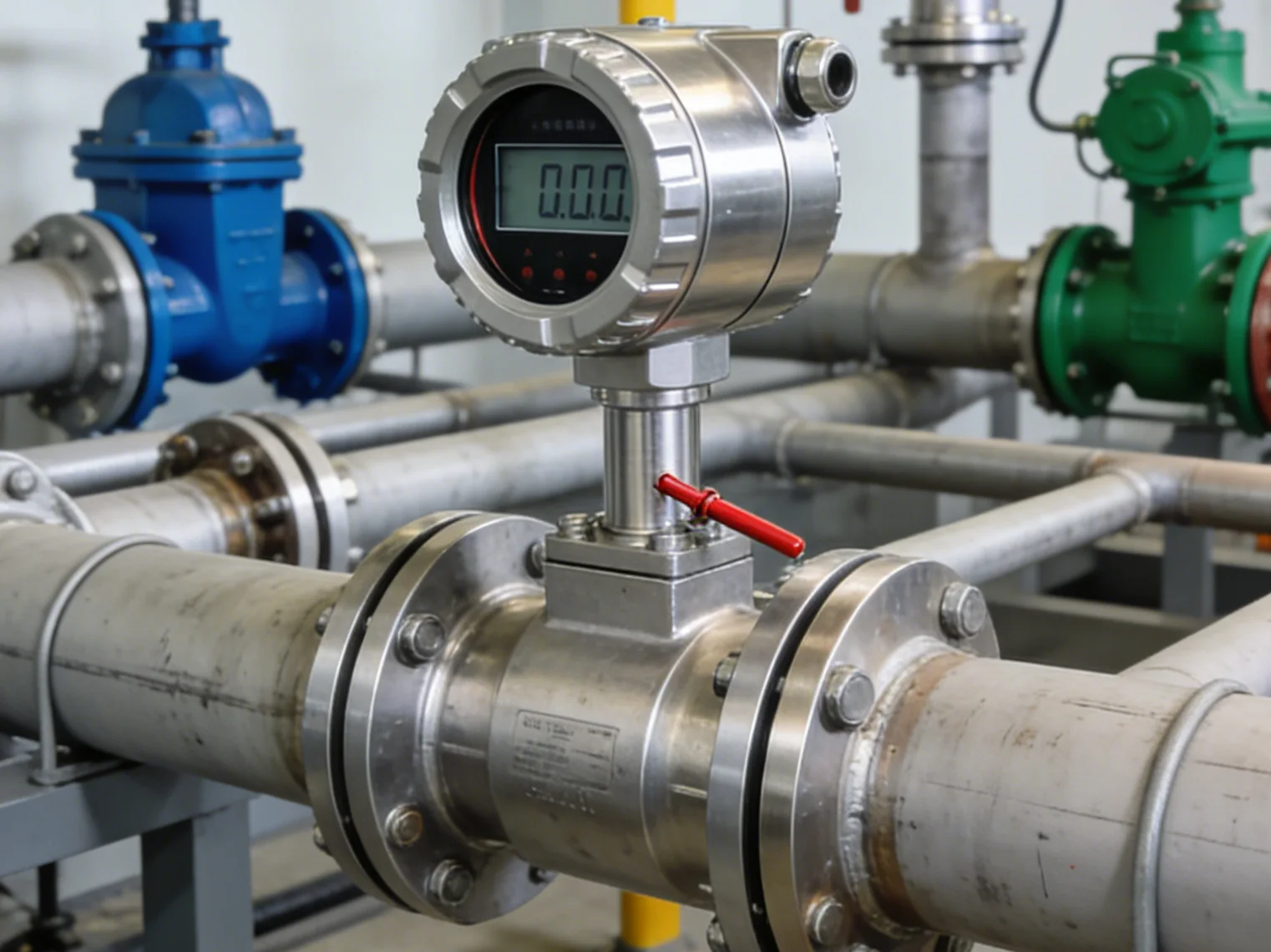
Electromagnetic flow meters work using Faraday’s law of electromagnetic induction. They’ve got no mechanical wear, high measurement accuracy, and they’re compatible with lots of different media. So it’s no wonder they’re used all over the place in water treatment, chemical processing, food and pharmaceutical manufacturing, metallurgy, and loads of other industries.
Significant variations in operational conditions necessitate distinct equipment adaptations, giving rise to multiple types. Mastering the core characteristics of each product type is crucial for precise selection and ensuring production efficiency.
Classification by Structure
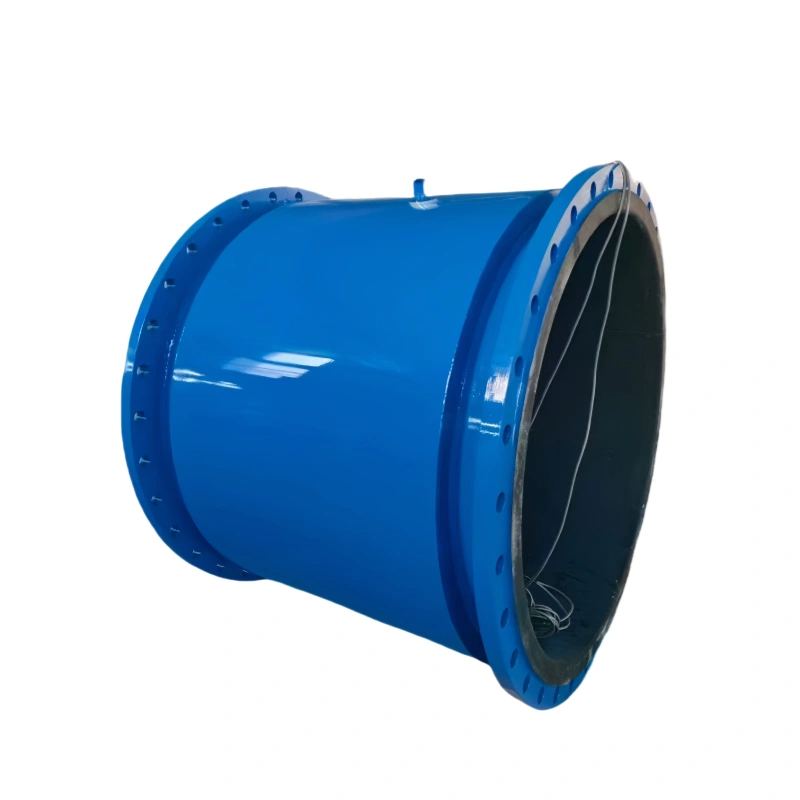
In-line Electromagnetic Flow Meters
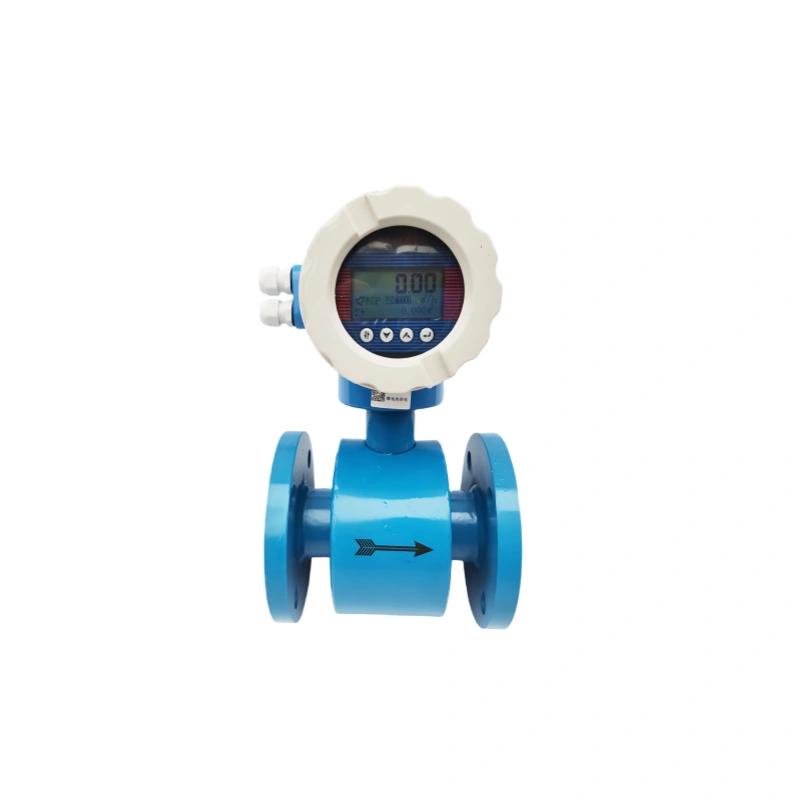
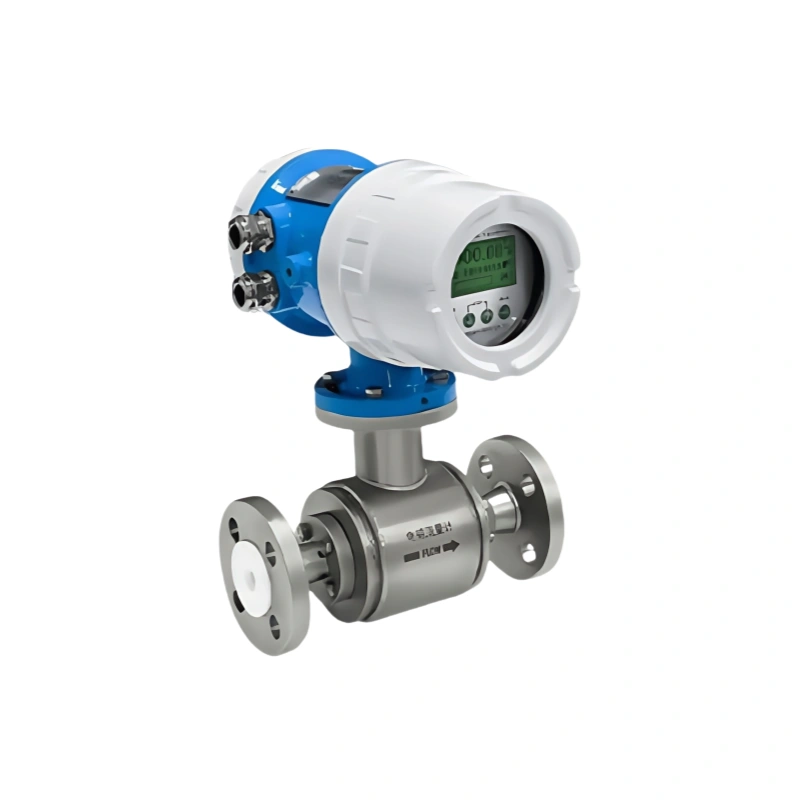
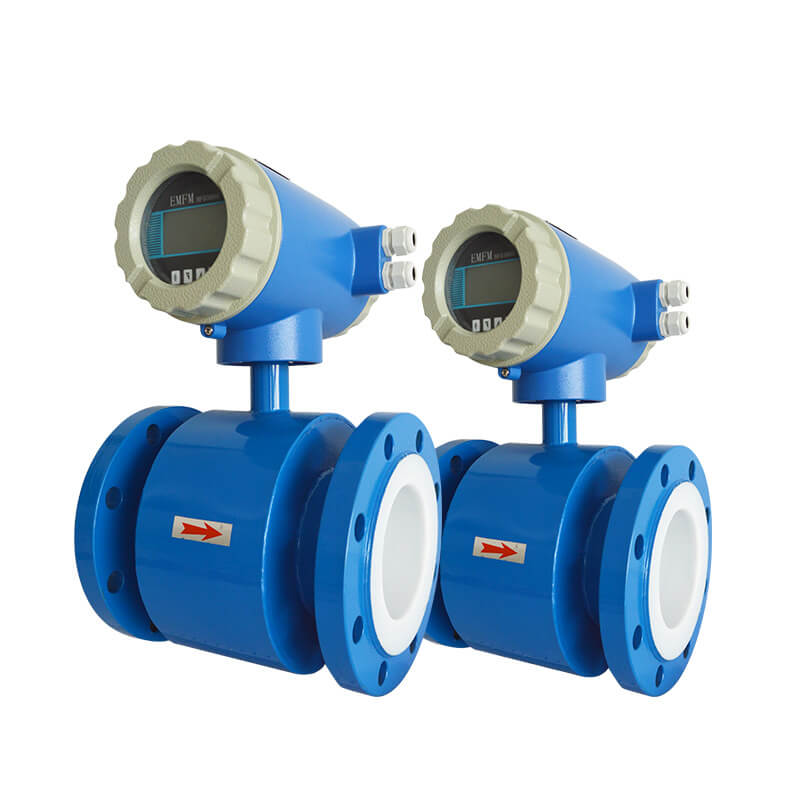
In-line electromagnetic flow meters are the most popular type. Their design and how they work makes them really important for high-precision measurement, but they’re not the best at adapting to certain conditions.
Advantages
1. High Accuracy and Robust Stability: The sensor fits snugly inside the pipeline, providing a full measurement with no blind spots and minimal signal interference. Standard models have a margin of error of ±0.5% FS, whereas premium models offer greater precision at ±0.2% FS. It’s pretty stable, so you can count on it to keep delivering reliable results, no matter how you adjust the temperature, pressure or thickness.
2. Extensive operational adaptability: For high temperatures and high pressures, the best option is to use standardised flange and threaded connections. We have a wide range of materials available for use as linings and electrodes. They are effective in the presence of strong acids, alkalis and corrosive materials, as well as those used in clean rooms. This makes them suitable for many different industries.
3. Excellent system compatibility: The inner walls of the measurement channel are smooth, which makes it easy for fluids to flow through without changing the original piping system’s hydrodynamic characteristics. It doesn’t have any mechanical moving parts, so it doesn’t wear out easily, doesn’t break down often, and lasts a long time, meaning you have to do less maintenance.
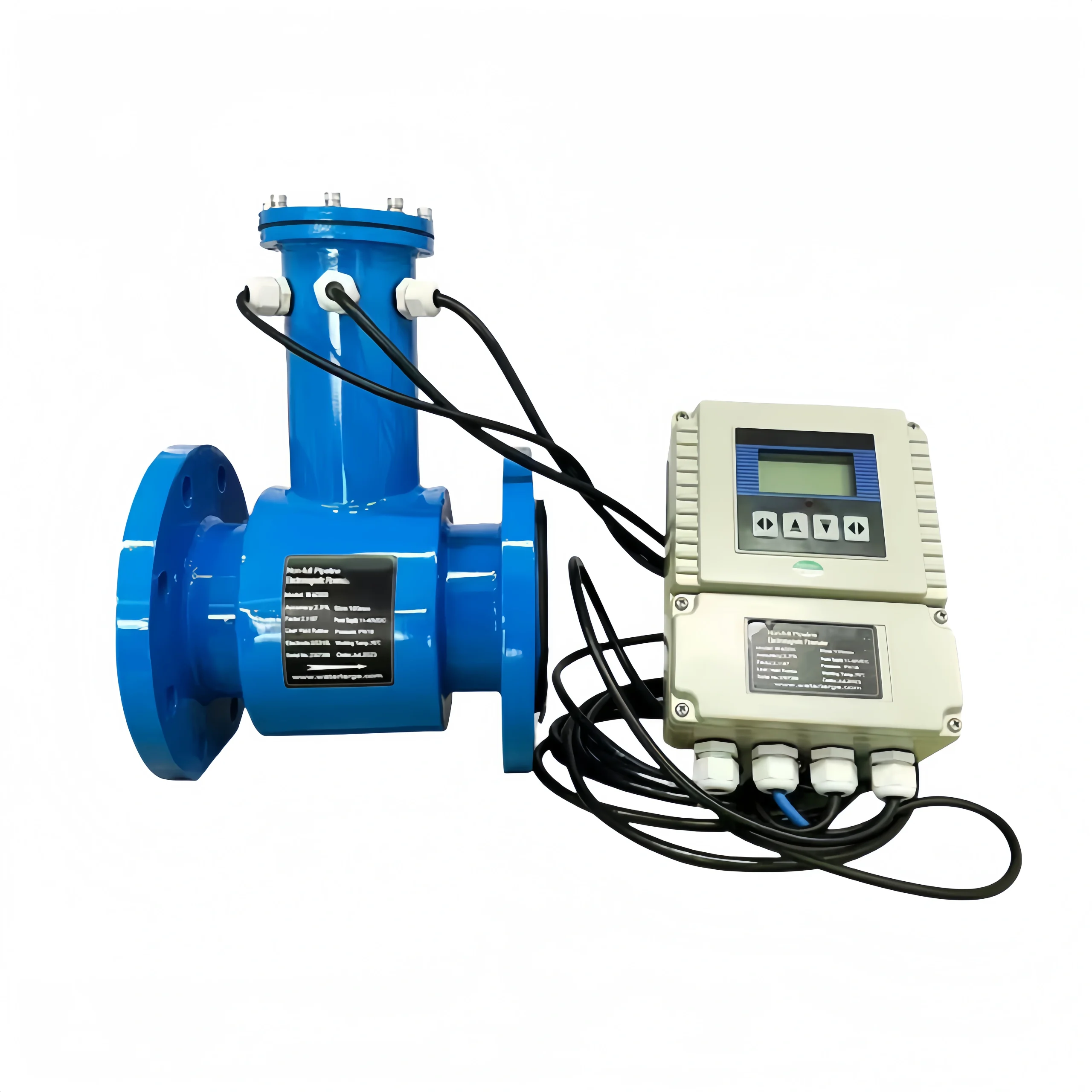
4. Strong Interference Resistance: It supports both integrated and separate designs. The separate configuration allows you to position the converter away from areas with high temperatures or strong electromagnetic interference. This ensures stable signal transmission and meets automation control system integration requirements.
Disadvantages
1. Complex installation: You’ll need to connect the pipes in the series, which means disconnecting the original pipe interface. The process involves professional expertise and high construction standards. This includes the dismantling, sealing and commissioning stages. This results in longer installation periods. Large models are much more expensive to transport and install.
2. Maintenance inconvenience: Calibration, repairs and component replacement require shutdown and dismantling, which interrupts production processes. This has a significant impact on continuous production lines, resulting in relatively high maintenance costs and losses due to downtime.
3. Installation environment constraints:Full-bore flow is required within the pipeline. To avoid areas of fluid turbulence, such as elbows and valves, the existing pipeline layout must be modified.
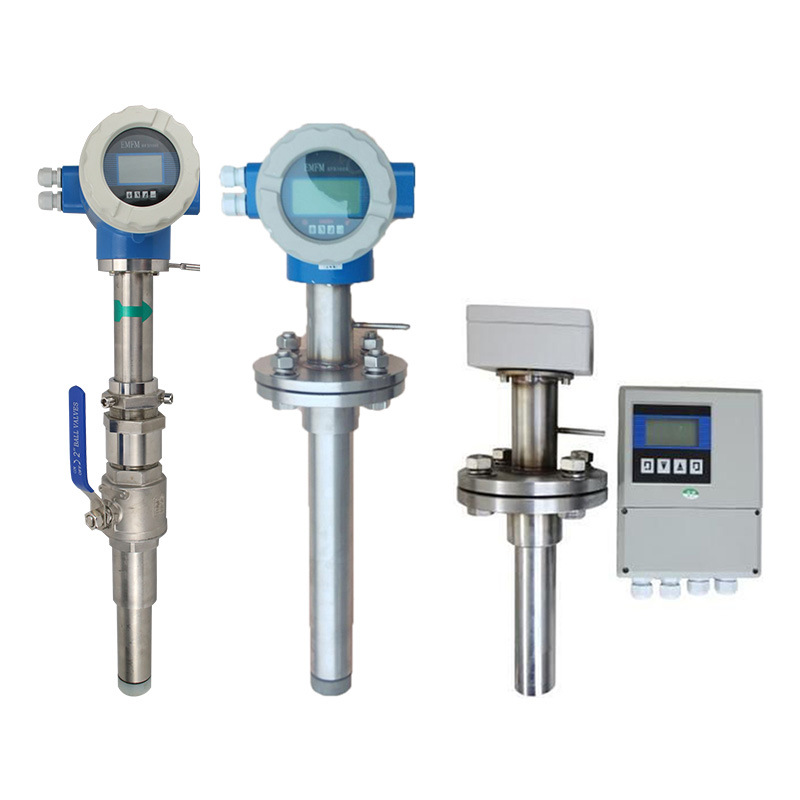
Insertion Electromagnetic Flow Meters
Insertion electromagnetic flow meters are better for measuring large-diameter flows because of how they are installed. They were designed to be cheap to maintain, but they still have problems with how they are built.
Advantages
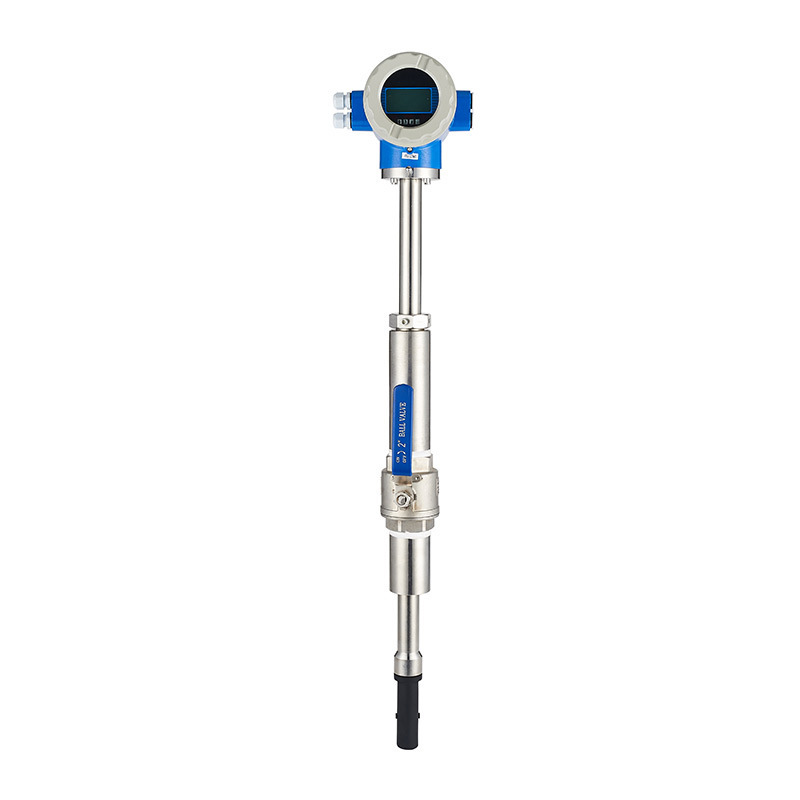
1. Convenient installation and maintenance: Utilises a probe-insertion installation method requiring no pipeline interruption. Pre-drilled mounting holes with dedicated sealing flanges enable assembly by a single operator within a short timeframe. Subsequent calibration or repairs allow direct probe removal without halting flow, minimising production downtime losses and facilitating retrofitting to existing pipelines.
2. Suitable for large diameters: You won’t need to use custom measuring sections, which is cheaper than pipe-mounted electromagnetic flowmeters of the same size. It barely affects the flow resistance of the pipeline, so you can still count on the original fluid dynamics.
3. Broad operational compatibility:These probes are compatible with a range of media, including tap water, sewage and industrial circulating water. These probes can handle fluids containing minor impurities as they are resistant to wear and corrosion. They can be positioned however you like, meaning you can adjust the depth and angle of the probe. This allows you to take more accurate measurements by inserting the probe multiple times to compensate for uneven fluid distribution in large pipes.
Disadvantages
1. Lower accuracy: The probe captures only localised fluid signals within the pipe, making it susceptible to uneven velocity distribution and vortex effects. Standard accuracy is ±2.5% FS. Even with multi-point measurement, it struggles to match the precision of pipe-mounted meters, failing to meet stringent requirements such as precise process control.
2. Installation constraints: Probes require installation within straight pipe sections; site layout limitations may increase measurement deviation. Insertion depth must precisely match the pipe diameter, with improper operation affecting data stability.
3. Limited operational adaptability:Sealing structures struggle to accommodate high-temperature and high-pressure conditions, with poor suitability for sanitary applications that fail to meet the sterility requirements of food and pharmaceutical industries. Selecting suitable probe materials for highly corrosive or high-viscosity media proves challenging, frequently leading to seal leakage and component wear.
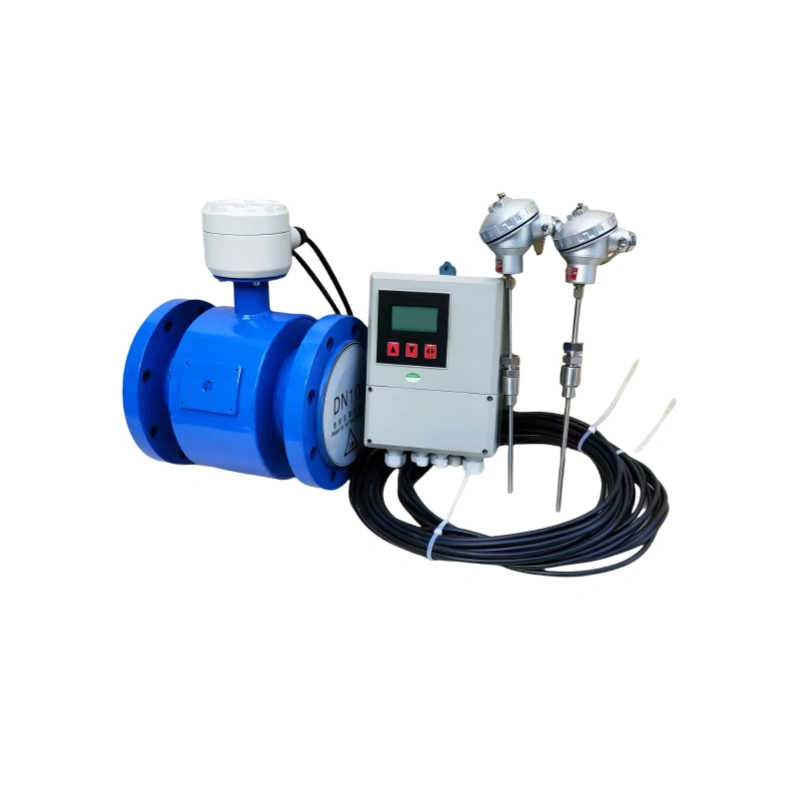
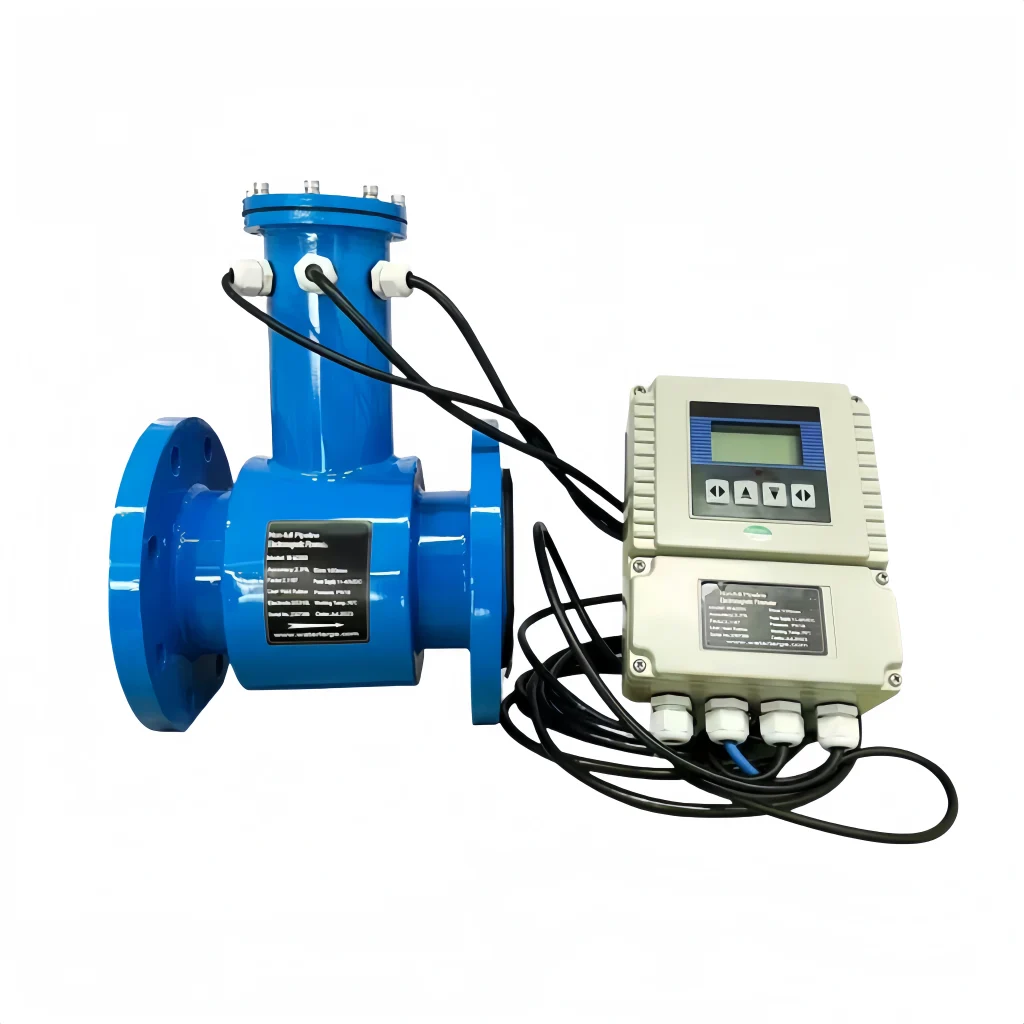
Integrated and Split-Type Electromagnetic Flow Meters
Please note that the way in which the sensor and converter are connected determines the categorisation of the aforementioned items. While the main difference lies in the integration of the hardware and the installation layout, the measurement accuracy and sensor core structure remain the same. The only differences that matter are in how well they adapt to the environment, how easy they are to install and maintain, and how convenient they are to use.
Integrated Electromagnetic Flow Meters:
The sensor and converter are built into one unit, so you don’t need to use extra signal cables. The main benefits are that it is small and does not need to be installed in a special place. It is installed using flange/threaded connections, which make it easy to wire up and get it up and running quickly. This setup is perfect for tight spaces and situations where the wiring is difficult. The direct internal connection between sensor and converter eliminates signal transmission loss and interference, delivering responsive performance and robust real-time data.
This configuration is ideal for applications that require high flow feedback accuracy and are free from strong electromagnetic interference. Its superior sealing capability makes it suitable for conventional media such as tap water and standard industrial wastewater.
Direct exposure to field conditions after integration makes it susceptible to faults and signal drift in high-temperature, high-humidity, strong electromagnetic interference, dusty, or high-vibration environments. It is unsuitable for underwater or extremely humid scenarios. Complete disassembly is required for calibration and maintenance, which precludes isolated converter servicing and has a significant impact on continuous operation. Big models can cause problems when being transported and installed. They are also not suitable for situations involving high temperatures and pressures.
Split-type Electromagnetic Flow Meters:
The sensor and converter are separate and connected by a special cable with a shield. The sensor goes in the pipeline, and the converter can be positioned away from the measurement point. The main benefits are that it protects the converter from harsh field conditions, is suitable for high-temperature, high-humidity and highly corrosive environments, and has special installation requirements such as underground, submerged or equipment-dense locations.
Supports remote operation and centralised monitoring. The converter can be removed independently for online maintenance, significantly reducing pipeline downtime losses. The drawback is a slightly higher procurement cost, requiring additional accessories such as shielded cables. Wiring must incorporate shielding and grounding, with signal stability affected by cable length and grounding effectiveness. Exceeding cable specifications may lead to signal attenuation.
Classified by Application Scenario
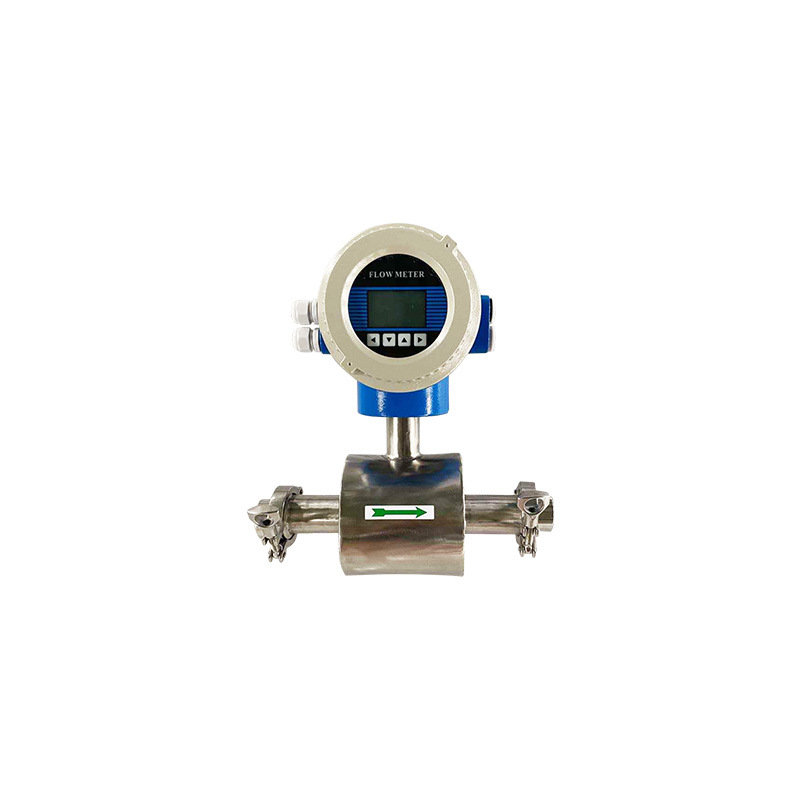
Sanitary Electromagnetic Flow Meters
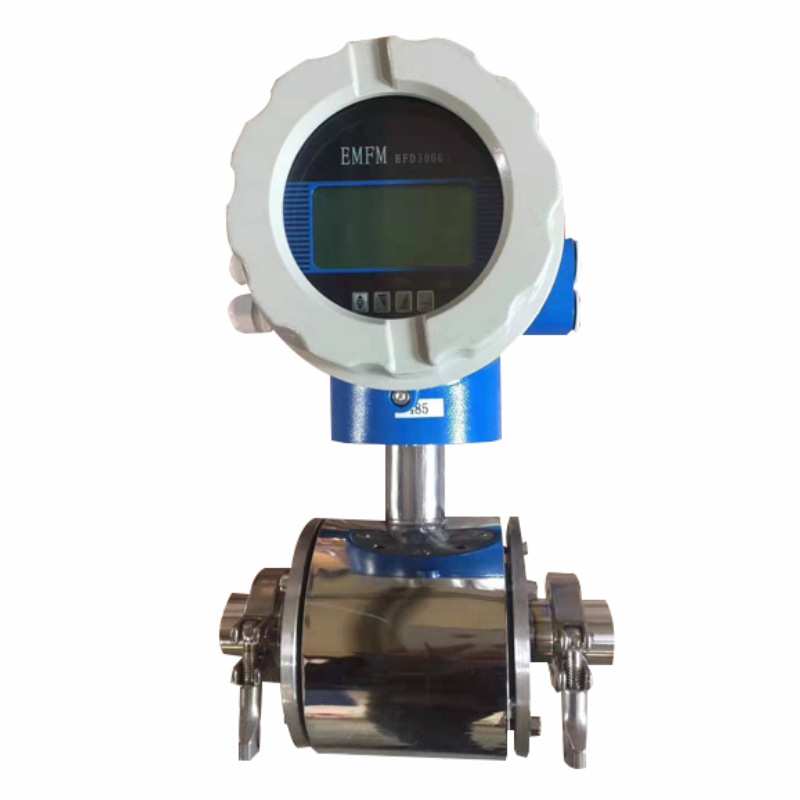
Specifically engineered for industries with stringent cleanliness and compliance requirements, such as food processing, pharmaceuticals, and personal care products. Residue-free operation, ease of cleaning, and compliance with sanitary standards are just some of the key benefits.
Advantages
1. The parts that come into contact with the media are made from FDA- and GMP-approved materials. These structures are unique in that they fit together perfectly. They are also compatible with CIP/SIP cleaning protocols, which eliminate residue and secondary contamination.
2. Stable measurement of conductive media (≥5μS/cm) such as dairy products and pharmaceutical solutions. Compatible with viscous fluids and those containing minor suspended particles. Mechanical-part-free design prevents contamination.
3. Leak-free sanitary flange sealing. Accuracy: ±0.5%FS to ±1.0%FS. It’s pretty resistant to changes in viscosity and temperature, making it great for long-term use in cleanrooms.
4. Certain models support quick-connect fittings with no wear components and low failure rates. Regular calibration of electrodes and linings suffices without disrupting continuous production.
Disadvantages
1. Limited operating range: typically tolerates ≤120°C and ≤10MPa. It is not suitable for highly corrosive media. Any changes made to your car to make it different will cost extra.
2. Demands stringent installation and cleaning protocols, requiring leak-free connections and compatible cleaning agents, resulting in higher operational complexity.
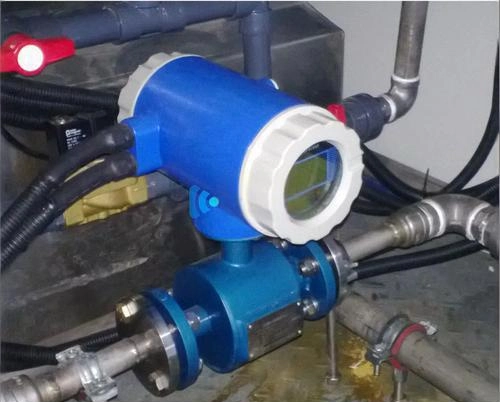
Partially-Filled Electromagnetic Flowmeters
Also termed partially-filled pipe electromagnetic flowmeters, these are specifically engineered for applications where full-pipe flow is unattainable. They overcome the limitation of conventional electromagnetic flowmeters requiring full-pipe flow, making them suitable for open channels, closed conduits, combined sewer systems, and low-level process pipes where liquid levels fluctuate.
Advantages
1. It can measure liquid levels between 10% and 90% of the way full, which is useful in situations where the pipe is not completely full, such as in open channels or gravity pipelines. This means that there are no restrictions on the pipe size.
2. Integrates dual parameter measurement of flow and liquid level, eliminating the need for additional level gauges and reducing equipment and wiring costs.
3. It’s pretty versatile and can be installed in loads of ways, like with a flange or on the wall. It’ll fit different structures, like circular pipes and rectangular channels, so you can use it pretty much anywhere.
4. The electrodes and measuring tubes are built to last and are corrosion-resistant, with an IP67/IP68 rating that makes them ideal for use with corrosive media containing solids, such as sewage and slurry.
Disadvantages
1. Lower accuracy, typically ±1.0%–2.0% R, compared to high-precision full-bore electromagnetic flowmeters. Accuracy further diminishes below 10% or above 90% liquid level.
2. The installation process is pretty strict, so you need 5D upstream and 3D downstream straight pipe sections, and you have to avoid any disturbances from elbows, valves and so on, to keep the measurements accurate.
3. There are limited structural configurations, with only integral or short-distance split designs available. Long-distance split installation is not supported.
4. Applicable only to conductive liquids (conductivity ≥5 μS/cm); unsuitable for non-conductive media such as gases or oils. Accelerated electrode wear occurs when solids content exceeds 30%, necessitating regular maintenance.
Electromagnetic Heat Meter
Integrating Faraday’s law of electromagnetic induction with thermodynamic energy calculation principles, this high-precision heat metering instrument is primarily employed in heat energy measurement applications such as district heating systems.
Advantages
1. It’s highly accurate to the point that it usually gets ±0.5%R, which is way better than mechanical heat meters.
2. It has a wide turndown ratio (typically reaching 100:1), meaning it can deal with significant seasonal changes in heating system flow rates.
3. It’s really stable, with no moving parts like impellers, so you don’t have to worry about wear and blockage issues that can happen with mechanical meters. The system will not be affected by minimal pressure loss.
4. Strong medium adaptability with corrosion resistance and contamination tolerance. Measures heating water containing minor impurities, softened water, etc., unaffected by water hardness, rust, or suspended particles, accommodating complex domestic heating water qualities.
Disadvantages
1. Requires continuous power supply. Battery life typically spans 6-10 years, necessitating manual replacement. Limited applicability in locations without mains electricity or where battery replacement is impractical.
2. Strict installation requirements: Must be fitted in fully filled pipes with 5D upstream and 3D downstream straight pipe sections. Demands high pipe grounding standards and compliant temperature sensor positioning to ensure accurate temperature differential measurement.
3. Limited to conductive liquids (conductivity ≥5μS/cm). Incompatible with non-conductive heat carriers like pure water or oils. If the water is not good quality, it might affect the magnetic fields and make the measurements less accurate.
4. Maintenance requires specialised expertise. While routine maintenance is unnecessary, faults necessitate diagnosis and repair by qualified personnel using dedicated equipment; simple on-site repairs are not feasible.
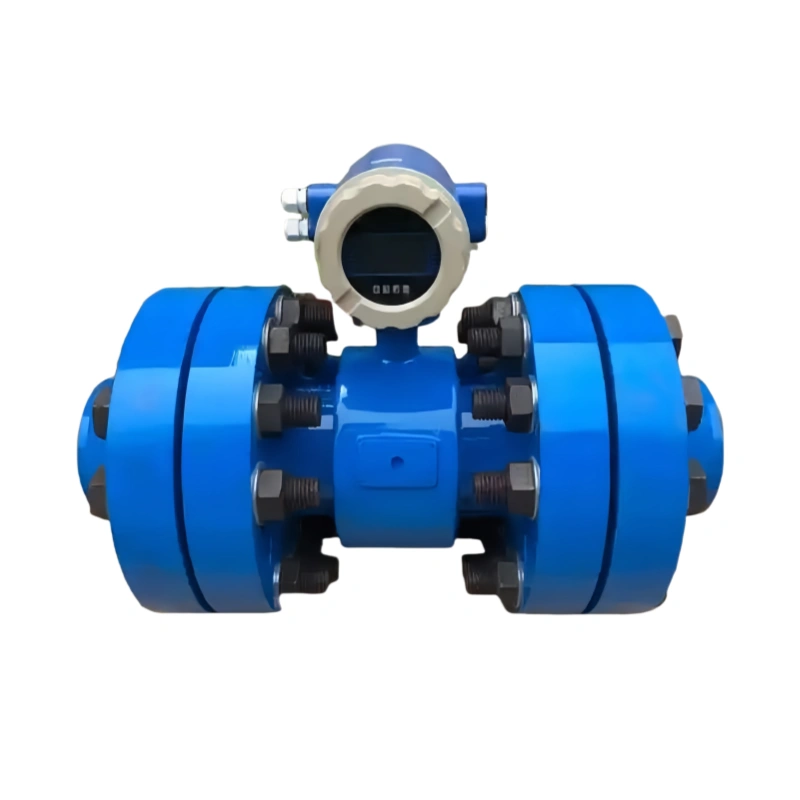
High-Pressure Electromagnetic Flowmeter
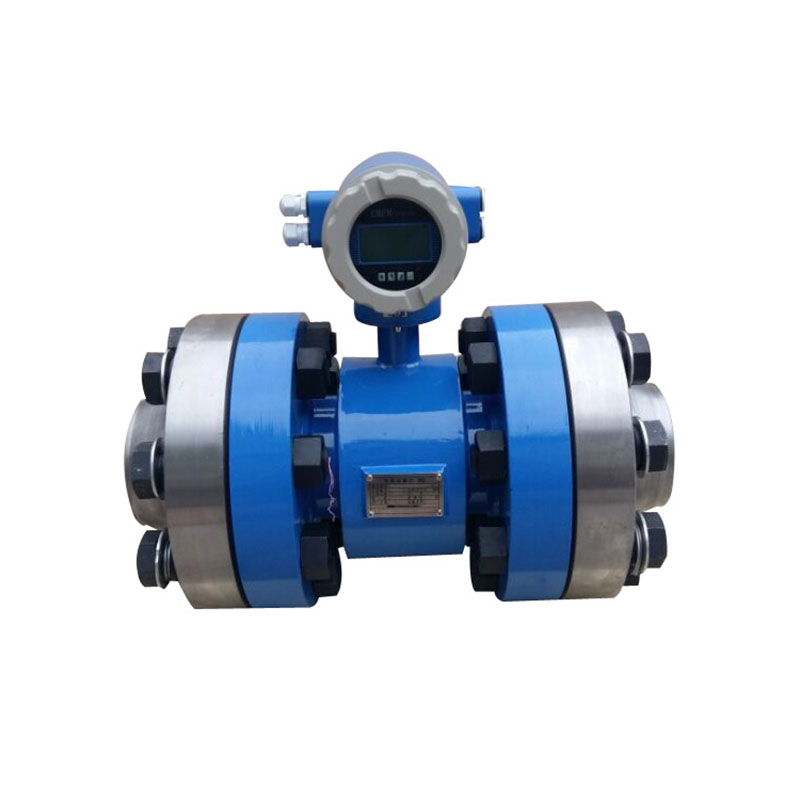
Features a high-pressure resistant structure and specialised sealing design, suitable for high-pressure process pipelines in petrochemical, power generation, and metallurgical industries. Enables precise measurement of conductive liquid flow under high-pressure conditions.
Advantages
1. Compatible with 16–40 MPa high-pressure process pipes; higher pressure ratings available upon request. Ensures stable sealing and reliable operation under high-pressure conditions.
2. Stable measurement accuracy (±0.5% R/±0.2% R), turndown ratio 1:100. Precise low-flow measurement with strong anti-interference capability; signal remains unaffected by attenuation in high-pressure environments.
3. Measurement tube lining and electrodes utilise high-pressure-specific wear-resistant, corrosion-proof materials. Suitable for conductive media containing acids, alkalis, or solid particles under high pressure, with reduced susceptibility to blockage and wear.
4. It supports both integrated and separate designs. The separate converter can be positioned away from hazardous high-pressure zones, improving operational and maintenance safety. It can send signals remotely and is compatible with the automated monitoring of high-pressure systems.
5. No throttling components. High-pressure media flow without turbulence or erosion risks, preventing sudden pressure changes in pipelines and improving high-pressure pipeline operational safety.
Disadvantages
1. Applicable only to high-pressure conductive liquids with conductivity ≥5μS/cm; cannot measure high-pressure non-conductive media, resulting in limited media compatibility.
2. High dependency on high-pressure seals, which are prone to ageing under elevated temperature and pressure conditions. Regular replacement is required, which introduces maintenance costs and leakage risks for seal consumables.
3. Demands stringent installation requirements, necessitating compliance with high-pressure pipeline connection standards and proper grounding shielding to prevent stray currents from affecting measurement accuracy.
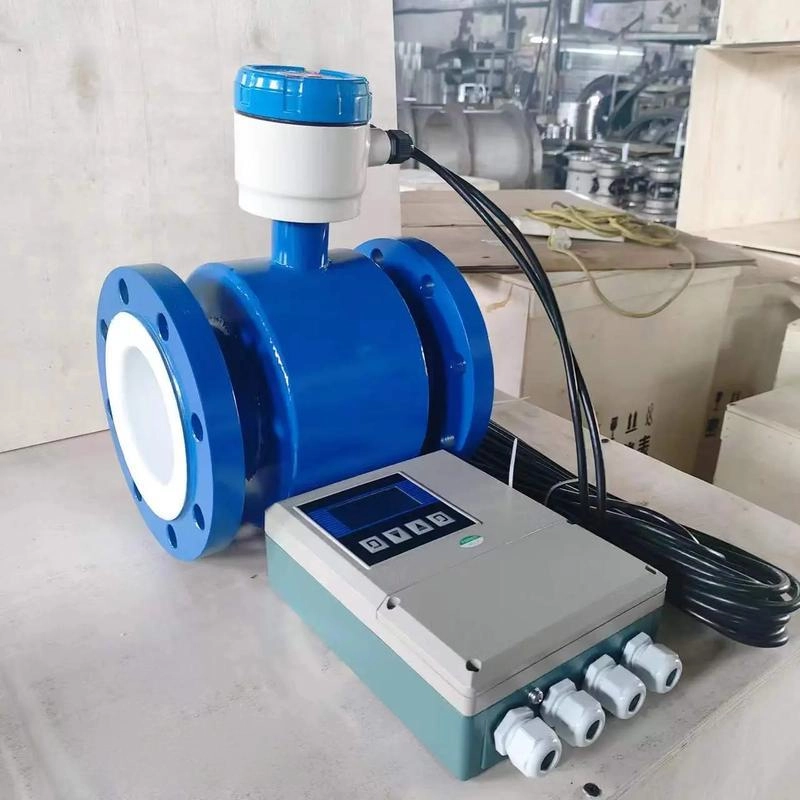
Sion-Inst has lots of experience in measuring flow. They know a lot about how to use different electromagnetic flowmeters. We provide customised selection solutions and comprehensive technical support. These are tailored to industry characteristics, process parameters, installation environments and accuracy requirements. Whatever your needs, we can help you with all aspects of measuring flow. We will help you choose the right model and ensure it is regularly checked and maintained to the highest standards.