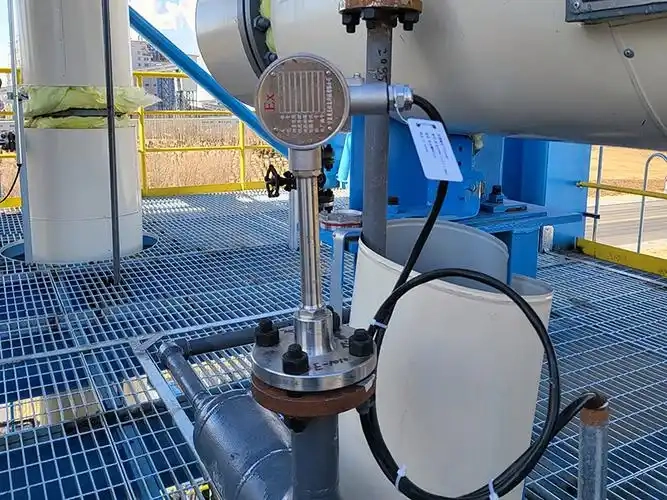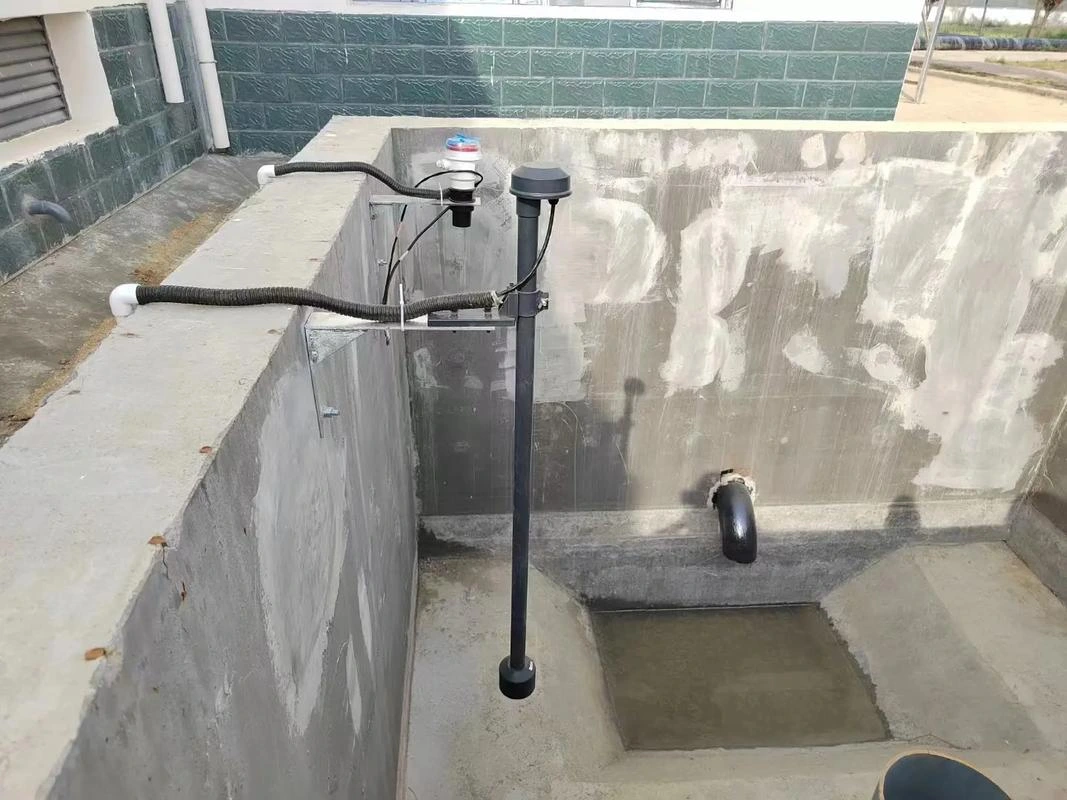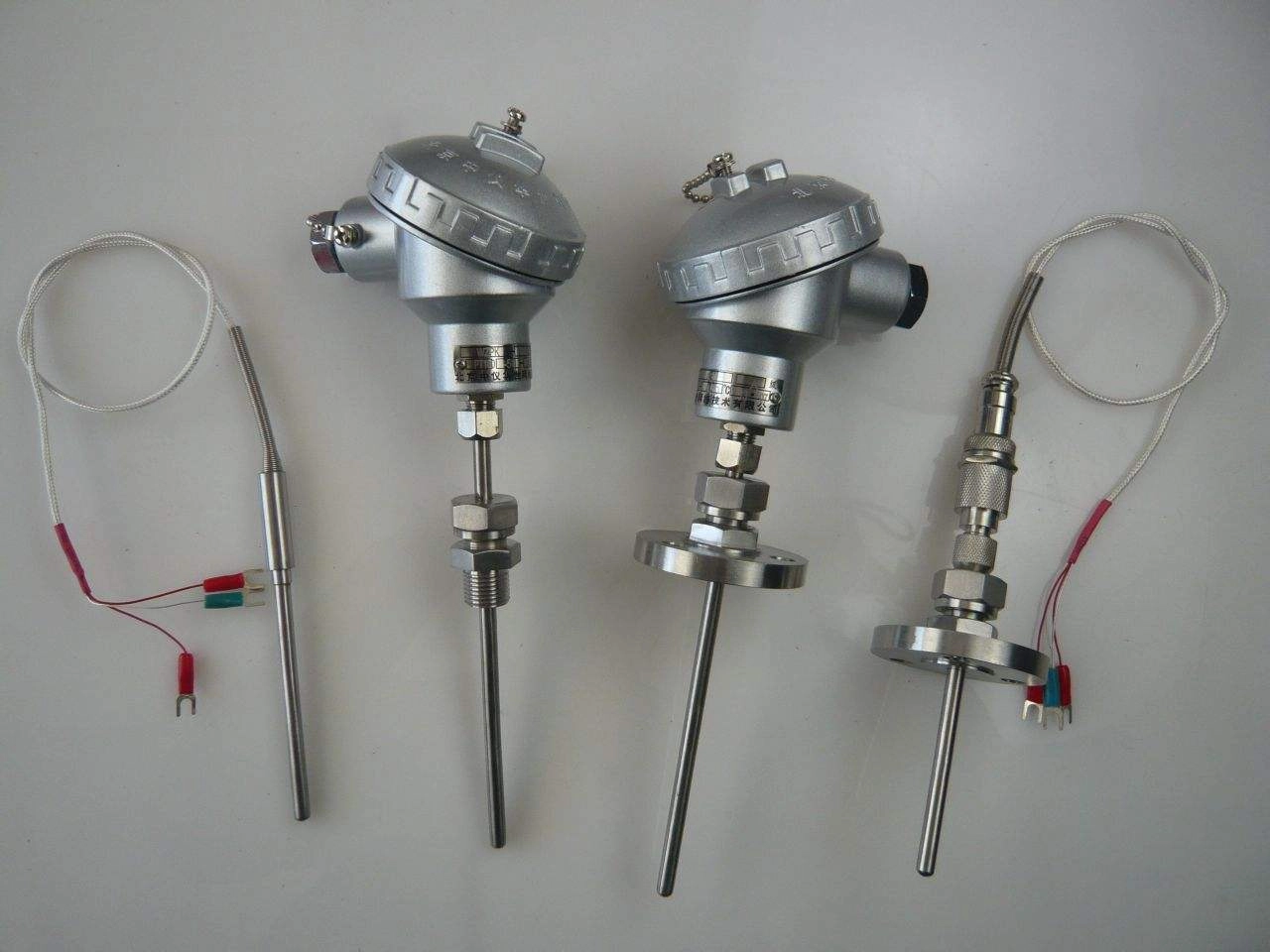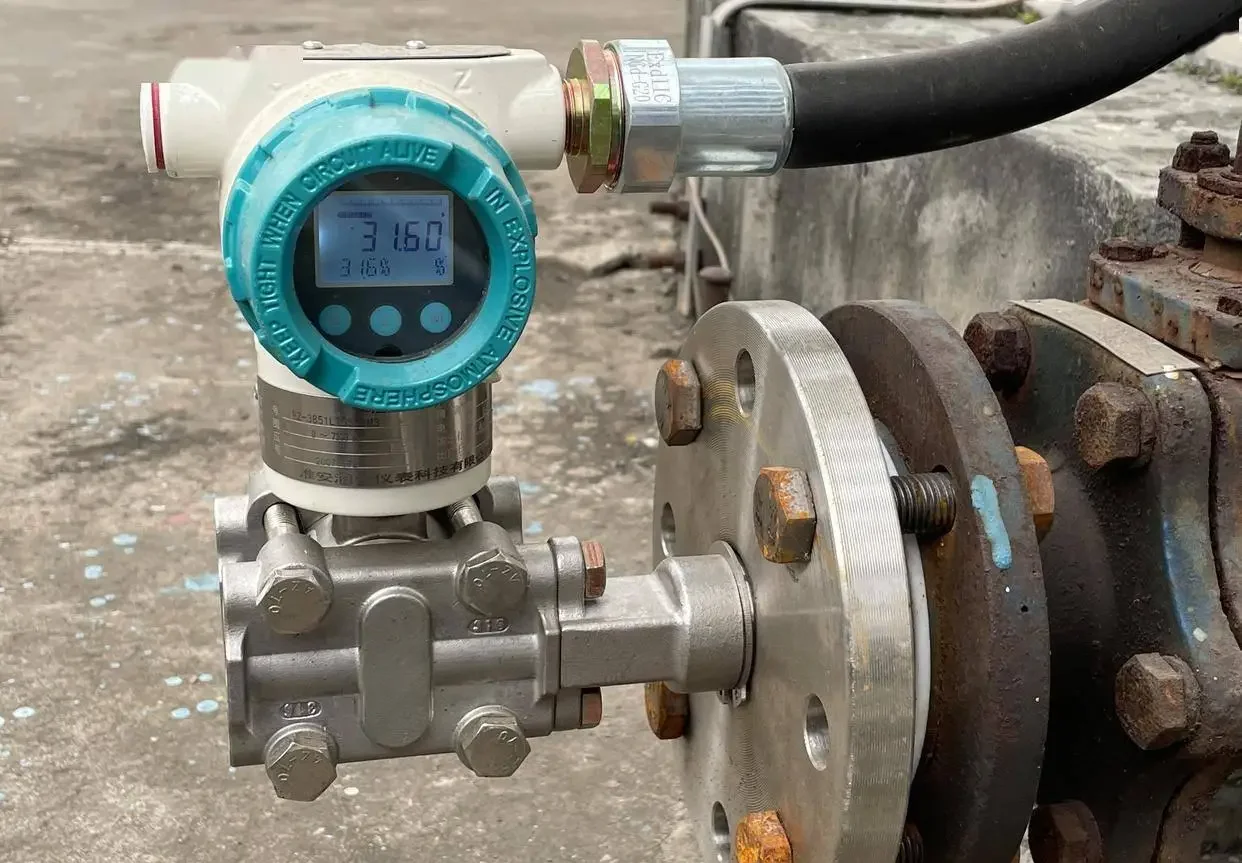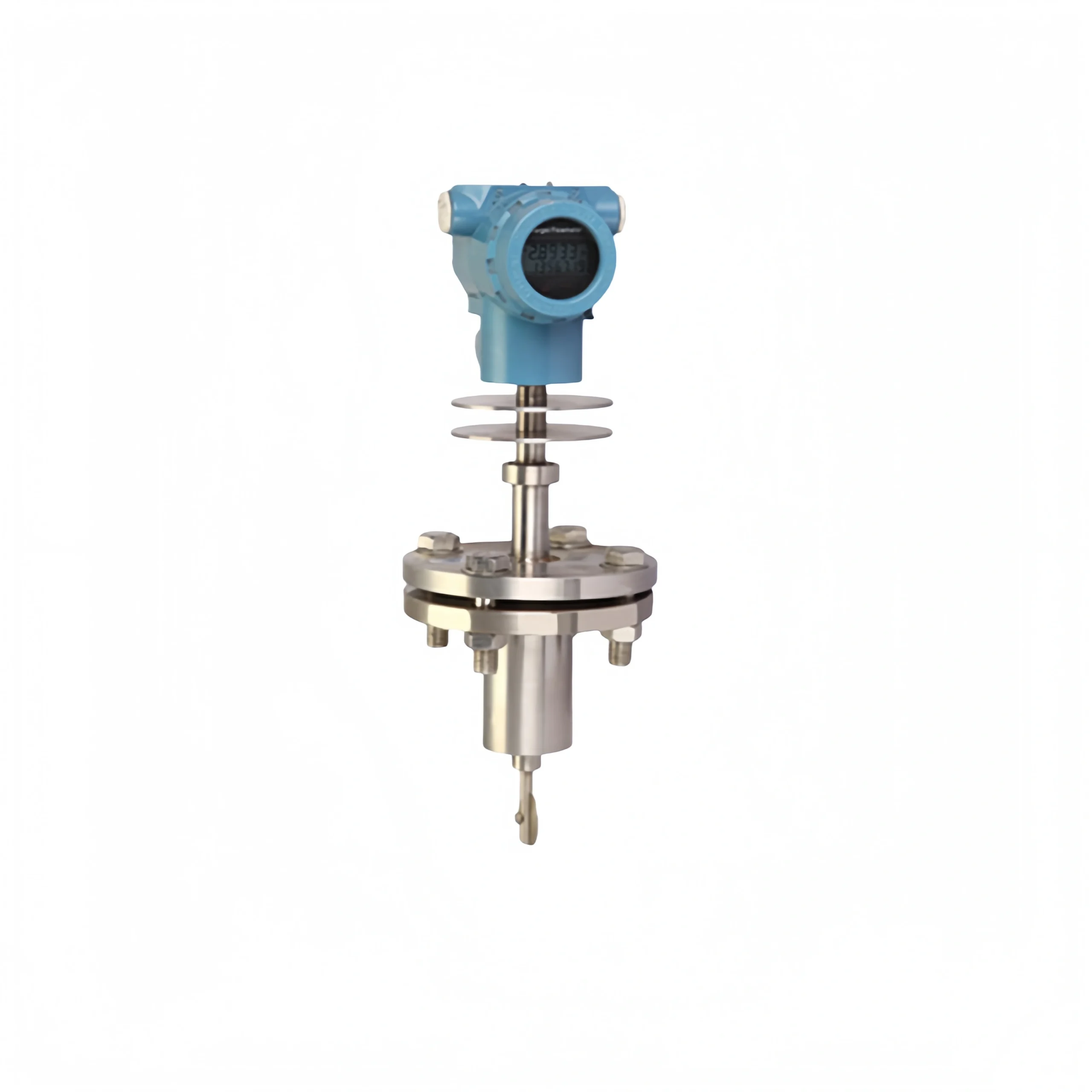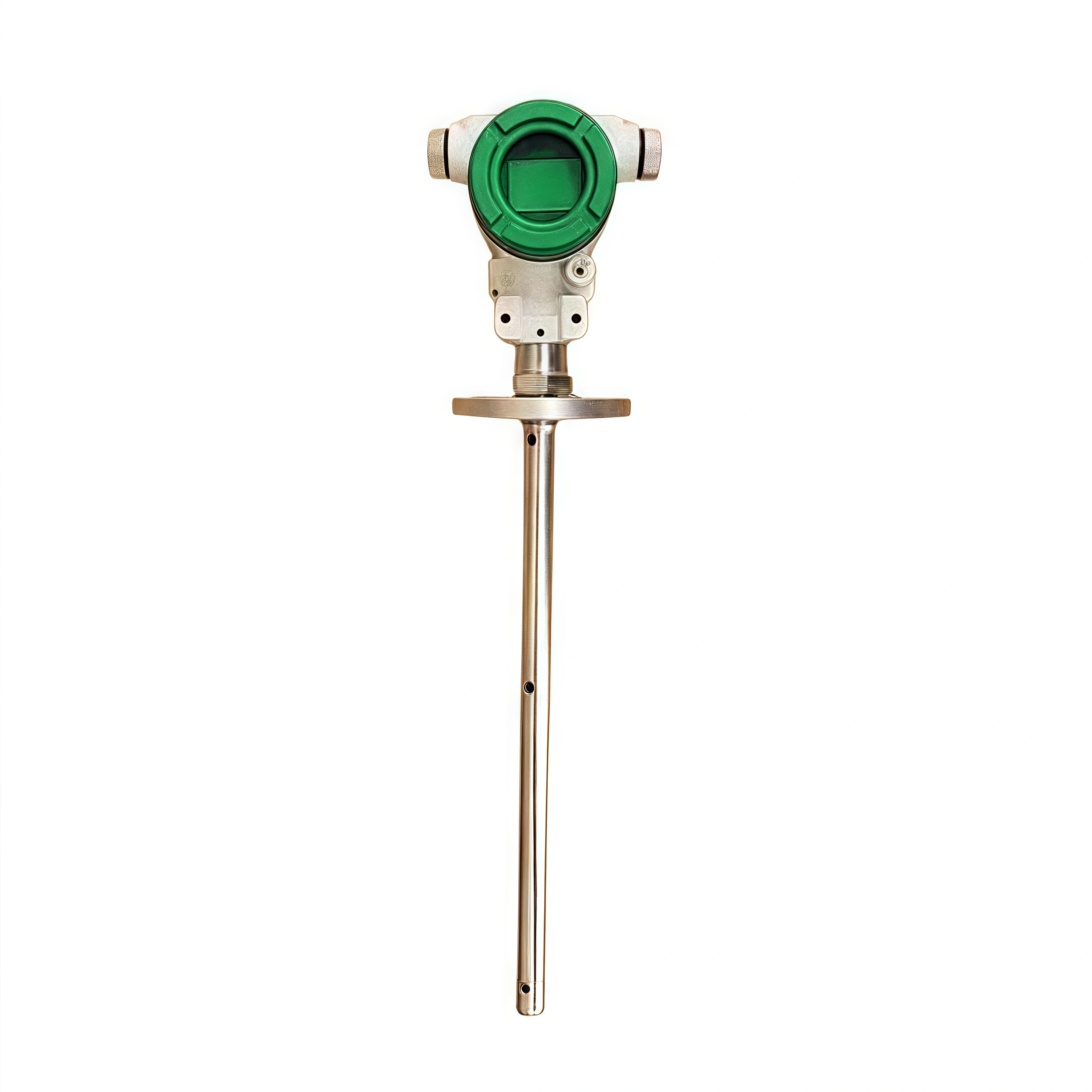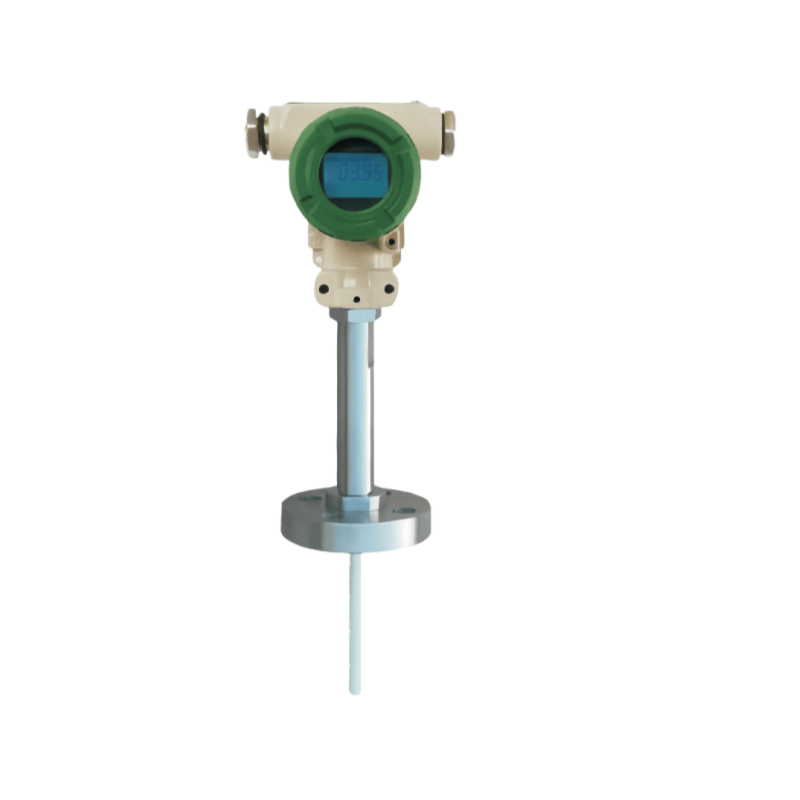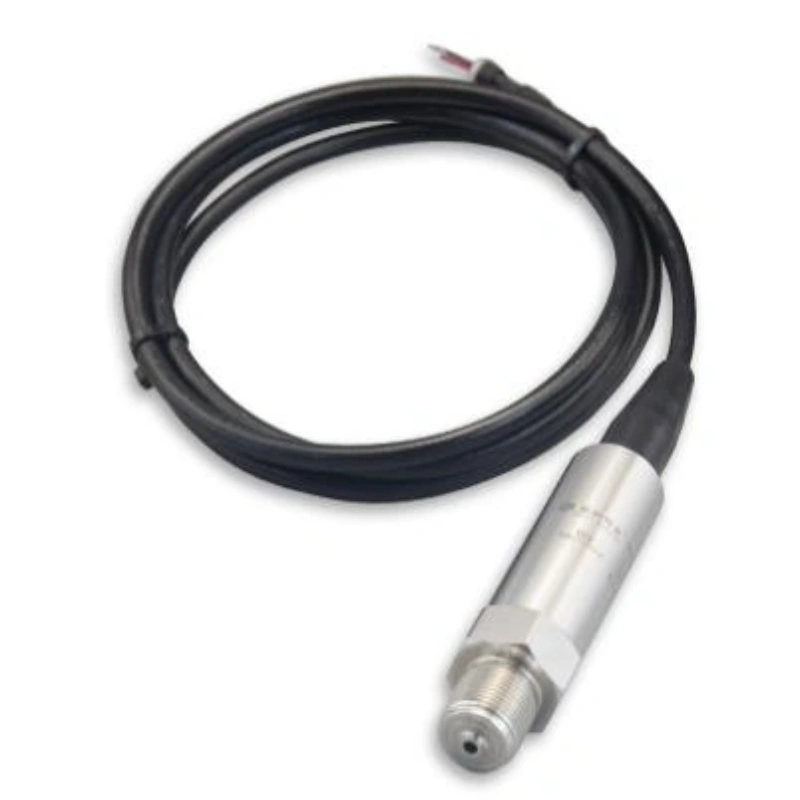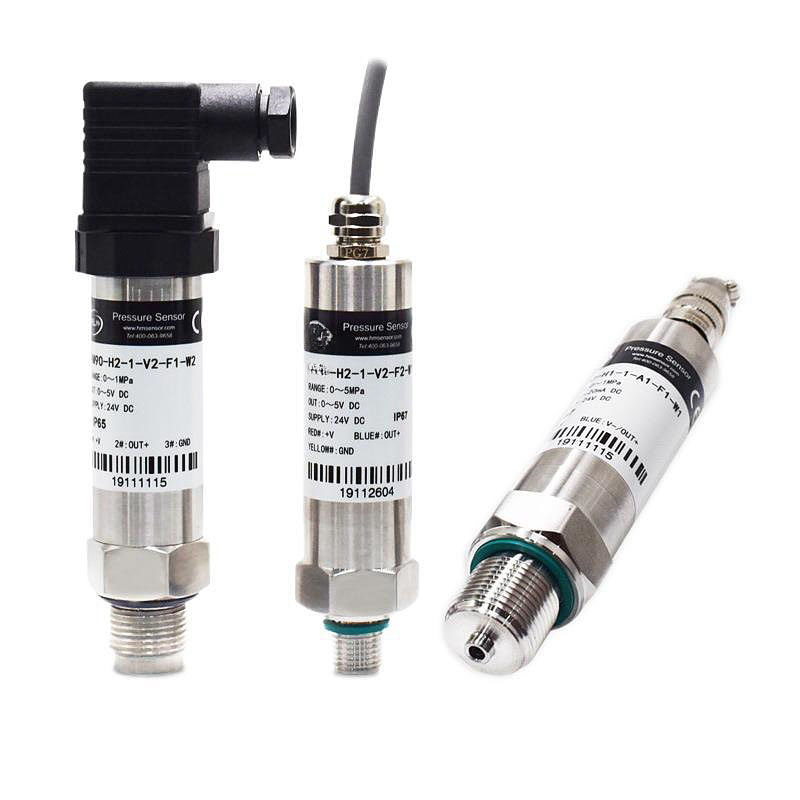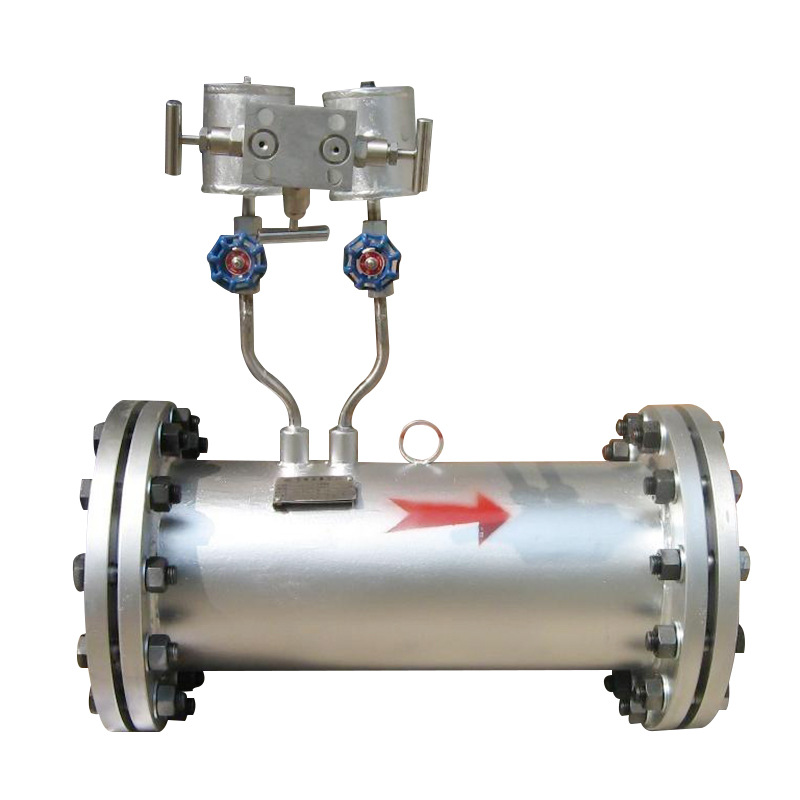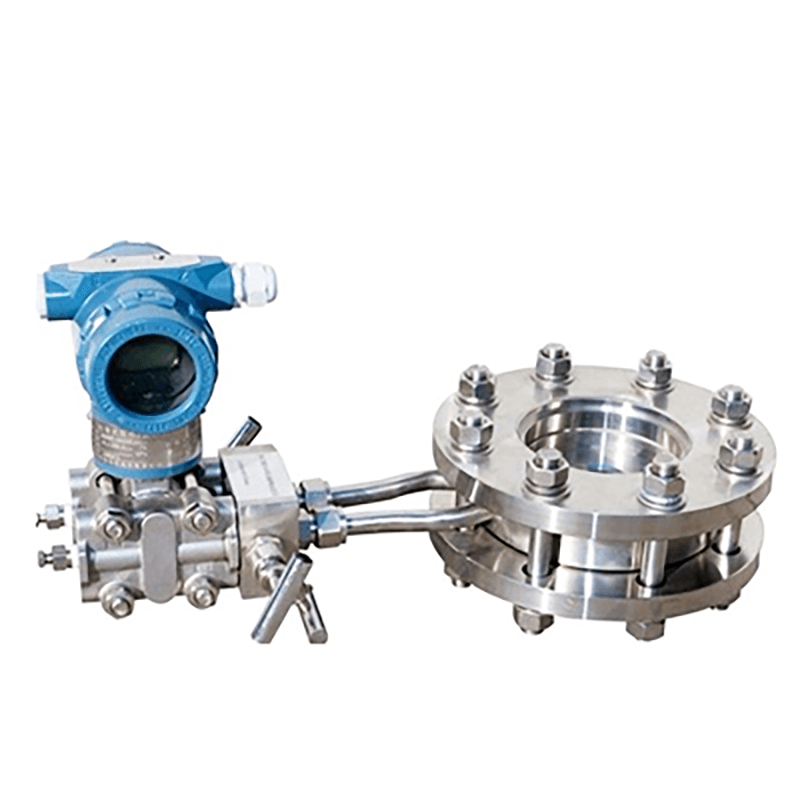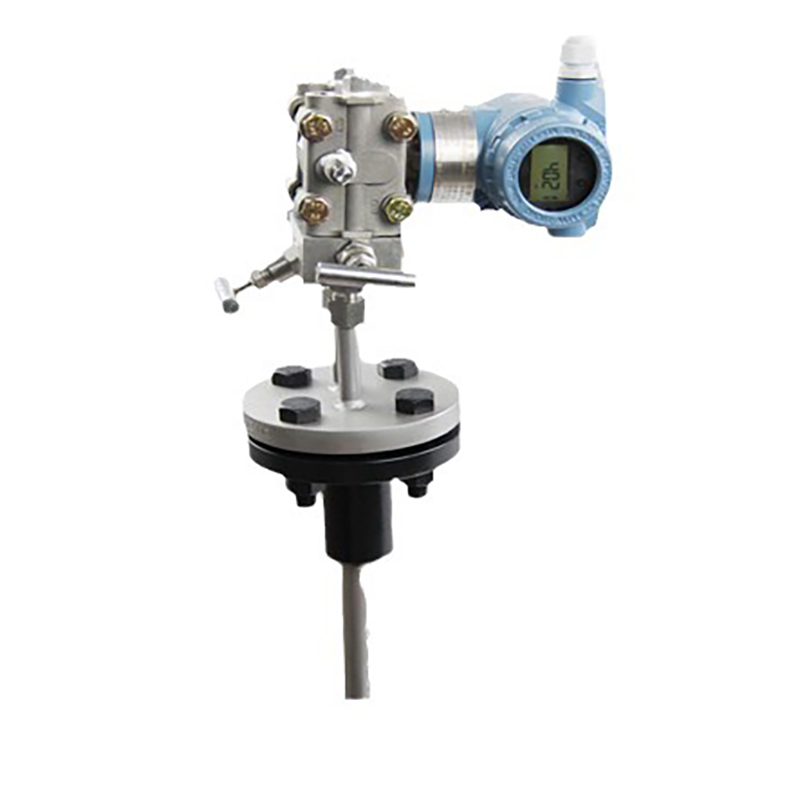
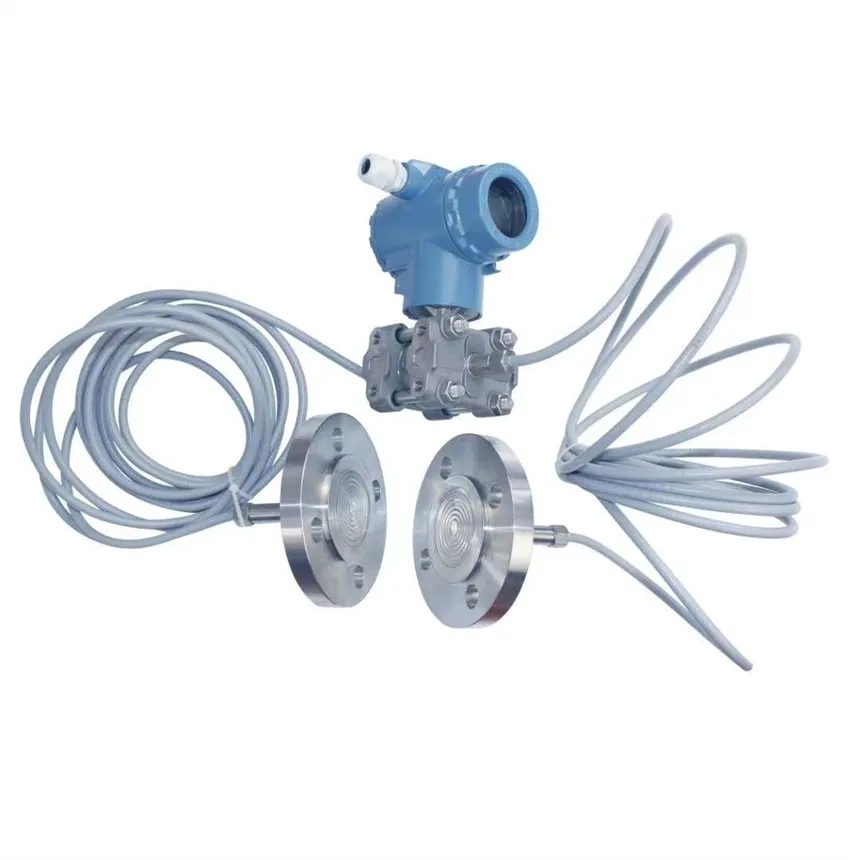
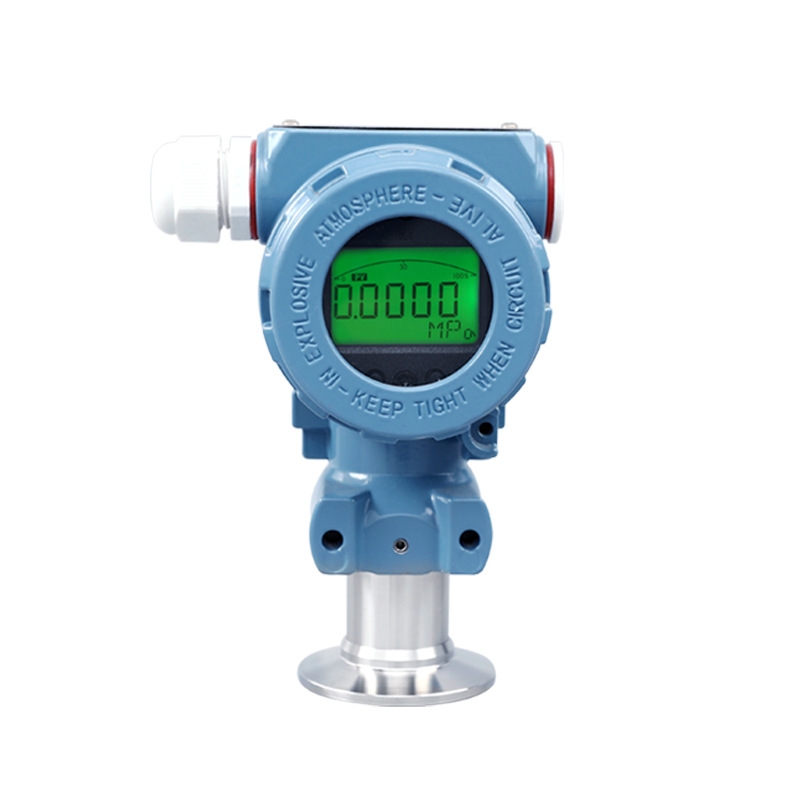
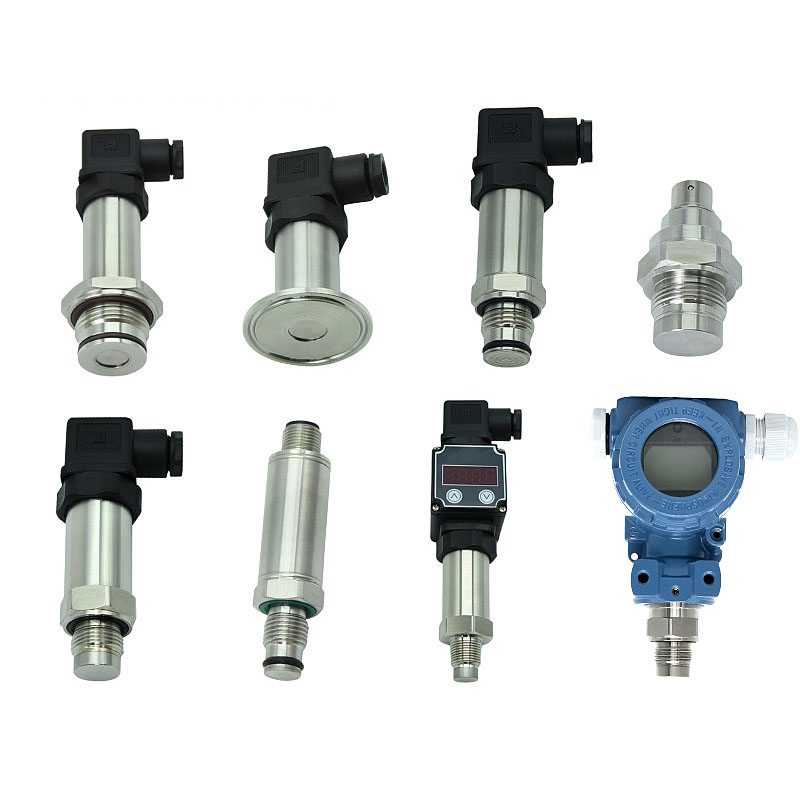
Diaphragm pressure transducers (also referred to as flat diaphragm pressure transducers or hygienic pressure transducers) are pressure measurement devices that utilise a large-area diaphragm to contact the medium. These instruments find primary application in the measurement of viscous media, slurries, highly corrosive liquids, and media containing particles within enclosed environments.
Sino-Inst is thrilled to offer our customers a wide range of diaphragm pressure transducers, crafted from various materials and designed for a variety of applications. Whether you need transducers for specific operational needs or just want the best possible options, we’ve got you covered!
Working Principle of Diaphragm Pressure Transducers
The operating principle of diaphragm pressure transducers is based on pressure sensing technology and electronic signal processing. Its core component is an elastic diaphragm, which isolates the medium being measured from the transducer’s internal circuitry, ensuring the safety and accuracy of the measurement process. When the medium exerts force upon the diaphragm, it generates a corresponding pressure change. This change is transmitted through the diaphragm’s deformation to the internal pressure-sensitive element (such as a piezoresistive, capacitive, or inductive element).
These elements alter their electrical properties (such as resistance, capacitance, or inductance) in response to pressure changes, thereby generating an electrical signal proportional to the pressure. This electrical signal undergoes amplification, conversion, and compensation within the transducer’s internal circuitry before being output as a standardised current or voltage signal for use by control systems or instrument displays.
What Is a Diaphragm Seal?
The core component of a diaphragm pressure transducer is the diaphragm itself, which detects fluid pressure and transmits the pressure value to a control system or display via electrical or digital signals. This transducer offers a compact structure, high precision, excellent reliability, and the capability to measure various fluid pressures.
A diaphragm seal comprises a thin, flexible membrane that isolates the measured medium from the pressure measuring instrument. The space between the diaphragm and the measuring instrument is filled with the system fluid (transmission fluid), which hydraulically transmits pressure from the flexible diaphragm. Diaphragm seals, also known as chemical seals or pressure gauge isolators, are employed to isolate pressure instruments—such as pressure gauges, pressure transducers, pressure switches, and level transducers—from process media that are hot, corrosive, fouling, or otherwise detrimental to the instrument.
What is the difference between diaphragm pressure transducers and standard pressure transducers?
Conventional pressure transducers (e.g. common strain gauge or ceramic piezoresistive types) function by enabling the pressure medium to exert a direct effect upon their internal sensing elements. For instance, pressure exerts a direct effect on strain gauges or ceramic diaphragms, causing deformation and generating an electrical signal output.
Diaphragm pressure transducers (also termed ‘flat diaphragm’ or ‘sanitary type’) employ an isolation design. The application of pressure initially affects a corrosion-resistant isolation diaphragm, which subsequently transmits the force indirectly and non-contactly via an internal transmission fluid (e.g. silicone oil) to the sealed sensing element located behind it.
The most evident distinction between diaphragm pressure transducers and conventional pressure transducers is found in their method of contact with the measured medium. In conventional transducers, the sensing element either comes into direct contact with the medium or is protected only by a very thin layer. In contrast, the sensing element of a diaphragm pressure transducer is completely isolated. The measured medium makes contact with the specialised metal or coated diaphragm solely at its front end.
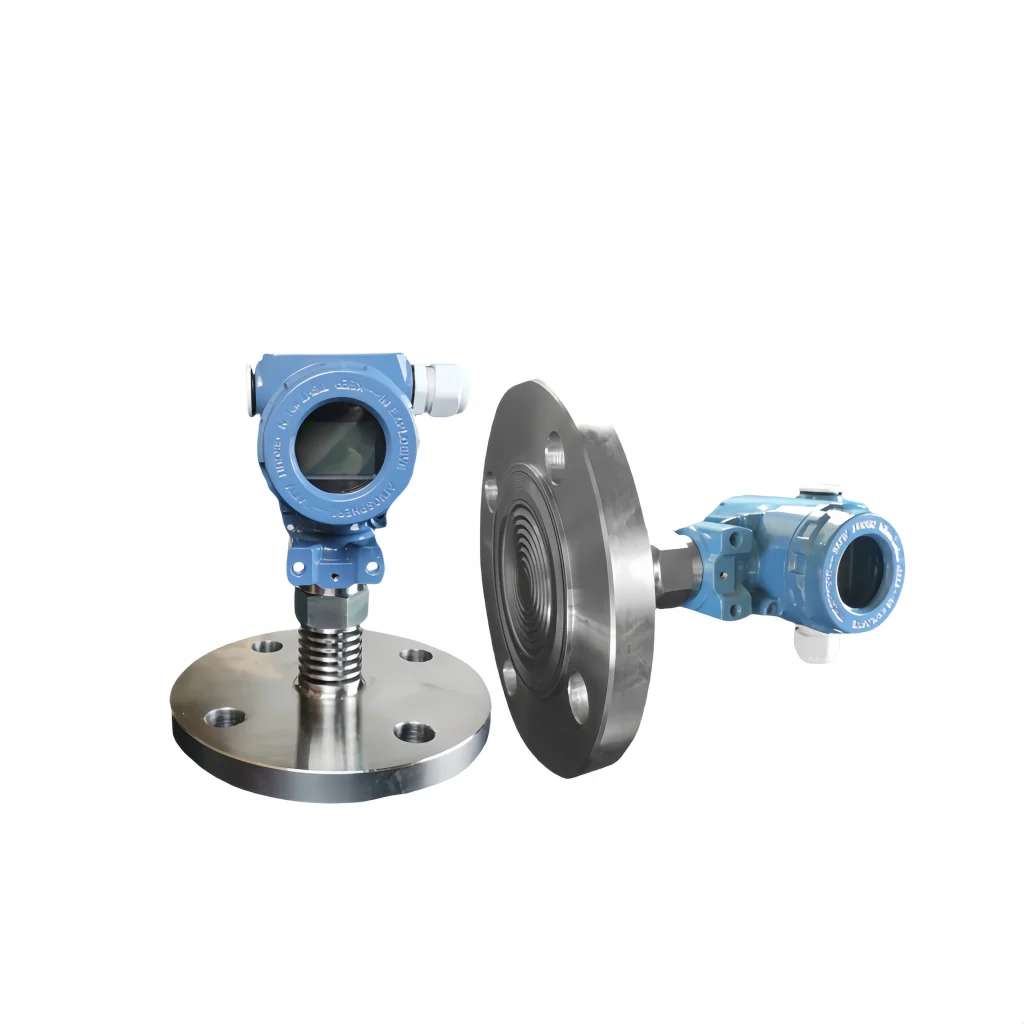
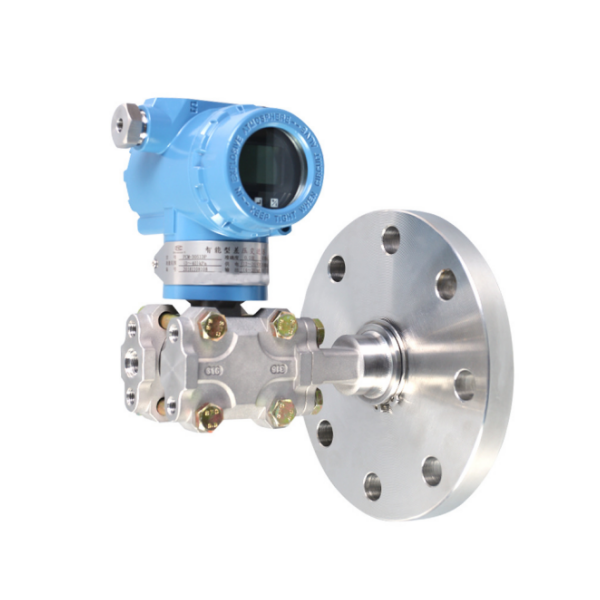
The design of isolated pressure transducers is generally oriented towards flange mounting. This process entails the creation of an opening in the measured equipment, thereby ensuring that, upon the installation of the transducer, its sensing diaphragm becomes an integral component of the equipment wall. Consequently, it does not draw the measured medium into itself and generally avoids issues such as crystallisation and blockage.
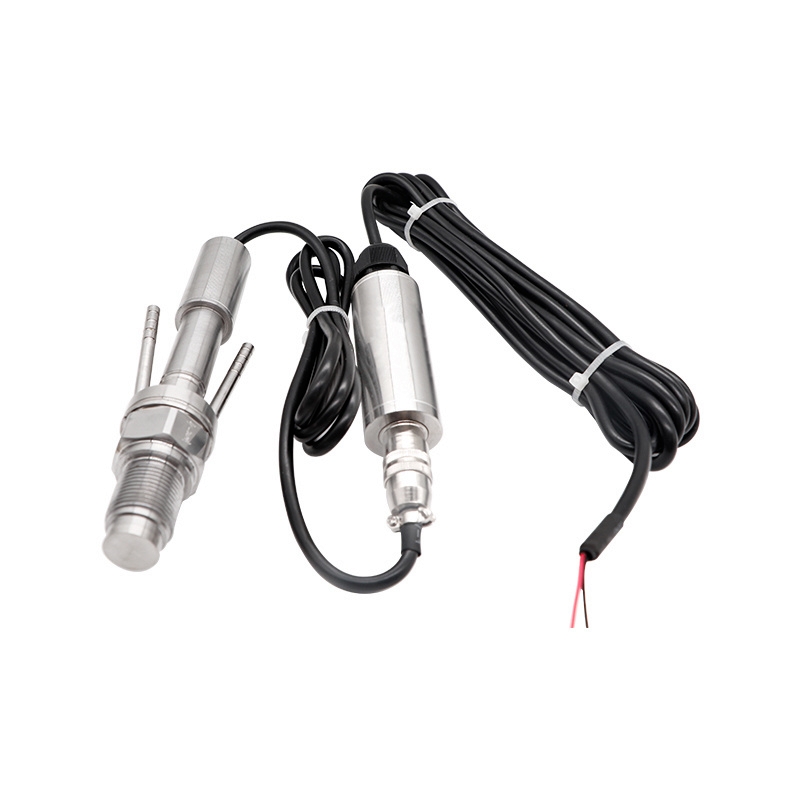
In instances where the measured medium necessitates a higher crystallisation temperature, the utilisation of a protruding diaphragm structure may be a viable option. This configuration facilitates the insertion of the sensing diaphragm into the equipment interior, thereby ensuring the integrity of the detected medium temperature and maintaining measurement reliability. Such applications typically utilise insertion flange transducers.
Advantages of Diaphragm Pressure Transducers
High precision: Diaphragm pressure transducers have been shown to deliver highly accurate pressure measurements with minimal error margins.
Exhibits excellent stability: The simplicity of their internal structure, coupled with the absence of moving parts, ensures superior stability and reliability.
Corrosion resistance: Diaphragms can be selected from materials such as stainless steel, Hastelloy, tantalum, or PTFE-coated variants to suit specific medium characteristics.
Diaphragm pressure transducers is characterised by its ability to prevent clogging and facilitate ease of cleaning. The smooth, dead-angle-free surface of the front-end flat diaphragm exhibits low material adhesion, thereby facilitating effortless rinsing or wiping. This design meets the stringent hygiene standards set by the food and pharmaceutical industries.
High adaptability: Diaphragm pressure transducers are capable of accommodating a wide range of media and applications, including gases, liquids, vapours, high-viscosity fluids, slurries, crystallising substances, and media containing solid particles.
Pressure Transducer Diaphragm Isolation Types
Depending on the manufacturing material and mounting type, the isolation diaphragm seals for these remote seal pressure transducers offer varying performance characteristics. The performance/parameters of remote seals are as follows.
Metal seals:
Stainless steel is the most commonly used material for manufacturing remote seals, though carbon steel and Hastelloy C-276 are also employed. When fitted with threaded mounting, metal seals can withstand pressures ranging from 2500 psi to 5000 psi.
Teflon Seals:
Teflon seals can withstand pressures up to 1500 psi. As an FDA-approved material, Teflon seals are also suitable for sanitary applications.
Elastomer/Non-metallic Seals:
These elastomer seals can withstand pressures up to 100 psi. They may be manufactured from various materials.
The performance specifications above apply at a temperature of 100°F (38°C). Pressure is proportional to temperature; the pressure values in an application will change as the temperature varies.
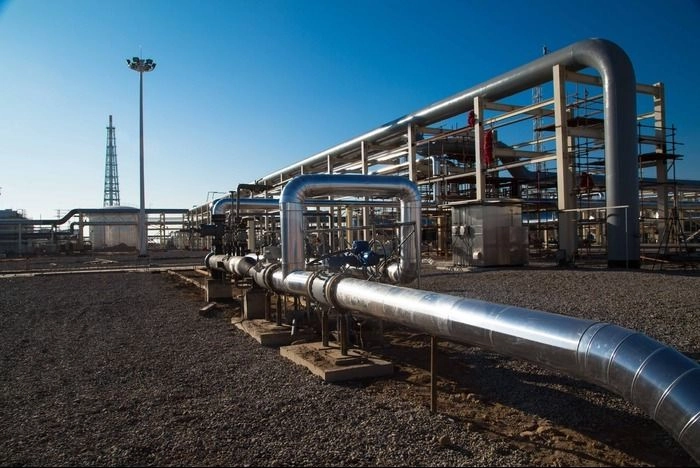
Applications of Diaphragm Pressure Transducers
Chemical Industry: This instrument is appropriate for the measurement of pressure in corrosive liquids and high-purity gases, including highly corrosive media such as sulphuric acid and hydrochloric acid. Sino-Inst diaphragm pressure transducers have been demonstrated to be applicable for pressure measurement and control in viscous media, including, but not limited to, chemical coatings, paints and slurries.
Food and Beverage Industry: The apparatus is capable of measuring pressure in a variety of contexts, including storage tanks, pipeline conveyance systems, and filling machines. It can be used to measure pressure in a range of substances, such as carbonated beverages and viscous media like jam. The hygienic diaphragm design of diaphragm pressure transducers complies with food industry sanitation requirements.
The environmental protection industry is an important economic sector. The instrument is employed for the measurement of pressure in a variety of settings, including pumping stations, pipelines, and reaction tanks within wastewater treatment plants. In addition, it is utilised for the monitoring of equipment such as fans and filters in exhaust gas treatment systems. The instrument is appropriate for the measurement and control of pressure in wastewater treatment processes.
Petroleum Industry: This instrument is applicable for the measurement of pressure in various process pipelines, reactors, and storage tanks during oil extraction and refining operations. Examples include measuring crude oil and natural gas pressures, as well as pressure measurement and control for viscous crude oil within the petroleum sector.
Membrane Pressure Transducer Selection Guide
1. Pressure Parameter Range
The static pressure range is as follows: It is imperative that the diaphragm’s rated pressure exceeds the working pressure by between 30% and 50% (for instance, for a working pressure of 10 MPa, the diaphragm’s pressure resistance should exceed 15 MPa).
Pressure fluctuation frequency: In the case of high-frequency fluctuations (e.g., at pump outlets), the use of rigid diaphragms (e.g., those made of titanium alloy) is essential in order to prevent fatigue damage.
Negative pressure conditions: In the context of vacuum environments, the selection of diaphragms with support structures is imperative to prevent suction. This can be achieved through the implementation of bellows diaphragms, which are supported by a support ring, among other options.
2. Selection based on the characteristics of the measured medium
Corrosive media: In the measurement of pressure exerted by corrosive media, such as acids, alkalis, and salt solutions, the utilisation of pressure transducers constructed from corrosion-resistant materials is imperative. Examples of such materials include transducers with stainless steel 316L material housings and diaphragms, or those utilising Hastelloy, a nickel-based alloy. For instance, in the context of monitoring acid-alkali neutralisation reactions during chemical production, transducers composed of conventional materials would rapidly corrode and fail. It has been demonstrated that pressure transducers equipped with Hastelloy housings and tantalum diaphragms are capable of stable operation over extended periods.
Viscous Media: For viscous substances such as adhesives, paints, and syrups, diaphragm pressure transducers are the preferred option. These effectively isolate viscous materials, thereby preventing ingress that could compromise measurement accuracy or damage the transducer. For instance, measuring syrup pressure in food processing ensures accurate readings while facilitating cleaning and maintenance.
The following high-temperature media are to be considered: In order to accurately measure pressure in high-temperature environments, such as furnaces or boilers, it is essential to utilise high-temperature-resistant pressure transducers. The components of the device, including its internal sensing elements, casings, and other elements, must be capable of withstanding elevated temperatures. In general, pressure transducers featuring ceramic sensing elements and stainless steel casings can operate reliably at temperatures up to 400°C, meeting the demands of most high-temperature applications.
3. Environmental Factors
Temperature Gradient: When the temperature difference exceeds 50°C, ensure thermal expansion coefficients of the diaphragm and transducer body are matched (e.g., stainless steel diaphragm paired with stainless steel body).
Vibration and Shock: For vibration frequencies exceeding 50Hz or shock accelerations exceeding 50g, employ thick diaphragms (≥1.5mm thickness) or reinforced mounting methods.
Electromagnetic Environment: In strong magnetic fields (e.g., near motors), non-magnetic materials (e.g., titanium alloy, ceramics) must be selected to prevent magnetic interference. Installation and Space Constraints
4. Installation Method
Flange mounting: Suitable for high-pressure, large-diameter pipelines (DN ≥ 50), requiring matching flange standards (e.g., ANSI 150LB).
Threaded mounting: Suitable for small-to-medium pipe diameters (DN ≤ 25), requiring attention to thread specifications (e.g., NPT 1/2″) and compatibility with sealing tape.
Space requirements: Compact equipment necessitates thin diaphragms (thickness ≤ 0.5mm), such as flat diaphragm structures.
5. Signal Output
Output Type: Select based on system compatibility:
Analogue: Commonly 4-20mA (high interference resistance, excellent long-distance transmission), 0-5/10V DC (simple and direct).
Digital Output: I²C, SPI, RS485 (Modbus), etc., facilitating integration and enabling transmission of additional information (e.g., temperature compensation values) with enhanced interference resistance.
Supply Voltage: Ensure compatibility with on-site power supply (e.g., 12VDC, 24VDC).
FAQ
Pressure Transducer Wiring Configuration
The wiring configuration for pressure transducers is subject to variation depending on the wiring system. The following wiring instructions are provided as a guide:
1.The two-wire system is a wiring configuration that is frequently employed in uncomplicated applications.
The wiring procedure is outlined as follows: It is imperative to note that one wire is connected to the positive power supply terminal (+Vcc), which is typically coloured red or brown. The function of the other wire is to serve as the signal line, with its connection to the negative power supply terminal (GND), which is typically coloured black or blue.
Characteristics: The structure is uncomplicated, rendering it well-suited to scenarios where short distances and low precision are the primary concerns. However, it is important to note that signals transmitted through this medium are susceptible to interference.
Precautions: It is imperative to verify the polarity of the power supply to avert potential damage arising from reverse connection.
2.Three-wire wiring has been demonstrated to enhance signal stability.
The following steps should be taken when wiring: The positive terminal of the power supply (Vcc) is identified as follows: The red wire must be connected to the positive power supply terminal.
Power supply negative terminal (GND): It is evident that the black wire is to be connected directly to the power supply’s negative terminal.
The signal output (OUT) is defined as follows: It is imperative to note that the connection of white, yellow, or other coloured wire to the input terminal of the data acquisition device is to be undertaken with the utmost precision and care.
Characteristics: It has been demonstrated that dedicated ground wires have the capacity to reduce signal interference, which renders them suitable for use in industrial environments.
Precautions: It is imperative to ensure that the ground connection is secure and to avoid its mixing with the power supply ground wire.
3. Four-wire wiring (commonly used for precision measurement)
Wiring procedure:
Power supply positive (+Vcc): red wire.
Power supply negative (GND): black wire.
Signal output positive (+OUT): white or green wire.
Signal output negative (-OUT): yellow or other coloured wire.
Characteristics: Differential signal output, strong anti-interference capability, suitable for long-distance transmission or high-precision applications.
Precautions: Ensure signal positive and negative terminals are correctly connected to the acquisition device to prevent polarity reversal.
4. Five-wire and other special wiring configurations (less common)
Certain transducers may incorporate temperature compensation wires or additional functional wires; refer to the specific manual. For instance, supplementary wires may serve temperature compensation inputs or calibration functions, typically marked with identifiers such as ‘TC’ or ‘CAL’.
What is the difference between gauge pressure, absolute pressure and differential pressure?
Gauge pressure is defined as the measurement of atmospheric pressure conditions. Changes in atmospheric pressure do not result in alterations to the transducer’s output signal. Absolute pressure transducers are defined by their capacity to reference a complete vacuum; the transducer’s output signal is observed to vary in accordance with changes in altitude and atmospheric pressure. Differential pressure measurement is defined as the pressure difference between two points within a system.
Pressure Transducer Overload or Out of Range
Such issues typically arise when sudden, drastic pressure changes occur within a system. For instance, in hydraulic systems, improper operation may cause pressure to surge beyond the transducer’s measurement range, resulting in transducer damage. To prevent this, it is advisable to select transducers with appropriate measurement ranges during installation and to incorporate overload protection devices within the system, such as pressure relief valves or pressure-limiting valves. When encountering transducer damage, beyond replacing the transducer, inspecting the system for pressure control issues is an essential step.
How Pressure Transducers Measure Liquid Levels
When a pressure transducer is immersed to a certain depth within the liquid being measured, the liquid-facing surface of the transducer is subjected to hydrostatic pressure exerted by the liquid. This pressure is then converted into an electrical signal via the transducer’s sensitive element (for example, a diffused silicon pressure-sensitive element or a ceramic capacitive pressure transducer). The processing and calculation of this electrical signal provides an indication of the liquid level. Firstly, it is necessary to convert the electrical signal into the corresponding liquid depth h, based on the known liquid density ρ and gravitational acceleration g. This conversion process is based on the physical formula P=ρgh+Po, where P represents the pressure exerted on the transducer’s liquid-facing surface, ρ denotes the density of the measured liquid, g is the gravitational acceleration, h is the depth to which the transducer is immersed in the liquid, and Po is the atmospheric pressure at the liquid surface. The depth h to which the pressure transducer is immersed in the liquid can be calculated by measuring the pressure P on the pressure transducer and combining this with the known liquid density ρ and gravitational acceleration g.
Sino-Inst is a specialist manufacturer and distributor of pressure transducers, and we are thrilled to be supplying products that are being used all over the world by users in the petroleum, chemical, and natural gas sectors. Our products are amazing! They feature precise measurement, reliable operation, straightforward handling, low maintenance requirements, and compact design. We are committed to providing our valued customers with reliable instruments, straightforward operating procedures and exceptional customer service. We are dedicated to continuously enhancing product quality to meet the evolving needs of our clients.