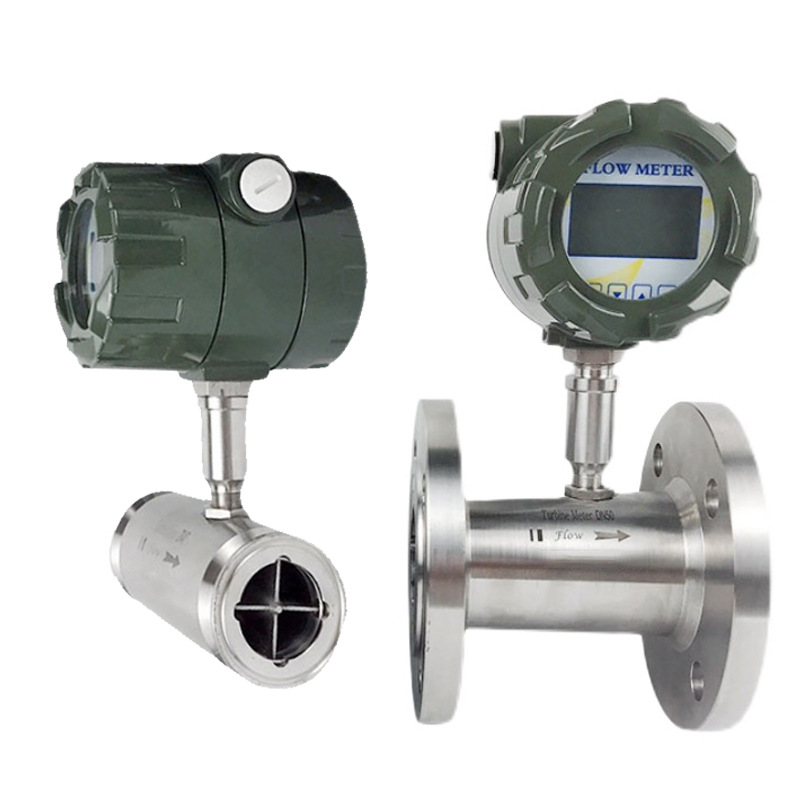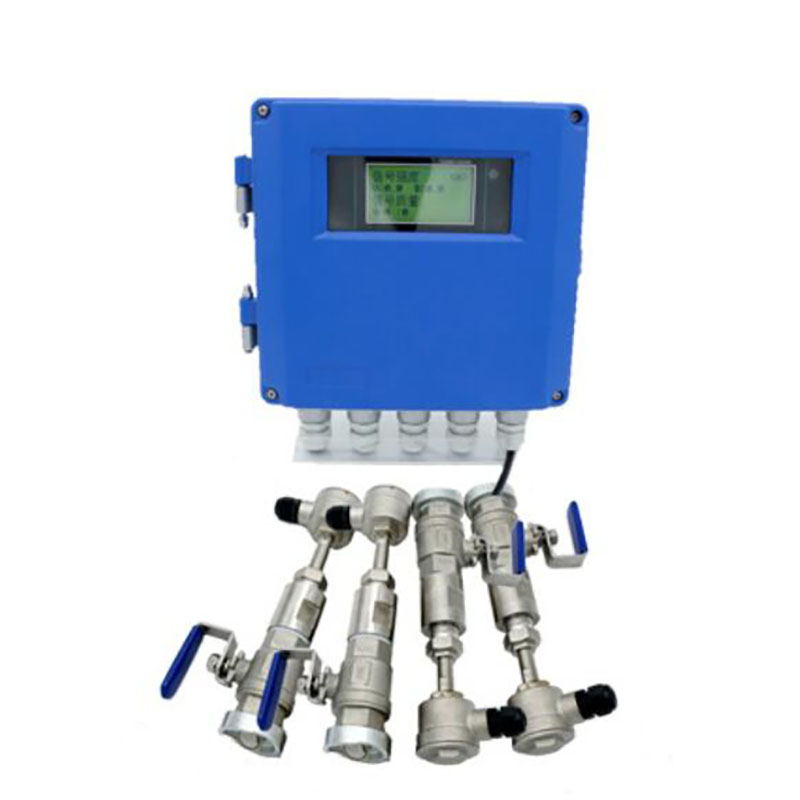
In modern chemical production, energy development, and environmental monitoring sectors, traditional metal gas flow meters are highly susceptible to chemical corrosion under demanding conditions involving highly corrosive media such as acidic gases, alkaline vapours, and organic solvent vapours. This can mean that the measurements aren’t accurate, the equipment gets damaged, and there can even be safety incidents.
Corrosive gas flow meters are critical flow measurement equipment that has become essential for ensuring industrial production safety and enhancing process control levels. They’re great because they’re resistant to corrosion, they perform reliably and accurately, and they’re easy to use.
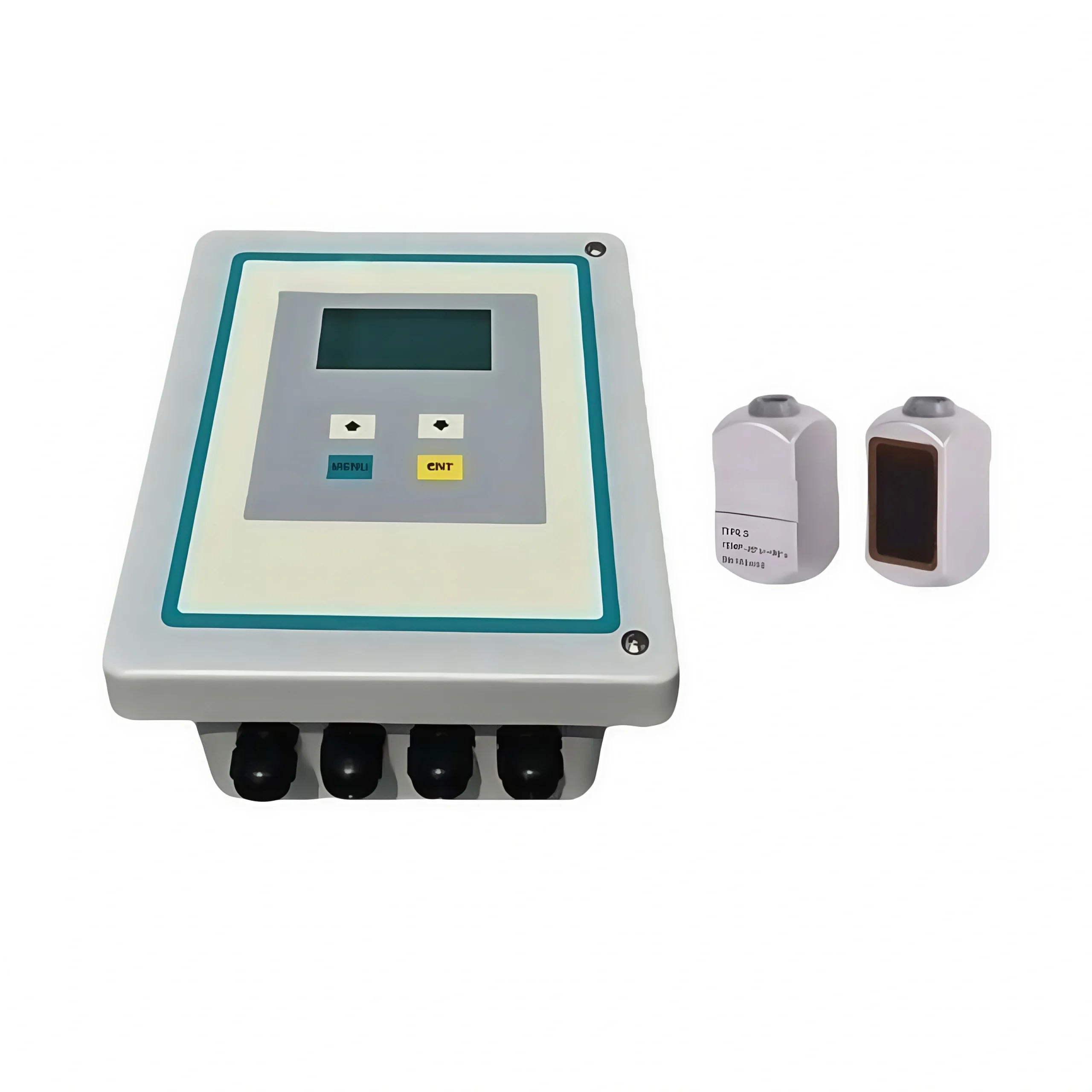
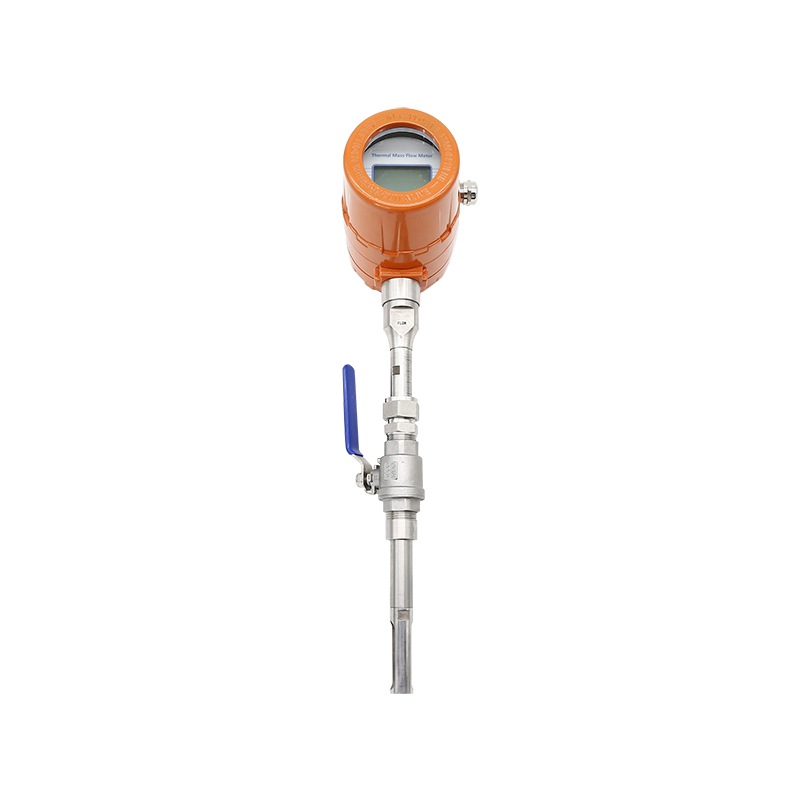
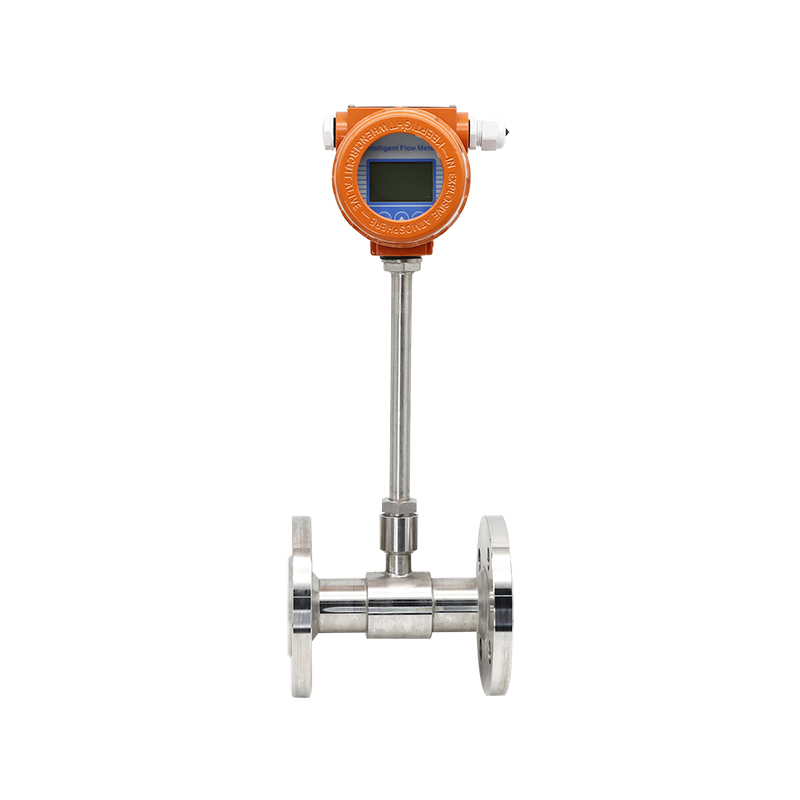
Thermal Mass Flow Meter
Working Principle
Thermal mass flow meters operate based on the principle of thermal diffusion. The sensor transfers heat to the flowing gas; the heat carried away by the gas is directly proportional to the mass flow rate. By detecting the temperature difference or power difference, the gas mass flow rate can be measured directly. The measurement process is unaffected by fluctuations in gas temperature or pressure, enabling stable and accurate flow measurement.
Advantages
1. Exceptional Corrosion Resistance
Sensors, probes and flow paths that come into contact with gases can be made from Hastelloy, titanium alloys, 316L or 304 stainless steel, along with corrosion-resistant linings such as PTFE or PFA. Thanks to its resistance to corrosive gases such as chlorine, hydrogen chloride, sulphur dioxide and ammonia, this design is perfect for challenging chemical environments.
2. Direct Mass Flow Measurement
Temperature and pressure compensation isn’t necessary for the mass flow output. It’s really accurate and quick, so it’s perfect for measuring low-flow and micro-flow corrosive gases.
3. Absence of Mechanical Moving Parts
As it has no internal rotating components, you don’t need to worry about wear, jamming or leakage caused by corrosive media. It’s highly reliable, has a long lifespan and requires minimal maintenance.
4. Wide Rangeability and Low Pressure Drop
It’s got a wide range of flow rates, from micro to medium, with barely any pressure drop. It keeps the pressure balanced in gas delivery systems, making it great for low-pressure, low-velocity applications.
Application Fields
Thermal mass flow meters are great for chemical, semiconductor, electronics, laboratory and environmental protection industries. They’re great for measuring corrosive process gases, specialty gases, and exhaust gases like chlorine, hydrogen chloride, sulphur dioxide, and ammonia. You can use them for reaction process control, gas blending, exhaust monitoring and environmental remediation. They’re perfect for measuring flow in clean, corrosive and low-velocity conditions.
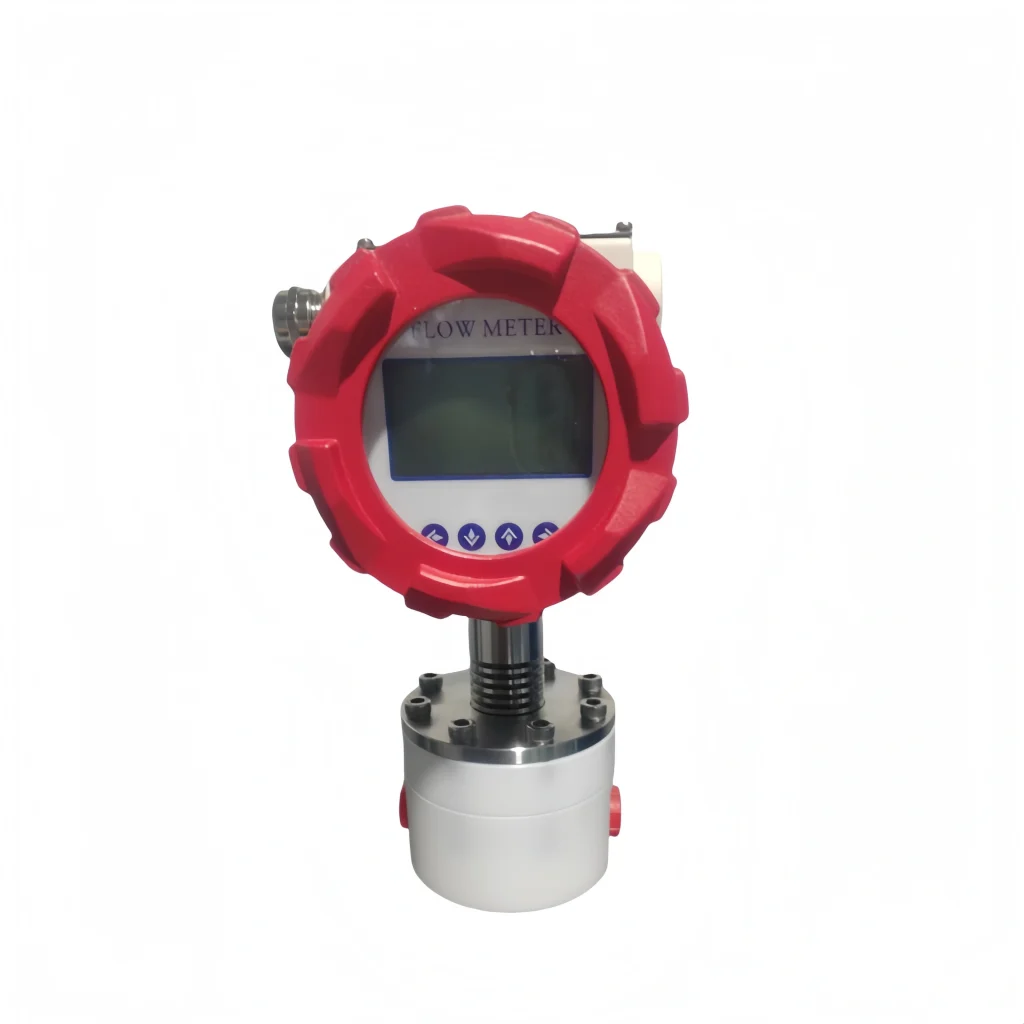
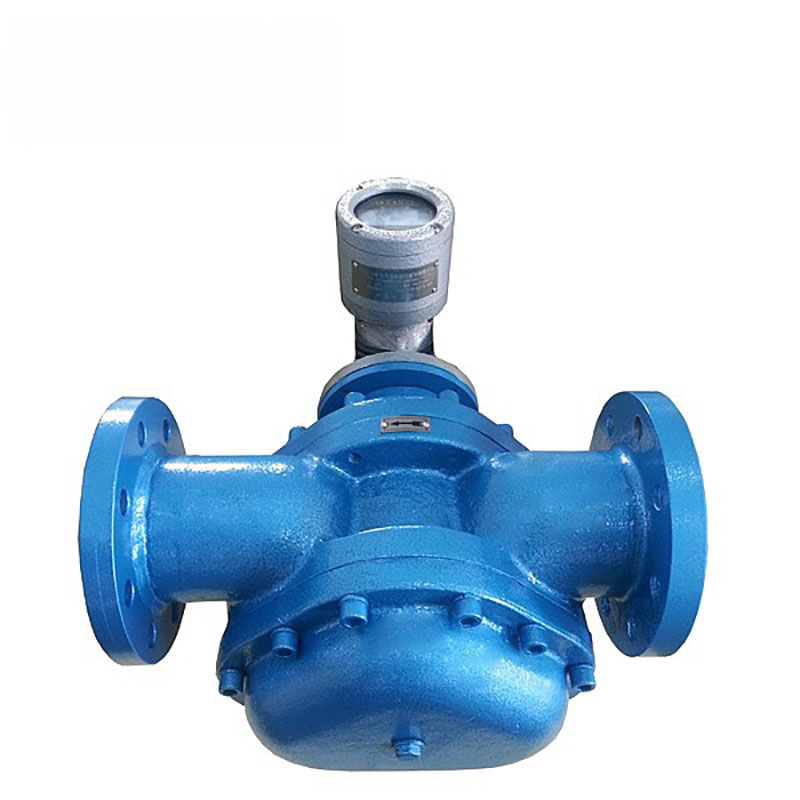
Positive Displacement Flow Meter
Working Principle
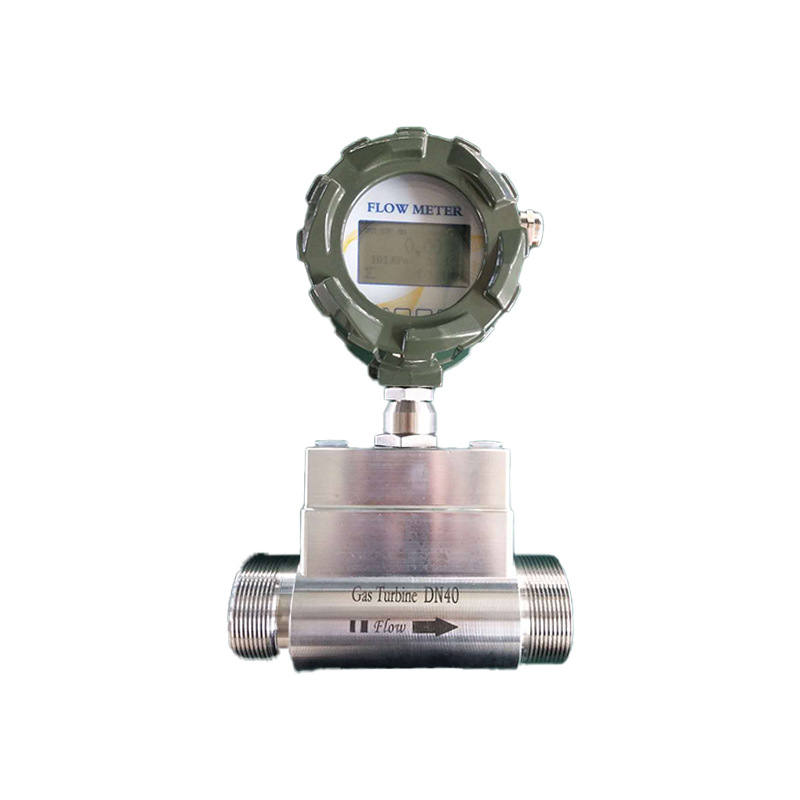
This corrosion-resistant positive displacement flow meter operates using the volumetric measurement principle. It has moving parts, such as rotors and gears. When corrosive gases flow through the instrument, they cause the internal rotor to rotate at a constant speed. The number of rotor revolutions is directly proportional to the volume of gas passing through. If you record how many times the rotor has gone round, you can work out the volume of gas flow really accurately. The measurement process won’t be affected by changes in gas flow speed, so it’s really stable.
Advantages
1. Corrosion Resistance
The parts that touch the gas, like the rotor and housing, are usually made from materials that don’t rust, like 316L stainless steel or Hastelloy. Sealing elements use fluorinated rubber compounds, like PTFE. These materials effectively resist corrosion from aggressive gases, ensuring long-term stable operation in corrosive environments and suitability for weakly corrosive, clean gas applications.
2. High-Precision Measurement
Positive displacement flowmeters are really accurate, and they’re not affected by gas density, viscosity, or other physical properties. They usually achieve precision within 0.2% to 0.5%. Their stable measurement range enables precise measurement of low-flow gases, making them suitable for scenarios demanding high flow accuracy.
3. Adaptability to Stable Flow Conditions
Volumetric flow meters are great at dealing with steady flows. They’re great for measuring and metering corrosive gases, even when the flow is a bit up and down, and you don’t have to recalibrate them too often, which makes them super easy to use and maintain.
Application Domains
Positive displacement flow meters are primarily suited for applications demanding high metrological accuracy, such as fine chemical processing, pharmaceutical manufacturing, laboratories, and small-scale gas delivery systems. They provide stable, precise flow measurement for weakly corrosive gases, solvent vapours, and clean process gases. They are particularly well-suited for metering and trade settlement scenarios involving corrosive gases with low flow rates, minimal velocity fluctuations, and small flow variations.
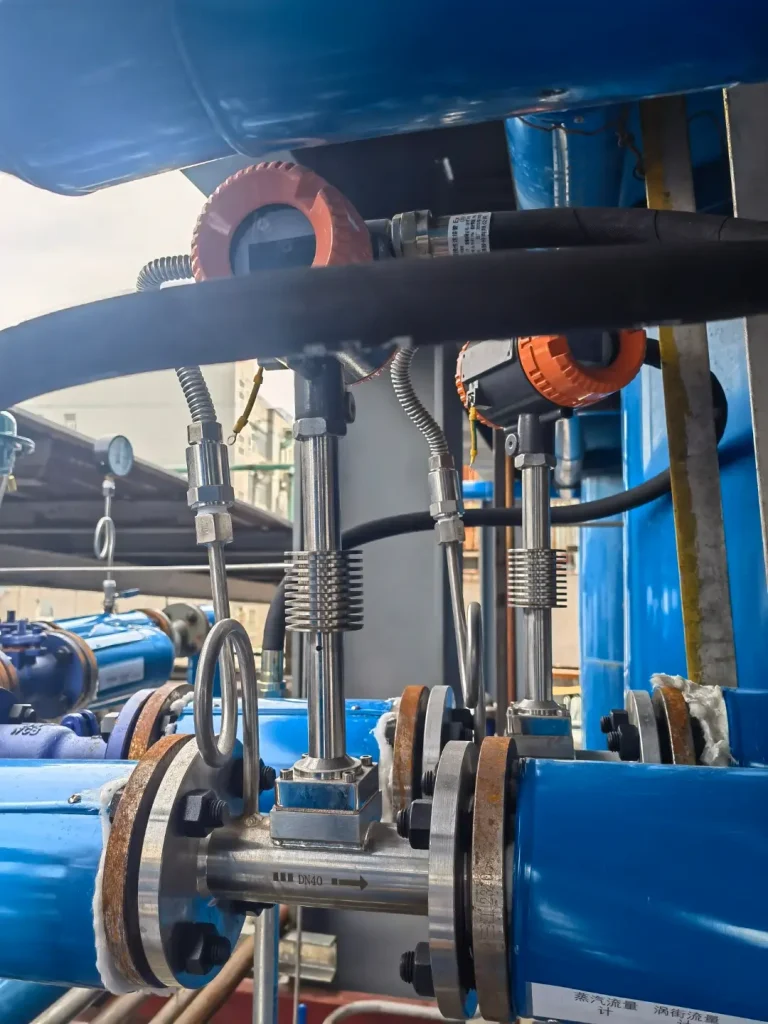
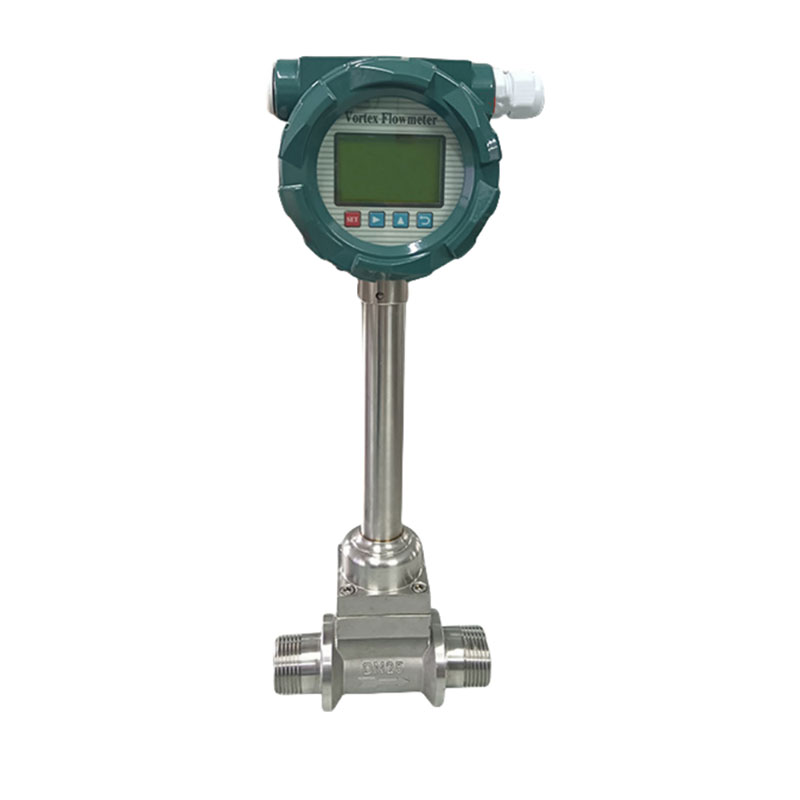
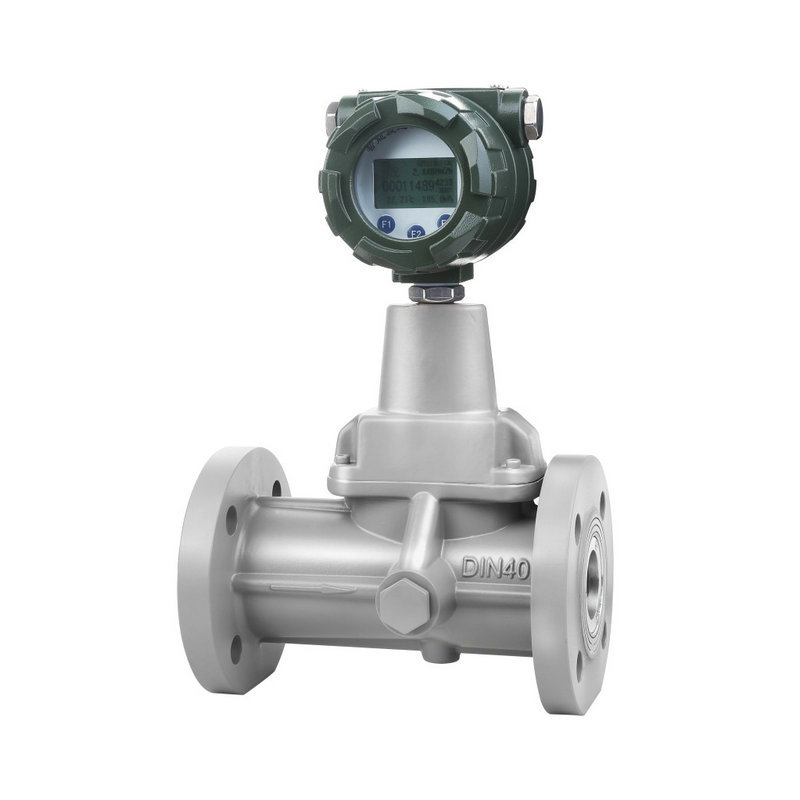
Vortex Flow Meter
Working Principle
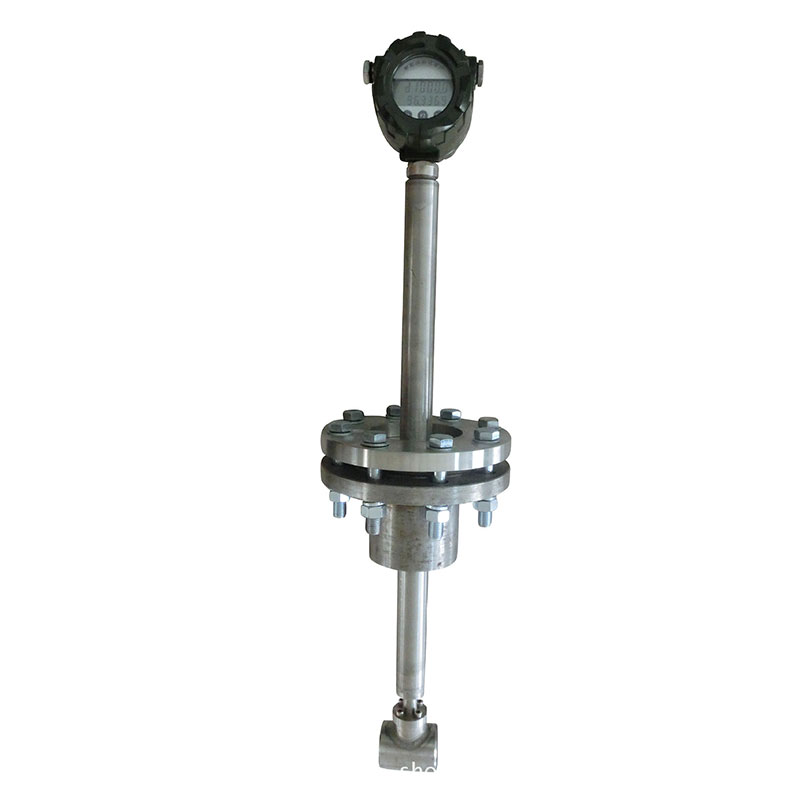
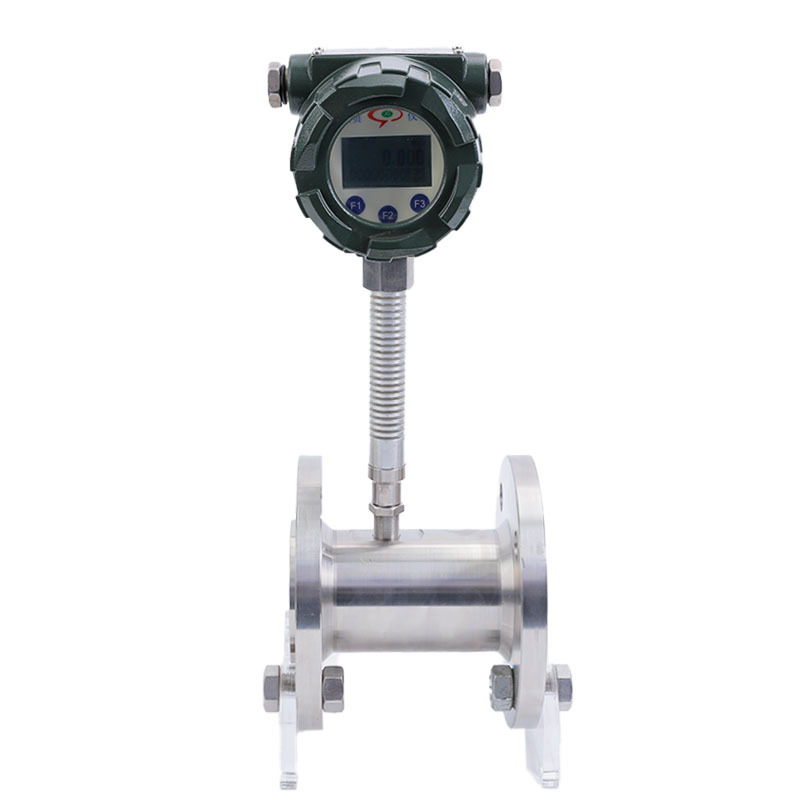
The corrosion-resistant vortex flow meter operates based on the Karman vortex street principle. When regular corrosive gases flow past the fixed generator within the instrument, alternating vortex streets form on either side of the generator. The frequency of these vortex streets is directly proportional to the gas flow velocity. The measurement process is stable and remains largely unaffected by variations in gas density or viscosity.
Advantages
1. Exceptional Corrosion Resistance
The bits that touch the gas, like the generator and the probe, are made from materials that don’t rust, like Hastelloy and titanium alloys. The flow passage is lined with PTFE, and the seals use fluororubber. These materials effectively withstand erosion from common corrosive gases like chlorine, ammonia, and SO₂, ensuring long-term stable operation in typical corrosive environments.
2. Absence of Moving Parts
The vortex flow meter features only a fixed generator body with no moving components. This eliminates wear, jamming, or leakage caused by corrosive gases, resulting in high equipment reliability, low maintenance frequency, and reduced operational costs.
3. Simple Construction
This flowmeter features straightforward construction and moderate manufacturing costs. Compared to Coriolis or custom electromagnetic flowmeters, it offers superior cost-effectiveness while maintaining excellent corrosion resistance and practicality, making it the preferred choice for standard corrosive applications.
4. Minimal Pressure Loss
The vortex flow meter has almost no pressure loss, which keeps gas transmission efficient. It’s perfect for measuring regular corrosive gases when the flow rate is medium to high. Its wide turndown ratio can handle different flow scenarios without needing to change the settings too often.
Application Fields
Vortex flow meters are used a lot in petrochemical, metallurgical, power generation, environmental protection and basic chemical industries. They’re great for keeping an eye on standard corrosive gases like chlorine, ammonia, sulphur dioxide, and process tail gases. They can operate stably in conditions of medium to high flow velocities, moderate flow rates, and significant temperature and pressure fluctuations, making them the go-to choice for measuring corrosive gas flow in industrial settings.
How to Select a Flow Meter Suitable for Corrosive Gases?
Define the Medium Characteristics
This is the first step in the selection process. The corrosion of flow meter materials is affected by the chemical composition, concentration, temperature and pressure of different corrosive materials.
For instance, if you’re dealing with strong acid, like hydrochloric or sulphuric acid, you’ll need to use materials that can handle the corrosion. Some good options are Hastelloy or titanium alloys. When it comes to strong alkaline materials, such as sodium hydroxide, stainless steel 316L is the way to go. However, in high-concentration alkaline solutions at elevated temperatures, higher-grade alkali-resistant materials may be required.
Also, think about whether the medium has solid particles or impurities in it, as these can affect the flow meter’s measurement process and the type of structure it needs.
Focus on Material Selection
It is crucial that materials used in flow meter components which come into direct contact with the medium, such as measuring tubes, impellers and sensors, are corrosion-resistant. While Hastelloy, titanium alloys, and stainless steel 316L are highly resistant to corrosion, plastics such as polytetrafluoroethylene (PTFE) and polyfluoroethylene propylene (FEP) are more resistant to chemicals and corrosive media, but less strong. During selection, appropriate materials must be chosen holistically based on the corrosiveness of the medium and operational conditions.
Other Considerations
To ensure that the flow meter can handle the conditions in which it is used, it is also necessary to consider its accuracy class, measurement range, operating pressure and temperature range.
Regarding accuracy class, the appropriate standard must be determined based on actual production requirements, as measurement precision demands vary significantly across different scenarios.
The range you choose should match the changes in the gas flow, so the meter can do its job properly and give you accurate results.
The operating pressure range must strictly match the actual pressure conditions of the working environment. This ensures the flow meter can withstand the maximum working pressure while accommodating pressure fluctuations.
The operating temperature range is equally critical. The temperature of corrosive gases directly impacts the corrosive strength of the medium, the stability of the flow meter’s materials, and the measurement accuracy.
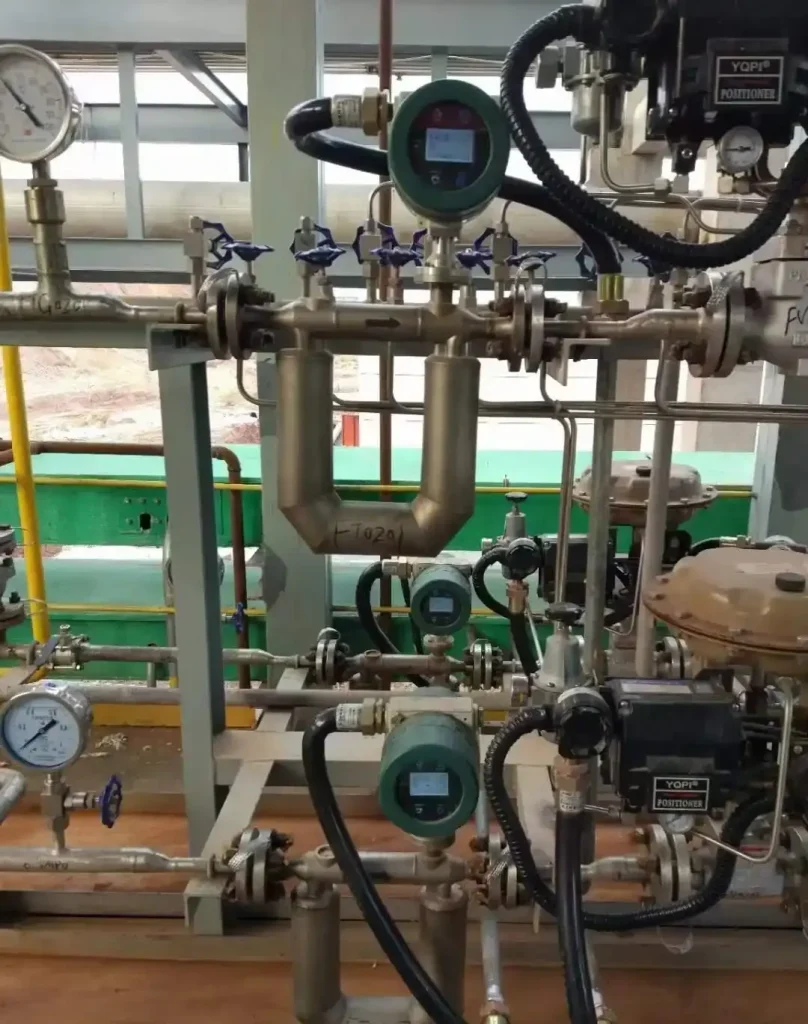
You’ll be glad to hear that high-quality flow meters are essential for making sure production stays stable, that operations are safe and that measurements are always precise. Sion wants to make sure its products are always accurate, reliable and long-lasting. We deeply understand the complex operating conditions across industries such as chemicals, environmental protection, semiconductors, and pharmaceuticals, delivering industrial flow measurement solutions that are better suited, safer, and more durable for corrosive gases and various demanding media.
We are committed to empowering users through specialised expertise, delivering comprehensive, end-to-end technical support spanning product selection, on-site installation, routine maintenance, and bespoke development. If you need any help choosing a flow meter, setting it up, getting it running, making it work better, or if you need something special for a one-off job, just give us a shout. We promise to provide a professional, efficient and reliable service and support, and we’ll do our best for you.