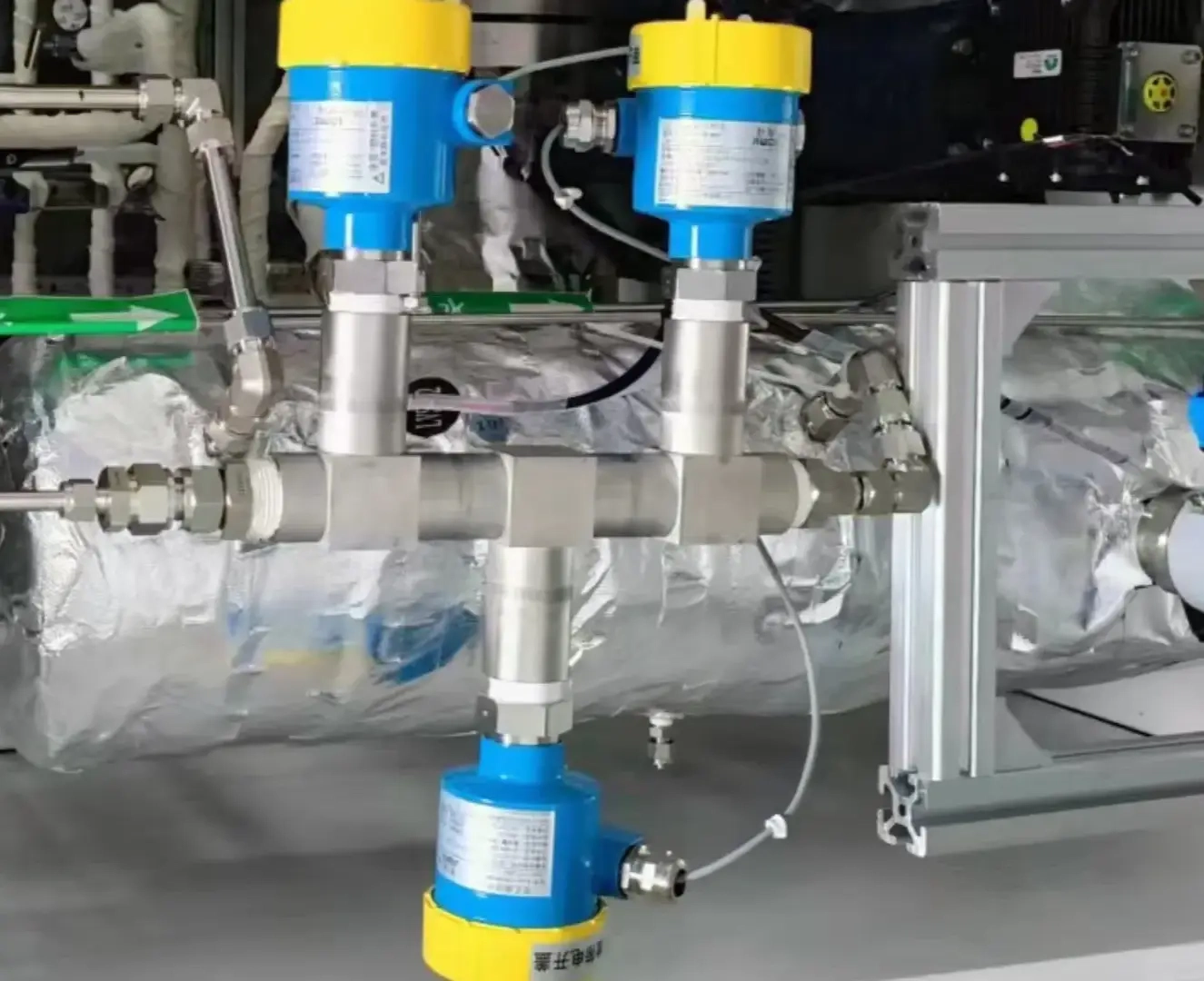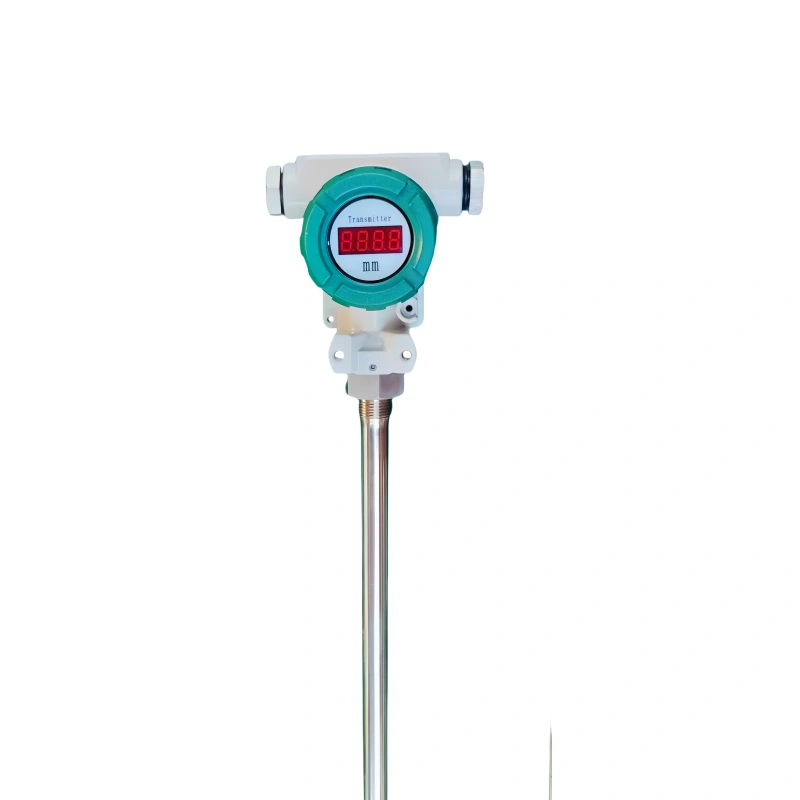
As key sensing devices for fixed-point level monitoring, over-limit alarms and interlocked equipment control, the performance, range of applications and operational reliability of level switches have a significant impact on improving industrial production efficiency, optimising energy consumption and ensuring safety.
Capacitance level switch sensors can be used for both point-level detection and continuous level measurement, and are particularly suitable for liquids. Their measurement principle is based on changes in the capacitance of a capacitor. The conductive tank wall and the probe inside the tank form a capacitor, and the liquid level is determined by utilising changes in the capacitance of this capacitor.
Principle of Operation
Capacitance level switches determine the presence of a medium or air by detecting the medium’s conductivity or dielectric constant. A capacitance is formed between the level switch and the medium (liquid or air) in which it is situated. When the tip of the capacitance level switch’s probe is immersed in liquid, the capacitance changes abruptly, causing the field-effect transistor to switch states. Capacitance level switches can operate in relatively clean, conductive and non-corrosive liquids, including process water, hydrogen peroxide and other industrial fluids.
Dielectric Constant
The dielectric constant is a physical quantity that measures a substance’s ability to store electric charge; simply put, the higher the value, the greater the substance’s capacity to store charge. The dielectric constant of air is approximately 1, whilst that of the vast majority of liquids is significantly higher than that of air; for example, water has a dielectric constant of approximately 80, and oils range from 2 to 5.
This is the core principle behind the operation of capacitance level switches: Changes in liquid level change the stuff around it (air or liquid), which then changes the dielectric constant and capacitance, and this ultimately triggers the switch to act.
Structure of Capacitance Level Switches
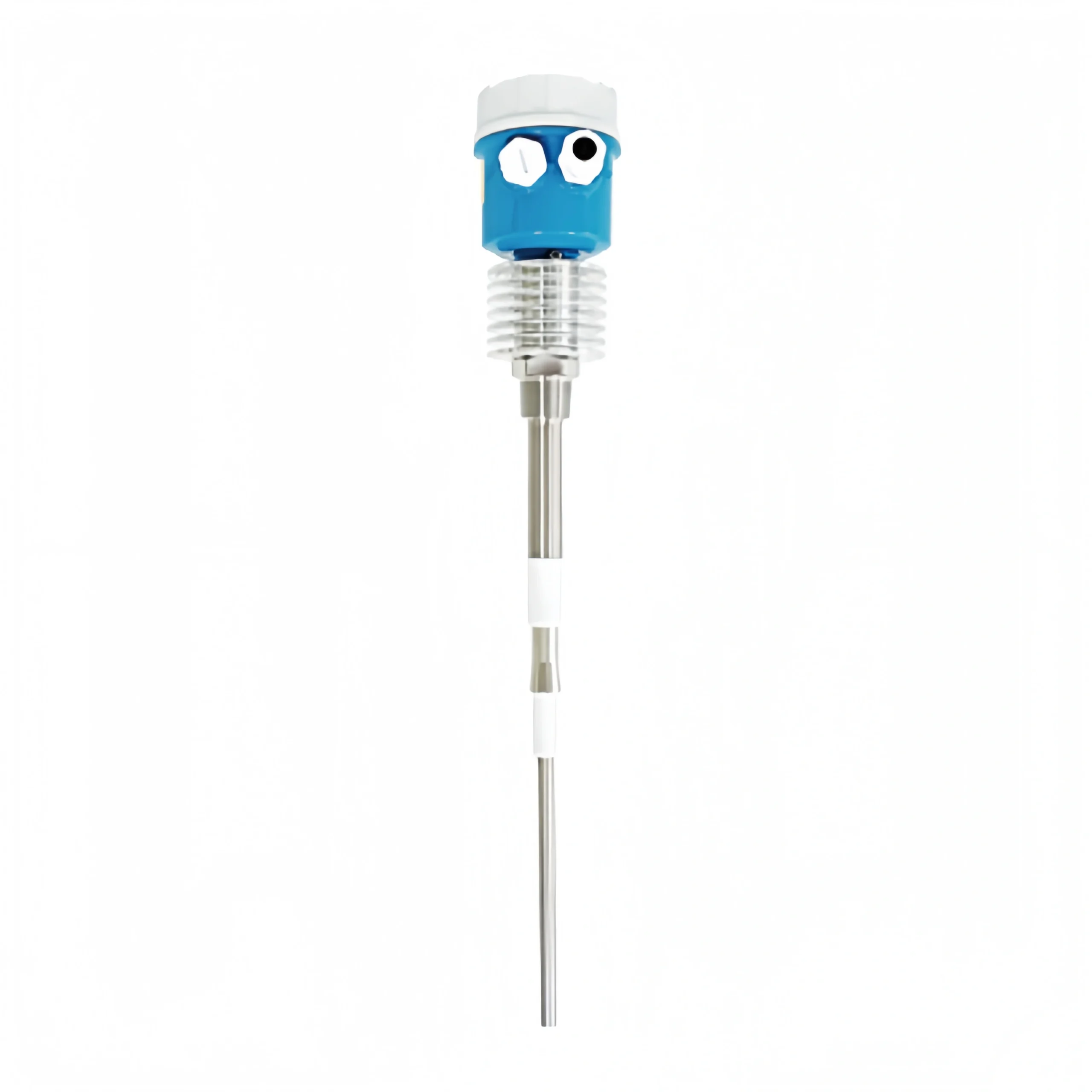
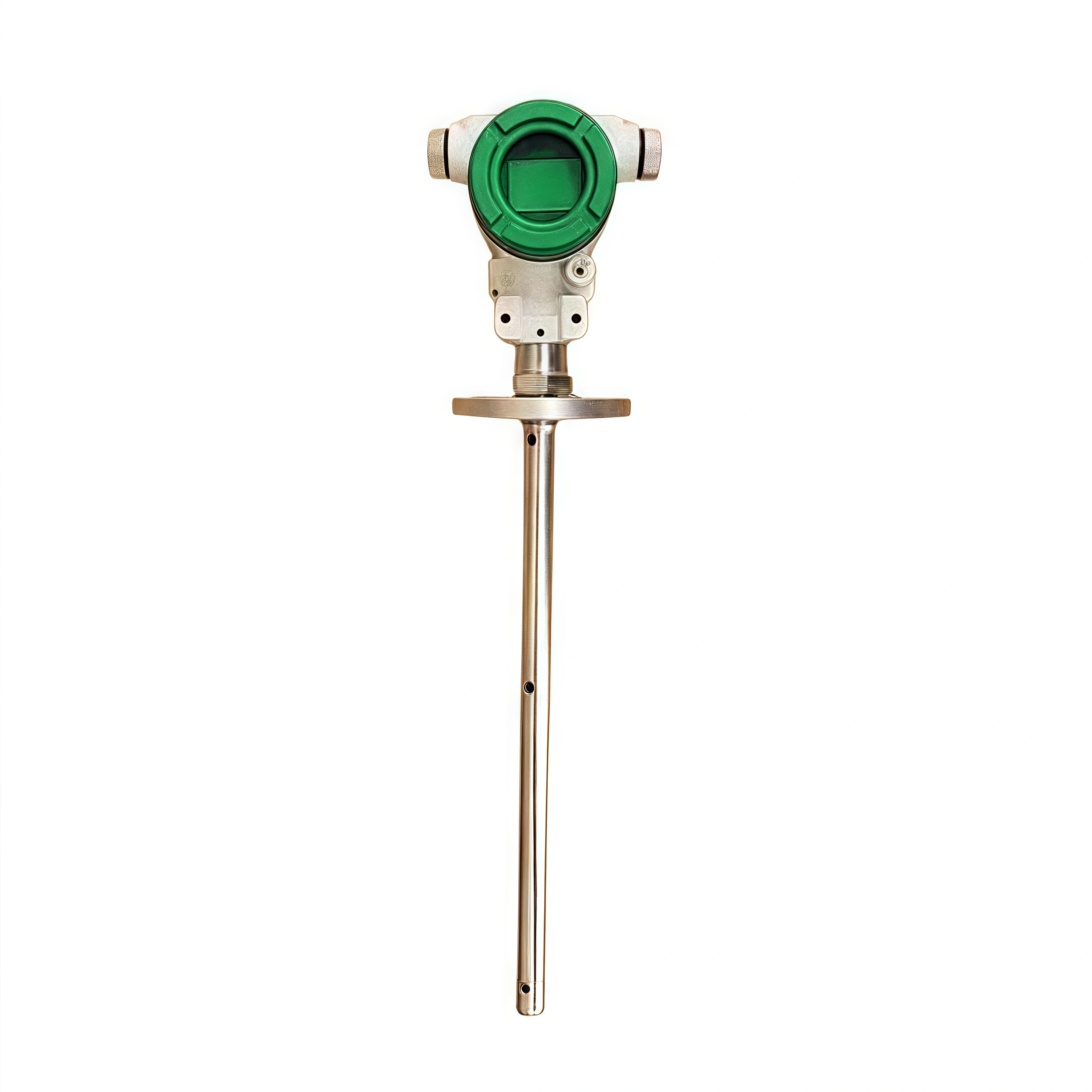
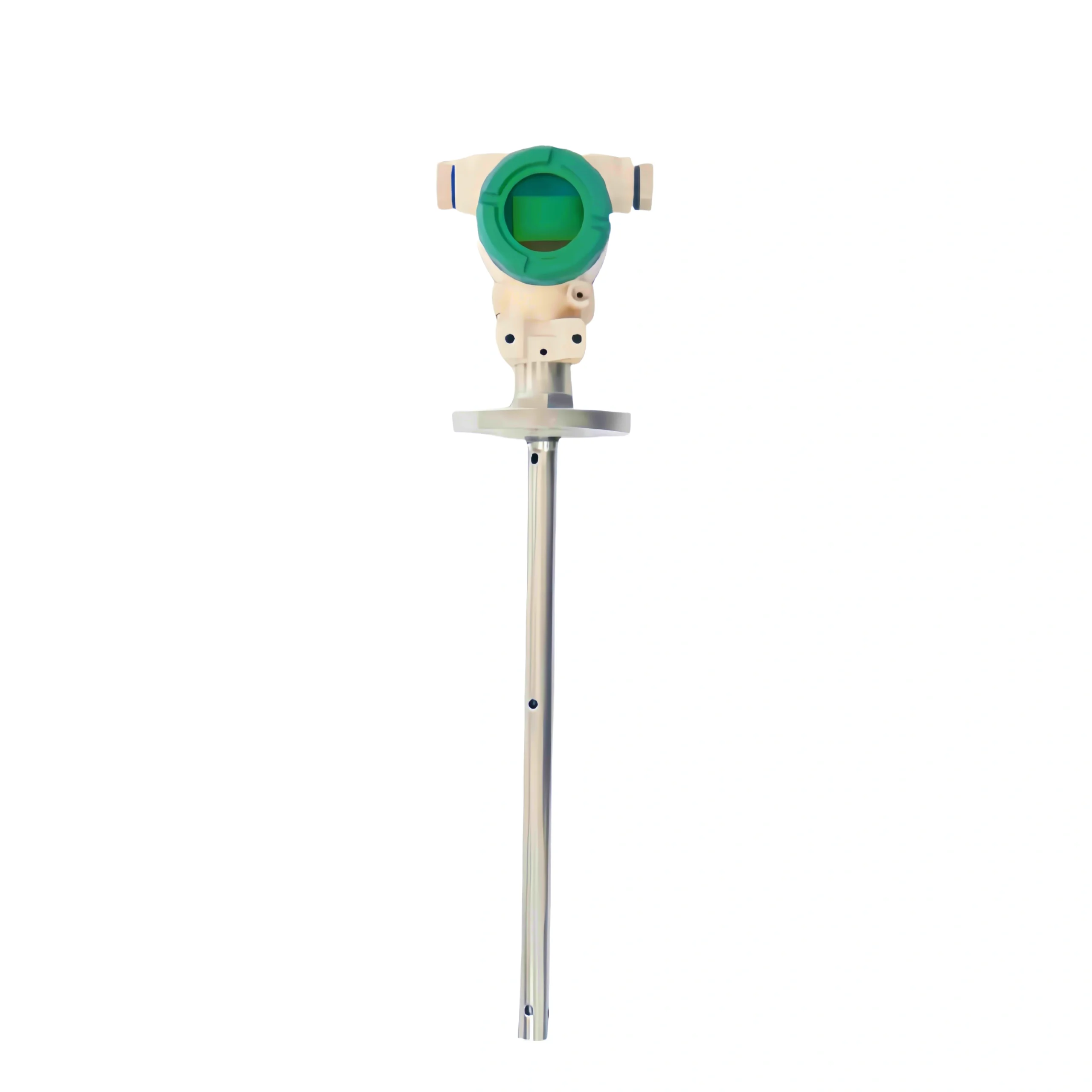
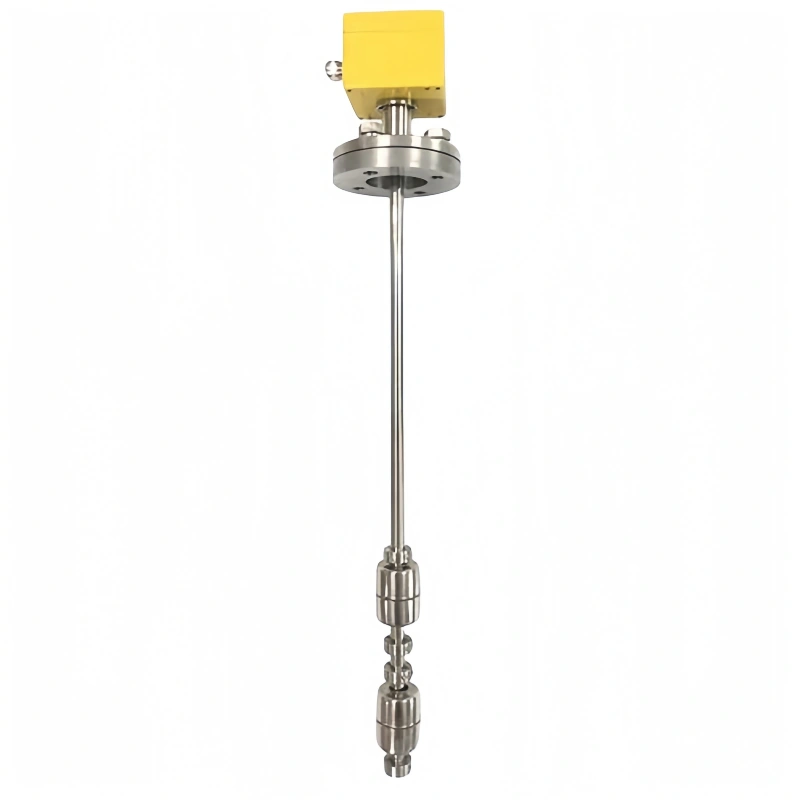
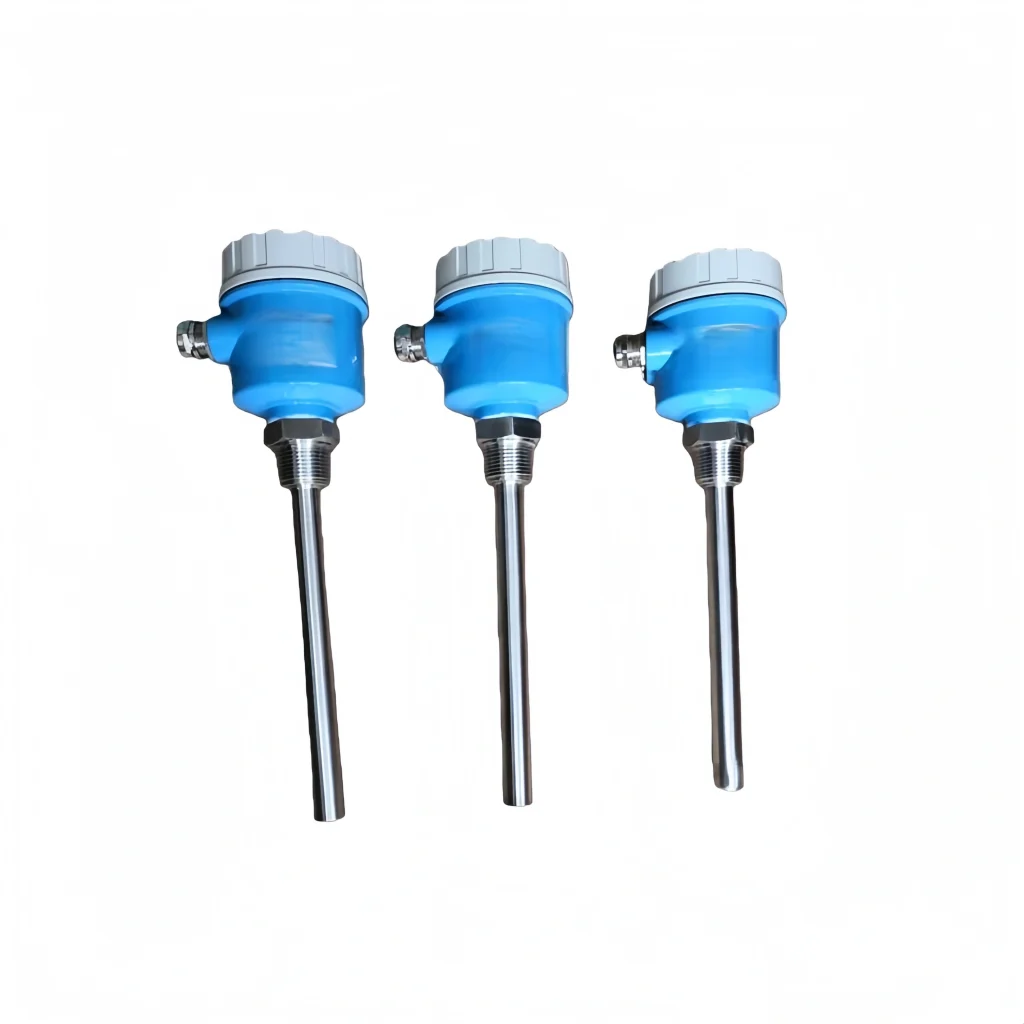
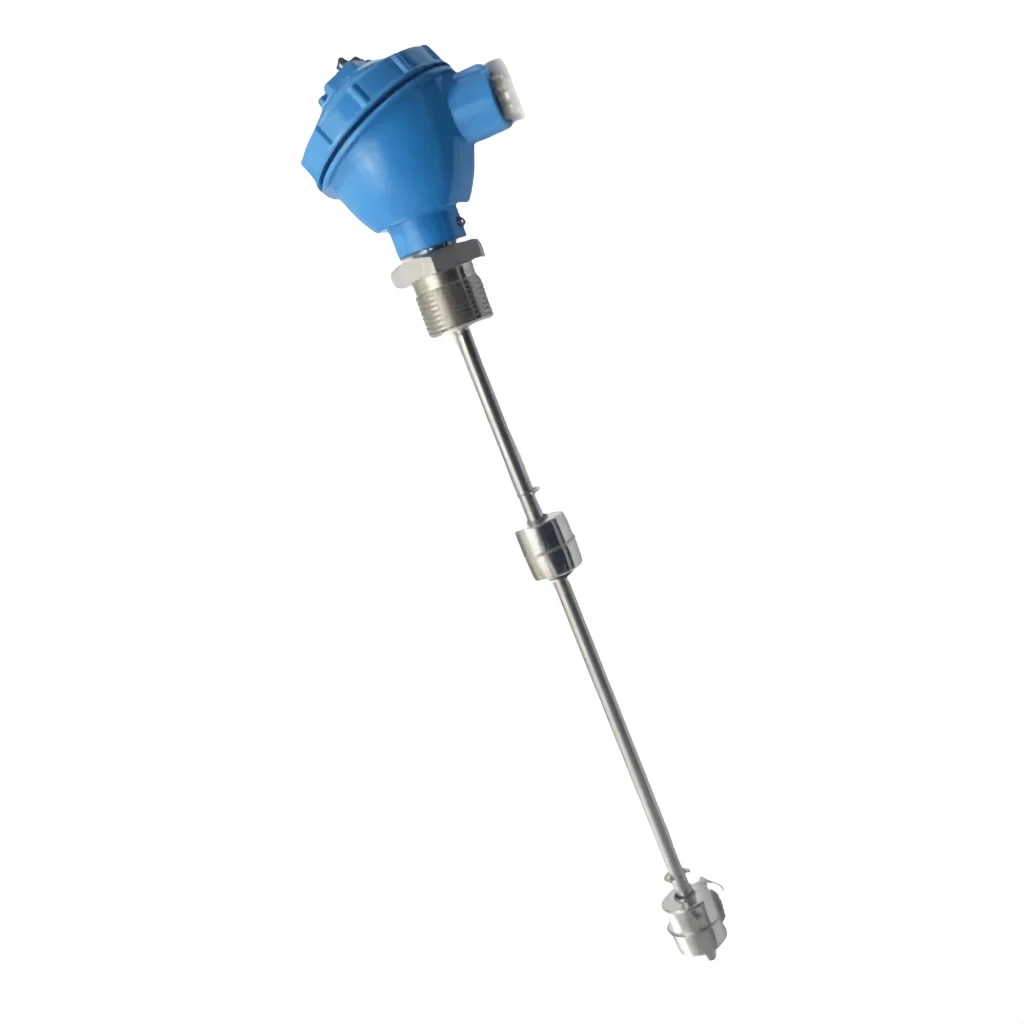
Sensing electrode (inner electrode): It’s usually a stainless steel rod or metal cable, and it’s the positive plate of the capacitor. You insert it straight into the vessel so that it comes into contact with the medium you’re measuring. It is available in rod-type and cable-type configurations to suit different tank conditions.
Insulating protective layer: This layer, which goes around the sensing electrode, is usually made of PTFE or ceramic. It keeps the electrode separate to stop short circuits and electrical leakage, while also making sure the electric field distribution stays stable. This makes it great for use with corrosive or high-temperature media.
Reference electrode (outer electrode): In single-electrode configurations, the negative electrode plate is formed by the metal vessel wall or an installed flange connected to earth; in coaxial configurations, an external metal sleeve is added to serve as the negative electrode plate, suitable for non-metallic storage vessels.
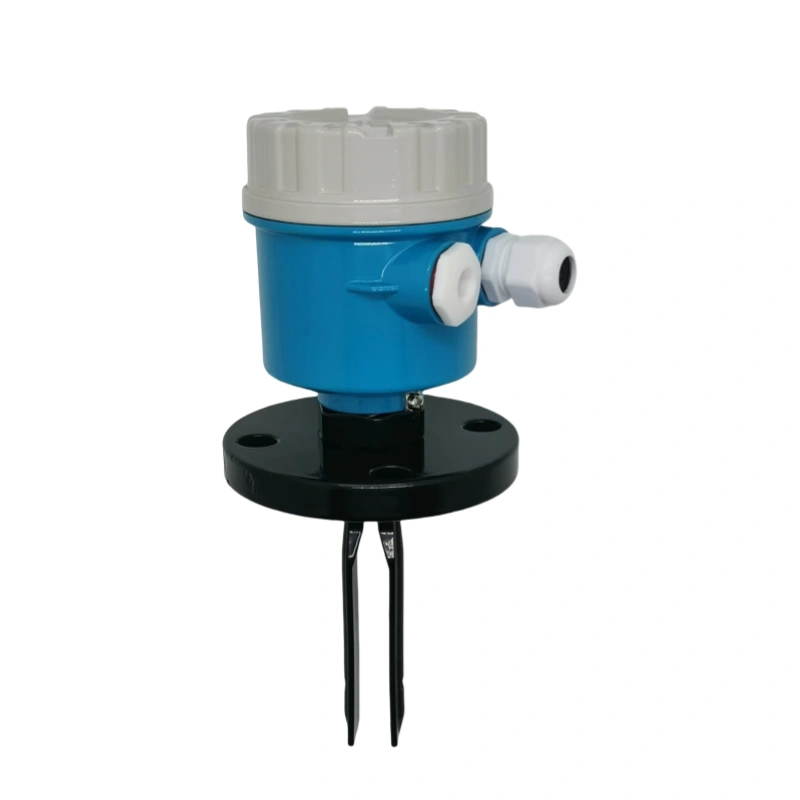
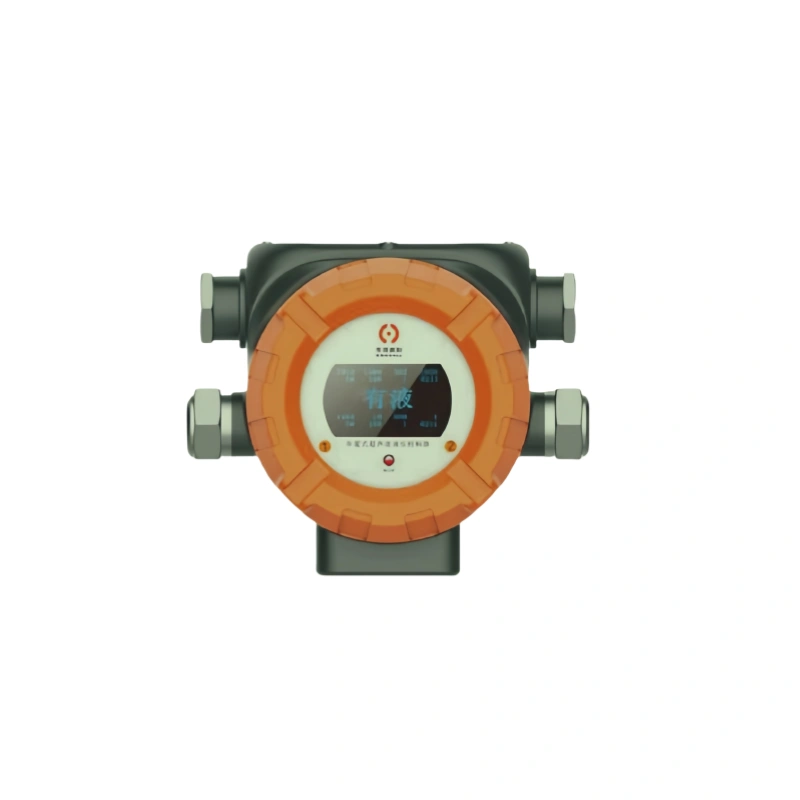
Signal processing circuit unit: Integrates a capacitance detection chip, amplifier, temperature compensation module and anti-interference components. It captures minute capacitance changes caused by the medium covering the electrodes, amplifies and analyses the signal.
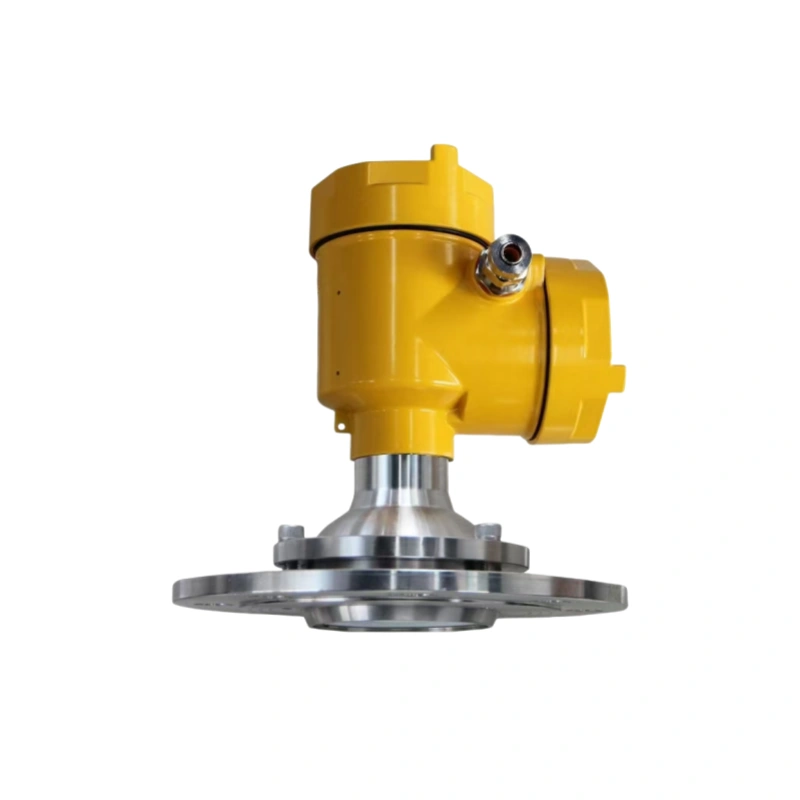
Wiring and Output Module: This kit includes a sealed junction box, waterproof terminals and a relay or level output interface, making it easy to connect the power supply and send switch signals while keeping the electrical connections strong and stable.
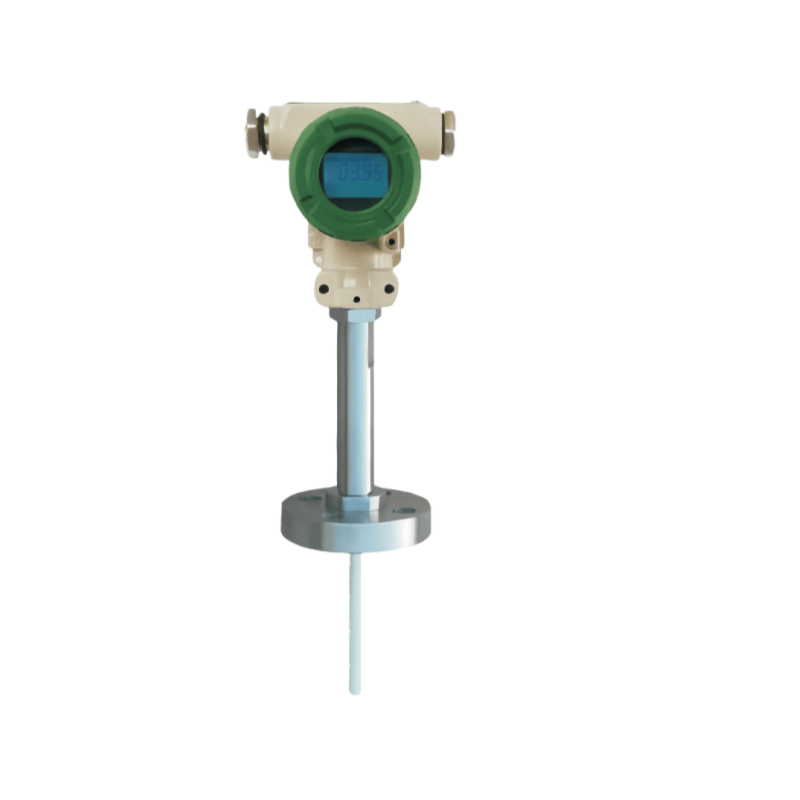
Mounting Fittings: They’re made up of flanges, threaded connectors and similar bits, and they’re used to secure the probe to the top or side wall of the tank. This ensures both installation sealing and pressure resistance, and conforms to standard industrial installation practices.
Advantages and Disadvantages
Advantages
1. Simple and durable design: The unit doesn’t have any moving mechanical parts, so you don’t have to worry about jamming, wear and tear, or it ageing. It rarely breaks down, lasts a long time and doesn’t need much upkeep.
2. Wide range of compatible media: It can detect all kinds of materials, like liquids, powders, granules and slurries. It’s great for clean water, oily or contaminated stuff, corrosive acids and alkalis, and viscous materials with impurities.
3. High resistance to environmental interference:Unaffected by foam, steam, dust or liquid level fluctuations, and unaffected by material build-up on the probe surface or slight adhesion; the detection signal remains stable, minimising false triggers.
4. Excellent high-temperature and high-pressure performance: The probe can be fitted with high-temperature-resistant insulating materials and pressure-resistant housings, making it suitable for harsh industrial environments such as boilers, reactors and high-pressure storage tanks.
5. Easy installation and commissioning:You don’t need to do any complicated calibration or wiring, so it’s really easy to set up. You can choose between threaded or flanged mounting options, so the probe can be installed, started up and commissioned on-site quickly, and it’s suitable for various tank structures.
6. Good sealing and safety:The probe has a fully sealed, waterproof and explosion-proof design, so there’s no risk of leakage through openings. This makes it suitable for sealed storage tanks and flammable or explosive environments, and it meets explosion-proof requirements in the chemical and petrochemical industries.
7. Sensitive response and high accuracy:The capacitive signal responds really quickly, and a switch signal is triggered straight away when the liquid level reaches the critical point, making sure you’ve got precise point control. It’s great for high/low level alarms and interlocked start-stop control.
8. Adaptable to complex retrofit scenarios: For non-metallic tanks, large silos and deep-tank level applications, you can detect things by combining coaxial electrodes or extended cable structures, which offer exceptional versatility.
Disadvantages
1. Susceptible to changes in the dielectric constant of the medium: The way it works is based on changes in the material’s dielectric constant. Big changes in the medium’s makeup or moisture content can cause capacitance drift, which can lead to false triggers or inaccurate detection.
2. Significant interference from material build-up on electrodes:Viscous slurries and materials containing dust particles tend to stick to the surface of the probe’s insulating layer, creating false level signals. If you want to keep your equipment in good nick, you’ll need to give it a clean and do some maintenance now and again.
3. Not suitable for materials with extremely low dielectric constants: For certain dry, lightweight powders or media with high foam content and extremely low dielectric constants, the capacitance difference is too small to reliably identify the threshold point.
4. Installation requirements for non-metallic tanks:Tanks that aren’t made of metal, like the ones that are made of plastic or fibreglass, can’t use the tank wall as a reference electrode. You have to install auxiliary external electrodes or coaxial sleeves, which increases the modification costs.
5. Limitations under extreme high-temperature conditions: Although the system can withstand conventional high temperatures, in ultra-high-temperature or high-radiation environments, the insulating materials are prone to ageing and degradation, which accelerates probe failure and shortens service life.
6. Weak resistance to strong electromagnetic interference:In places where there are strong electromagnetic fields, like near variable frequency drives or high-power motors, the weak capacitive signals can be easily disrupted. You’ll need extra shielding, earthing and anti-interference cabling.
Applications of Capacitance Level Switches
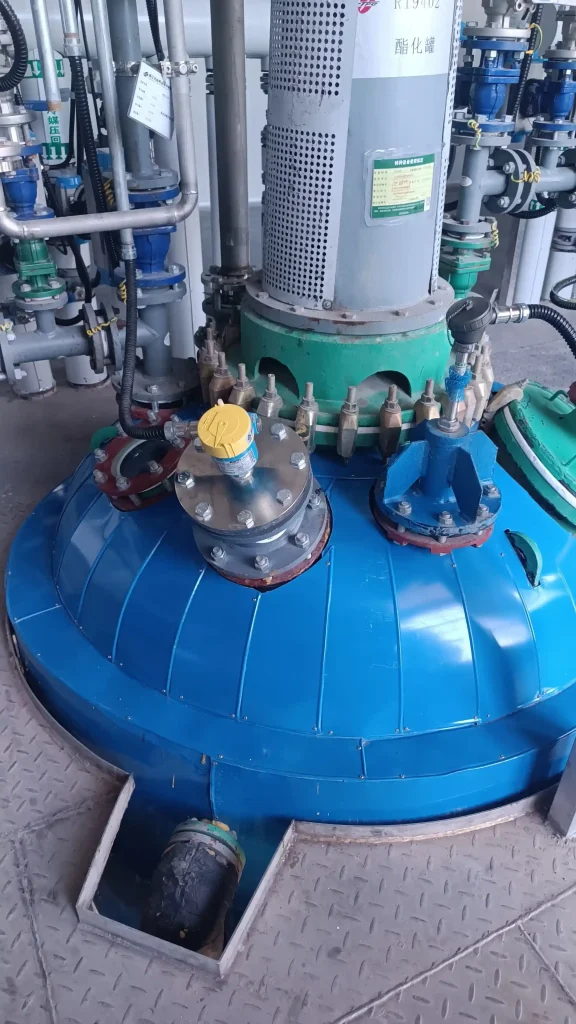
Industrial and Chemical Sector: I used to keep an eye on the liquid levels in acid and alkali storage tanks and reactors. We pick models that are explosion-proof and highly corrosion-resistant, and they’re compatible with DCS systems so you can have remote control and alarms for safety.
New Energy Sector: It’s mostly used to keep an eye on the coolant level in power batteries. We pick models that can handle high and low temperatures and electromagnetic interference, so you can be sure the output signals are stable and the battery is safe to use.
Food and Pharmaceutical Sector: It’s used to keep an eye on stuff like fruit juices, medicines and syrups. We pick models that are non-contact and have hygiene certification to stop contamination of materials and meet industry hygiene requirements.
Smart Water Management Sector: Used to monitor liquid levels in water reservoirs and secondary water supply tanks. Low-power models with wireless communication and battery power are selected to enable remote monitoring without the need for on-site supervision.
Different types of Capacitance level switches
Models adapted to varying media conductivity:
Models designed for conductive media feature a probe coated with a PTFE or ceramic insulating layer, suitable for detecting water, acids, alkalis and salt solutions; models designed for non-conductive media utilise a bare electrode structure and rely on changes in dielectric constant, making them suitable for insulating liquids such as oils and organic solvents.
Different Probe Structures:
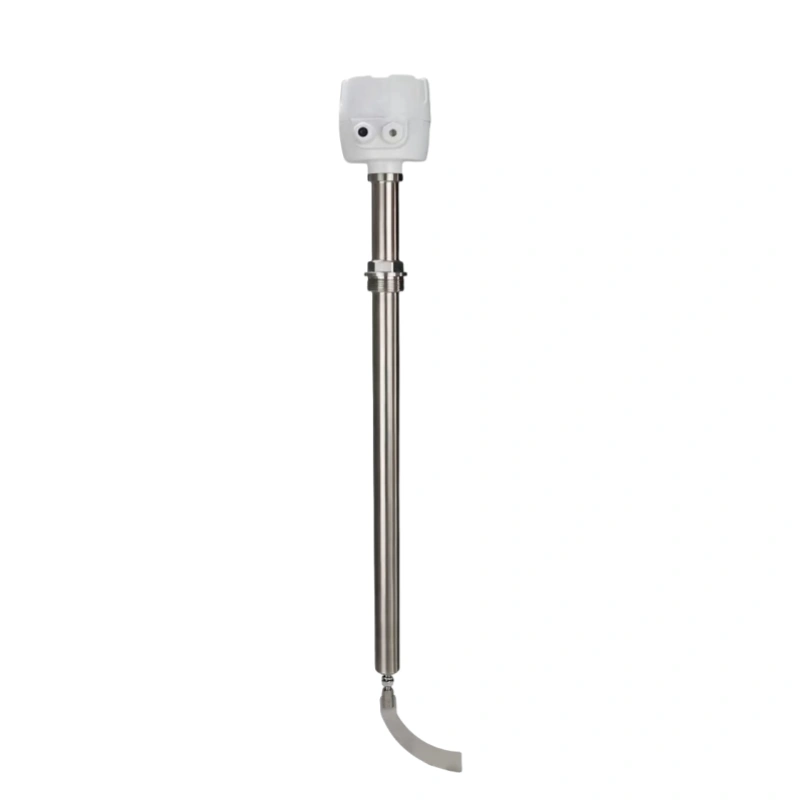
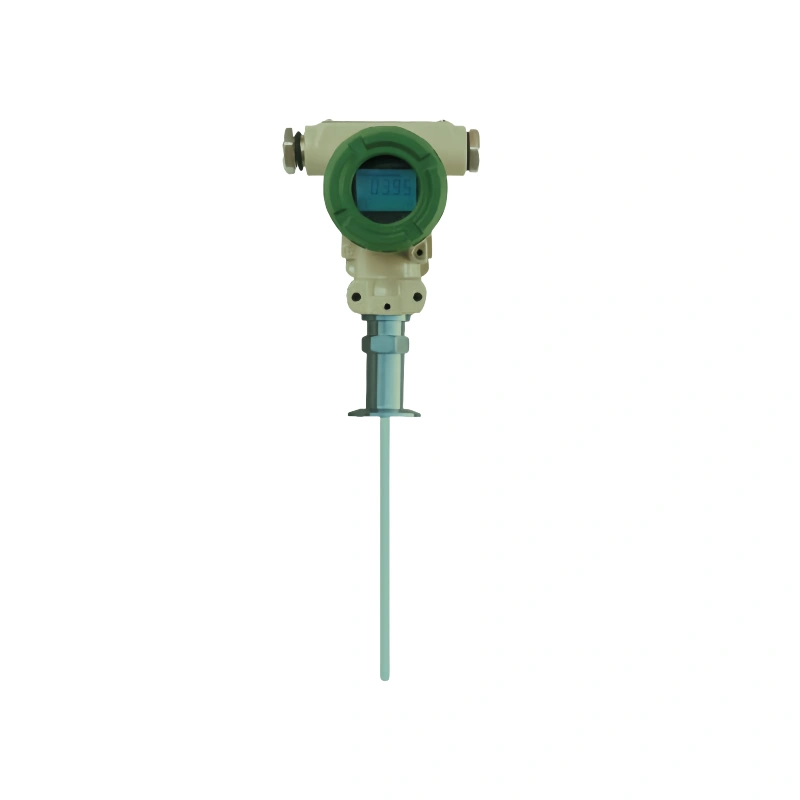
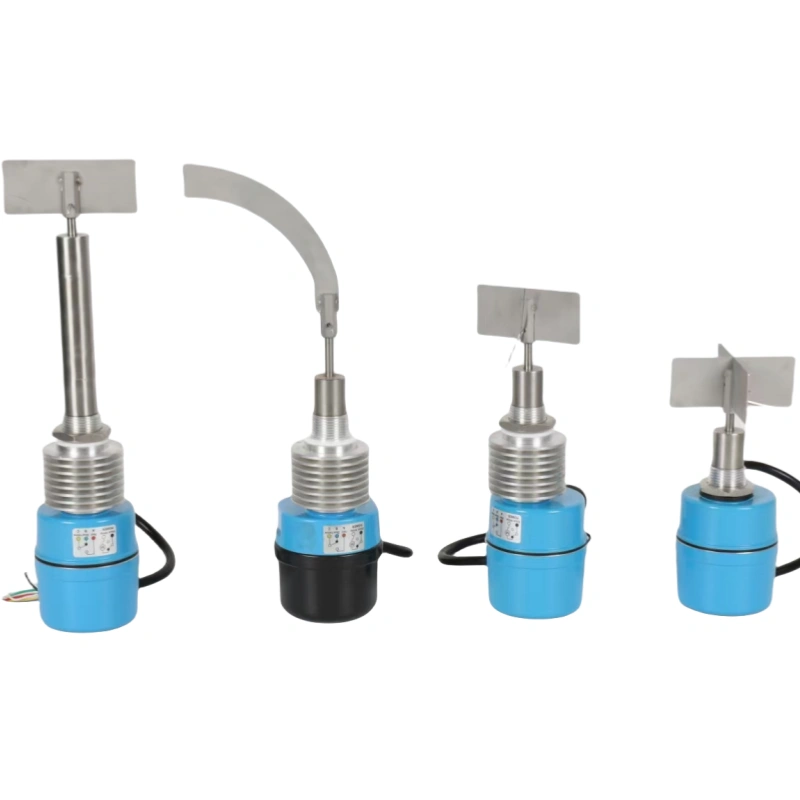
Rod-type probes, which are easy to install and highly versatile, are suitable for monitoring standard tank levels; flexible cable-type probes, with customisable lengths, are suitable for level detection in deep tanks and large silos; coaxial tube-type probes, with strong anti-interference capabilities, can reliably detect viscous and impure mixed media.
Variants by contact method:
Contact-type level switches, where the probe directly contacts the medium, offering precise detection and rapid response, suitable for most standard operating conditions; non-contact external-mount variants, mounted on the outer wall of non-metallic containers without touching the material, meeting detection requirements for corrosive, explosive, sterile and highly toxic media.
Models for special operating conditions:
Standard general-purpose models, suitable for normal temperature and pressure conditions; high-temperature custom models, utilising heat-resistant materials to withstand high-temperature media environments; corrosion-resistant models, featuring a fully PTFE-coated structure to handle highly corrosive chemical media.
Explosion-proof models, certified for use in flammable and explosive environments such as oil and gas; sanitary-grade models, made of mirror-polished stainless steel to meet cleanliness standards in the food and pharmaceutical industries; Anti-adhesion RF admittance models, which eliminate measurement errors caused by material adhesion to the tank walls.
Signal output variants:
Digital switch-point models, which output on/off signals and are commonly used for high/low level alarms and pump start/stop control; analogue continuous models, which output a 4–20 mA signal, enabling real-time continuous level monitoring and data transmission.
FAQ
Can liquids with a low dielectric constant be detected using capacitance level switches?
Not necessarily; it depends on the specific value. Generally, detection is more stable for liquids with a dielectric constant of ≥2; if the dielectric constant is close to that of air (as with some organic solvents), standard models may lack sufficient sensitivity. In such cases, it is necessary to select a high-sensitivity specialised model or adjust the installation method to improve detection accuracy.
Must a capacitance level switch be in contact with the liquid to detect it?
No. As long as the container is made of non-metallic material (like PP plastic or glass), you can use surface-mounted installation, where the sensor is attached to the outer wall of the container. This means you can spot leaks without getting the liquid on you or having to drill holes, which is great for when you need to be super careful about not contaminating anything or keeping things really clean.
The difference between capacitance and conductive level switches
Capacitive level switches work by detecting changes in the dielectric constant of the medium. They can detect both conductive and non-conductive liquids, like oils and solvents, and they can handle viscous, foamy, and pretty much any operating condition you can throw at them.
With no moving mechanical parts, they are temperature-resistant, corrosion-resistant and have a long service life. They also allow for non-contact installation to suit a variety of containers; however, the overall cost is relatively high, and targeted calibration is required for initial use.
Conductive level switches, on the other hand, operate based on the principle of electrical conductivity. They are only suitable for conductive media such as water, acid and alkali solutions, and sewage. They’re simple, cheap, and easy to set up, so they’re often used for alarms on water tanks, boilers, and sewage treatment systems.
But their electrodes can get scaled and corroded, and long-term use can lead to measurement errors. Also, you need to install a reference electrode in non-metallic containers.
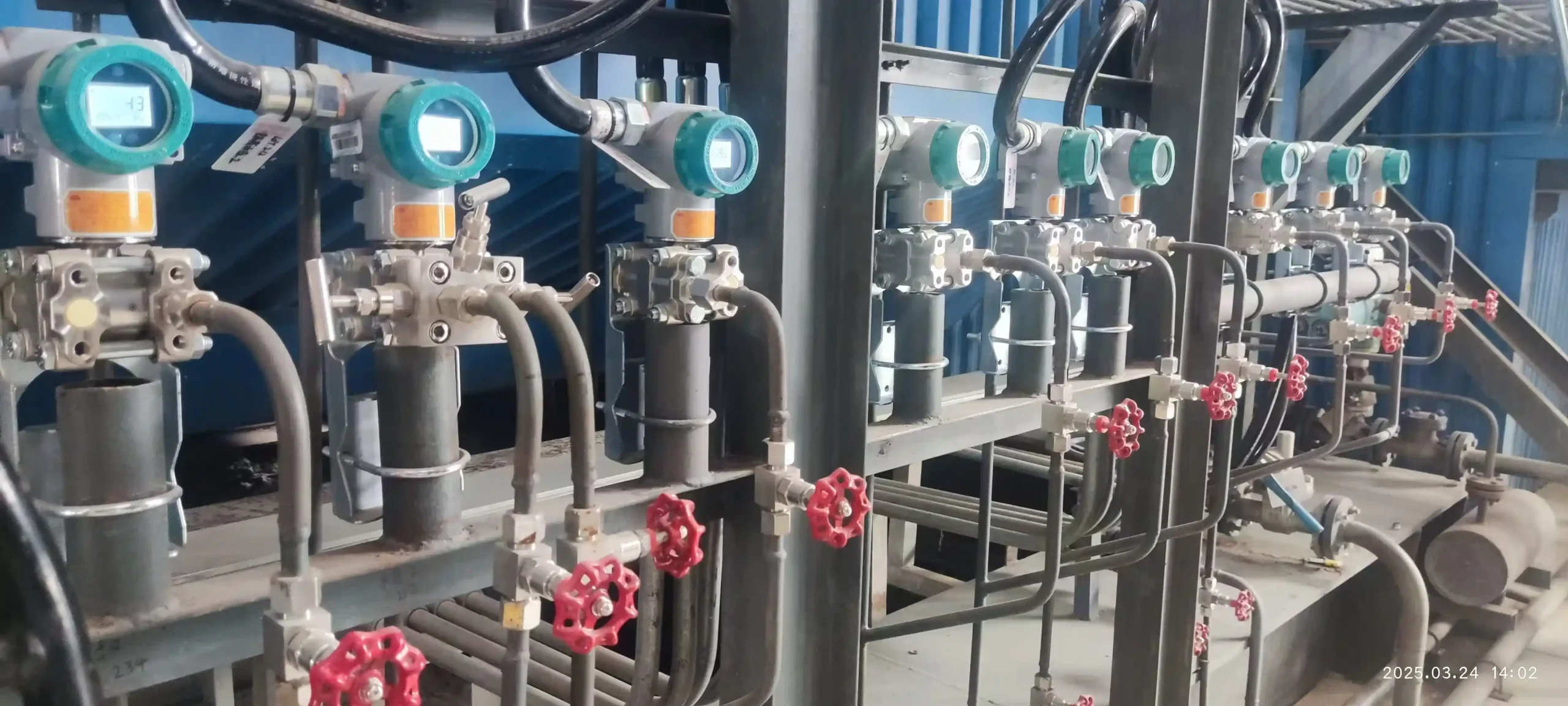
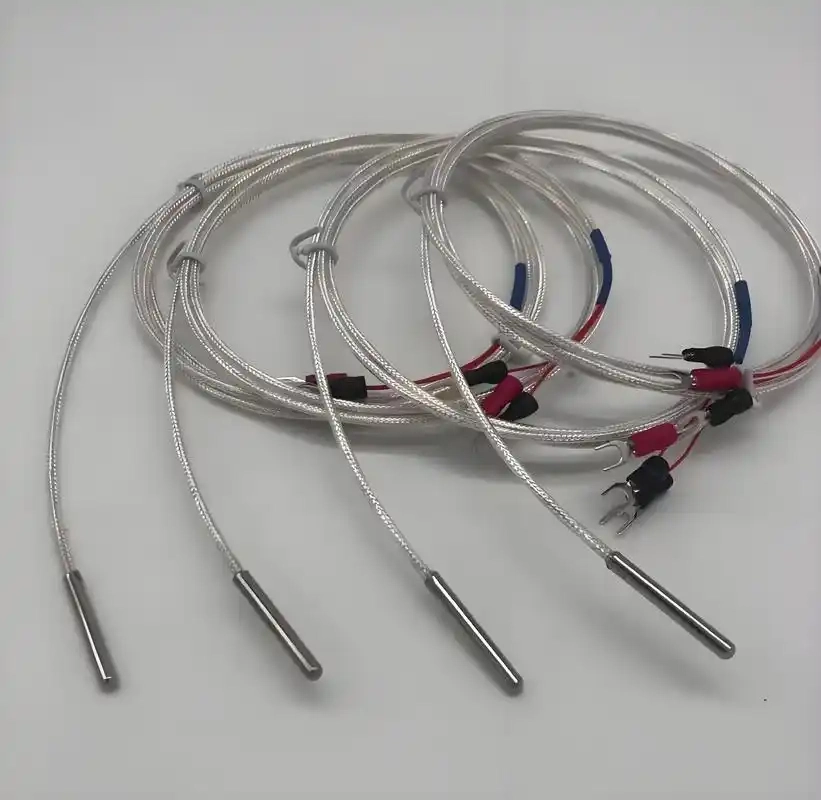
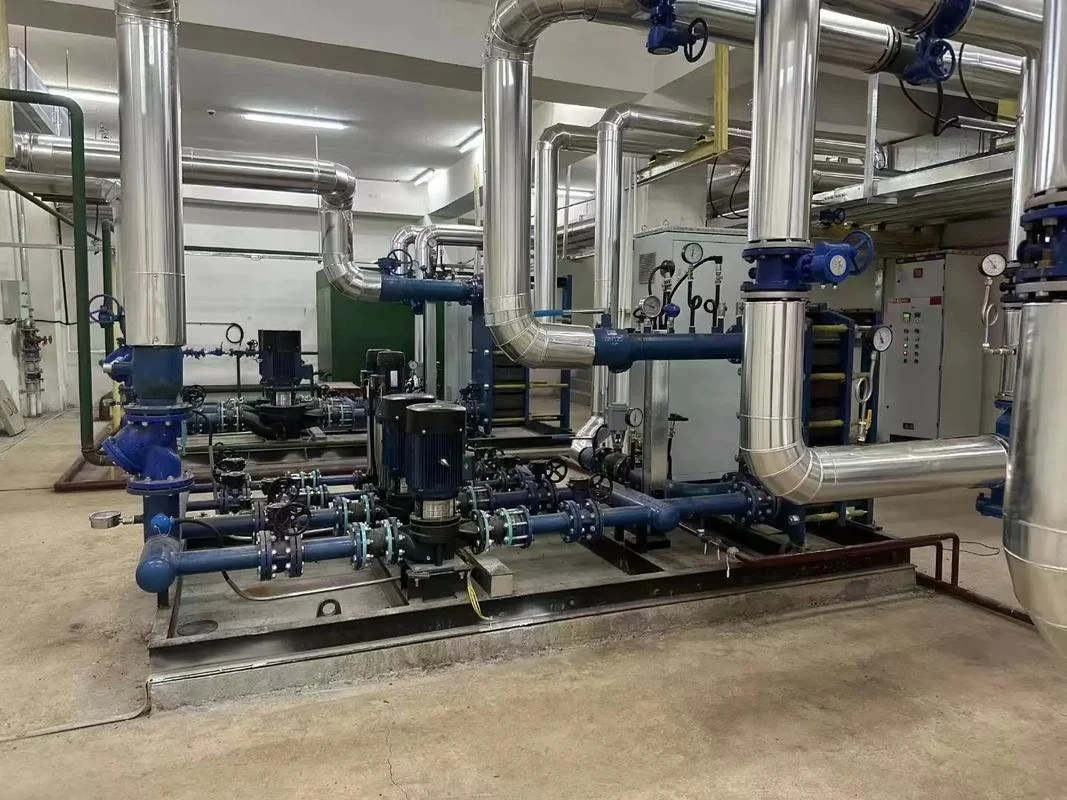
Sino-Inst not only offers a range of capacitance level switches but also stocks a full series of level measurement and control switches, including ultrasonic and tuning fork types. Our product line extends further to include integrated level gauges, precision thermometers, smart flow meters and a complete suite of automated measurement and control instruments, enabling us to provide one-stop services for the selection and supply of multi-parameter monitoring solutions for level, temperature and flow under various operating conditions.
Whether you require the replacement of a single point switch, the technical upgrading of existing equipment, or the integration of a complete fluid measurement and control system, we can draw upon our extensive product portfolio and technical expertise to tailor highly compatible, cost-effective integrated solutions for you, ensuring stable production monitoring and control, as well as worry-free operation and maintenance.