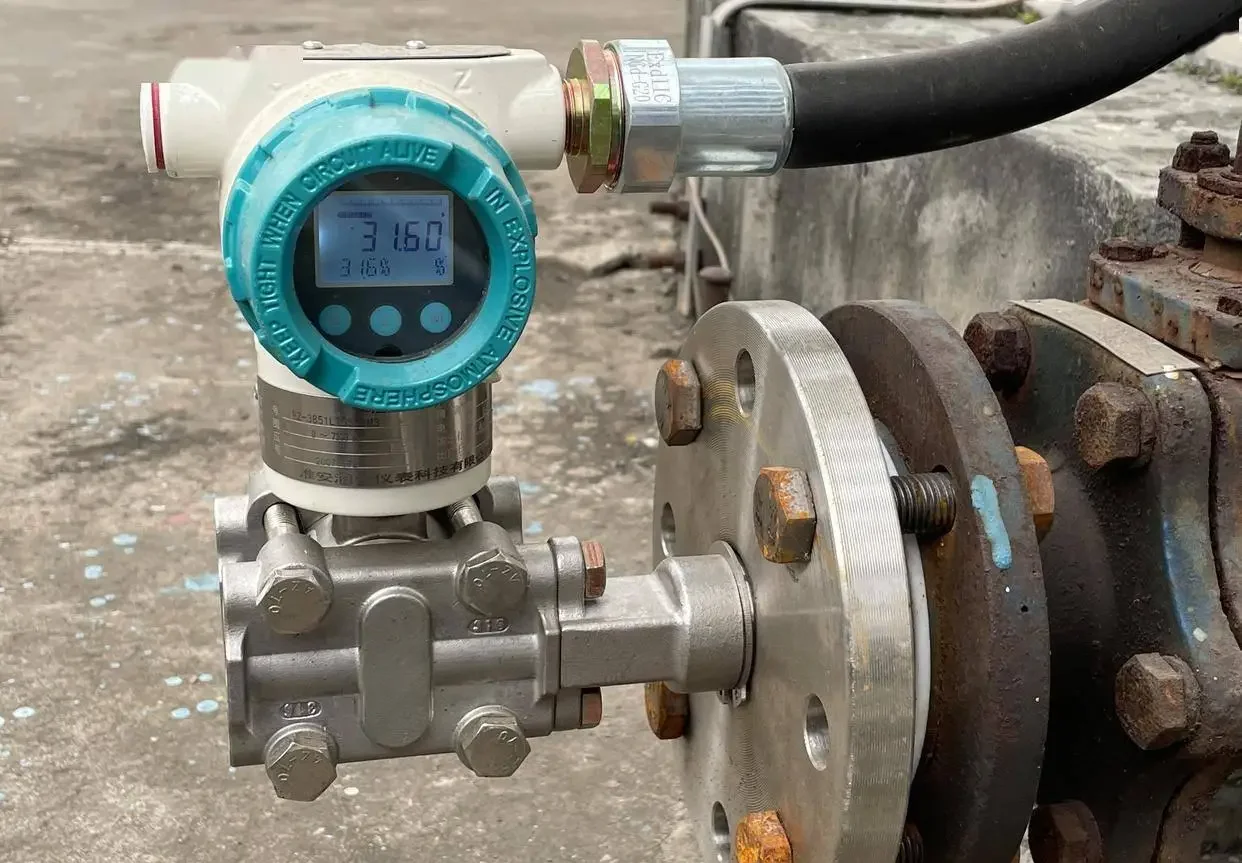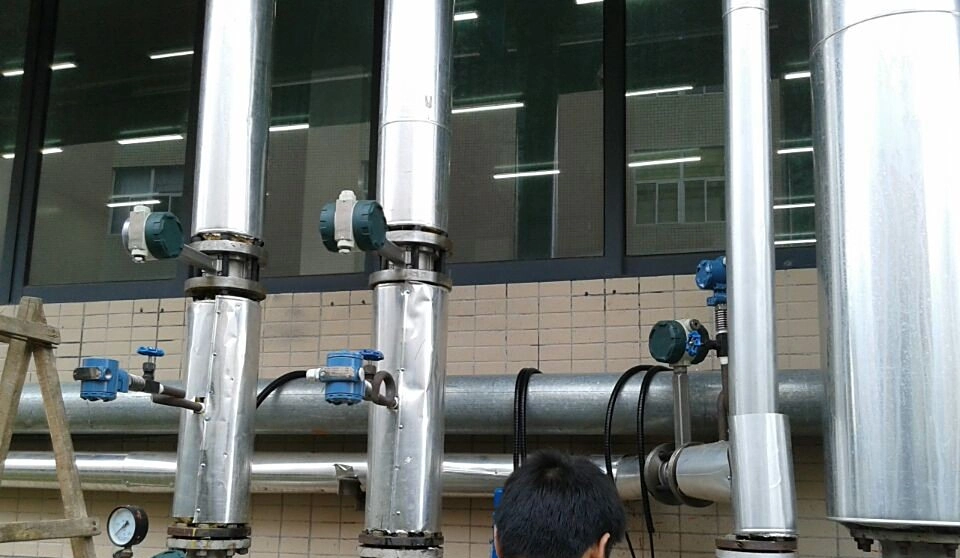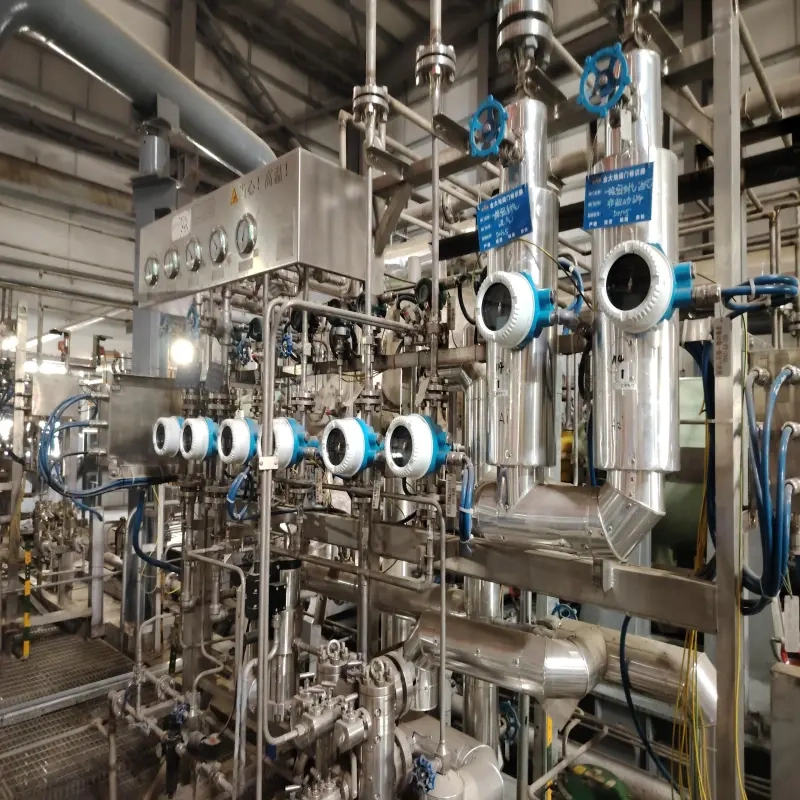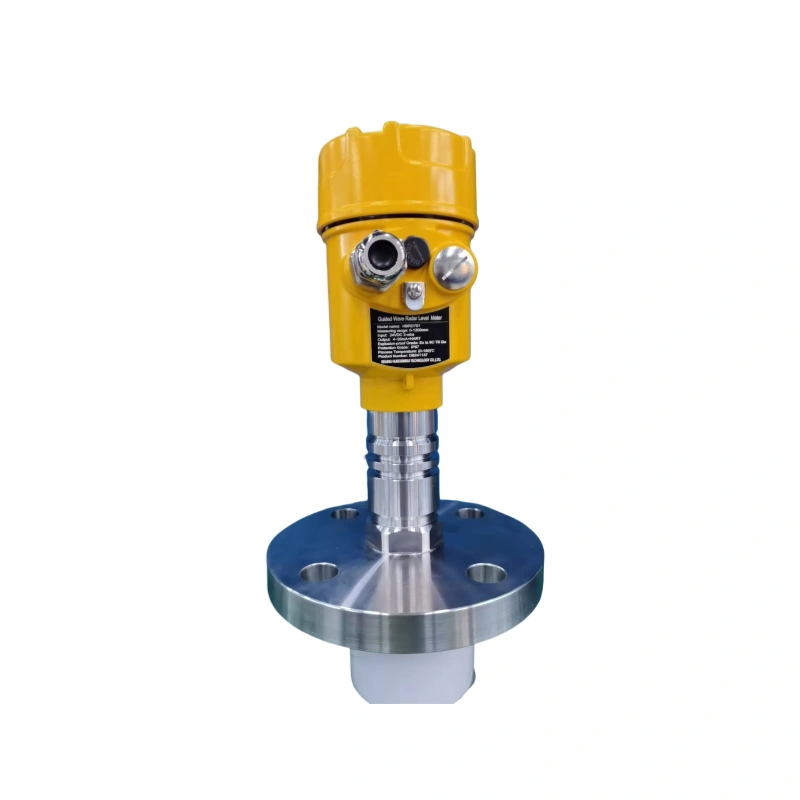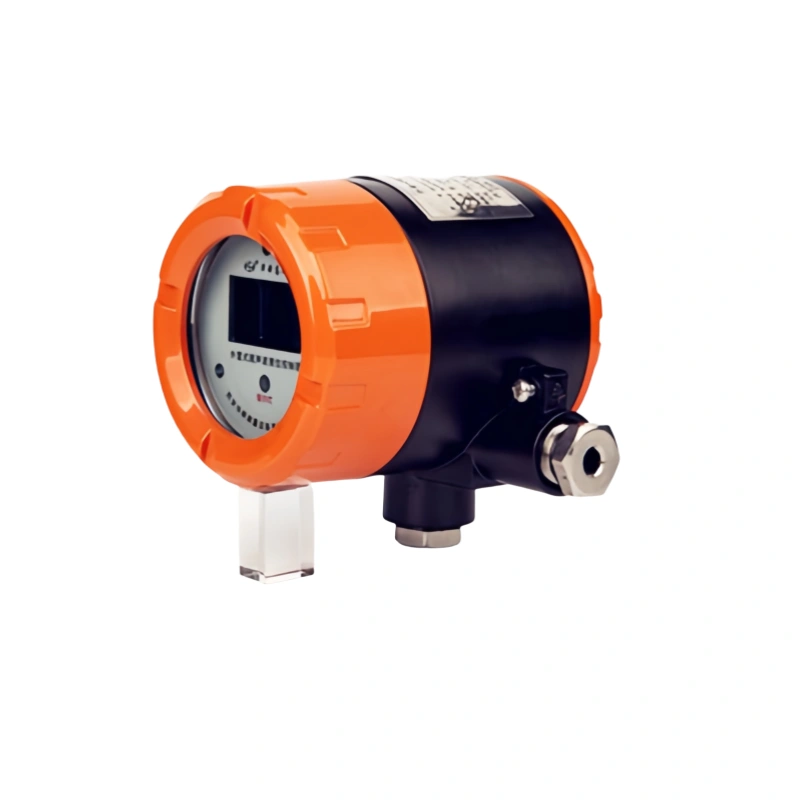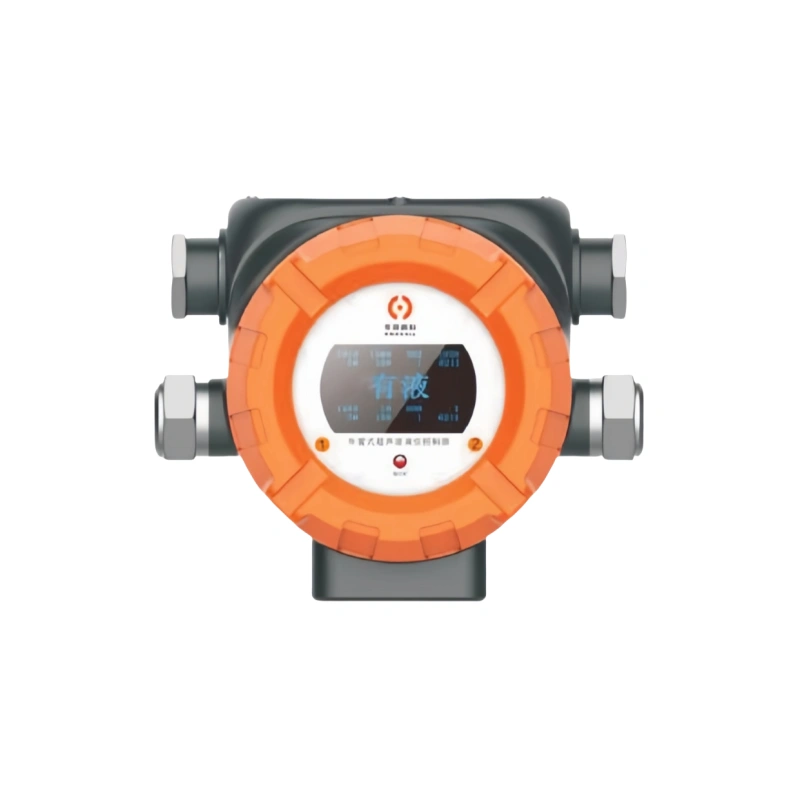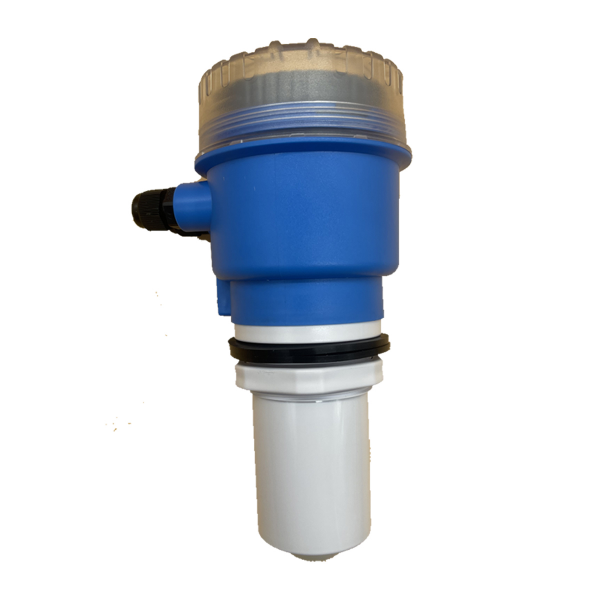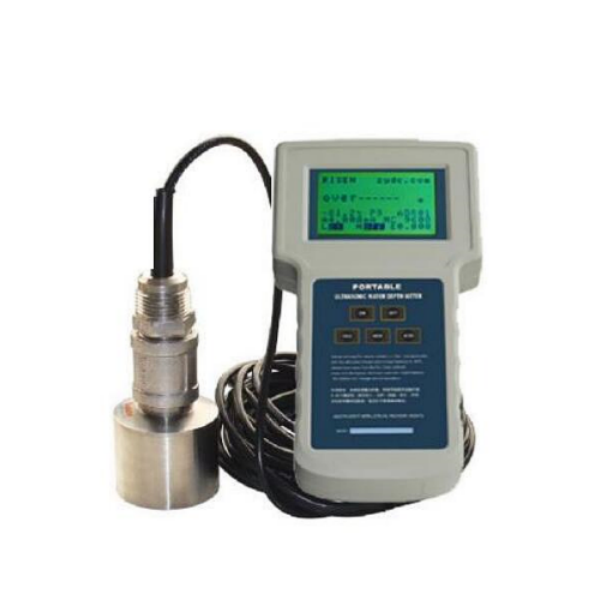
Differential pressure level transmitters are a type of level measurement equipment commonly used in industrial process control; they determine the liquid level by measuring the pressure difference between the bottom of the liquid container and the liquid surface. The differential pressure level transmitter is installed at the bottom of the liquid container and reflects the liquid level via a gauge pressure signal.
This category of differential pressure instruments includes pneumatic and electric differential pressure transmitters, as well as flanged level transmitters. They are easy to install and facilitate remote transmission and automatic regulation, making them widely used in industry. In liquid level measurement and control processes within the pharmaceutical, food and chemical industries, containers holding liquids often operate under pressure; in such cases, conventional static pressure level transmitters cannot meet the measurement requirements.
Principle and Mode of Operation
Principle: Differential pressure level transmitters are based on Pascal’s Law, which states that pressure in a static liquid is equal in all directions. They operate on the principle of hydrostatic pressure, whereby the pressure generated by a liquid column is directly proportional to the height of the liquid level.
The formula is ΔP = ρgh, where ΔP is the pressure difference, ρ is the density of the medium, g is the acceleration due to gravity, and h is the height of the liquid level. When the liquid level changes, the pressure of the liquid at the bottom also changes, creating a pressure difference. This pressure difference is converted into an electrical signal and used to measure the liquid level.
Mode of operation: A differential pressure level transmitter comprises two pressure measurement ports, one installed at the bottom of the vessel and the other at the liquid surface, connected by a pipe. When the liquid level rises, the pressure at the bottom of the liquid increases, generating a differential pressure signal; the sensor converts this differential pressure signal into a corresponding electrical output signal.
Structural Features
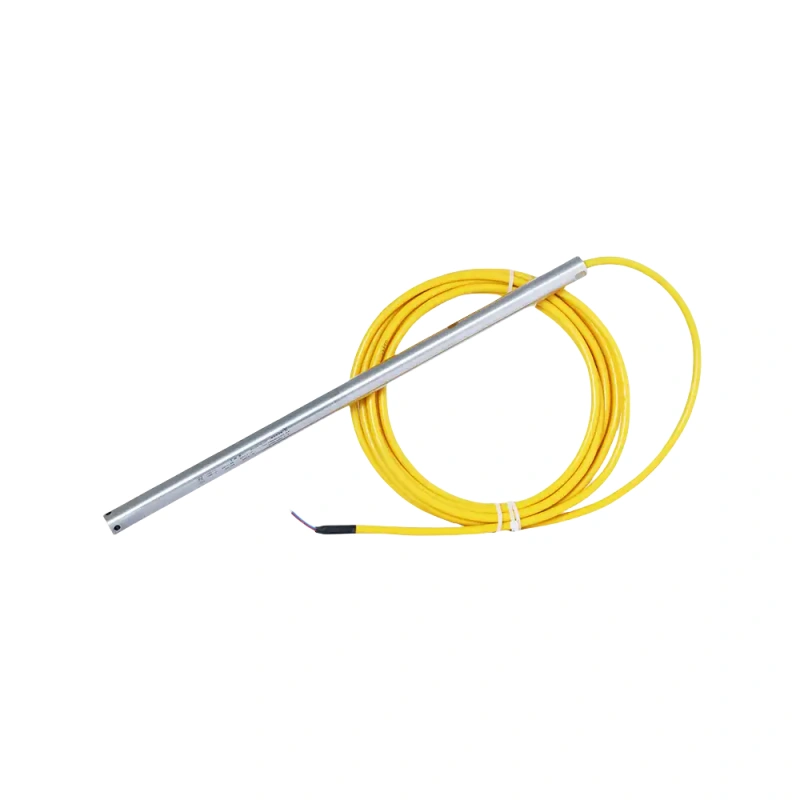
Pressure-taking assembly: Typically comprising pressure-taking tubes, pressure-taking valves and other components, this assembly transmits the liquid pressure inside the vessel to the differential pressure transmitter.
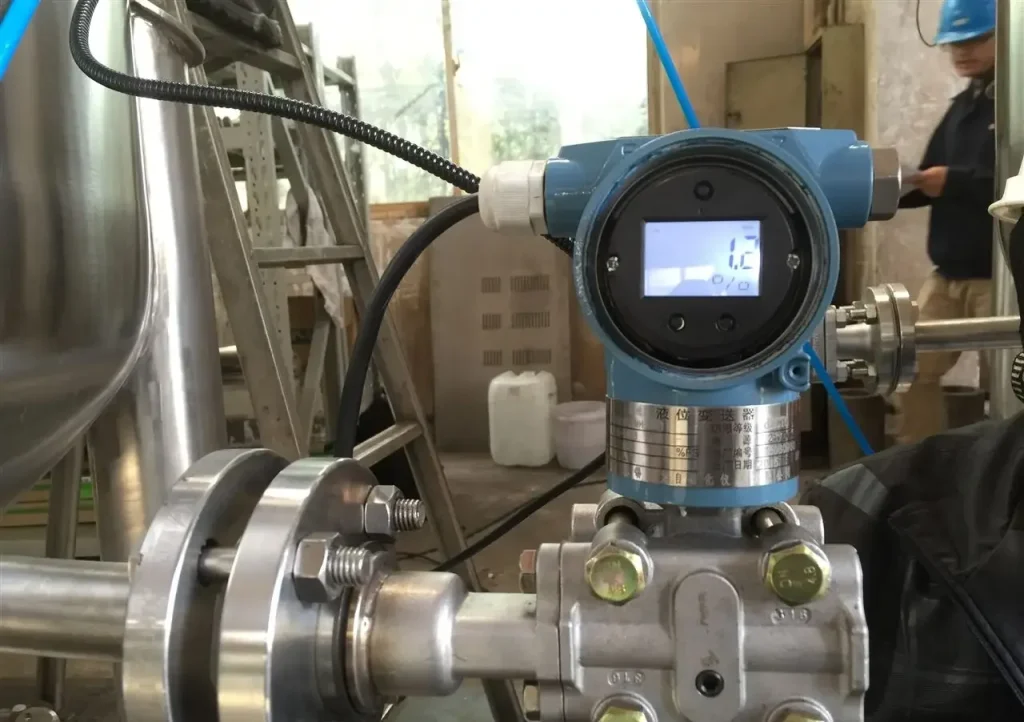
Differential pressure transmitter: This is the core component of a differential pressure level gauge, responsible for converting the received pressure signal into a standard electrical output (such as a 4–20 mA current signal). This component offers high precision and stability, ensuring the accuracy of measurement results.
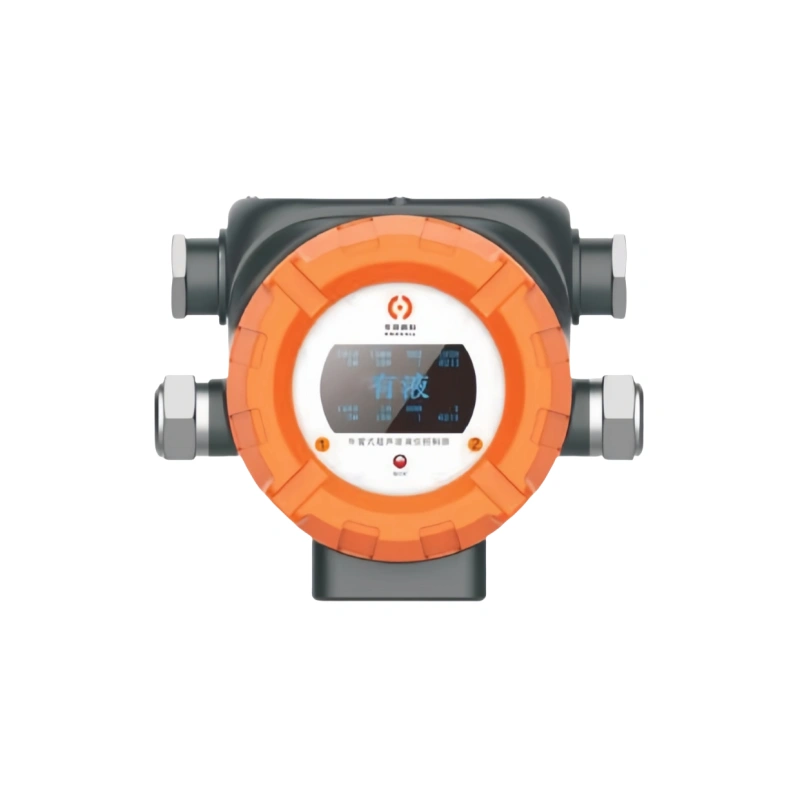
Display and Control Unit: Used to display measurement results and perform necessary control operations. Modern differential pressure level gauges are typically equipped with advanced features such as LCD displays and programmable controllers, facilitating remote monitoring and operation for users.
Advantages and Disadvantages of Differential Pressure Level Sensors
Advantages
Simple structure, easy to install and maintain:
The core component is a differential pressure transmitter, which contains no mechanical transmission parts and is therefore structurally robust. Installation typically requires only two holes to be drilled in the vessel (or the use of flange connections), making the process straightforward. Routine maintenance is also relatively minimal; this offers a clear advantage, particularly when compared to float-type or steel tape level gauges.
Stable performance and reliable operation:
As there are no moving parts, mechanical wear is minimised, ensuring reliable operation, consistent quality and a long service life.
Wide measurement range and high versatility:
It can measure liquid levels in almost any closed or open vessel and is widely used in industries such as petroleum, chemicals, power generation and pharmaceuticals. It is suitable for both large storage tanks several metres high and small containers.
Mature technology and high accuracy:
Differential pressure measurement technology is highly mature; currently, intelligent differential pressure transmitters can achieve an accuracy of 0.075% or even higher, meeting the measurement requirements of the vast majority of industrial processes.
Direct measurement of mass:
For cylindrical storage tanks with regular shapes, the differential pressure signal is directly proportional to the mass of the medium inside the tank. This means that the mass of the medium (e.g., in tonnes) can be read directly, making it particularly suitable for oil inventory stocktaking and eliminating the need for density conversion.
Easy to implement remote transmission and automation:
The sensor’s output signal (typically a standard 4–20 mA signal) can be conveniently connected to secondary instruments, DCS (Distributed Control Systems) or PLC (Programmable Logic Controller) systems, enabling remote monitoring and automatic control.
Disadvantages
High dependence on the pressure-transmitting system, prone to introducing errors:
Blockage or leakage in the pressure-transmitting tubing: If the tubing becomes blocked by deposits or leaks due to poor sealing, this will directly result in distorted measurement signals.
Changes in the state of the medium within the pressure-conducting tubes: This is the most common issue. When measuring high-temperature steam or media prone to condensation, gaseous phases may condense and accumulate within the pressure-conducting tubes, generating additional pressure and causing significant measurement errors. In cold regions, the liquid within the pressure-conducting tubes may freeze, requiring heat tracing and insulation. Under vacuum or negative pressure conditions, the liquid within the pressure-conducting tubes may be drawn out, resulting in measured values that are significantly lower than the actual values.
Influence of medium density:
The fundamental principle of a differential pressure level transmitter is to measure the pressure difference and then convert this into liquid level height via density. Therefore, if the density of the measured medium varies with temperature or pressure, this will introduce errors into the level measurement, typically requiring density compensation.
Limitations in application to tall/deep vessels:
For tall vessels or deep wells, traditional differential pressure level transmitters require very long pressure-conducting tubes or capillary tubes. This not only makes installation difficult but also causes thermal expansion and contraction of the filling medium within the capillary tube due to changes in ambient temperature, resulting in significant transmission errors and response lag.
High installation and maintenance costs under special operating conditions:
Anti-blocking measures increase costs: For media prone to crystallisation or sedimentation, flanged remote differential pressure transmitters must be used to prevent blockages in the pressure-conducting tubes. These instruments have a more complex structure and are considerably more expensive than standard models.
Routine maintenance: Even when a drain trap is installed, the pressure-conducting tubes still require regular purging and draining, which increases the daily workload.
Difficulties in measuring under vacuum or negative pressure conditions:
Vacuum environments are highly prone to causing condensate within the gas-phase pressure-conducting tubes to be drawn out, thereby compromising the measurement.
Main Types of Differential Pressure Level Transmitters
Standard Capillary Tube Differential Pressure Level Transmitter
The most traditional method of differential pressure level measurement, which uses a capillary tube to transmit the pressure from the high- and low-pressure sides of a vessel to a differential pressure transmitter. Suitable for open or closed vessels containing clean, low-viscosity liquids at ambient temperature and pressure. It features a simple structure and lower cost, but is prone to issues such as capillary tube blockages, condensation and liquid accumulation, and therefore requires relatively frequent maintenance.
Differential Pressure Level Transmitters with Condensate Traps / Balance Vessels
Designed specifically for high-temperature and high-pressure conditions such as high-temperature steam and boiler drums, these devices stabilise vapour pressure via a condensate trap or balance vessel, thereby eliminating the impact of temperature and operational fluctuations on measurements. They are the standard configuration for water level measurement in boiler drums within the power industry, offering stable measurements and high safety.
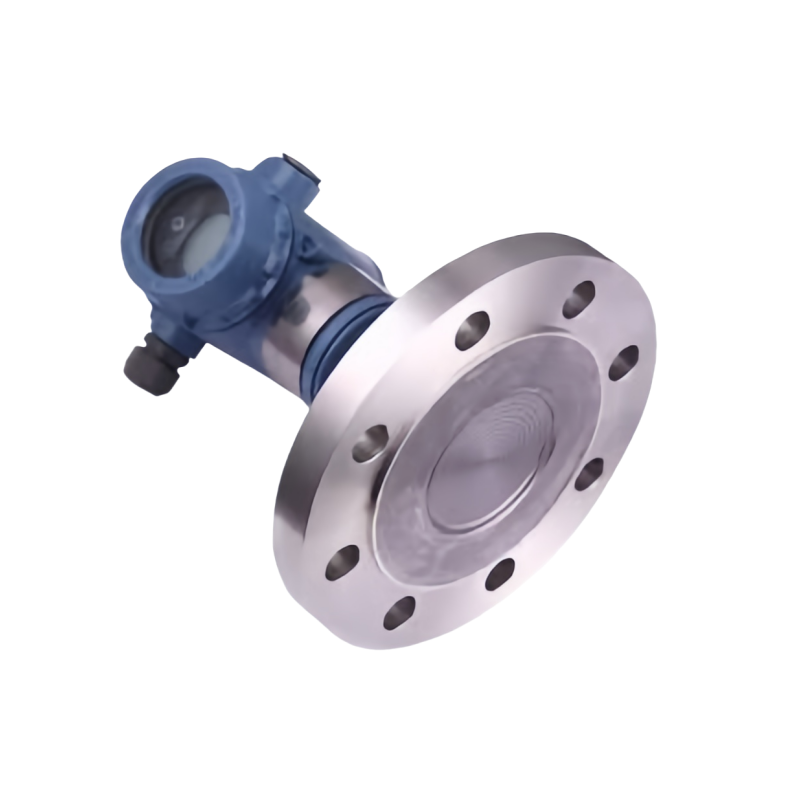
Single-flange differential pressure level gauge
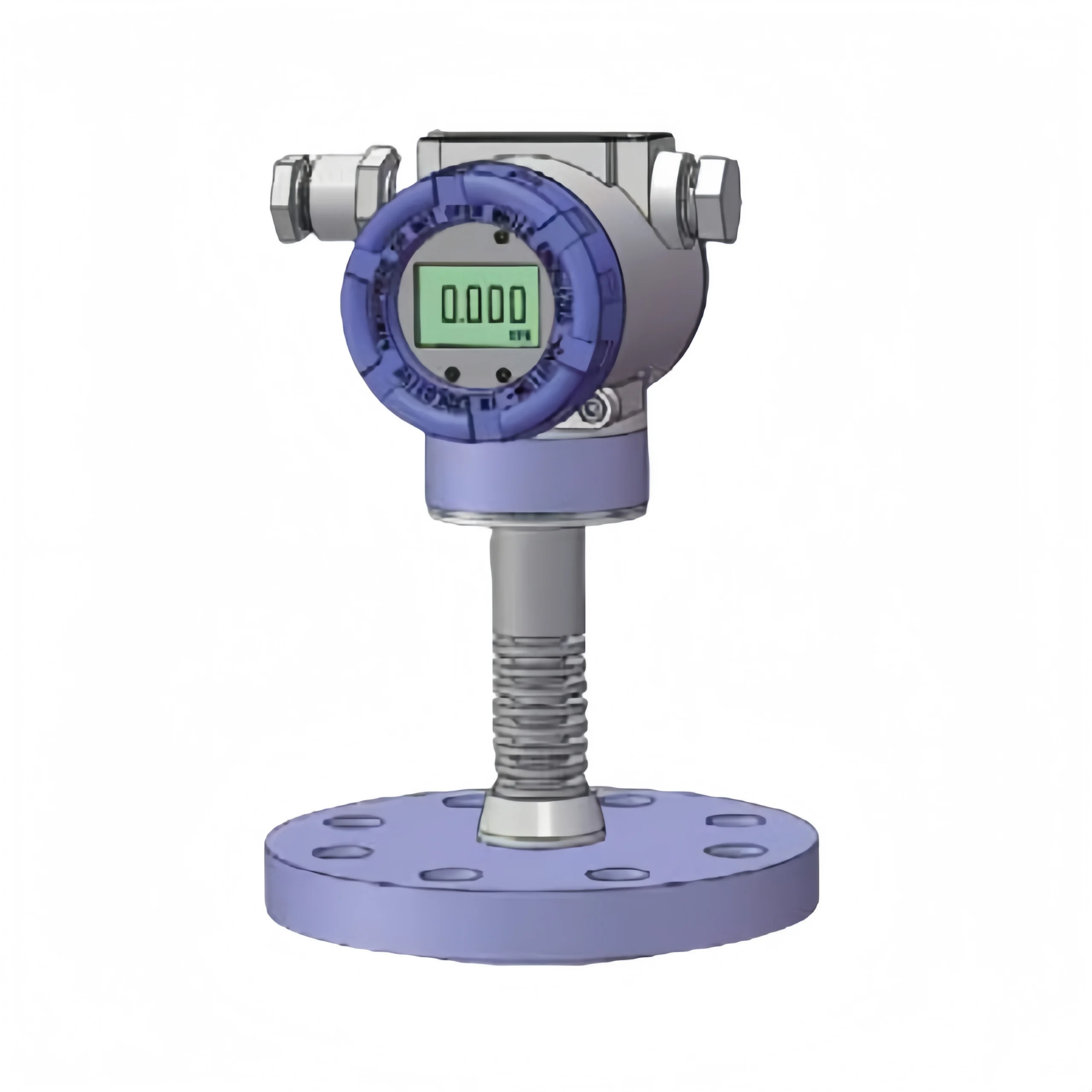
The high-pressure side utilises a flanged diaphragm in direct contact with the medium, whilst the low-pressure side is vented to atmosphere or connected to a reference pressure source. Primarily used for open vessels, viscous or crystallising media where vapour pressure compensation is not required, this design prevents blockages in pressure-transmitting tubes and offers relatively simple installation.
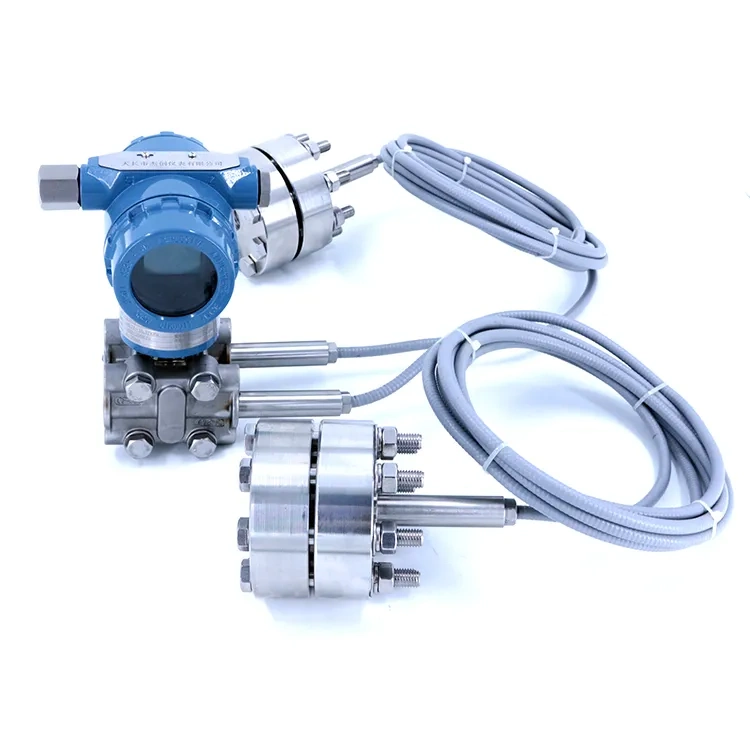
Double-flange Differential Pressure Level Transmitter
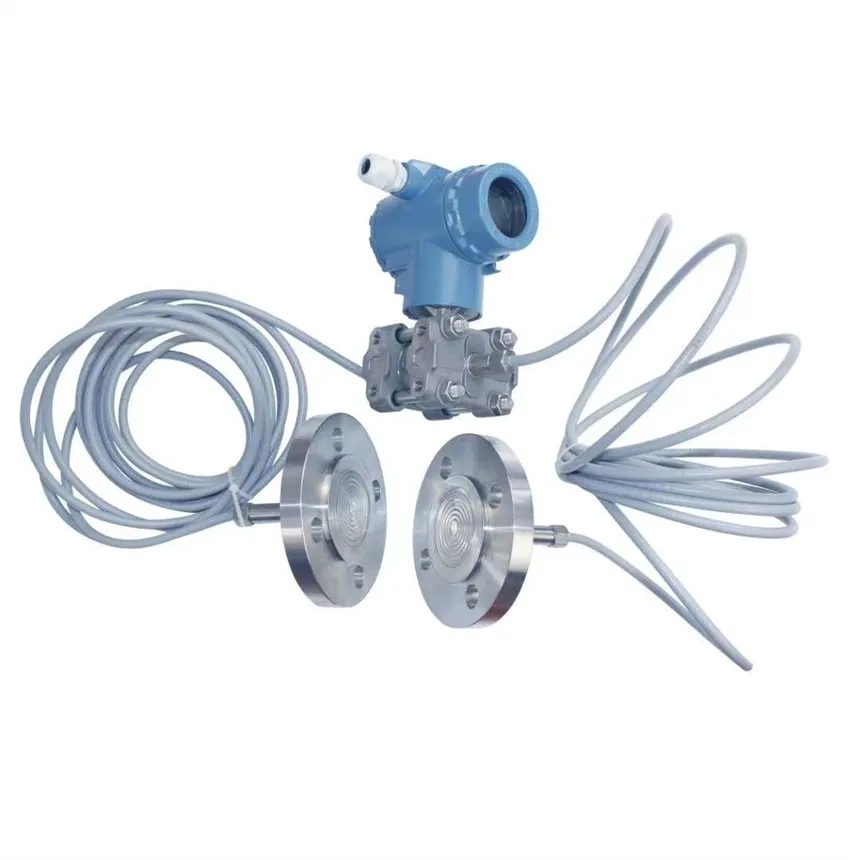
Both the high- and low-pressure sides utilise flanged diaphragms, with pressure transmitted via capillary tubes filled with silicone oil, eliminating the need for pressure-conducting pipes. This design effectively handles level measurement in viscous, crystallising, solidifying, highly corrosive, and sealed vessels. Offering the greatest adaptability and the widest range of applications, it enables remote installation and measurement in complex operating conditions.
Applications
1. Chemical Industry:In chemical production processes, differential pressure level transmitters are widely used in equipment such as storage tanks and reactors to ensure the control and monitoring of liquid levels for various chemical substances.
2. Oil Refining: In the oil refining industry, differential pressure level transmitters are used to monitor liquid levels in storage tanks containing crude oil, fuel oil, natural gas and other substances, ensuring the safety and stability of production processes.
3. Food Processing: The food processing industry also frequently uses differential pressure level transmitters to monitor the storage and handling of liquids such as food ingredients and beverages, ensuring production quality and compliance with standards.
4. Water Treatment: In the water treatment sector, differential pressure level transmitters are used for level monitoring in equipment such as water tanks and sewage tanks, aiding in the management and utilisation of water resources.
5. Power Generation:In the power generation sector, differential pressure level transmitters are used in equipment such as boilers and cooling towers to monitor water level changes, ensuring safe operation and energy efficiency.
6. Pharmaceuticals: The pharmaceutical industry utilises differential pressure level transmitters to monitor liquid levels in areas such as drug solutions, solvents and reaction vessels, thereby guaranteeing the quality of drug production.
FAQ
What is the difference between single-flange and double-flange differential pressure level transmitters?
Single-flange differential pressure level transmitters are suitable for open vessels. Only the high-pressure side has a flanged diaphragm in contact with the medium, whilst the low-pressure side is vented to atmosphere, using atmospheric pressure as the reference standard for level conversion.
They feature a simple structure and low cost and maintenance requirements, making them suitable for clean, low-viscosity media that do not readily crystallise. However, they cannot be used in sealed vessels, and may suffer from diaphragm fouling and reduced accuracy when the medium is viscous or prone to crystallisation.
Dual-flange differential pressure level transmitters feature flanged diaphragms on both the high- and low-pressure sides, with pressure transmitted via capillary tubes filled with silicone oil, eliminating the need for pressure-conducting pipes. They offer a wider range of applications and are particularly suitable for sealed vessels.
They can compensate for fluctuations in vapour pressure and handle viscous, crystallising or highly corrosive media, whilst resolving issues with blocked pressure-conducting pipes. They offer flexible installation and high stability; however, their structure is more complex, they are more expensive, and maintenance requires protection of the capillary tubes.
What factors affect the measurement accuracy of differential pressure level transmitters?
The measurement accuracy of differential pressure level transmitters is primarily affected by the following factors:
Firstly, fluctuations in medium density; as the measurement principle is based on ΔP = ρgh, unstable density directly leads to measurement errors.
Secondly, temperature fluctuations, which affect medium density as well as the transmitter components and silicone oil in the capillary tube, causing zero-point drift.
Thirdly, blockages, liquid accumulation or air leaks in the pressure-conducting tubing, resulting in inaccurate pressure transmission;
Fourthly, vapour condensation in sealed vessels, which alters the reference pressure;
Fifthly, installation position deviations, which generate systematic errors;
Sixthly, transmitter zero-point drift, requiring regular calibration;
Seventhly, fluctuations in vapour pressure within sealed vessels, which, if uncompensated, affect measurement stability.
How to choose between differential pressure level transmitters and radar level transmitters?
Differential pressure level transmitters are contact-type devices. They offer moderate cost, high resistance to high temperatures and pressures, and strong reliability. They are suitable for conventional operating conditions in sealed vessels with minimal foaming and stable density.
They are easy to integrate into control systems and have low maintenance costs. However, they are dependent on the density of the medium; for media prone to crystallisation, a double-flange type must be selected. They are not suitable for high-dust or low-density environments.
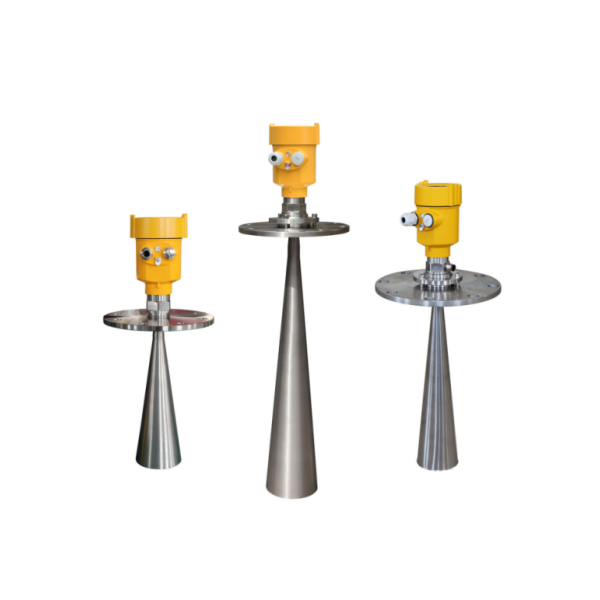
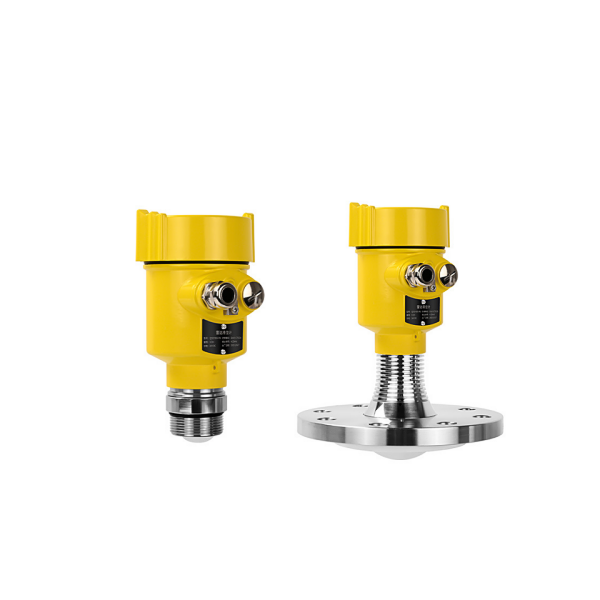
Radar level transmitters are non-contact devices that do not require physical contact with the medium. They are suitable for media prone to crystallisation, highly corrosive substances and high-dust environments. They are unaffected by fluctuations in density, temperature or pressure, offer a wide measurement range and flexible installation options.
However, their cost is 2–5 times that of differential pressure level transmitters; they are susceptible to interference from steam and foam; their stability is poor under high-temperature and high-pressure conditions; and measurement accuracy decreases with low-density media. Differential pressure transmitters are the preferred choice for standard operating conditions, whilst radar transmitters are recommended for special or complex media.
Through years of dedicated work in the chemical, pharmaceutical, power and food industries, Sino-Inst has accumulated extensive experience in successful applications under complex operating conditions. We fully understand that behind every stable level signal lies our customers’ expectation of safe and efficient production.
Therefore, Sino-Inst not only provides high-quality differential pressure level transmitters but is also committed to translating our industry expertise into tangible value for our customers. Contact us to obtain application case studies and product documentation tailored to your industry, and let us work together to drive continuous improvements in production efficiency through precise measurement.