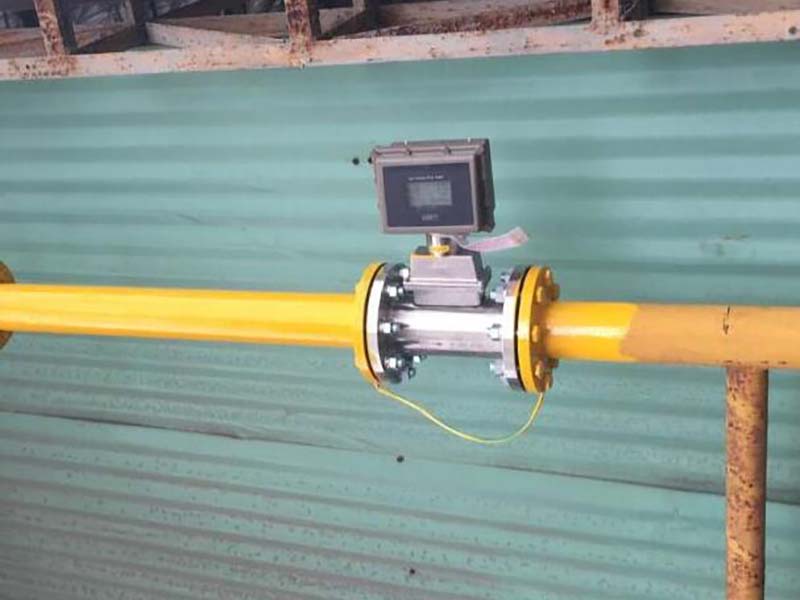
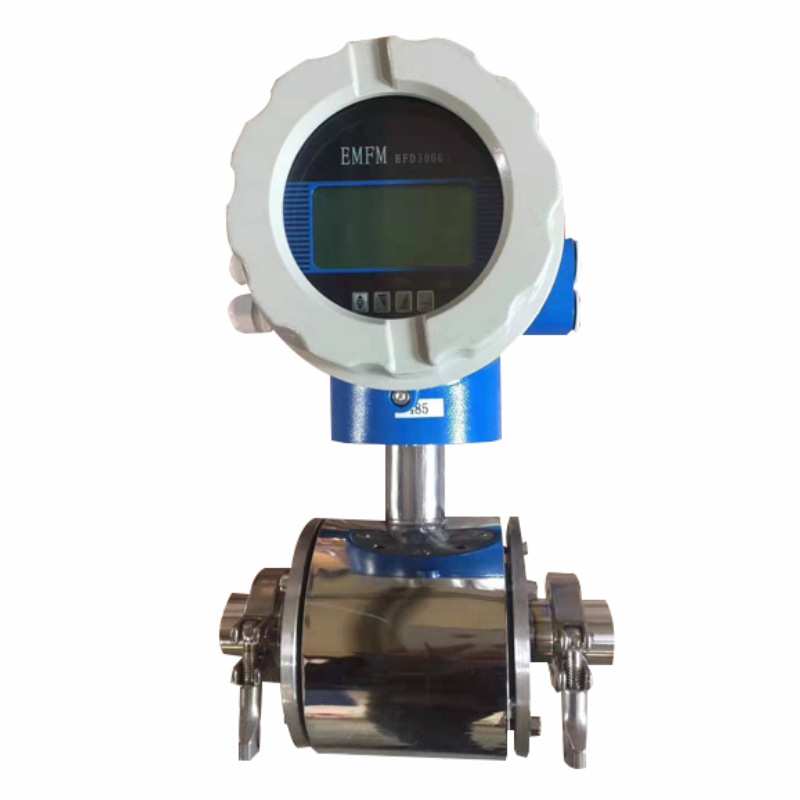
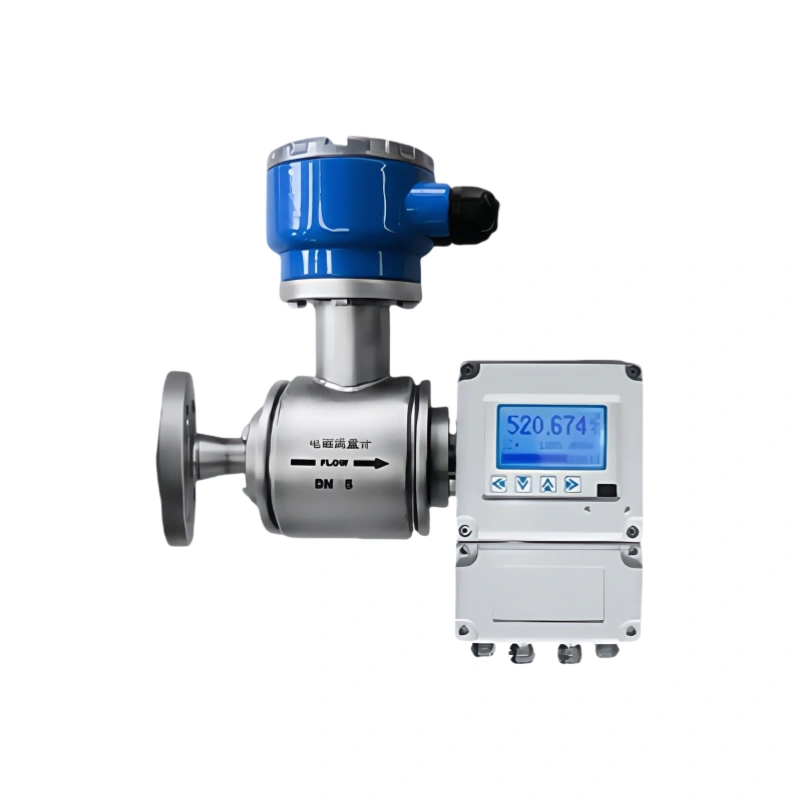
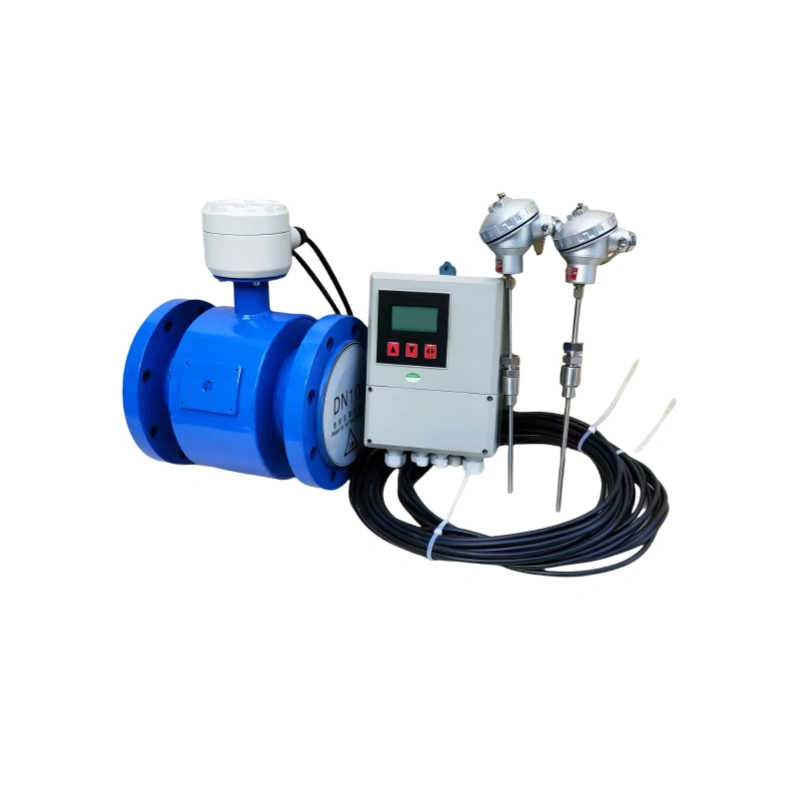
The insertion electromagnetic flowmeter is an inductive instrument for measuring the volumetric flow rate of conductive fluids, representing a new type of fluid flow measurement device developed from the pipeline electromagnetic flowmeter.
Operating on Faraday’s law of electromagnetic induction, it is suitable for large-diameter pipelines ranging from DN100 to DN3000.Essentially, it miniaturises and probe-mounts the sensor section of an electromagnetic flowmeter to accommodate flexible installation methods.
Basic Operating Principle
The operating principle of the insertion electromagnetic flowmeter is based on Faraday’s law of electromagnetic induction.When a conductive liquid (such as water) flows through a pipe, the moving fluid induces a magnetic field around the pipe. The insertion electromagnetic flowmeter features magnetic field induction coils mounted on the pipe wall, which measure the magnitude of the induced electromotive force within the liquid.This electromotive force is directly proportional to the liquid’s flow velocity.The formula is:
E = k × B × v × D
where k is the instrument constant, B is the magnetic flux density, and D is the pipe’s internal diameter.Unlike conventional electromagnetic flowmeters, the insertion type employs probes extending into the pipe to measure localised flow velocity, which is then converted via algorithms into the average flow velocity.This makes it suitable for large-diameter pipes (typically ≥ DN100).
Advantages of Insertion Electromagnetic Flowmeters
1.Compact size with significant cost advantages
For large-diameter pipelines (e.g., DN1000 and above), traditional in-line electromagnetic flowmeters are bulky and heavy, incurring substantial manufacturing and transportation costs.In contrast, electromagnetic insertion flowmeters feature compact, lightweight sensor probes. Their smaller size also reduces labour and equipment requirements for installation and transportation.
2.Effortless Installation, No Production Halt Required
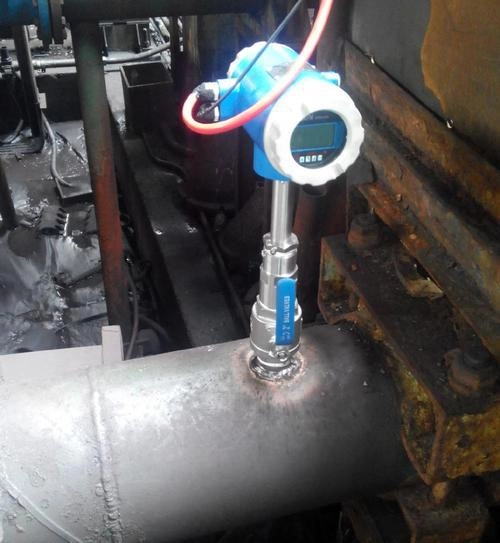
Traditional in-line electromagnetic flowmeters necessitate pipeline cutting and media flow interruption during installation.Insertion-type flowmeters use a ‘non-disruptive installation’ design.This means that special tools are used to drill holes in operational pipelines, and the probe is inserted to complete the installation. This means that production is disrupted to a much lesser extent.Furthermore, their flexible installation method accommodates various pipeline configurations, including horizontal and vertical layouts.
3.High measurement accuracy for diverse media
Insertion electromagnetic flowmeters achieve measurement accuracy of ±1.0%, with select high-precision models reaching ±0.5%, meeting accuracy requirements for large-bore flow measurement.They measure conductive media including tap water, sewage, acid/alkali solutions, salt solutions, and slurries (media conductivity ≥5μS/cm), unaffected by physical parameters such as temperature, pressure, or viscosity.
4.Simple maintenance, extended service life
The sensor probe employs premium wear-resistant and corrosion-resistant materials (e.g., 316L stainless steel, Hastelloy, PTFE lining), withstanding abrasion and corrosion from media.Furthermore, the absence of mechanical moving parts minimises wear and reduces failure rates.
5.High Intelligence, System Integration Compatibility
Modern insertion electromagnetic flowmeters incorporate intelligent converters supporting multiple signal outputs including 4-20mA, RS485, and HART.This makes it easy to connect to industrial control systems like PLCs and DCS, so you can monitor, record and manage flow data remotely.
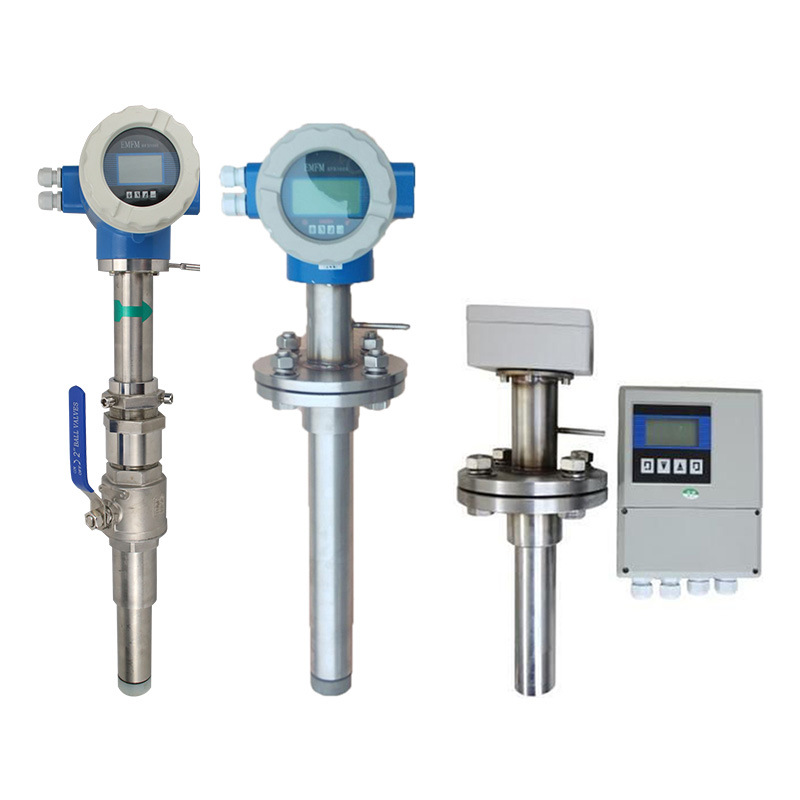
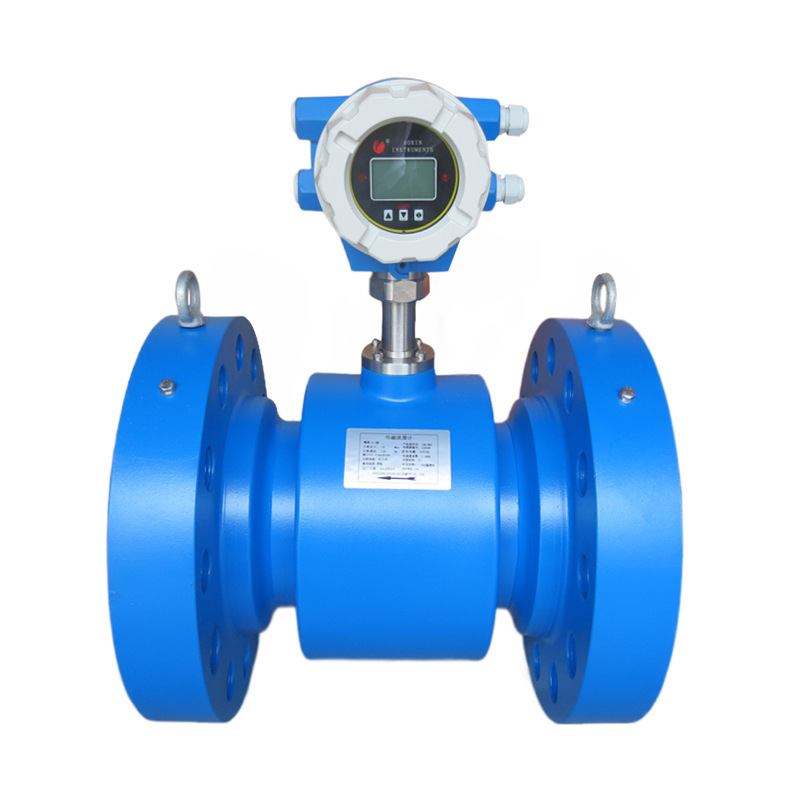
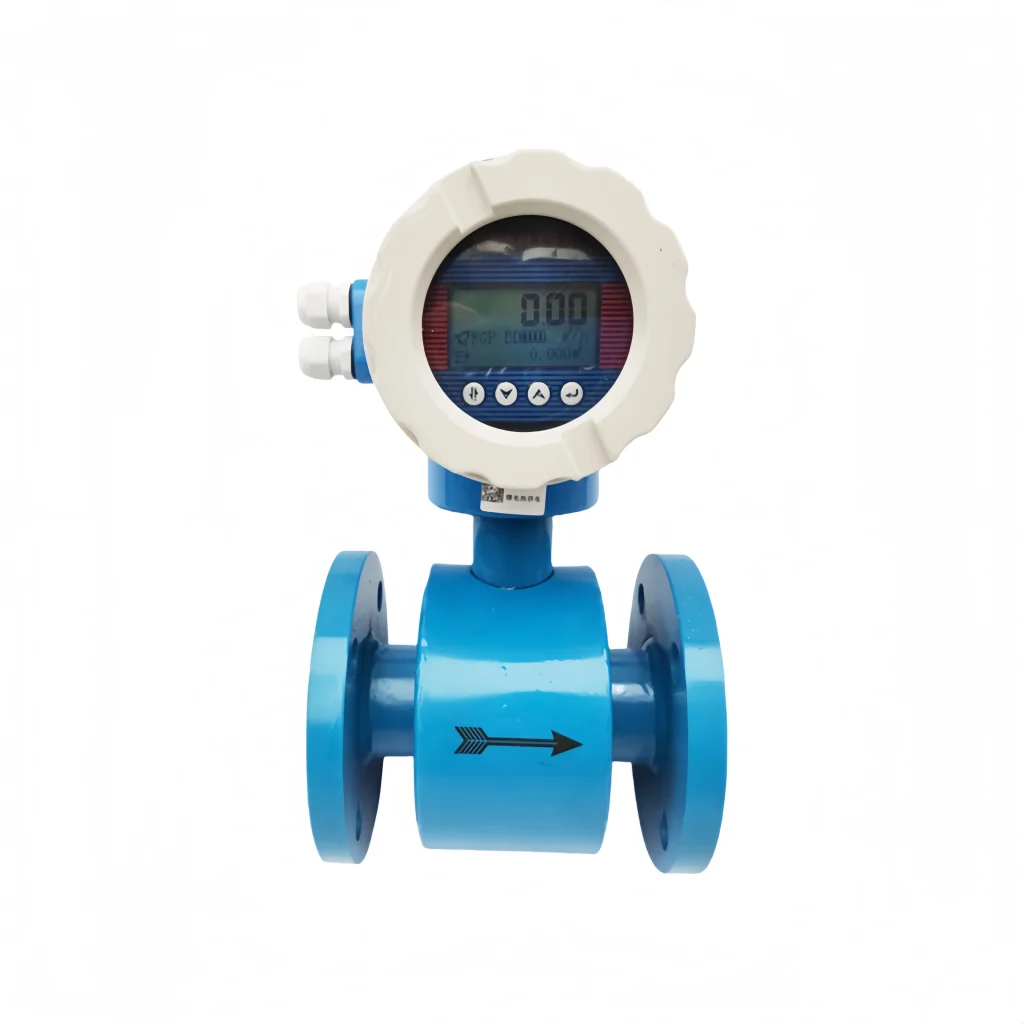
Practical Applications of Insertion-Type Smart Electromagnetic Flowmeters
Water TreatmentIndustry: In water supply, drainage, and sewage treatment processes, insertion-type smart electromagnetic flowmeters enable real-time monitoring of water volume, ensuring stable operation throughout water treatment procedures.
Petrochemical Industry: Within refining and chemical manufacturing sectors, these flowmeters facilitate precise measurement of petroleum and chemical product flows, safeguarding normal production operations.
Energy Sector: Within power generation and coal industries, these meters monitor water consumption and discharge data, providing robust support for energy management.
Food and Beverage Industry: They keep an eye on the materials being used to make beer, beer ingredients and dairy products to make sure they’re all top quality.
Environmental Monitoring: These insertion-type intelligent electromagnetic flowmeters track pollutant emissions and supply the crucial data that’s needed for environmental regulation.
Selection Guide
Medium Parameters:
First, clearly define the key attributes of the medium to be measured, which forms the core basis for selection.
This specifically includes:
Medium Type: e.g., tap water, sewage, hydrochloric acid solution, slurry, etc.Determine whether the medium contains impurities (such as particles or fibres) and whether it is corrosive;
Medium Conductivity: Must be ≥5μS/cm, as this is the core operational requirement for insertion electromagnetic flowmeters.Should the medium conductivity be too low (e.g., pure water), a specialised low-conductivity model must be selected or an alternative flowmeter employed;
Medium temperature and pressure: Specify the medium’s normal operating temperature (e.g., ≤80°C, 80-150°C) and pressure (e.g., ≤1.6MPa, 1.6-4.0MPa) to ensure the selected product’s temperature and pressure tolerance ranges meet operational requirements;
Medium viscosity and abrasiveness: For highly abrasive media containing substantial particulates (e.g., slurry, ore pulp), prioritise the probe’s wear resistance.
Pipeline and Flow Parameters:
Pipeline Parameters: Specify the pipeline’s nominal diameter (DN) and material (e.g., carbon steel, stainless steel, concrete), as these are critical for selecting the probe model and insertion method.Insertion electromagnetic flowmeters can accommodate pipelines ranging from DN50 to DN5000. Different nominal diameters correspond to different probe specifications, and appropriate installation accessories must be selected based on the pipeline material.
Flow Parameters: Define the medium’s normal flow rate, maximum flow rate, and minimum flow rate to determine the flowmeter’s measurement range.During selection, ensure the normal flow rate falls between 30% and 80% of the range to avoid reduced measurement accuracy due to excessively low flow or exceeding the range due to excessively high flow.
Simultaneously, determine the probe insertion depth based on flow parameters to ensure the probe accurately captures the medium’s velocity signal.
Operating Conditions and Environmental Parameters:
Installation Environment: Confirm that the installation site is not subject to electromagnetic interference or vibration, and that the ambient temperature and humidity range is suitable. In environments with strong electromagnetic interference, select products with high interference resistance and ensure proper grounding.In scenarios involving severe vibration, select probes equipped with vibration damping devices.
Explosion-proof requirements: For installations in hazardous areas, select electromagnetic flowmeters with explosion-proof certification for safe operation.
Output and control requirements:
Based on the needs of the control system, determine the flowmeter’s signal output method. Common outputs include 4–20 mA analogue signals, RS485 digital signals and the HART protocol.Certain applications may additionally require pulse output or alarm output functionality.
FAQ
Insertion Electromagnetic Flowmeters VS In-Line Electromagnetic Flowmeters
Installation Method:
Conventional electromagnetic flowmeters typically mount the sensor directly within the pipeline, secured via external clamping or flange connections. However, insertion electromagnetic flowmeters involve inserting the sensor directly into the pipeline to measure the flow of the internal fluid.
Suitable Pipe Diameters:
Conventional electromagnetic flowmeters can accommodate various pipe diameters and meet a range of flow measurement requirements.In contrast, insertion electromagnetic flowmeters are generally suited to larger pipe diameters and are typically deployed in considerably larger pipes. Maintenance and Cleaning:
The sensor of an insertion electromagnetic flowmeter can be removed for maintenance and cleaning, offering greater convenience.A standard electromagnetic flowmeter has a part that needs to be cleaned or fixed somewhere inside the pipe, which is a little more complicated. Installation Location:
Standard electromagnetic flowmeters necessitate a certain length of straight pipe upstream and downstream to ensure stable fluid flow.In contrast, insertion electromagnetic flowmeters impose fewer requirements on straight pipe sections, achieving accurate measurements even with shorter straight pipe lengths.
Suitable Applications:
Insertion electromagnetic flowmeters are perfect for measuring liquid flow, especially in high-flow applications like water supply systems and industrial cooling water circuits.Conventional electromagnetic flowmeters have a broader range of applications, as they can measure both liquid and gas flows.
Common Electrode Materials for Electromagnetic Flowmeters
316L Stainless Steel (V):
1.Suitable for neutral solutions such as industrial and domestic water, raw water wells, and municipal sewage;
2.Resistant to corrosive acids, alkalis, and salt media including carbonic and acetic acids.
Hastelloy C (HC):
1.Suitable for resistant to oxidising acids such as nitric acid, mixed acids, and mixtures of chromic acid with sulphuric acid;
2.Resistant to corrosion in oxidising salts or other oxidising agent environments such as Fe, Cu;
3.Exhibits excellent corrosion resistance in seawater, alkaline solutions, and oxide solutions;
4.Not suitable for: hydrochloric acid.
Hastelloy B (HB):
1.Exhibits good corrosion resistance against non-oxidising acids, alkalis, and salts such as sulphuric acid, phosphoric acid, and hydrofluoric acid;
2.Not suitable for nitric acid.
Titanium (Ti):
Resistant to seawater, various chlorides, hypochlorites, and numerous oxides.
Tantalum (Ta):
Resists corrosion from nearly all chemical media except hydrofluoric acid, though it is costly.
Platinum (Pt):
Suitable for all acid, alkali, and salt solutions (except fuming sulphuric acid and nitric acid).
Tungsten Carbide (W):
Possesses outstanding wear resistance, specifically designed for abrasive media such as slurries and pulp.
Accuracy Class of Electromagnetic Flowmeters
Class 0.2: This is the highest accuracy class, perfect for applications that need really precise measurements.Flowmeters like this are pretty accurate, with a typical measurement error of ±0.2%.
Class 0.5: This represents the standard for high-precision electromagnetic flowmeters, suitable for applications demanding exceptional flow measurement accuracy, such as chemical and pharmaceutical industries.These flowmeters are pretty accurate, with a measurement error of just ±0.5%, which makes them great for precision control and metering.
Class 1.0: Flowmeters of this class are suitable for general industrial applications, with a measurement error of ±1%.For many routine flow monitoring tasks, Class 1.0 accuracy suffices for most requirements.
Grade 1.5: Suitable for applications with relatively lower accuracy requirements, featuring a measurement error of ±1.5%.These flowmeters are typically employed in water treatment, sewage treatment, and similar fields.
Grade 2.5 and below: These flowmeters offer lower accuracy, suitable for applications with minimal flow variation, where measurement errors may reach ±2.5% or higher. They are generally used for non-critical flow monitoring.
As a specialist flow meter manufacturer in China, Sino-Inst is committed to technological innovation and product development in the field of flow measurement. We have now launched over 100 flow meter products, covering the entire spectrum of standard models, such as electromagnetic, turbine, vortex, ultrasonic and mass flow meters.
With stable and reliable product performance coupled with extensive application experience, our equipment serves diverse industries including water/wastewater treatment, chemical processing, food and beverage, oil and gas, power generation, papermaking, metal mining, and pharmaceuticals. We deliver precise and efficient flow measurement solutions tailored to the specific requirements of clients across these sectors.