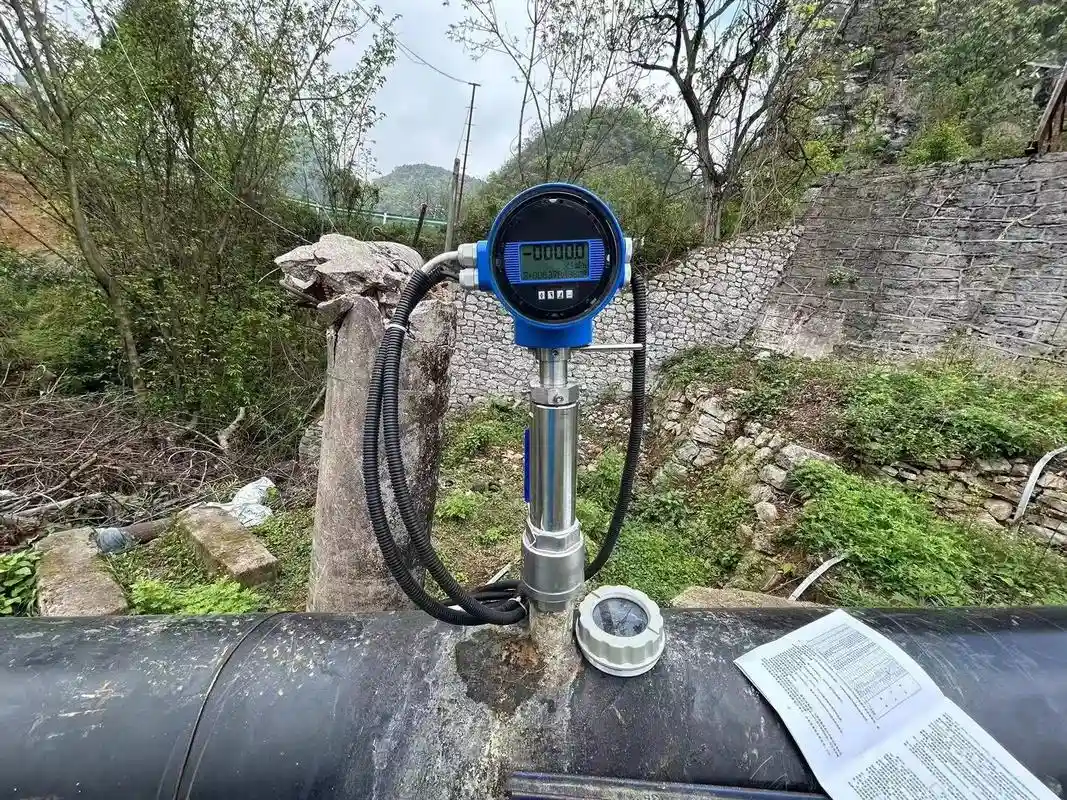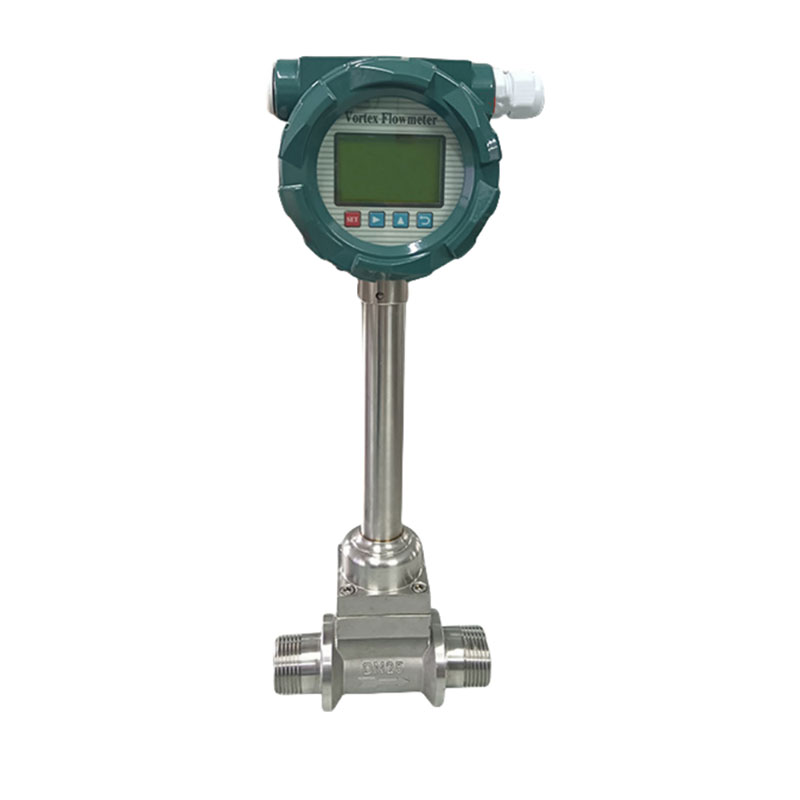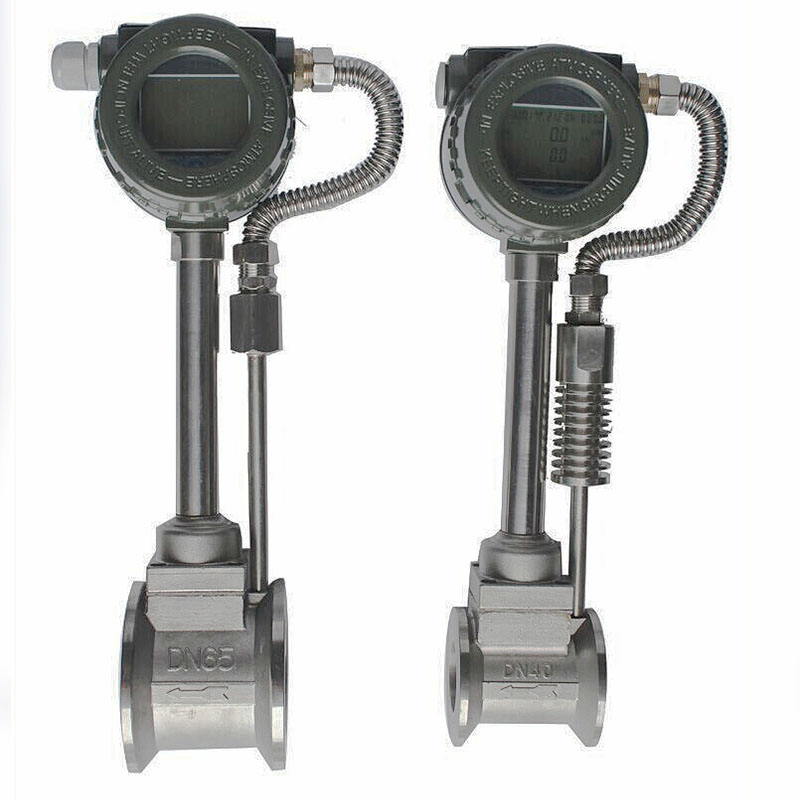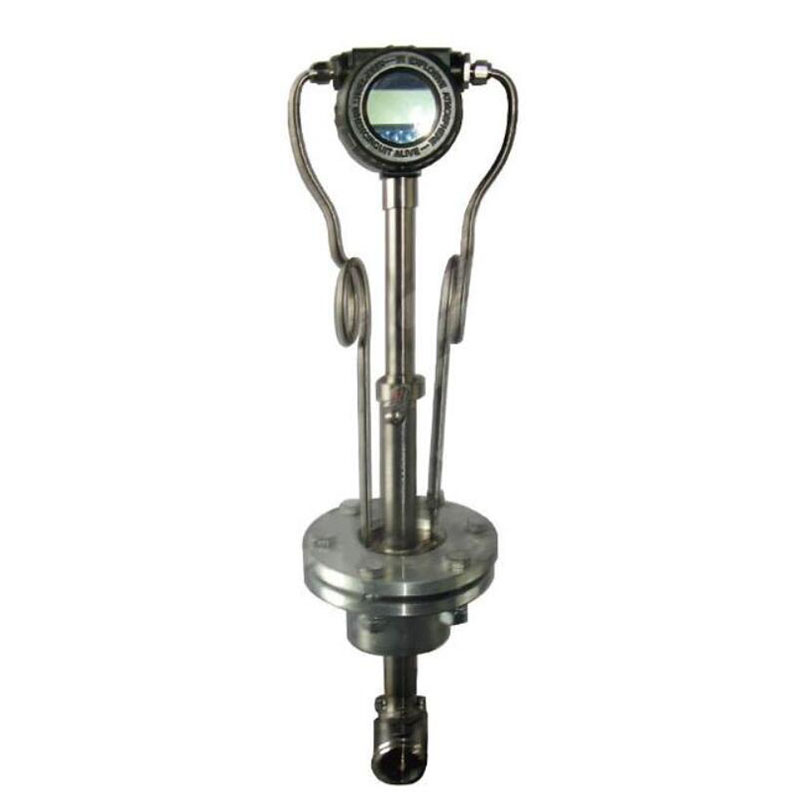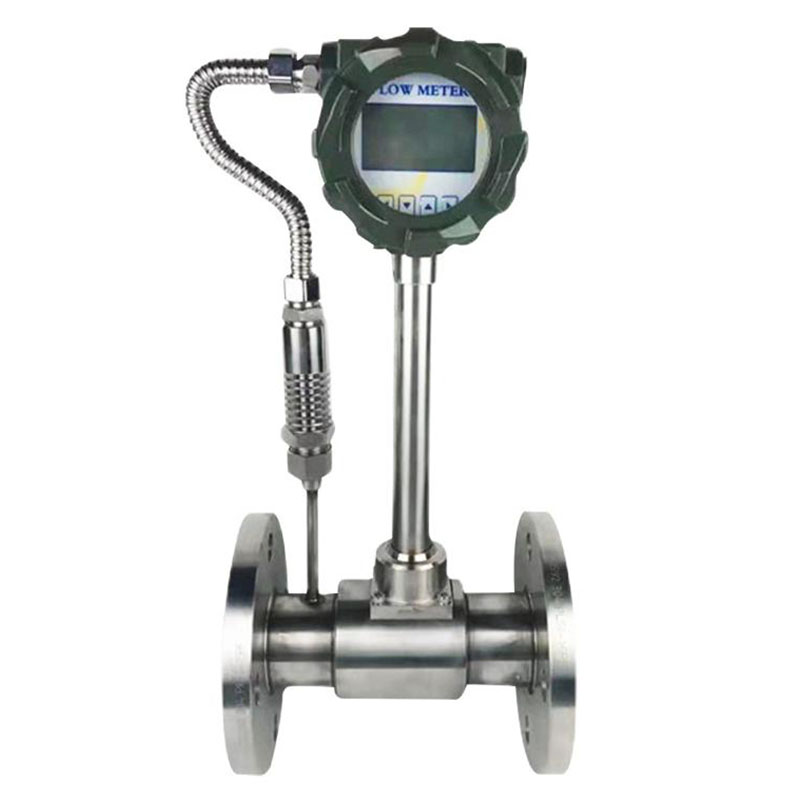
In modern industrial production, flow meters serve as vital instrumentation for measuring and monitoring fluid flow rates. To address the specific requirements of diverse sectors and industries, various types of flow meters have been developed. Among these, hygienic vortex flow meters are highly favoured for their widespread application in food processing, pharmaceuticals, biotechnology and related fields, owing to their high accuracy, ease of installation and maintenance.
Working Principle
The operating principle of sanitary vortex flowmeters is identical to that of standard vortex flowmeters, functioning as flow measurement instruments based on the vortex shedding phenomenon. By employing sensors mounted on fluid pipelines, these flowmeters measure the frequency of vortices generated by fluid flow to derive flow rate data.
Sanitary Vortex Flow Meters VS Standard Vortex Flow Meters
Depending on the application scenario, sanitary vortex flow meters differ from conventional vortex flow meters in aspects such as material selection, design standards, and cleaning methods.
1. Differing Applicable Conditions and Industry Scenarios
Sanitary vortex flow meters are specifically engineered for industries with stringent hygiene requirements, such as food processing, pharmaceuticals, biotechnology, cosmetics, and drinking water treatment. They mainly measure media, like dairy products, pharmaceutical solutions, sterile water, and food/beverage concentrates. These substances need to be handled with a high level of cleanliness and without any residue. These meters are mostly used in clean fluid conveyance systems with small-to-medium pipe diameters and low flow velocities.
They mainly measure media, like dairy products, pharmaceutical solutions, sterile water, and food/beverage concentrates. These substances need to be handled with a high level of cleanliness and without any residue. These meters are mostly used in clean fluid conveyance systems with small-to-medium pipe diameters and low flow velocities. These meters can be used in different types of industries and with different pipe sizes and flow speeds.
2. Differences in Media-Contacting Materials and Surface Treatment
The parts of sanitary vortex flowmeters that have medium-contact with liquids have to be made from food-grade or pharmaceutical-grade 304 or 316L stainless steel. Premium models may employ duplex stainless steel, with surfaces treated to a high-precision mirror finish (surface roughness Ra ≤ 0.8μm; pharmaceutical applications may require Ra ≤ 0.4μm). This eliminates residual medium and bacterial proliferation at source.
Normal vortex flow meters may use standard 304 stainless steel or carbon steel for the parts that come into contact with the liquid. Materials with plastic lining or anti-corrosion coatings can be chosen based on how well they resist corrosion. Surfaces undergo conventional acid pickling and passivation treatment without high-precision polishing, meeting only the basic corrosion and pressure resistance demands of industrial applications.
3. Divergent Core Principles in Structural Design
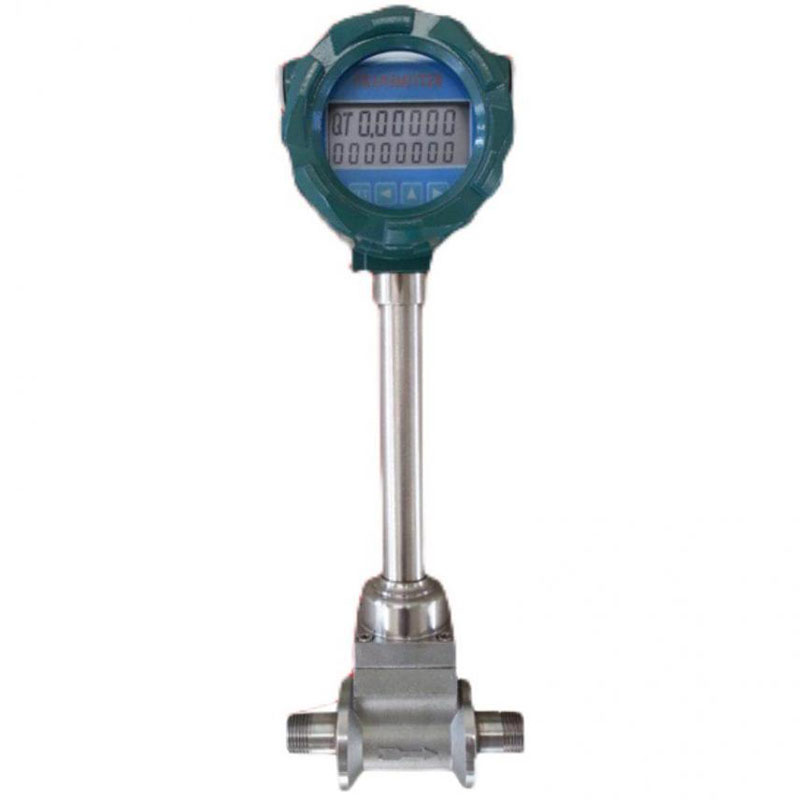
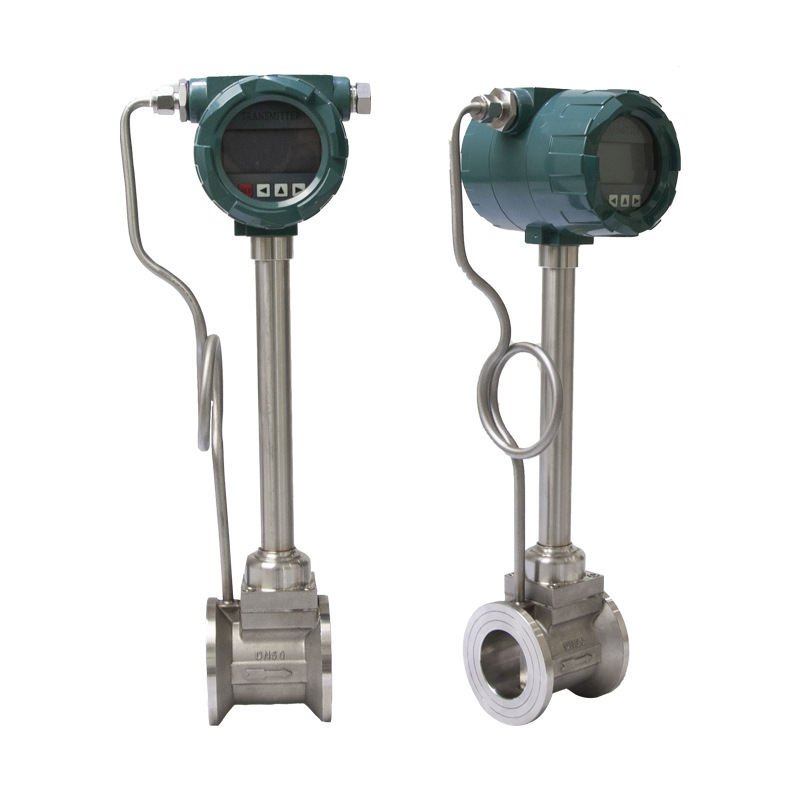
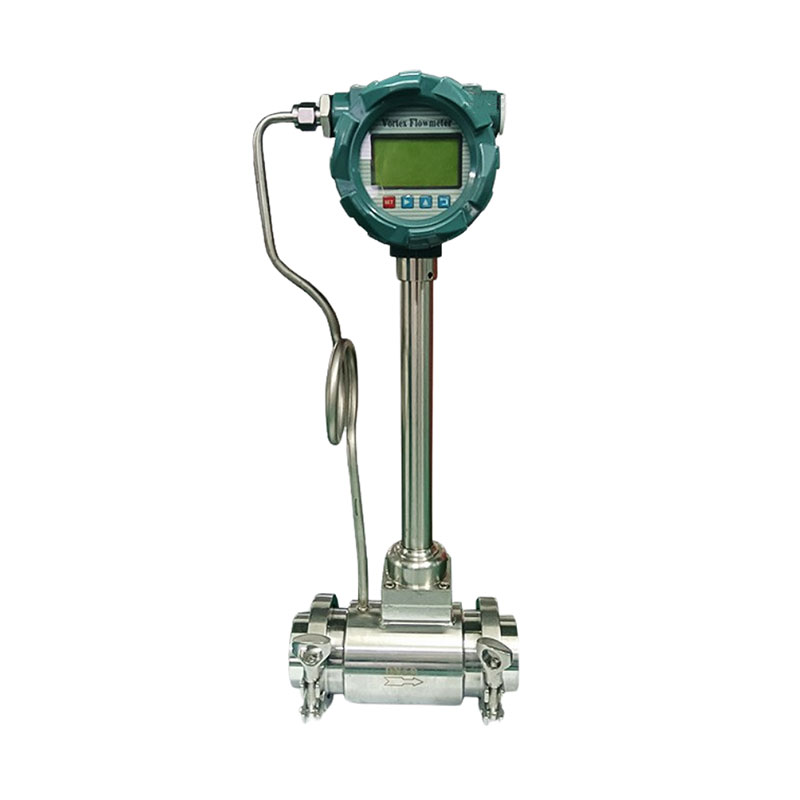
The structural design of sanitary vortex flowmeters prioritises dead-zone-free, easy-to-clean, and sterilisable construction. Flow channels employ smooth, streamlined designs devoid of weld seams, threaded dead corners, or recesses prone to fouling. Connections utilise clamp-type quick-fit structures, directly compatible with industrial CIP and SIP processes, enabling cleaning and sterilisation without equipment disassembly.
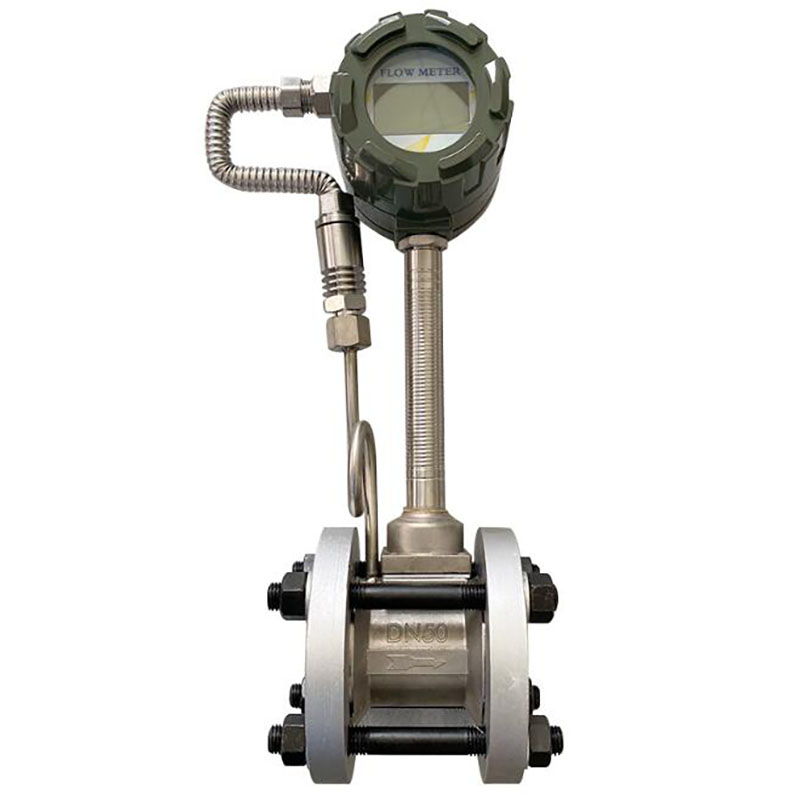
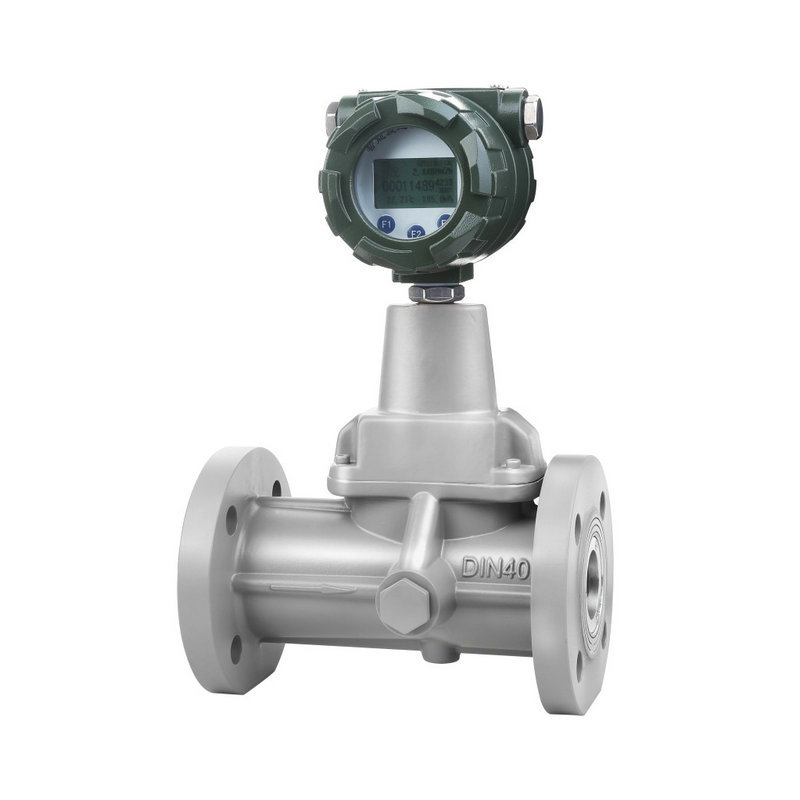
Conventional vortex flow meters prioritise hydrodynamic performance and measurement stability in their structural design. Connections typically employ flanges or threaded joints, with flow channels and valve bodies potentially incorporating standard weld seams and sealing grooves. These designs don’t consider how to clean or sterilise them, and some structures might have areas where dead zones for media exist, meaning they can only be used to measure and transport industrial fluids.
4. Differing Compliance Standards and Certification Requirements
Hygienic vortex flowmeters must adhere to specialised sanitary standards for the food and pharmaceutical industries and obtain authoritative third-party sanitary certification. Common certifications include the US FDA, 3A Sanitary Standards, European EHEDG, and China’s GMP pharmaceutical industry standards, constituting mandatory prerequisites for market entry in these sectors.
Conventional vortex flow meters need only comply with general industrial measurement standards, such as the national GB/T or international ISO standards for industrial flow meters. They must meet industrial usage metrics including accuracy, pressure resistance, temperature tolerance, and interference resistance, without requiring any sanitary-related certifications.
5. Differences in Measurement Accuracy and Functional Adaptability
They both work on the same basic principle, but they are made to be used in different situations. Sanitary vortex flowmeters are perfect for clean media in pipes of a certain size and when the flow rate is low, and they are very accurate even when the flow is slow. They feature no additional anti-clogging or impurity-resistant designs, thereby avoiding hygienic dead zones caused by complex structures.
Conventional vortex flow meters offer broader measurement adaptability, covering high-velocity, large-diameter industrial conditions. Some models are made to resist clogging, impurities and vibrations. This makes them suitable for use in industrial settings where media may contain contaminants and where there are high levels of vibration. These models deliver superior measurement stability in fast-moving industrial scenarios.
6. Differences in Installation, Maintenance, and Overall Cost
Sanitary vortex flow meters employ quick-release structures, requiring no specialised tools for disassembly, cleaning, or maintenance. This facilitates rapid changeovers and cleaning demands in food and pharmaceutical production lines. However, their manufacturing and procurement costs significantly exceed standard models due to premium materials, high-precision polishing processes, and authoritative sanitary certifications.
Conventional vortex flow meters typically feature flanged fixed installations requiring wrenches or specialised tools for disassembly and maintenance. Core maintenance tasks include sensor calibration and fault diagnosis. Their simpler materials and manufacturing processes result in lower overall procurement and operational costs, making them suitable for widespread adoption in industrial applications.
Advantages of Sanitary Vortex Flow Meters
1. Sanitary Design
Clamp connections: Utilising quick-release clamp connections for swift and convenient disassembly and installation, significantly simplifying routine cleaning and maintenance.
Smooth inner walls: No recesses or crevices within the pipe interior prevent medium residue and bacterial growth, ensuring fluid purity.
Premium Materials: The main body is constructed from 316L stainless steel, with parts in contact with the medium exhibiting excellent corrosion resistance and compliance with food and pharmaceutical safety standards.
2. High Accuracy and Wide Turndown Ratio
High measurement accuracy, typically achieving ±1.0% R, with some models offering even higher precision, ensuring accuracy in production ratios and cost accounting.
Features a broad turndown ratio (typically 10:1 or higher), accommodating variations from minute to substantial flow rates. A single instrument covers a wider operational range, reducing the variety of instrument types required.
3. Medium Adaptability
Widely applicable for measuring clean liquids, gases, and saturated vapour.
Particularly suited for flow measurement of water, liquid milk, beverages, alcoholic drinks, pharmaceutical solutions, compressed air, and similar media.
4. High Stability and Low Maintenance
The sensor assembly contains no moving parts, featuring robust construction for extended service life and high reliability.
Thanks to state-of-the-art digital signal processing technology, the instrument can withstand vibration interference, ensuring consistent readings in tough industrial settings.
The instrument body requires no additional maintenance, resulting in lower total lifecycle operating costs.
5. Intelligent Output and Communication
Provides standard 4-20mA analogue signals, pulse outputs, and alarm signals for seamless integration with PLCs, DCS systems, and other control platforms.
Supports fieldbus protocols including HART and MODBUS (depending on model), enabling remote parameter configuration, diagnostics, and data monitoring to advance smart factory development.
Practical Applications of Sanitary Vortex Flow Meters
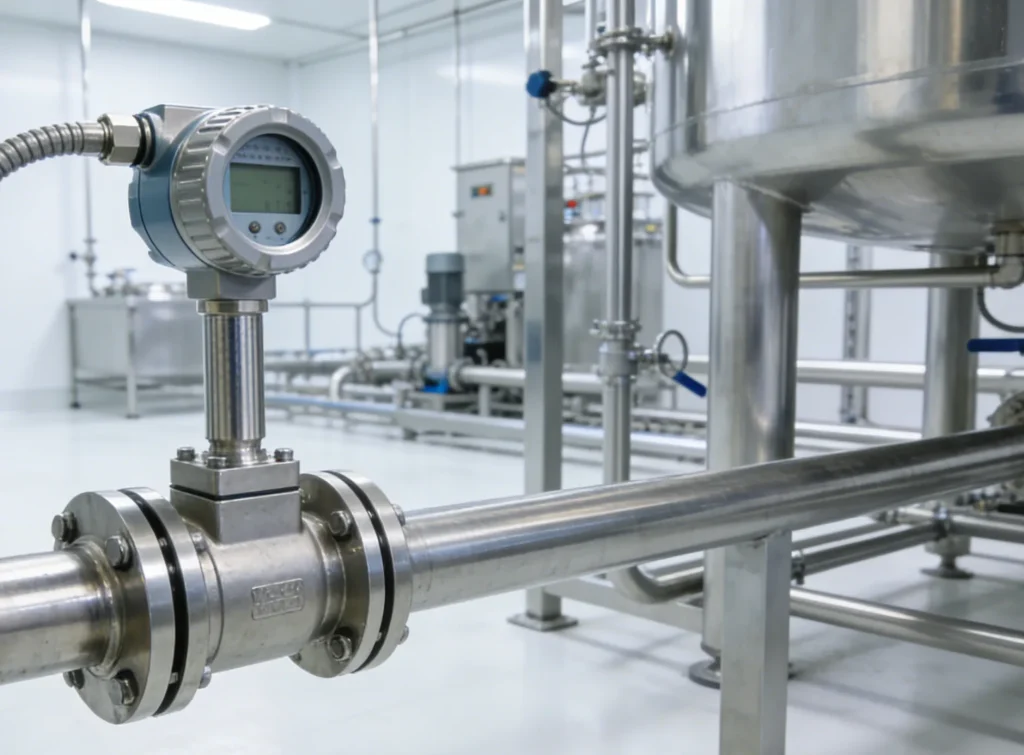
Food and Beverage Industry: Flow monitoring during ingredient mixing, filling, and CIP cleaning processes for liquids such as milk, fruit juice, beer, drinking water, and edible oils.
Pharmaceutical Industry: It is important to measure the water, water for injection, pharmaceutical solutions and culture media in a precise way. This is important at every stage of the process, from preparation to transfer to dispensing.
Biotechnology: Controlling the processes involved in making fermentation broths, buffers, culture media, and other biological products.
Daily Chemicals: Flow measurement of liquid raw materials requiring high cleanliness standards, such as cosmetics and skincare products.
FAQ
Vortex Flow Meter Temperature and Pressure Compensation
Temperature and pressure compensation for vortex flow meters refers to the technique of correcting the meter’s raw measurement data by continuously monitoring the fluid’s temperature and pressure, thereby enhancing flow measurement accuracy. The necessity for such compensation varies depending on the application:
When measuring gases, simultaneous temperature and pressure compensation is required; as gases are typically settled based on standard-condition volumetric flow rates, and volumetric flow changes with variations in temperature or pressure.
When measuring saturated steam, either temperature-only or pressure-only compensation is required. The density of saturated steam has a fixed relationship with temperature or pressure (as per saturated steam density tables). Knowing either variable allows determination of the saturated steam density.
When measuring superheated steam, both temperature and pressure compensation are required. Steam is generally settled based on mass flow rate. Any change in temperature or pressure alters the steam’s density, consequently changing the mass flow rate. Within a specific Reynolds number range, the vortex generation frequency varies only with flow velocity. Flow velocity multiplied by the pipe cross-sectional area equals the actual flow rate (m³/h).
Installation Notes for Vortex Flow Meters
1. When measuring media requiring temperature and pressure correction (e.g., compressed air, steam), pressure tapping points and temperature measurement points must be strictly configured in accordance with specifications.
2. To ensure measurement accuracy, the pipe’s internal diameter must precisely match the sensor’s nominal bore during installation. This prevents sudden velocity changes caused by pipe diameter variations. Additionally, the internal diameters of asbestos gaskets fitted on both sides of the sensor must strictly correspond to the sensor’s nominal bore to avoid fluid disturbance or measurement errors due to improper gasket dimensions.
3. Throughout installation, effective measures must be taken to protect the sensor from mechanical impact or exposure to high-temperature environments.
4. During installation, carefully verify the flow direction indicator marked on the sensor housing, ensuring its arrow direction precisely aligns with the actual fluid flow direction. Reverse installation will result in erroneous measurement data; therefore, flow direction verification must be conducted post-installation.
Differences Between Electromagnetic Flowmeters and Vortex Flowmeters
Working Principle: Electromagnetic flowmeters operate on Faraday’s law of electromagnetic induction, requiring the medium to be conductive; vortex flowmeters utilise the Karman vortex street principle, with no conductivity requirement for the medium.
Measured Media: Electromagnetic meters measure only conductive liquids and can accommodate turbid liquids containing particles or fibres; vortex meters measure liquids, gases, and steam, primarily suited for clean or slightly contaminated fluids.
Flow Path Pressure Loss: Electromagnetic meters have no internal obstructions, resulting in minimal pressure loss; vortex meters incorporate vortex generators, incurring some pressure loss.
Operating Conditions: Electromagnetic meters suit large pipe diameters and wide flow ranges, excelling at low flow rates; vortex meters excel in small to medium pipe diameters and medium to high flow rates, being the mainstream choice for steam measurement.
Precise measurement, intelligent sensing, empowering efficient industrial operations. Sion-Inst’s comprehensive range of high-quality flowmeters and sensors is available from stock, with customised selection options and comprehensive technical support throughout. Contact us by phone or online for your bespoke solution!