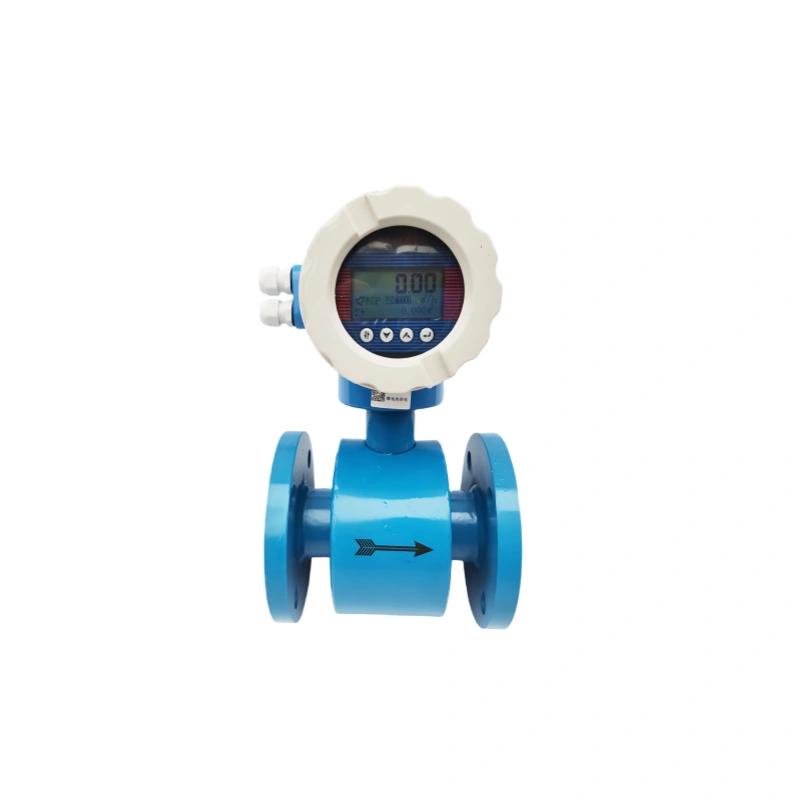
In industry, electromagnetic flowmeters are now the main way to measure conductive liquids because they don’t have pressure loss and are very reliable. But when they are choosing and putting these instruments in, many engineers often focus on things that can be seen, like the size of the hole, the material inside it, and the composition of the electrode, while forgetting a seemingly simple yet very important part—the grounding ring.
What is the grounding ring of an electromagnetic flowmeter?
The grounding ring of an electromagnetic flowmeter is a critical auxiliary metallic component installed between the sensor flange and the pipeline flange. Typically designed as a circular ring matching the pipe diameter, it ensures full contact with the measured fluid. Its primary function is to establish a stable equipotential grounding reference point for the flowmeter’s measurement system. This enables the dissipation of stray currents from industrial environments and provides resistance against external electromagnetic interference.
The idea of this study is to make sure the faint signal generated by the flowmeter is stable and reliable. It’s all based on Faraday’s law of electromagnetic induction. On top of that, the substance has been shown to stop electrochemical corrosion, protecting the electrode system and extending the lifespan of the equipment. It’s especially important in situations where you can’t use natural grounding, like with non-metallic or insulated-lined pipelines. This is something you need to make sure your flowmeter works well and is precise.
Why must electromagnetic flowmeters be earthed?
The earth connection point for the sensor’s output signal must be electrically bonded to the measured medium. This constitutes an essential operational requirement for electromagnetic flowmeters. Failure to satisfy this condition renders the flowmeter inoperable, a limitation dictated by the sensor’s signal circuitry. When the fluid cuts through magnetic field lines to generate the flow signal, the fluid itself serves as the zero potential. A positive potential develops at one electrode while a negative potential forms at the other, with these polarities continuously alternating.
Consequently, the midpoint of the converter’s input (the shielding layer of the signal cable) must be electrically connected to the fluid at zero potential to form a symmetrical input circuit. This midpoint achieves electrical continuity with the measured fluid via the sensor’s signal grounding point. Given that the sensor’s output signal is typically very small—often only a few millivolts— To enhance the instrument’s immunity to interference, the zero potential within the input circuit must be grounded, with earth potential serving as the zero reference. This constitutes a sufficient condition for sensor grounding.
Regarding the connection to earth potential as the reference potential, this requirement is generally satisfied since most metallic pipelines are electrically connected to earth. The flowing medium, conducted through the metallic pipeline, establishes an electrical link to earth. Consequently, electromagnetic flowmeters do not require a dedicated grounding arrangement, especially for small-bore electromagnetic flow sensors. However, installing a separate grounding system can help to ensure the reliable operation of the instrument. The grounding requirements for electromagnetic flowmeters need to be understood, but there is no need to worry about them too much.
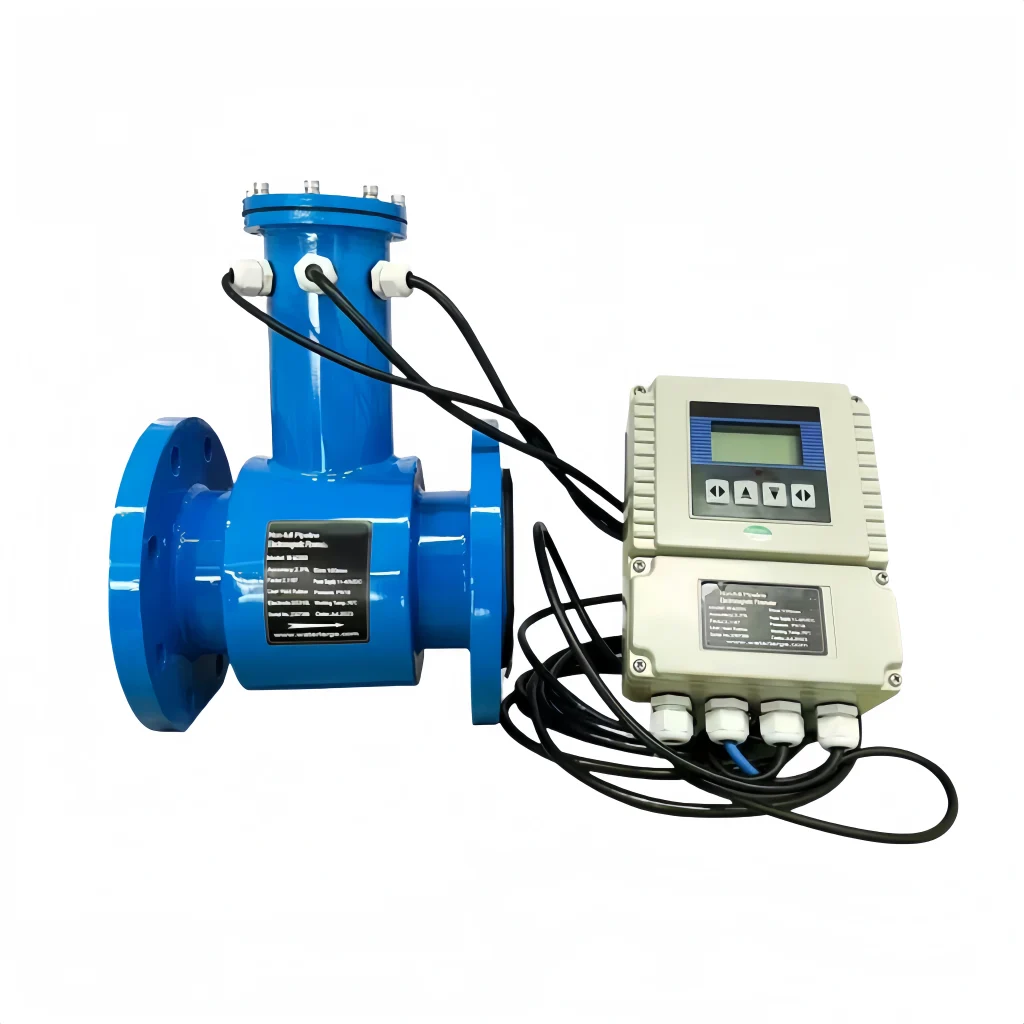
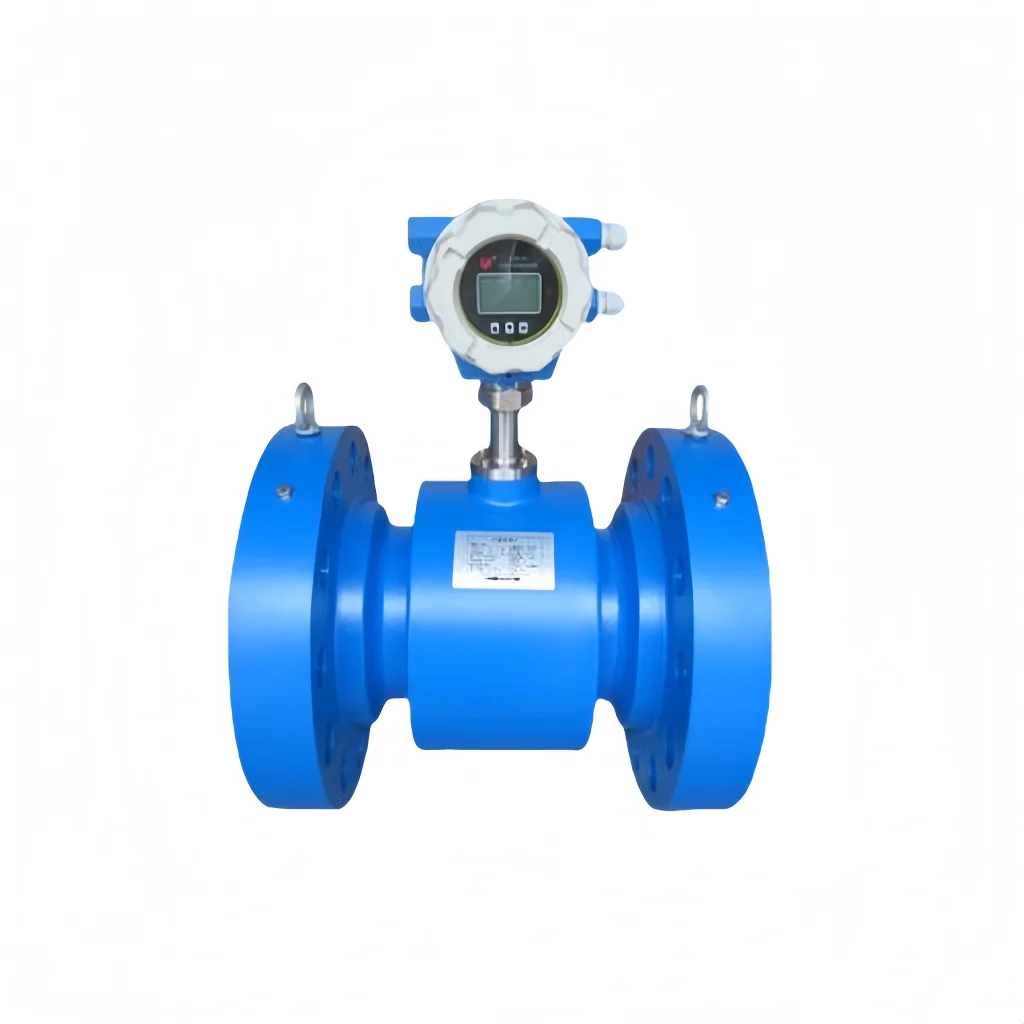
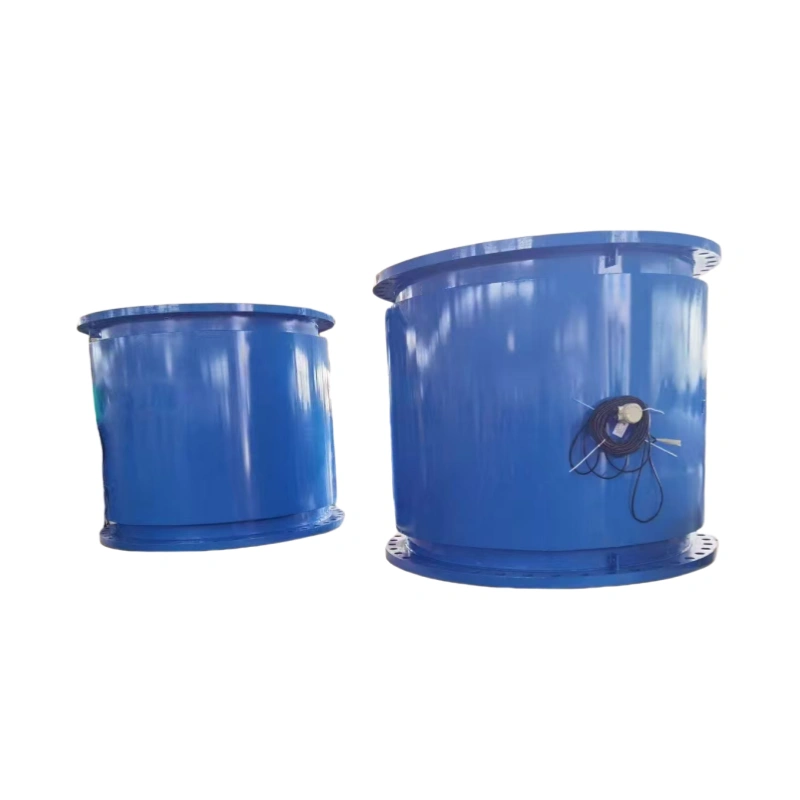
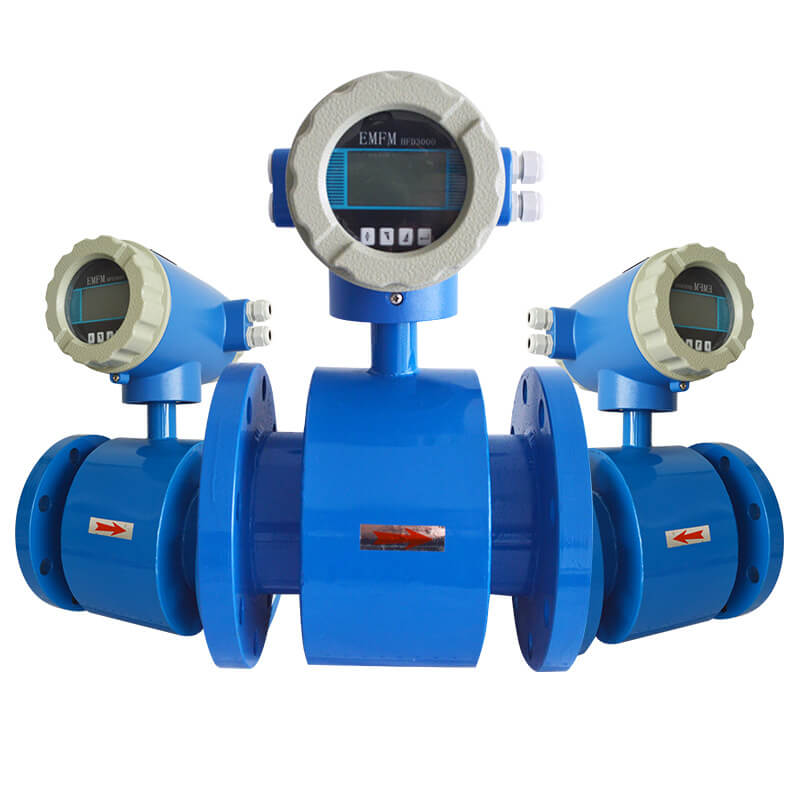
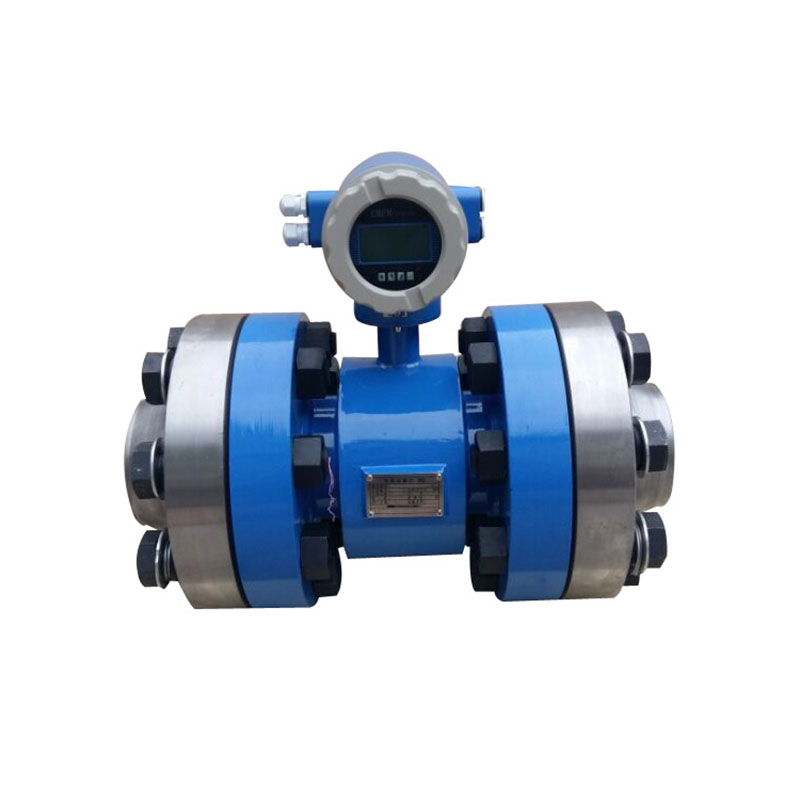
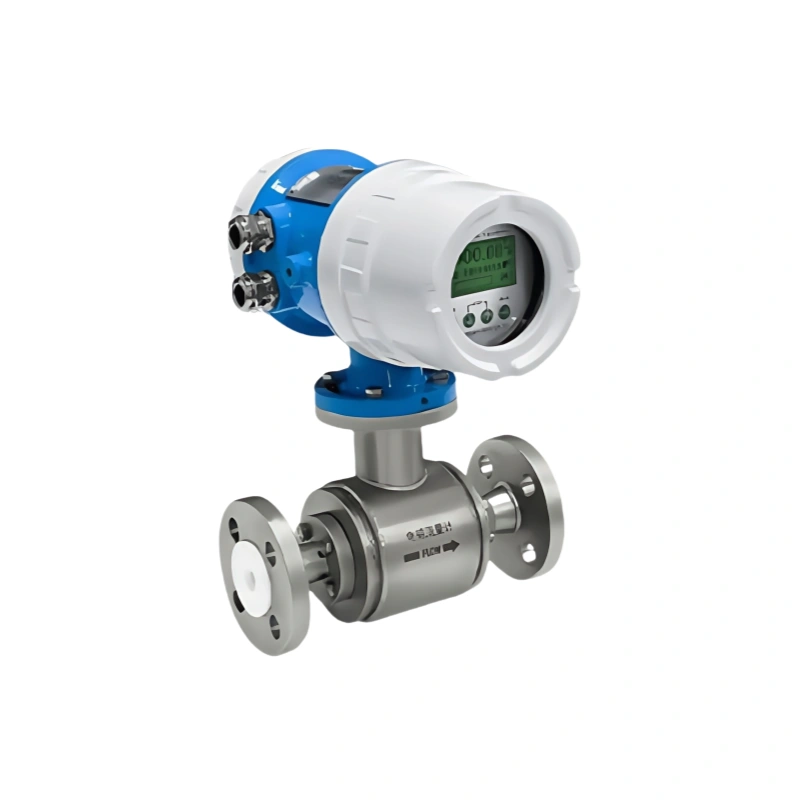
The Function of the Grounding Ring for Electromagnetic Flowmeters
1. Providing a Stable Grounding Environment for Electromagnetic Flowmeters:
The way electromagnetic flowmeters work is based on a process called electromagnetic induction. The accuracy and stability of the measurement can be affected by the surrounding electromagnetic environment. It is also easy to connect the instrument’s grounding conductor to the earth using the grounding ring, which stops any interference from the ground. This provides a stable grounding environment, which enables the instrument to operate normally and maintain precise measurements.
2. Integrating the Electromagnetic Flow Meter into a Safe Grounding System:
During installation, the grounding ring effectively grounds the electromagnetic flow meter to its surroundings. By connecting to the instrument’s metallic components and linking to an external grounding system via additional conductors, it prevents static electricity accumulation. This reduces the risk of lightning strikes, electromagnetic radiation, and static interference, providing essential electromagnetic protection for safe operation.
3. Mitigating Electromagnetic Interference:
A significant number of manufacturing facilities are equipped with a wide range of electrical devices and power lines, which, when in operation, generate electromagnetic radiation and interference. However, the accuracy of electromagnetic flowmeters can be affected by external electromagnetic fields. The grounding ring has been demonstrated to be an effective means of neutralising such fields. Once connected to earth, the grounding ring facilitates the transmission of the earth’s electromagnetic energy into the ground. This reduces the impact of electromagnetic radiation and interference on the flowmeter, ensuring measurement precision and reliability.
4.Safeguarding Equipment Against Static Charge Accumulation:
In some industries, static electricity can build up on conductive surfaces, which can be dangerous. The grounding ring facilitates the dissipation of static charge into the earth, thereby preventing its accumulation and subsequent discharge onto equipment. This ensures the safety of the electromagnetic flowmeter and associated devices, thereby facilitating their optimal functionality.
The Function and Distinction Between Grounding Electrodes and Grounding Rings
Grounding Electrodes
A grounding electrode serves as a protective measure for grounding electromagnetic flowmeters. Its function is to establish an electrical connection between the flowmeter and the earth, thereby conducting static electricity, earth potential, and other external noise signals into the ground. This safeguards the flowmeter from interference. Grounding electrodes are typically constructed from metallic materials, fixed to the flowmeter with their base in contact with the ground.
Grounding Ring
A grounding ring serves to earth the electromagnetic flowmeter’s housing. Its function is to connect the flowmeter casing to the ground, establishing an electrical contact that diverts static electricity, earth potential, and other external noise signals into the earth. Typically fabricated from metallic materials, the grounding ring is installed around the flowmeter or on the pipeline. Its primary purpose is to suppress the influence of atmospheric static electric fields, preventing interference with the flowmeter’s operation.
In summary, the grounding electrode primarily safeguards the normal operation of the electromagnetic flowmeter’s internal circuitry, while the grounding ring is chiefly employed to mitigate interference from atmospheric electrostatic fields, thereby enhancing measurement accuracy.
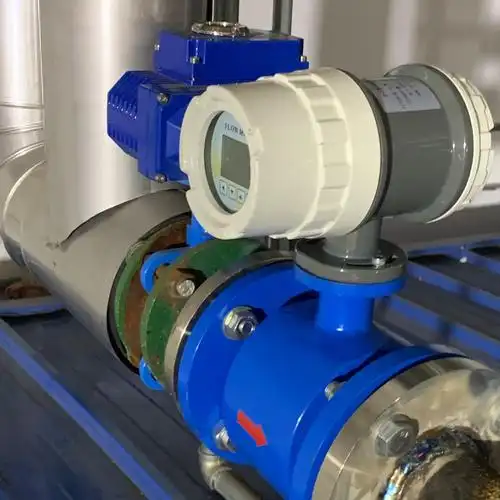
Selection of Grounding Rings
Firstly, material selection must be solely based on the characteristics of the medium. For corrosive media, prioritise corresponding corrosion-resistant materials; for abrasive media, consider wear-resistant materials such as tungsten carbide. The use of materials incompatible with the medium to control costs is strictly prohibited.
Secondly, The specifications must match those of the flowmeter and process piping exactly. The nominal diameter, pressure rating and sealing face configuration must all be identical. Reduced-bore grounding rings are strictly prohibited in order to prevent distortion of the flow field that would affect measurement accuracy.
Finally, the material of the grounding ring must either match the material of the flowmeter electrode or have a similar electrical potential. This stops different metals from touching each other in a liquid, which can cause problems like corrosion. For example, titanium electrode flowmeters need titanium alloy grounding rings, while 316L electrodes require 316L stainless steel grounding rings. Additionally, thickened grounding rings are recommended for large-diameter pipelines to ensure they stay in good condition and have enough contact area for electricity to flow through.
Common Electromagnetic Flowmeter Grounding Ring Materials
304 Stainless Steel: A fundamental, general-purpose material with moderate corrosion resistance. Suitable only for non-corrosive, neutral media (e.g., tap water, ordinary clean water). Offers the lowest cost and straightforward compatibility for routine conditions. Not suitable for corrosive fluids such as acids, alkalis, or salt solutions.
316L Stainless Steel: The most widely used material in industrial settings, offering good corrosion resistance. It works well with most water that is not very acidic or alkaline, like industrial wastewater and salt water. Moderate cost, balancing practicality and economy, suitable for the vast majority of standard operating conditions.
Hastelloy (commonly the C series): This is a strong, durable material that can resist corrosion. It is perfect for highly corrosive materials (such as strong oxidising acids like hydrochloric and sulphuric acids, and chloride solutions), and is used in highly corrosive environments in chemical processing and metallurgy. It costs more than stainless steel grades.
Titanium Alloy: A premium corrosion-resistant material exhibiting exceptional resistance. Primarily suited for chlorine-containing media, seawater, and chlor-alkali solutions, it also possesses moderate high-temperature resistance. Ideal for demanding marine and chemical environments, though at a higher cost.
Tantalum: An ultra-high corrosion-resistant material with near-unrivalled performance, suitable for most highly corrosive media including hydrofluoric acid and concentrated sulphuric acid. Reserved for the most extreme corrosive environments (e.g., high-end and speciality chemical processing), it carries an exceptionally high cost and has limited application scenarios.
Copper/Aluminium: Basic materials that conduct electricity poorly and are not resistant to corrosion. It is only suitable for non-corrosive, low-demand simple applications (e.g. clean, neutral water, impurity-free ambient-temperature fluids). They conduct electricity well and are very cheap, making them suitable for simple measuring systems where corrosion resistance is not required.
Tungsten carbide: This is a specialised, wear-resistant material that offers moderate corrosion resistance. It is ideal for use in materials containing a high concentration of solid particles or that are prone to abrasion, such as slurries, sewage and ore pulps. It effectively withstands media erosion and wear, thereby extending the service life of the grounding ring. It is ideal for abrasive applications in mining, wastewater treatment and similar environments.
Flow measurement and control is a core component of industrial production, providing the fundamental support for achieving data-driven and intelligent manufacturing. Sion-Inst is committed to advancing industrial metrology technology and adapting it to a variety of scenarios. The company is dedicated to continuously developing flow meter products that better align with the requirements of smart manufacturing.
This ensures precise measurement becomes a pivotal enabler for production upgrades across all industries. Moving forward, we shall continue to drive product evolution through innovation, adapt technologies to industrial contexts, and empower high-quality development across sectors with smarter, more reliable flow measurement solutions. We remain committed to advancing in lockstep with the intelligent transformation of industrial manufacturing.