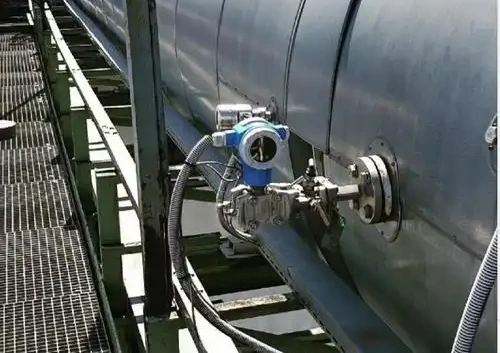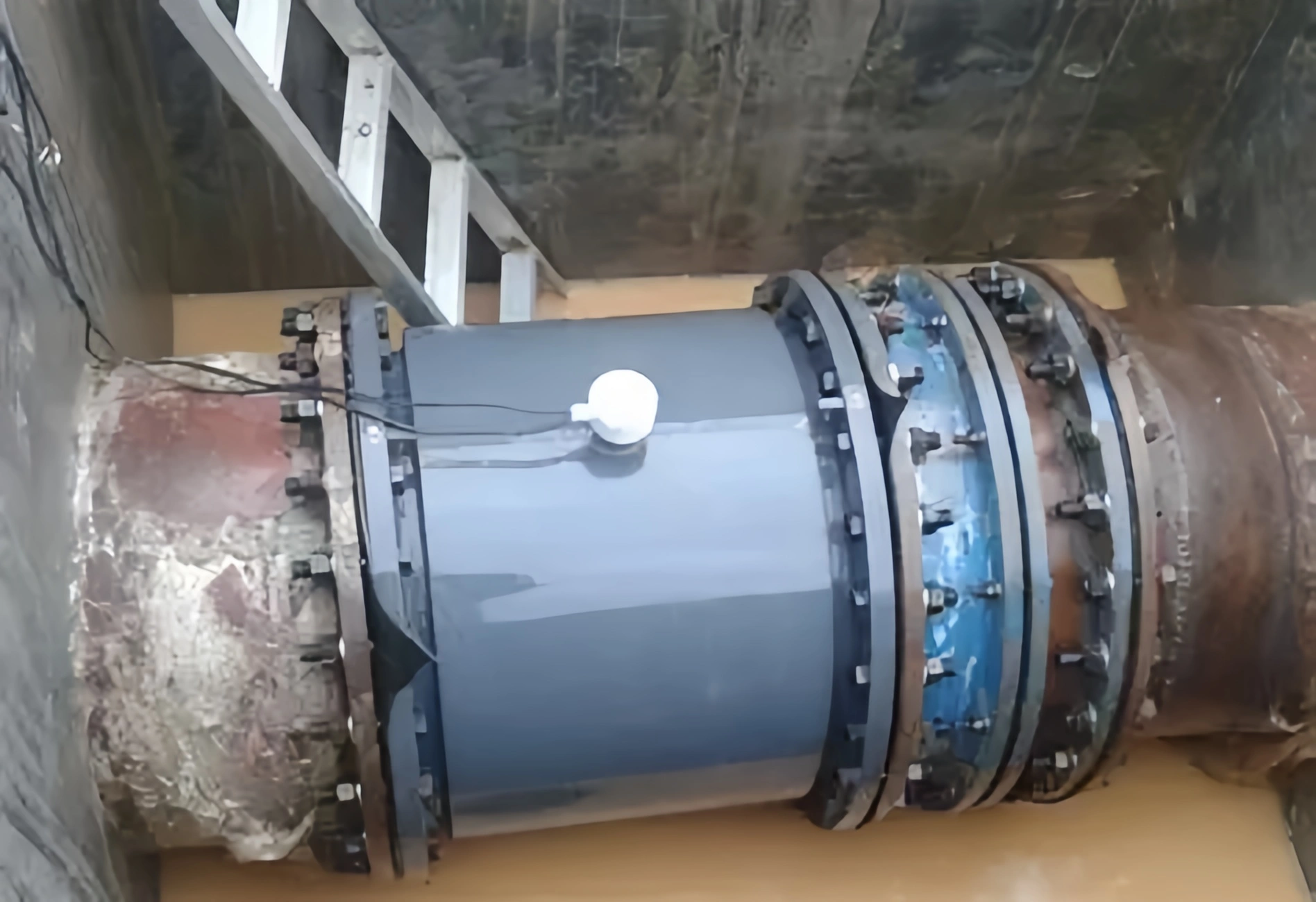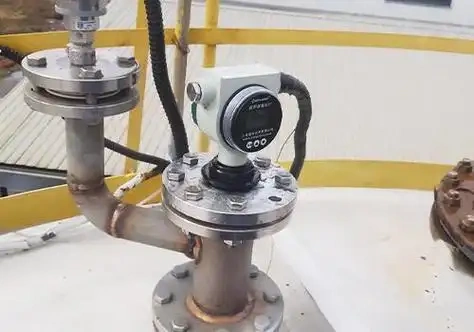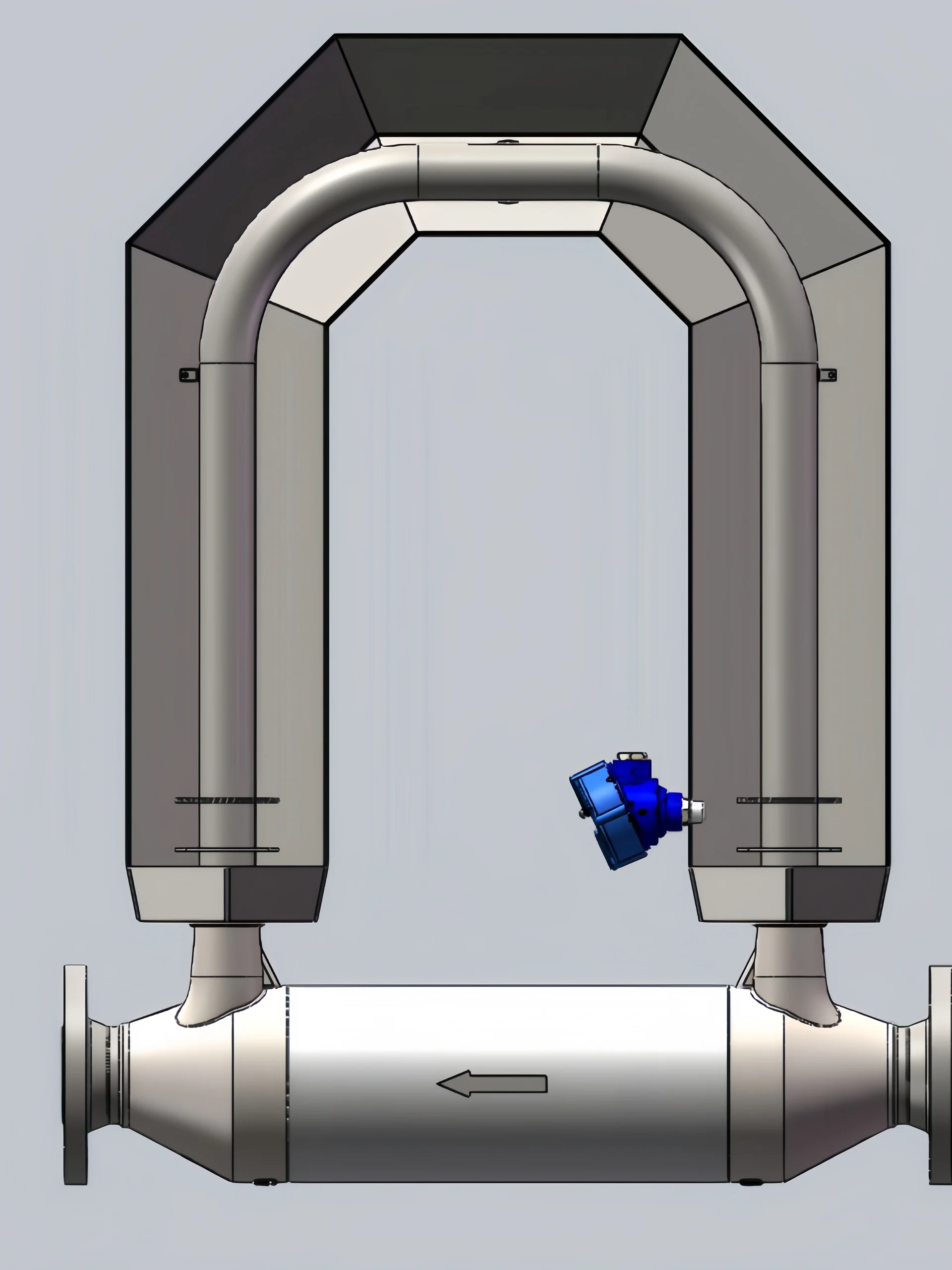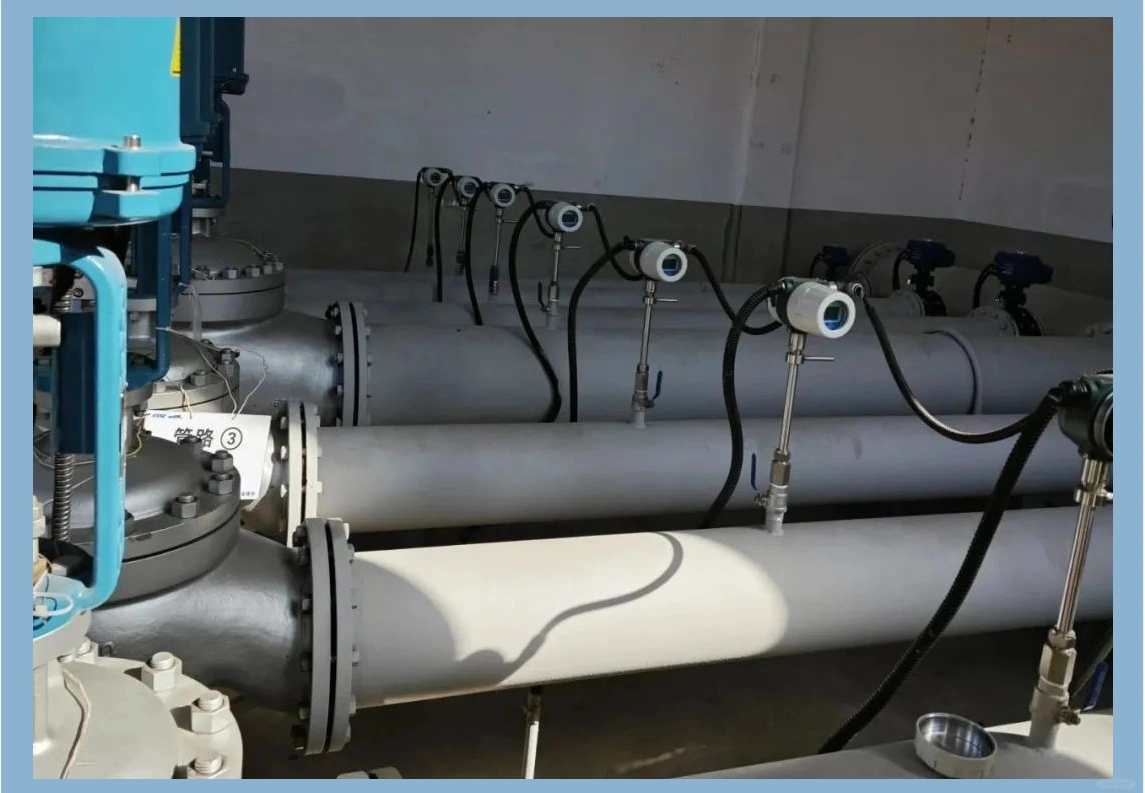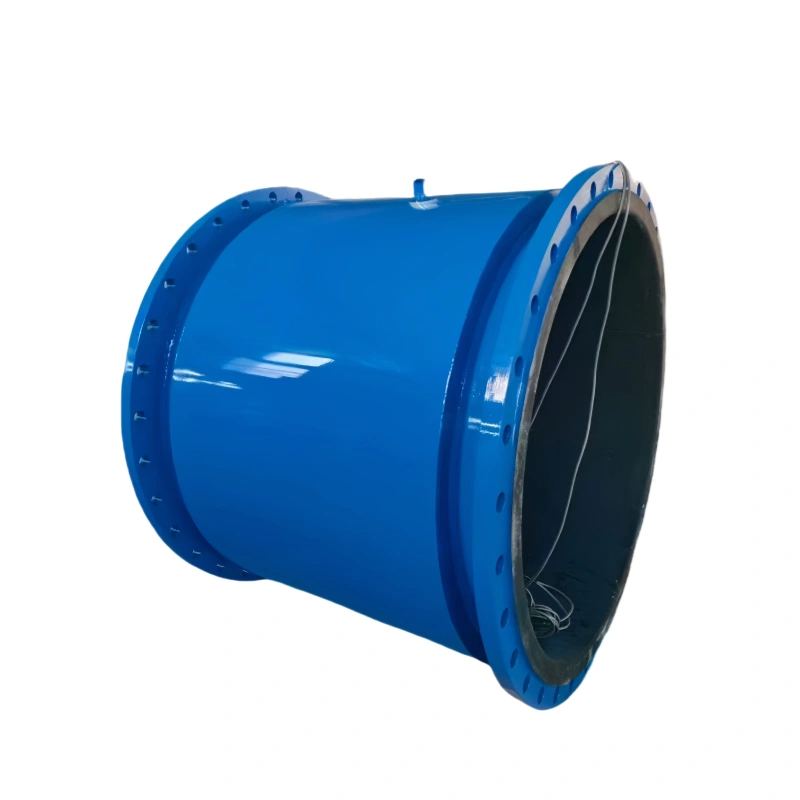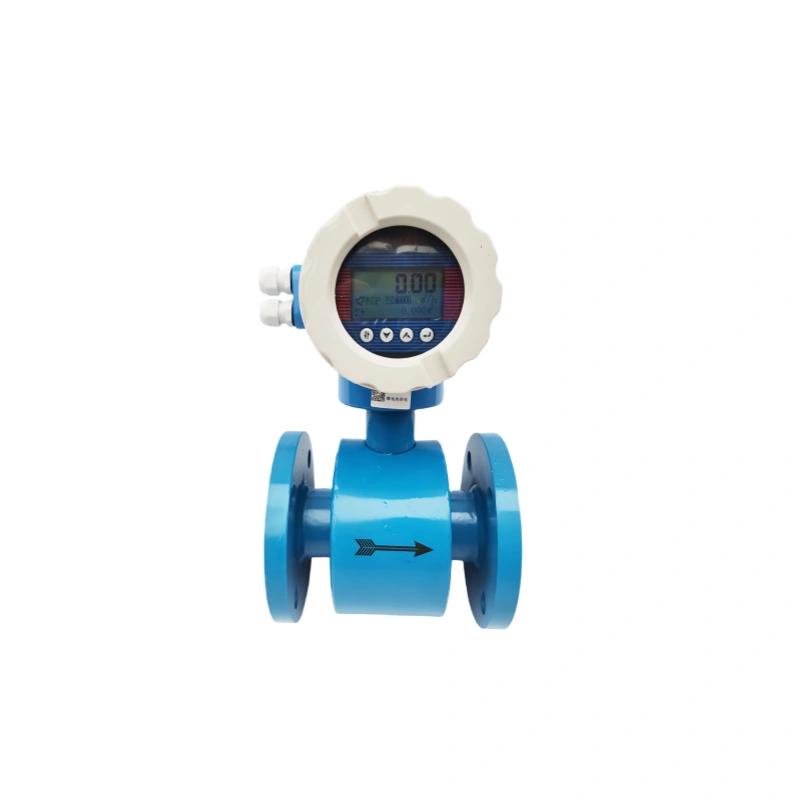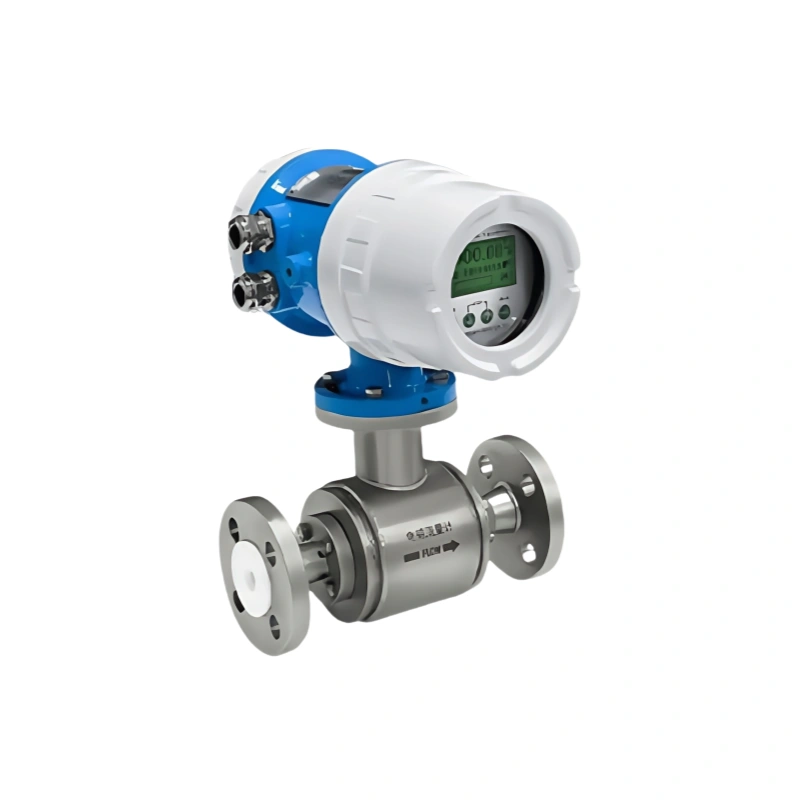
In fields like marine engineering, seawater desalination, ship ballast water systems and ocean monitoring, measuring seawater flow is really important, so the equipment needs to be top-notch. Traditional flow meters often don’t last very long and aren’t very accurate when it comes to measuring water in the sea. This means it’s really important to choose the right meter.
Challenges in seawater flow measurement
The challenges of measuring water flow in the sea come from the physical and chemical properties of the sea water itself, the difficult conditions of the sea and coast, and the strict rules for putting the equipment in place and looking after it. Furthermore, the predominant electromagnetic flowmeters used for seawater measurement face specific technical adaptation issues.
Corrosion: Seawater is highly corrosive because it contains a lot of salt. This can damage the materials used in equipment that measures flow, like pipes, sensors, and flow meters. You need special materials and coatings that can resist corrosion to make sure the equipment lasts a long time and works well.
Fouling: Seawater contains various organisms, marine biofouling, and sediments that accumulate on the surfaces of flow measurement devices. Things like Fouling can mess with how the water flows, which can lead to readings that aren’t quite on point. It’s important to keep it clean and well-maintained so that it stays accurate and doesn’t get dirty.
Density and viscosity: Seawater has a higher density and viscosity than freshwater. Things like changes in salinity and temperature can mess up the precision of flow measurements. So, you need to pay special attention and make sure you calibrate it right when you’re measuring, to account for changes in density and viscosity.
High Flow Velocity: Seawater usually flows much faster than other types of water. High speeds can cause turbulence and disruptions to the flow, making it hard to measure accurately. This means that the way these devices are designed and the techniques used to measure flow need to be able to handle high flow speeds.
Underwater Installation and Maintenance: Seawater flow measurement often involves underwater installation or seabed operations. This makes it harder to get to, see, and look after it. Diving and ROV work often require installation, inspection and maintenance tasks to be carried out.
Electrochemical Effects: The conductivity of seawater can cause electrical interference, resulting in inaccurate measurements in flow devices that rely on electrical signals. To mitigate these effects and ensure accurate measurements, appropriate grounding, shielding and signal filtering techniques must be employed.
Harsh environmental conditions: The marine environment is tough on equipment, with seawater, high humidity, high temperatures and mechanical stress to deal with. But over time, these conditions can degrade the performance and reliability of flow measurement devices. So, it’s really important to have strong designs and the right protective measures to deal with these environmental challenges.
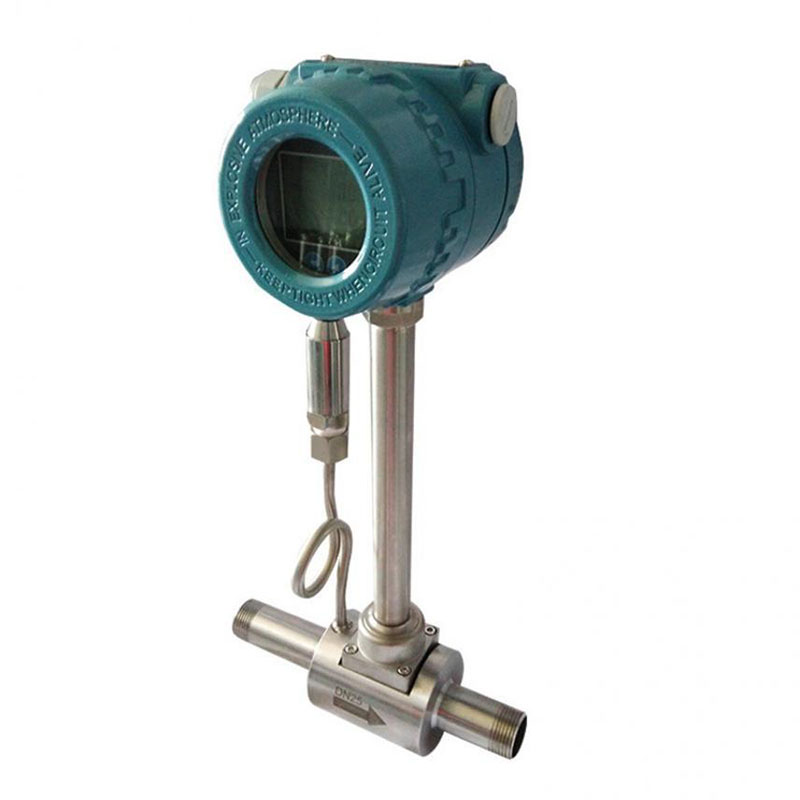
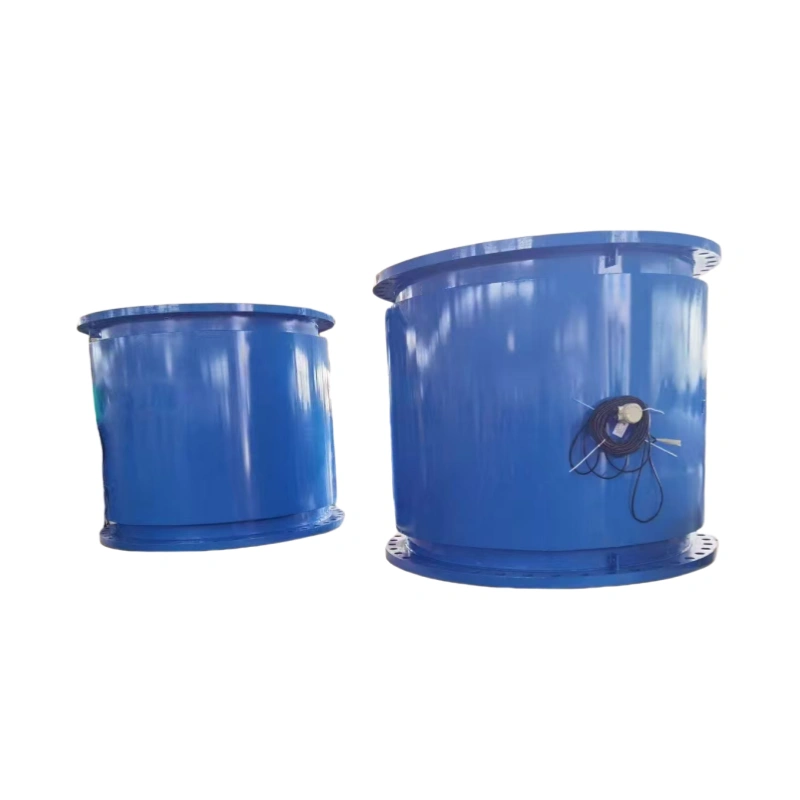
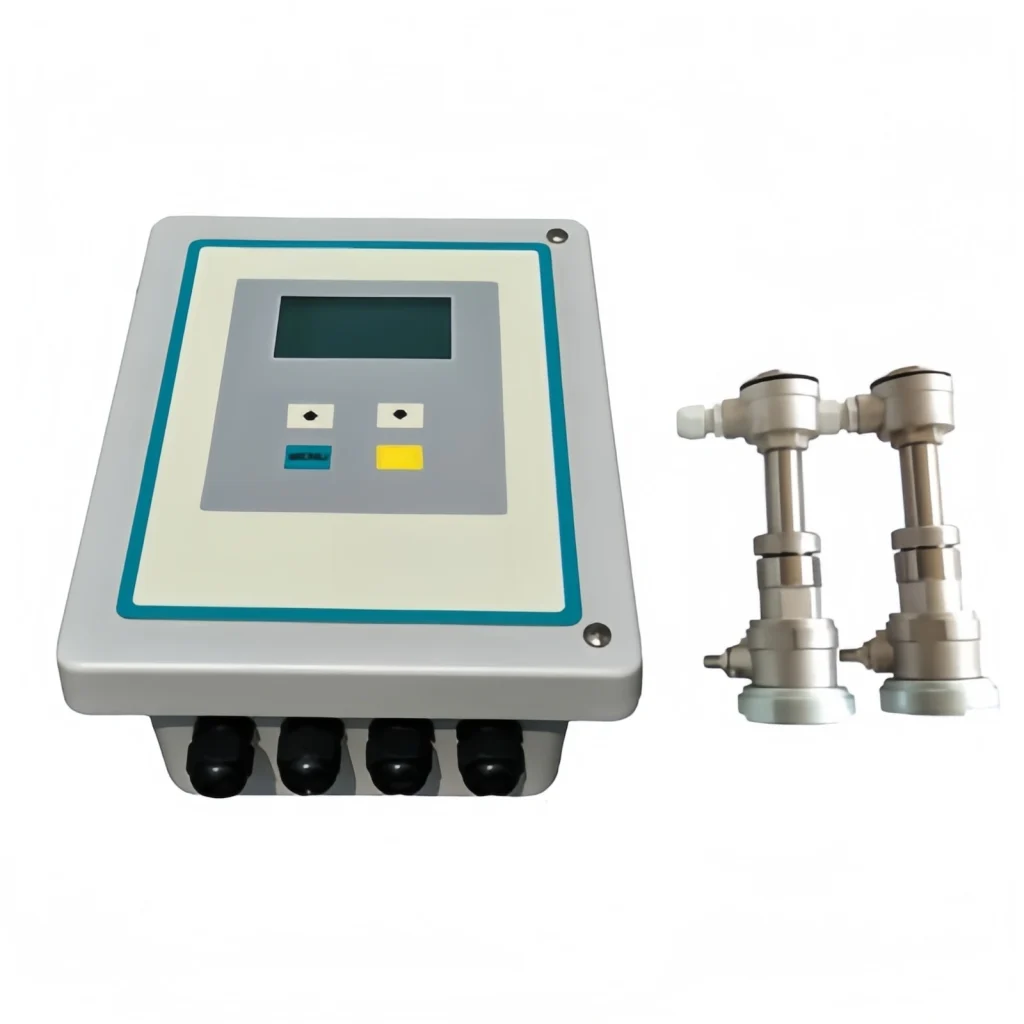
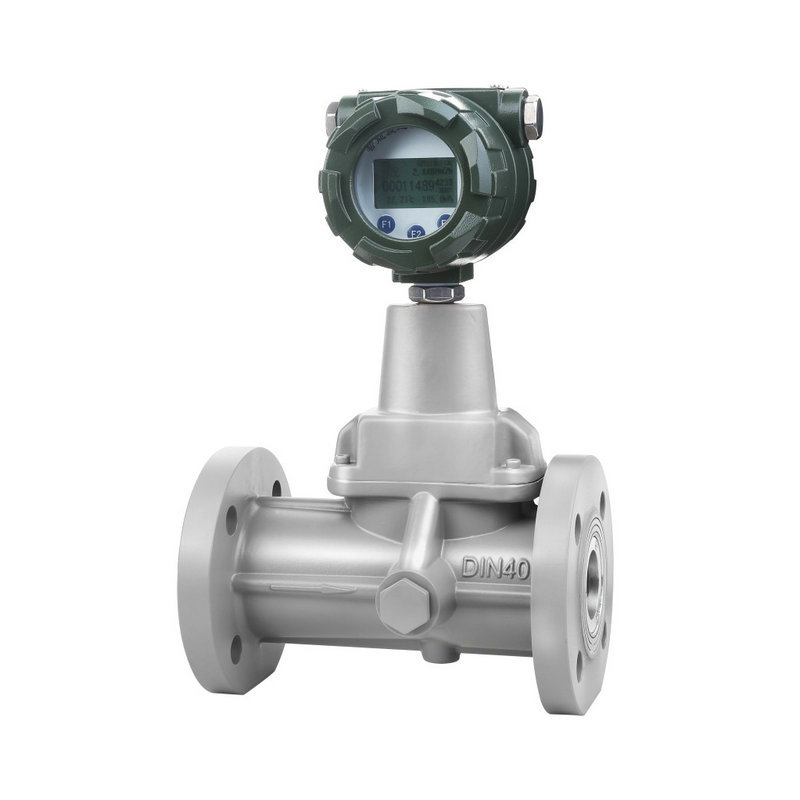
Flow meters suitable for seawater measurement
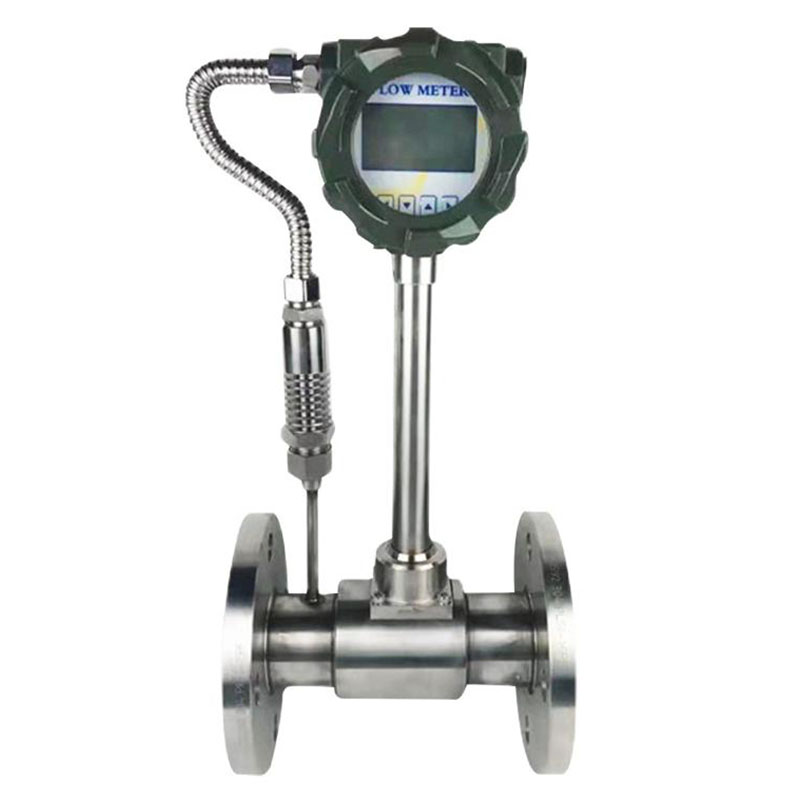
Various types of flow meters are available for measuring seawater flow, categorised by operating principle into vortex, electromagnetic, and ultrasonic types. Among these, electromagnetic flow meters and ultrasonic flow meters have gained widespread application in seawater flow measurement due to their cost-effectiveness and stability.
Electromagnetic Flowmeters
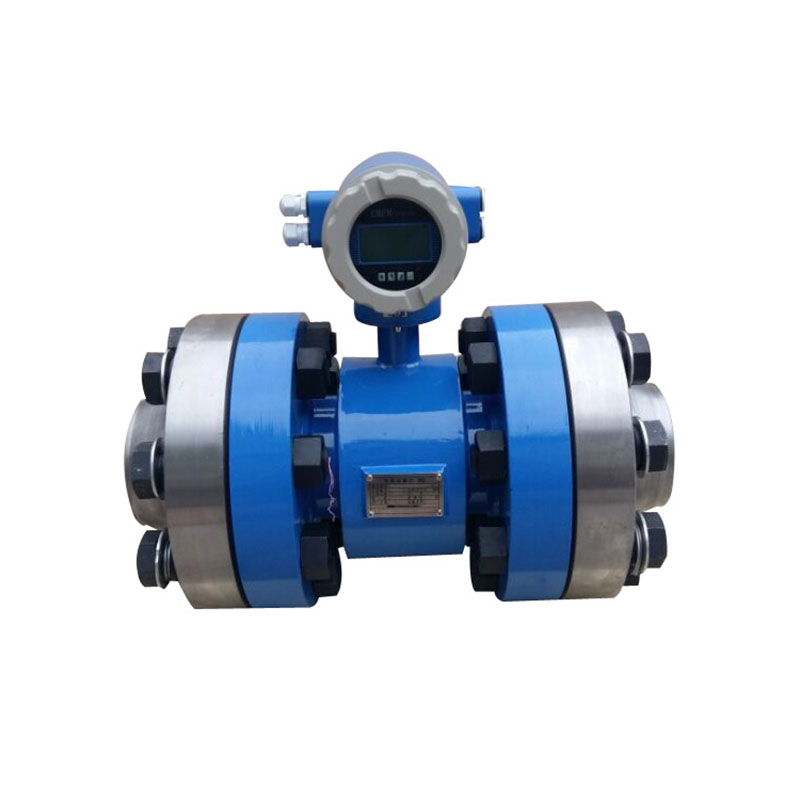
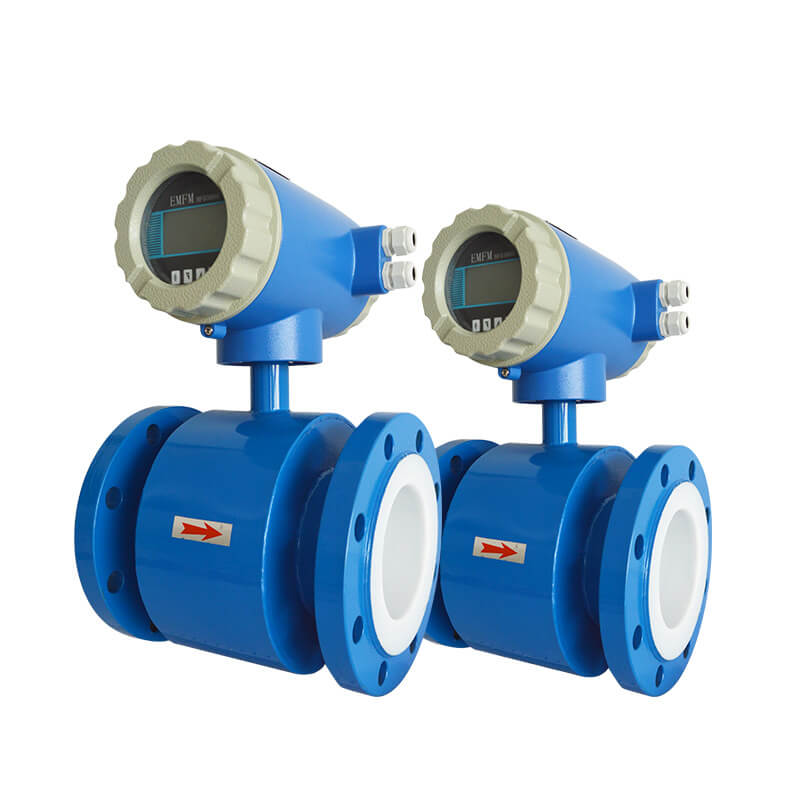
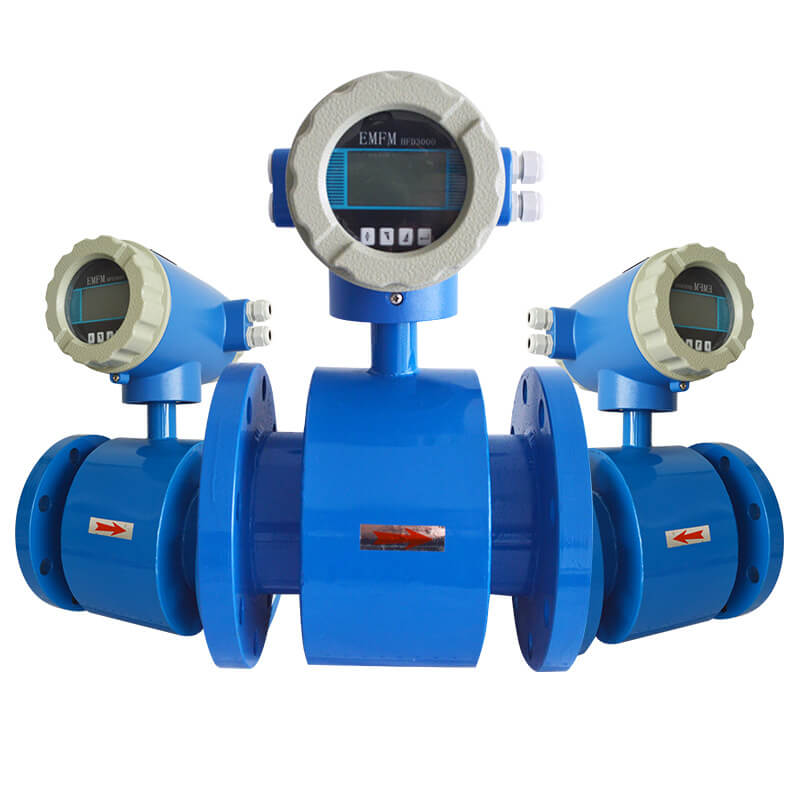
Electromagnetic flowmeters represent the mainstream core selection for seawater flow measurement. Their advantages are fully suited to seawater’s high conductivity and its physical and chemical characteristics containing solids and impurities, whilst also being capable of handling complex flow conditions at sea.
When selecting electromagnetic flowmeters for seawater applications, 316 stainless steel is recommended as the primary electrode material. For more severe corrosive environments, upgrading to higher-grade corrosion-resistant materials such as Hastelloy is advisable. For the internal lining, PTFE (polytetrafluoroethylene) or PFA materials are recommended. These materials not only resist corrosion from seawater chloride ions but also minimise marine fouling and salt scale deposition.
Advantages
1. Compatible with high conductivity, stable signal: Seawater conductivity ranges from 40,000 to 50,000 μS/cm, far exceeding the minimum requirement of ≥5 μS/cm for electromagnetic flowmeters. Electrodes reliably capture signals with minimal impact from slight variations in salinity, temperature, or pressure, eliminating the need for additional compensation. Suitable for both coastal and offshore applications.
2. Mechanical component-free design prevents erosion and blockages: Only the electrode and lining come into contact with seawater within the measuring tube. Absence of precision components like impellers or target plates enables operation in sandy or particulate-laden seawater, avoiding wear, jamming, and blockages while reducing failure frequency.
3. Superior corrosion resistance:Optional titanium alloy/Hastelloy C276 electrodes and PTFE/FEP linings, with valve body flanges coated in heavy-duty anti-corrosion paint. It resists the corrosion caused by seawater and salt spray, making it perfect for use in highly corrosive environments on seabeds and offshore platforms.
4. Wide measurement range, tidal-compatible: The standard range ratio is 1:100 (1:200 at the high end), which is ideal for tidal fluctuations with almost no flow. It can measure in both directions, providing accurate results even when measuring reverse seawater currents, without requiring adjustment.
5. Minimal pressure loss: The design is simple, and there is hardly any decrease in pressure when seawater flows through it. It uses much less energy than other types of flowmeter to pump water through large pipelines, making it perfect for engineering with seawater.
6. Split-design for harsh environments: Sensors are installed on site with converters in control rooms, connected via shielded cabling. This setup protects against salt spray, high humidity, strong electromagnetic interference, and vibration, making sure signals stay stable and circuit failure risks are reduced.
7. High Accuracy:Pipeline-mounted units are pretty accurate too, with ±0.5% FS (high-end ±0.2% FS), and they don’t seem to be too bothered by medium viscosity and density. Great for precision applications like trade settlement and seawater desalination. Insertion and non-full-bore types suit coarse measurement applications.
Disadvantages
1. Prone to fouling causing accuracy drift: Barnacles, algae and calcium/magnesium salt deposits easily attach to electrodes and pipe walls. This forms insulating layers and narrows flow channels. This results in signal attenuation and zero-point drift, making regular cleaning and maintenance necessary.
2. Grounding challenges and stray current interference: Complex stray current sources in marine or coastal environments cause corrosion and fouling of ground electrodes, increasing ground resistance. Conventional grounding methods prove ineffective, with stray currents disrupting signals, causing accuracy fluctuations and difficult zero-point calibration.
3. Poor stability at low flow rates: When flow velocity falls below 0.1 m/s, the induced signal becomes weak and susceptible to interference, causing zero-point drift. This issue frequently occurs during low tidal periods, necessitating additional automatic calibration functionality and increasing commissioning complexity.
4. Incompatibility with aerated seawater: Nearshore seawater bubbles can sever magnetic field lines and form gas films on electrodes, causing signal fluctuations and erratic readings. Additional degassing equipment is required.
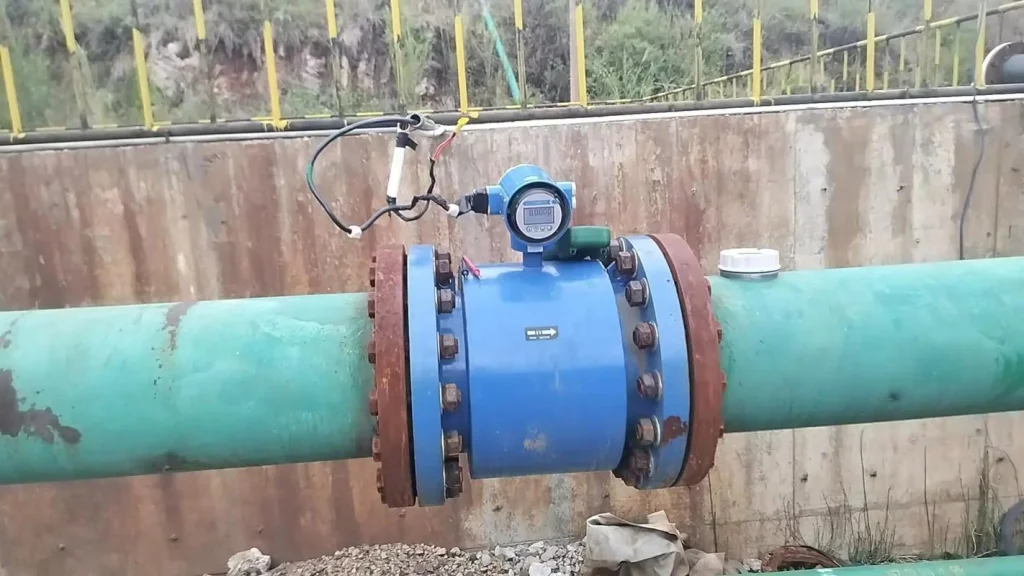
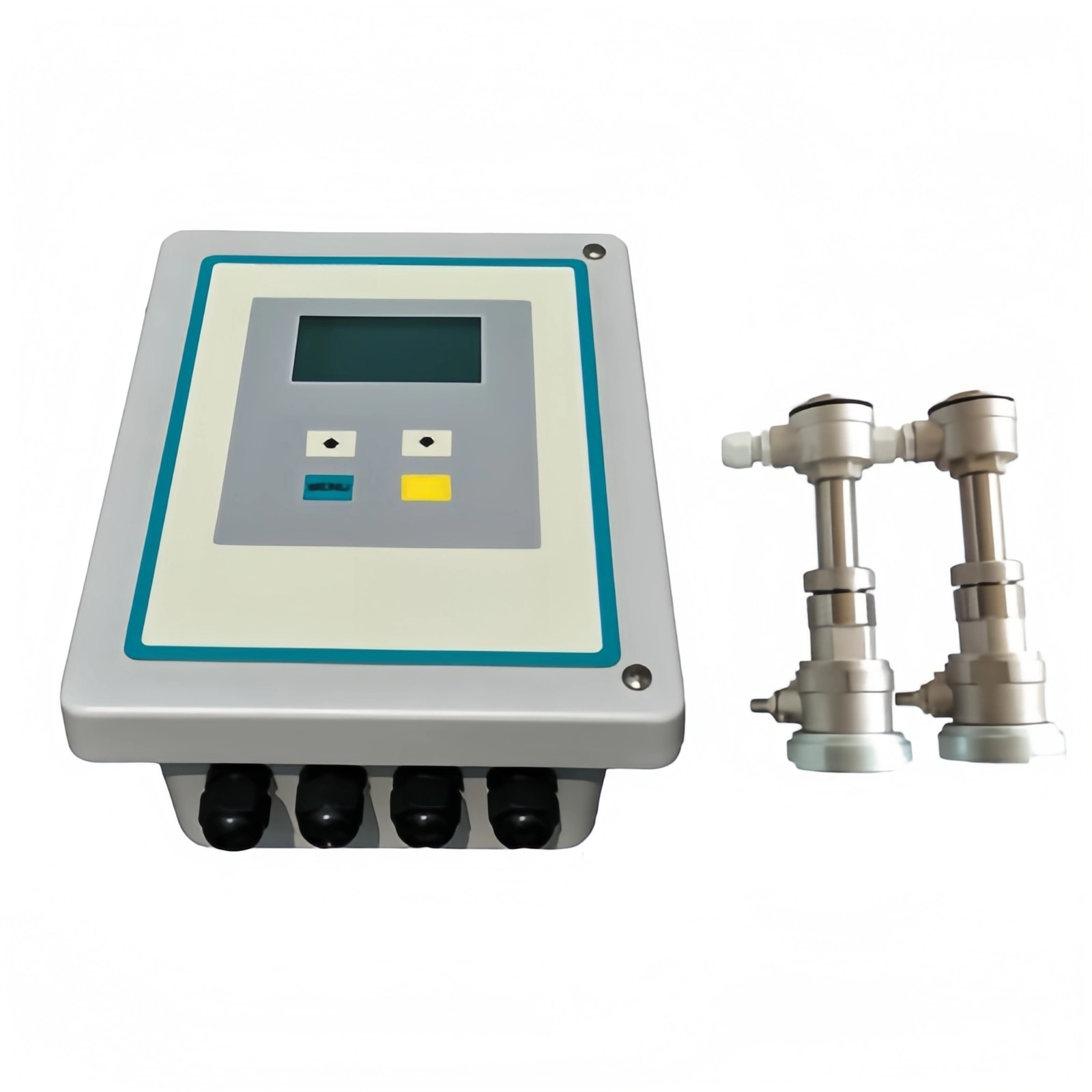
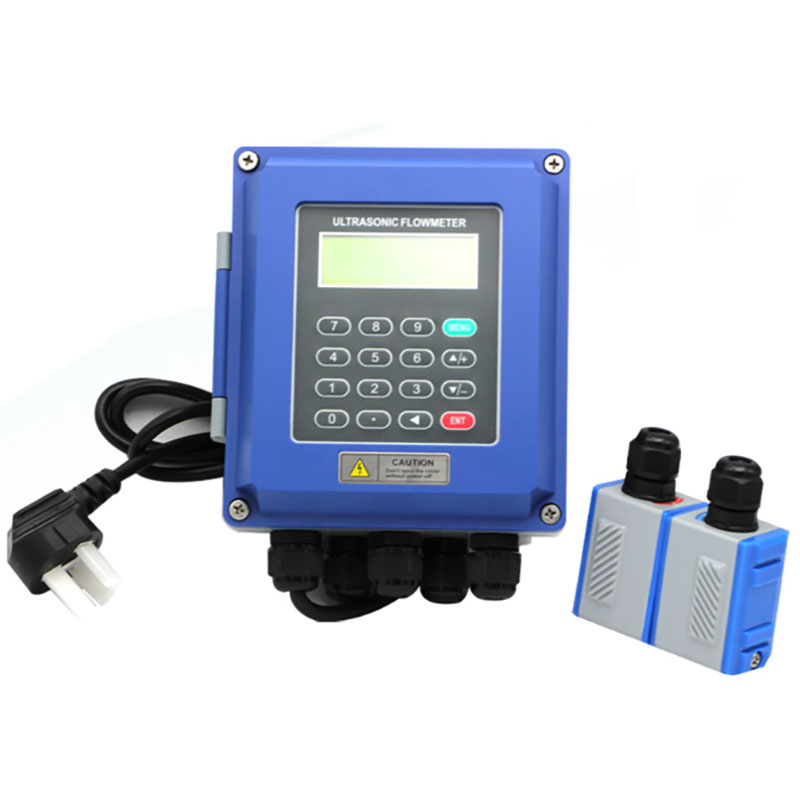
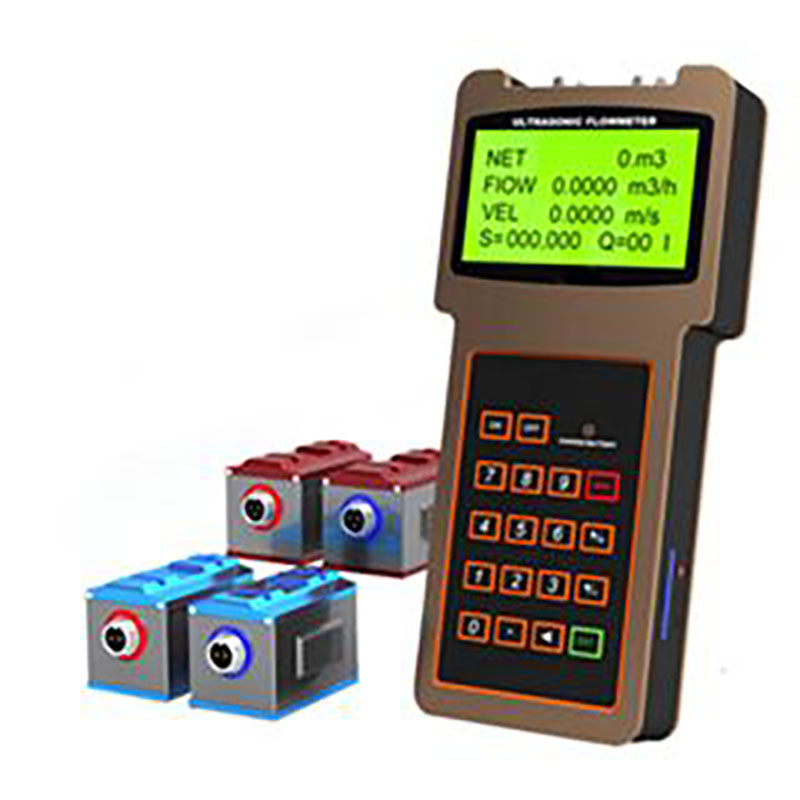
Ultrasonic Flow Meter
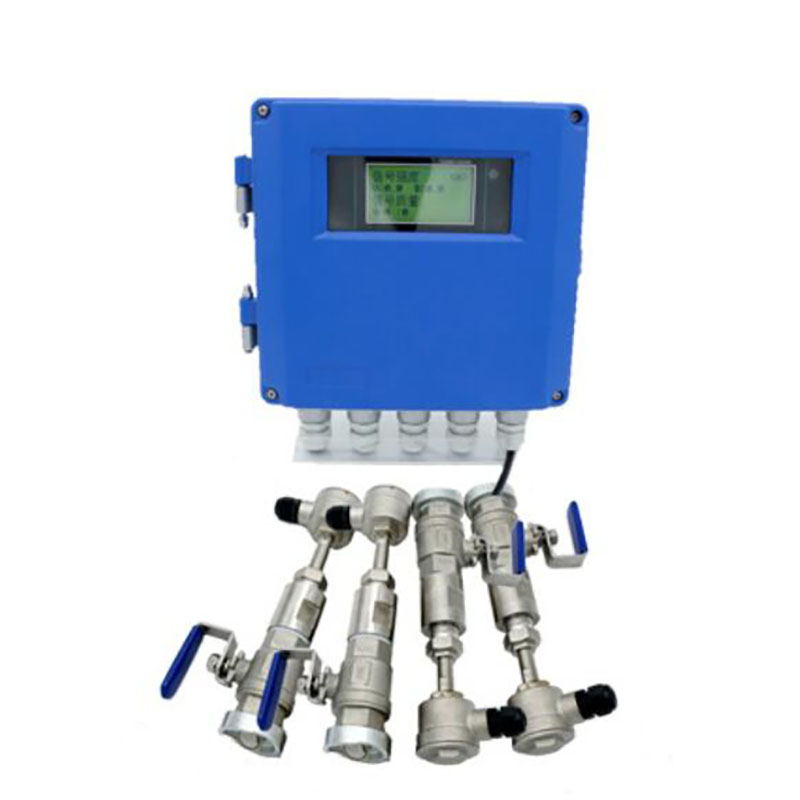
The main plus of this ultrasonic flow meter is that it can measure flow without touching the stuff, which makes it perfect for stuff like seawater.There are two distinct methodologies: the time-of-flight method and the Doppler method. Each one is suited to specific scenarios.
If the media is relatively clean and free from solid particles, suspended impurities or significant bubbles, then a standard time-of-flight ultrasonic flow meter will do the job. This type of meter measures flow by detecting the time difference between sound waves travelling upstream and downstream. It’s really stable and accurate, even in the best conditions.
However, for applications involving media with solid particles or suspended impurities, a Doppler ultrasonic flowmeter is recommended. This type of instrument relies on frequency-shift signals generated by impurity particles reflecting sound waves. The greater the impurity content, the more stable the signal becomes, preventing measurement failure due to impurity interference.
Advantages
1. Non-contact measurement, corrosion and fouling resistance: Thanks to its clamp-on design, it does not come into contact with seawater, and it has no internal components. This means that you don’t have to worry about corrosion, fouling by marine organisms, or salt deposits. There is no need for any corrosion-resistant custom materials, which reduces wear and maintenance costs, making it suitable for very corrosive coastal and subsea environments.
2. Zero pressure loss: No throttling structure incurs pressure drop, offering greater energy efficiency than electromagnetic or target-type flowmeters. This aligns with seawater engineering requirements for high flow rates and low energy consumption.
3. Simple installation and maintenance: Clamp-on mounting requires no pipeline interruption. Subsequent maintenance involves only cleaning transducer probes without disassembly, ensuring efficient and low-cost upkeep.
4. Bidirectional measurement, tidal-adaptive: It’s got two-way detection built in, so it can spot reverse tidal flows without any extra steps. Great for situations where the wind speed and direction are really variable.
Disadvantages
1. Significant impact from medium conditions, prone to signal attenuation: Seawater solids and bubbles can disrupt ultrasonic transmission. Tidal bubbles and a lot of sediment can mess with the signal, making it unreliable.
2. Temperature and salinity fluctuations cause accuracy drift:Changes in temperature and salinity alter sound velocity. If you don’t have real-time compensation, you’ll see deviations, and the differences between offshore and nearshore work will increase the risks. We need to add some extra compensation modules.
3. Significant error at low flow rates with blind zones: When flow velocity is below 0.3 m/s, signal differences become minimal, causing substantial measurement errors. It’s impossible to measure very low flow rates during low tides.
4. Weak interference resistance dependent on installation conditions:It is susceptible to vibration and electromagnetic interference. The performance of clamp-on sensors is affected by pipe wall thickness, material and scaling. Installation requires the pipe to be ground and cleaned to stabilise the signals.
Turbine Flow Meter
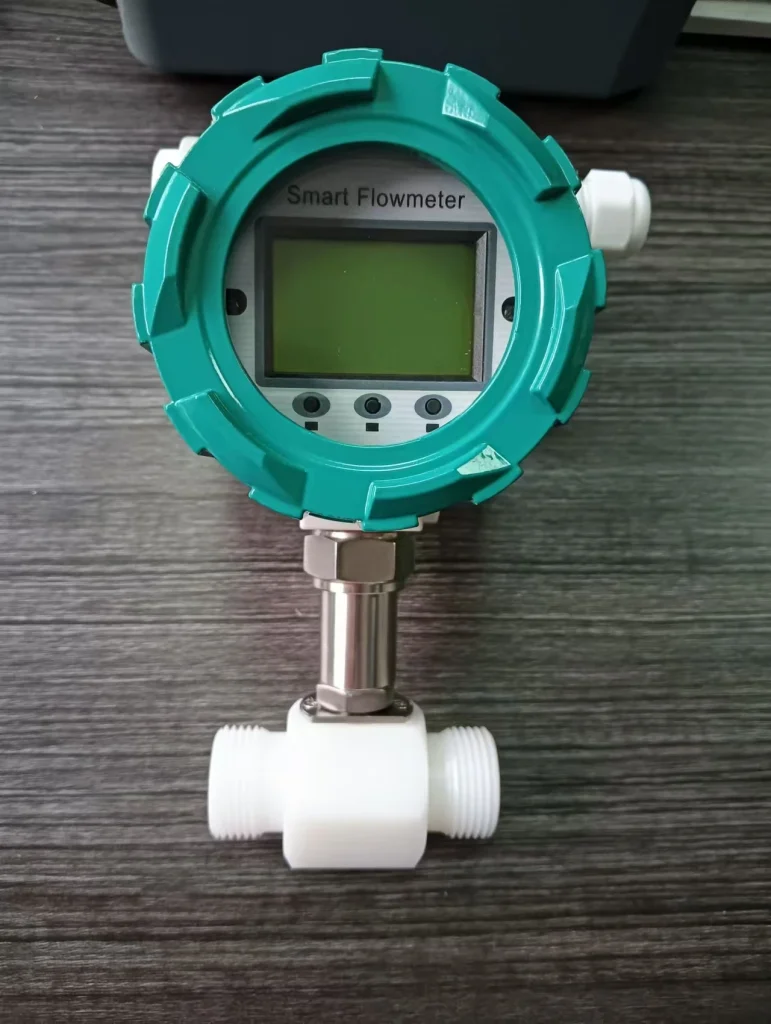
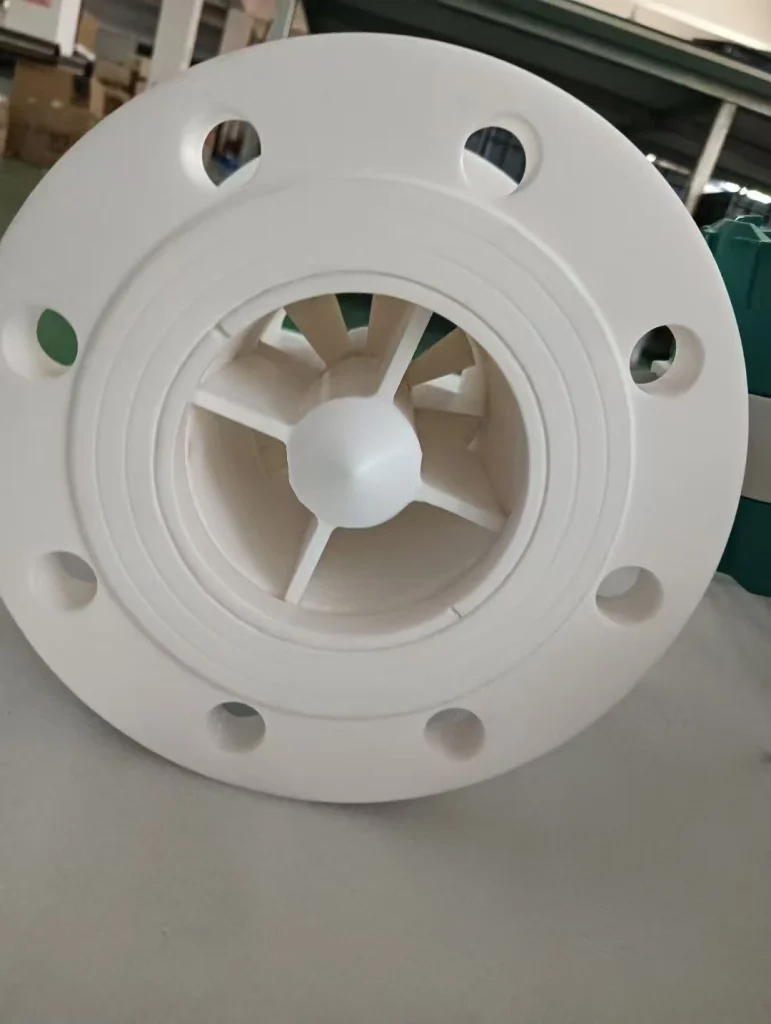
The turbine flow meter is a velocity-type instrument that measures flow by utilising fluid kinetic energy to drive the impeller rotation. Its main strengths are how accurate and quick it is. However, because it has mechanical moving parts, how well it works in seawater depends a lot on the type of seawater and how it is used, which limits how useful it is. It is only suitable for specific clean seawater applications.
For seawater applications, turbine flowmeters may opt for fully PE (polyethylene) construction for enhanced compatibility. PE resists seawater corrosion and chlorine ion erosion, while its smooth surface minimises fouling and marine organism growth, reducing turbine wear and jamming. Note that fully PE versions are suitable only for clean seawater; environments containing substantial hard particulates require wear-resistant coatings to balance corrosion resistance and erosion protection.
Advantages
1. High accuracy and rapid response: The standard accuracy is ±0.5%R to ±1.0%R, but premium corrosion-resistant models achieve ±0.2%R, which outperforms Doppler ultrasonic flowmeters. The impeller’s sensitivity to flow velocity makes it ideal for monitoring dynamic flow in clean seawater applications.
2. Compact size for confined spaces:It has a lightweight and compact structure without any complex external components. It is suitable for environments with dense pipelines, such as offshore platforms and vessels, and occupies less installation space than pipe-type electromagnetic flowmeters of an equivalent diameter.
3. Moderate turndown ratio for stable flow conditions: Standard turndown ratio of 1:10 to 1:20. Delivers excellent measurement stability with no significant dead zones in seawater at flow velocities of 0.5–10 m/s under stable flow conditions.
4. Simple structure, easy maintenance: Core components comprise impeller, bearings, and housing with no complex circuitry. Routine checks involve impeller wear and bearing lubrication only, presenting lower operational barriers than electromagnetic or ultrasonic flowmeters.
Disadvantages
1. Susceptible to erosion and wear: Sediment and particulates in seawater impact the impeller and wear bearings, leading to reduced accuracy and impeller jamming. Suitable only for extremely clean seawater; cannot accommodate high-solids conditions in coastal waters.
2. Malfunctions due to marine fouling: Barnacles, algae, and salt deposits readily adhere and obstruct the device, causing measurement drift. Frequent cleaning is required, resulting in significantly higher maintenance demands than electromagnetic or ultrasonic flowmeters.
3. Demanding material requirements: Sea water conducts electricity very well, so we use Hastelloy, titanium alloys and specialised seals. These materials can be expensive to buy and they can get damaged over time.
4. Limited interference resistance and tidal compatibility:Sensitive to sudden velocity changes and reverse flow, prone to bearing damage requiring check valves, and incapable of accurately measuring bidirectional flow.
Sion-Inst has cultivated extensive expertise in flow measurement over many years. Drawing upon profound understanding of seawater operating conditions and rich project experience, we provide bespoke selection solutions tailored to diverse industry scenarios. These encompass material compatibility for equipment, optimised installation layouts, anti-interference design, and comprehensive lifecycle operational support.
We look forward to collaborating with you to deepen technical alignment based on specific project requirements. Together, we will empower high-quality development with reliable flow measurement solutions and jointly address technical challenges in complex operating environments.