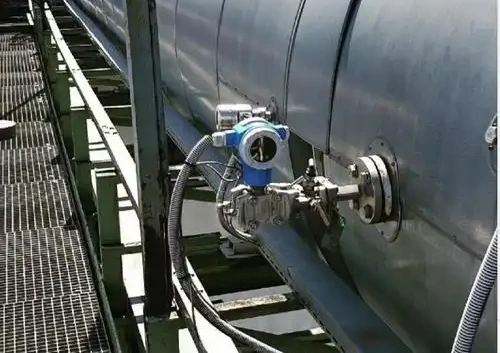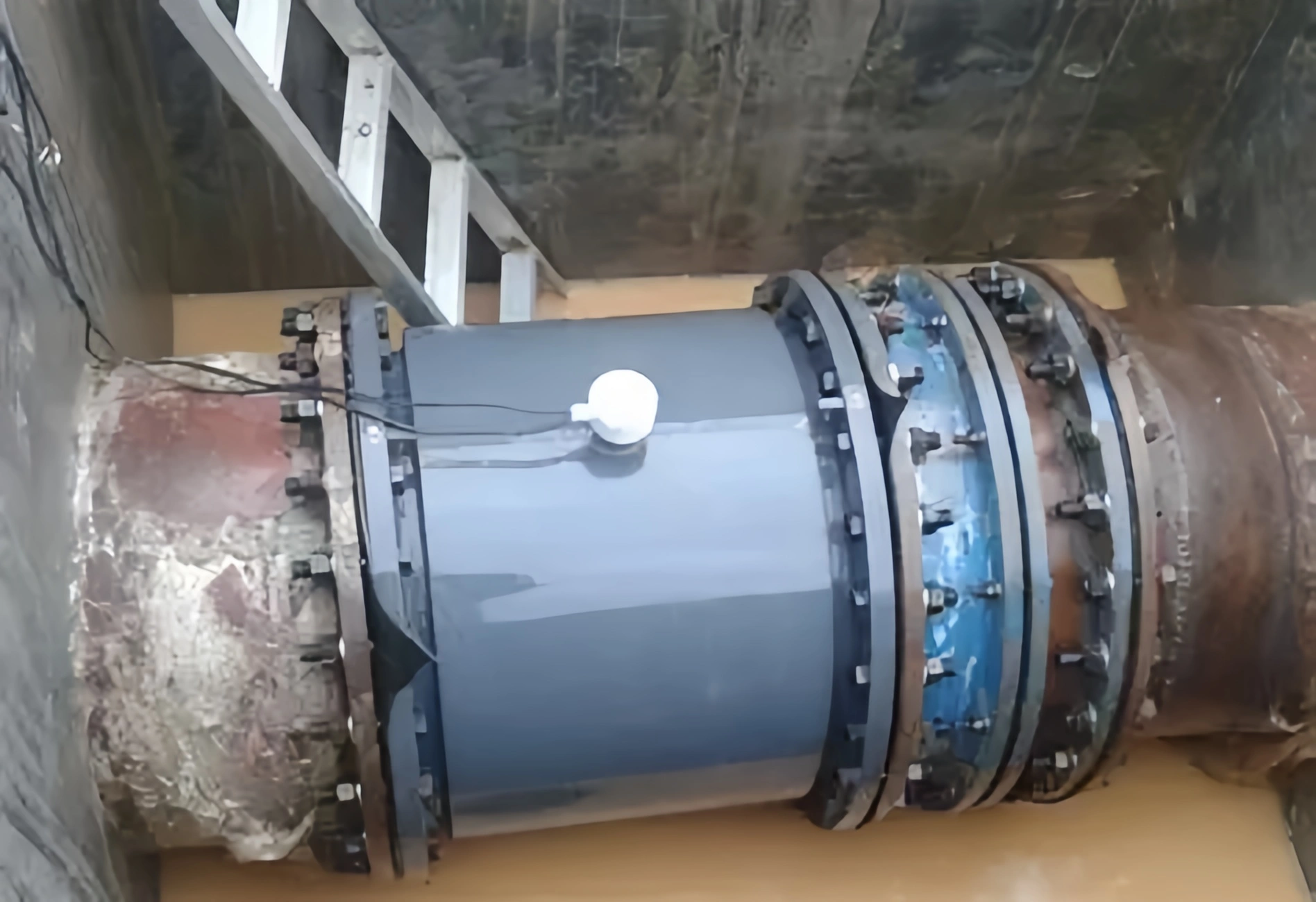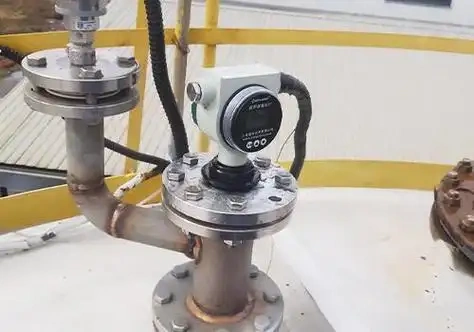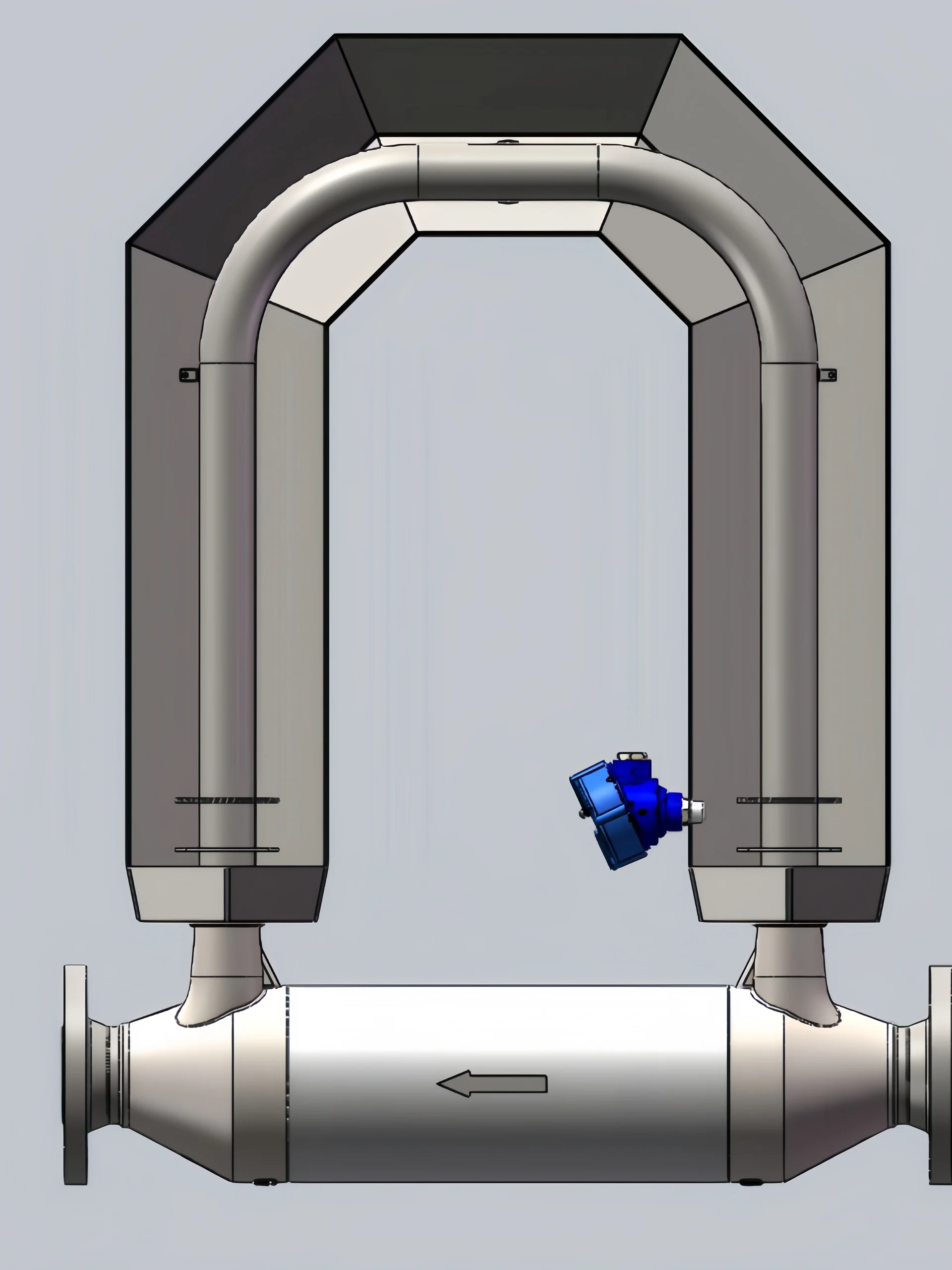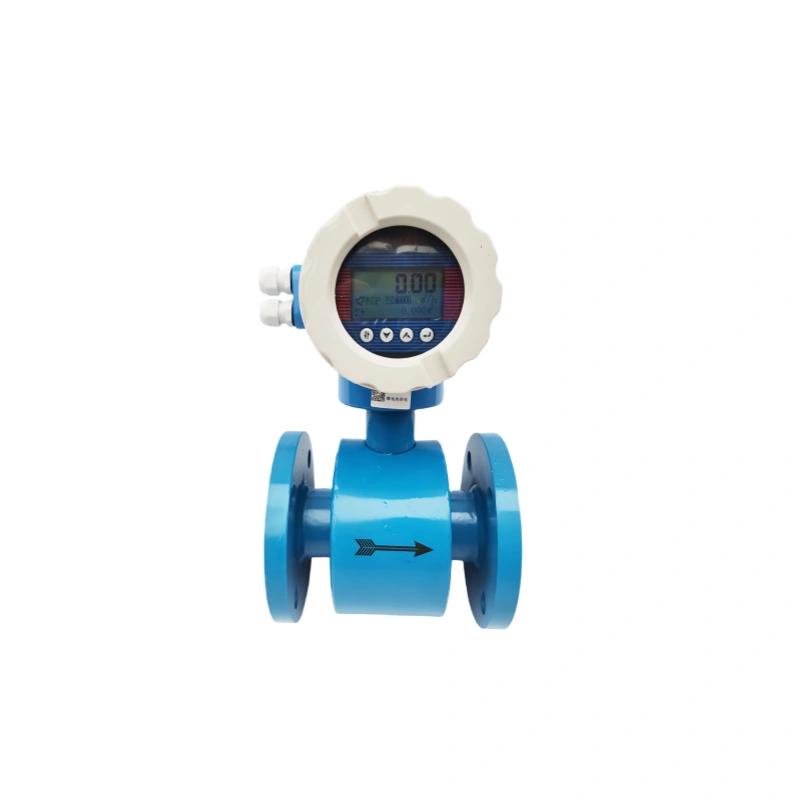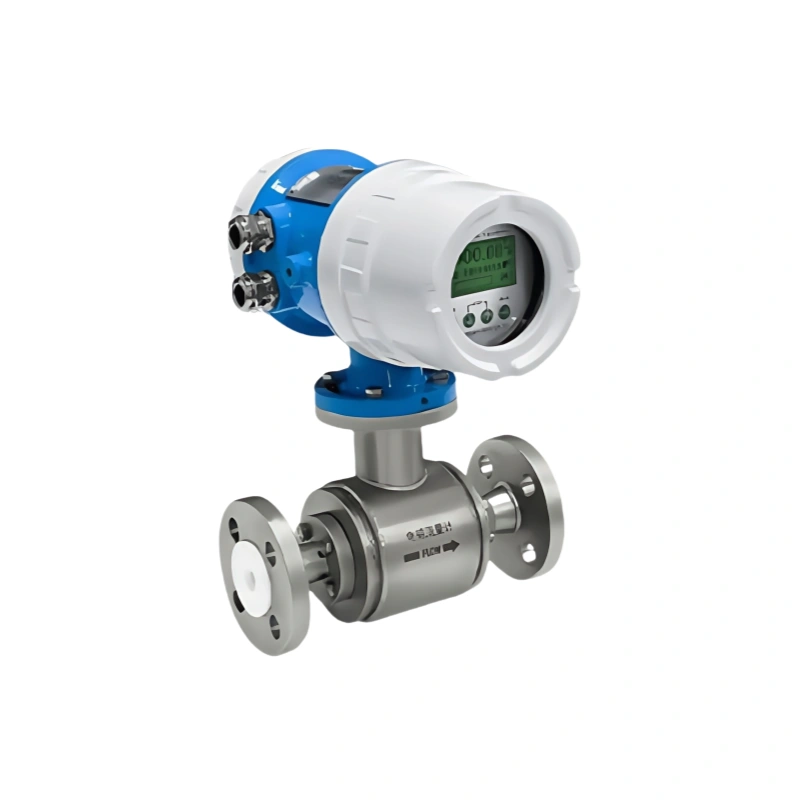
In industries such as food and drink production, pharmaceuticals and biotechnology, where stringent hygiene and safety regulations are in place, accurate flow measurement is crucial for process control and ensuring product and consumer safety. The sanitary magnetic flow meter is a specialised instrument designed to meet these unique requirements. It combines the high precision of electromagnetic measurement with the cleanliness demands of a sanitary design.
Working Principle
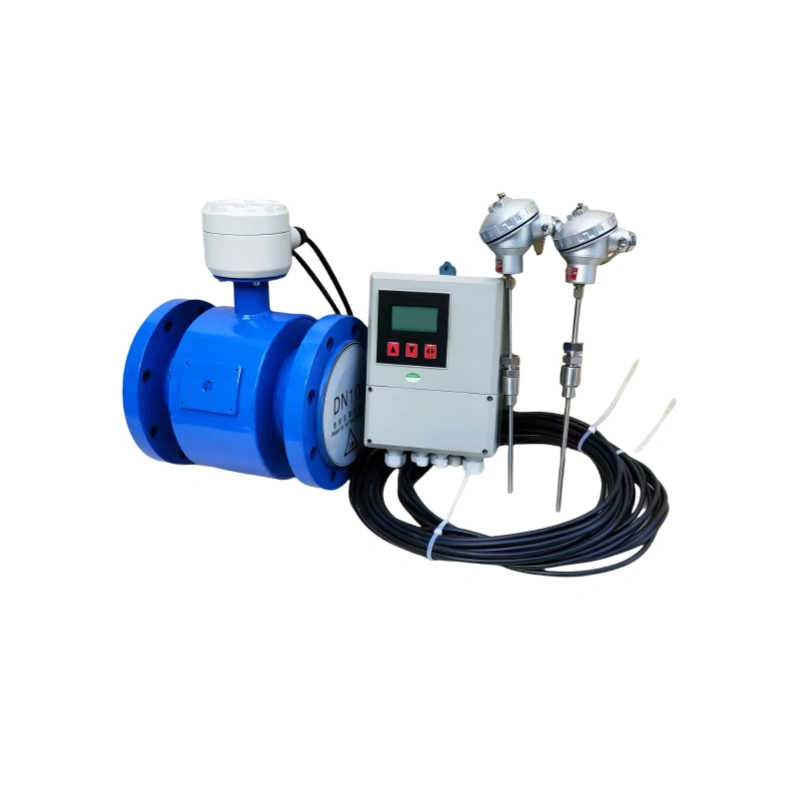
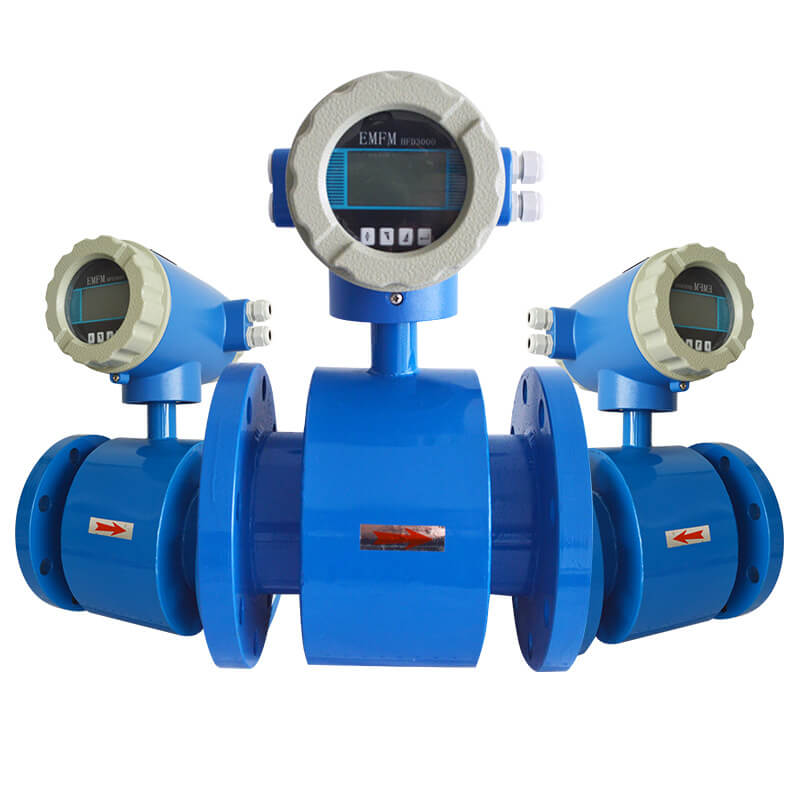
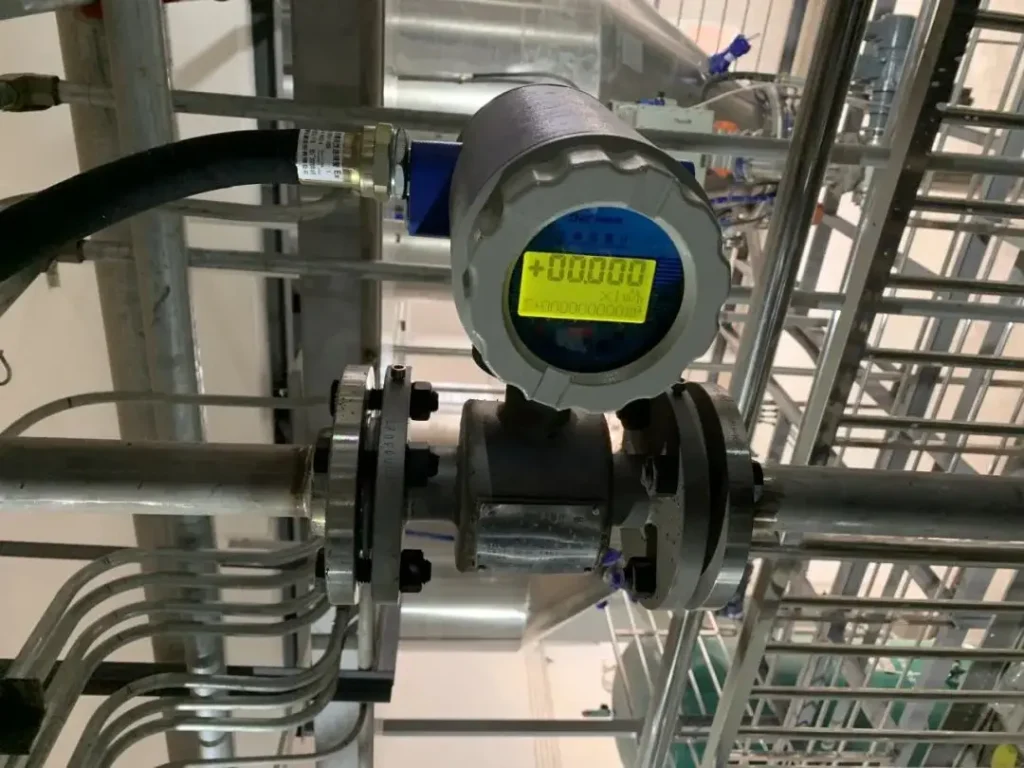
Sanitary magnetic flowmeters are based on Faraday’s law of electromagnetic induction. This law says that the flow rate of a fluid can be calculated by measuring the electromotive force that is induced when the fluid passes through a magnetic field. The system’s most important parts are the sensor, converter and display instrument. The sensor section includes measuring electrodes, excitation coils, and insulating materials; the converter section converts the induced electromotive force into a standard signal output; while the display instrument shows the flow value.
Sanitary magnetic flow meters similarly rely on the conductivity of the medium for measurement. Conventional models require a minimum medium conductivity of 5μS/cm. For special media such as fruit juices or low-conductivity pure water where conductivity is insufficient, food-grade conductive additives (e.g., sodium chloride) may be introduced where process conditions permit. Alternatively, direct replacement with hygienic ultrasonic flowmeters or Coriolis mass flowmeters is advisable to prevent compromising measurement accuracy and product quality.
Advantages of Sanitary Magnetic Flow Meters
Sanitary Design
1. Compliance with Hygiene Standards: The sanitary magnetic flow meter design is a solution that can be employed in industries such as food, beverage, and pharmaceuticals, where hygiene is a priority. Its dead-space-free, easy-to-clean structure complies with international hygiene standards including 3-A and EHEDG.
2. Non-contact Measurement: Employing electromagnetic principles for flow measurement, this flowmeter requires no mechanical components in contact with the fluid, eliminating risks of bacterial growth and cross-contamination.
3. Easy-to-Clean Design: The electrodes and lining materials are designed for easy cleaning and do not allow for the build-up of dirt or bacteria, making sure that they meet the necessary standards, such as those required for GMP.
High Accuracy and Reliability
1. Magnetic flow meters are usually pretty accurate, with errors ranging from ±0.2% to ±1%. They’re great for specific tasks, like making medicines and food.
2. Zero Pressure Loss: Fluid passing through hygienic magnetic flow meters incurs no additional pressure drop, thus preserving pipeline system flow velocity and pressure.
Versatility Across Fluids
Sanitary magnetic flow meters are used to measure conductive liquids, such as water, milk, juice, beer and pharmaceutical solutions. They can be used for lots of different types of fluids and properties in these industries.
Durability and Corrosion Resistance
1. These flow meters are made from materials that do not rust, such as stainless steel and food-grade linings, which make sure they work well for a long time, even in difficult conditions.
2. There are no mechanical parts, so there is no risk of wear and tear, and maintenance costs are lower.
Absence of Mechanical Components
Normal flow meters (like turbine and rotor flow meters) usually have mechanical parts that get worn out when they’re used for a long time. Magnetic flow meters don’t have moving parts that can wear out. This means they are more reliable and accurate over time.
High Temperature and Pressure Tolerance
Hygienic magnetic flow meters are engineered to withstand elevated temperatures and pressures, accommodating stringent cleaning processes such as high-temperature sterilisation.
Practical Applications of Sanitary magnetic flow meters
1. Food and Beverage Industry
In the production of dairy products, fruit juices, beer, condiments and similar items, sanitary magnetic flow meters measure the flow of various liquid media. They’re made from 316L stainless steel or PTFE-lined construction, which meets food-grade standards and prevents media contamination. The design makes it easy to clean the machines, which is important for keeping the production line clean and safe.
2. Pharmaceutical and Bioprocessing
The pharmaceutical industry needs to measure liquids very precisely and cleanly, especially for things like water for injection, purified water, culture media and pharmaceutical solutions. Sanitary magnetic flowmeters use sterile connections to stop bacteria from growing. This means they meet the requirements for GMP certification.
3. Cosmetics and Personal Care Industry
Cosmetic production involves high-viscosity or particulate-laden liquids, such as emulsions, serums and shampoos. The hygienic magnetic flow meter has a wide turndown ratio and is resistant to interference, enabling precise measurement. The smooth inner wall design stops dirt and grime from building up, meeting the industry’s hygiene standards.
4. Water Treatment and Environmental Protection Industry
Magnetic flow meters are perfect for use in applications involving very pure water, treating wastewater, and mixing acids and alkalis. They can resist corrosion and high pressure. They are suitable for chemical additive metering and wastewater discharge monitoring, ensuring environmental compliance.
Conductivity of Common Media
All regular cleaning liquids that work with magnetic flow meters show conductivity levels above the minimum of 5 μS/cm. But the conductivity of different materials can vary a lot because of differences in their composition and concentration.
Below are typical media by industry sector and their corresponding conductivity references:
Common Media in the Food Industry
Media in this sector often contain electrolytes, minerals, or solutes, with conductivity generally falling within the medium to high range:
Fruit and veg juices (like orange juice and apple juice) have a range from 50 to 500 μS/cm. The more acidity, sweetness and concentration, the higher the conductivity.
Dairy products such as milk, yoghurt and cheese whey have a conductivity of 100–800 μS/cm. The primary conductive carriers are milk proteins and minerals such as calcium and sodium.
Condiments (soy sauce, vinegar, light soy sauce): 800–5000 μS/cm. High salt content results in significantly elevated conductivity.
Syrups (sucrose syrup, malt syrup): 20–150 μS/cm. Conductivity slightly decreases with higher concentration; dilute syrups are easier to measure.
Fermented alcoholic beverages (beer, rice wine): 30–200 μS/cm, containing trace yeast metabolic electrolytes; spirits exhibit conductivity near the critical range of 5–30 μS/cm due to high ethanol content
Common media in pharmaceutical manufacturing
Media composition demands high precision, with conductivity fluctuating based on solute type and ratio:
Physiological saline (0.9% sodium chloride solution): Approximately 1200 μS/cm. Fixed composition yields stable conductivity values.
Chinese herbal decoctions/extracts: 50–300 μS/cm, dependent on herbal variety and extraction concentration.
Antibiotic solutions / Infusion preparations: 80–400 μS/cm, containing electrolyte excipients to ensure conductivity stability.
Purified water (non-ultrapure): 1–10 μS/cm, approaching the minimum threshold; requires high-sensitivity hygienic magnetic flow meters or other sanitary flowmeter types.
Common media in the daily chemical industry
Often contain surfactants and electrolyte additives, with conductivity in the medium-to-high range:
Detergents (laundry liquids, dishwashing liquid concentrates): 300–1500 μS/cm, with sodium salt components in additives enhancing conductivity.
Cleansing and conditioning emulsions (shampoo, hand cream base solutions): 100–800 μS/cm, containing aqueous matrices and electrolyte regulators.
Disinfectants (povidone-iodine, garment disinfectants): 500–2000 μS/cm, containing salt-based antimicrobial agents resulting in elevated conductivity.
Selection Recommendations
Material Selection
Material constitutes the core competitive advantage of sanitary flowmeters. All wetted components must be fabricated from food-grade/pharmaceutical-grade materials, tailored to the characteristics of the medium and process requirements.
Body Material: Go for fully stainless steel 304 or 316L. 304 stainless steel is suitable for neutral media and standard hygienic applications. In contrast, 316L stainless steel, which offers superior corrosion and wear resistance, is widely used in the pharmaceutical industry, for corrosive media and in scenarios that require a high level of cleanliness.
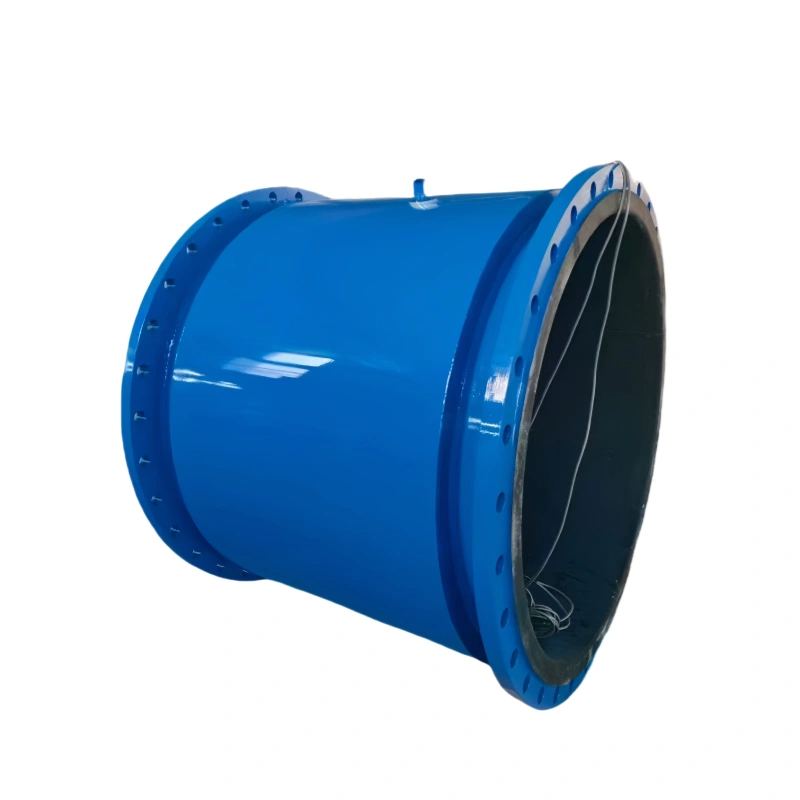
Lining Material: Core considerations include temperature compatibility, corrosion resistance, and sterilisation requirements. Common fluoroplastic materials each offer distinct advantages:
PFA offers high-temperature resistance (121–180°C) and strong adhesion, compatible with SIP steam sterilisation processes. It is the preferred choice for pharmaceutical applications and high-temperature environments.
FEP offers excellent flexibility and a smooth surface. It is suitable for use with low-viscosity, neutral media such as milk and mineral water, and cleaning is straightforward.
PTFE is great at resisting corrosion, works well with acidic or alkaline cleaning agents and can handle highly corrosive environments, making it perfect for CIP cleaning systems. Polyurethane linings are great for media with fine particles, offering better abrasion resistance.
Electrode Material: They are selected based on the corrosivity of the media. The 316L stainless steel electrodes are suitable for standard neutral food media (e.g. dairy products and fruit juices) and offer a moderate cost while meeting hygiene requirements.
Titanium alloy electrodes offer superior corrosion resistance to 316L and are suitable for use with alcohol-containing or weakly corrosive media (e.g. beer or traditional Chinese medicine extracts).
Tantalum electrodes provide exceptional corrosion resistance and are compatible with strong acid and alkali media, as well as explosion-proof environments. They are commonly used in high-end pharmaceutical and chemical hygienic applications.Avoid selecting stainless steel electrodes in chlorine-containing media to prevent electrochemical corrosion.
Structural Selection
Structural design must balance thorough cleaning without dead zones, convenient maintenance, and adaptability to installation scenarios. Key considerations include structural type, connection method, and protection rating.
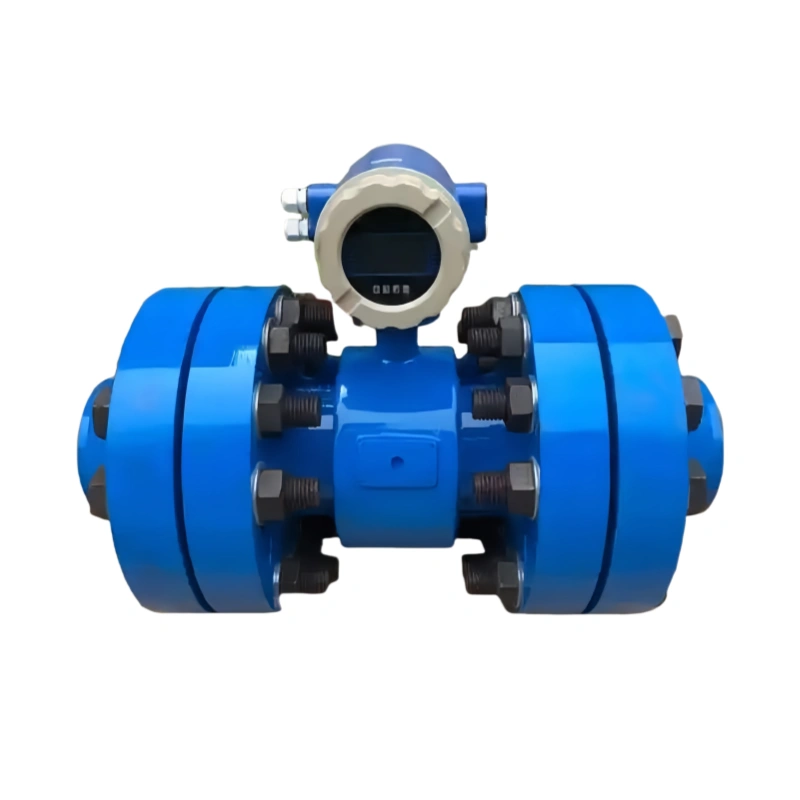
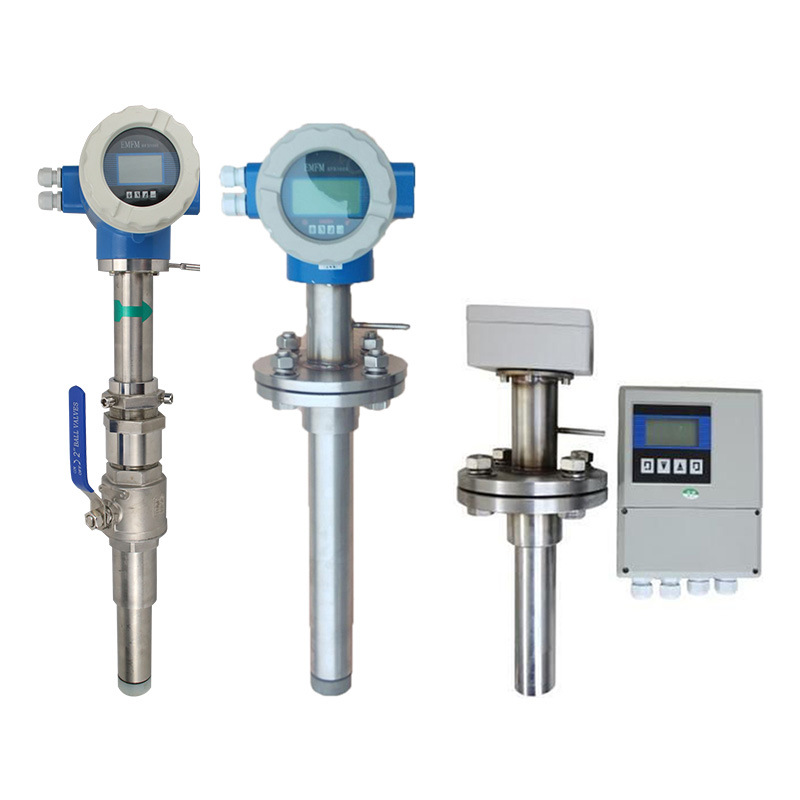
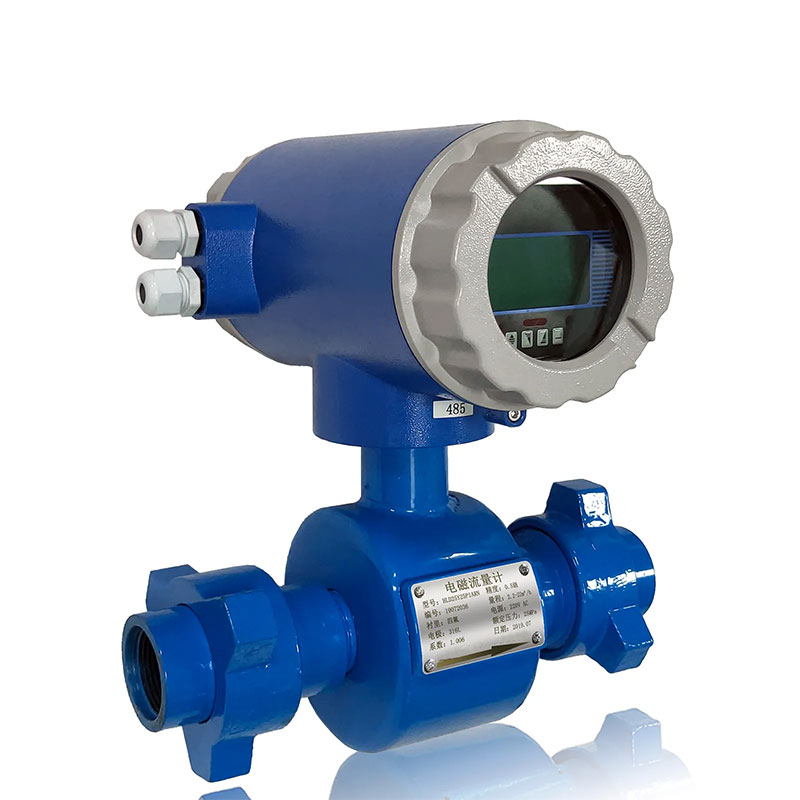
Structure type: You can have an integrated or a split version. The integrated design offers compact dimensions, superior sealing properties and lower costs, making it ideal for conventional applications in confined spaces, where explosion-proof requirements are not necessary and the environment is dry (e.g. food and beverage ingredient lines).
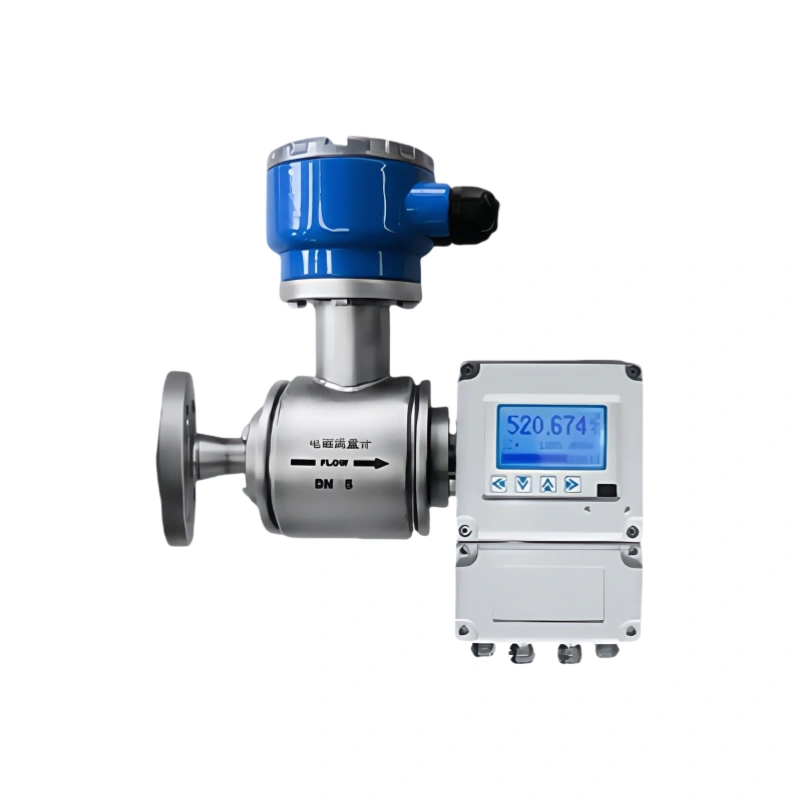
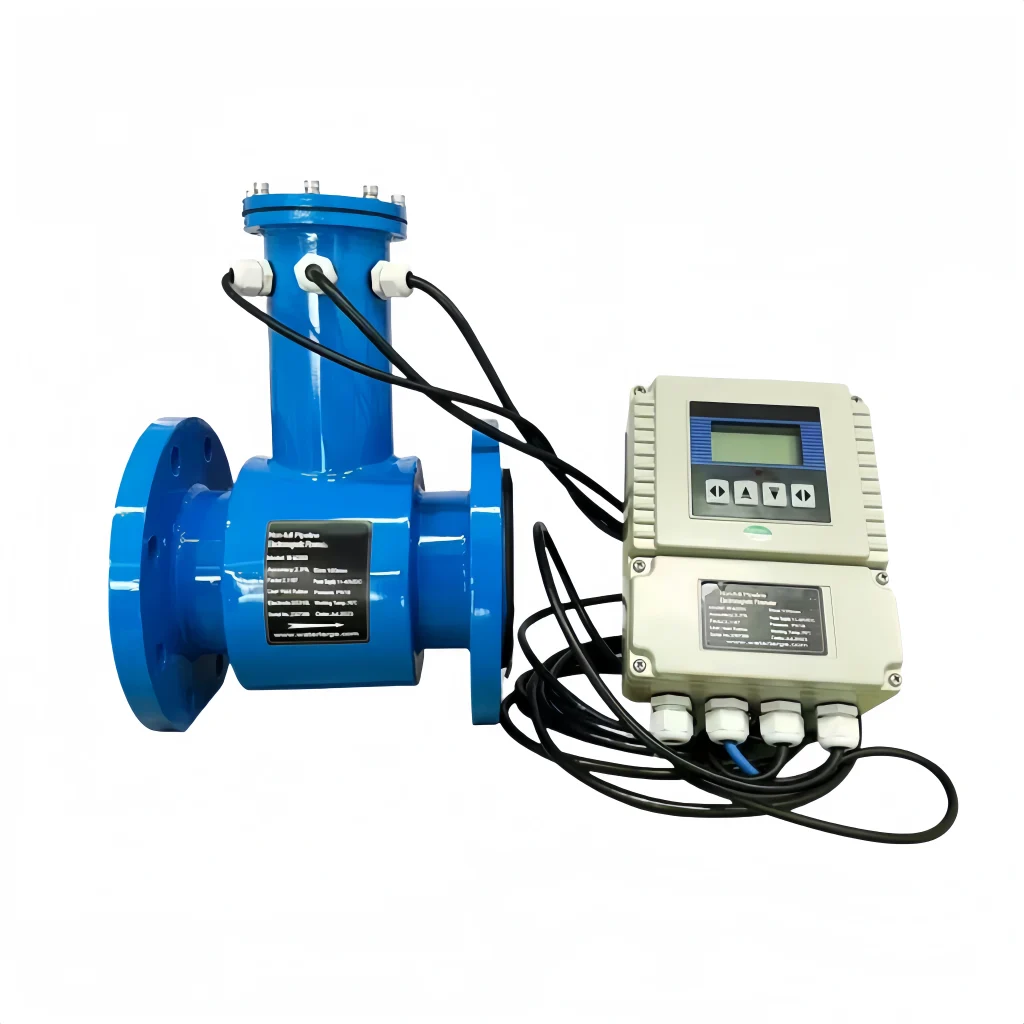
Split-type configurations separate the sensor and converter for installation: the sensor is positioned within the clean area, while the converter is installed in the non-clean area. This prevents electrical components from contaminating the clean environment and accommodates high-temperature, humid, or explosion-proof scenarios (e.g., pharmaceutical sterilisation workshops, alcohol-based production lines). But be careful with the signal cables. You need to shield and ground them. This should stop any interference.
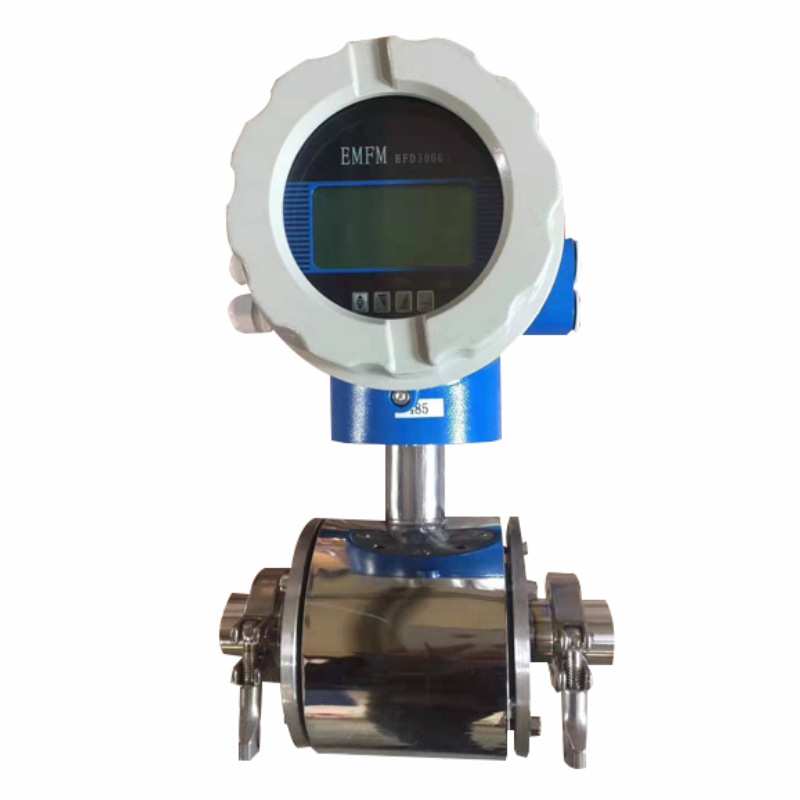
Connection methods: Try to use sanitary quick-connect fittings, especially quick-release clamps, that work with pipe sizes ranging from DN15 to DN100. It makes it really easy to put together and take apart for cleaning and maintenance.
For large diameters (DN100+) or high-pressure applications, you can use sanitary flange connections, but you’ll need food-grade seals (like PTFE or silicone rubber gaskets) to make sure there’s no leakage and no media residue. Threaded connections should be avoided, as their gaps may harbour bacteria and fail to meet stringent hygiene standards.
Protection Rating:IP67 rating for standard cleanroom conditions, withstanding high-pressure washing.
The IP68 rating is needed for situations where it is humid, outdoors or where things are cleaned a lot. This ensures that it functions properly over a long period of time and is not affected by moisture-related electrical issues.
Functional Selection
Configure functionality based on process control requirements and automation level to avoid redundancy or gaps.
Measurement Accuracy: For high-precision applications such as food/beverage ingredient dosing or pharmaceutical solution preparation, select models with ±0.5% FS accuracy or higher. For routine flow monitoring, ±1.0% FS accuracy models offer a balanced cost-performance ratio.
Signalling and communication: To integrate with factory PLCs or DCS systems, select models that support mainstream communication protocols, such as Modbus, HART or Profibus, to enable the real-time upload of flow data, remote control and parameter adjustment. At the same time, make sure that standard output signals (e.g. 4–20 mA analogue signals or pulse signals) are available to ensure seamless interfacing with downstream control equipment.
As a supplier offering a comprehensive range of flow meters incorporating electromagnetic, vortex, Coriolis and ultrasonic technologies, among others, Sion-Inst provides solutions for sanitary magnetic flow meters and matches the most suitable flow measurement products to a variety of operating conditions and media.
We firmly believe that superior products require comprehensive service support – from precise selection recommendations to rapid post-sales troubleshooting and maintenance – ensuring your metering operations remain entirely worry-free throughout.