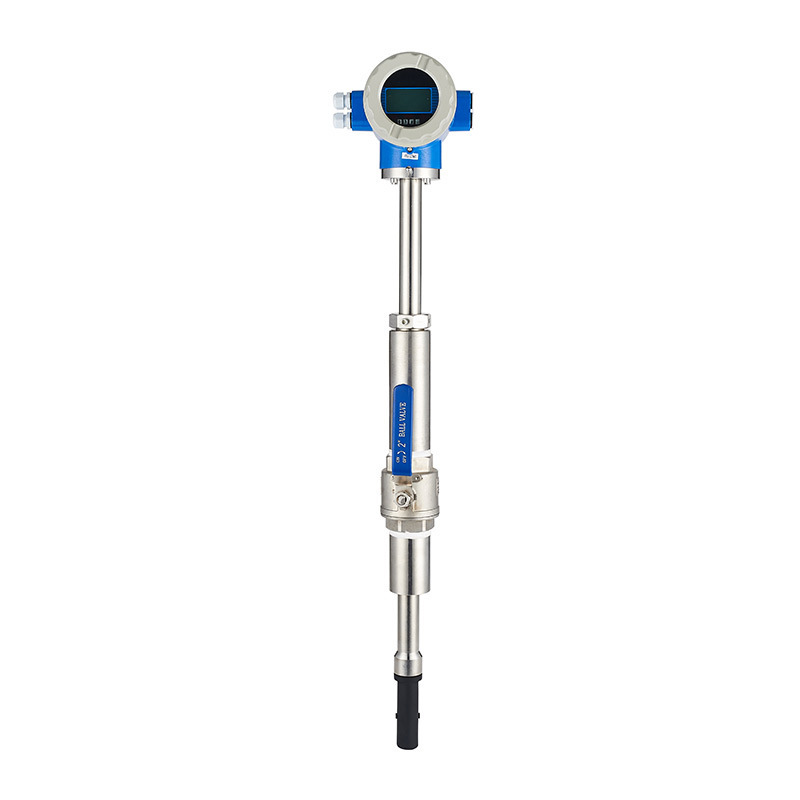
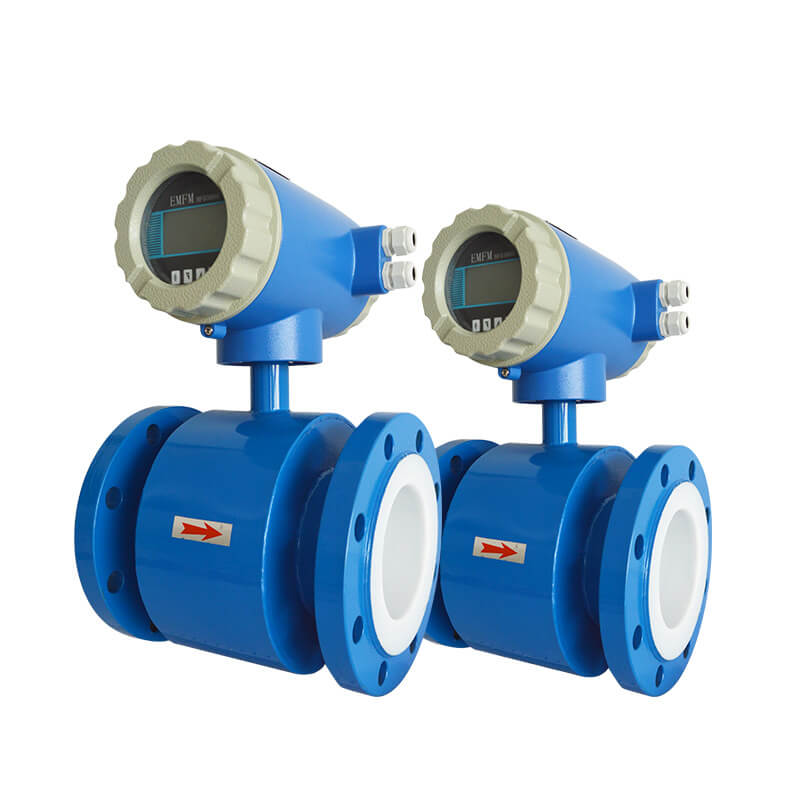
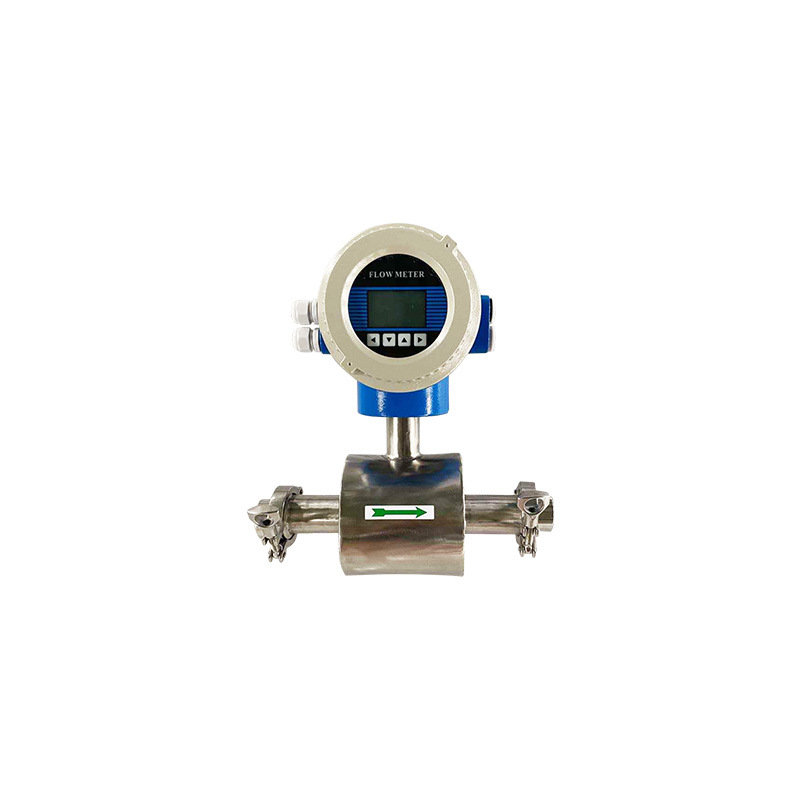
In the field of modern industrial flow measurement, electromagnetic flowmeters have become the instrument of choice for measuring conductive liquids due to their zero pressure loss, high accuracy, and strong adaptability. But the main way they work is by having certain requirements for how conductive the fluid is. If you want to ensure accurate measurements and choose the right instrument, it’s important to understand how conductivity affects electromagnetic flowmeters.
Working Principle of Electromagnetic Flowmeters
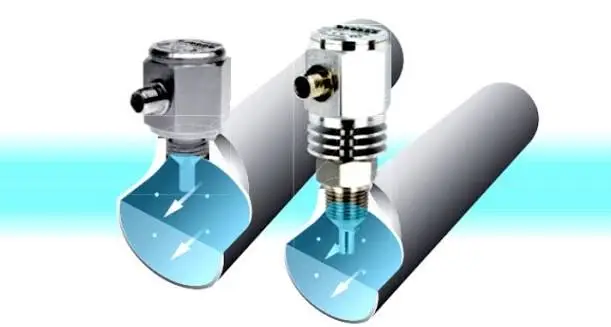
The fundamental theory underpinning electromagnetic flowmeters is Faraday’s law of electromagnetic induction. The movement of a conductor through a magnetic field results in the generation of an induced electromotive force within the conductor. It can thus be concluded that, according to this principle, it is possible to measure the volume of conductive fluid flowing through a pipe. The direction of the conductive fluid flow is perpendicular to the direction of the electromagnetic field.
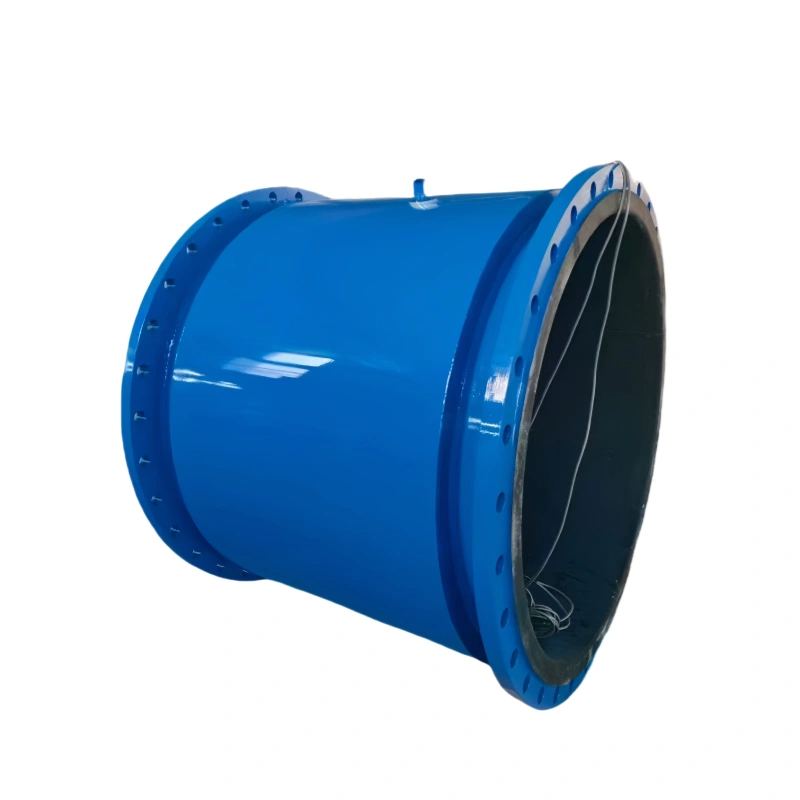
An alternating magnetic field is applied perpendicular to the pipe axis, and a pair of electrodes is installed on both sides of the inner wall of the insulated-lined pipe. The connecting line between the two electrodes is perpendicular to both the pipe axis and the magnetic field direction. When conductive liquid flows through the pipe, it cuts through the magnetic field lines, an induced electromotive force is generated across the two electrodes.
The Influence of Conductivity on Electromagnetic Flowmeters
Conductivity is the fundamental prerequisite for measurement
Electromagnetic flowmeters require the medium to possess a minimum conductivity threshold (typically ≥5 μS/cm) to generate sufficient charge carriers. These carriers cut magnetic field lines, producing detectable induced electromotive force. Should the medium’s conductivity fall below this threshold—as in pure water or anhydrous ethanol—no effective electrical signal can be generated. Consequently, the instrument may display no readings, experience signal loss, or exhibit significant measurement drift, directly resulting in measurement failure.
Signal Strength and Measurement Accuracy
If conductivity is reduced, the induced electromotive force is weakened, which in turn reduces signal strength. If conductivity goes below a certain level, the electromagnetic flowmeter might not pick up signals properly, which can lead to more errors in measurements. For example, in wastewater treatment or some chemical industries, fluids can contain impurities or changing ion concentrations, which can make conductivity vary and affect the results of measurements.
Noise Interference and Signal Stability
Fluids with low conductivity are more likely to be affected by external electromagnetic interference, which can increase signal noise. This can mess up your measurements, making them less accurate. This can lead to unstable readings or sudden changes. Most modern electromagnetic flowmeters deal with this using filtering and signal processing technologies. But, big changes in conductivity can still be more than the device can handle.
Electrode Polarisation and Equipment Lifespan
In fluids with low conductivity, electrode surfaces are prone to polarisation – the accumulation of charge between the electrode and the fluid. Polarisation can alter the operational state of an electrode, resulting in measurement errors and potentially accelerating corrosion, thereby shortening the service life of the equipment. Consequently, electromagnetic flowmeters may be unsuitable for applications involving extremely low conductivity, in which case alternative flowmeter types must be selected.
Fluid Properties and Measurement Range
Different fluids have different conductivity ranges. For example, pure water has low conductivity, whereas seawater and brine have higher conductivity. The range of measurement of electromagnetic flowmeters is usually the same as their design conductivity range. Should a fluid’s conductivity exceed this design range, measurement results may become distorted or the device may fail to operate correctly. Consequently, when selecting an electromagnetic flowmeter, the conductivity characteristics of the fluid must be thoroughly considered, as this is an essential factor in ensuring the optimal performance of the meter.
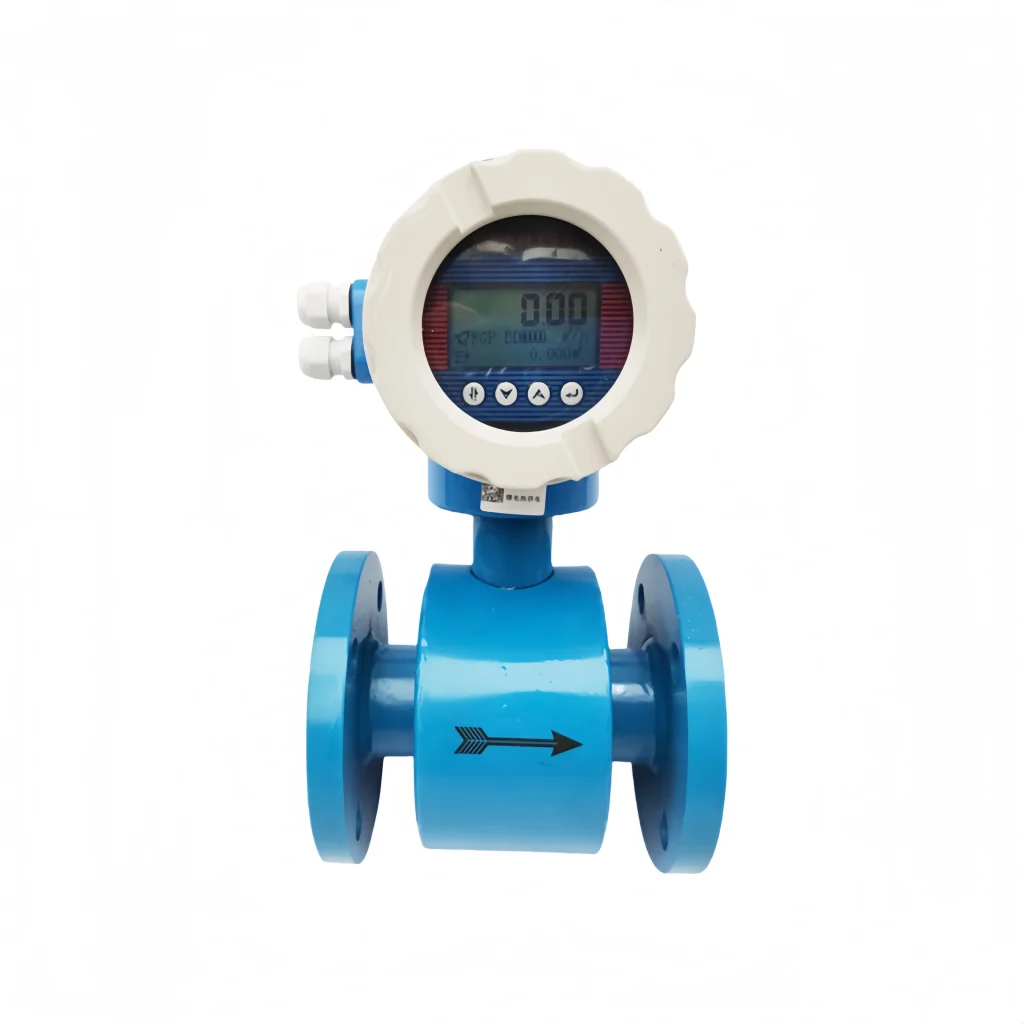
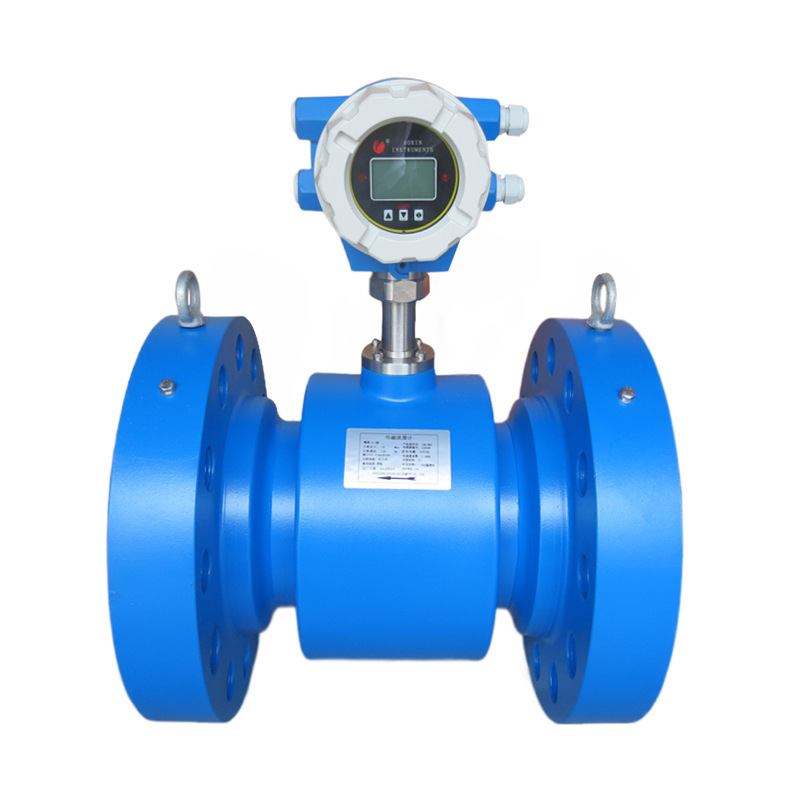
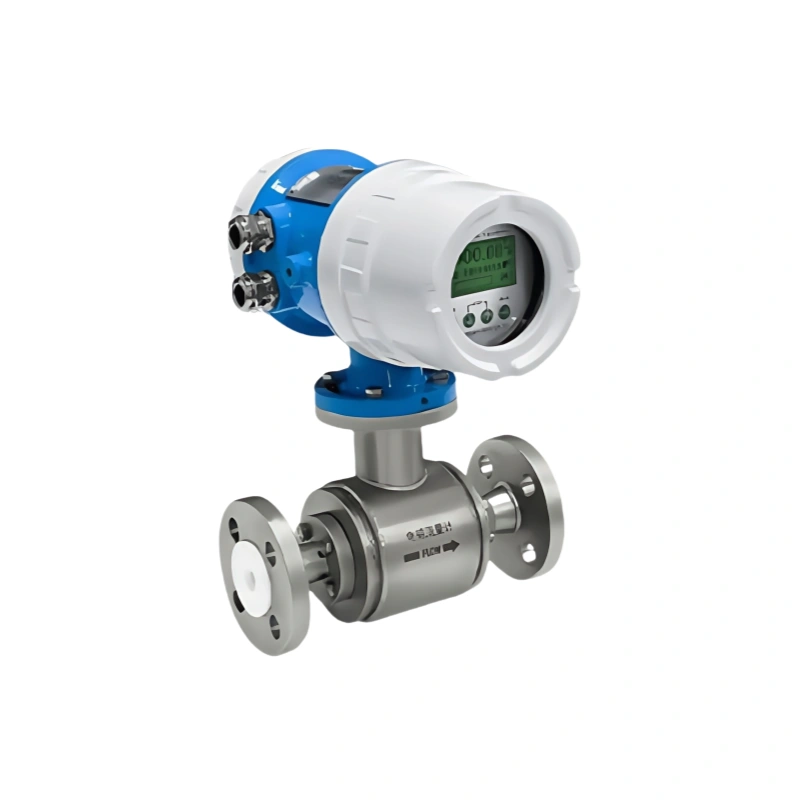
Basic Conductivity Requirements
Minimum Conductivity Requirement
Ensuring Induced Electromotive Force Generation: The way electromagnetic flowmeters work is based on the electromotive force that is created when a liquid moves within a magnetic field. So, electromagnetic flowmeters need some conductivity from the liquid.
The lower the liquid’s conductivity, the smaller the induced electromotive force generated, which may compromise measurement accuracy and reliability. As a general rule, the conductivity of the fluid medium should be higher than 5μS/cm. If the conductivity goes below this level, the measurement accuracy of the electromagnetic flowmeter will be affected, which could make it stop working.
For certain low-conductivity liquids, such as pure water or organic solvents, the conductivity can be enhanced by adding electrolytes or similar methods to meet the measurement requirements of the electromagnetic flowmeter.
Here’s how to avoid damaging your equipment: Electromagnetic flowmeters are usually designed to work within certain limits, like a defined range for liquid conductivity. If the conductivity falls below the minimum requirement, the flowmeter might malfunction or get damaged.
Conductivity Stability Requirements
Beyond minimum conductivity thresholds, electromagnetic flowmeters also demand a degree of conductivity stability in the fluid medium. Significant fluctuations in conductivity will compromise measurement accuracy and stability.
In practical applications, conductivity stability can be enhanced through fluid pretreatment or temperature compensation techniques.
Reference Conductivity Values for Specific Liquid Types
In industry, electromagnetic flowmeters often measure materials with different levels of conductivity.
Tap water, groundwater, and surface water usually have conductivities between 50 and 500 μS/cm.
Industrial wastewater and domestic sewage generally fall within the 100–2000 μS/cm range.
Solutions that are acidic, alkaline or saline are commonly used in the chemical and metallurgical industries and can exhibit conductivities of 1000–100,000 μS/cm or higher.
Minerals slurry, mud, and pulp in mining and papermaking sectors typically have conductivities between 50–1000 μS/cm.
Liquid foodstuffs such as soy sauce and fruit juices in the food and beverage industry generally possess conductivities of 100–1000 μS/cm.
In the power generation and machinery manufacturing sectors, cooling water and circulating water conductivities range from 100 to 800 μS/cm.
It should be noted that electromagnetic flowmeters cannot measure completely non-conductive or extremely low-conductivity media, such as gases, oils, pure alcohol, acetone, and other organic solvents, nor high-purity deionised water or ultrapure water with conductivities below 1 μS/cm.
Furthermore, the conductivity of a medium is influenced by operational parameters such as temperature and concentration. For example, salt solutions conduct electricity more effectively when they are more concentrated, while some acid and alkali solutions conduct electricity more effectively at higher temperatures. Actual selection must therefore confirm equipment suitability by considering the specific operational parameters of the medium.
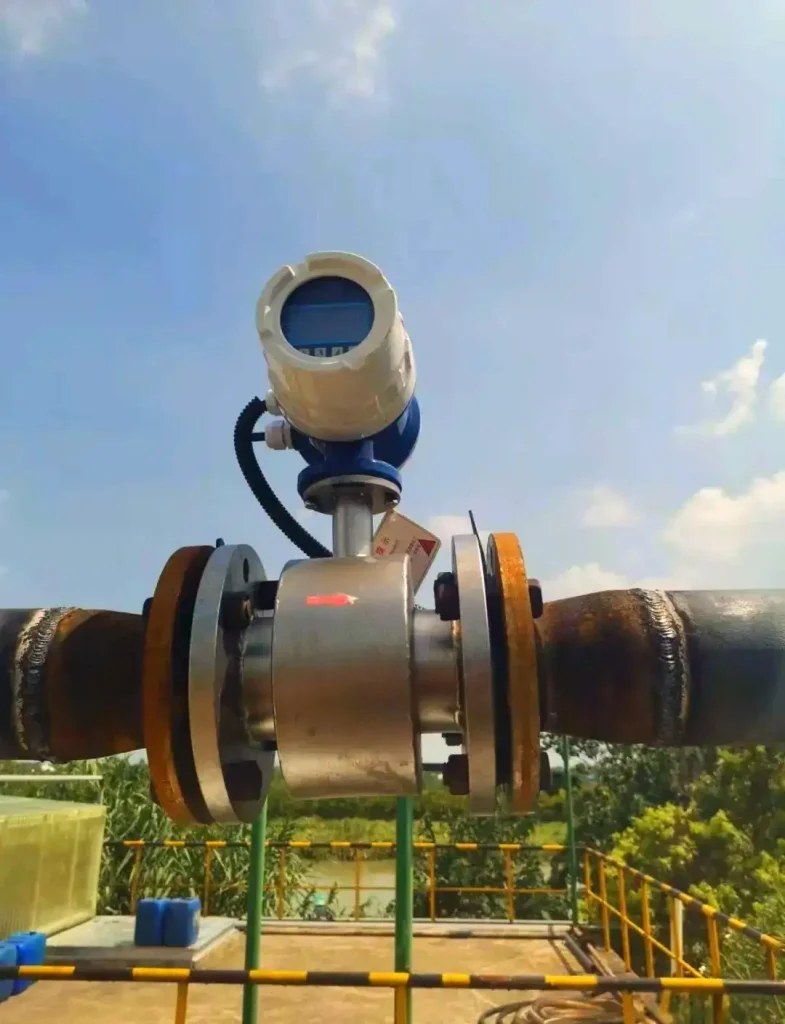
Solutions for Insufficient Conductivity
Addition of Conductivity Enhancers:
Should the liquid exhibit inadequate conductivity, appropriate conductivity enhancers (such as salts or acid/alkaline solutions) may be added to elevate conductivity levels. However, careful consideration must be given to potential impacts on process requirements.
Selection of Suitable Flowmeter Type:
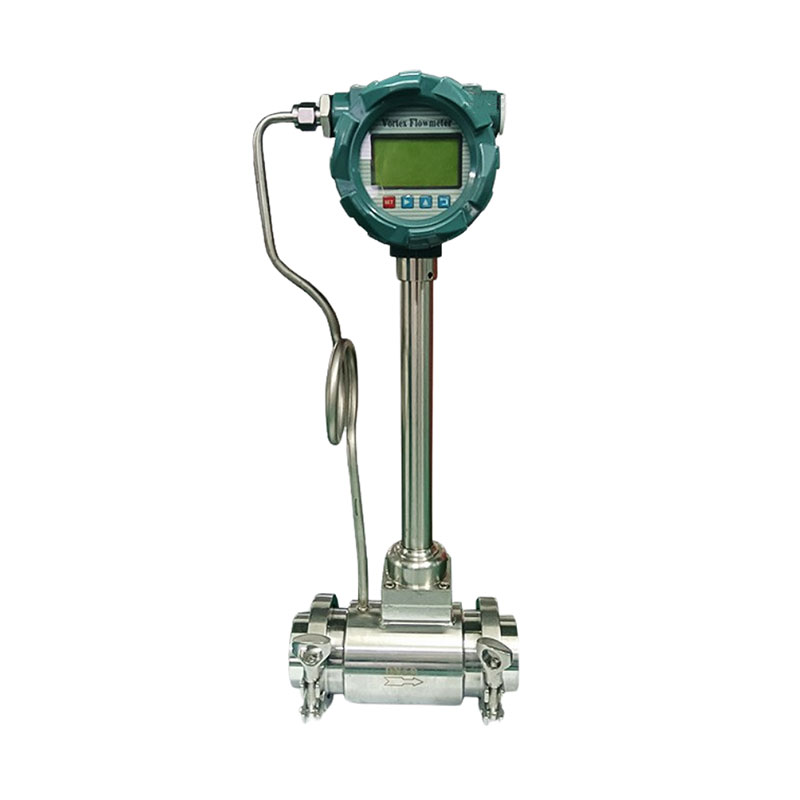
Where the medium possesses extremely low conductivity (e.g., ultrapure water, organic solvents) or where process specifications strictly prohibit alterations to medium composition, replacement with flowmeters independent of medium conductivity is necessary.
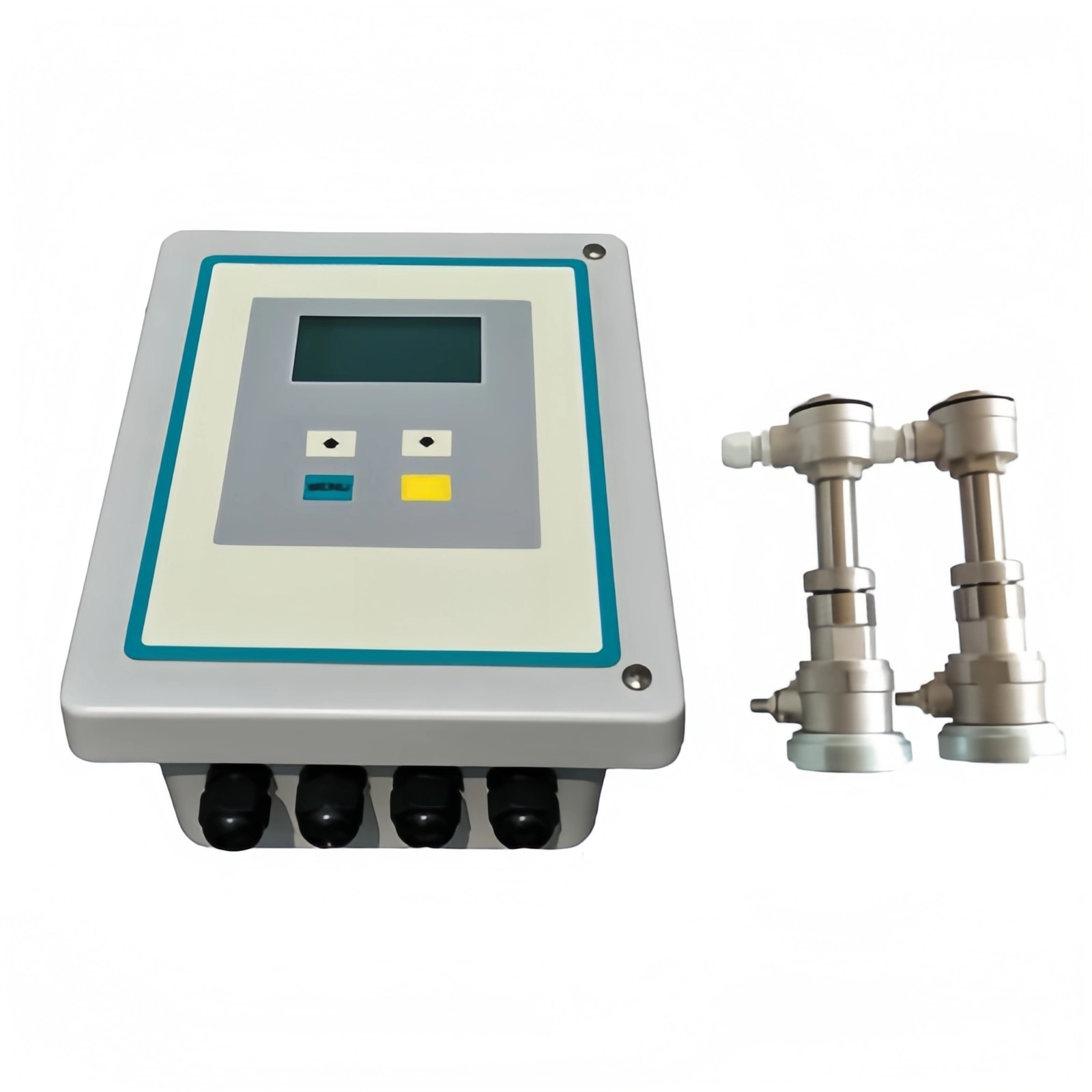
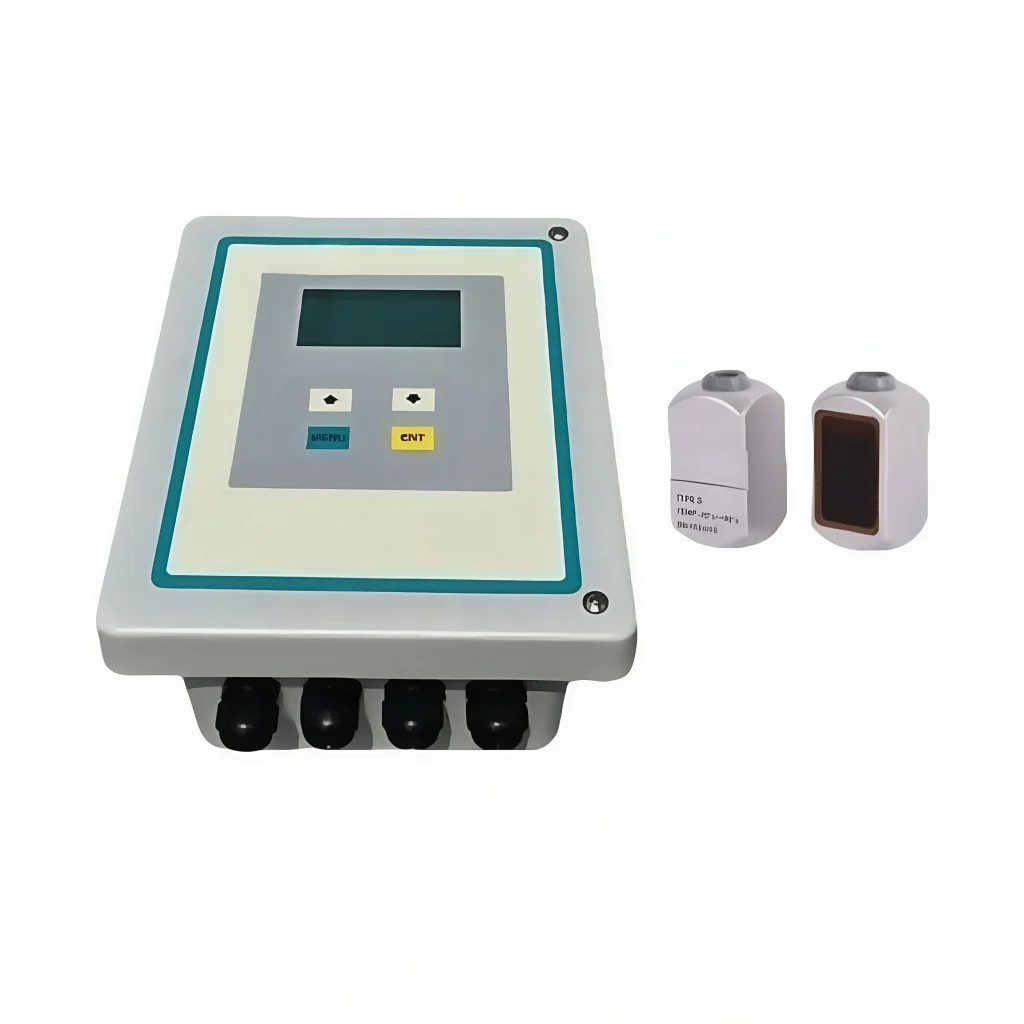
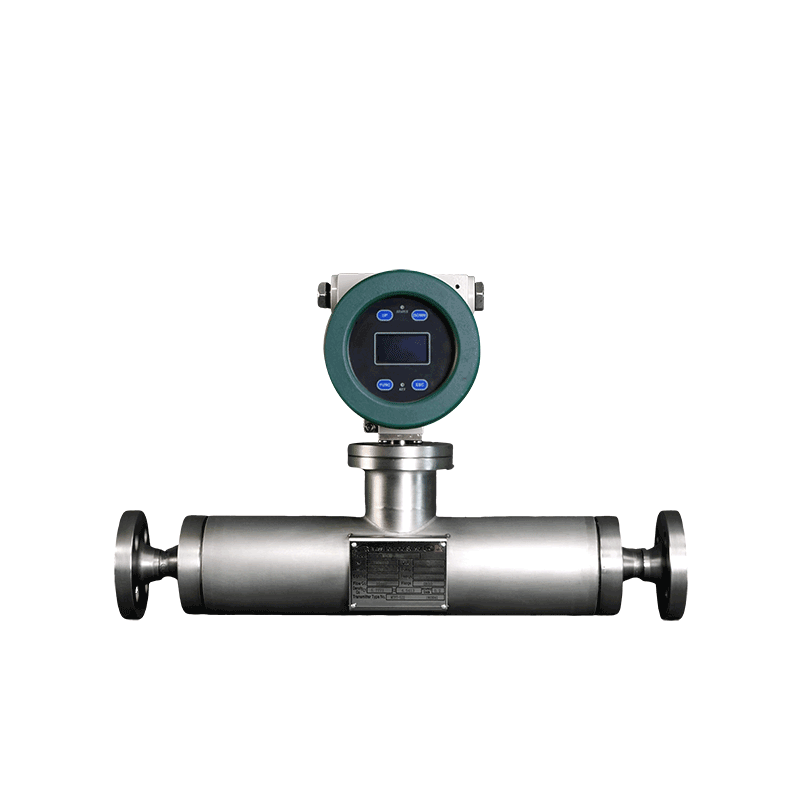
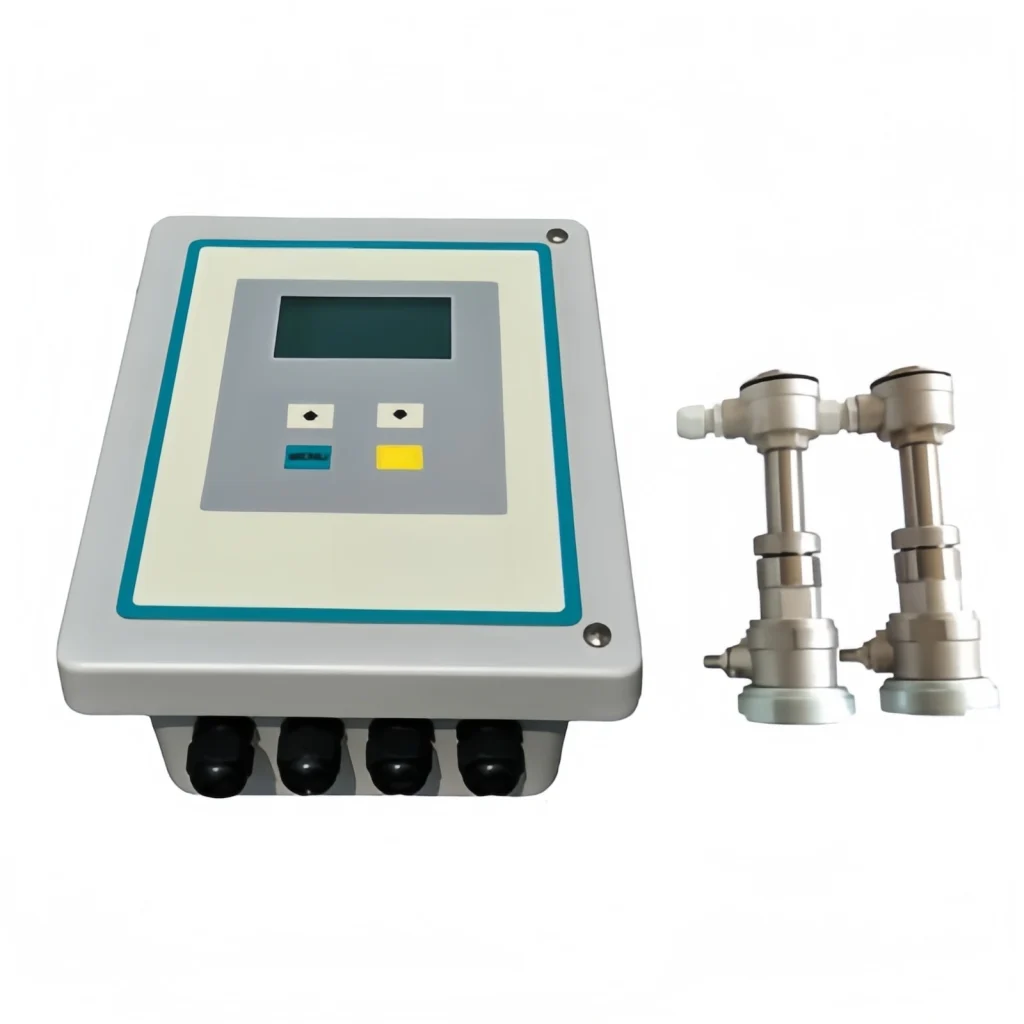
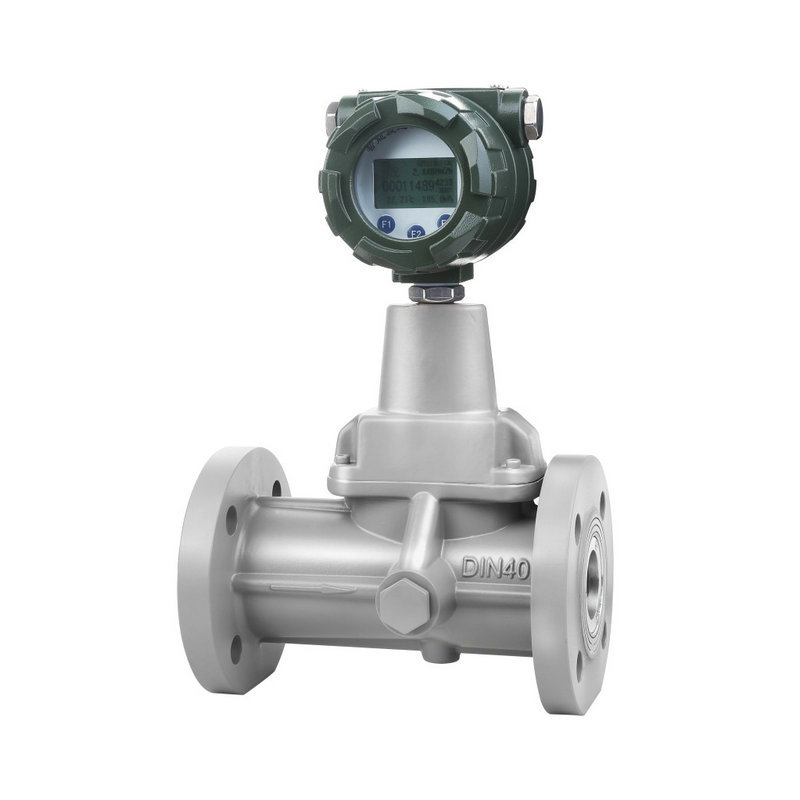
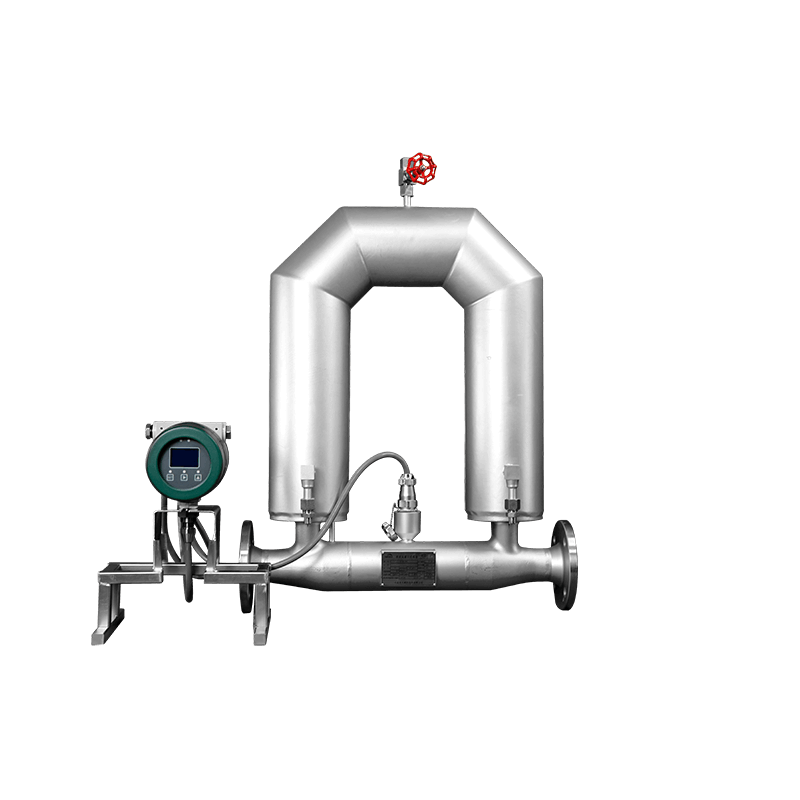
Ultrasonic flowmeters employ non-contact measurement principles, making them suitable for monitoring clean, low-conductivity liquids. Coriolis mass flowmeters directly measure the mass flow rate of the medium, unaffected by parameters such as conductivity, viscosity, or temperature. They can accommodate complex conditions involving non-conductive, viscous, or gas-containing media, precisely meeting industrial measurement requirements.
Measures to Address Conductivity Variations
Optimising Electrode and Sensor Design
Electrodes and sensors designed specifically for fluids with low conductivity can facilitate enhanced signal capture. For example, using non-contact electrodes or increasing the surface area of the electrodes can effectively reduce the effects of polarisation and strengthen the signal.
Implementing Signal Processing Techniques
These days, electromagnetic flowmeters tend to feature advanced signal processing algorithms such as digital filtering, noise suppression and adaptive calibration. These techniques effectively counteract the impact of changes in conductivity on measurement results, thereby improving the instrument’s stability and accuracy.
Regular Calibration and Maintenance
Because conductivity can change over time, it’s important to regularly calibrate electromagnetic flowmeters to keep the measurements accurate. Calibration lets you spot any changes in conductivity that might mess up your results, so you can make the right adjustments.
Selecting Suitable Equipment Models
During the selection phase, appropriate electromagnetic flowmeters should be chosen based on the conductivity characteristics of the fluid. To ensure measurement accuracy and long-term stable operation of the equipment, specially designed low-conductivity flowmeters can be selected for fluids with low conductivity.
Other Factors Affecting the Accuracy of Electromagnetic Flowmeters
1.Fluid Properties:Things like how conductive, viscous and dense the fluid is can have an effect on the measurement of induced potential. This can be an issue in cases of low conductivity or high viscosity, where the measurement might not be as accurate.
2.Pipeline Characteristics: Factors such as the material the pipe is made of, the roughness of the inside walls, and the pipe’s length can all affect the measurements. For example, a rough internal pipe surface might mess up the detection of induced voltages.
3.Installation Conditions: Measurement accuracy may be affected by environmental factors such as mounting position, pipeline vibration and temperature fluctuations. For example, incorrect installation positioning can alter the fluid flow state and thus influence the results of the measurement.
4.Instrument Calibration: The calibration precision of the instrument directly impacts its measurement outcomes. If calibration accuracy is inadequate, measurement errors will increase.
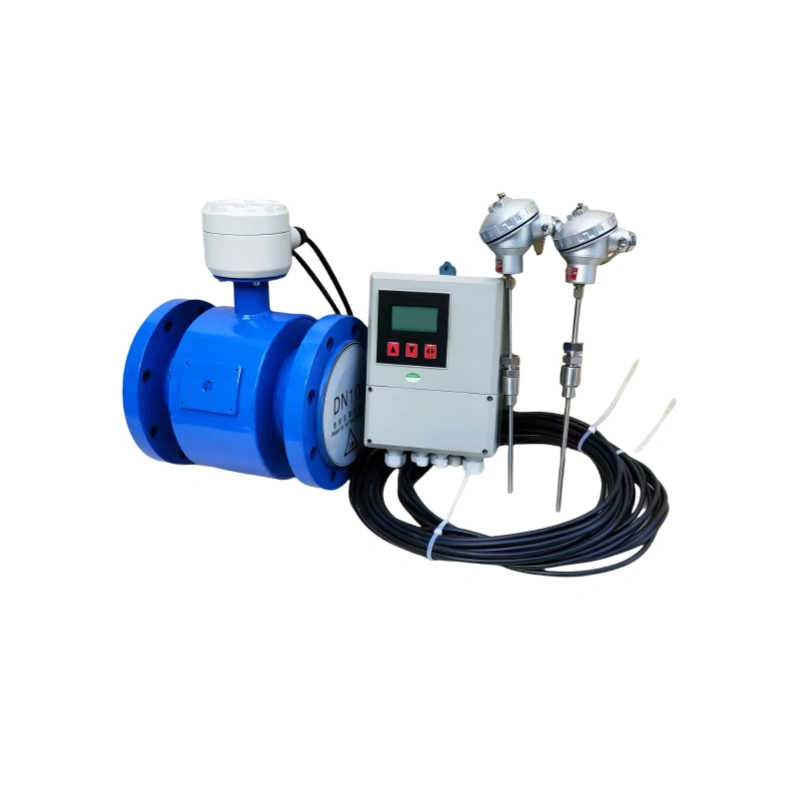
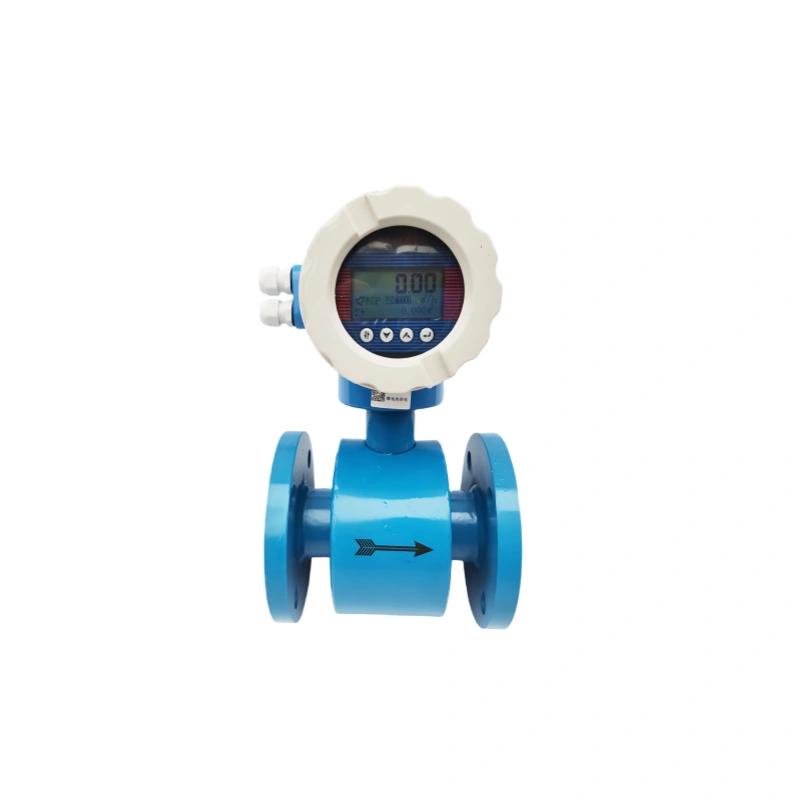
It’s really important to measure things accurately if you want to run an efficient industrial operation. The Sion-Inst electromagnetic flowmeter is perfect for chemical processing, water treatment, metallurgy and other sectors. It’s durable, can handle low temperatures and runs on batteries, so you can use it anywhere. This means lower operational costs and more accurate data.
Should you encounter flow measurement challenges in complex operating conditions or require bespoke measurement solutions, please feel free to contact us via our official website. Our technical team will provide personalised selection guidance and complimentary solution assessments to enhance the quality and efficiency of your production processes.