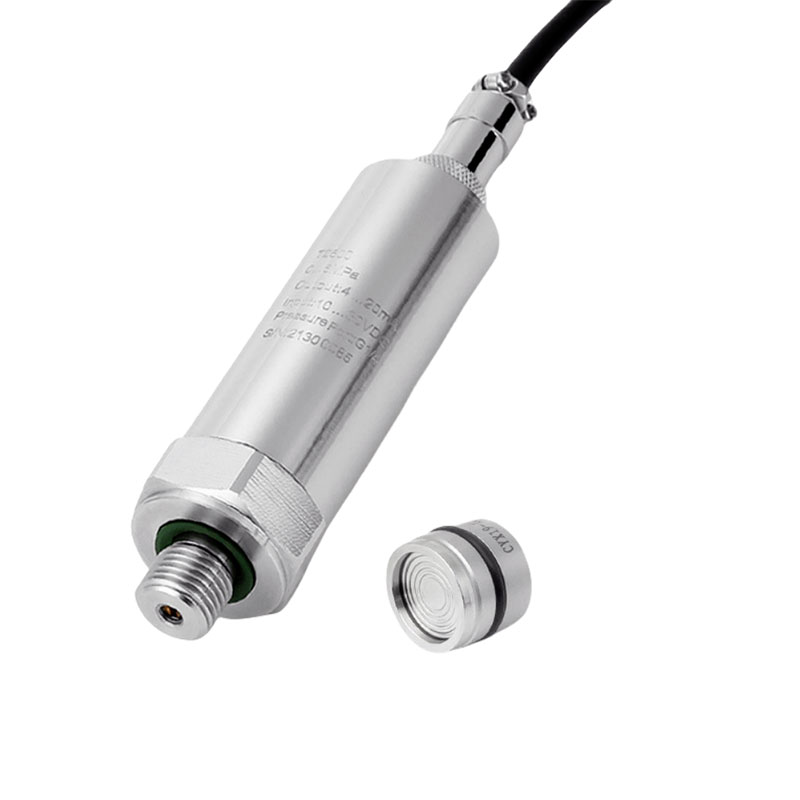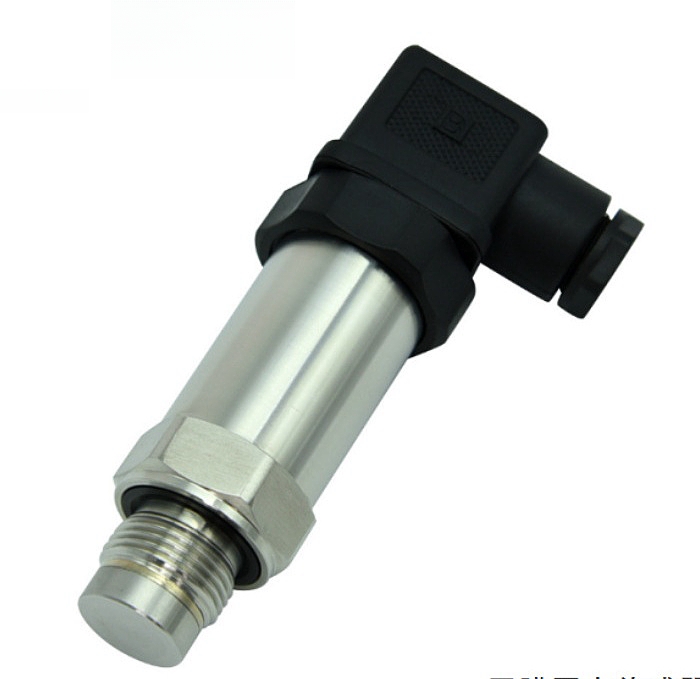
What is a Ceramic Pressure Sensor
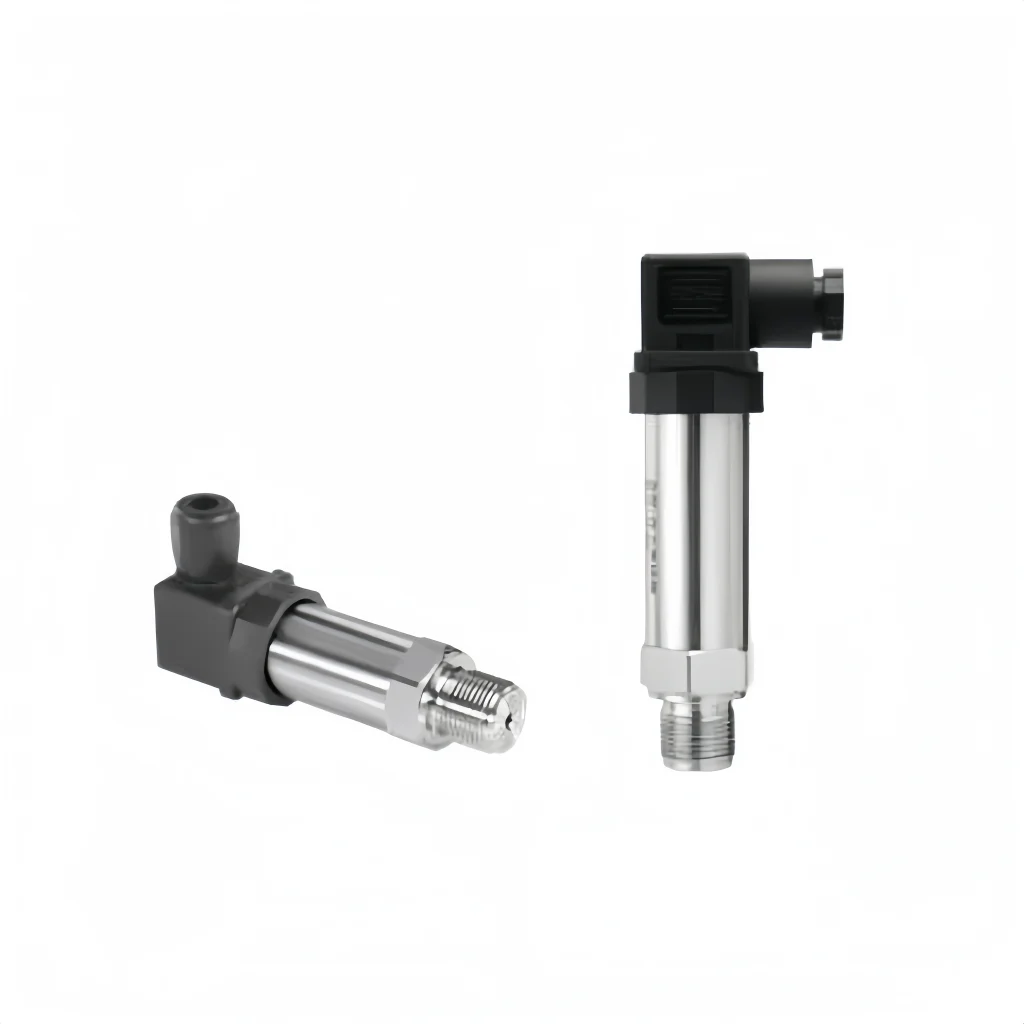
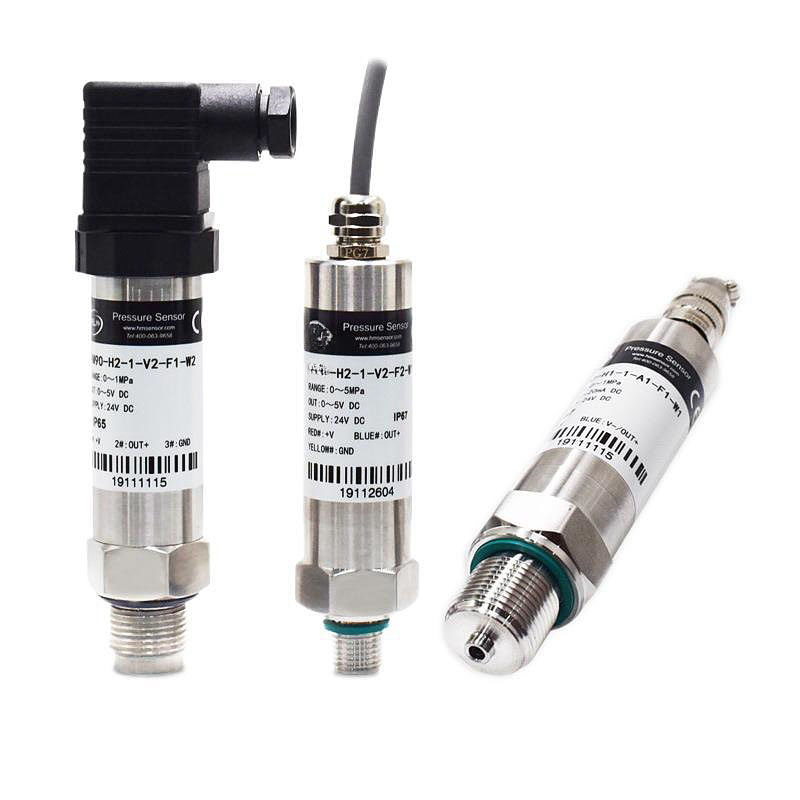
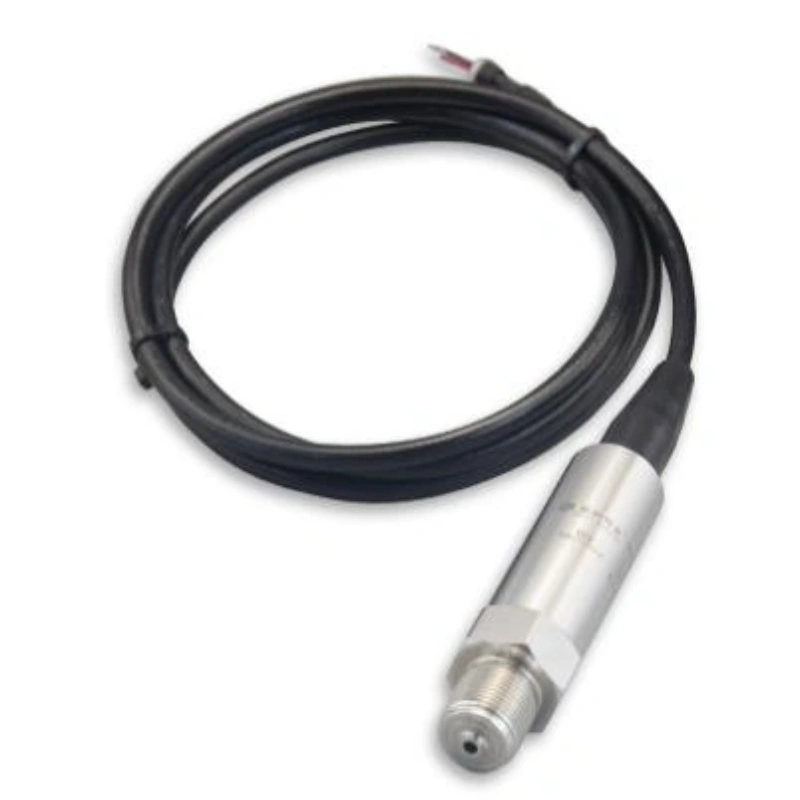
A ceramic pressure sensor is a strain-based pressure sensing device utilising the thick-film resistive piezoresistive effect, serving as a core component within pressure measurement technology.
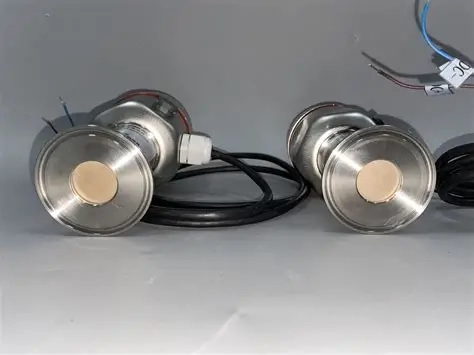
Its central element employs a 95% alumina ceramic diaphragm, which undergoes high-temperature sintering to form a rigid structure with a ceramic ring. This design makes it resistant to corrosion and impact, so it can be used in lots of different fields, like process control, hydraulic systems and medical equipment.
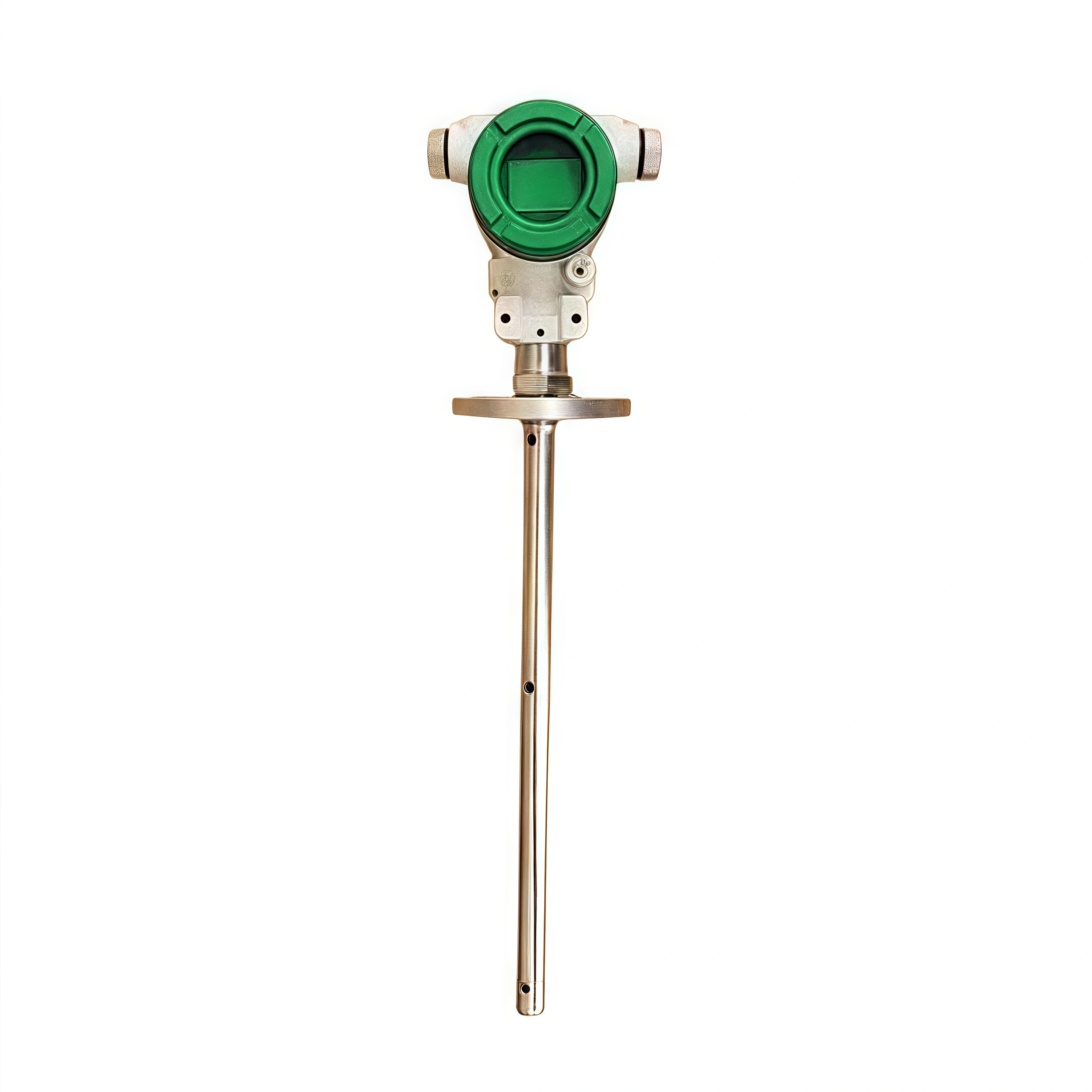
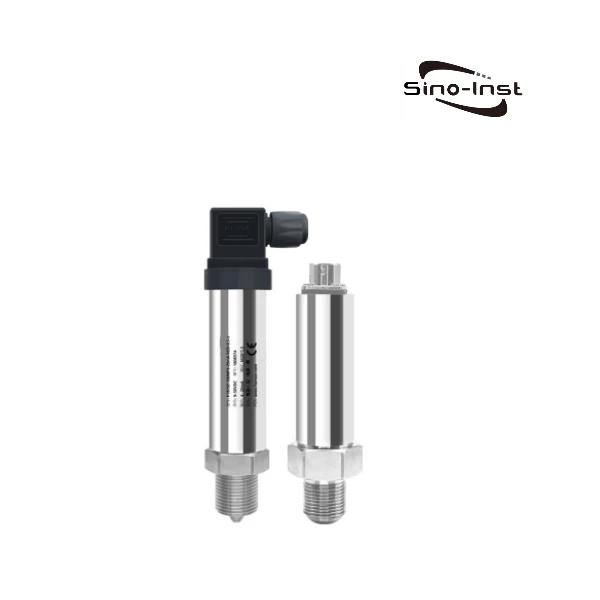
Sino-Inst’s ceramic pressure sensors deliver high precision and excellent corrosion resistance, with a measurable pressure range of 20MPa to 30MPa.
Basic Structure of Ceramic Pressure Sensors
Ceramic pressure sensors are made up of a few main parts that work together to give really accurate and stable measurements of pressure.
1. Sensitive Element:
The most important part of a ceramic pressure sensor is the sensitive element, which is usually made from ceramic materials that are really insulating and can resist high temperatures. It withstands external environmental pressures and undergoes corresponding deformation in response to pressure variations.Design and material selection for the sensitive element vary according to specific application requirements.
2. Strain Gauges:
Typically affixed to the surface of the sensing element, strain gauges are the key components converting deformation into electrical signals. These gauges are usually fabricated from semiconductor or metallic materials, whose resistance changes in response to strain variations.
3. Signal Conditioning Circuitry:
To ensure stable and accurate output signals, ceramic pressure sensors are typically equipped with signal conditioning circuitry. So, these circuits make the small electrical signals louder, filter them, and change them into something else. This makes sure that what you see on the screen is really clear and consistent.
4. Enclosure:
The enclosure design prioritises protecting the sensing element and internal circuitry while accounting for environmental factors.Features such as waterproofing and corrosion resistance, achieved through materials like stainless steel and plastics, effectively extend the sensor’s operational lifespan.
Working Principles of Ceramic Pressure Sensors
Ceramic pressure sensors primarily operate on two principles: the piezoelectric effect and the capacitive effect.
1. Piezoelectric Effect
The piezoelectric effect refers to the phenomenon where certain materials generate electrical charges when subjected to mechanical stress. These materials are termed piezoelectric materials.Ceramics represent a common piezoelectric material. When pressure is applied to a ceramic sensor, the ceramic material within undergoes minute deformation, causing a redistribution of electrical charges. By detecting these charge variations, the externally applied pressure can be accurately measured. This type of sensor is characterised by rapid response and high sensitivity.
2. Capacitive Effect
Ceramic pressure sensors based on the capacitive effect utilise the dielectric properties of ceramic materials to measure pressure. The sensor typically comprises a fixed electrode and a movable electrode, forming a capacitor between them. When there’s pressure on the movable electrode, the distance between the electrodes changes, which alters the capacitance value. Basically, the pressure can be measured by detecting the change in capacitance. This sensor is simple to use and is very accurate and reliable.
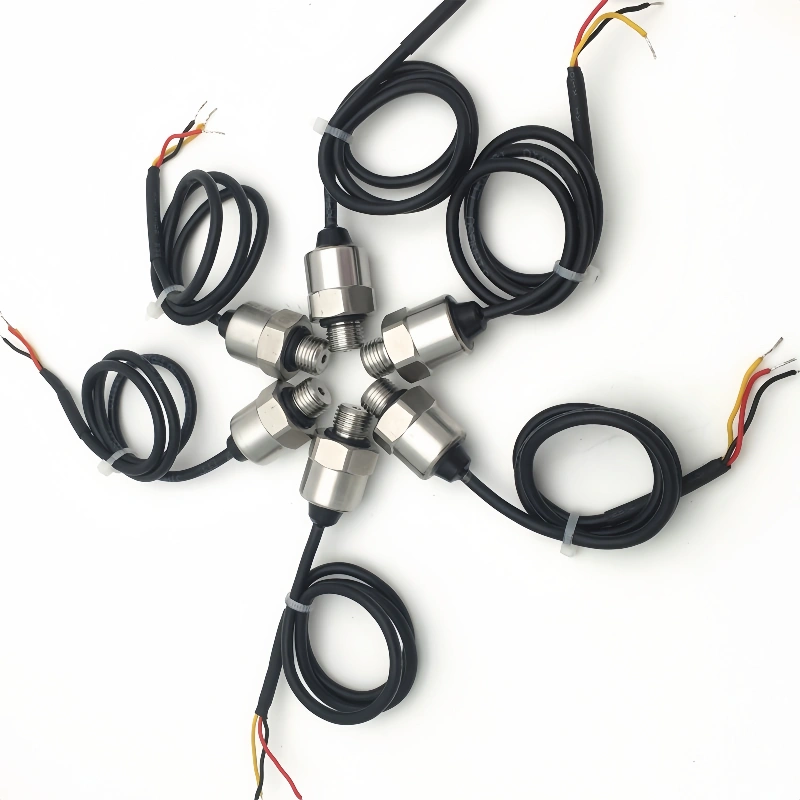
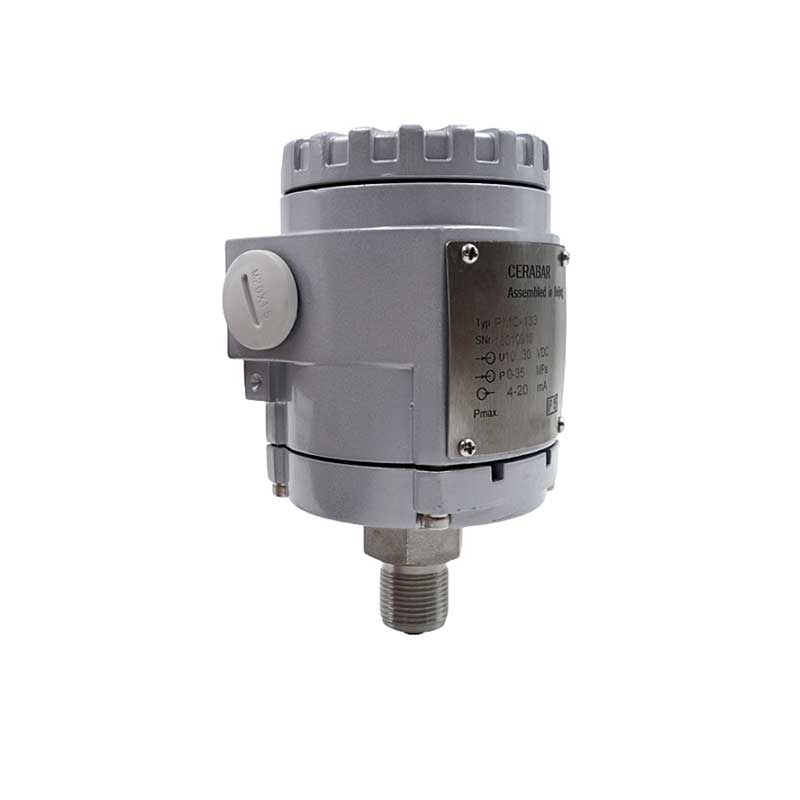
Advantages and Disadvantages of Ceramic Pressure Sensors
Advantages
High reliability and stability: Ceramic materials possess excellent mechanical strength and corrosion resistance, enabling long-term operation in harsh environments without degradation. Also, ceramic materials don’t change much when it comes to their physical properties, even when there are temperature fluctuations, which makes sure the sensor stays stable over time.
High sensitivity and precision: Whether based on the piezoelectric or capacitive effect, ceramic pressure sensors exhibit high sensitivity and precision. Ceramic materials produce significant changes in electrical signals with even the slightest deformation, ensuring an accurate response from the sensor to pressure variations.
High Temperature Resistance: Ceramic materials possess a low thermal expansion coefficient and are insensitive to temperature fluctuations.This enables ceramic pressure sensors to maintain stable performance across a wide temperature range. Accurate pressure measurements are delivered reliably in both high-temperature and cryogenic environments.
Strong Interference Resistance: Ceramic materials exhibit excellent resistance to electromagnetic interference and mechanical vibration. This enables ceramic pressure sensors to operate stably in complex electromagnetic and mechanically vibrating environments, unaffected by external disturbances.
Corrosion Resistance: Ceramics demonstrate exceptional resistance to most chemical media, making them suitable for harsh environments.
Hysteresis-free: Ceramics exhibit excellent elastic recovery with minimal hysteresis.
High overload capacity: Ceramic diaphragms can resist breaking.
Oil-free filling: They are typically free from organic oil fillers, which prevents contamination of the medium and makes them suitable for industries such as food and pharmaceuticals.
Disadvantages
Temperature sensitivity: The way ceramic materials respond to temperature can sometimes affect the accuracy of the measurements taken.When you are working in very hot or very cold conditions, you need to be extra careful with temperature control.
Fragility: Ceramics are strong and hard, but they break easily and can be damaged by impact and vibration.This means that they cannot be used in all situations.
Non-linearity error: The output signal of ceramic piezoresistive sensors may not be a straight-line relationship with the input pressure, which is a key consideration in the design of the sensors. To get accurate measurements, non-linearity correction is usually needed.
Hysteresis Effect: The sensor may show different results depending on whether pressure is applied or released (i.e. hysteresis). This can affect how well the sensor works.
Long-Term Drift: Over extended periods of use, factors such as material ageing and environmental changes may cause drift in the sensor’s zero point or sensitivity. Regular calibration and maintenance are required to ensure measurement accuracy.
Practical Applications of Ceramic Pressure Sensors
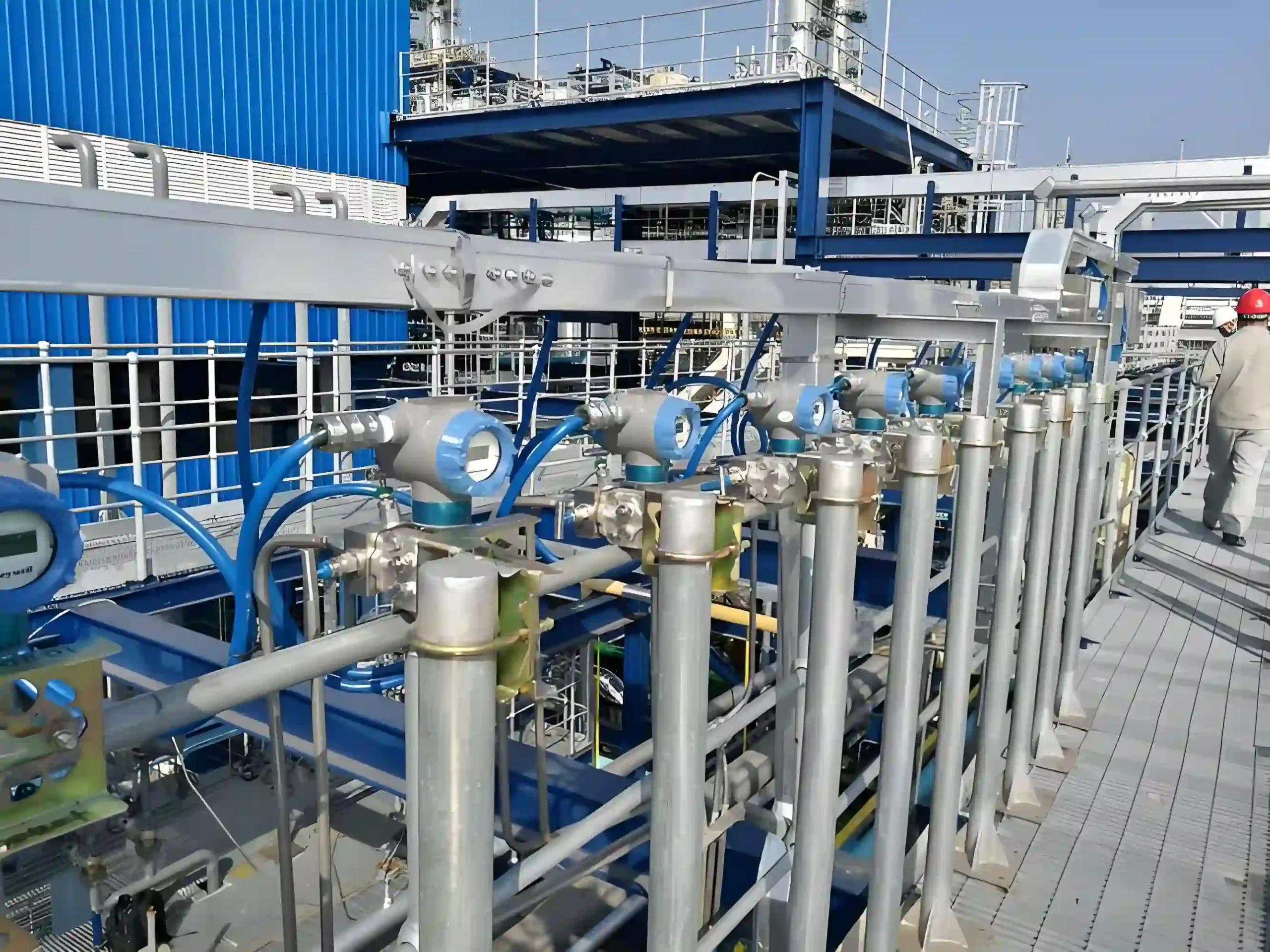
Within the petrochemical industry, pressure measurement of various fluids is essential for controlling production processes and enhancing product quality. Ceramic piezoresistive pressure sensors are ideally suited for this sector, as they can withstand high temperatures, pressures, and corrosive environments.
Within the automotive sector, ceramic pressure sensors serve multiple functions including engine management and tyre pressure monitoring, thereby providing effective safeguards for driving safety.
The medical field represents another significant application area for ceramic pressure sensors. In medical devices such as cardiac monitors and blood pressure measurement equipment, these sensors offer the advantages of safety and accuracy, providing direct data support for patient health.
Ceramic pressure sensors also find extensive application in environmental monitoring and meteorological measurement, furnishing crucial data foundations for scientific research and ecological conservation.
Selecting the Appropriate Pressure Sensor
Range and Pressure Type
Range: 1.2–1.5 times the normal operating pressure. For applications with high peak pressures, selecting 1.5 times is safer; for example, choose a 15MPa range for a 10MPa system.
Pressure Type: Gauge pressure (G), absolute pressure (A), sealed gauge pressure (S), or vacuum. Select based on operating conditions; e.g., choose absolute pressure for vacuum systems.
Accuracy and Error Control
Standard industrial applications: ±0.25% to ±0.5% of full scale (FS). Precision control (e.g., semiconductor): ±0.1% FS. General monitoring: ±0.8% FS or lower.
Consider total error (linearity, hysteresis, repeatability). For wide temperature ranges, incorporate temperature compensation to minimise thermal drift.
Dynamic Response
Static/low-frequency applications (e.g., liquid level, stable pressure): Ceramic capacitive or piezoresistive types are suitable.
High-frequency fluctuations (e.g., compressors, hydraulic shocks): Select models with response time ≤1ms and low overshoot; incorporate buffering devices where necessary.
Media Compatibility
Corrosive media (acids, alkalis, seawater): Prioritise alumina/zirconia ceramic diaphragms; optionally select models with 316L stainless steel isolation diaphragms or titanium alloy diaphragms.
Sanitary applications (food, pharmaceuticals): Choose oil-free designs that meet FDA/3A certification and are suitable for CIP/SIP cleaning. An IP69K protection rating is best.
Viscous / Crystallising Media: Prevent diaphragm fouling by selecting flat diaphragms or cleanable interfaces; incorporate purging or isolation devices where required.
Environmental Tolerance
Temperature: Ceramic operating range typically -40°C to 135°C; verify high-temperature compensation and material limits for elevated conditions.
Protection Rating: IP67 for outdoor/humid environments; IP69K for high-pressure washing; ATEX or IECEx certification required for explosion-proof environments.
Vibration/Shock: Select models with vibration resistance ≥10g and shock resistance ≥100g; install vibration-damping mounts.
Output Signals
4-20mA analogue signals offer robust interference resistance and long-distance transmission capabilities, making them the mainstream choice in industrial applications. They are widely compatible with PLC/DCS systems and suited for industrial long-distance cabling scenarios.
0-5V/0-10V analogue signals are great for short-range transmission and local data acquisition, like pressure monitoring in small equipment, and they’re easier to wire up and cheaper.
Digital signals like I2C/SPI/RS485 facilitate easy integration and support multi-device networking, making them more suitable for IoT, smart devices, and other scenarios requiring networked data transmission.
Installation and Interfaces
Select appropriate threaded interfaces according to pipeline specifications. For hygienic applications, clamp or flange interfaces must be used to ensure installation sealing and sanitary compliance.
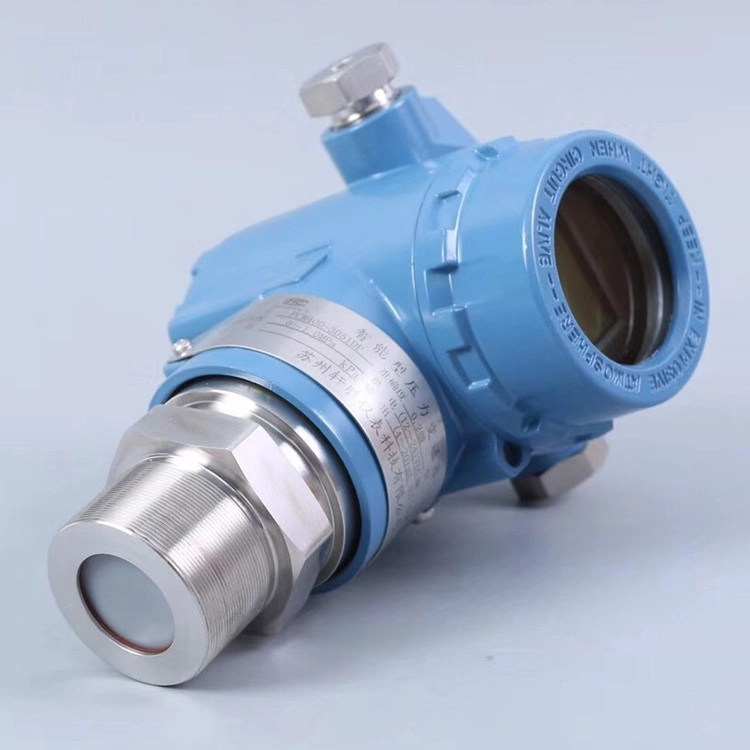
Where installation space is limited, micro-encapsulated sensors may be employed, whilst strictly adhering to specification-controlled installation torque to prevent sensor performance degradation due to improper fitting.
With years of dedicated expertise in sensor technology, Sino-Inst has built a comprehensive solution system encompassing multiple product series, including pressure sensors and liquid level sensors, through deep technical expertise and continuous innovation.
Our products empower critical industry applications such as construction machinery, industrial automation, and petrochemicals, delivering robust momentum for intelligent industry upgrades through their core performance of high stability and precision.