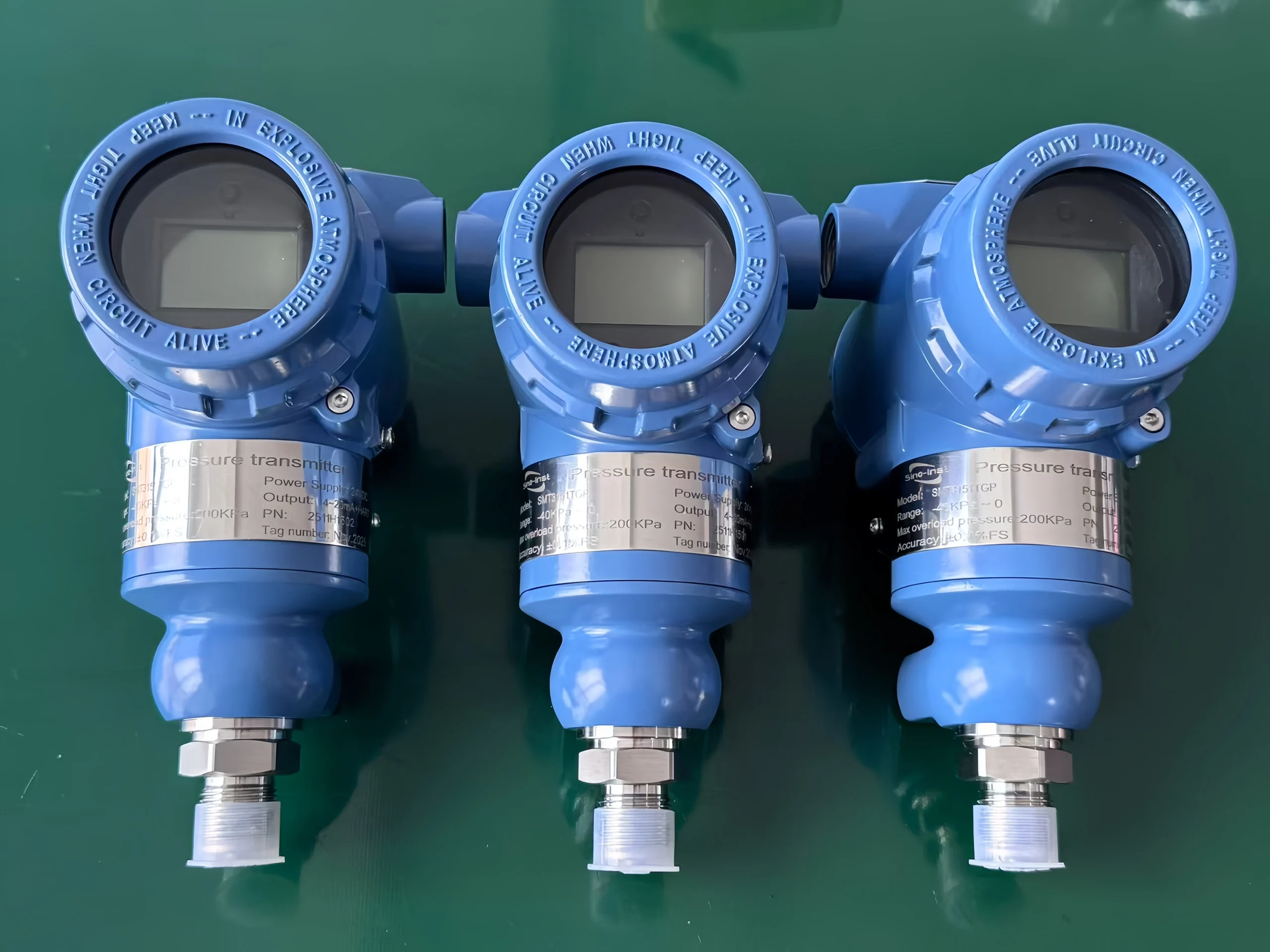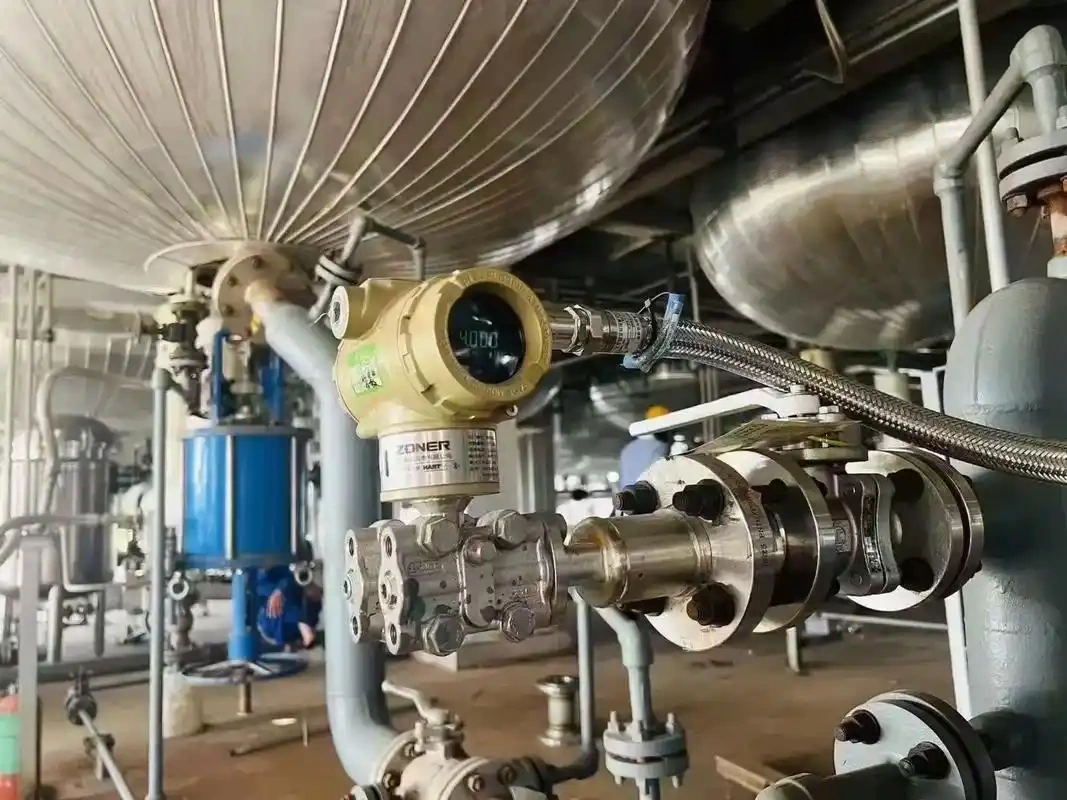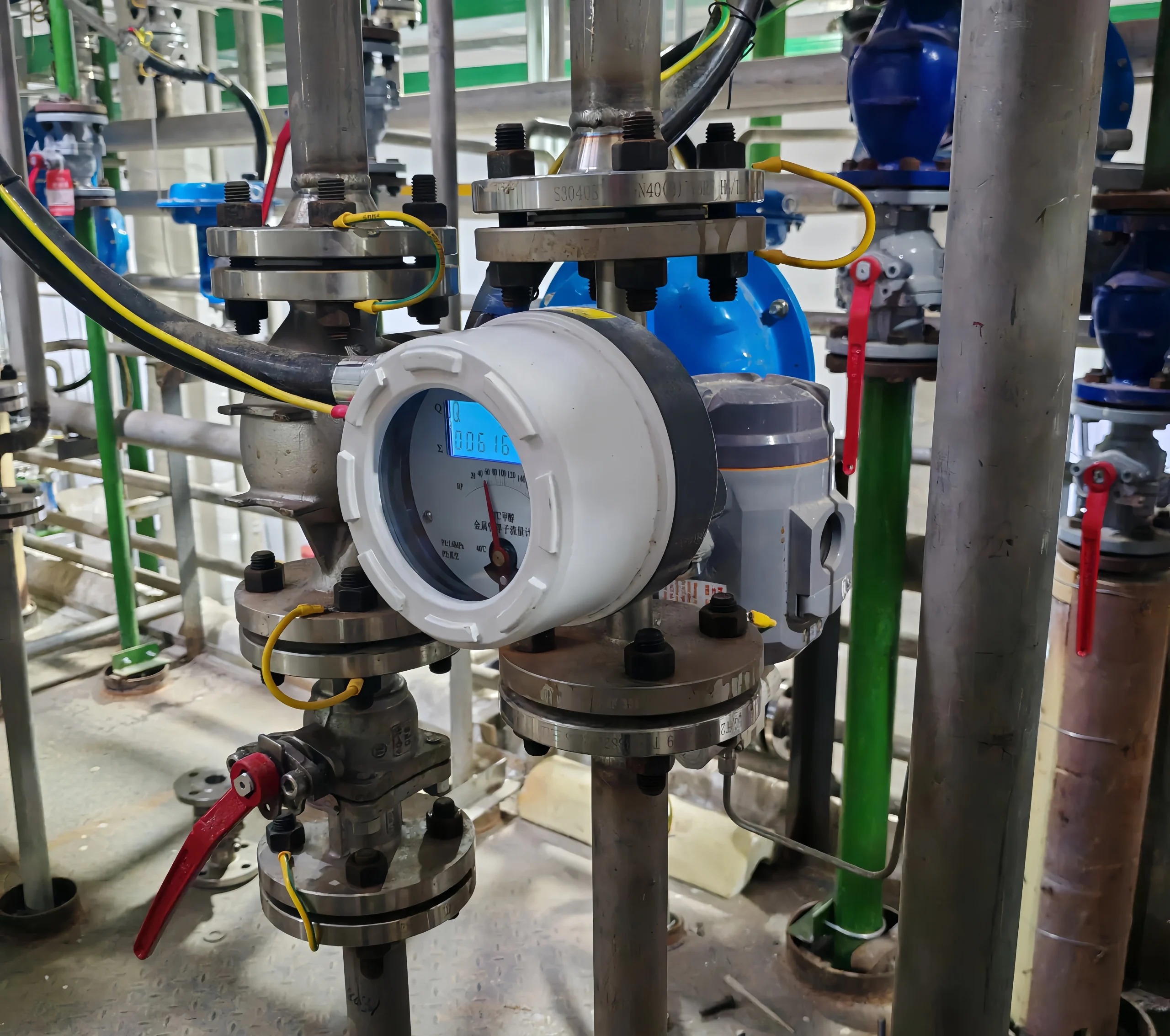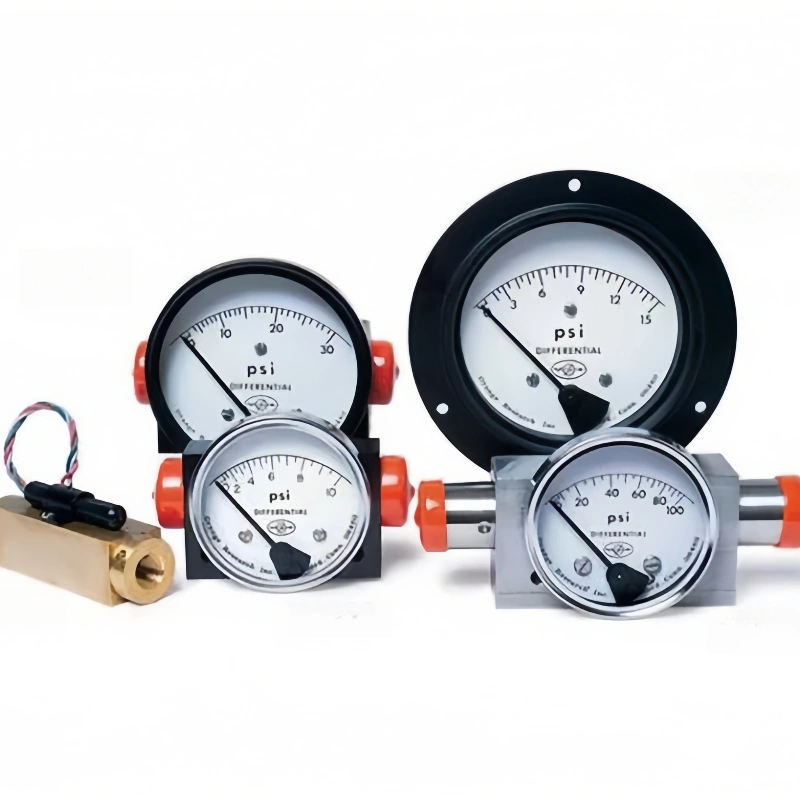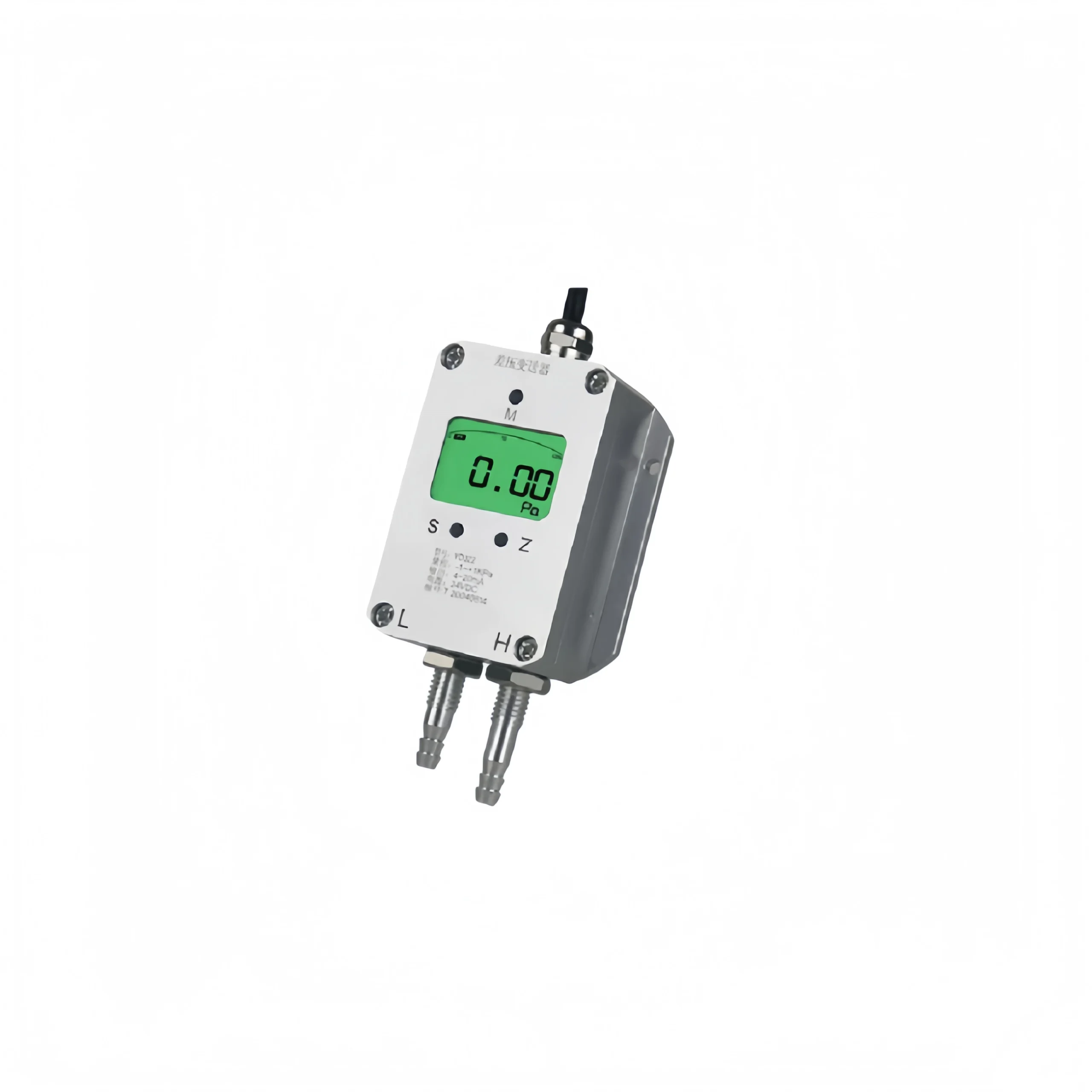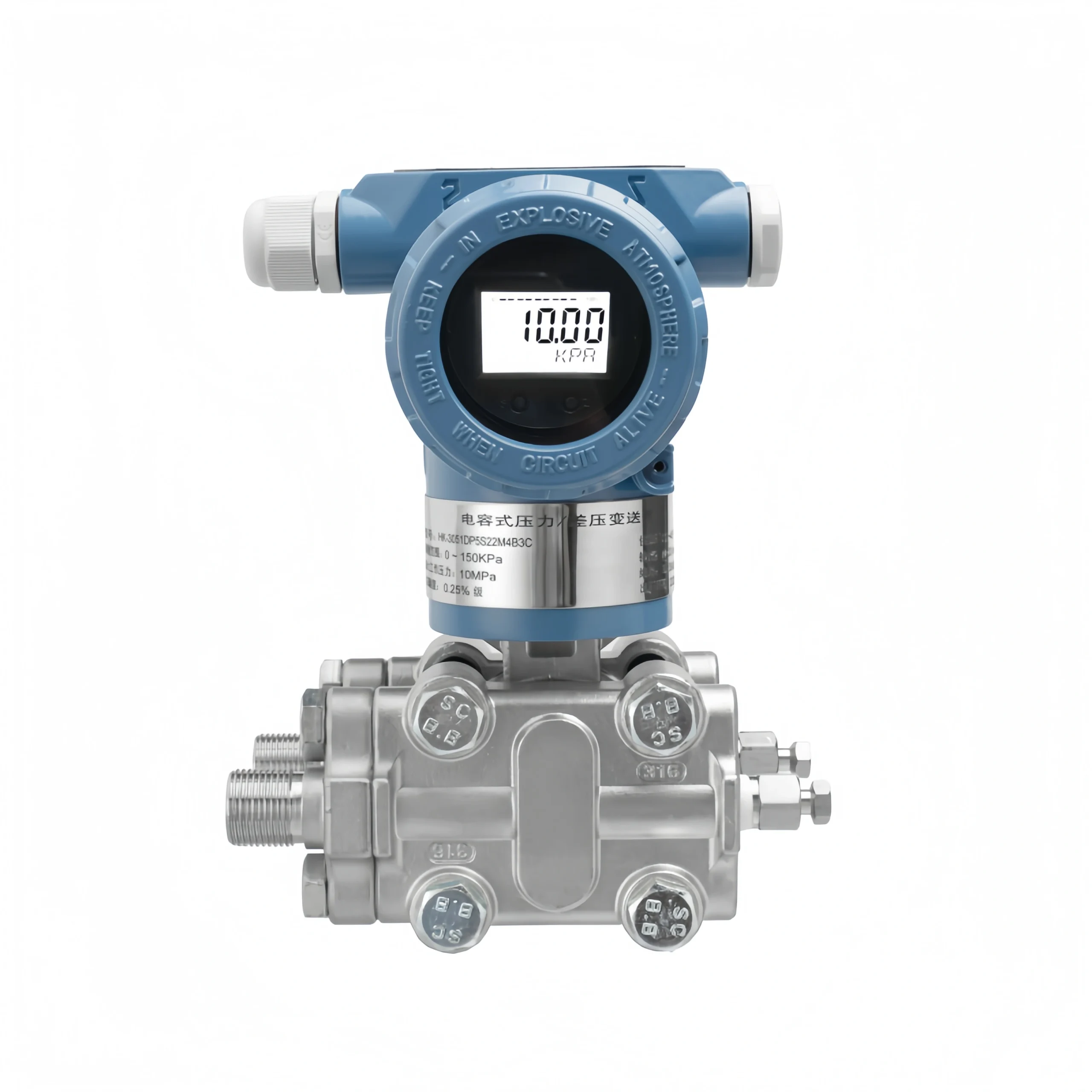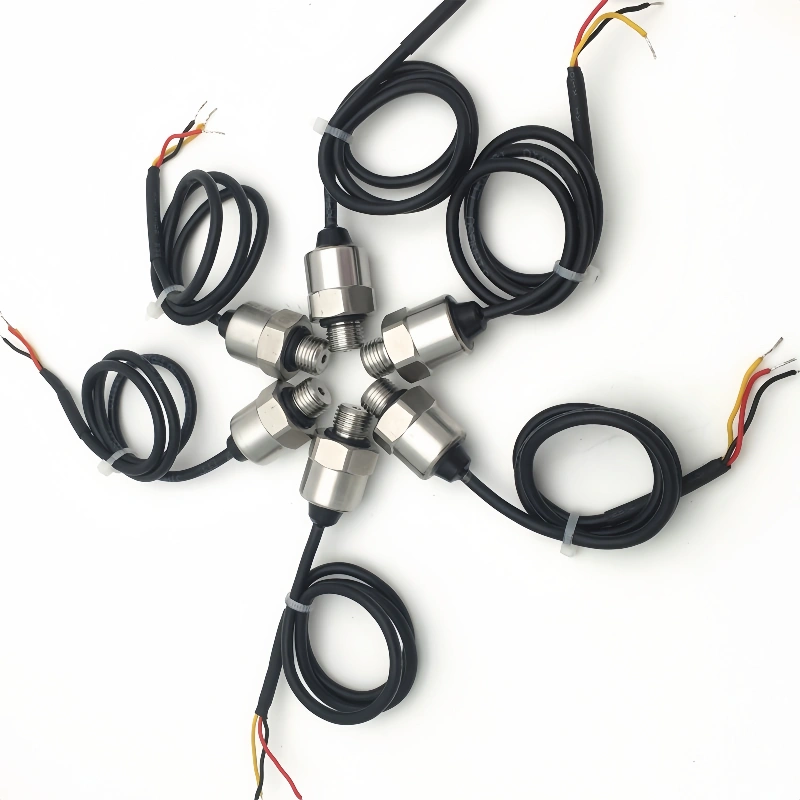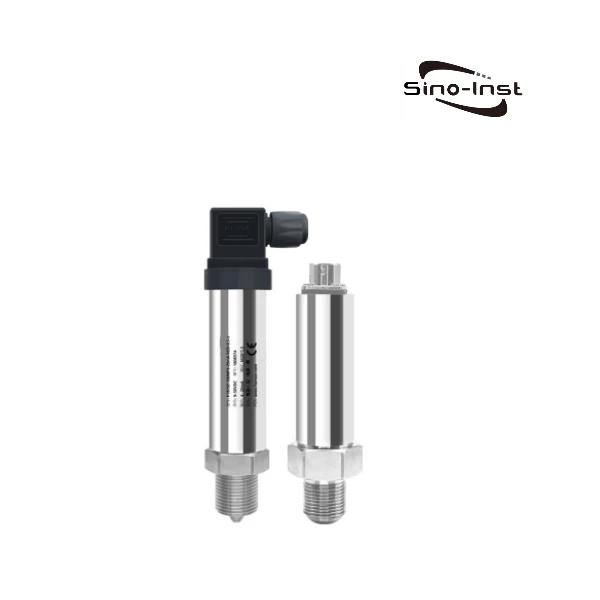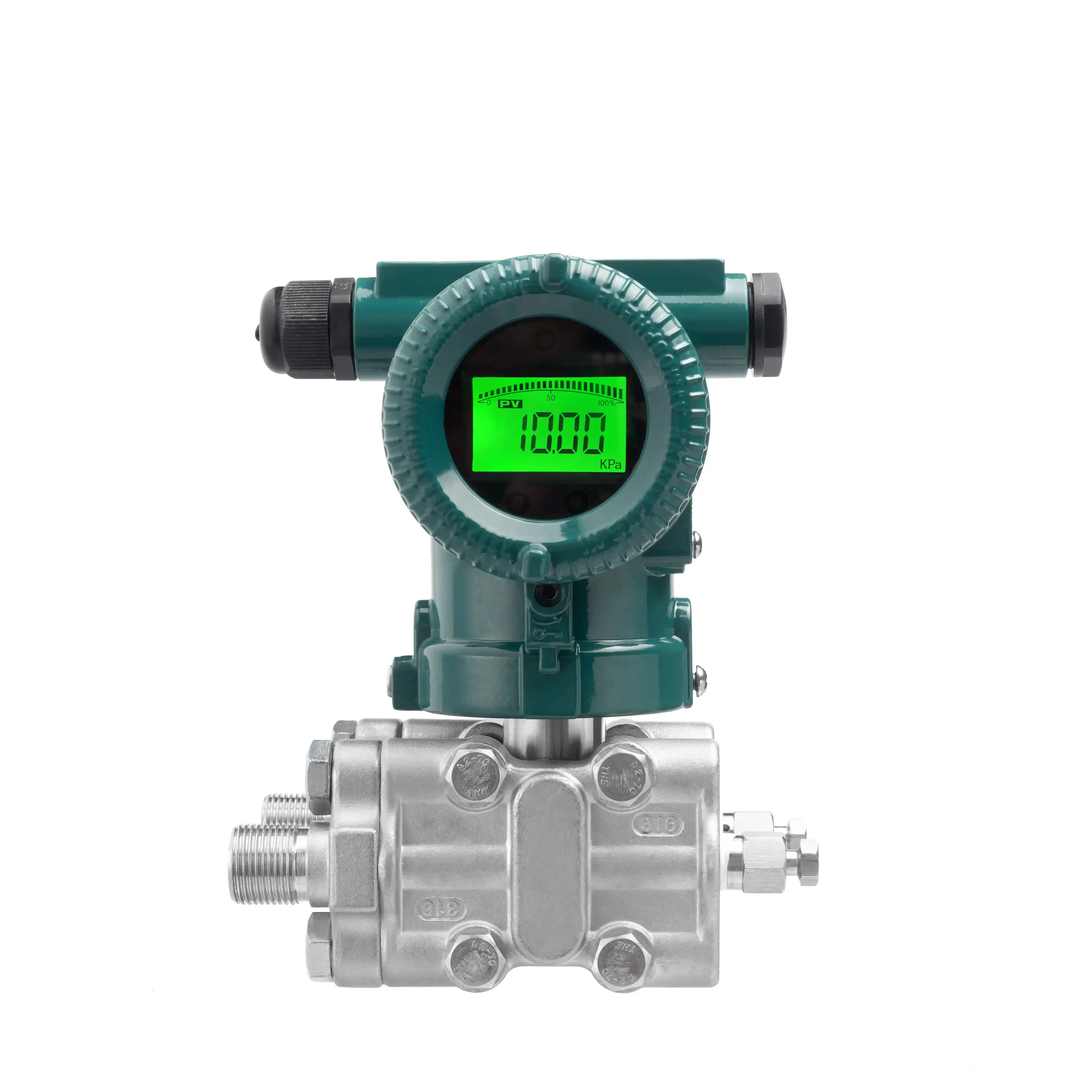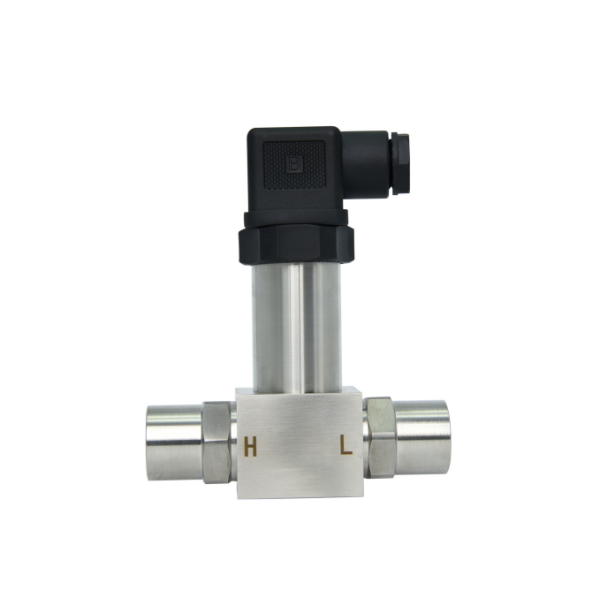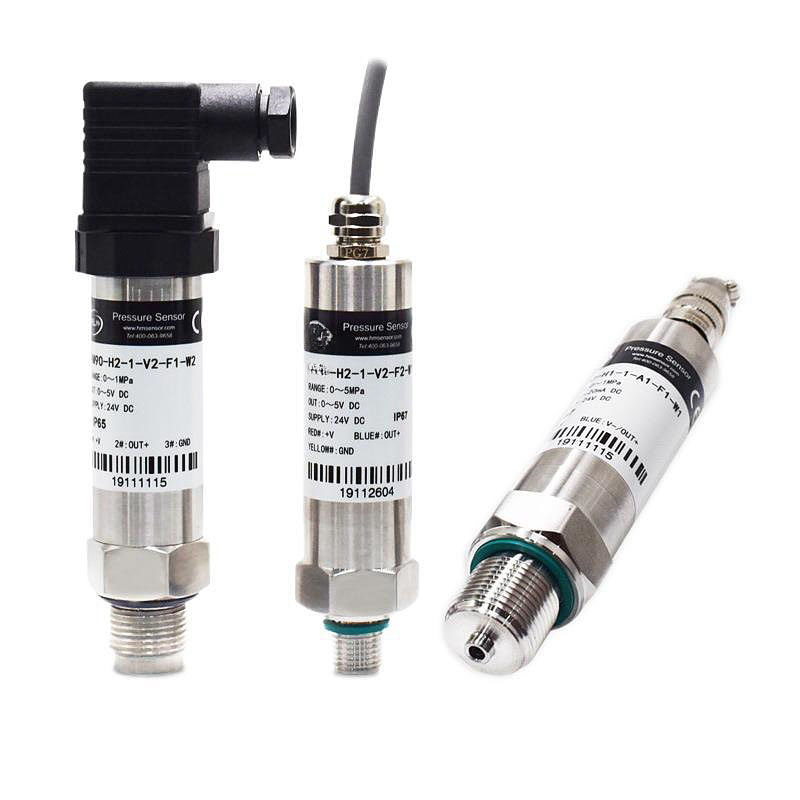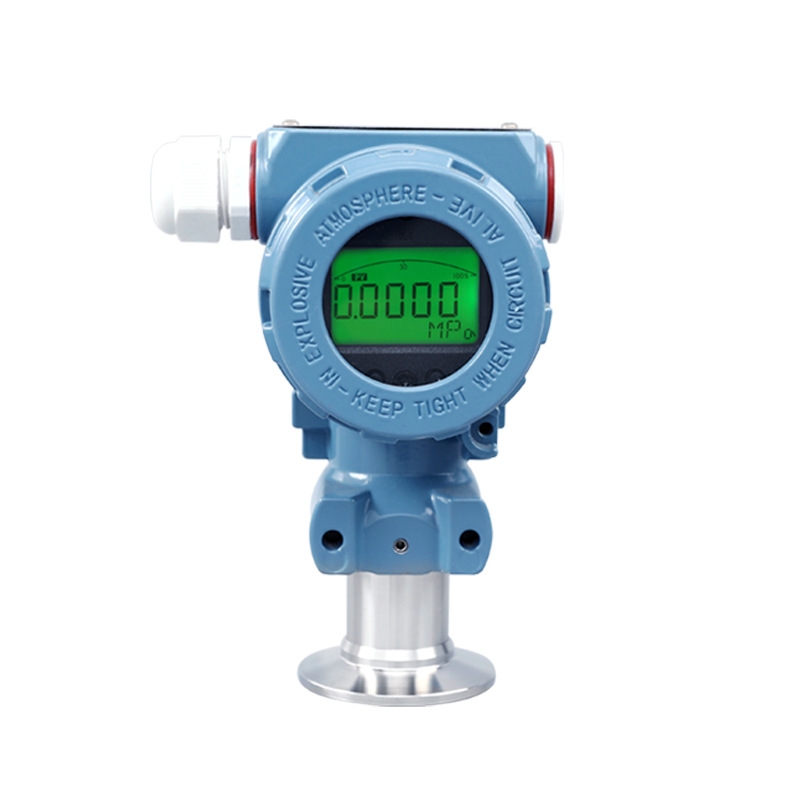
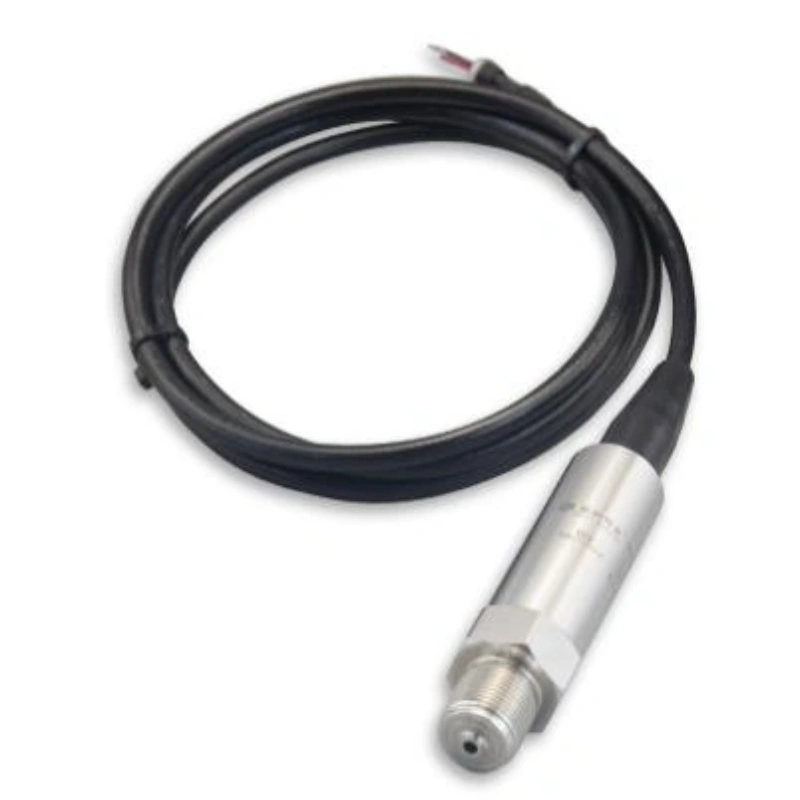
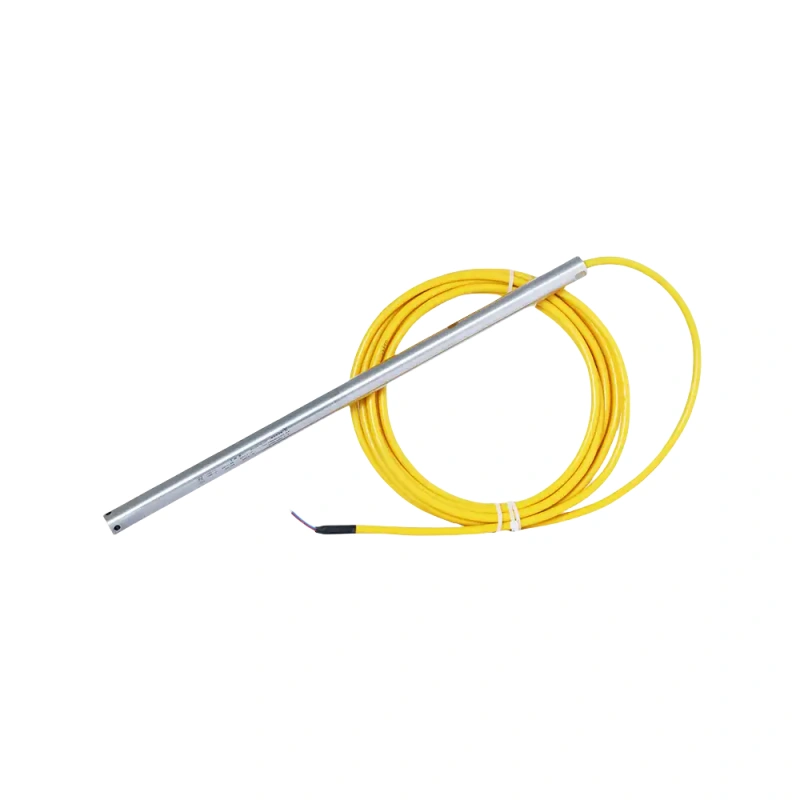
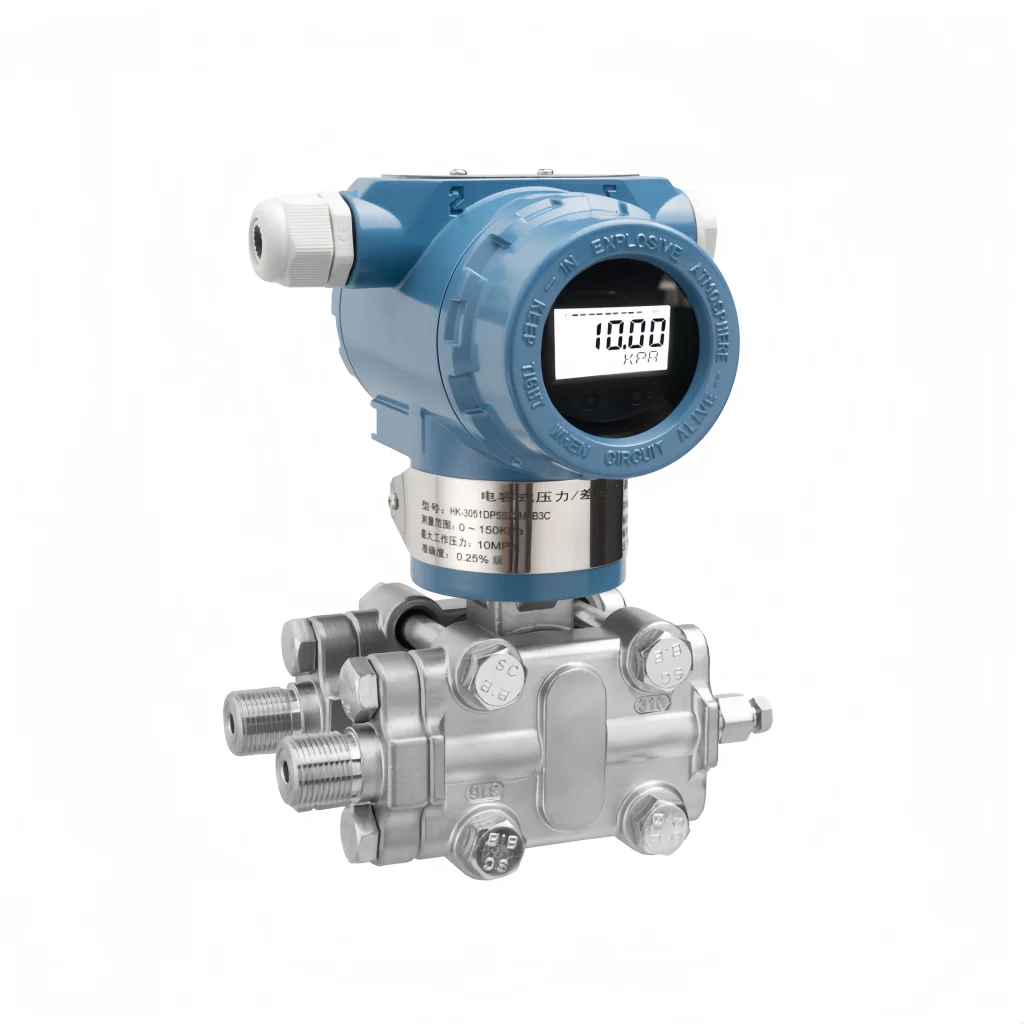
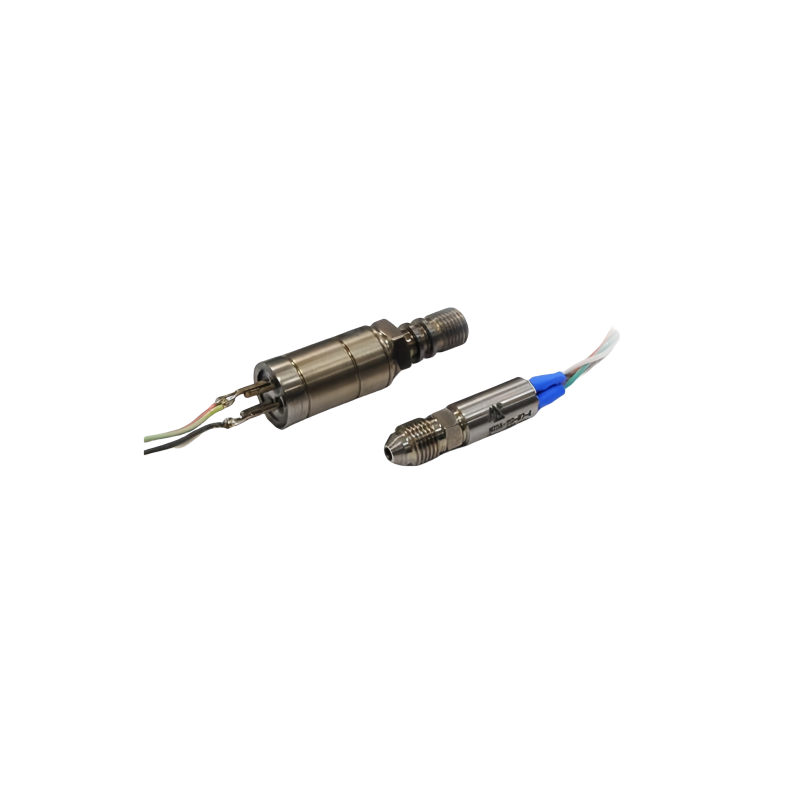
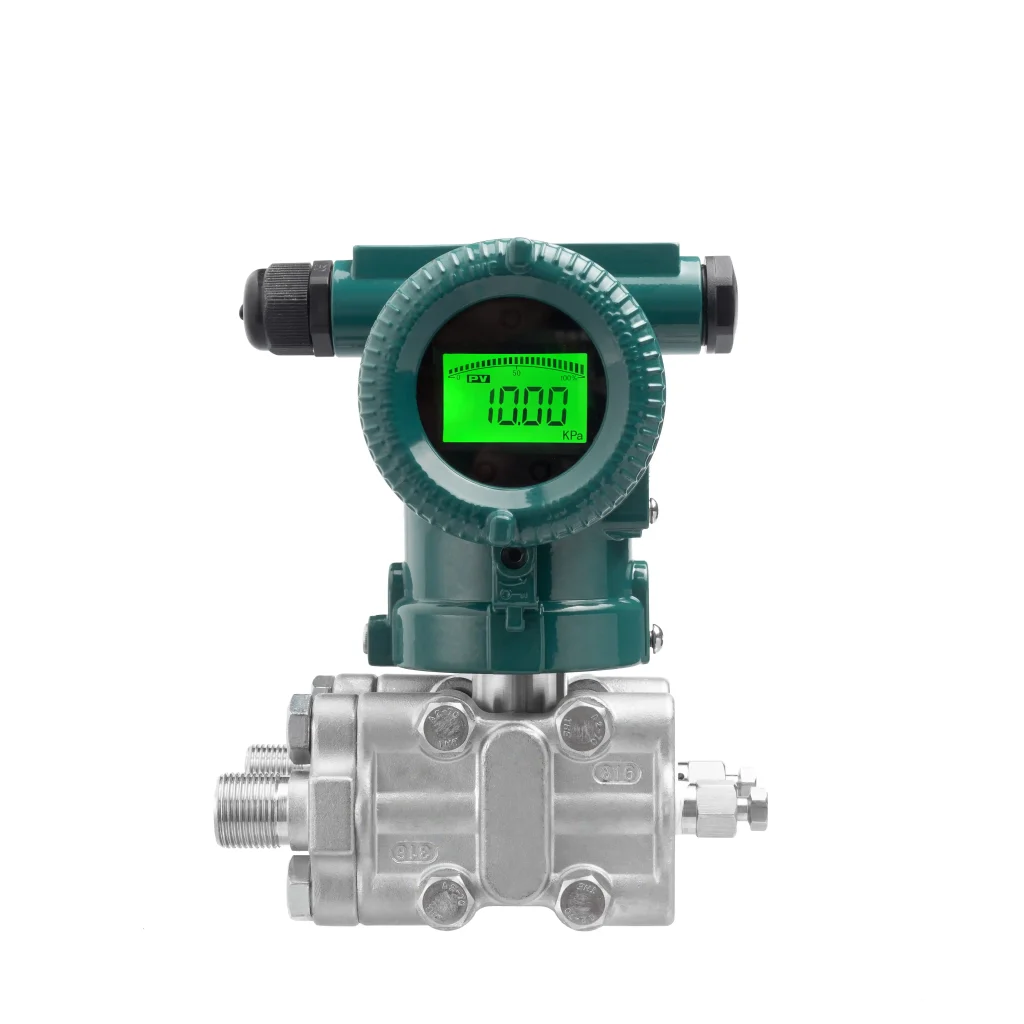
Monocrystalline silicon pressure sensors constitute pressure transducers that are based on monocrystalline silicon chips. The manufacturing process involves the use of MEMS technology, and the final product is fully welded sensor modules. The conversion of pressure variations into standardised electrical signals, such as 4-20mA HART, is achieved via the piezoresistive effect. These devices are utilised extensively in a variety of industrial sectors, including petrochemical, pharmaceutical, and aerospace.Their primary function is to measure parameters such as pressure, liquid level, and density in various substances, including liquids, gases, and vapours.
Sion-Inst provides single-crystal silicon pressure sensors with a range of accuracy levels, from 0.05% to—0.075%, thus ensuring the ability to meet a diverse array of user requirements.
Characteristics of Monocrystalline Silicon Pressure Sensors
1.High sensitivity and precision: The monocrystalline silicon pressure sensor core exhibits exceptional sensitivity and accuracy, enabling precise detection of minute pressure variations.
- Low hysteresis and temperature stability:Its performance remains stable with minimal temperature influence, maintaining high measurement accuracy across varying thermal conditions.
- Compact structure and small size:The monosilicon pressure sensor features a compact design and minimal footprint, facilitating integration into diverse equipment.
4.Suitable for mass production: Manufactured using integrated processes, the monosilicon pressure sensor is readily scalable for large-scale production, thereby reducing costs.
5.Corrosion and contamination resistance: Employing specialised materials and assembly techniques, the single-crystal silicon pressure sensor core resists erosion from corrosive media and contaminants.
6.Temperature compensation: The most temperature-sensitive components are strain gauges embedded within the silicon chip, typically encapsulated within oil-filled capsules sealed by isolation membranes.These strain gauges are engineered for heightened sensitivity to physical deformation induced by pressure.
Working Principle of Monocrystalline Silicon Pressure Sensors
Monocrystalline silicon pressure transmitters, serving as core instruments within industrial process control, operate through a principle that integrates semiconductor physics, microelectromechanical systems (MEMS) technology, and precision signal processing. Their core functionality lies in utilising the piezoresistive effect of monocrystalline silicon material to convert pressure signals into measurable electrical signals, achieving high-precision output through multi-stage compensation and amplification.
I.A Treatise on the Fundamental Physical Properties of Monocrystalline Silicon Materials
As a semiconductor material, monocrystalline silicon is characterised by unique crystalline structures and electrical characteristics.The arrangement of its atoms in a regular lattice structure gives rise to electron mobility of up to 1400 cm²/(V·s), which is significantly higher than that of metallic materials. This property enables monocrystalline silicon to undergo lattice deformation when subjected to external forces, thereby altering carrier mobility and consequently inducing changes in resistivity.The experimental data indicates that the piezoresistive coefficient (π) of monocrystalline silicon can reach 100 × 10⁻¹¹ Pa⁻¹, which exceeds that of metallic materials by over 100-fold. This provides the fundamental material basis for high-sensitivity pressure detection.
II.The Physical Mechanism of the Piezo-Resistive Effect
The piezo-resistive effect is the result of the development of internal strain (ε) in a single-crystal silicon diaphragm when pressure is applied, which in turn causes a significant change in its resistance value (R).Piezo-resistive theory posits that the relationship between the resistance change rate (ΔR/R) and strain is expressed as follows:
It can be demonstrated that RΔR is equivalent to π multiplied by σ, in which σ denotes stress and π is the piezoresistive coefficient. The piezoresistive effect in monocrystalline silicon exhibits anisotropy.It has been demonstrated that by exercising precise control over the crystal orientation (for example, the <100> orientation), a linear relationship can be established between resistance change and applied pressure.In conventional designs, a Wheatstone bridge configuration employs four piezoresistive elements diffused onto the surface of a monocrystalline silicon diaphragm in specific orientations to form a full-bridge circuit.Applying pressure to the system causes differential changes in the diagonal resistors, resulting in an output voltage (Vout) that is directly proportional to the applied pressure (P).
The relationship between the voltage and the pressure can be expressed as follows:
Vout = K⋅P
In this equation, K is the bridge sensitivity coefficient, which is determined by the initial resistance value and the piezoresistivity coefficient.
Practical Applications of Monocrystalline Silicon Pressure Sensors
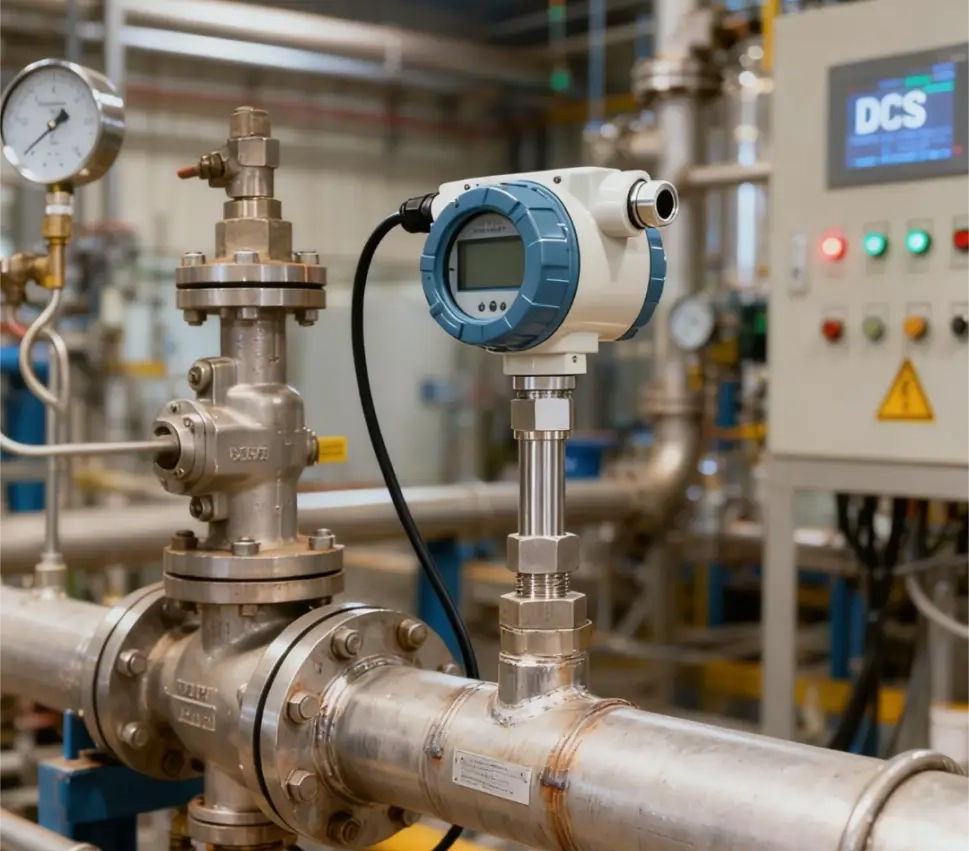
It’s used a lot in different industries, like petrochemicals, gas transmission, power monitoring and environmental surveillance.
1.Industrial Automation and Manufacturing, and Petrochemicals: Keeping an eye on pipeline pressure and tank levels in refineries and chemical plants to make sure production conditions are safe and prevent leaks.
Power and Energy: So, I’m working on pressure control in steam boilers and turbine systems at power stations at the moment. I’m also monitoring hydraulic systems in wind turbines and pressure detection in containment structures at nuclear facilities.
2.Systems for aerospace aircraft: Keeping an eye on things like barometric altimeters on the flight instrument panels, engine intake pressure, and hydraulic system pressure to make sure flights are safe.
Rocket launches: Keeping an eye on the pressure in the rocket propellant storage tanks to make sure they’re stable during fuelling and launch operations.
3.Marine Engineering and Subsea Equipment
Deep-sea exploration: Things like measuring environmental pressure for deep-sea submersibles and remotely operated vehicles (ROVs), mapping seabed topography and resource prospecting.Offshore wind power: Keeping an eye on how stable the platform is, analysing the pressure in the soil during subsea cable installation, and checking that breakwater designs are correct.
4.Vehicle testing for the automotive and transportation industries: We’re doing trials on how well the engine performs, keeping an eye on tyre pressure, and checking how effective the brake system is to make driving safer.
Rail Transport: We can help with pressure regulation for train air conditioning systems, testing how airtight the carriages are and making trains more comfortable for passengers.
5.Infrastructure Development, Water Resources and Hydropower: Keeping an eye on the water level, letting people know when the reservoir is about to release flood water, managing the pressure in the water supply and drainage networks, and stopping pipe bursts.
Meteorological Observations: Things like measuring surface atmospheric pressure, using weather balloons to collect data, and providing the basics for weather forecasting.Monocrystalline silicon pressure transmitters are high-precision pressure sensors made using monocrystalline silicon microfabrication technology. They use monocrystalline silicon chips to sense pressure, by seeing how much the chip changes shape when pressure is applied.
What are the respective differences between ceramic, capacitive, and monocrystalline silicon pressure sensors?
Monocrystalline Silicon Pressure Sensor: Monocrystalline silicon pressure sensors utilise the piezoresistive properties of monocrystalline silicon to measure pressure. Specifically, when subjected to pressure, the resistive characteristics of monocrystalline silicon undergo alteration. The occurrence of this change is detected by electronic circuitry and converted into a corresponding pressure value.The aforementioned sensors demonstrate exceptional accuracy, unparalleled stability, and superior temperature characteristics, rendering them well-suited for pressure monitoring in a range of challenging environmental conditions.
Capacitive Pressure Sensors: Capacitive pressure sensors are able to map pressure variations through changes in capacitance.These sensors have a special part called a variable capacitance sensing element. When pressure acts on the sensor, it causes a little change in the capacitance. This sensor type is characterised by its excellent linearity and stability, which renders it well-suited for differential pressure and gauge pressure measurement applications.
Strain-Gauge Pressure Sensors: The measurement of pressure is achieved by means of the change in electrical resistance of strain gauges.The application of pressure to the sensor results in the occurrence of minute deformations to the strain gauges.These deformations consequently lead to alterations in the resistance values of the gauges. The occurrence of this change is detected by electronic circuitry and converted into corresponding pressure readings. The sensors in question have been shown to exhibit good linearity and reliable stability, thus rendering them suitable for a wide range of industrial applications.
Ceramic Capacitive Pressure Sensors: These sensors are able to measure pressure by exploiting changes in the capacitance properties of ceramic materials.When pressure is applied to the ceramic diaphragm, it undergoes subtle morphological alterations, thereby causing variations in capacitance.Ceramic capacitive sensors have been shown to possess excellent corrosion resistance and stability, rendering them suitable for pressure measurement across a range of media.
Piezoresistive Pressure Sensor: Piezoresistive pressure sensors work by using the piezoresistive response of semiconductor materials to measure pressure. Put your finger on the sensor for a sec and you’ll see the colour change. That’s because the pressure changes the way the semiconductor material conducts electricity. This variation is picked up by the electronic circuits and converted into a pressure value.This sensor type is known for being highly sensitive and performing well at different temperatures, making it a great choice for all sorts of industrial measurement jobs.
Recommendations for Pressure Sensor Selection
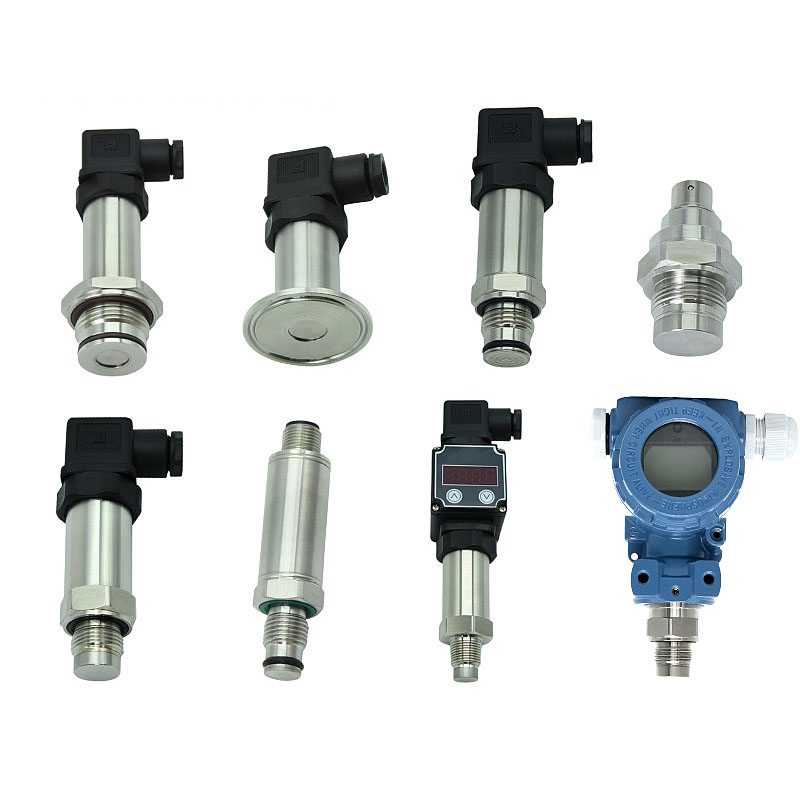
When selecting pressure sensors, several critical factors must be considered to ensure they meet the requirements of specific industrial applications.
1. Measurement Range and Accuracy Requirements
Ensure the sensor’s range covers the actual operating pressure with sufficient margin (typically 1.5 times the maximum working pressure). An insufficient range may cause sensor overload damage, while an excessively large range compromises measurement accuracy.
Accuracy is another critical metric, usually expressed as a percentage of full scale (FS).
Different industrial applications demand varying levels of precision:
General industrial control: ±1% FS or lower accuracy suffices
Process control: Typically requires ±0.5% FS
Precision measurement: May necessitate ±0.1% FS or higher
2.Media Compatibility
Compatibility between the pressure sensor and the measured medium is paramount, requiring consideration of:
Wetted Materials: Materials in contact with the medium must resist corrosion.Common options include stainless steel, Hastelloy, and titanium; specialised selections are needed for extreme media (e.g., strong acids, alkalis).
Sealing Methods: Different sealing materials (e.g., fluorocarbon rubber, PTFE) suit varying media and temperature conditions.
3.Environmental Conditions
Industrial environments are often complex and variable, necessitating consideration of the following environmental factors:
Temperature Range: This encompasses both ambient operating temperatures and medium temperatures. Exceeding the sensor’s rated temperature range may adversely affect performance and service life.
Humidity: High-humidity environments require sensors with a high ingress protection rating to prevent moisture ingress.
Vibration and Shock: Applications involving heavy machinery, vehicles, etc., necessitate models with robust vibration and shock resistance.Explosion-proof requirements: Hazardous areas such as petroleum and chemical processing zones necessitate products compliant with corresponding explosion-proof ratings.
4. Electrical Characteristics and Interfaces
Power supply requirements: Different sensors have varying power supply needs (e.g., 12VDC, 24VDC), which must be matched to the system.Output signal: Select analogue or digital output based on the control system, ensuring signal type compatibility with receiving equipment.Electrical connections: Consider factors including connector type, protection rating, and cable length.
FAQ
How can one determine whether a sensor possesses corrosion resistance?
You can tell how well a sensor can resist corrosion by looking at what it’s made of and its protection rating. Sensors made from materials like corrosion-resistant alloys and ceramics tend to be more resistant to corrosion because of their high protection rating. You can also check with the supplier or look at product test reports to see how stable the sensor is when it comes to corrosive media.
What effects does a humid environment have on pressure sensors?
Before you use it, make sure the sensor material is compatible with the corrosive media, so you don’t end up with any corrosion from the material not being right for each other. Also, do regular checks on how the sensor looks and how well it’s working.If you spot any corrosion or that it’s not working as well as it should, replace the sensor straight away. What’s more, you can minimise the direct contact between corrosive media and the sensor by using isolation measures, such as installing isolation diaphragms.
What precautions should be taken when using pressure sensors in corrosive media?
Prior to deployment, verify compatibility between sensor materials and the corrosive medium to prevent damage from material mismatch. Conduct regular inspections of both appearance and performance; replace immediately upon detecting corrosion or degraded functionality. Additionally, implement isolation measures such as installing diaphragm seals to minimise direct contact between corrosive substances and the sensor.
What effects does a high-temperature environment have on pressure sensors?
Things like thermal zero drift and thermal sensitivity drift in key sensor parameters can cause basic errors in output signals as temperatures change.When it gets really hot, things like metallic strain gauges, semiconductor piezoresistive bridges and elastomeric materials don’t work as well. This can lead to more nonlinear errors, more hysteresis and irreversible damage, like plastic deformation or changes to the silicon chip. If you’re dealing with high temperatures, you’ll need to either pick a model that can handle it or install cooling devices.
Sino-Inst is a specialist pressure sensor manufacturer, and their products are simply amazing! They are renowned for their precise measurement, stable operation, compact design, user-friendly functionality and straightforward maintenance.They’re at the heart of some of the world’s most important industries, from petroleum and chemical processing to natural gas. We are dedicated to delivering reliable products, simplified operation and superior service. We are constantly refining our products to make them better and better, and we are always looking at how we can meet the changing needs of our customers. We are committed to providing excellent technical support and solutions for all kinds of industries.