

What is the difference between T and K thermocouples?
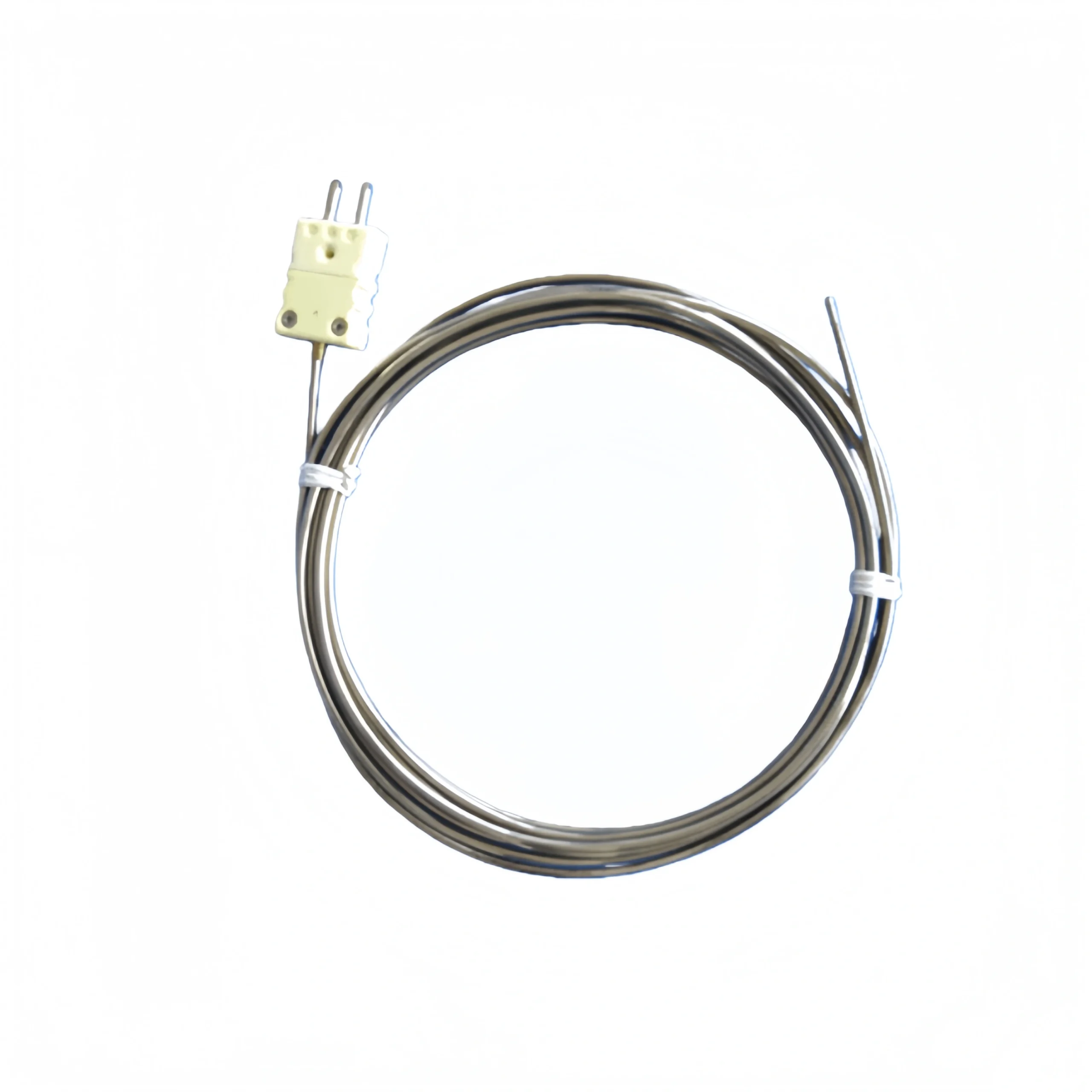
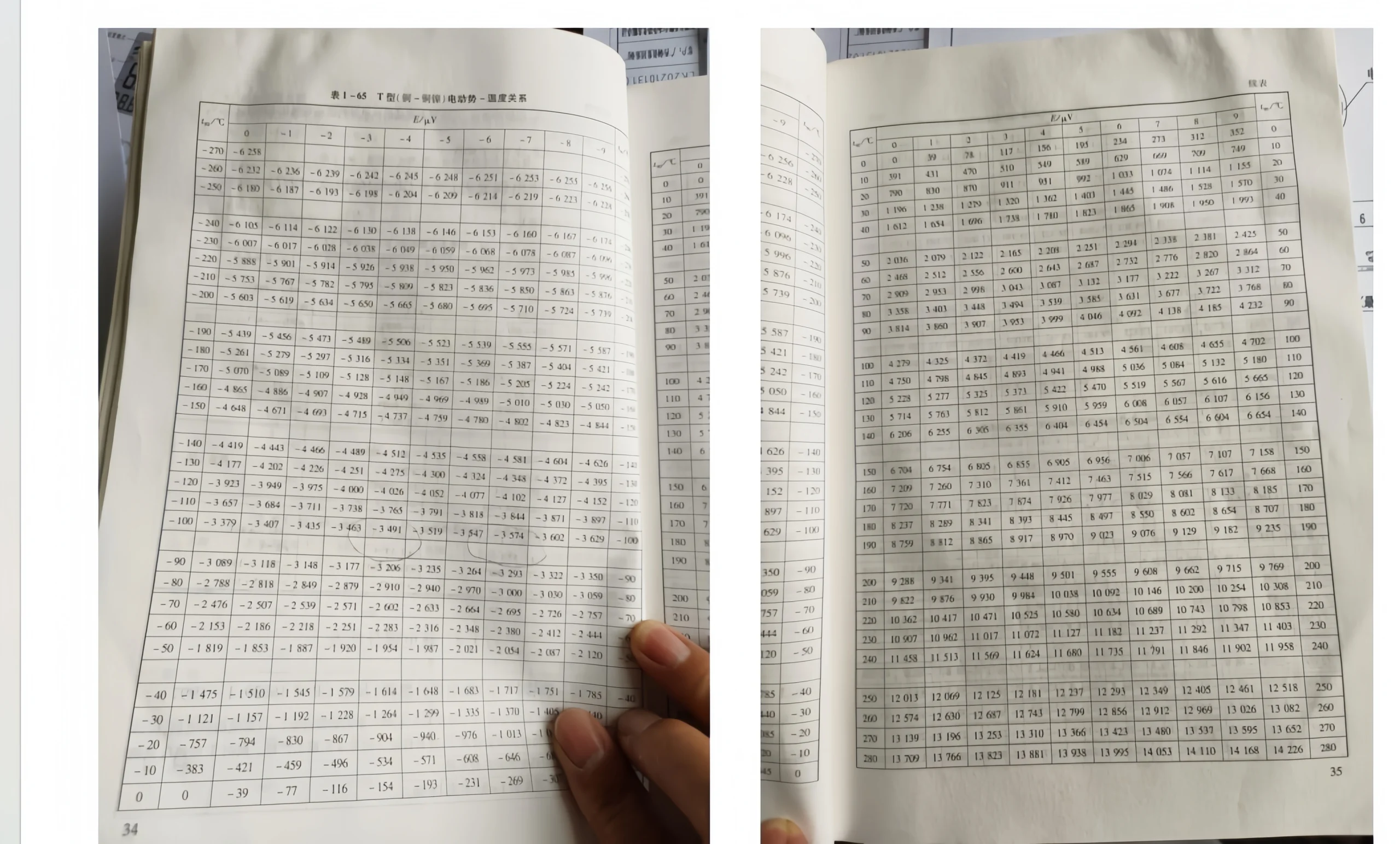
T-type thermocouples can be used in both high-temperature (up to 350°C) and low-temperature environments. They have excellent linear response. The materials used in T-type thermocouples make them suitable for measuring a wide range of substances. such as liquids, gases, and solids.
Compared to T-type thermocouples, K-type thermocouples can withstand higher temperatures (up to 1250°C). But their response is poorer at lower temperatures. K-type thermocouples are suitable for measuring high-temperature materials. such as ceramics, metals, and rocks.
Read More about: J-Type vs. K-Type Thermocouple: Which One Should I Buy?
What is the most commonly used thermocouple type?
K-type thermocouples are the most commonly used thermocouple type. First, they have the widest measurement range: -50°C to 1200°C. Second, their material cost is lower. Therefore, K-type thermocouples can replace most thermocouples.
What is the limit of Type T thermocouples?
- Due to the oxidation resistance of the positive electrode material, the maximum operating temperature of T-type thermocouples must not exceed 350°C.
- Exceeding 350°C for extended periods can cause fast oxidation of the copper electrode, shortening its lifespan.
- Sulfur-containing or reducing atmospheres (such as those found in petrochemical environments containing H₂S) can cause corrosion of the copper electrode.
- Copper is relatively soft and is not suitable for applications subject to high vibration and severe mechanical wear.