Solid bulk materials often exhibit uneven surfaces and significant dust generation. These harsh conditions cause traditional level measurement instruments to suffer from signal attenuation, echo distortion, data fluctuations and equipment wear, making precise monitoring difficult to achieve.
Radar level sensors, based on the principle of microwave ranging, utilise non-contact detection. Unaffected by material friction, dust obstruction or surface irregularities, they are ideally suited to the harsh operating conditions found in silos containing powders, granules and lumpy solids.
Radar Level Sensors
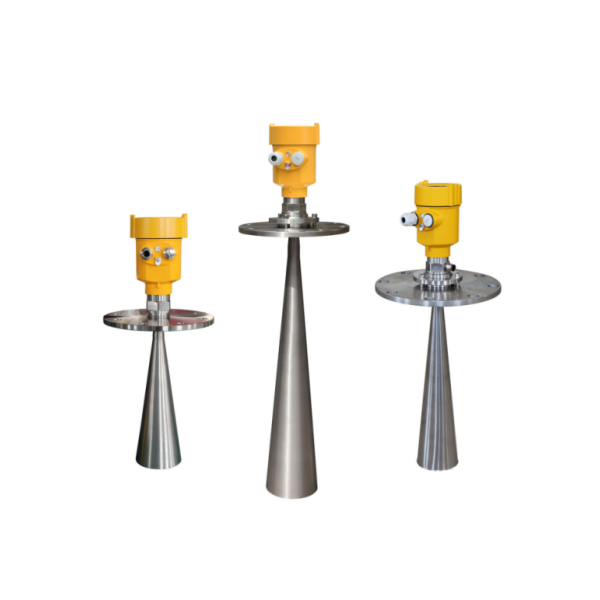
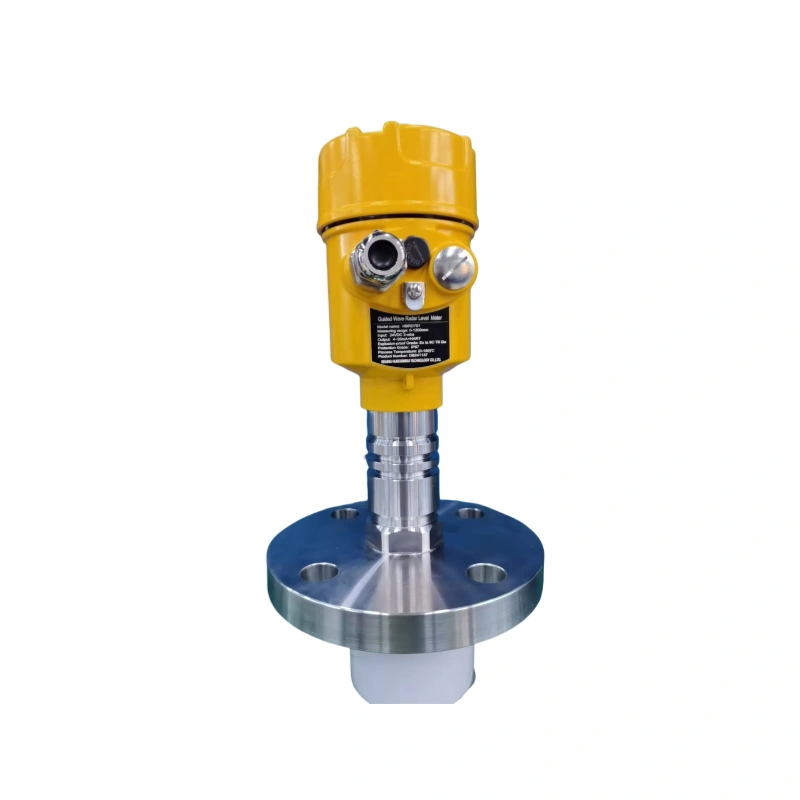
Radar level sensors are industrial instruments that utilise microwave ranging technology to measure material and liquid levels. Widely used in industries such as chemicals, petroleum, water treatment and grain storage, they can measure the liquid level height of various media, including liquids, slurries and solid powders, without being unduly affected by environmental factors such as medium temperature, pressure, steam or foam.
Working Principle of Radar Level Sensors
The antenna module of a radar level sensor emits high-frequency radar microwave pulse signals, which propagate downwards through the air at the speed of light.
When the microwaves encounter the surface of the material being measured, a portion of the electromagnetic waves is reflected by the liquid surface, forming an echo signal that travels back upwards and is received by the instrument’s antenna.
The instrument’s internal circuitry precisely records the round-trip time of the microwave signal from transmission to reception. Combining this with the speed of electromagnetic wave propagation, it calculates the actual distance between the instrument’s mounting surface and the liquid surface using a formula.
By incorporating the tank’s total height parameter preset in the device, it automatically computes the real-time liquid level value, which is ultimately converted into a standard electrical signal output.
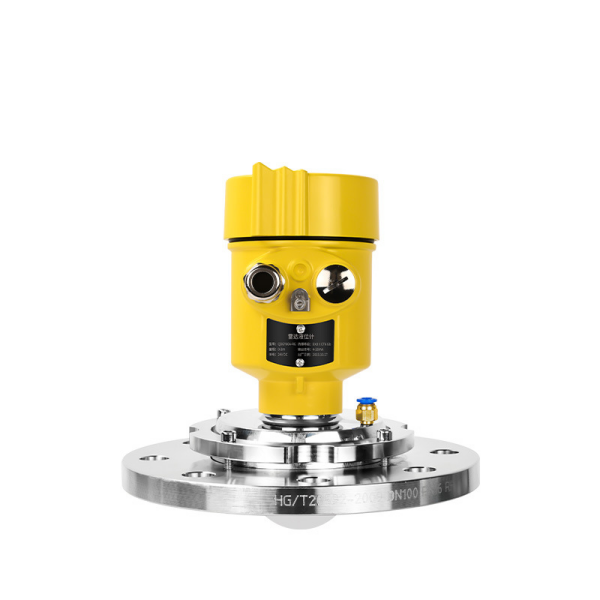
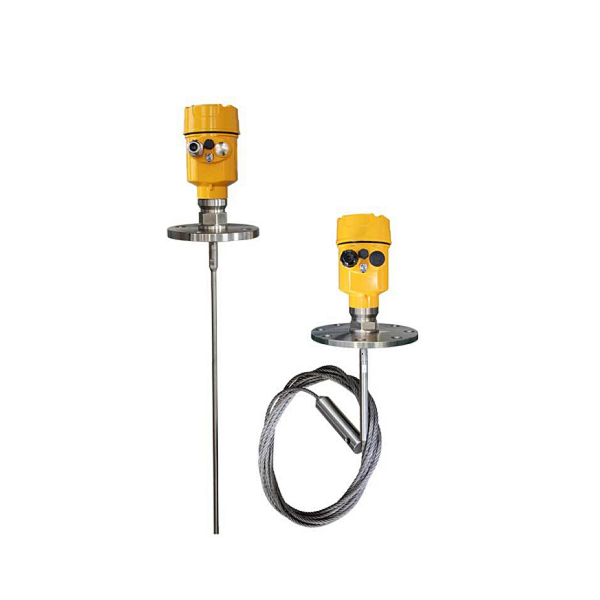
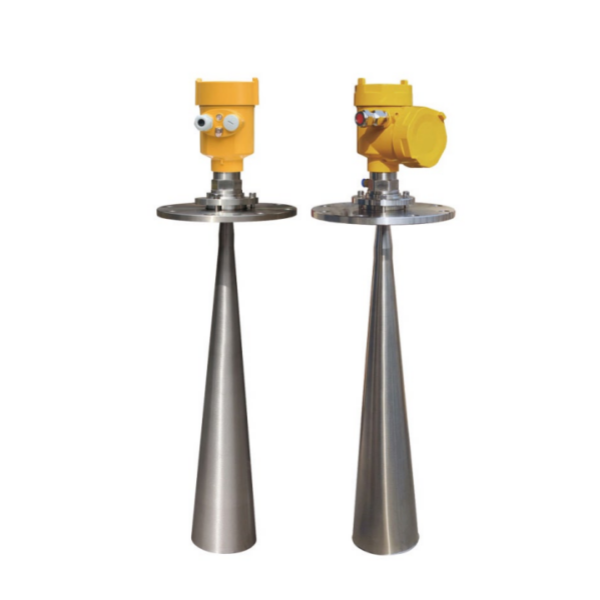
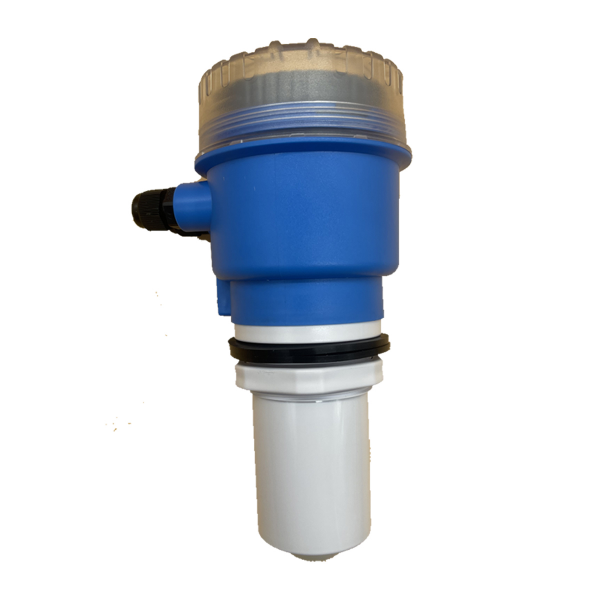
Common solid materials to be measured
1. Powdered materials
Cement raw materials, cement clinker, fly ash, pulverised coal, lime powder, talc powder, calcium carbonate powder, flour, starch, milk powder, carbon black, mineral powder.
2. Granular materials
Urea granules, plastic pellets, maize kernels, wheat, paddy rice, soya beans, quartz sand, resin pellets, compound fertiliser granules.
3. Lumpy and Blocky Materials
Limestone, iron ore, coal lumps, pebbles, coke, shale, gypsum blocks.
4. Other Solid Materials
Alumina, calcium carbide slag, salt granules, wood shavings, feed ingredients, ceramic greenware.
Solid materials present measurement challenges
Complex material properties
Solid bulk density, particle size and moisture content vary significantly; the properties of the same material may also change under different operating conditions, directly affecting measurement accuracy.
Irregular surface morphology
Materials typically pile up in a conical shape, with uneven and dynamically changing surfaces. Non-planar surfaces complicate the reflection path, easily causing false echoes or signal attenuation, leading to fluctuations in measurement values.
Dust and vapour interference
Loading and unloading kicks up a lot of dust, and that stuff soaks up and scatters electromagnetic and acoustic waves, which drags down signal strength. When dust builds up on the probe, it contaminates the surface and either weakens the signal or kills it entirely.
Material build-up and adhesion issues
Sticky materials clump up on silo walls and probes, changing the effective volume and constantly messing with the signals to give false high readings. Getting in there to clean is a real pain.
Impact and wear from incoming material
Falling solids hit the top-mounted sensors with a lot of force. Over time, heavy or sharp materials can chew up the antenna probe and cut the equipment’s service life short.
Dead Zones and Range Limitations
Technologies such as ultrasonic and radar have measurement dead zones and are unsuitable for precise measurement in small containers or at low material levels. Large storage silos require sufficient range and penetration capability.
Challenges of Dynamic Processes
Rapid changes in material level during feeding and discharge can cause phenomena such as vortices and collapses. This demands high sensor response speeds, which contact-based measurement methods struggle to track in real time.
Safety and Explosion-Proof Requirements
Flammable dusts (such as grain or pulverised coal) may explode at specific concentrations; equipment must therefore meet strict explosion-proof certification standards, adding complexity to selection and design.
Advantages of Radar Level Sensors for Solid Material Measurement
Non-contact measurement:
Radar level sensors work without touching the material directly. Because there’s no physical contact, you don’t get the usual problems—mechanical wear, stuff sticking to the sensor, blockages, or jamming. That makes them a solid choice for rough conditions like extreme heat, heavy dust, or corrosive settings.
They don’t take any hit from material impact, friction, or pile pressure, so you basically remove the risk of mechanical breakdown that comes with old-school contact instruments. They run reliably for longer, which means less downtime, fewer repairs, and lower costs across the board.
Strong Penetration Capability:
Radar microwave signals can reliably penetrate interfering media such as dust, steam and light mist. The large amounts of suspended dust generated during the loading, unloading and storage of solid materials can severely interfere with conventional equipment such as ultrasonic sensors.
However, radar electromagnetic waves are highly resistant to interference and can penetrate dust layers to reliably receive valid echoes. In dusty environments involving materials such as cement, ore and grain, measurement data remains continuous, accurate and stable.
Extensive Measurement Range:
Radar level sensors can handle distances stretching tens or even hundreds of metres. Sion-Inst’s radar level transmitters for solid materials reach up to 150 metres at maximum, which is more than enough for full-height level measurement across large hoppers and towering silos.
There’s no call for multi-point deployment or stitching several units together, so the measurement setup stays straightforward, equipment spending drops, and the overall project cost comes down—making these transmitters a solid fit for all sorts of large-scale industrial storage operations.
High Accuracy and Stability:
These units run on high-frequency microwave detection, working out distance from how long the electromagnetic wave takes to travel. Accuracy hits ±2 mm, signals hold steady, and repeatability is strong.
The readings don’t drift when material density shifts, moisture levels change, particle sizes vary, or when temperatures and pressures fluctuate on site. Even with materials that keep changing their properties, the level data stays consistent and reliable.
Flexible and Convenient Installation:
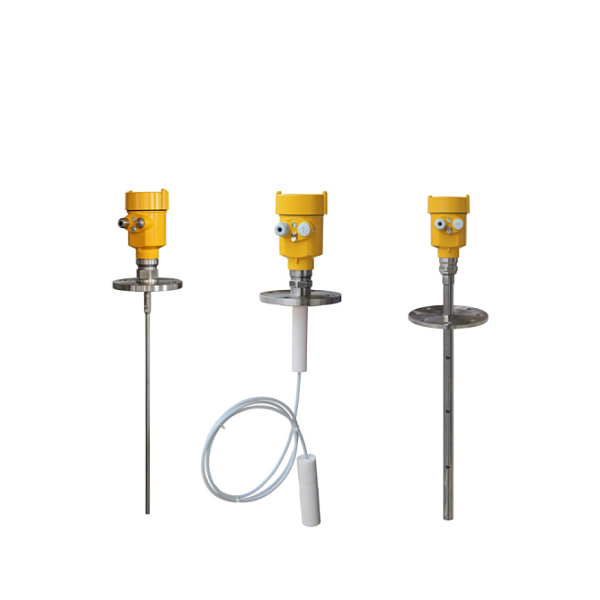
A choice of antenna designs—horn, rod, and parabolic—lets you pick what suits the silo layout and the material you’re handling. Mounting from the top gives full coverage across the entire surface.
Suitable for a Wide Range of Material Forms:
The product is broadly versatile and keeps performing reliably across powders, granules, and lump solids alike.
High-frequency radar adapts more widely, coping with low-dielectric materials and covering everything from everyday substances to trickier ones—cement, flour, ore, coke, plastic pellets—so the industrial applications stretch a long way.
Low Maintenance, High Stability:
With no moving mechanical parts and nothing that wears out quickly, you won’t be tied up with frequent repairs or recalibration. Day-to-day upkeep is mostly a quick wipe-down of the antenna, so operational workload stays light. Remote diagnostics and predictive maintenance are also supported, which cuts downtime from faults and helps keep equipment running and production flowing.
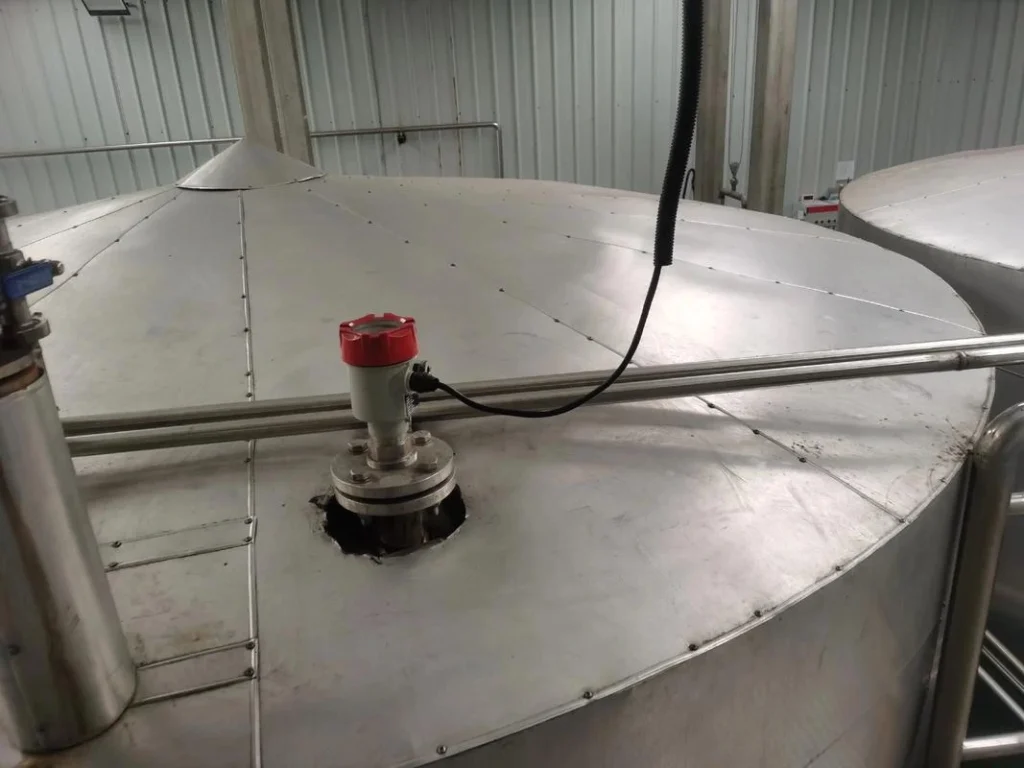
Application Scenarios
Bulk Material Silos in the Building Materials Industry: Raw cement silos, clinker silos, fly ash silos, limestone powder silos, gypsum silos and sand and gravel aggregate silos. These silos are characterised by high dust levels and fluctuating material surfaces, and high-frequency radar is commonly used to monitor internal stock levels.
Thermal Power and Coking Industries: Raw coal silos, pulverised coal silos, dry ash silos, coke silos and slag silos. These environments are characterised by high temperatures and high dust levels, requiring continuous monitoring of feed and discharge levels.
Grain and Oil Storage: Vertical silos for wheat, maize, rice and soya beans, as well as bulk feed silos. These contain clean powdered and granular materials, requiring automated level control in sealed storage facilities.
Chemical Raw Material Tanks: Granular fertiliser silos, soda ash powder silos, plastic pellet silos, resin powder silos and inorganic salt crystal silos. Some of these operate in corrosive and dusty conditions.
Mining and Metallurgy Sites: Iron ore silos, bauxite silos, sand and gravel stockpiles, alumina powder silos, and slag silos. These places tend to have a mix of lumpy and powdered materials, and the surfaces are usually anything but flat.
Light Industry and Food Processing: Starch silos, milk powder silos, granulated sugar silos, and wood flour silos. Hygiene standards run high here, so non-contact measurement is the go-to for keeping materials clean and uncontaminated.
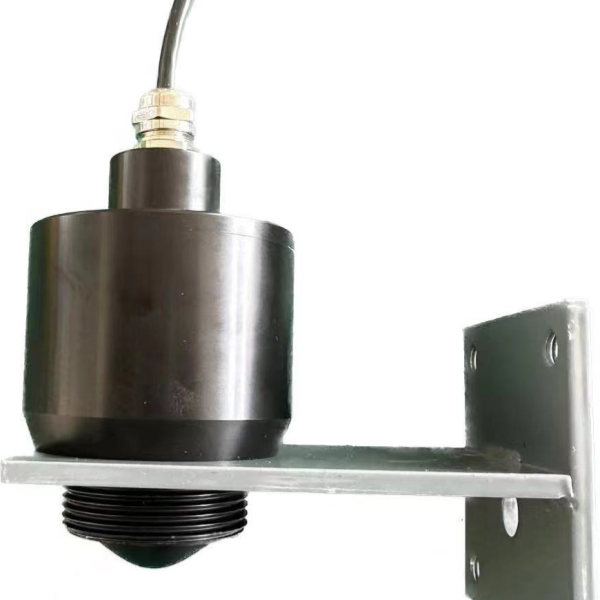
Ultrasonic Level Sensors for Solid Materials
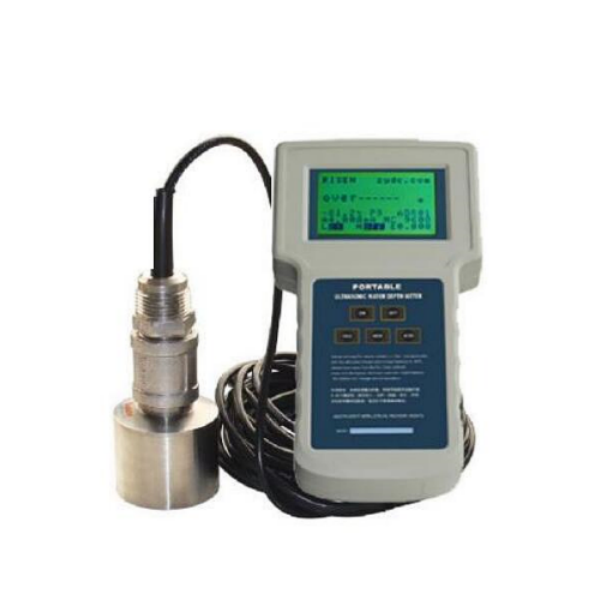
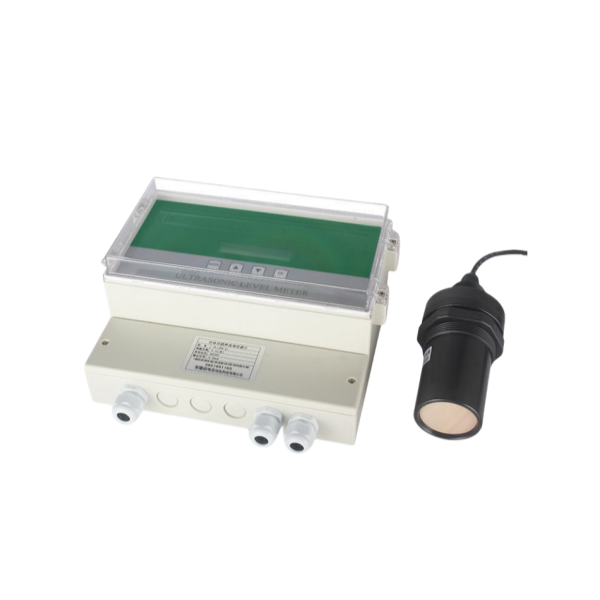
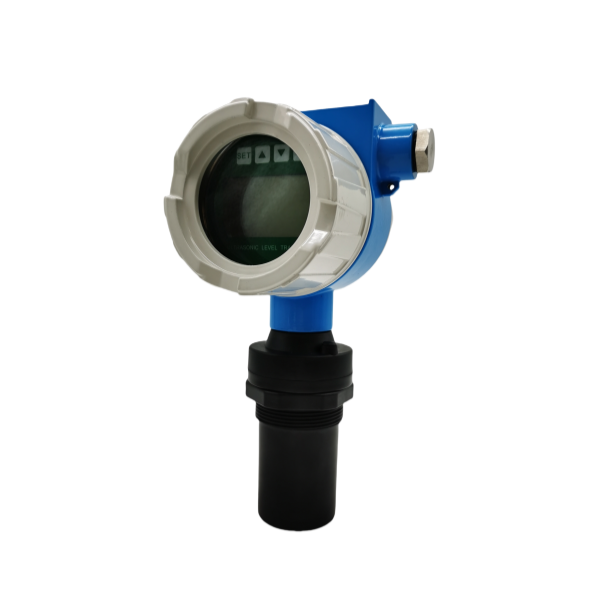
Ultrasonic level sensors can measure solid levels, but they come with some fairly serious limitations. They’re really only a good fit for certain solid storage setups where dust stays low and operating conditions don’t swing around too much.
During measurement, ultrasonic waves rely on air to transmit sound waves that bounce off the material surface; however, in the presence of the large amounts of suspended dust commonly found in bulk solid materials, the dust absorbs and scatters the sound waves, causing significant signal attenuation, resulting in weak echoes or even the inability to receive data.
Furthermore, as solid materials accumulate to form irregular slopes and uneven surfaces, the sound waves undergo diffuse reflection, which can easily generate false echoes, leading to data fluctuations and measurement inaccuracies.
Stable operation is generally difficult in high-dust silos containing materials such as cement, pulverised coal and ore. These sensors may only be used for short periods in silos containing grain or large-particle dry materials, where dust levels are low and the material surface is relatively uniform. Compared to radar and microwave instruments, there is a marked difference in overall suitability and measurement stability under solid material conditions.
How to select a level sensor for solids
Selection based on the on-site dust environment:
For powder silos with high dust levels and persistent dust accumulation, high-frequency radar sensors are the preferred choice, as microwaves can penetrate dust; for low-dust, dry, coarse-grained materials, ultrasonic sensors may be used; for damp, sticky materials or conditions prone to material build-up on the tank walls, avoid contact-type instruments such as rotary paddle or drop-weight sensors.
Selection based on material form and properties:
For powdered, fine-grained or easily caking materials, non-contact radar is the preferred choice; for materials with large voids, such as large chunks of ore or coke, parabolic antenna radar should be selected; for lightweight powders with extremely low dielectric constants, high-frequency radar should be used; and for viscous or adhesive materials, contact probe-type products should be used with caution.
Determine the measurement range based on silo height:
For large silos and deep hoppers tens of metres high, select long-range radar; for small silos under a few metres in height, ultrasonic or small rotary paddle switches may be used where operating conditions are favourable; for extremely tall silos, prioritise radar with large antennas to avoid measurement blind spots caused by insufficient range.
Select models based on temperature and pressure conditions:
For silos operating at high temperatures, in sealed pressurised environments, or with steam evaporation, select high-temperature and high-pressure resistant radar; for open silos at normal temperature and pressure, ultrasonic sensors may be selected as required; in environments with water vapour condensation, minimise the use of ultrasonic sensors to prevent fogging of the probe and loss of accuracy.
Selection based on installation and operational requirements:
For applications requiring rapid installation without shutdown and minimal subsequent maintenance, top-mounted radar is the preferred choice; where budgets are limited and only high/low level alarms are required, rotary paddle or level switches may be selected; where there are numerous obstacles such as brackets or pipes inside the silo, radar products equipped with intelligent echo processing algorithms should be chosen.
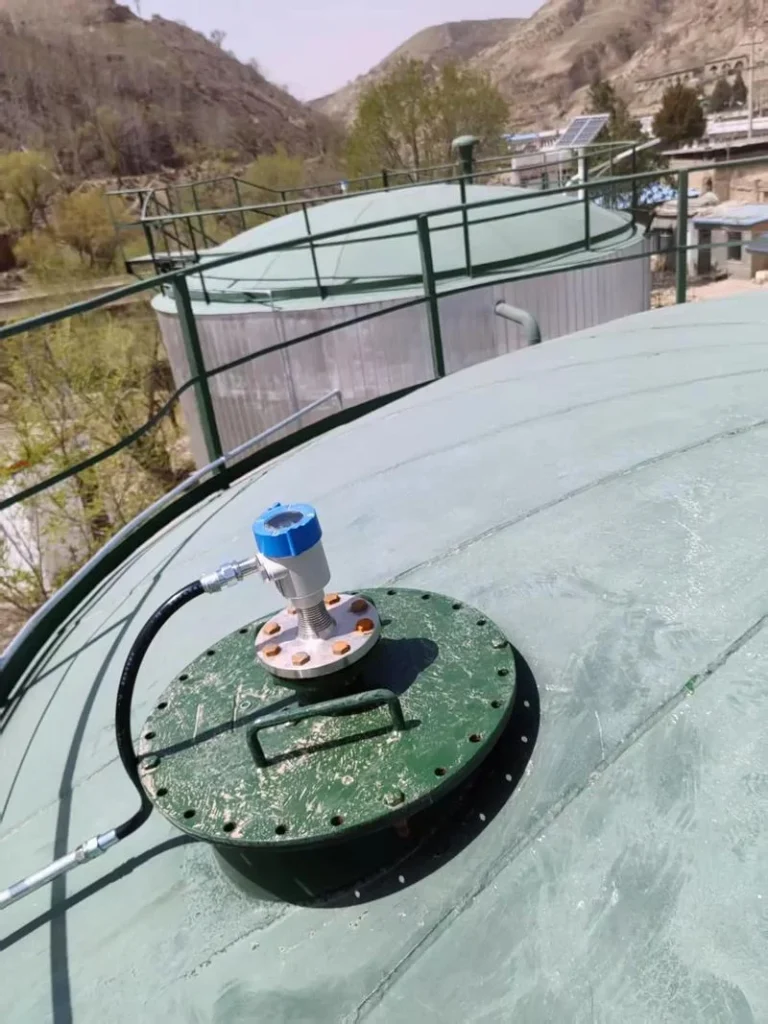
Sino-Inst offers professional advice on selecting radar and ultrasonic level transmitters tailored to solid storage applications, based on site conditions and measurement requirements.
These solutions are built to perform in tough conditions—heavy dust, extreme heat, high pressure—and work just as well in standard, stable environments. They tackle the usual headaches: inaccurate level readings, equipment wearing out too fast, and maintenance that’s a pain to keep up with.