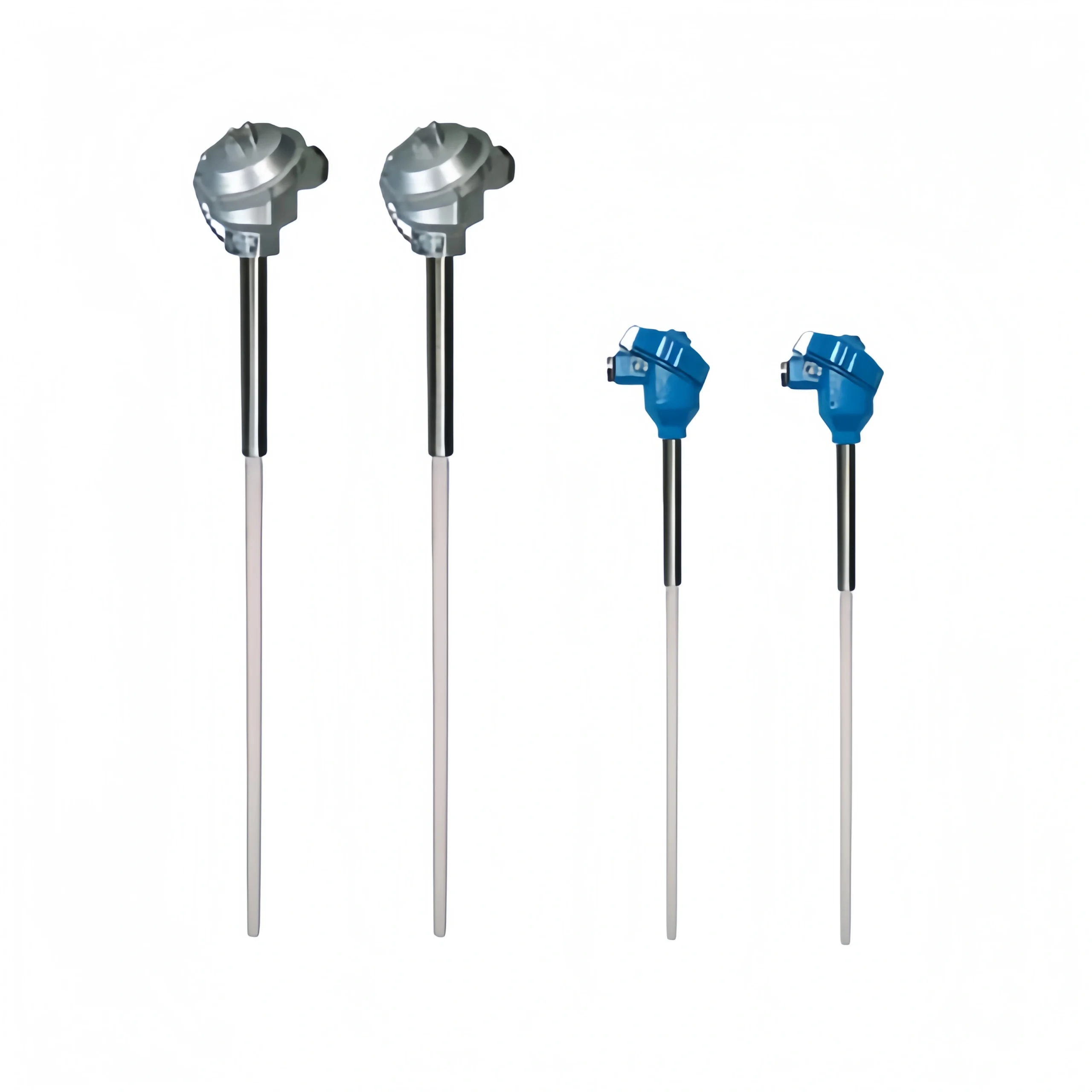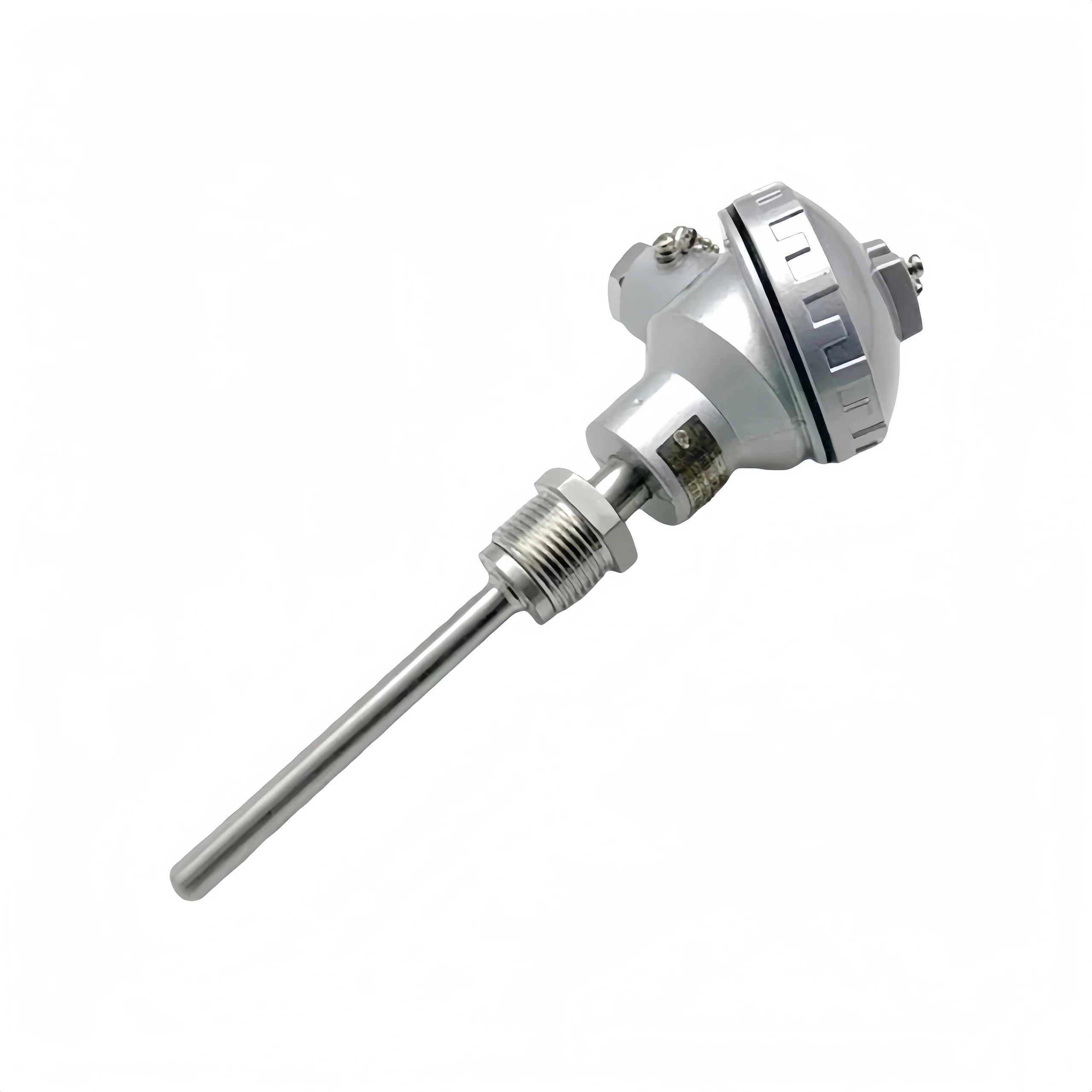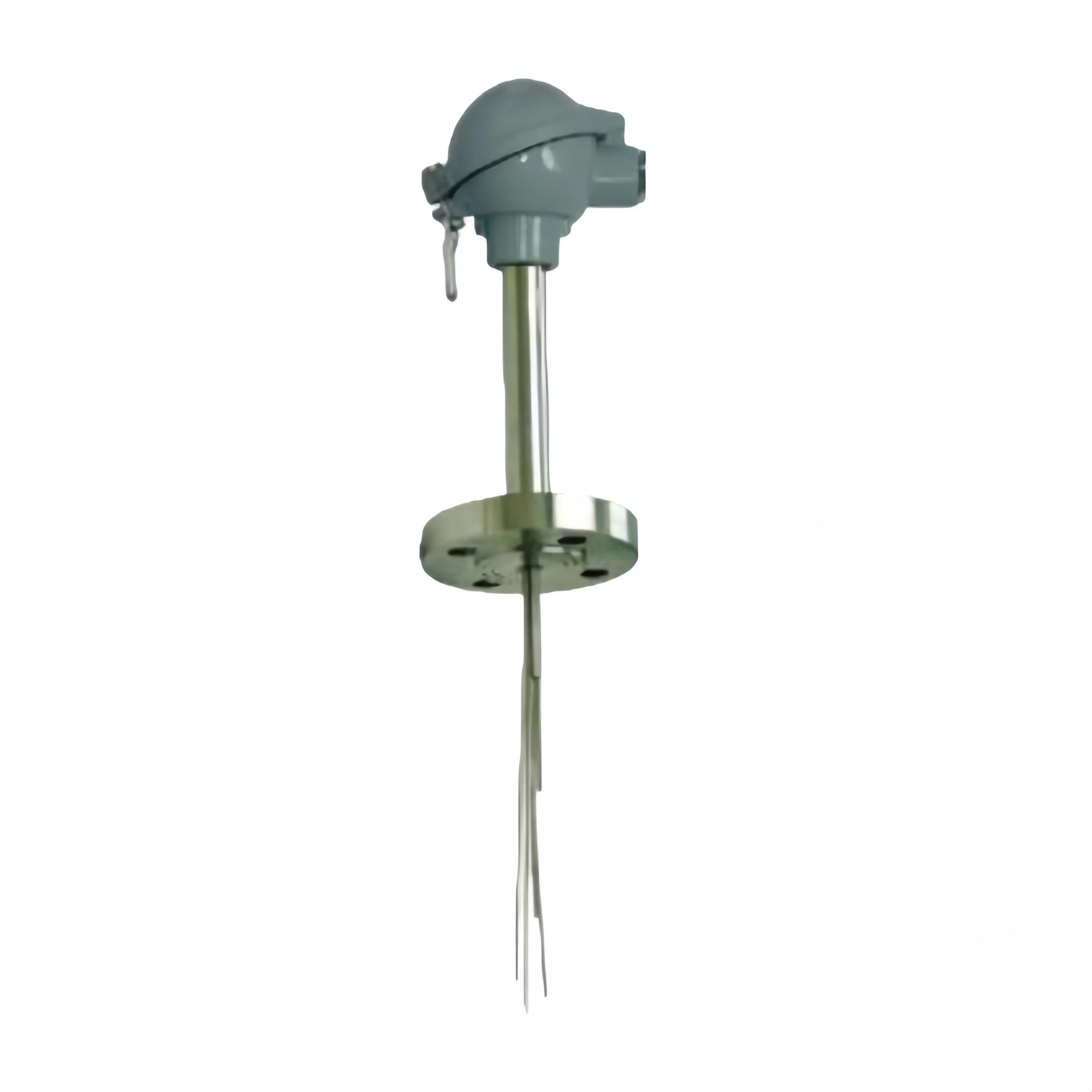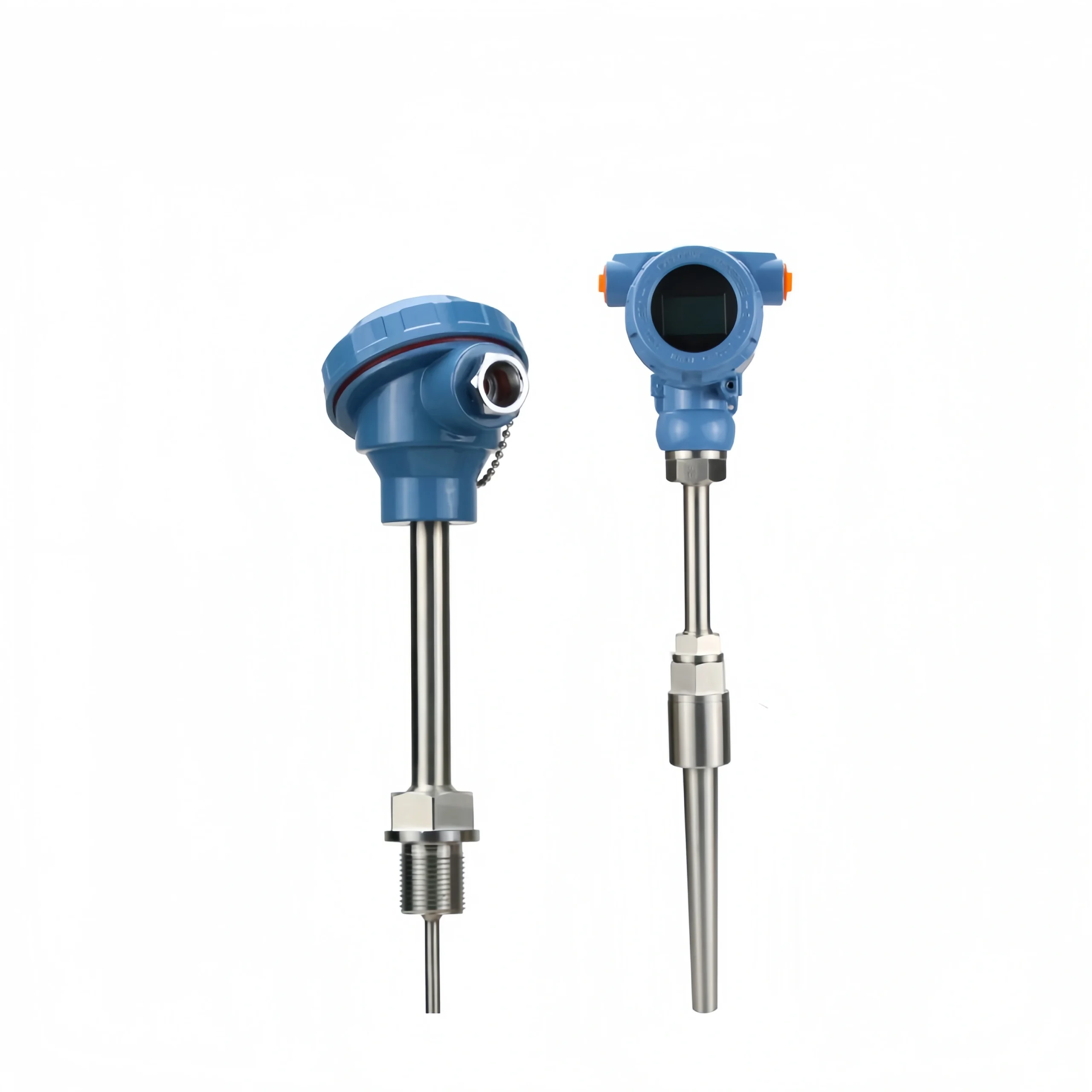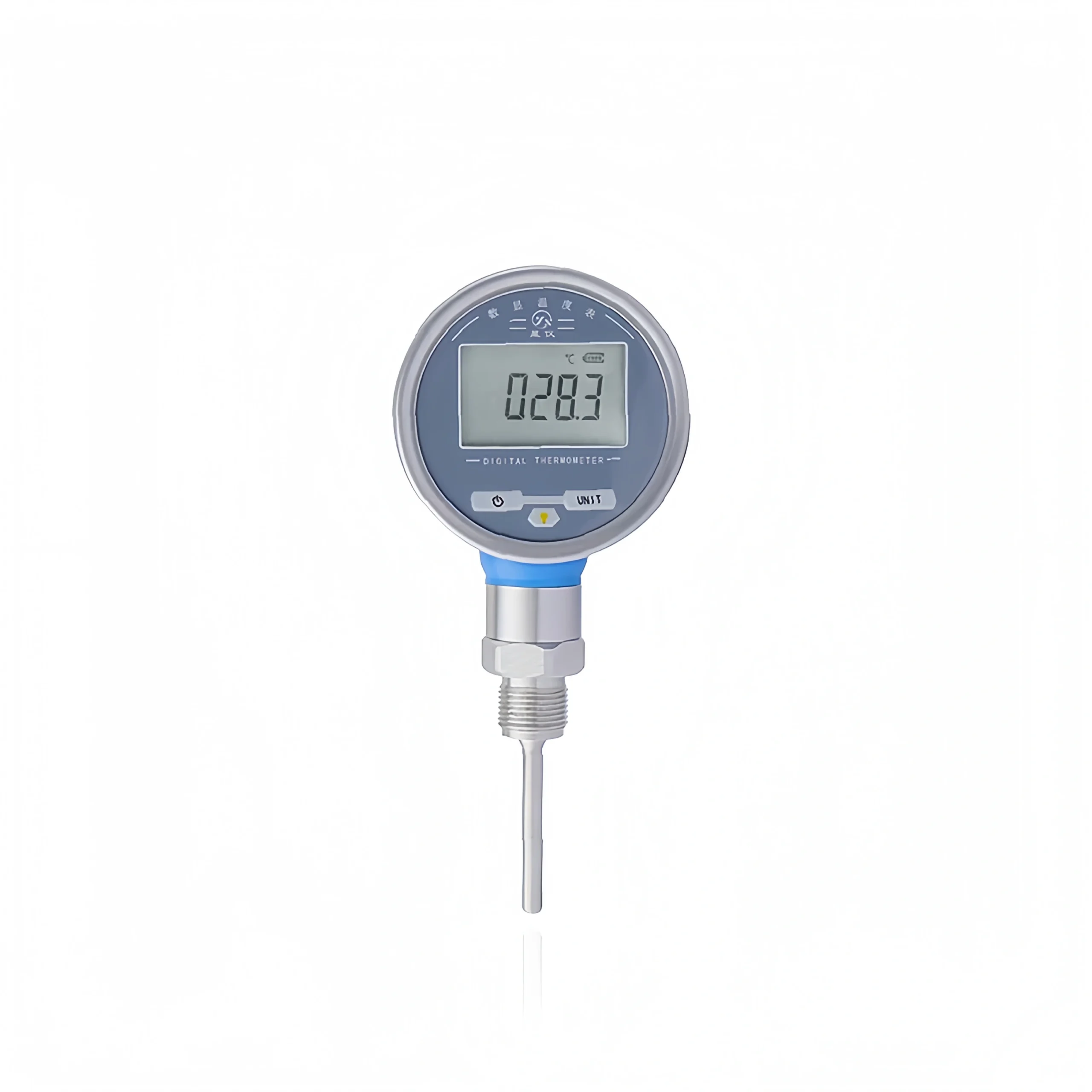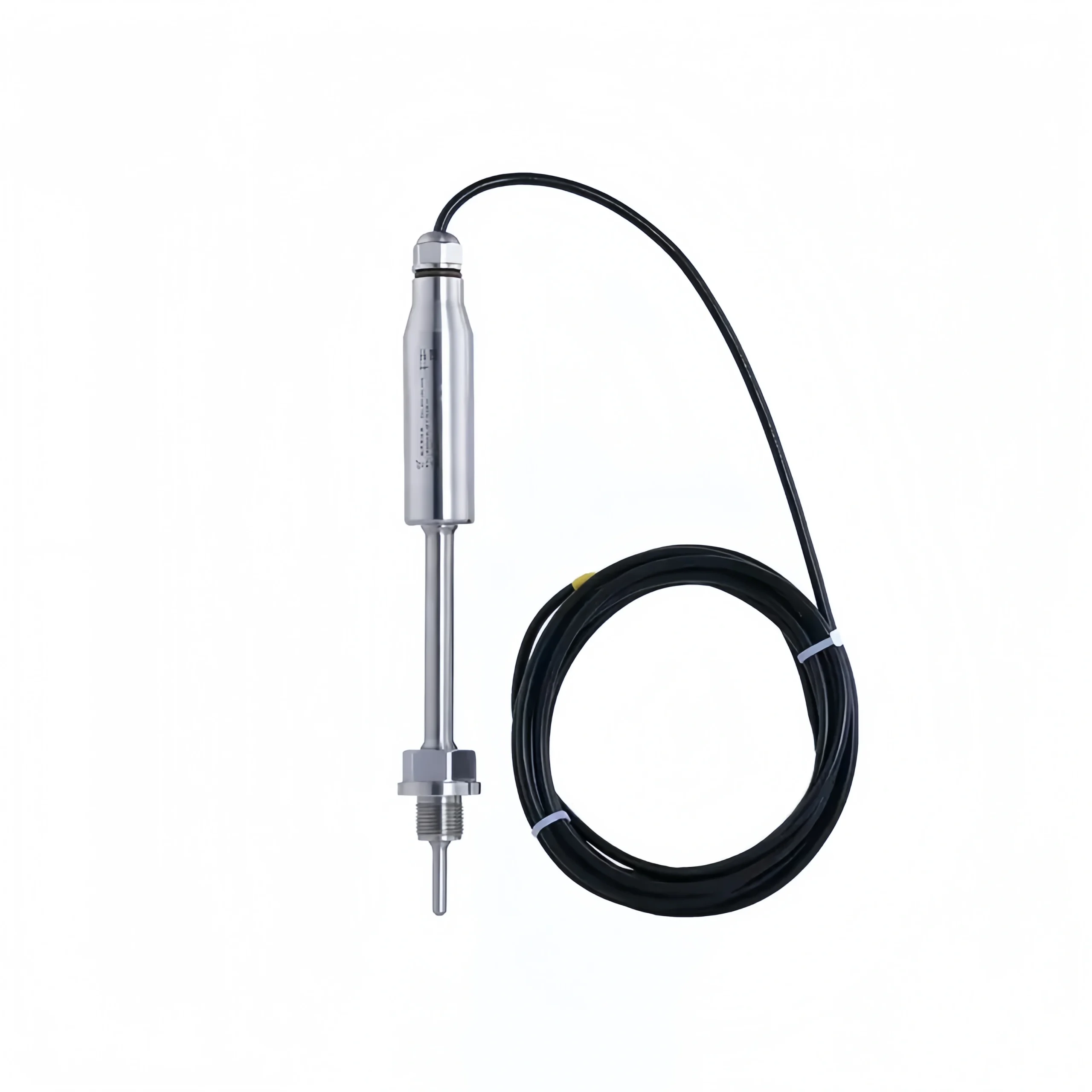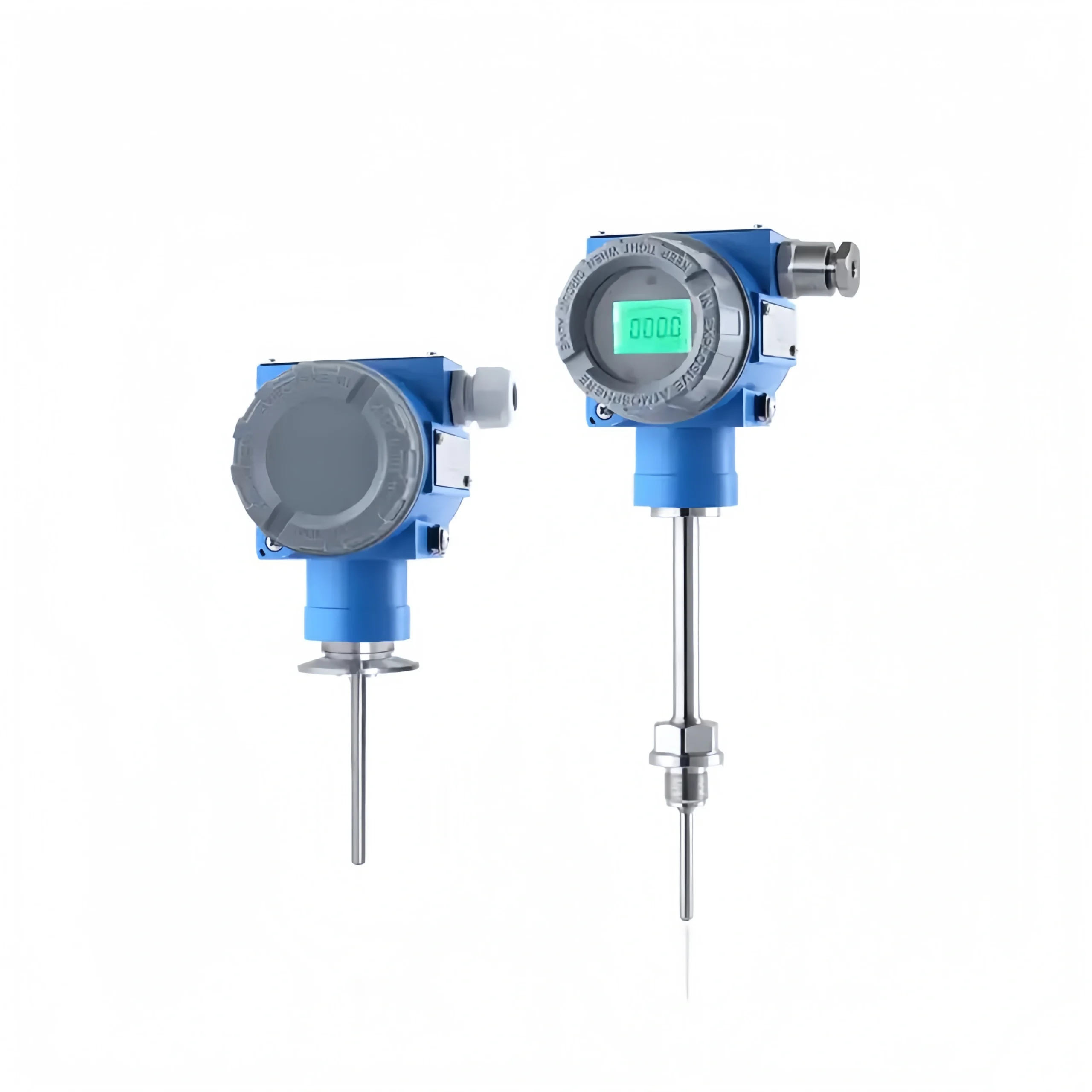
When it comes to measuring really high temperatures in industry, the Type B thermocouple is pretty much essential. It’s got a special mix of platinum and rhodium that makes it perfect for measuring core temperatures in critical processes like steel metallurgy, glass melting furnaces and ceramic sintering.
They’re really stable at high temperatures, super accurate and don’t oxidise, making them perfect for extreme industrial environments ranging from 1600°C to 1800°C. They provide reliable data support for process control and safe operation under high-temperature conditions.
What is a Type B thermocouple
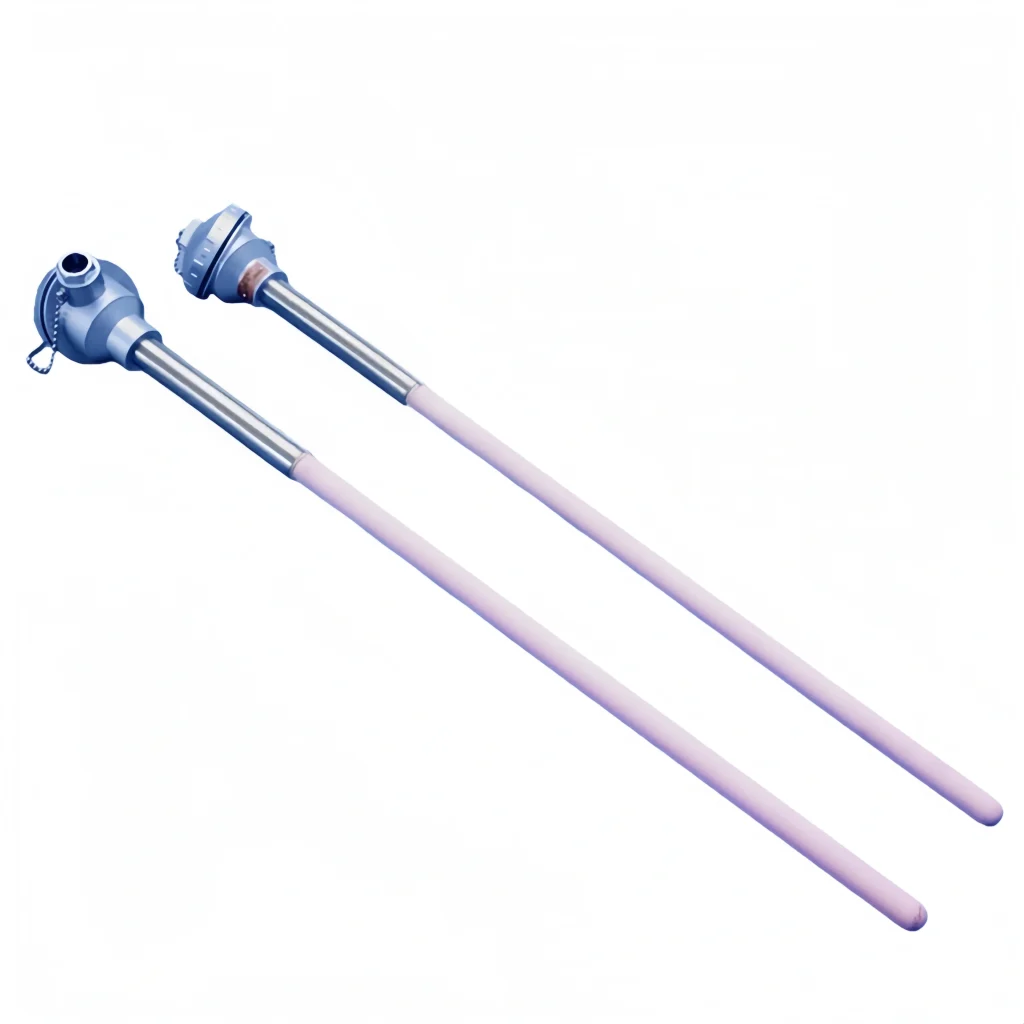
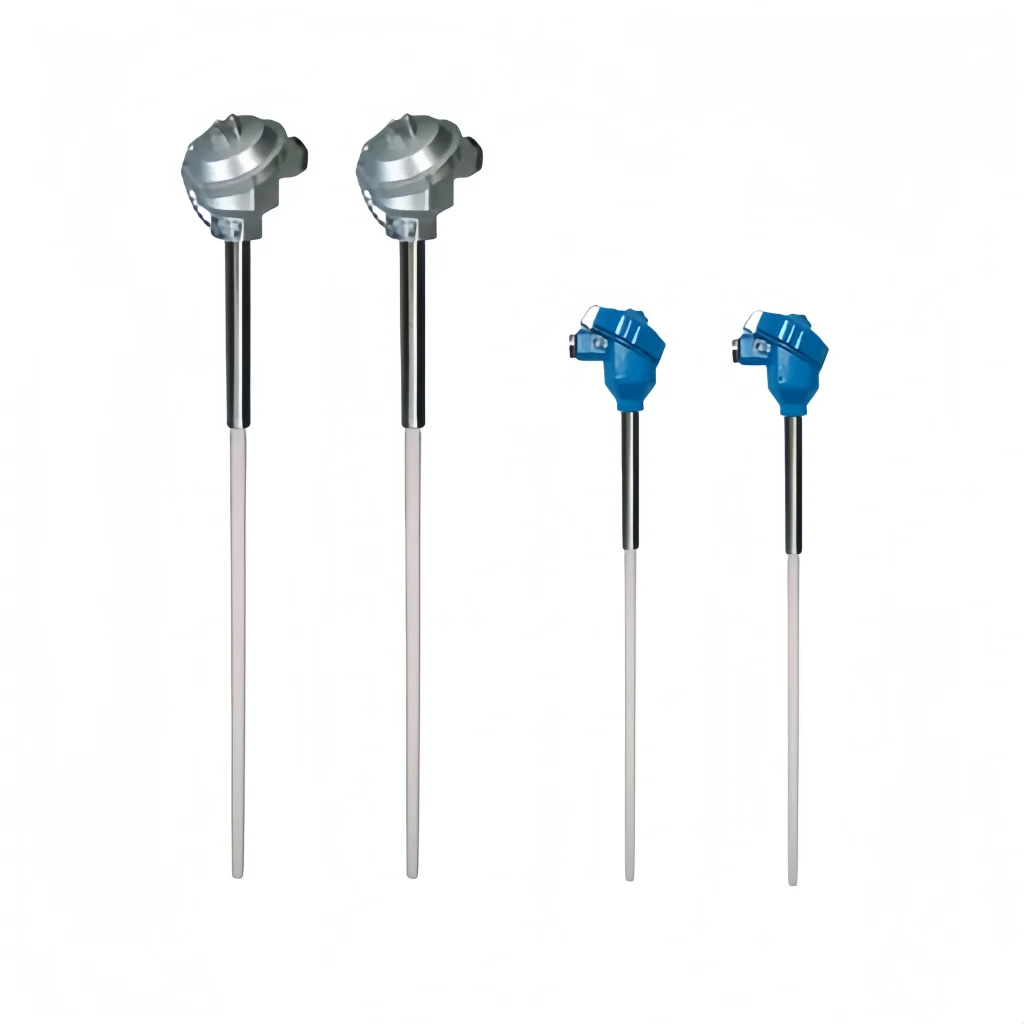
The Type B thermocouple, also known as the Pt-Rh 30–Pt-Rh 6 thermocouple, is a precious metal thermocouple featuring a Pt-Rh 30 alloy as the positive electrode and a Pt-Rh 6 alloy as the negative electrode. It is one of the thermocouple types defined by international standards. It’s perfect for industrial ultra-high-temperature measurement applications, with a typical temperature range of 600°C to 1700°C.
It’s really stable at high temperatures, doesn’t oxidise easily and is pretty accurate. It’s also pretty resistant to the atmosphere. You’ll find it in all sorts of industries, like steel metallurgy, glass melting furnaces, ceramic sintering and high-temperature furnaces. It’s a key part of making sure you can monitor temperatures accurately, keep processes stable and protect equipment when it’s really hot.
The Operating Principle of Type B Thermocouples
The operating principle of Type B thermocouples is based on the thermoelectric effect. At its core, it consists of a closed circuit formed by two precious metal conductors of different compositions: a platinum-rhodium 30 alloy and a platinum-rhodium 6 alloy.
When the two junctions of the thermocouple are exposed to different temperatures, the activity of the free electrons within the two conductors varies due to the temperature difference, thereby generating a thermoelectric potential in the circuit.
The greater the temperature difference, the greater the thermoelectric potential generated; moreover, there is a stable correlation between the thermoelectric potential and temperature. By measuring this thermoelectric potential with a dedicated instrument and converting it using the Type B thermocouple calibration table, the actual temperature at the measurement point can be accurately determined.
Since both junctions are made of a platinum-rhodium alloy, the thermoelectric potential is less affected by low-temperature conditions, making it particularly suitable for stable temperature measurement in ultra-high-temperature environments. Also, as we don’t need any extra leads for compensation, this makes sure that the temperature measurement is reliable in industrial settings.
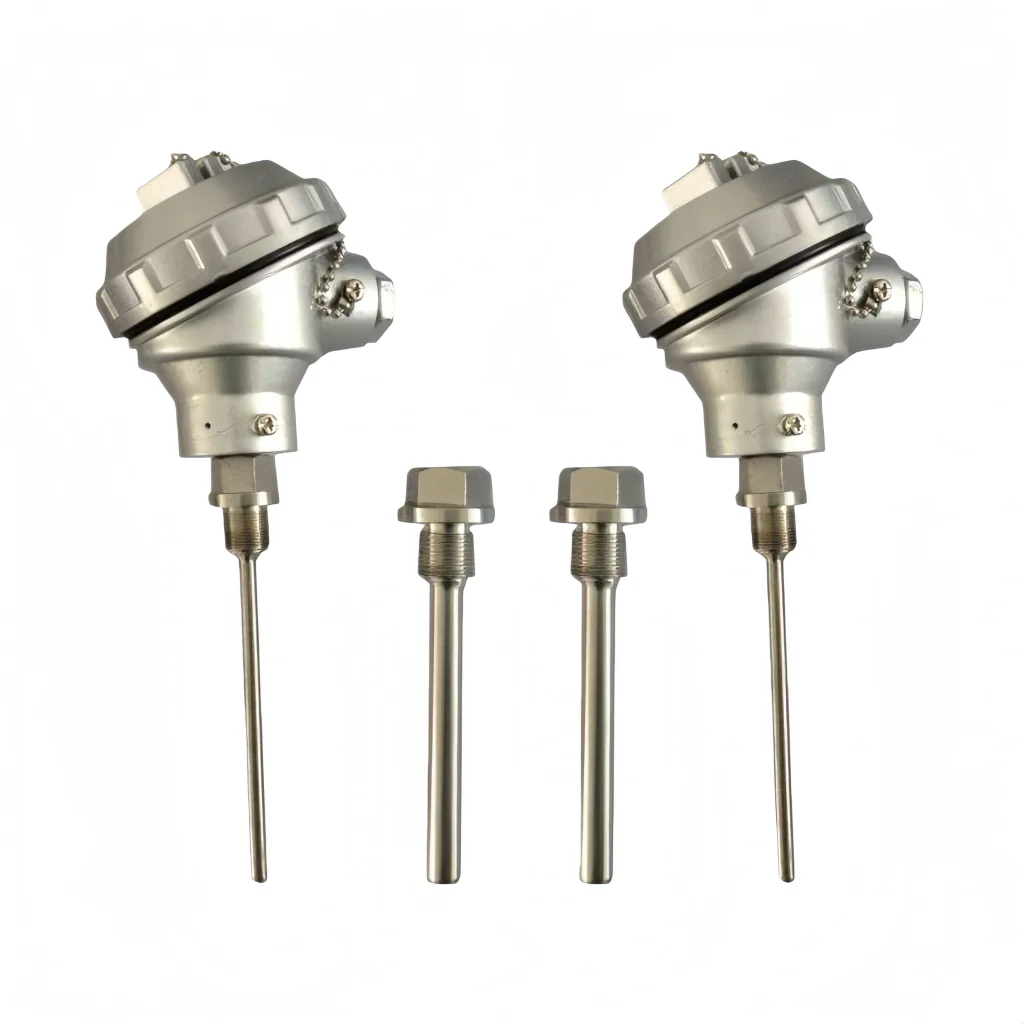
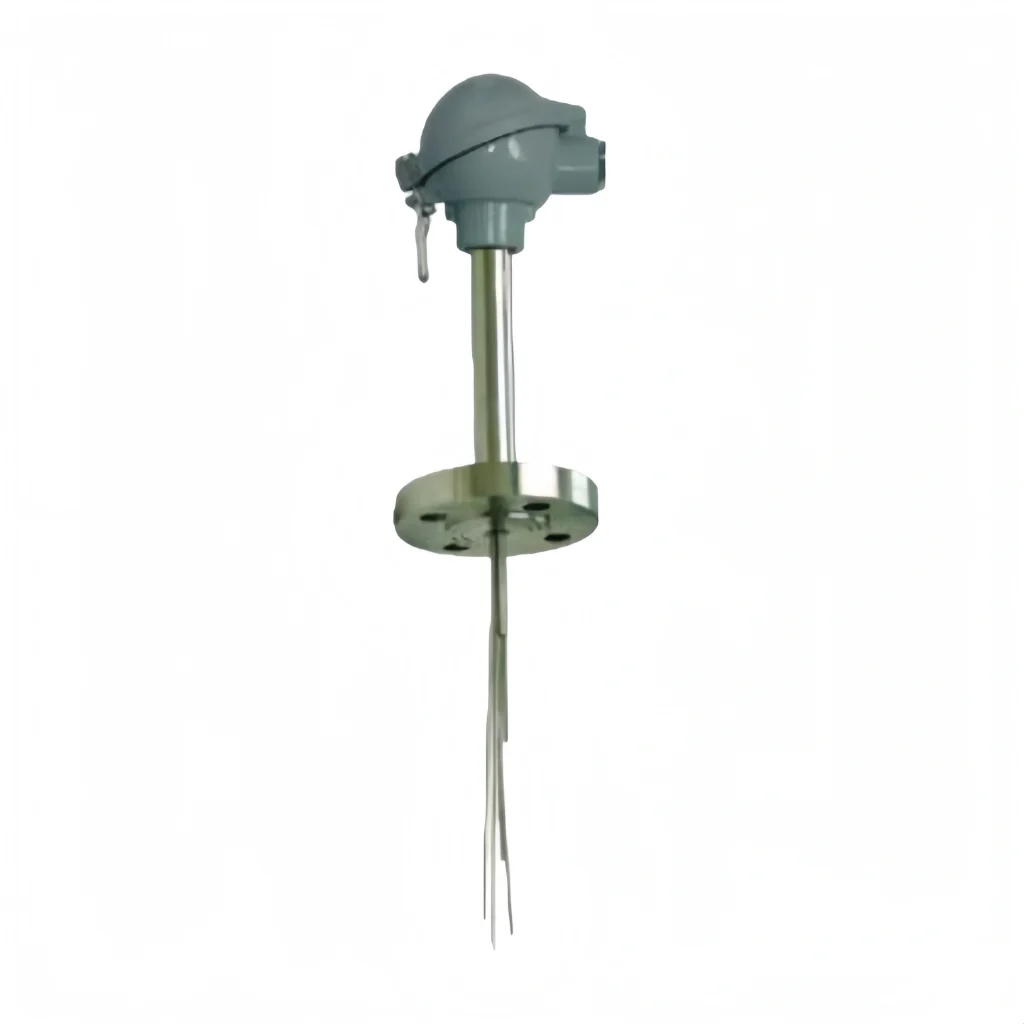
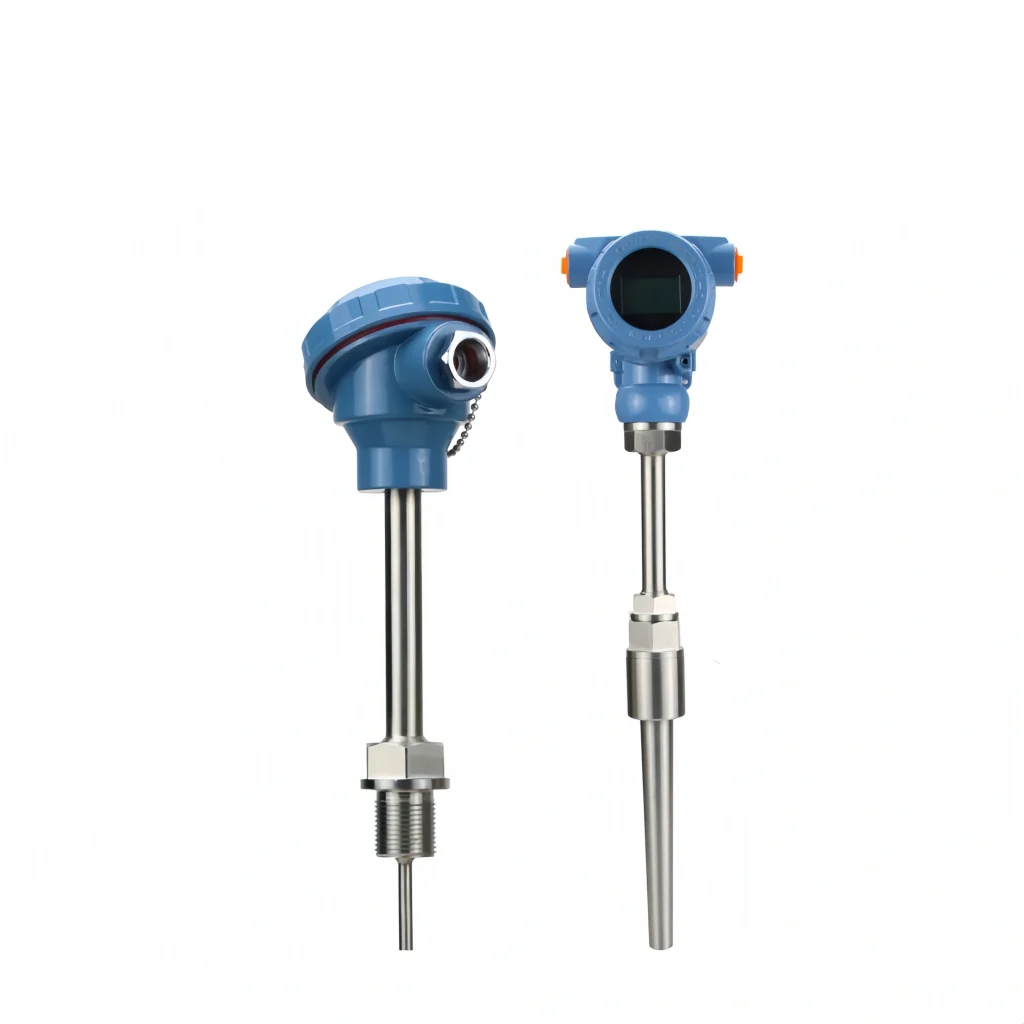
Advantages and Disadvantages of Type B Thermocouples
Advantages
High upper temperature limit: It’s the go-to choice for ultra-high-temperature measurement among standard thermocouples, able to handle continuous temperatures of up to 1600°C and short-term, transient temperatures of up to 1800°C. This makes it perfect for use in ultra-high-temperature environments like metallurgy, ceramics and high-temperature furnaces.
High accuracy and stability: They exhibit minimal thermoelectric potential drift in high-temperature environments and possess stable chemical properties. Standard measurement error is as low as ±0.5%, with special specifications capable of achieving ±0.25%. They offer outstanding measurement repeatability and reliability, and can also be used as temperature measurement standards.
High-temperature resistance and oxidation resistance: Both the positive and negative electrodes are made of platinum-rhodium alloy, with no pure platinum electrodes. They exhibit strong resistance to grain growth, creep and sintering at high temperatures. Compared to Type S and Type R single-platinum-rhodium thermocouples, their service life in high-temperature conditions can be extended by 2 to 3 times, whilst offering greater resistance to rhodium sublimation contamination.
No need for compensation leads: The thermoelectric potential is extremely low within the 0°C to 50°C range, meaning fluctuations in cold-junction temperature have virtually no effect on measurement results. There is no need for additional, expensive compensation leads, simplifying wiring and installation.
High adaptability to operating conditions: It can operate stably in oxidising and inert atmospheres, and can also be used for short periods under vacuum conditions. It demonstrates excellent adaptability to high-temperature and harsh operating conditions, with outstanding mechanical properties and structural strength at high temperatures.
Disadvantages
Poor low-temperature measurement performance: The thermoelectric potential is extremely low in the low-temperature range, resulting in low sensitivity. It is unsuitable for measurement in medium- and low-temperature conditions and is only applicable in high-temperature scenarios, with significant limitations on the applicable temperature range.
High cost: It utilises a dual platinum-rhodium precious metal composition, with expensive raw materials, resulting in overall procurement costs far higher than those of standard nickel-chromium, nickel-silicon, Type K, and Type N thermocouples.
Poor toughness and susceptibility to damage: The material is quite brittle and doesn’t do well against vibration and impact. It can easily get damaged in places where there’s a lot of vibration or a lot of mechanical disturbance.
Not suitable for use in reducing atmospheres: It is not resistant to reducing gases, metal vapours or sulphurous gases; it is susceptible to corrosion and contamination, which can accelerate electrode degradation, accuracy drift and even failure.
Low sensitivity: The thermoelectric potential change corresponding to temperature variations is small, resulting in a weak signal output; this places higher demands on the amplification and accuracy of downstream instrumentation.
Not suitable for long-term use in vacuum environments: If you keep it in a really hot, empty space for too long, the rhodium can turn into a different substance. This can mess up the electrodes and make them less accurate, and also make them wear out faster.
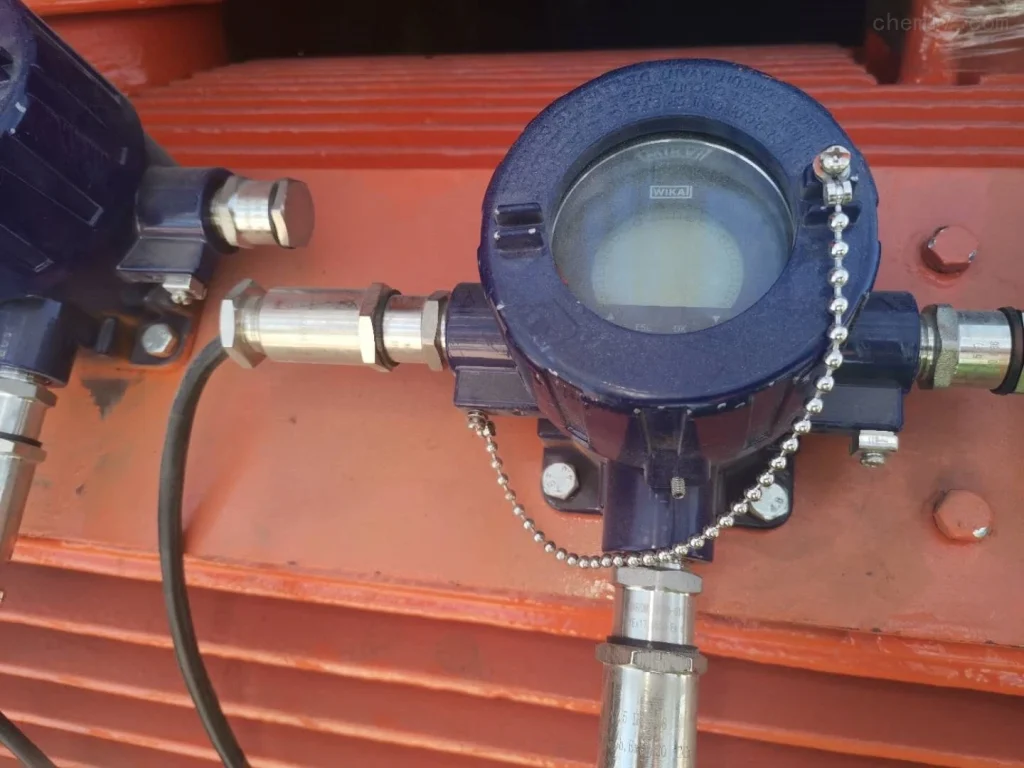
Differences between the three types of platinum-rhodium thermocouples
Platinum-rhodium thermocouples are primarily classified into three types: Type S, Type R and Type B. The key difference lies in the ratio of platinum to rhodium in the alloy used for the electrodes, which directly determines their temperature measurement range, sensitivity, stability and cost.
Type S (Platinum-Rhodium 10 – Platinum) has a positive electrode containing 10% rhodium and 90% platinum, whilst the negative electrode is pure platinum;
Type R (Platinum-Rhodium 13 – Platinum) has a positive electrode with a rhodium content increased to 13%, whilst the negative electrode is also pure platinum;
Type B (Platinum-Rhodium 30 – Platinum-Rhodium 6) features a dual platinum-rhodium structure, with the positive electrode containing 30% rhodium and the negative electrode containing 6% rhodium; there is no pure platinum electrode.
In terms of temperature measurement capability, both Type S and Type R have a long-term upper limit of 1400°C and can withstand short-term temperatures of up to 1600°C, making them suitable for conventional high-temperature applications below 1300°C;
Type B has a long-term upper limit of 1600°C and a short-term limit of 1800°C; it is the only model of the three suitable for long-term use in ultra-high-temperature environments, making it suitable for 1600°C-class applications such as glass melting and metallurgy.
In terms of sensitivity, the Type R is the highest, approximately 15% higher than the Type S;
the Type S is next, whilst the Type B is the lowest and has a very small thermoelectric potential between 0 and 50°C, allowing compensation leads to be omitted, though it requires a high-precision instrument.
In terms of stability and service life, the Type B offers significant advantages. Its dual platinum-rhodium alloy structure avoids the issues of recrystallisation and brittle fracture associated with pure platinum negative electrodes at high temperatures; its service life at 1600°C is 2–3 times that of the Type S and Type R.
Due to the characteristics of their pure platinum negative electrodes, the Type S and Type R are prone to ageing above 1400°C, with their service life decreasing rapidly as the temperature rises.
In terms of applications, Type S is widely used for routine high-temperature measurements in metallurgy, chemical engineering and scientific research, and is also frequently employed as a reference thermocouple; due to its high sensitivity,
Type R is primarily used in high-precision applications such as imported equipment and aerospace, and is less common in domestic applications;
Type B is specialised for ultra-high-temperature applications and is the preferred choice for kilns operating at temperatures above 1600°C in industries such as glass, steel and aerospace.
All three types are suitable for oxidising and inert atmospheres, but are not resistant to reducing atmospheres or metal vapours, and must be used in conjunction with high-temperature protective sheaths.
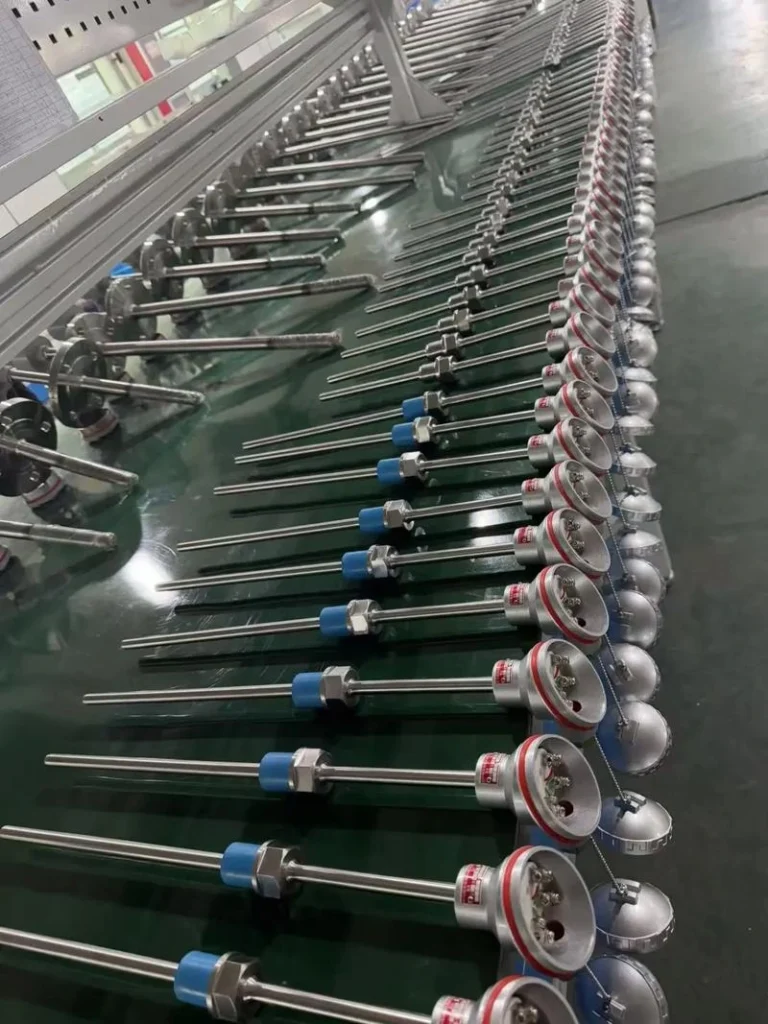
Applications of Type B Thermocouples
In the metallurgical industry, Type B thermocouples serve as the core temperature measurement tools for the smelting of steel and special metals. They are used for temperature monitoring in electric arc furnaces, converters, ladles and continuous casting moulds, and can operate stably over extended periods at temperatures ranging from 1600 to 1750°C, ensuring the composition of molten steel and the quality of the cast product. In specialised metallurgical processes such as the smelting of nickel-based alloys and rare metals, they are indispensable key measurement components.
The glass industry is a traditional and key application area for Type B thermocouples. They are primarily used for temperature monitoring in the melting and clarification sections of float glass and special glass furnaces, as well as in tin baths. They require long-term, stable measurement at high temperatures of 1500–1600°C to control the viscosity and uniformity of the molten glass, thereby preventing defects such as bubbles and streaks. As such, they serve as the core sensors for quality control in glass production.
In the ceramics and refractory materials industry, Type B thermocouples are used in high-temperature sintering kilns for high-performance structural and functional ceramics such as aluminium oxide and zirconia, as well as for temperature measurement and control in tunnel kilns and shuttle kilns for refractory materials. Covering a sintering range of 1400–1700°C, they ensure that the density, crystalline structure and refractoriness of the ceramics meet the required standards.
In the aerospace and scientific research sectors, Type B thermocouples are used for ground-based high-temperature testing of hot-end components such as aircraft engine combustion chambers, turbine blades and nozzles, as well as for the performance evaluation of high-temperature materials; in the field of metrological calibration, they serve as national standards for temperature traceability, used for precision calibration and standard thermocouple comparisons in the 1100–1500°C temperature range.
Furthermore, in high-temperature chemical processes, the electronics and semiconductor industries, and high-temperature heat treatment applications, Type B thermocouples are the preferred choice for temperature monitoring in critical processes due to their exceptional high-temperature stability and high accuracy. They are particularly suitable for clean, oxidising or inert atmospheres and must be used in conjunction with an alumina protective sheath.
How to Select the Right Thermocouple for Temperature Measurement
First, determine the temperature measurement range
Temperature is the primary factor in selection, as different thermocouples have specific temperature ranges for which they are suitable.
For low and medium-low temperatures, Type K and Type N are the best options; for medium and high temperatures, Type S and Type R are often used; and for ultra-high temperatures above 1400°C, you should use Type B platinum-rhodium thermocouples.
Operating outside the specified temperature range will accelerate ageing, cause drift, or even result in direct burnout. Therefore, a safety margin must be built into the selection, and the thermocouple should not be operated at full scale for extended periods.
Select Based on the On-Site Atmosphere and Operating Conditions
Thermocouples made from different materials exhibit significant variations in their resistance to different atmospheres.
In oxidising air environments, Type K, Type S, Type R and Type B thermocouples can all be used normally; in reducing, sulphur-containing or carbon-containing atmospheres, standard nickel-chromium thermocouples are prone to corrosion; specialised corrosion-resistant sheaths must be used, or the platinum-rhodium series should be adopted; in vacuum or inert gas environments, platinum-rhodium thermocouples offer the best stability; in humid or acidic/alkaline corrosive conditions, the choice cannot be based solely on the thermocouple wire; the material of the protective sheath must be appropriately matched.
Consider Measurement Accuracy and Sensitivity Requirements
For general industrial temperature measurement and routine furnace temperature monitoring, Type K is sufficient to meet accuracy requirements and offers the best value for money; In laboratories, precision kilns and metrological calibration scenarios, where high stability and repeatability of thermoelectric potential are required, prioritise Type S or Type R; For ultra-high-temperature applications where a slightly higher error margin is acceptable in the low-temperature range, select Type B; additionally, Type B requires no compensation leads near room temperature, simplifying wiring.
Consider Service Life and Vibration Resistance
In places where there’s a lot of vibration or a lot of equipment being switched on and off, armoured thermocouples are a good idea, as they’re strong and less likely to break.
Platinum-rhodium thermocouples can handle high temperatures, but they’re a bit brittle, so they’re not great for places with a lot of vibration.
When it comes to high-temperature kilns that are used all the time, the Type B double-platinum-rhodium structure is the one to go for. It can handle high temperatures better than other types and doesn’t break down as easily, meaning it’ll last longer than the Type S and Type R thermocouples.
Matching Installation Methods and Structural Forms
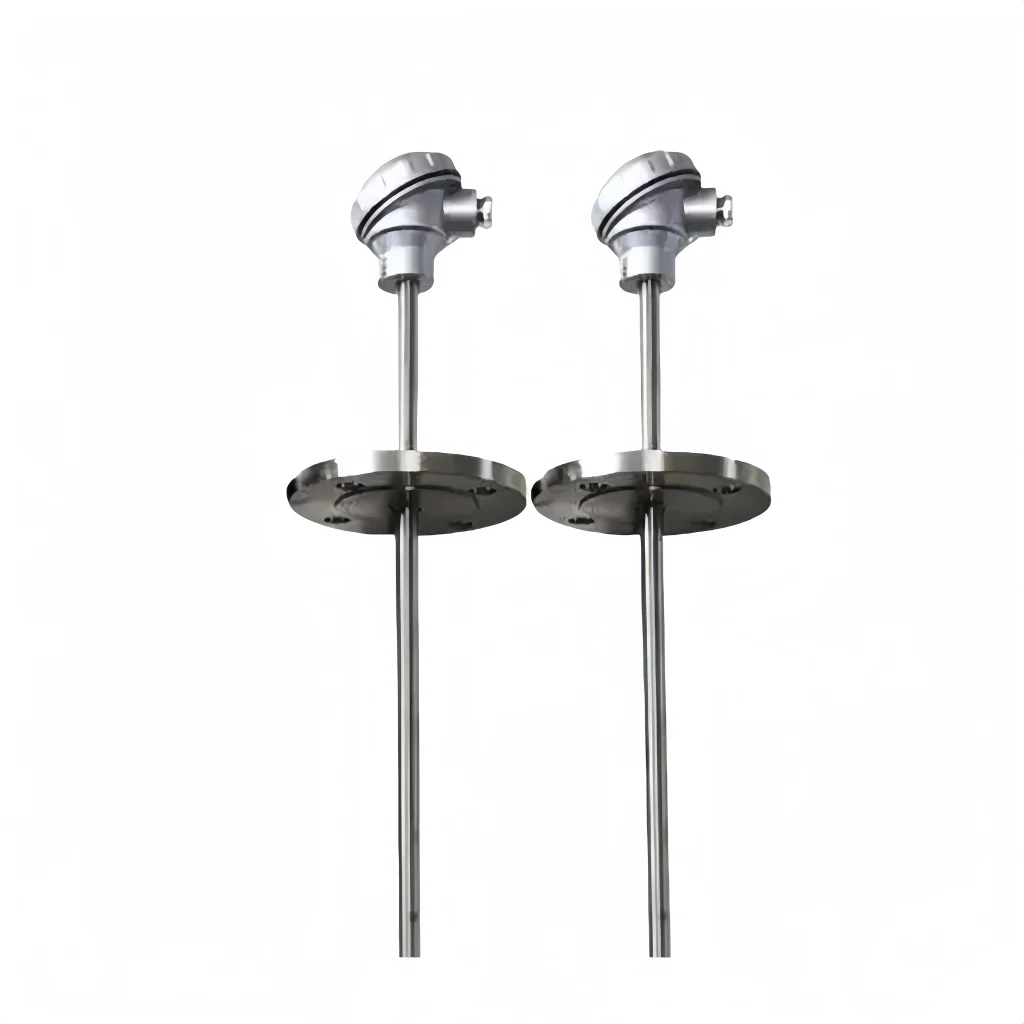
Select pre-assembled or armoured thermocouples based on the available installation space; For pipe temperature measurement, select threaded or flanged mounting configurations; for confined spaces or curved measurement points, opt for flexible armoured thermocouples; ensure the insertion depth is appropriate—too shallow results in inaccurate readings, whilst too deep may cause damage; simultaneously, select pressure-resistant protection tubes according to the pressure rating.
Comprehensive Assessment of Cost and Value for Money
For standard medium-to-low temperature applications, Type K offers the lowest cost and is the most widely used, making it the preferred choice for general industrial use;
For precision measurement in medium-to-high-temperature applications, Type S offers a moderate overall cost-performance ratio; in ultra-high-temperature and harsh operating conditions, although Type B is more expensive, its high-temperature resistance, long service life and extended maintenance intervals make it more economical in the long term; there is no need to blindly pursue low-cost, low-specification options.
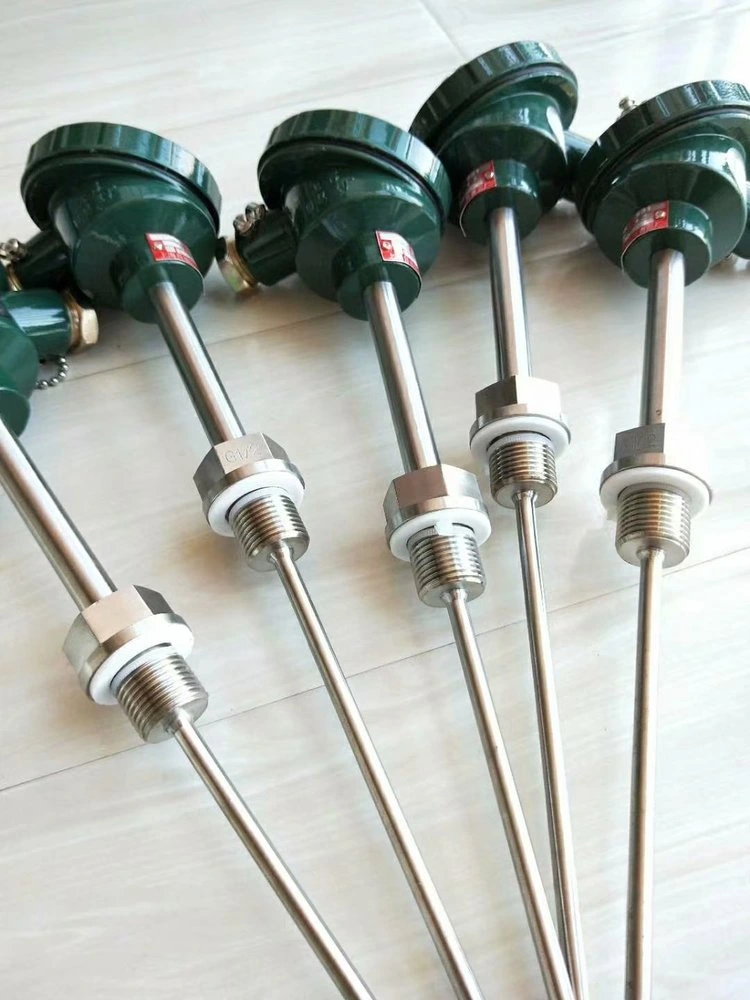
With its outstanding ultra-high-temperature measurement performance, the Type B thermocouple has become the core temperature measurement solution for extreme high-temperature industrial conditions, providing a solid guarantee for the stable operation and quality control of critical processes across various industries.
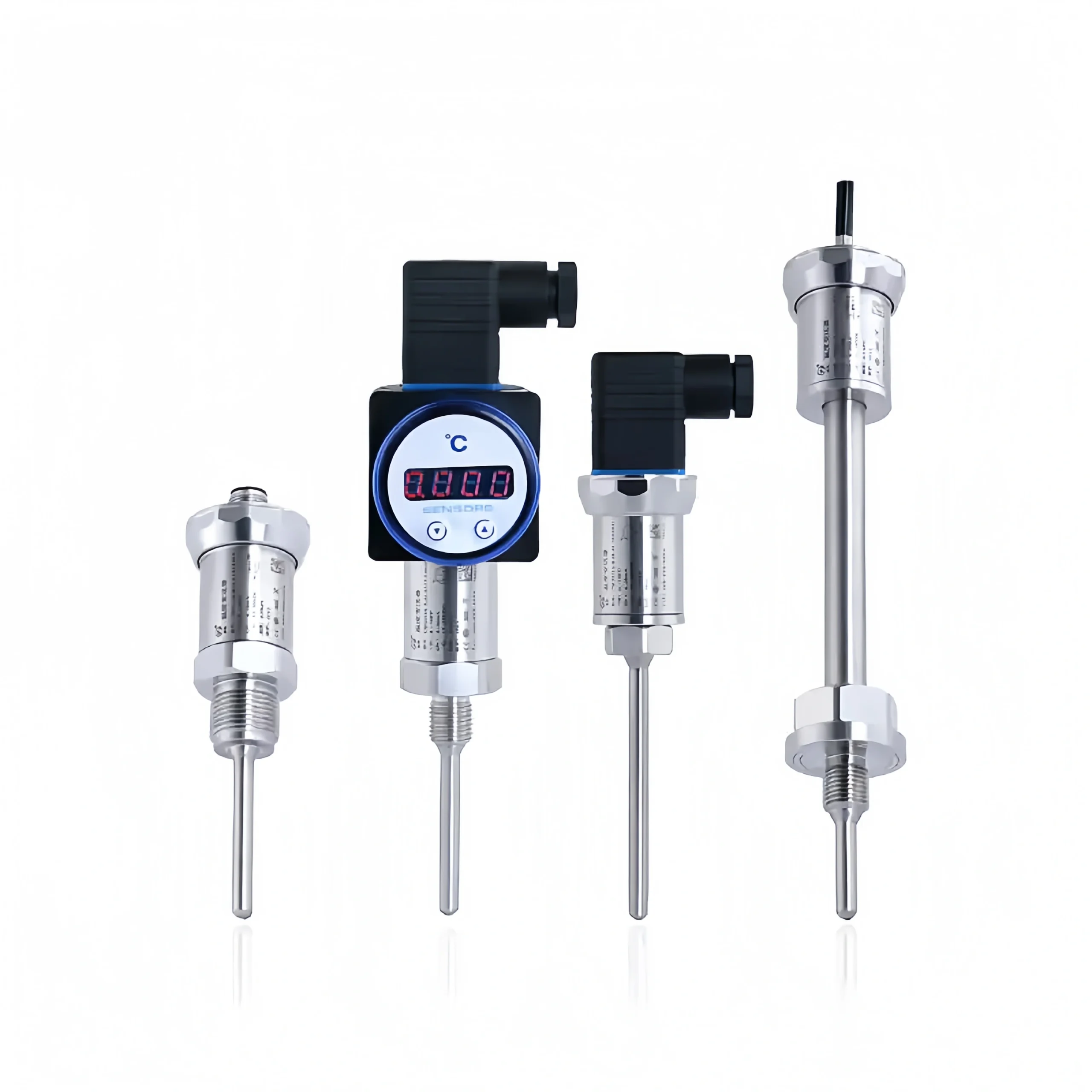
In response to the diverse demands of the industrial temperature measurement sector, Sino-Inst not only specialises in thermocouple technology but also offers a comprehensive range of thermocouple-based temperature transmitters, including Type B, Type S and Type R models, precisely tailored to meet measurement requirements across different temperature ranges and accuracy levels.
Furthermore, we supply a full range of resistance-type temperature transmitters to address the precise measurement needs of medium and low-temperature applications, thereby achieving comprehensive coverage across the entire temperature spectrum from ultra-high to medium and low temperatures.