Food and Beverage Industry
In juice production, accurate sugar content measurement is crucial. Measuring the density of juice with a liquid hydrometer indirectly reveals its sugar content. In liquor production, liquid density meters can be used for authenticity verification. Different types of liquor have different densities. 53 proof liquor has a density of approximately 0.924 g/cm³. When we add water increases the density. Utilizing these features, companies can use liquid density meters to test liquor.
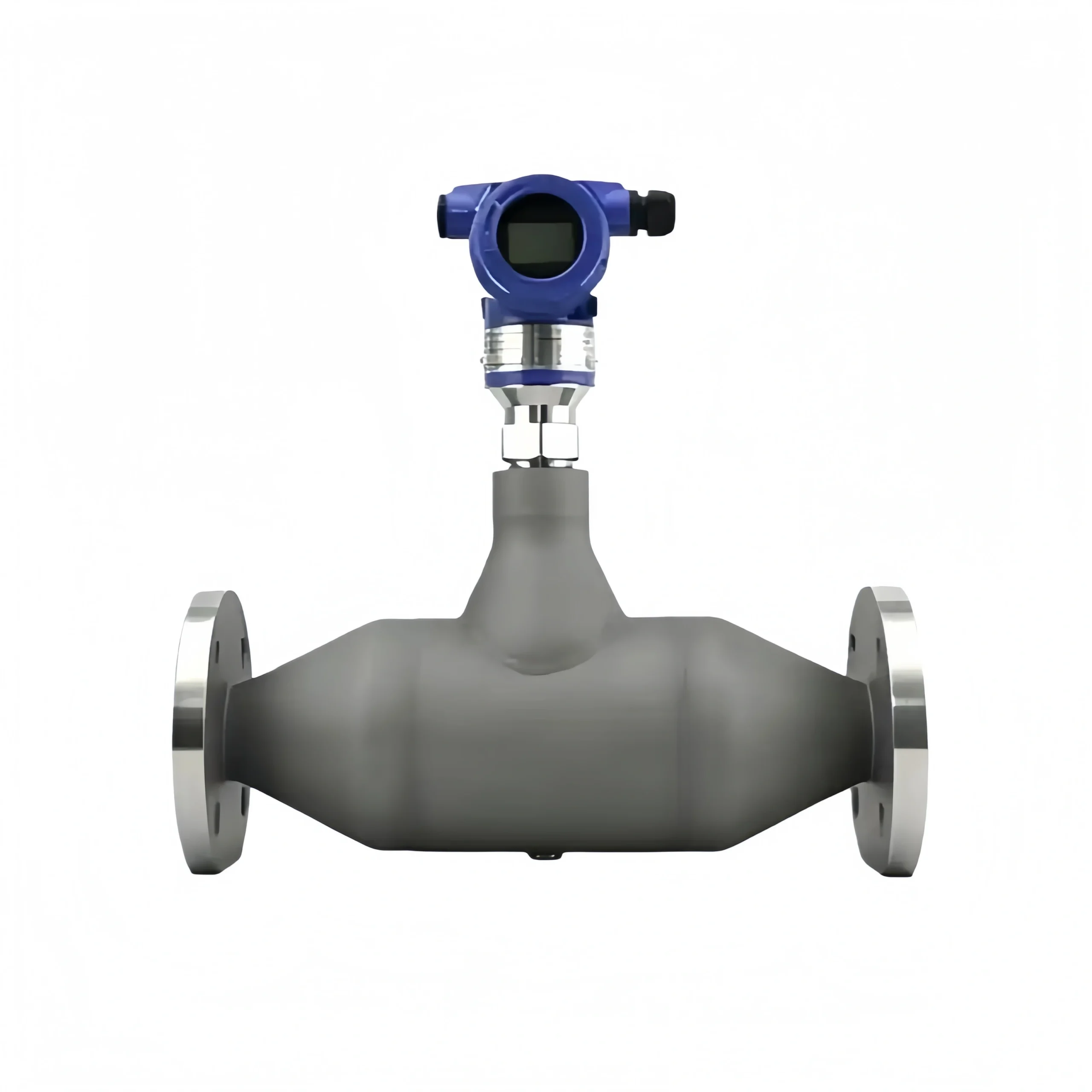
The density of crude oil and refined petroleum products is an important indicator of their quality and value. Crude oil density typically ranges from 0.75 to 1.0 g/cm³. Excessively low density may indicate the presence of light hydrocarbon impurities, affecting crude oil quality and subsequent processing. During oil extraction, transportation, and refining, liquid density meters monitor the density of petroleum products in real time. Density meters provide a basis for production decisions, which ensures product quality and the stability of production processes.
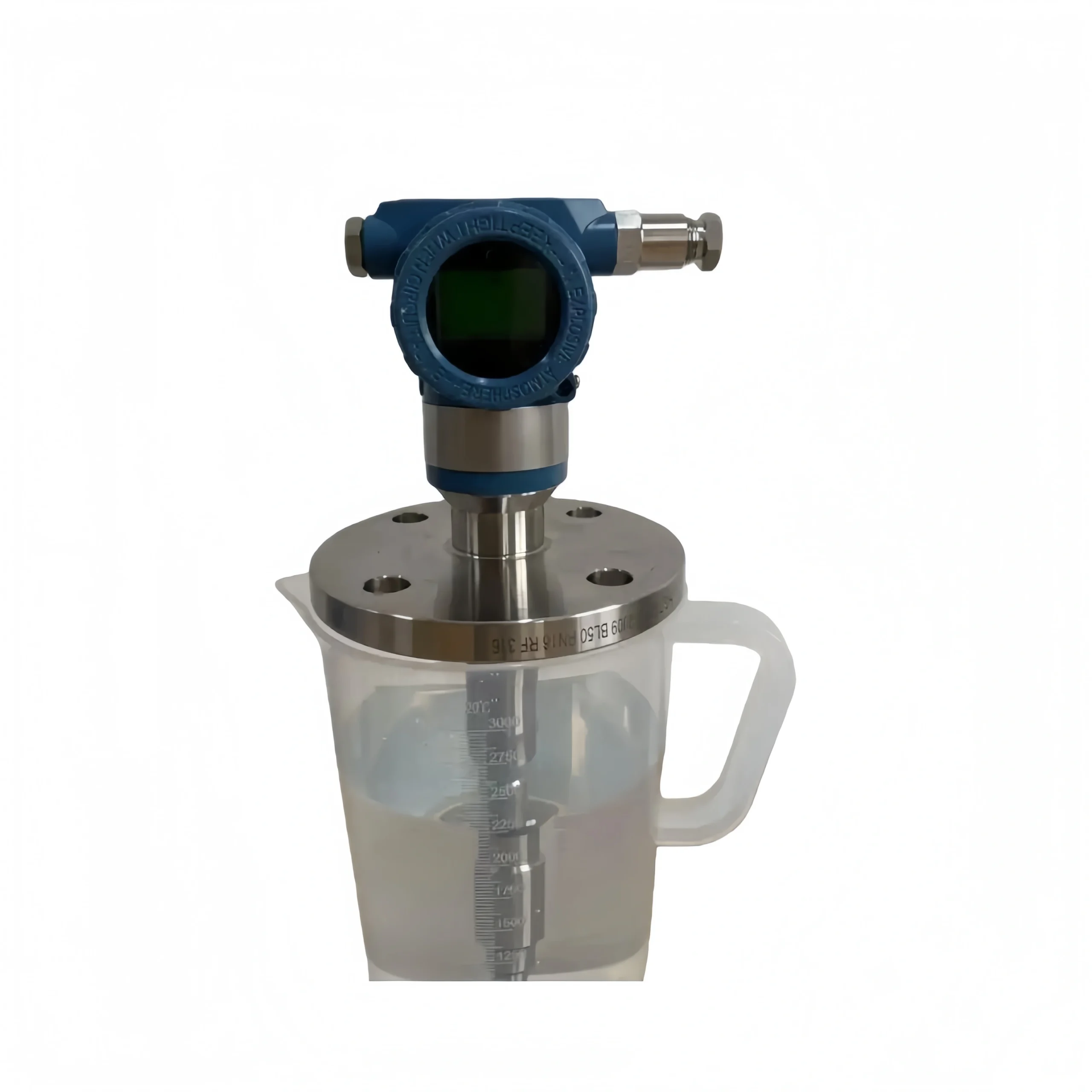
Pharmaceutical Industry
In pharmaceutical manufacturing, the density of liquids is critical for controlling the accuracy of drug components and the quality of the drug. The density of certain injectable solutions requires precise control. Density meters ensure accurate drug dosage. It can ensure patient safety. Liquid density meters provide pharmaceutical companies with high-precision density measurement data, which helps them to strictly control drug quality.
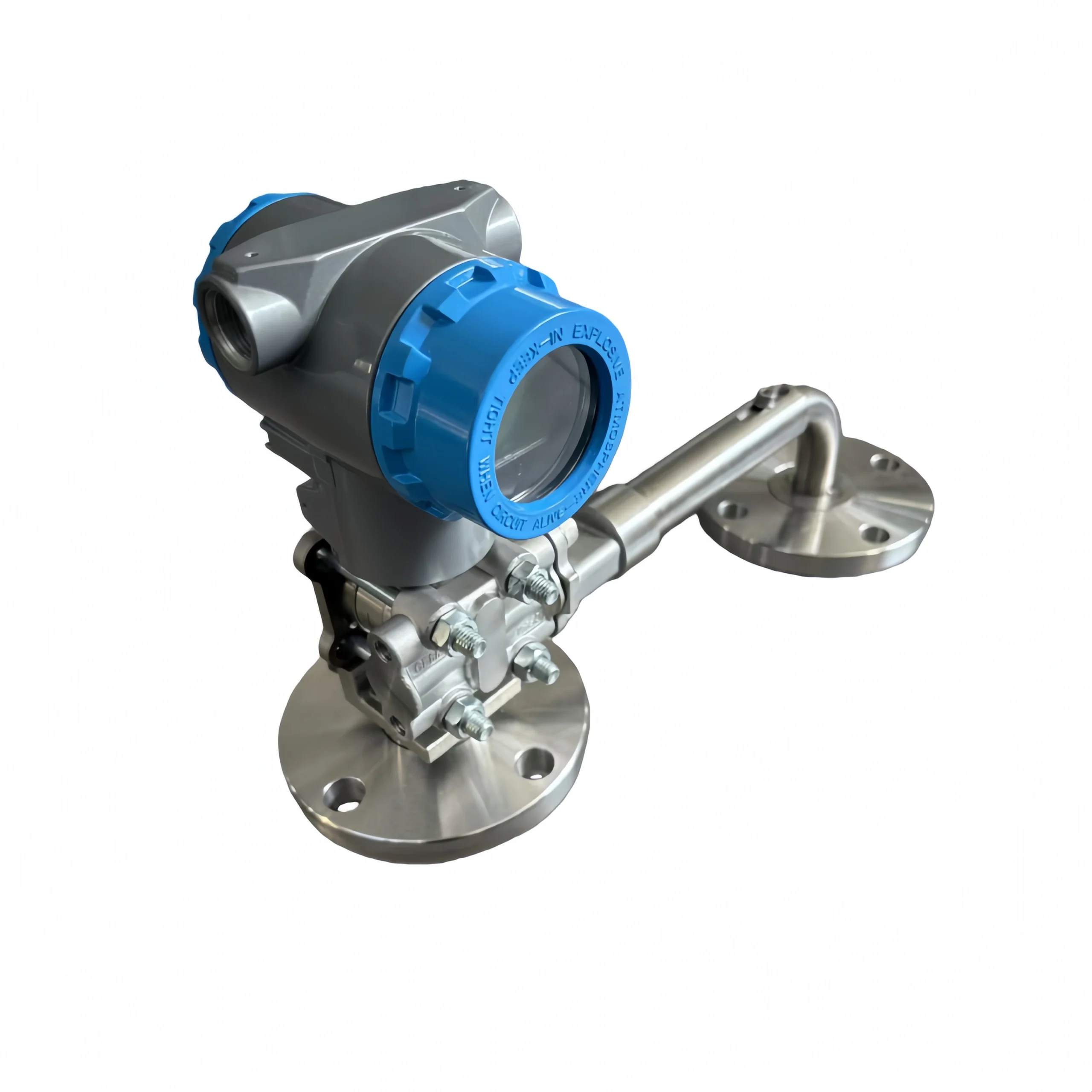
Printing Equipment
Copper sulfate solution plays a key role in printing. Especially during the etching process of metal printing plates, its density directly affects the printing effect. Controlling the density of copper sulfate solutions ensures that the solution concentration is within the appropriate range. It avoids plate-making quality problems caused by excessively high or low concentrations.
What is density?
Density is a physical parameter, which is the ratio of the mass to the volume of a sample or object; that is, the degree of compaction of the molecules in space. Density is usually represented by the Greek letter “ρ”, and is also commonly represented by the Latin letter “d”.

What is the most accurate way to measure density?
A density meter can measure density most accurately because it has internal temperature and pressure compensation. Common algorithms can compensate for measurement errors.
What is the principle of a density meter?
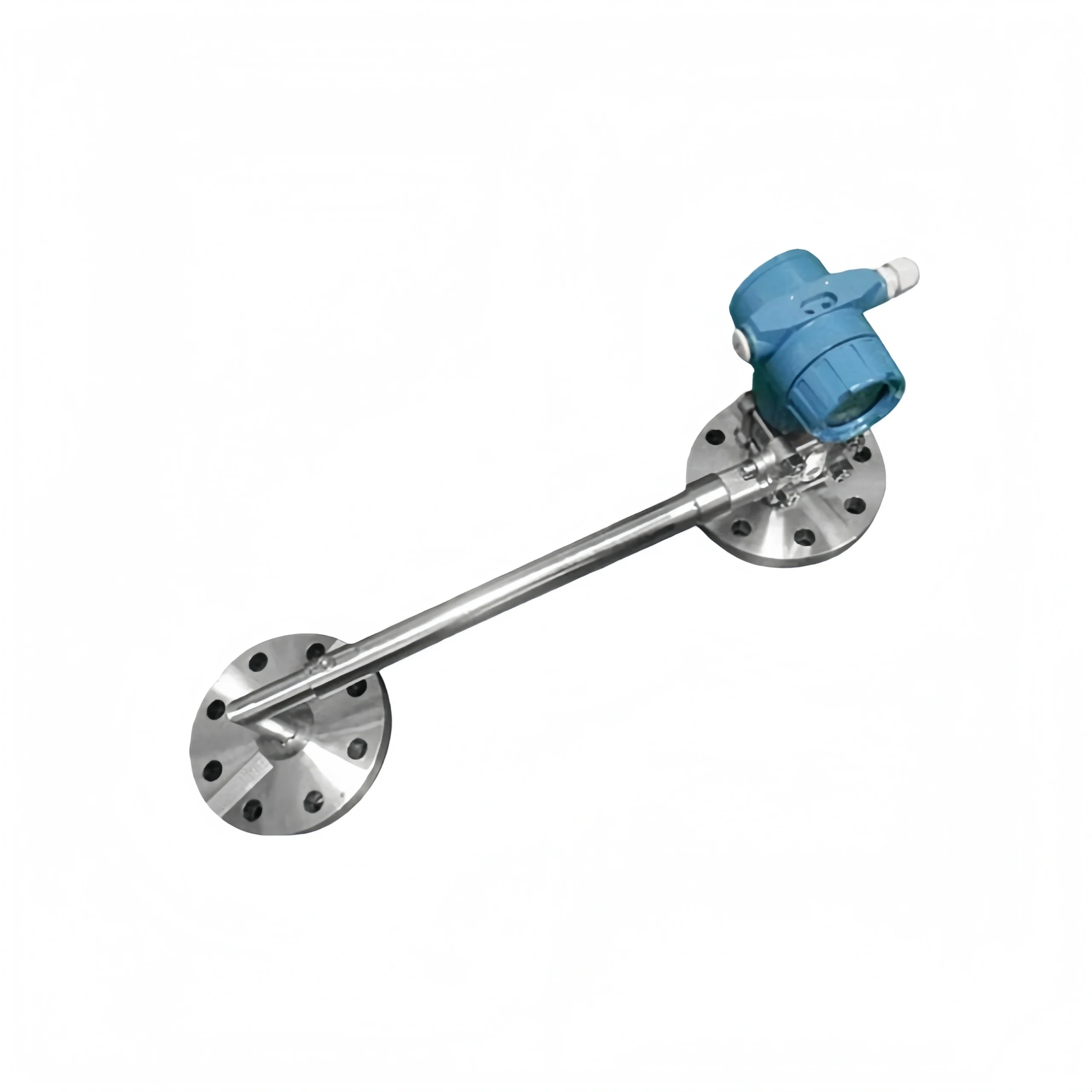
The principle of a pressure differential density meter: Based on P=ρgh, the sensor has two pressure-sensing diaphragms with a fixed distance between them. The density value is detected by the pressure difference between the two diaphragms.
Disadvantages:
The liquid density within the diaphragm spacing must be consistent, requiring a higher liquid flow rate. Because the detection process involves diaphragm deformation under pressure, with silicone oil transmitting the signal to the transmitter, data drift can occur due to the number of diaphragm deformations and losses in silicone oil transmission. Regular product calibration and adjustment are necessary.
The pressure-sensing diaphragms are relatively thin, resulting in a shorter lifespan. Product stability and accuracy are relatively low. The thin diaphragm is prone to wear and difficult to clean, with air bubbles having a significant impact. The diaphragm is prone to clogging and scaling when detecting solid-liquid mixtures. Measurements of solid-liquid mixtures are unstable. Measurements become inaccurate when temperature changes, leading to high maintenance costs and a lack of temperature compensation.
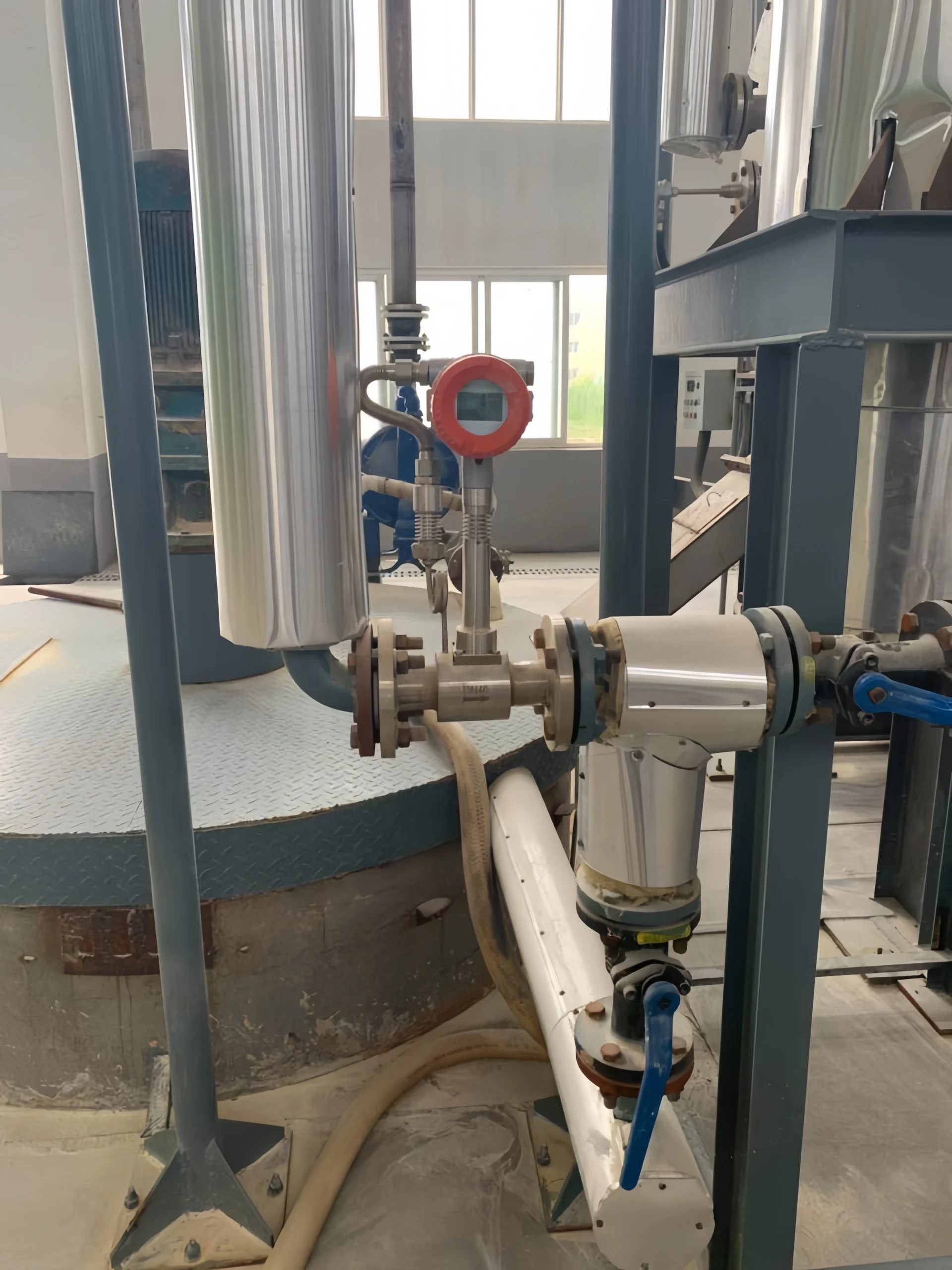
Tuning Fork Density Meter
Principle:
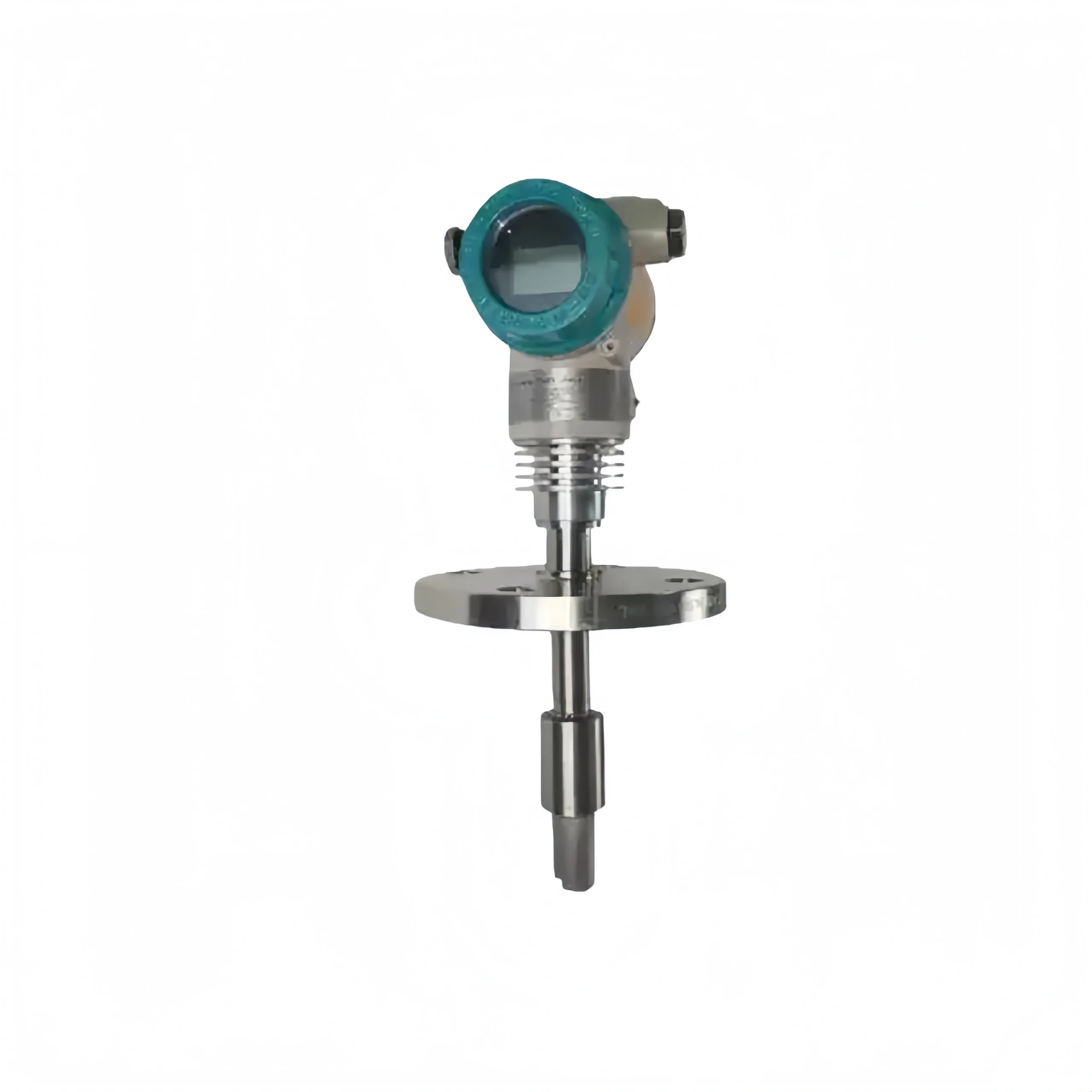
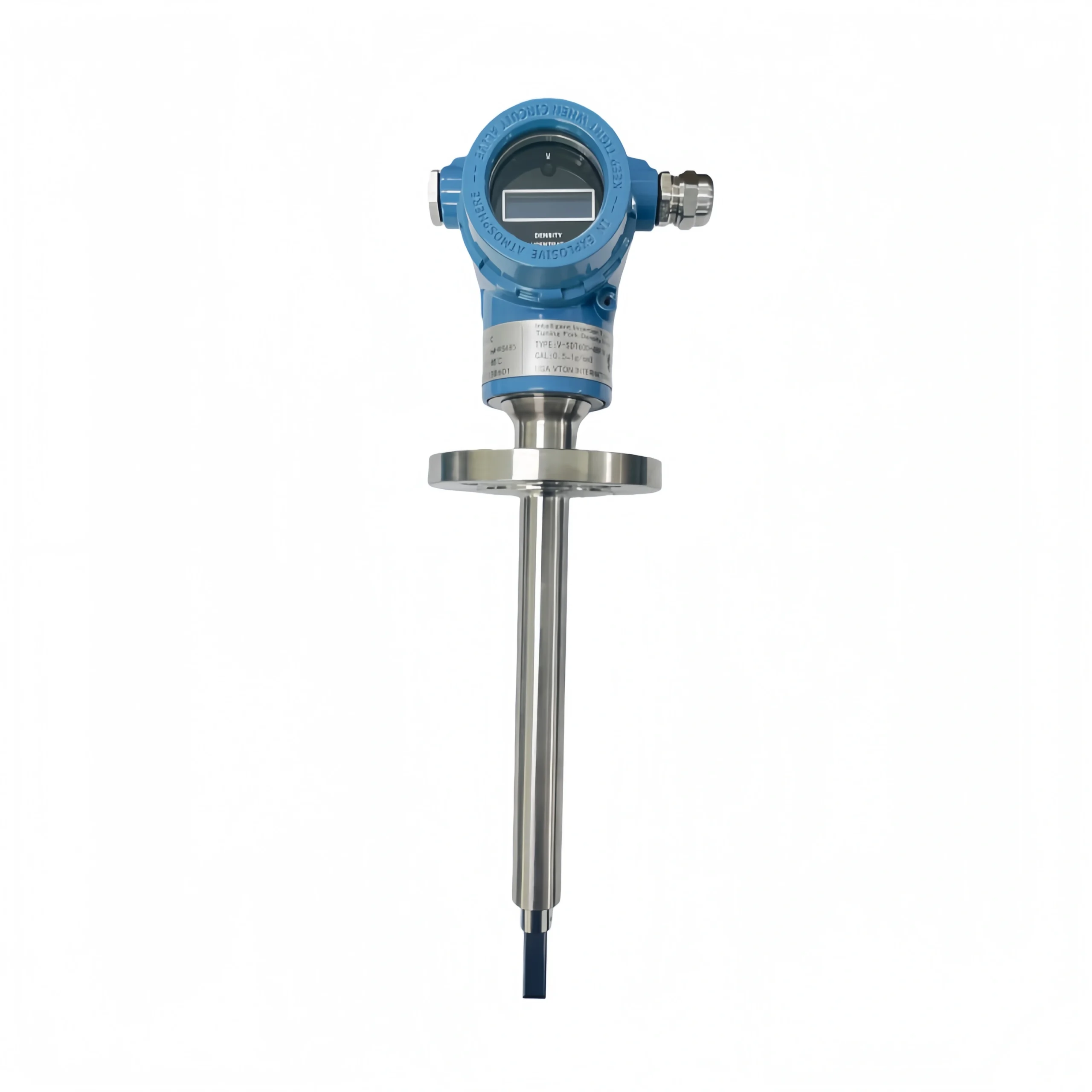
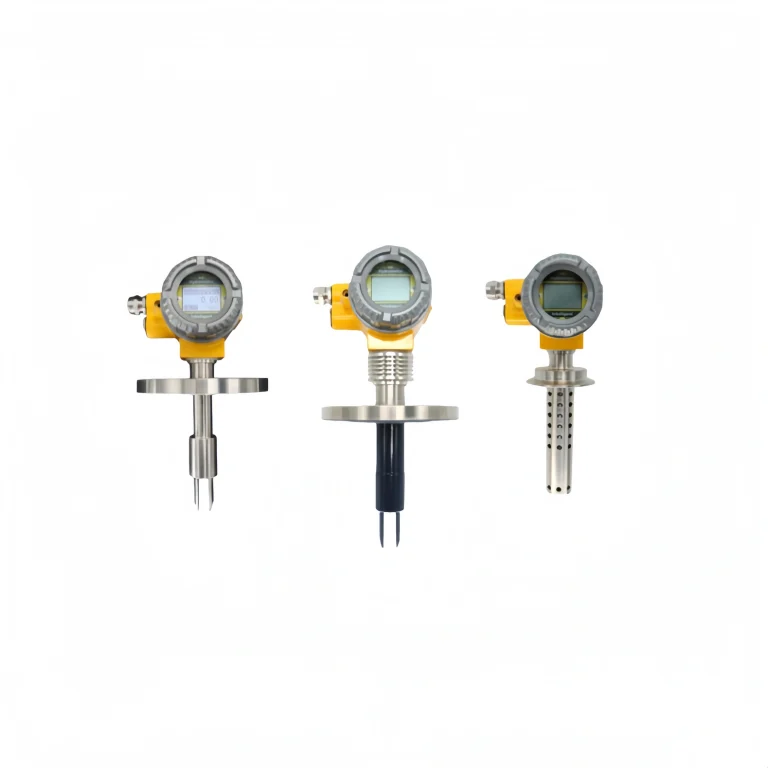
The tuning fork probe vibrates, and the sensor detects changes as the liquid density or concentration changes. Different densities and concentrations correspond to different vibration frequencies, which exhibit a linear relationship.
Detection of liquids containing solid-liquid mixtures and those with crystals and bubbles results in significant deviations. This is because the fork is driving the solids or bubbles, not the liquid, leading to large errors. Tuning fork-type meters have strict requirements for pipe diameter installation. Typically, pipes with a diameter of DN80 or larger are required; otherwise, boundary effects may occur. High flow rates are also crucial; stirring and high flow rates will affect the measurement.
Can a density meter measure liquid and gas?
A density meter can measure both liquids and gases simultaneously. However, the functionality of density meters varies between manufacturers. Please consult with the supplier when selecting a model.