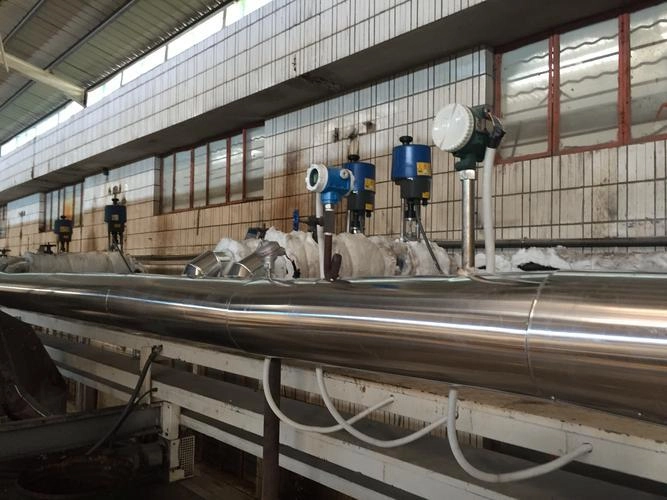
Certain pressure sensors are specifically engineered to handle corrosive, erosive, or highly contaminated liquids and gases, collectively termed ‘corrosive media’. These corrosive substances corrode or damage other materials they come into contact with, including metals and organic compounds.
A corrosion-resistant pressure transmitter is a pressure measurement instrument with strong corrosion resistance, capable of stable operation in harsh environments. Such pressure sensors employ special materials and designs to resist corrosion of their sensing elements and housings by media such as acids, alkalis, salts, and gases.
Working Principle
The way that corrosion-resistant pressure transmitters work is basically the same as standard pressure transmitters. They mostly use pressure sensors to change pressure signals into electrical signals. The most important part of a pressure transmitter is the sensor.This is made up of strain gauges, a sensing diaphragm and a pressure chamber.
Under applied pressure, the sensing diaphragm deforms, and this deformation is converted into an electrical signal via changes in the strain gauge’s resistance.This electrical signal undergoes processing within the transmitter’s circuitry, ultimately outputting a voltage or current signal proportional to the applied pressure.
Effects of Corrosive Media on Conventional Sensors
Material Corrosion or Wear
These media corrode or wear away the pressure sensor’s housing and sensing elements through chemical reactions.Alterations to material surfaces and structures compromise product integrity and may even cause sensor failure.Sensors can also be affected by corrosion, which can contaminate the measured material. In industries like pharmaceuticals, food, and beverages, where it is very important that products are of medium purity, corrosion can have a negative effect on the quality of the products.
Reduced Accuracy
The isolation diaphragm of pressure sensors stays in contact with corrosive media for a long time. These substances react with the sensing element, which changes its electrical resistance. This can make the pressure readings inaccurate, which affects the sensor’s precision.
Shortened Service Life
Long-term exposure to corrosive media accelerates material wear and degradation, diminishing the pressure sensor’s operational lifespan. This necessitates frequent sensor replacement, thereby increasing maintenance costs and downtime.
Safety Risks
Pressure sensor failures caused by corrosion may pose safety hazards. Leaks or ruptures in high-pressure systems or hazardous media could result in damage to personnel, equipment, and the environment.
Features of Corrosion-Resistant Pressure Sensors
1. High Corrosion-Resistant Materials
I. Metallic Materials
(1) 316/316L Stainless Steel
Characteristics: Contains molybdenum, offering superior resistance to pitting and crevice corrosion compared to 304 stainless steel.
Applications: Water, steam, air, oils, mildly corrosive chemical media (e.g., low-concentration alkalis, certain organic compounds).Not suitable for: Strong acids such as hydrochloric, sulphuric, or phosphoric acids; high chloride concentrations (e.g., seawater or brine requires caution for prolonged use); halogenated media.
(2)Hastelloy
Characteristics: Nickel-molybdenum-chromium alloy exhibiting exceptional corrosion resistance in both oxidising and reducing environments, with outstanding resistance to pitting and stress corrosion cracking.
Suitable for: Wet chlorine gas, hypochlorites (e.g., in chlor-alkali industries). Sulphuric acid, hydrochloric acid, phosphoric acid at all concentrations, particularly mixed acids containing impurities or chloride ions. Organic acids such as formic acid and acetic acid. Complex media containing chlorides.
Not suitable for: Not resistant to hydrofluoric acid.
(3)Tantalum
Characteristics: Possesses an exceptionally stable surface oxide film, offering near-total corrosion resistance in most acidic media.
Suitable for: Hydrochloric acid (the optimal choice at any concentration and temperature). Concentrated nitric acid, sulphuric acid, aqua regia (within certain temperature limits). Most inorganic salt solutions.
Not suitable for: Hydrofluoric acid, fuming sulphuric acid, hot concentrated alkalis. Relatively soft in texture; mechanical strength requires attention.Expensive.
(4)Monel Alloy
Characteristics: Nickel-copper alloy exhibiting outstanding performance in reducing environments.
Suitable for: Hydrofluoric acid, fluorine gas media (its greatest advantage). Seawater, brine (excellent seawater corrosion resistance). Sulphuric acid, hydrofluoric acid, and mixed acids of hydrofluoric and sulphuric acids.Alkaline solutions.
Contraindications: Not resistant to oxidising acids (e.g., nitric acid), ammonium salt solutions, or acidic media with high oxygen content.
(5)Titanium and Titanium Alloys
Characteristics: Pure titanium (Grade 2) resists oxidising media; titanium-palladium alloys (Grade 7) enhance resistance to reducing media.
Suitable for: Chlorine gas, wet chlorine gas, chlorates, nitric acid, chromic acid, seawater, chloride solutions (excellent pitting resistance).
Not suitable for: Hydrofluoric acid, dry chlorine gas, fuming nitric acid.
II.Non-Metallic/Coated Materials
(1) PTFE Coating or Lining
Characteristics: It resists virtually all chemicals, is highly inert and non-adhesive.It’s usually used as a coating over metal diaphragms (e.g. 316L) or as a full PTFE-lined seal.
Suitable for: Strong acids (e.g., concentrated sulphuric acid, hydrochloric acid), strong alkalis, strong oxidising agents, organic solvents, slurries, high-purity media.
Advantages: Broadest corrosion resistance range.
Disadvantages: Susceptible to wear and scratches. Exhibits slight permeability, unsuitable for long-term measurement of certain small-molecule media (e.g., chlorine gas, bromine). High diaphragm flexibility may affect measurement accuracy, linearity, and dynamic response.Limited operating temperature range.
(2) Ceramic
Characteristics: Media acts directly upon high-hardness ceramic diaphragm; no filling oil; micro-deformation detected via thick-film resistors.
Applications: High-viscosity, crystallising, or solid-particle-laden corrosive slurries (e.g., ore slurry, mud, pigments, pulp). Sanitary-grade, oil-free contamination-free environments in food processing, pharmaceuticals, etc. Most acids and alkalis (except hydrofluoric acid).
Advantages: Exceptional wear and corrosion resistance, excellent long-term stability, no ‘oil contamination’ risk, easy cleaning.
Disadvantages: Potentially lower absolute accuracy and dynamic response speed compared to diffusion silicon types; higher cost.
2.Sealing Design
They usually use special designs to stop corrosive stuff getting in or leaking out of the transmitter.Common sealing materials include fluororubber and polytetrafluoroethylene (PTFE), which perform well at high temperatures and resist corrosion, making them safe to use in tough environments.
3. Protection Rating
Given that pressure transmitters often operate in harsh conditions, they typically feature high protection ratings. Common ratings include IP65 and IP67, effectively preventing dust and moisture ingress to extend service life.
4. Temperature Compensation
Things can go a bit wonky with the sensor’s performance when there’s a lot of pressure and high temperatures. So, we make sure we include something called temperature compensation to make sure the pressure measurement data is always reliable, even when the temperature and pressure are all over the place.
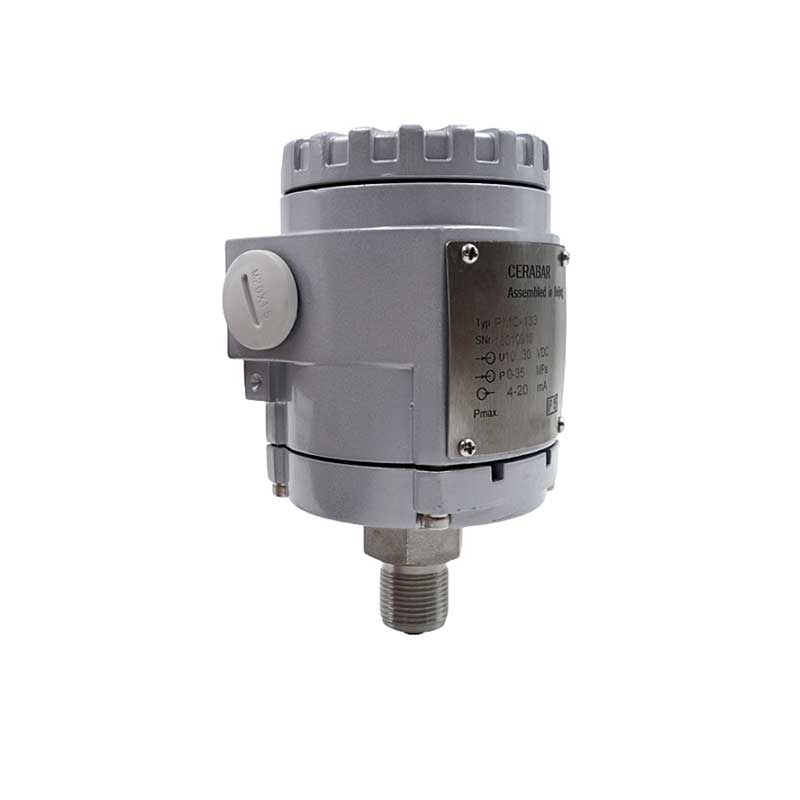
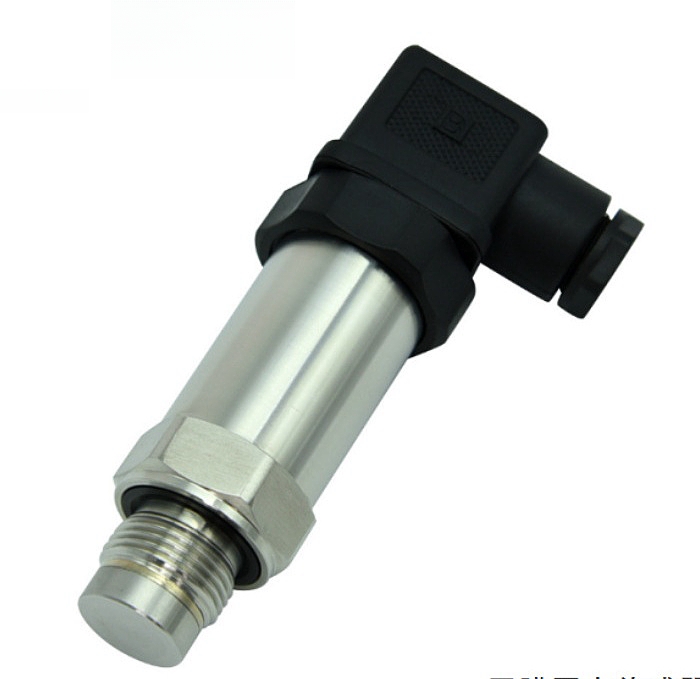
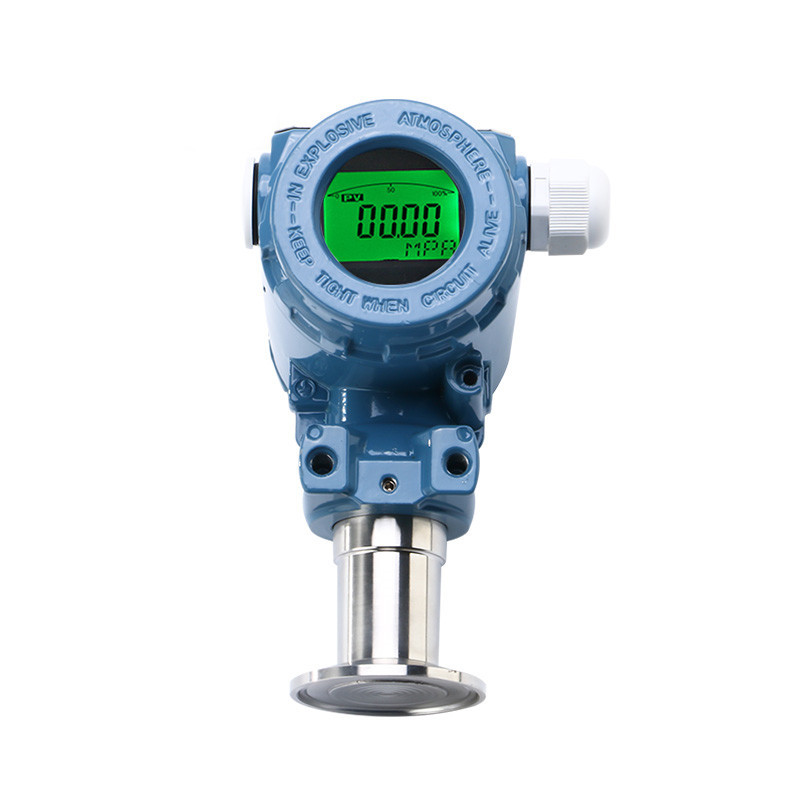
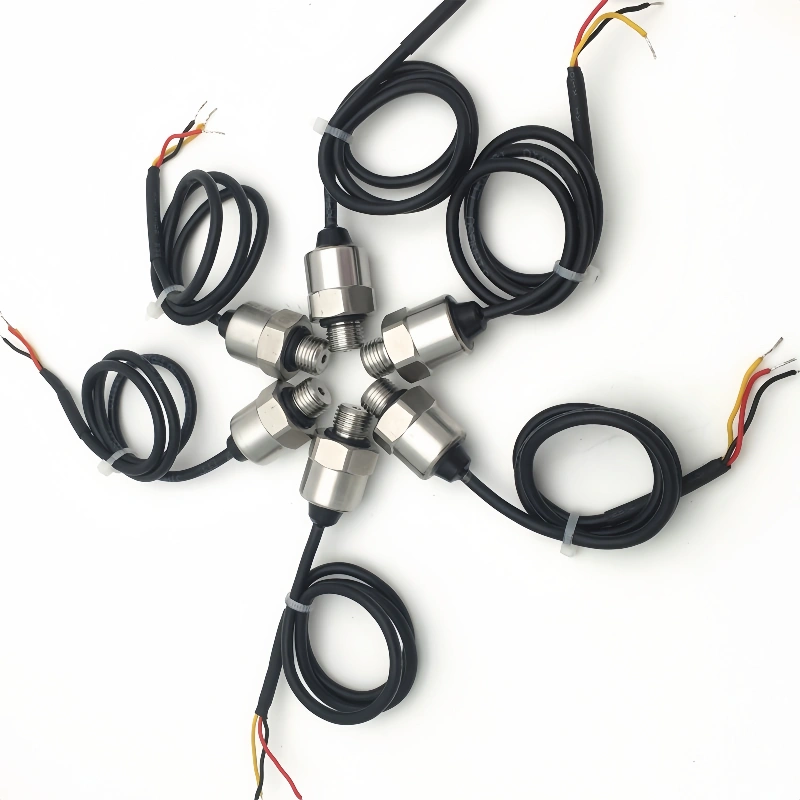
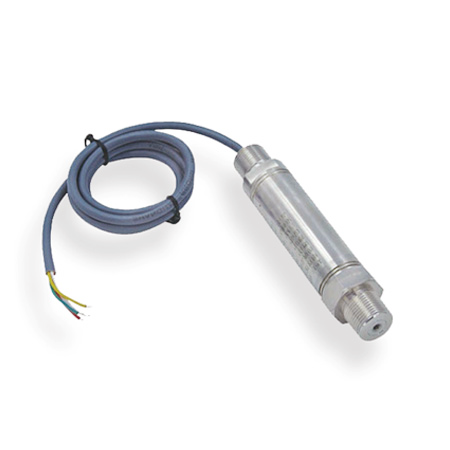
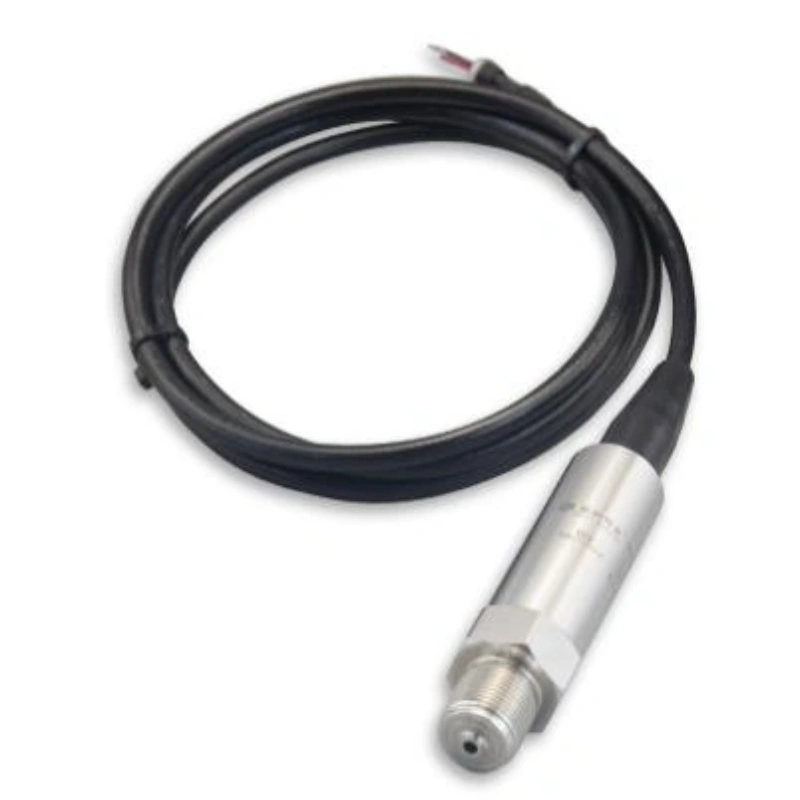
Practical Applications of Corrosion-Resistant Pressure Sensors
1. Chemical and Petrochemical Industries
This represents the most extensive and demanding application domain for corrosion-resistant pressure sensors.
Reactor and Pipeline Pressure Monitoring: Monitors pressure during the processing of highly corrosive raw materials and intermediates—including acids, alkalis, organic solvents, and chlorine gas—to ensure reaction safety.
Tank Level and Pressure Measurement: Monitoring liquid levels (via hydrostatic pressure) and pressure in storage tanks containing corrosive liquids like sulphuric acid, hydrochloric acid, and caustic soda, enabling inventory management and safety alerts.
Chlor-alkali industry: Pressure measurement during chlorine drying, liquefaction, and transportation necessitates high-grade corrosion-resistant sensors employing special alloys (e.g., Hastelloy) or gold-plated diaphragms.
Sulphurisation and polymerisation processes: Involve high-temperature, high-pressure, and corrosive process environments.
2. Water Treatment and Environmental Protection Sector
Sewage Treatment: Pressure monitoring in aeration tanks and sludge digestion tanks. Media contain corrosive gases (hydrogen sulphide, ammonia) and bio-corrosive substances.
Dosing Systems: Precise control of corrosive chemical dosing (sodium hypochlorite for disinfection, polyaluminium chloride for flocculation, acids/alkalis for pH adjustment).
Seawater Desalination: During pretreatment and reverse osmosis membrane stages, the medium is highly corrosive seawater, demanding sensors with exceptional corrosion resistance and scouring tolerance.
3. Pharmaceutical and Food Industries
Bioreactors: Monitoring vessel pressure and feed/product liquid pressure during fermentation, where media may exhibit biocorrosion.
Pipeline Fluid Control: Pressure regulation during the conveyance of various raw materials, solvents, and finished products.
4. Marine and Naval Engineering
Ship ballast tanks, fuel tanks, liquid cargo tanks: Monitoring pressure and liquid levels in various compartments, requiring sensors capable of long-term resistance to seawater corrosion.
Deep-sea exploration and submersible equipment: Pressure measurement for underwater robots, submersibles, and seabed observation networks, demanding seawater corrosion resistance, high-pressure tolerance, and exceptional reliability.
Seawater cooling systems: Monitoring pipeline pressure in vessels or coastal power plants utilising seawater as a coolant.
5.Energy and Power Industry
Geothermal power generation: Monitoring pressure in geothermal steam and high-temperature brine, where media are rich in corrosive gases such as hydrogen sulphide and minerals.
Nuclear power: Measuring coolant pressure in certain auxiliary systems containing chemical additives like boric acid.
Natural Gas Desulphurisation and Deacidification: Measures pressure in acidic gases containing hydrogen sulphide, carbon dioxide, etc., during natural gas pre-treatment.
6.Metallurgy and Mining
Pickling Production Lines: Monitors circulation pump pressure and tank pressure in acid baths (using sulphuric acid, hydrochloric acid, etc.) for steel plate and copper strip pickling.
Flue Gas Recovery: Pressure monitoring during the recovery of waste gases from smelting processes (e.g., SO₂).
Selection Guide
When choosing a pressure sensor, you need to think about what you’re measuring and other things like:
Pressure type: Tell me if the pressure being measured is absolute or gauge pressure.
The measurement range is: Work out the lowest and highest pressure values that need to be measured.
Accuracy Requirements: Decide how accurate and precise you need the measurement results to be.
Operating Environment: Think about things like temperature, humidity, and how easily things can be damaged.
Output Signal Type: Determine whether a digital or analogue signal is more suitable for your system.
Mounting Method: Confirm the sensor’s mounting configuration and spatial constraints.
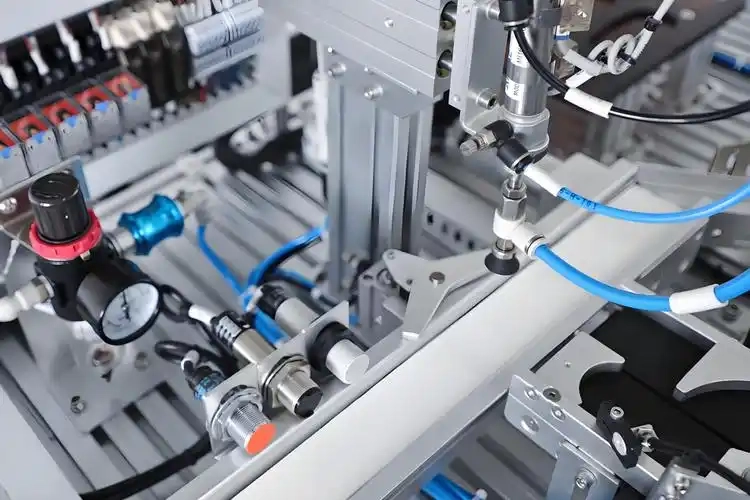
Sion-Inst’s pressure sensors are tested very carefully at every stage of the process, from choosing the materials to encapsulation under extreme conditions.They perform well, are resistant to corrosion and have multi-seal protection, while also allowing intelligent adaptation and precise transmission for efficient operation. These sensors meet the high standards needed in many different industries, like chemical processing, environmental protection and new energy.
If you are struggling with pressure monitoring and are looking for precise, highly adaptable and reliable sensor solutions, please leave your details and we will get back to you. We will then arrange for a dedicated technical consultant to provide you with a bespoke selection plan tailored to your specific operational conditions.