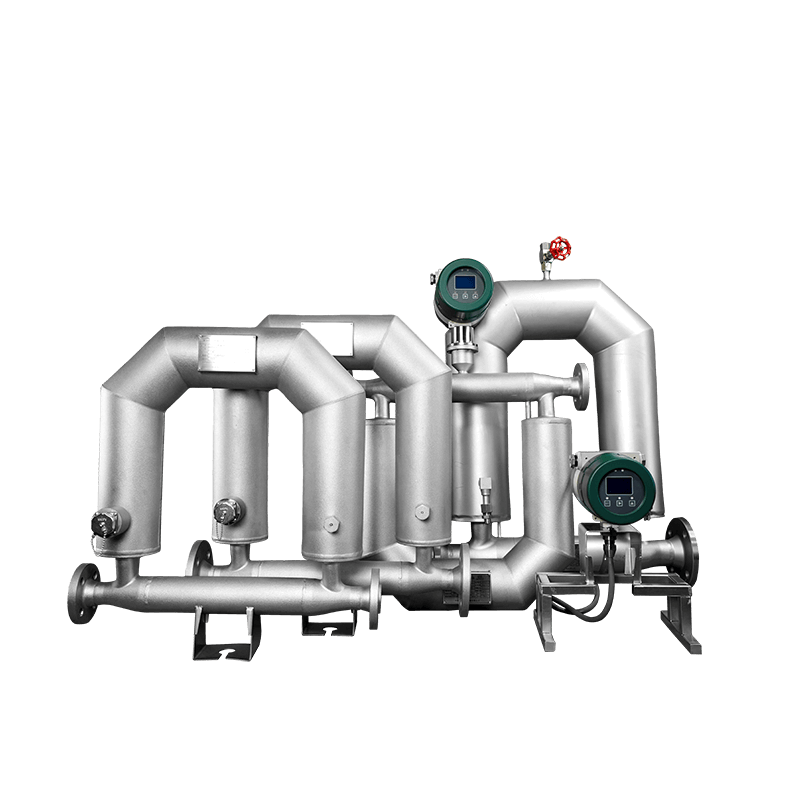
In today’s industrial world, where production processes are getting more complex and precise, powder flow meters are becoming a key player. They’re being used in areas like chemical engineering, metallurgy, building materials, food processing and pharmaceuticals.
Consequently, market demand and performance standards continue to evolve. As the primary tool for measuring and controlling powder materials, powder flow meters boast special designs that can withstand high temperatures and pressures.
They demonstrate exceptional environmental adaptability, easily handling a range of complex operating conditions in industrial production. This helps to ensure that production processes are regulated and operated efficiently and reliably.
Working Principle
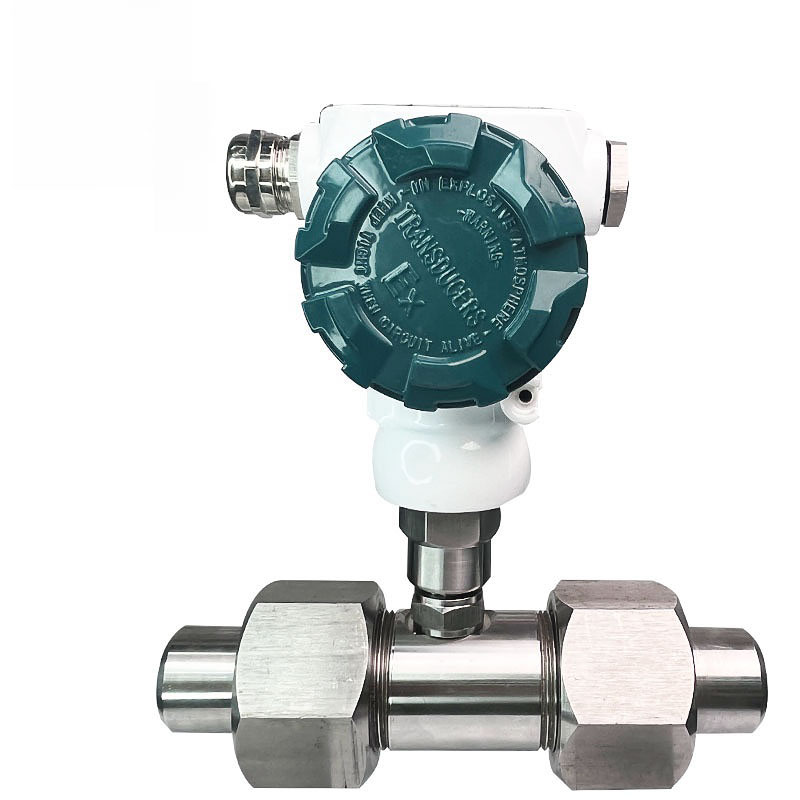
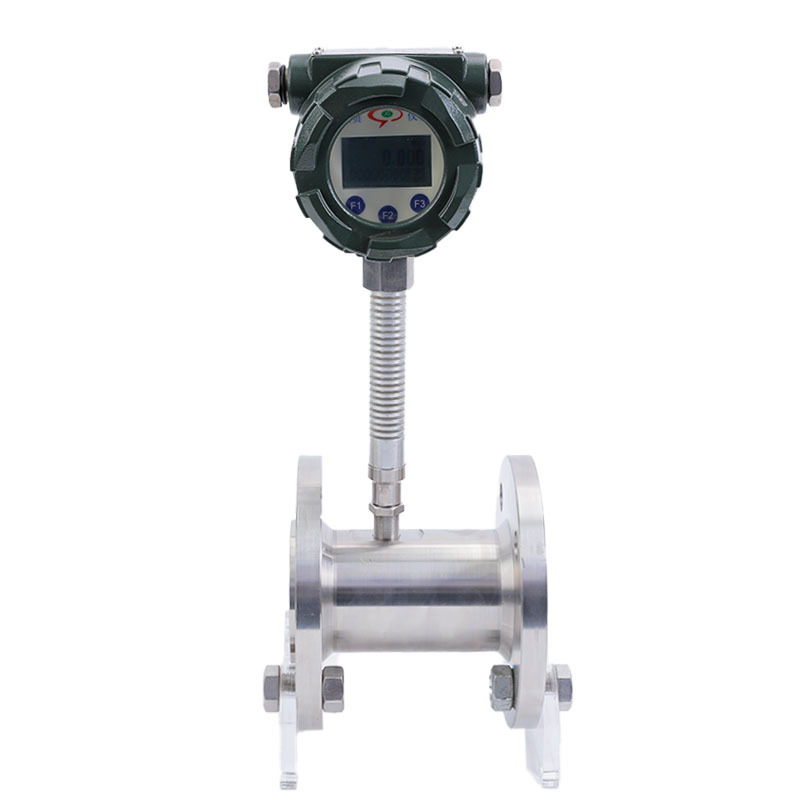
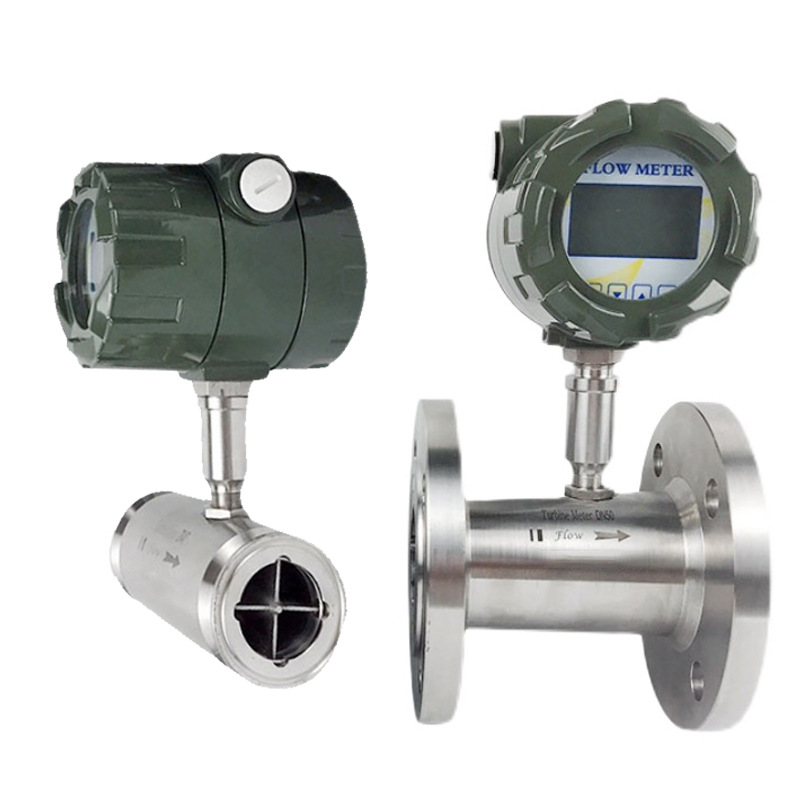
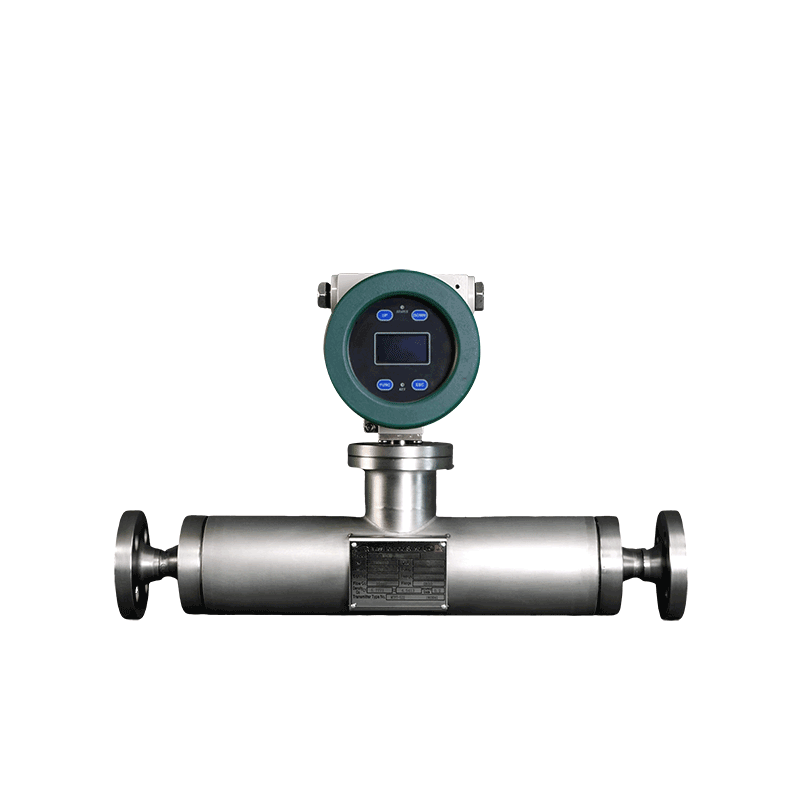
The powder flow meter employs electrostatic measurement technology. Utilising the principle of contact charging in solids, during pneumatic conveying, continuous collisions and friction separation between particles generate charge transfer, causing the powder to accumulate electrical charge. The sensor assembly comprises a stainless steel short tube, annular electrodes, and an insulating layer.
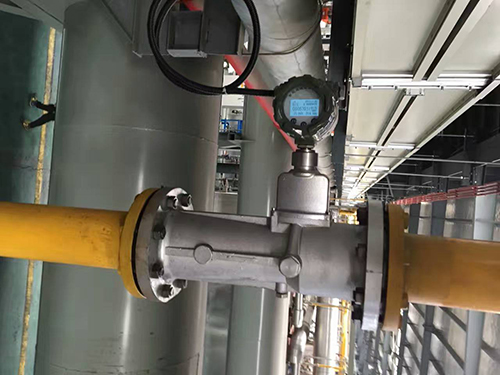
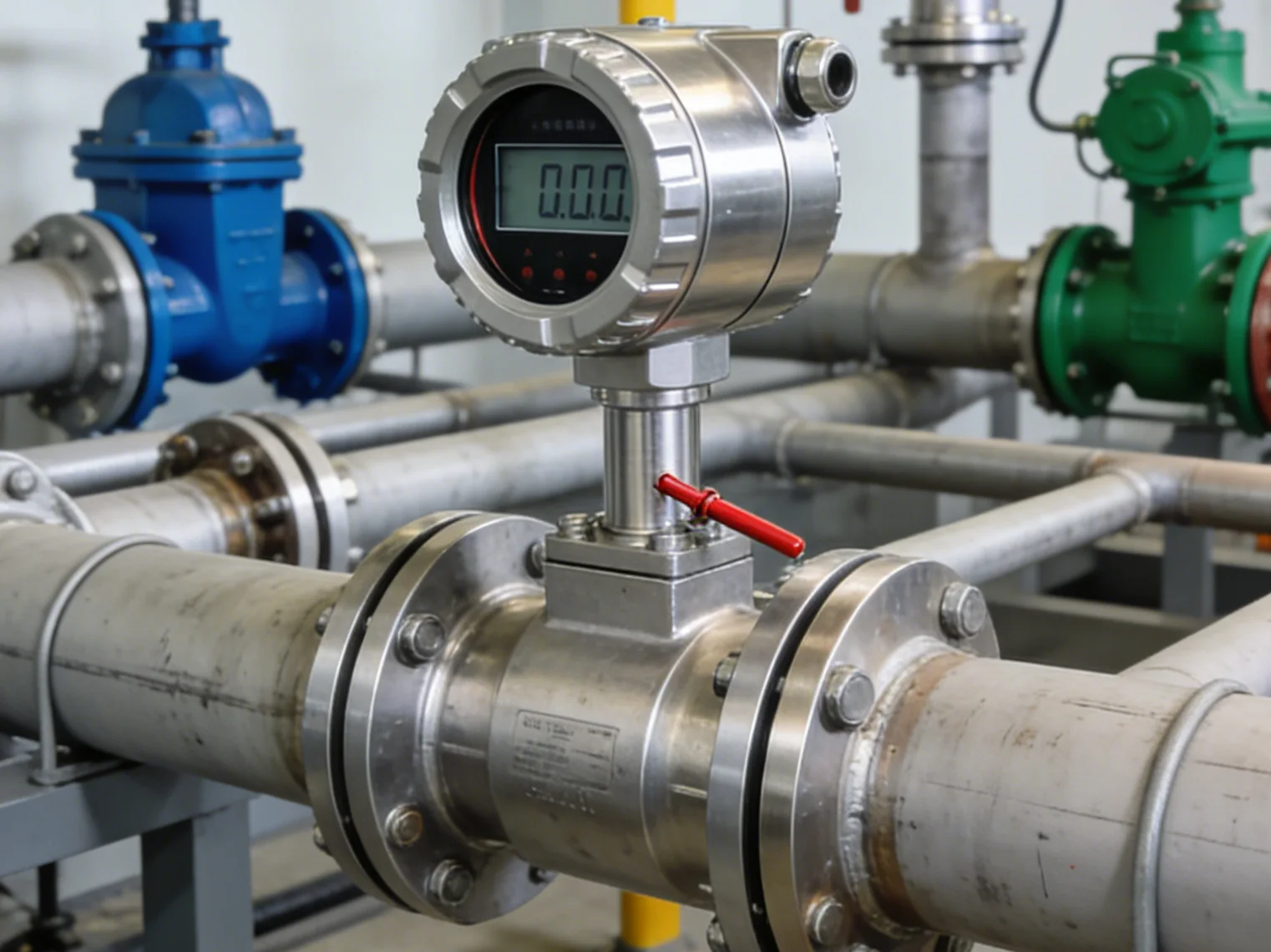
The short tube is connected to the pipeline via flanges at both ends and the metal tube wall provides electromagnetic shielding. As charged particles pass through the measuring section, the sensor detects their quantity of charge. The signal is amplified by a pre-amplifier circuit and then processed by a converter within the high-speed central processing unit core. This ultimately converts the flow signal into a standard current signal linearly proportional to the powder flow rate.
Structure
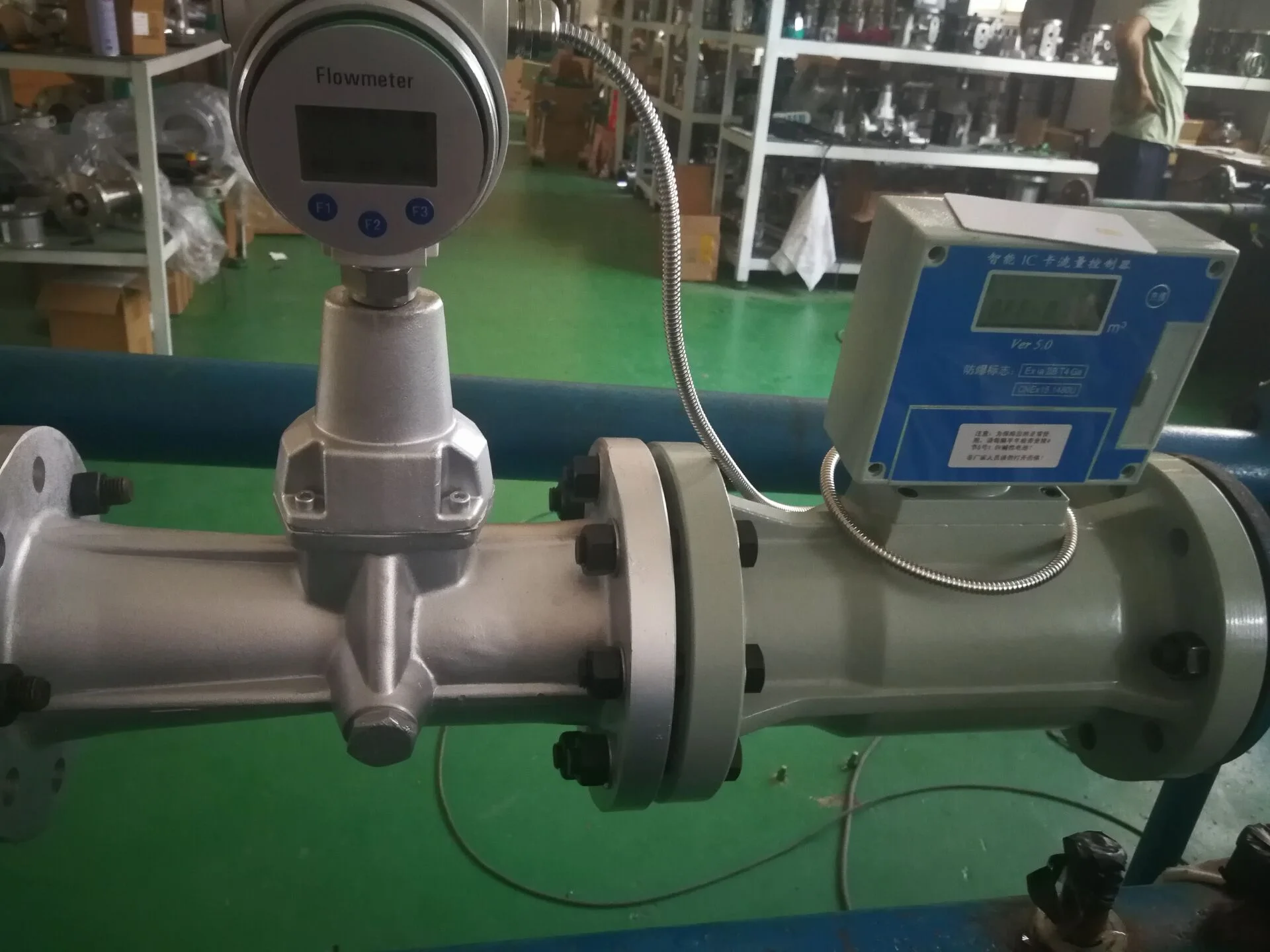
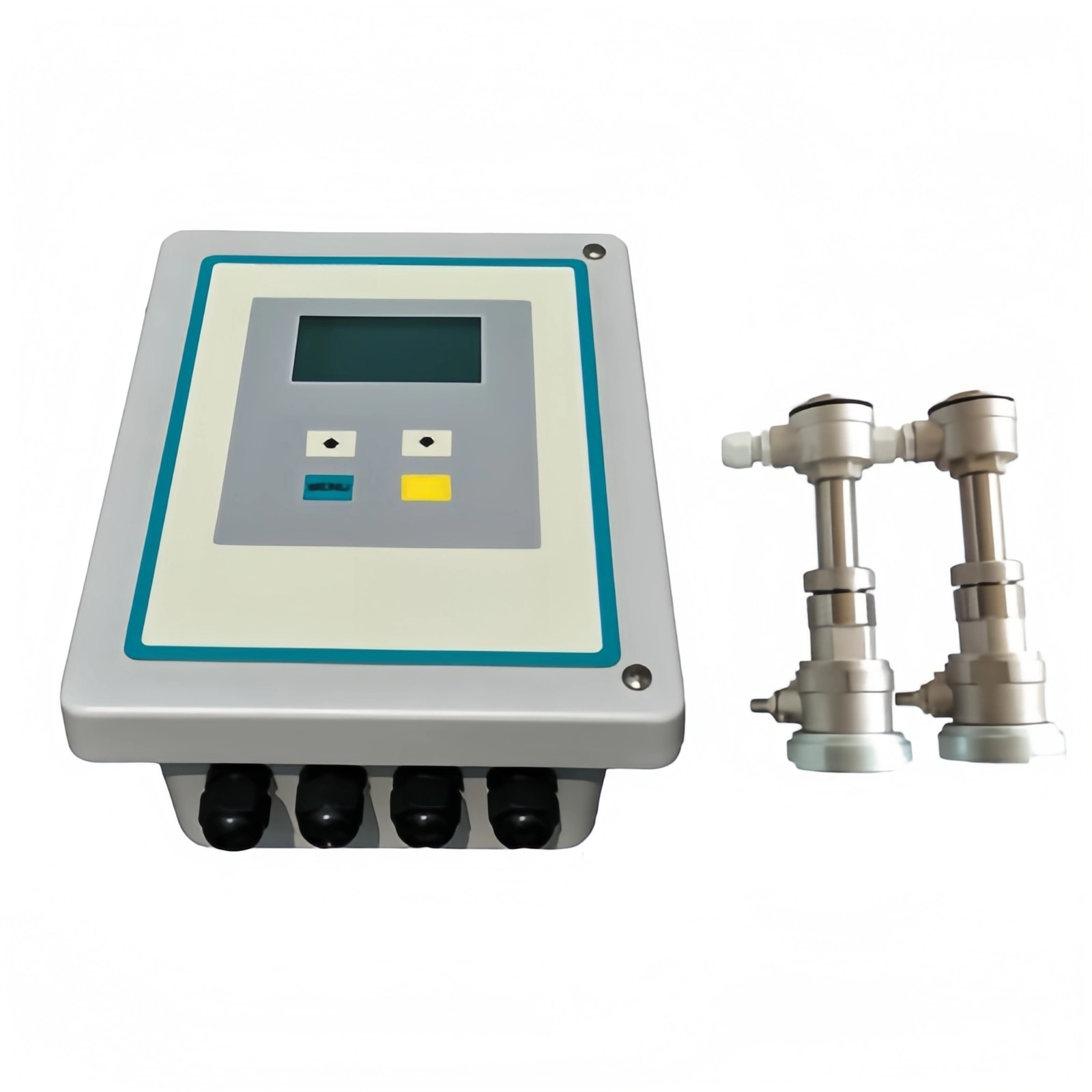
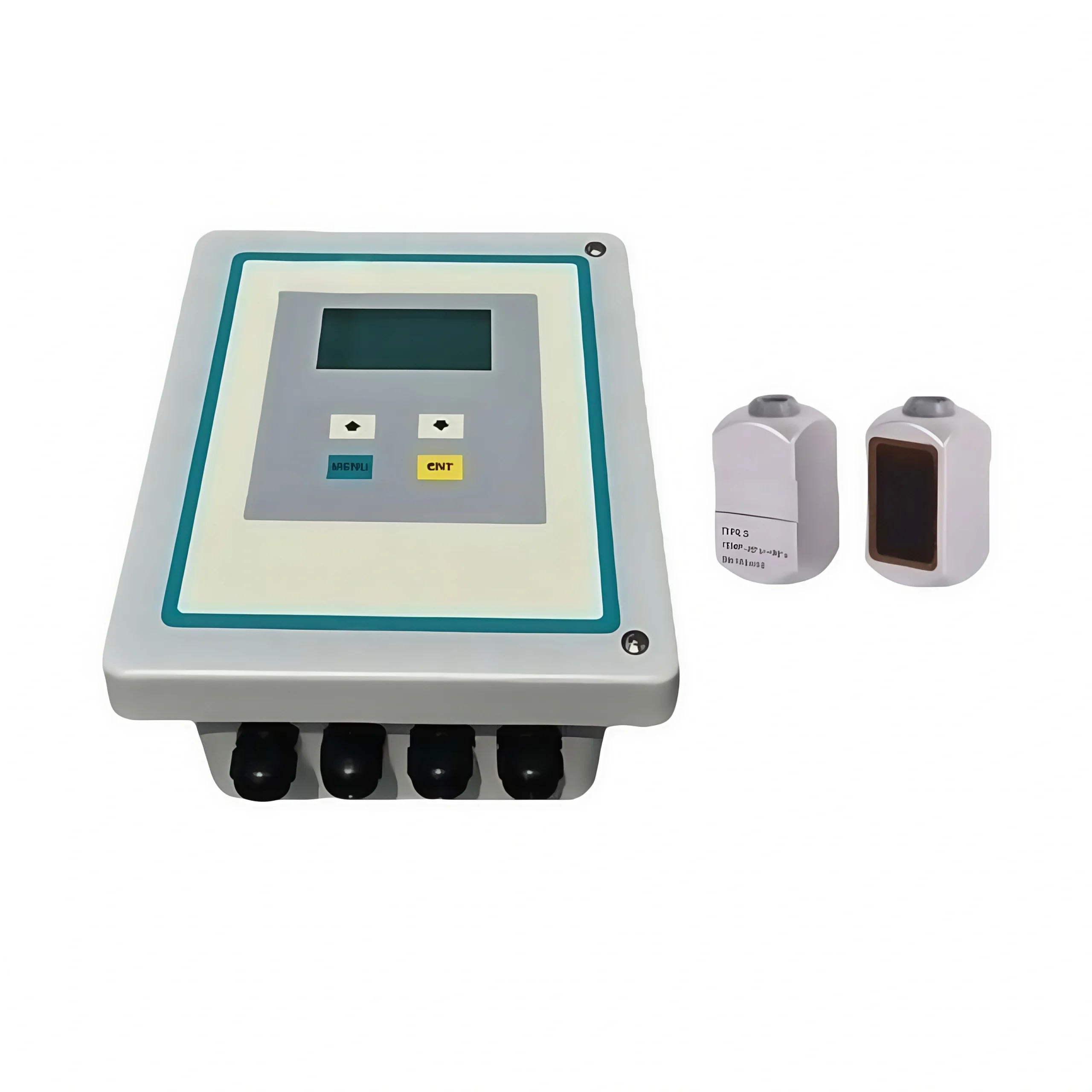
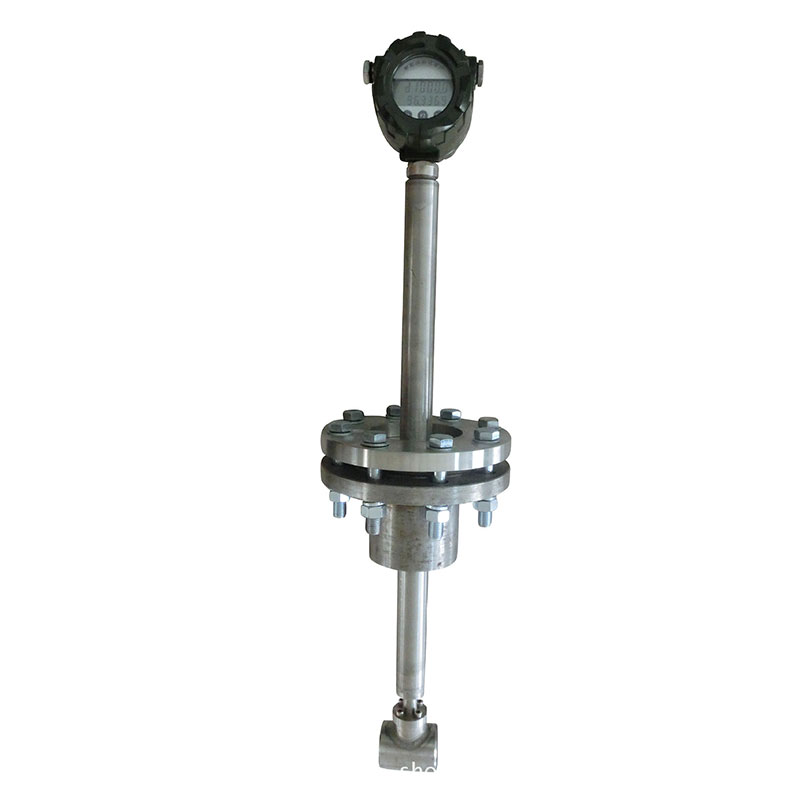
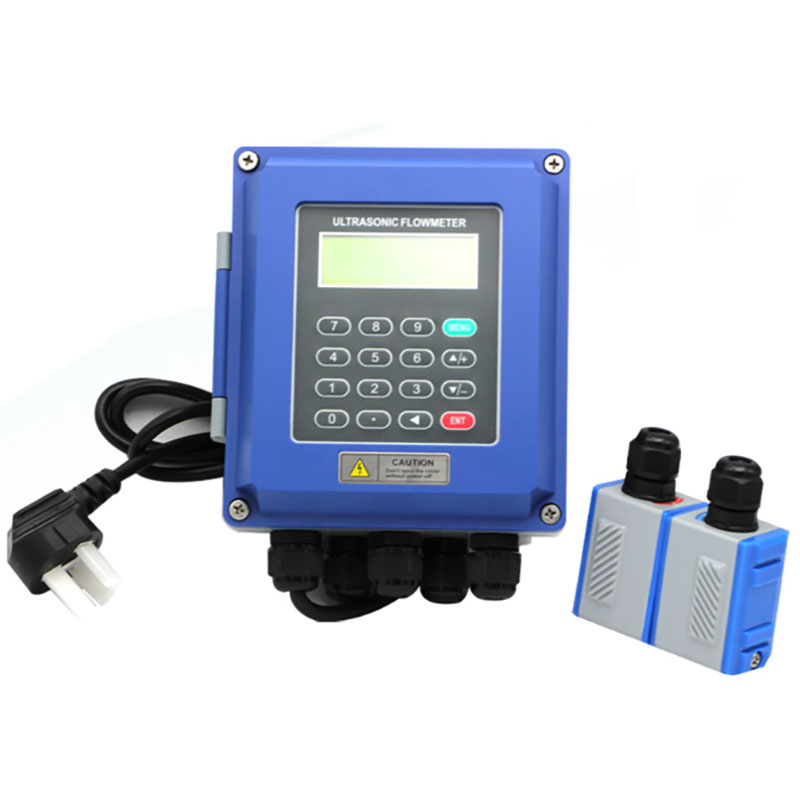
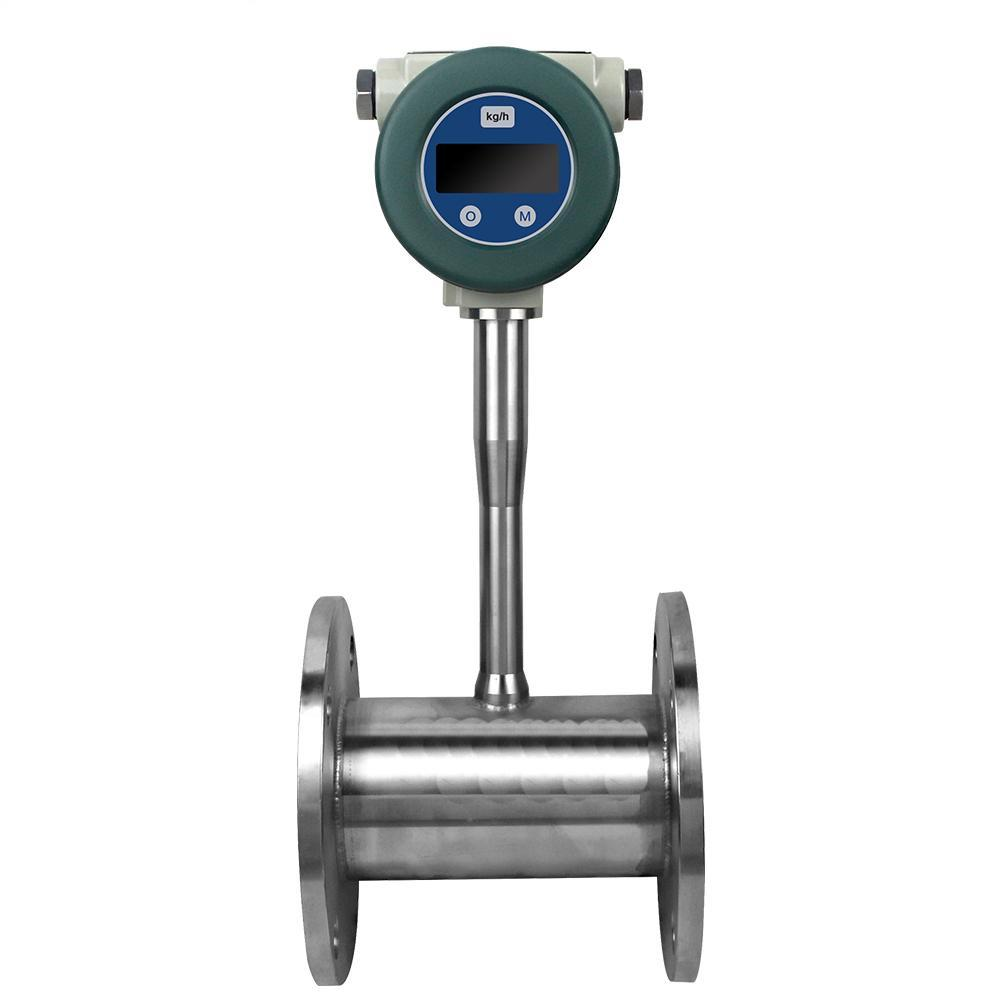
The powder flow meter is made up of a measuring probe, signal processing unit, housing, and mounting/connection components. The measuring probe is usually shaped like a ring or a rod. It’s just slotted straight into the pipeline that carries the powder.
As the material passes, the electrodes collect the tiny static charge created by friction or induction. The signal that has been captured is sent via special cabling that is protected inside the machine to the part that processes and sends the signal. This unit makes the signal stronger, filters it, and processes it before sending out a standard flow or velocity signal.
The housing and mounting parts protect against electricity and provide a shield against magnetic fields. They also allow pipes to be installed. Its compact, moving-part-free design makes it suitable for online measurement in pneumatic conveying and other powder handling applications.
Advantages and Disadvantages of Powder Flow Meters
Advantages
Simple and reliable structure, convenient installation and maintenance
The sensor has a tubular integrated structure with no moving parts. It is made up of a stainless steel short tube, annular electrodes, and an insulating layer. It contains no weak parts and is resistant to blockages. The flanged connections at both ends mean they can be directly integrated into pneumatic conveying pipelines, so there’s no need for any installation modifications and routine maintenance costs are reduced.
Strong interference resistance and excellent measurement stability
The stainless steel tube wall serves two purposes: it acts as both a channel and an electromagnetic shield, effectively blocking industrial electromagnetic interference. The insulating layer ensures there is no contact between the electrodes and the tube wall. This reduces signal leakage and ensures a steady charge signal, even when conditions are unpredictable.
Rapid response suitable for real-time online monitoring
The machine uses the triboelectric charging principle to sense signals immediately, enabling it to respond quickly. It can also show the current flow rate, concentration and conveying status of the powder. It has an integrated pre-amplifier circuit and high-speed processor, which means it can produce stable flow signals quickly and reliably for continuous online monitoring.
Minimal impact on conveying systems with broad applicability
The sensor’s internal flow path stays clear, so it barely affects the material flow, pipeline pressure loss or conveying efficiency. It is suitable for conveying different types of powdered materials using air pressure. This makes it very versatile and it can be used in many different ways in the chemical, building materials and grain industries.
Standardised signals for seamless automation integration
Flow signals change to standard current outputs in a straight line, depending on how fast the powder is flowing. The outputs are stable and high-linearity, and they can be used directly with PLCs, DCSs and other control systems. This makes it easy to display remotely, measure in total and regulate automatically.
Disadvantages
Limited measurement accuracy, unsuitable for high-precision metering
Using indirect charge measurement, it is as accurate as process monitoring. It cannot meet the strict metering requirements of applications such as trade settlement, precision batching, or quantitative feeding.
Measurement performance is significantly influenced by material properties
Results are closely tied to powder composition, particle size, moisture content, flowability, and electrostatic charge capacity. Material-specific charging characteristics vary markedly, typically necessitating on-site calibration for each substance.
Operational fluctuations compromise measurement stability
Signal drift or instability may occur under conditions such as uneven material concentration, significant flow velocity variations, pipeline vibration, or electrode surface powder accumulation. Regular electrode inspection and cleaning are required to maintain accuracy.
Applications of Powder Flow Meters
Online Flow Monitoring in Pneumatic Conveying Systems
Primarily employed in both negative and positive pressure pneumatic conveying pipelines, these devices provide real-time flow detection and trend monitoring for powdered materials. Suitable for continuous industrial production processes, they operate without disrupting existing conveying procedures.
Powder Material Measurement in the Chemical Industry
This is perfect for measuring out chemical powders like plastic pellets, resin powders, additives, catalysts, carbon black and fillers. It lets you keep an eye on how fast materials are moving and control the ratios in production lines as they go.
Conveyance Monitoring in Building Materials and Minerals Industries
This is for conveying powders like cement, lime, fly ash, mineral powder and talc powder using air pressure. It ticks all the boxes for online flow monitoring requirements for kiln systems, grinding systems and batching systems.
Food and Grain Industry Powder Measurement
You can use this for moving and measuring food-grade powders, like flour, starch, milk powder, powdered sugar and food additives. It has a dead-space-free design and is easy to clean, which makes it suitable for hygienic production environments.
Metallurgical and Lithium Battery Industry Powder Monitoring
It’s ideal for measuring all kinds of powdered materials, such as metal powders, graphite powder, cathode and anode materials, and lithium salts. It provides accurate measurements in sealed pipelines and meets the process control needs of new energy material production lines.
Environmental Protection and Dust Extraction System Dust Monitoring
Suitable for dust concentration and flow monitoring in dust extraction pipelines, recovery systems, and material return systems. Assists in identifying abnormal conditions such as system blockages, material leaks, or supply interruptions.
Pharmaceutical Powder Conveying and Metering
This product is perfect for use in pneumatic conveying systems that handle pharmaceutical powders, excipients and active pharmaceutical ingredients. It has a smooth, clean surface that meets the pharmaceutical industry’s standards for safe, sealed and contamination-free conveying and metering.
FAQ
What level of accuracy can powder flow meters achieve?
When it comes to industrial applications, powder flow meters usually offer a measurement accuracy of ±5% FS (full-scale accuracy), with repeatability accuracy reaching ±3% FS. This set of guidelines looks at checking industrial processes involving measuring the flow of powder through them.
This level of accuracy is enough for most industrial processes. It reliably shows changes in powder flow, providing strong data for making process changes and checking how equipment is working.
However, the way the powder flows, how tightly it is packed, and how it moves through pipes can affect how accurately it measures. This is not as accurate as the high standards of some liquid or gas flow meters. So, it is not usually used in situations that need extreme precision, like trade settlement or metered transfer.
What should be considered during installation?
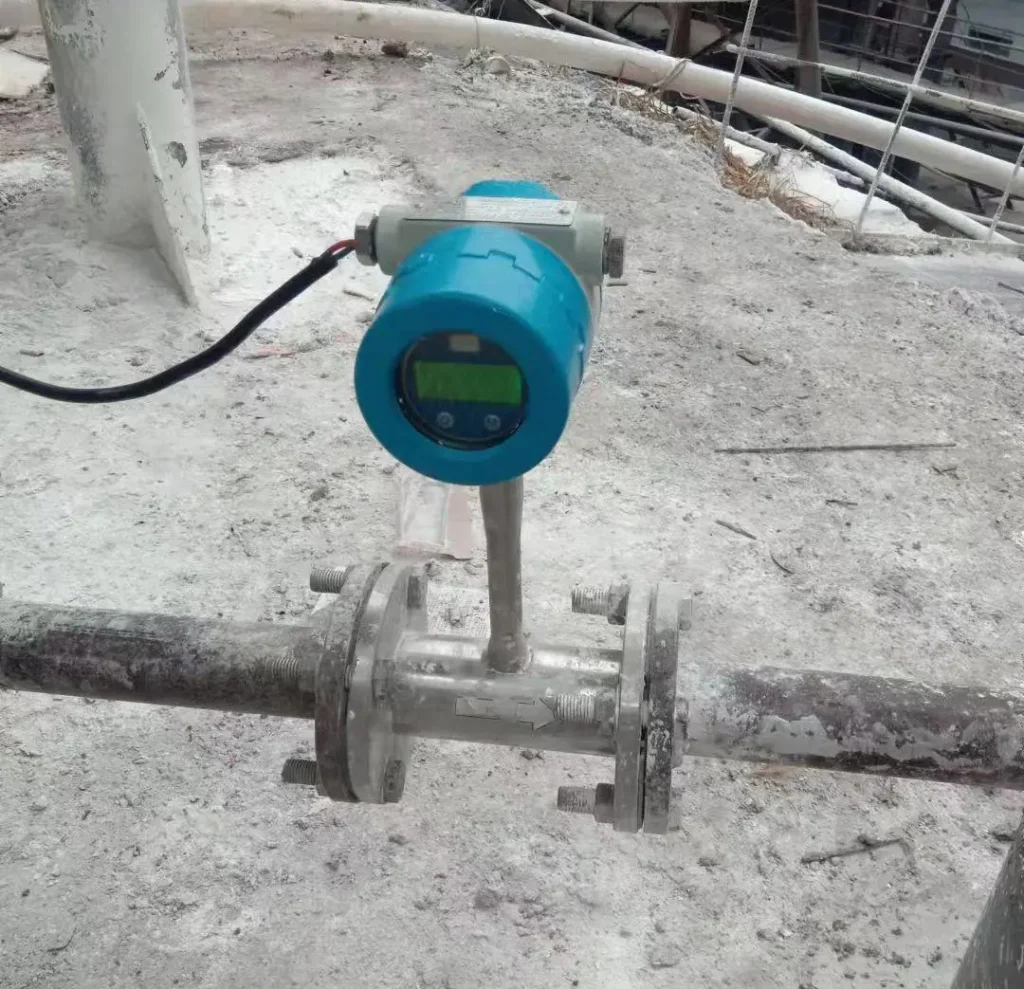
To ensure the material is spread evenly and flows steadily through the pipeline, powder flow meters should be installed horizontally. To minimise issues arising from fittings such as elbows, valves and reducers, ensure there are sufficient straight pipe sections both before and after the sensor. When you use flange connections, make sure that the grounding is reliable. This will stop static and electromagnetic interference from affecting the stability of the signal.
At the same time, make sure that the electrodes and sensing elements are clean, dry and free from any powder or moisture. Ensure that the flange gaskets are positioned correctly and do not protrude into the pipe wall. This will prevent overheating and ensure that everything continues to work properly and measure accurately in the long term.
What factors affect measurement stability?
There are many things that can affect how stable the measurement is. These things include the material properties, the pipeline conditions, any interference from the environment, and the instrument status. The material’s moisture content, size, shape, density, how easily it flows, and its electrostatic charge can directly change the strength of the measurement signal. This can cause the data to change.
Unstable material velocity within the pipeline, uneven concentration distribution, and abrupt flow state changes can significantly impair measurement accuracy. Concurrently, on-site vibrations, electromagnetic interference, and poor grounding introduce signal noise, while powder accumulation, material adhesion, moisture ingress, or wear on electrodes or measuring probes directly reduce the instrument’s long-term stability. The combined effect of these factors may cause drift, fluctuations, or measurement distortion in the powder flow meter.
What is the output signal? Can it be directly connected to a PLC/DCS?
The standard output signal for powder flow meters is primarily a 4–20mA analogue signal, the most universal and robust signal format in industrial settings. These signals are standard industrial outputs that can be directly integrated into PLCs, DCSs, and other industrial control systems without requiring additional signal converters or isolators. This offers simple wiring, strong compatibility, and rapid integration into automated control systems, enabling stable and reliable data acquisition and process control.
What distinguishes powder flow meters from weighing-type and Coriolis flow meters?
There are three types of flow meter: powder flow, weighing-type and Coriolis. They all measure different things, work in different ways and are used for different things. Powder flow meters are tools that are used to measure the amount of a solid powder or granular material (e.g. sand or sugar) that is flowing through them. The most common types are electrostatic, impulse and microwave. They are mainly used in pneumatic and chute conveying and other powder processing applications. This means they can be used to monitor solid materials as they are being processed. They are easy to install and use because they are designed to be compact and have no moving parts.
Weighing flow meters can be used for a bunch of different things. They can measure both solid powders and granules, as well as specific liquid flows, which is pretty handy. They calculate mass flow by continuously monitoring material weight changes, offering high measurement accuracy. However, these devices are bulkier and impose specific requirements on installation space and mounting methods.
Coriolis flow meters can only be used with liquids and gases. They use the Coriolis effect to measure mass flow directly and precisely, which makes them very accurate and stable. However, because of how their measuring tubes are designed, they cannot accommodate solid particles, meaning they are not suitable for measuring the flow of solid powders.
These days, there is really good technology for measuring powder, so it’s important to choose a meter that is right for the job. This will make production more efficient and help to manage the process better. It’ll also provide reliable data to help businesses become more digital and produce better products. Here at Sion-Inst, we’re totally committed to providing more stable, suitable and valuable powder flow measurement solutions. This means that industrial production can become more efficient, precise and intelligent.