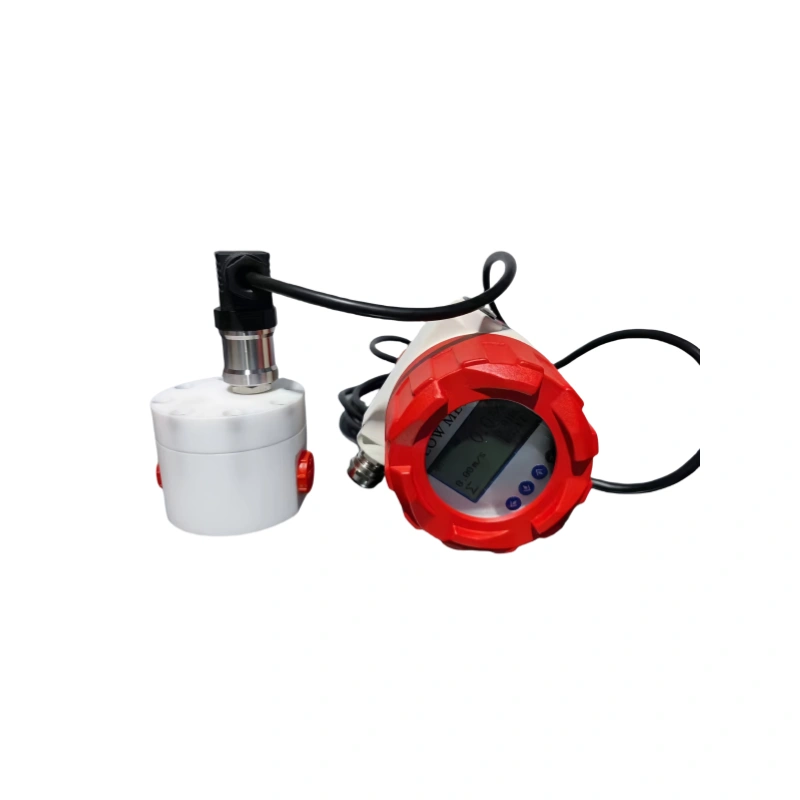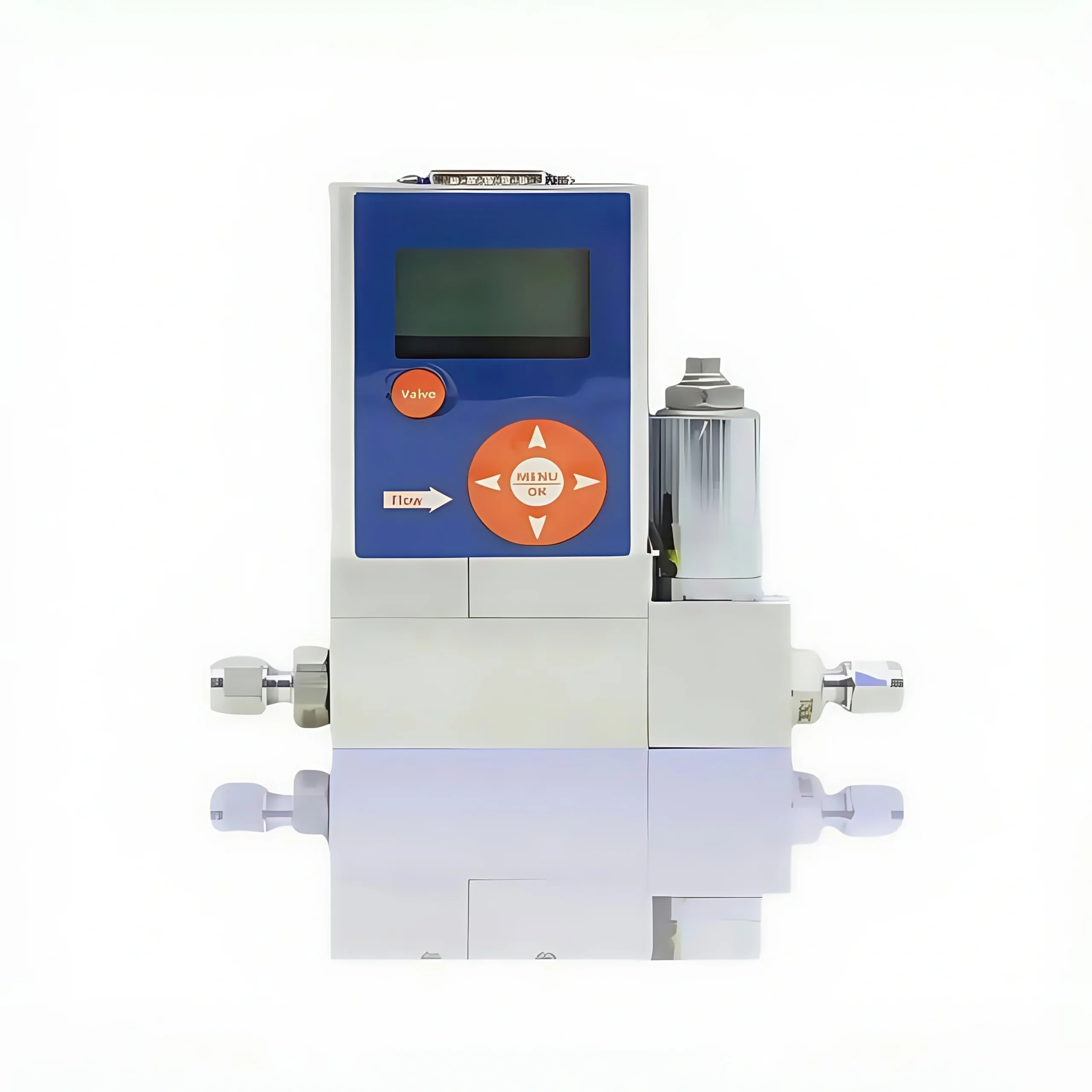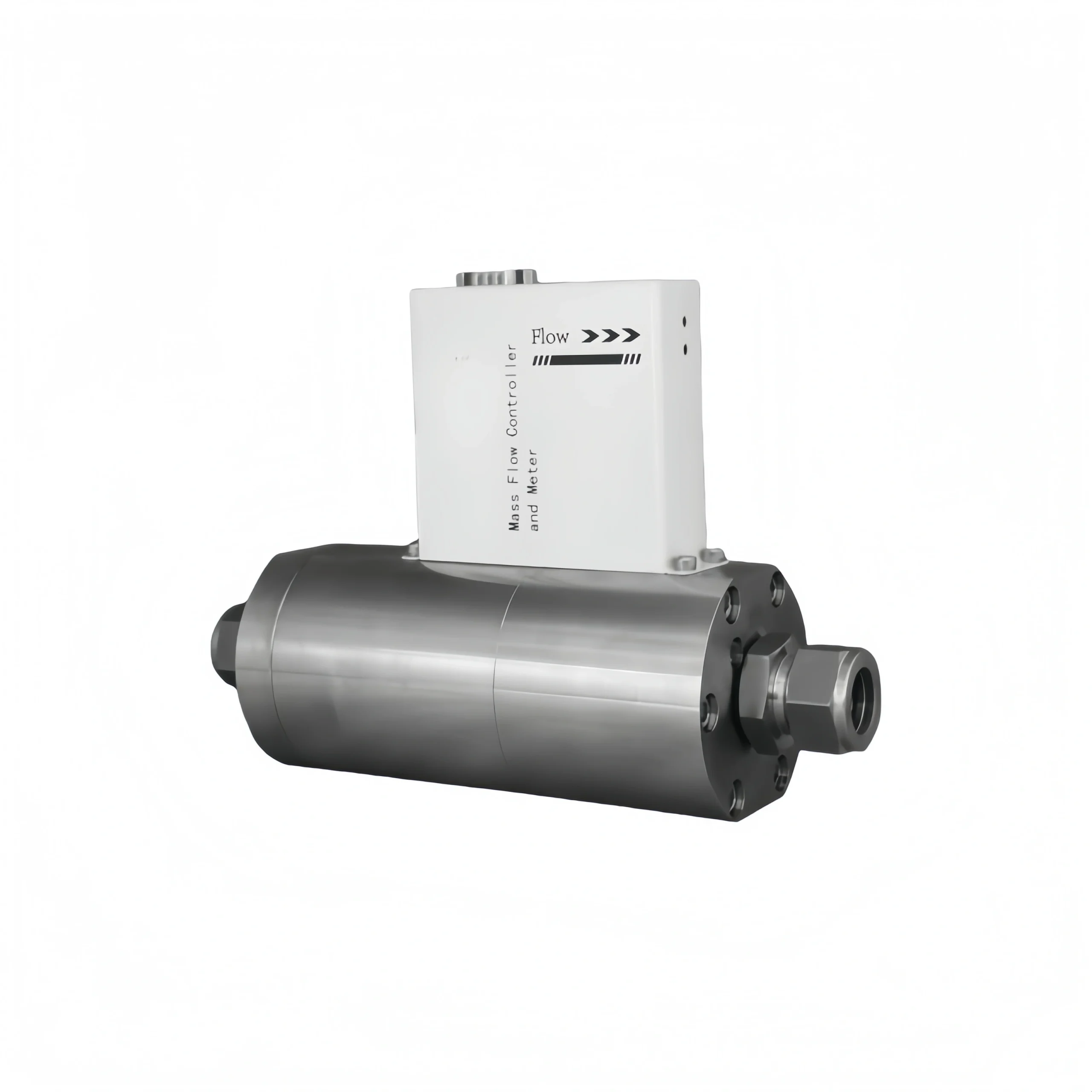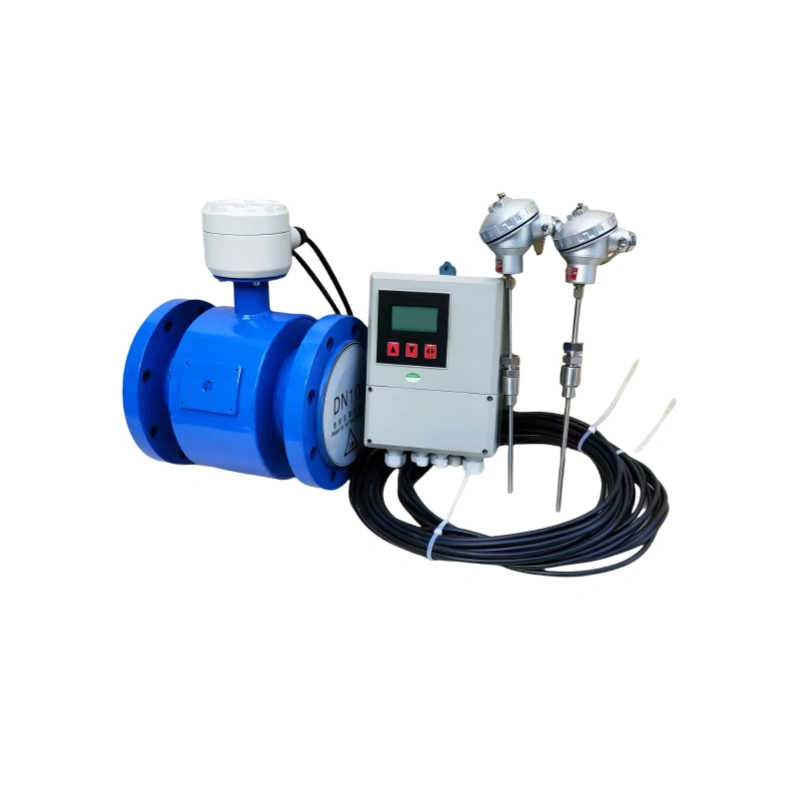
As a key heat transfer medium in industrial production, the accuracy of steam flow measurement has a direct bearing on energy efficiency, production cost control and process optimisation. Thanks to their technical advantages—including reliable construction, high measurement accuracy and suitability for a wide range of operating conditions—steam vortex flow meters for steam have become one of the mainstream instruments in the field of industrial steam flow measurement, and are widely used in industries such as chemicals, power generation and metallurgy.
Introduction to Steam
Steam is the gaseous state of water formed by heating liquid water to boiling. Steam is invisible, and the “steam” that is visible in daily life is “wet steam”, which is a mixture of water vapor and its condensed mist or aerosol. In low-pressure areas, such as high altitudes and mountain tops, the boiling point of water is lower than the 100 degrees Celsius we know in daily life. Continued heating will produce superheated steam.
Steam Classification
Steam is mainly classified into two types: saturated steam and superheated steam.
Saturated steam
Saturated steam is the gaseous state of water that reaches equilibrium at a specific temperature and pressure; its temperature and pressure are directly proportional, and its physical properties are stable. When water is heated to its boiling point, water molecules transition from a liquid to a gaseous state; this steam is known as saturated steam.
Superheated Steam
Superheated steam is gaseous at the same pressure as saturated steam, but it is hotter. It contains fewer water molecules than saturated steam, making it less dense, but it has more thermal energy and penetrating power. Superheated steam is used in many ovens at home and in drying and dehydration processes. It is also used in industry to generate electricity and in chemical processes, where it is important to control the temperature and transfer heat efficiently.
Where do We Use Steam?
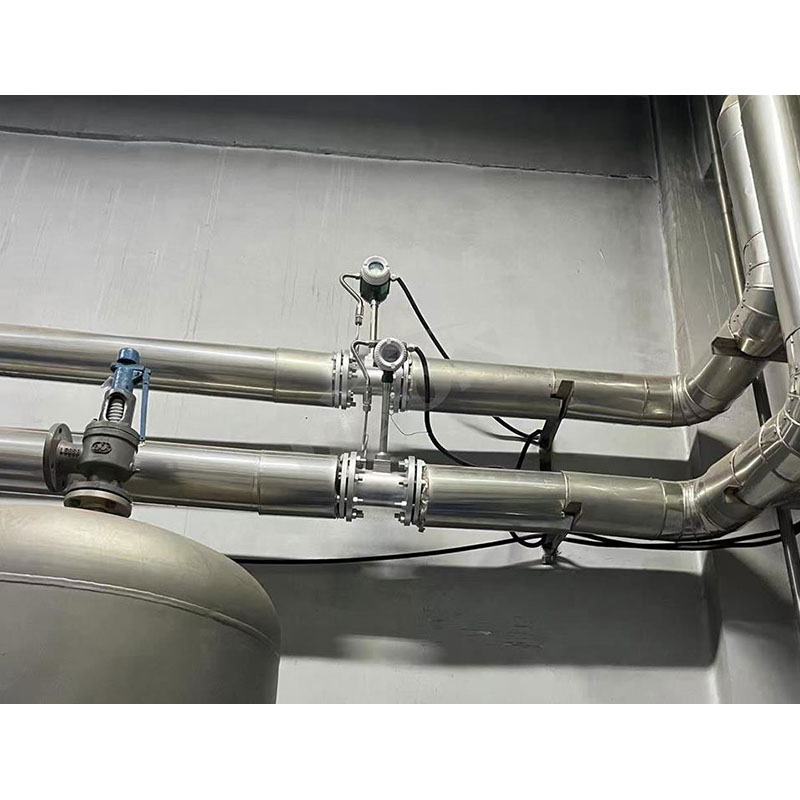
Steam has a wide range of applications in both domestic and industrial settings. It is used for heating, steaming and drying operations in industries such as chemicals, food and textiles. It is also the main source of power for steam turbines, which generate electricity in thermal power stations. It is also often used for central heating in industrial estates and homes.
Furthermore, high-temperature steam is ideal for sterilisation and disinfection in the pharmaceutical and food industries. It can be used to power equipment directly, such as steam turbines and pumps, and it is also used to humidify workshops, dry concrete and control humidity in greenhouses.
Challenges in Steam Flow Measurement
1. Steam is classified into saturated and superheated steam; even slight fluctuations in operating pressure and temperature can cause significant changes in density and specific volume. Saturated steam is prone to water carryover in both the vapour and liquid phases. This results in unstable dryness and wetness levels, which directly affect the accuracy of flow measurement.
2. Steam mass flow depends on density conversion, and density is strongly correlated with pressure and temperature. Pressure and temperature fluctuations are common in field conditions; if compensation algorithms are slow to respond, measurement points are inaccurate, or real-time temperature and pressure compensation is not applied, significant measurement errors will result.
3. Condensate droplets readily form within steam pipelines, creating a two-phase flow. This alters the velocity distribution of the fluid and impacts the sensing elements of the flow meter, causing measurement distortion and wearing down the equipment, which has an adverse effect on long-term measurement stability.
4. Steam pipelines frequently contain bends, valves and reducers, which can easily cause flow field distortion and turbulent vortices; it is often difficult to meet the requirement for sufficient straight pipe sections upstream and downstream of the flowmeter at the site, and an uneven flow field can significantly reduce the measurement accuracy of all types of flowmeters.
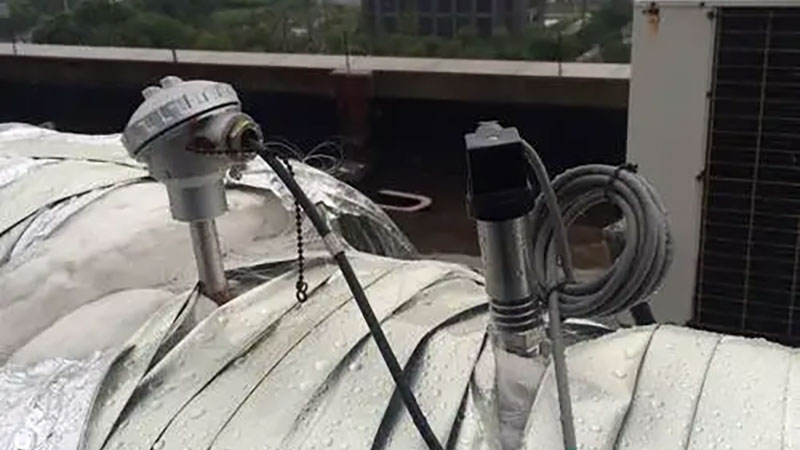
5. Steam is generally associated with high-temperature and high-pressure environments; ordinary instruments lack sufficient temperature and pressure resistance, making them prone to sensor ageing, seal failure and zero-point drift; High temperatures also affect the stability of electronic components, leading to zero-point shifts and data drift.
6. Condensate accumulates at the lowest points of pipelines. Poor drainage can result in liquid plugs and water hammer, which impact the internal structure of the flowmeter. Accumulated condensate also alters the flow cross-section, disrupting normal fluid flow and causing sudden fluctuations in instantaneous flow rates. This leads to inaccurate measurements.
7. Steam consumption varies significantly between peak and off-peak periods, causing sudden fluctuations in steam flow. As some flow meters have a narrow turndown ratio, they may fall below the lower measurement limit during low-load periods, resulting in insufficient sensitivity and a sharp increase in error, making it impossible to ensure accurate measurement across both high and low loads.
8. The applicable operating conditions of different types of flow meter are limited: vortex flow meters are susceptible to vibration and two-phase flow; differential pressure meters are constrained by straight pipe runs and the need for density compensation; and orifice plates suffer from high pressure drop and cumbersome maintenance. If the meter is not precisely selected based on the type of steam and operating parameters, inherent measurement defects will exist from the outset.
9. Steam pipelines cannot be shut down and dismantled at will, making in-service calibration difficult; after prolonged operation, sensing elements become fouled, worn or corroded, causing parameter drift. As regular calibration is difficult to perform, errors accumulate year on year.
Types of Steam Flow Meters
Which flowmeter is suitable for steam?
There are three basic types of flowmeters suitable for steam: differential pressure (DP), vortex and Coriolis.
Differential pressure flowmeter
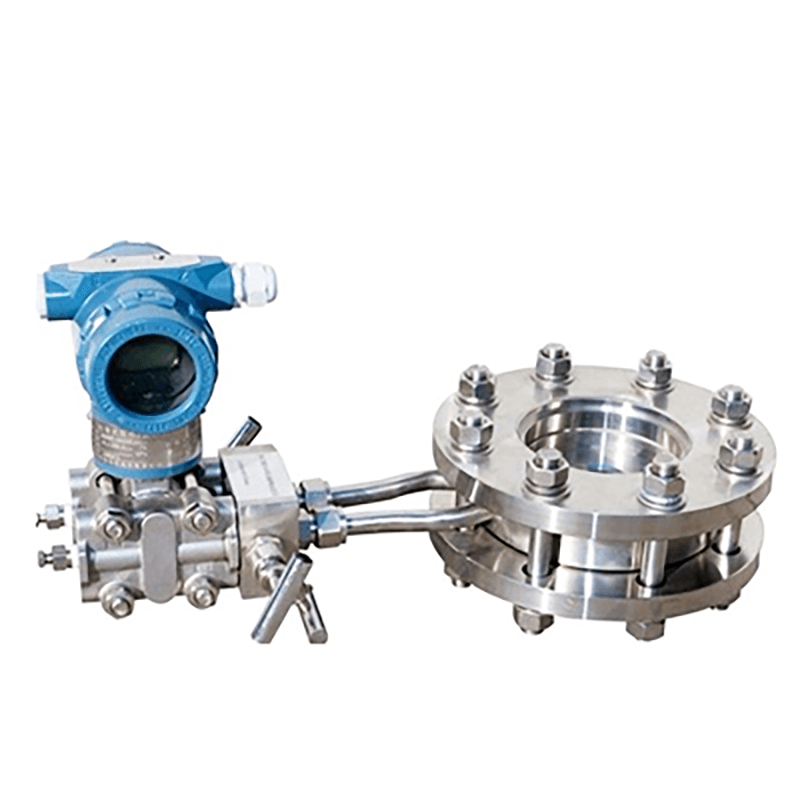
Differential pressure flowmeter, also known as orifice flowmeter, consists of a primary detection element (throttling element) and a secondary device (differential pressure transmitter and flow display). It is widely used in gas, steam and liquid flow measurement, with simple structure, easy maintenance, stable performance and reliable use. It relies on the pressure change when steam flows through components such as nozzles, orifices or venturi tubes, uses the pressure difference to determine the flow rate, and then uses the flow rate to calculate the flow rate. The pressure difference provides an indication of the flow rate, which can be used to determine the flow rate.
Vortex flowmeter
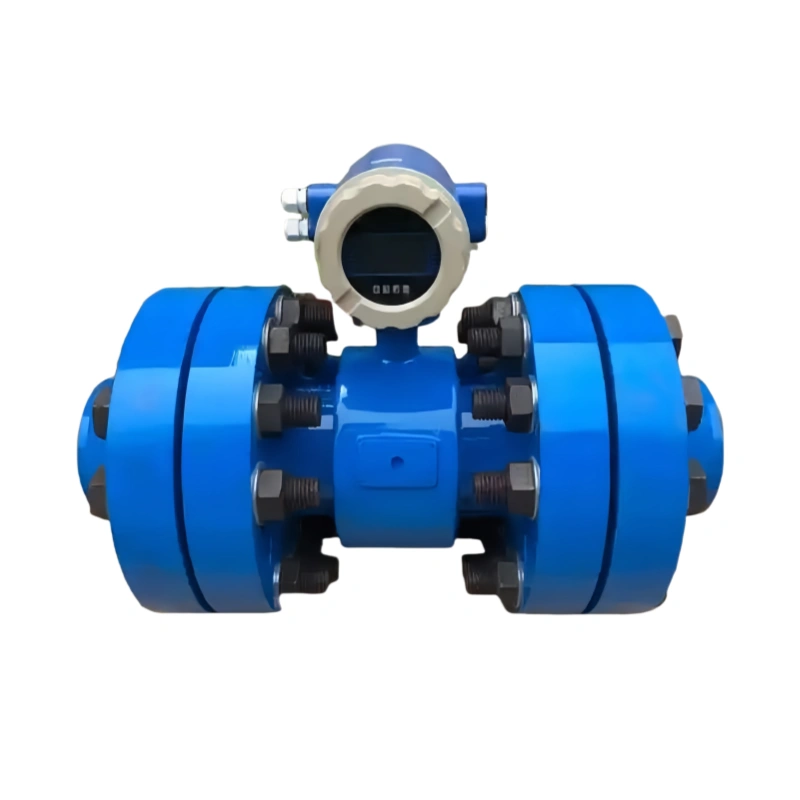
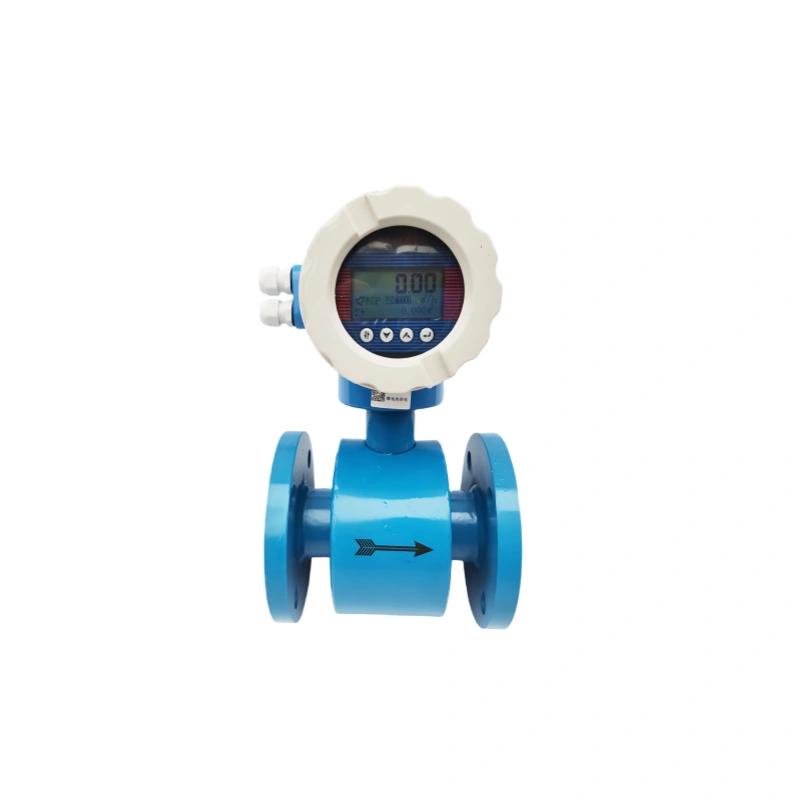
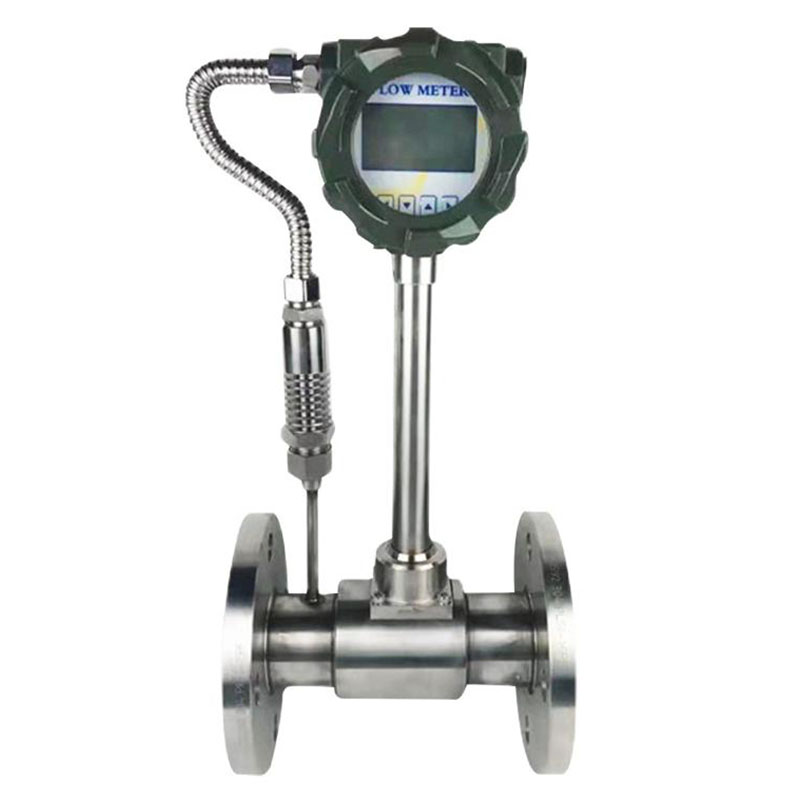
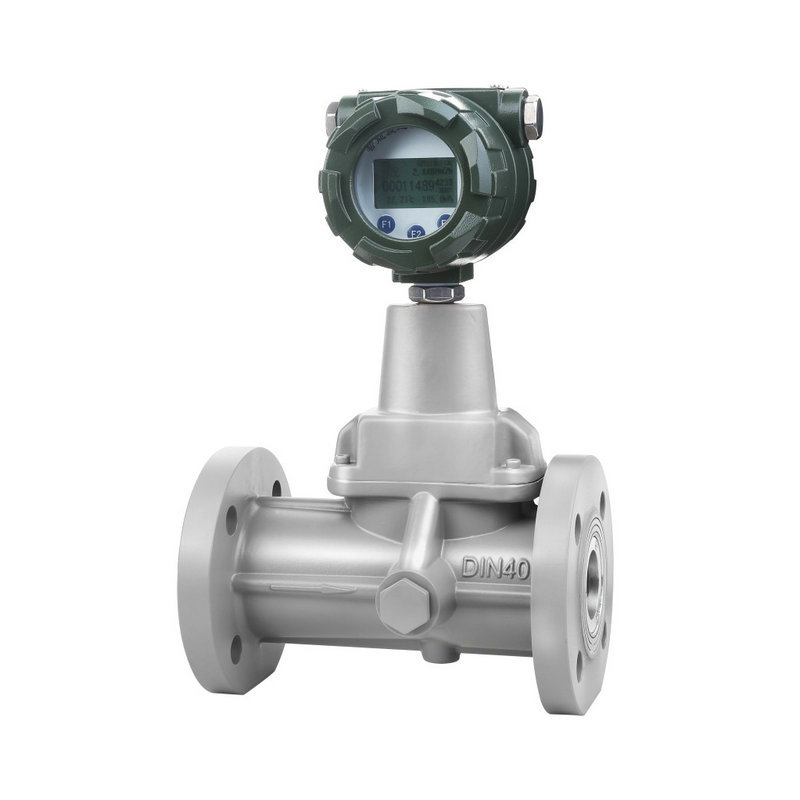
Vortex flowmeter is a volume flowmeter that measures the volume flow rate, standard volume flow rate or mass flow rate of gas, steam or liquid based on the Karman vortex principle. It is mainly used for flow measurement of industrial pipeline medium fluids, such as gas, liquid, steam and other media. It relies on the principle of generating vortices when flowing through components, and the frequency of the vortex corresponds to the flow rate. There are analog standard signals and digital pulse signal outputs, which are easy to use with digital systems such as computers. It is a relatively advanced and ideal measuring instrument.
The Coriolis flowmeter
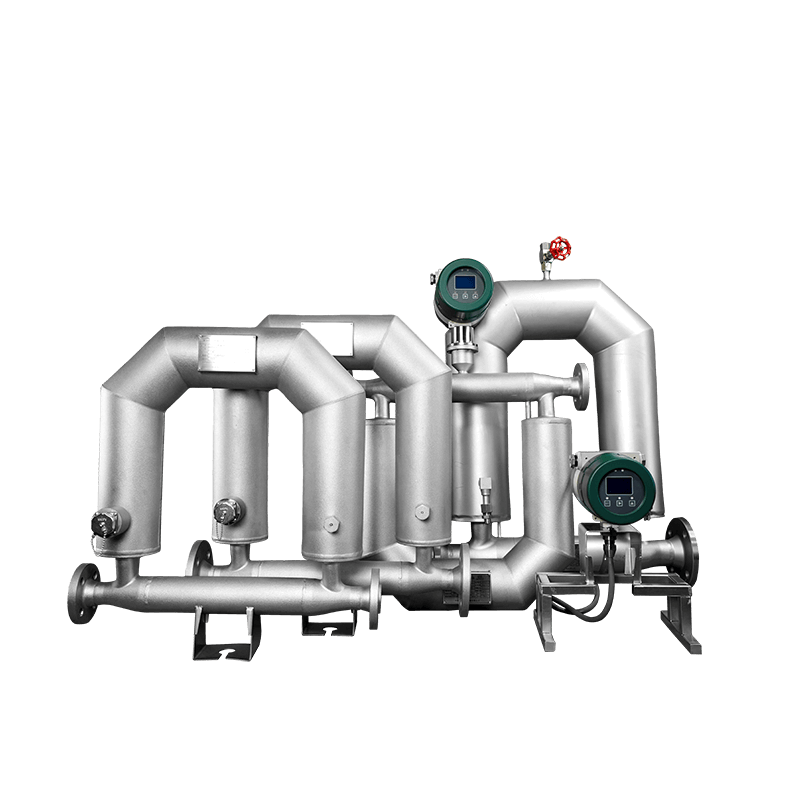
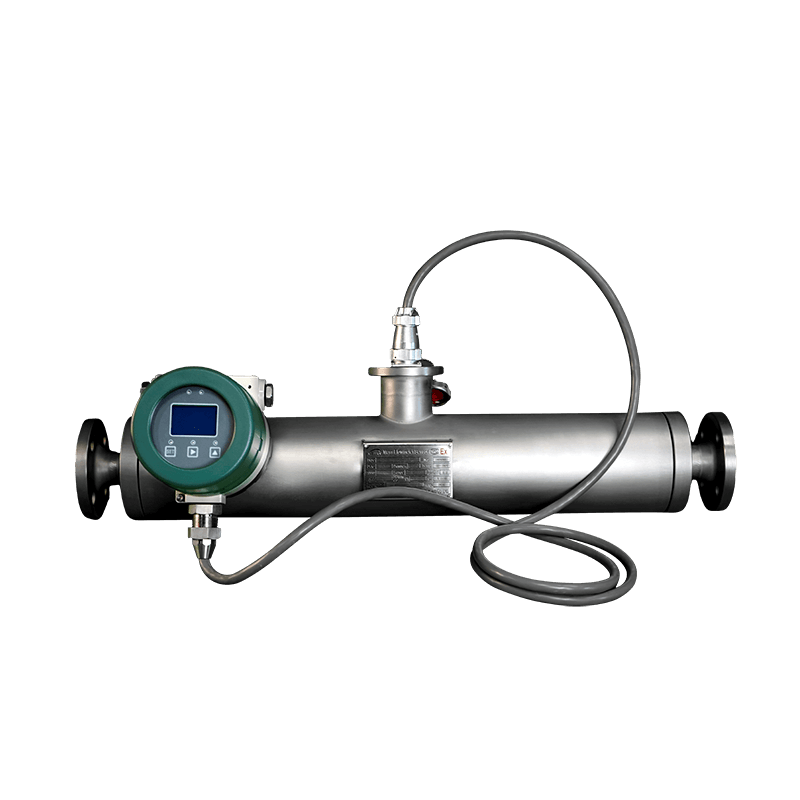
The Coriolis flowmeter relies on pipes placed in the steam flow path. These pipes twist according to the flow rate. It is a device that directly measures the mass flow rate by using the principle of Coriolis force proportional to the mass flow rate when the fluid flows in a vibrating pipe. It consists of a flow detection element and a converter. The Coriolis mass flowmeter realizes the direct measurement of mass flow, has high precision, can measure multiple media and multiple process parameters, and is widely used in petrochemical, pharmaceutical, food and other industries.
But in fact, the most suitable flowmeter for measuring steam is the steam vortex flowmeter.
Why Choose a Vortex Flow Meter?
Vortex flow meters are selected for measuring steam flow due to their simple and durable design; they contain no moving mechanical parts, are resistant to wear and failure, and have low maintenance costs.
They are suitable for both saturated and superheated steam, withstand high temperatures and pressures, offer a wide measurement range and stable accuracy, and are unaffected by minor fluctuations in steam temperature and pressure.
Furthermore, they deliver excellent measurement results without the need for temperature or pressure compensation. They are easy to install and use, offer high cost-effectiveness over the long term, and are the instrument of choice for industrial steam flow measurement.
Advantages of vortex flow meters for steam measurement
Reliable structure and low maintenance: They won’t fail over time because they have no internal moving parts and no parts that can wear out, such as bearings or impellers. They can withstand high temperatures and high-pressure steam, have a long lifespan and require virtually no maintenance.
High measurement accuracy and excellent stability: When measuring the flow rate of a liquid under normal operating conditions, the measuring device is not greatly affected by changes in the temperature of the liquid, the pressure, the density of the liquid, or how thick or thin the liquid is. The measurements are always accurate, which is important for industrial production and trade.
Low pressure loss and greater energy efficiency: Vortex flowmeters are better than other types of flowmeter, like orifice plates, because they have less pressure loss. These devices have been shown to be very energy efficient, and over time they could reduce energy consumption and operating costs.
Wide measurement range and strong adaptability: It is perfect for steam pipelines where the flow of water changes a lot, because it can adjust more quickly than older measuring devices.
High-temperature resistance suitable for steam applications: Specialised models can operate in environments with high temperatures and very hot steam. This makes them perfect for measuring different types of steam, like saturated and superheated steam. This makes them very useful because they can be used in many different situations.
Convenient signal output and easy networking: The device is capable of generating standard digital pulse signals and is resistant to electromagnetic interference, thereby ensuring the reliable and secure transmission of signals. This makes it easy to send data remotely and connect to automated control systems and energy management platforms.
High cost-effectiveness in installation and operation: With its simple, compact design and flexible installation options, it supports both integrated and split configurations. Its low overall procurement and operating costs result in outstanding value for money.
Disadvantages of vortex flowmeters for steam measurement
High requirements for straight pipe sections: Sufficient lengths of straight pipe must be installed both upstream and downstream. Fittings such as elbows, valves and reducers can disrupt the flow field and directly affect measurement accuracy. Installation can be challenging in scenarios with limited on-site space.
Poor vibration resistance: Mechanical vibrations in the pipeline and equipment resonance can easily interfere with the vortex signal, causing fluctuations in flow display and inaccurate measurement. Additional vibration-damping measures must be installed in pipeline networks with high vibration levels.
Poor performance at low flow rates: Stable vortices cannot be created when the flow speed is slower than the lower limit. Significant measurement errors can occur when there is low-flow, low-load steam, meaning it is not suitable for long-term use at low flow rates.
Susceptibility to impurities in the medium: The presence of impurities in steam, such as water droplets, rust or debris, can have a negative impact on the probe. These impurities can erode the probe or adhere to the surface of the sensing elements. Over time, this affects signal acquisition and reduces measurement stability.
Inability to measure contaminated or excessively humid steam: Significant measurement errors resulting from signal interference are common in saturated steam and wet steam containing large amounts of condensate, particularly in high-humidity environments. Suitability for wet steam conditions is therefore limited.
Cost-ineffective for large pipe diameters: Using vortex flowmeters in large-diameter steam pipelines results in significantly higher equipment and installation costs, leading to a lower cost-effectiveness ratio compared to certain orifice flowmeters.
Measurement is limited by pipe diameter: Vortex flowmeters are not suitable for pipes with excessively small diameters because it is difficult to generate stable vortices in such pipes. This means there are only a few pipe sizes that can be used.
Can Ultrasonic Flow Meters Measure Steam?
The answer is obviously no. At present, there are no ultrasonic flowmeters for measuring steam in China, but judging from the current technological development in China, ultrasonic flowmeters will definitely be used in this regard in the future. And there are already ultrasonic flowmeters for measuring steam abroad.
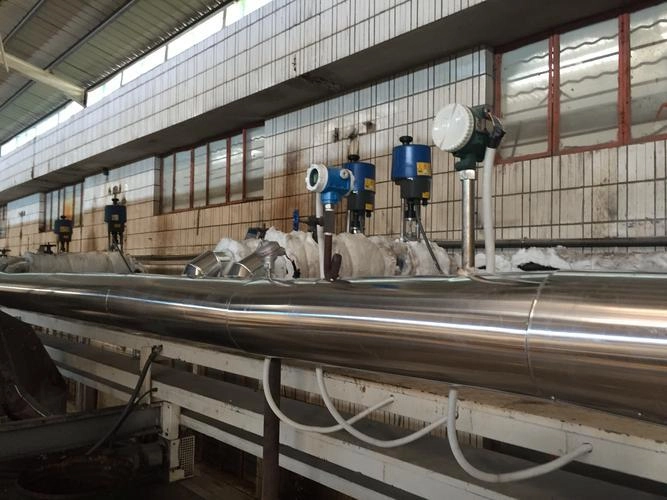
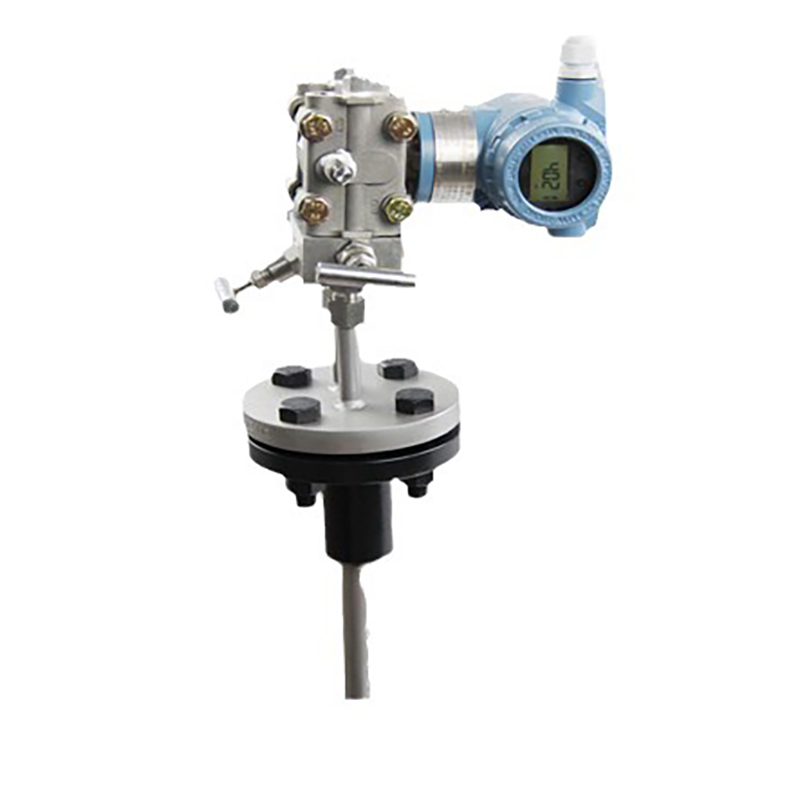
For steam metering, five main factors should be considered when selecting a flowmeter: the characteristics of the measured fluid, the production process, the installation conditions, the maintenance requirements and the characteristics of the flowmeter. At present, the instruments for measuring steam flow mainly include vortex flowmeter, differential pressure (orifice plate, average velocity tube, elbow) flowmeter, split rotor flowmeter, Annubar flowmeter, float flowmeter, etc.
Our Sino-Inst vortex flowmeter has the characteristics of high accuracy and good performance. It is the proven instrument of choice in geothermal steam applications around the world. It can measure the mass flow of any gas or liquid and is very suitable for saturated or superheated steam. If you need to purchase a vortex flowmeter or have any questions about the installation of a vortex flowmeter, please contact our engineers!