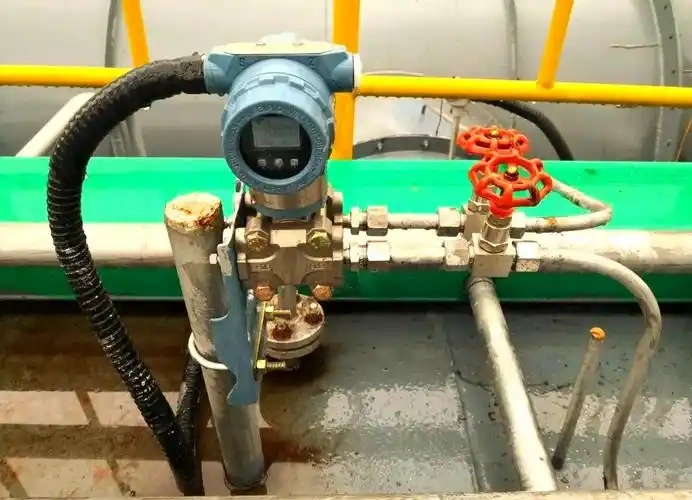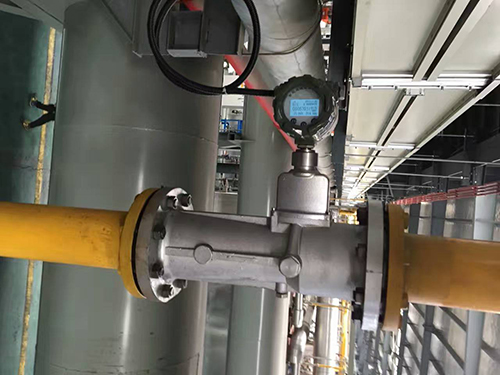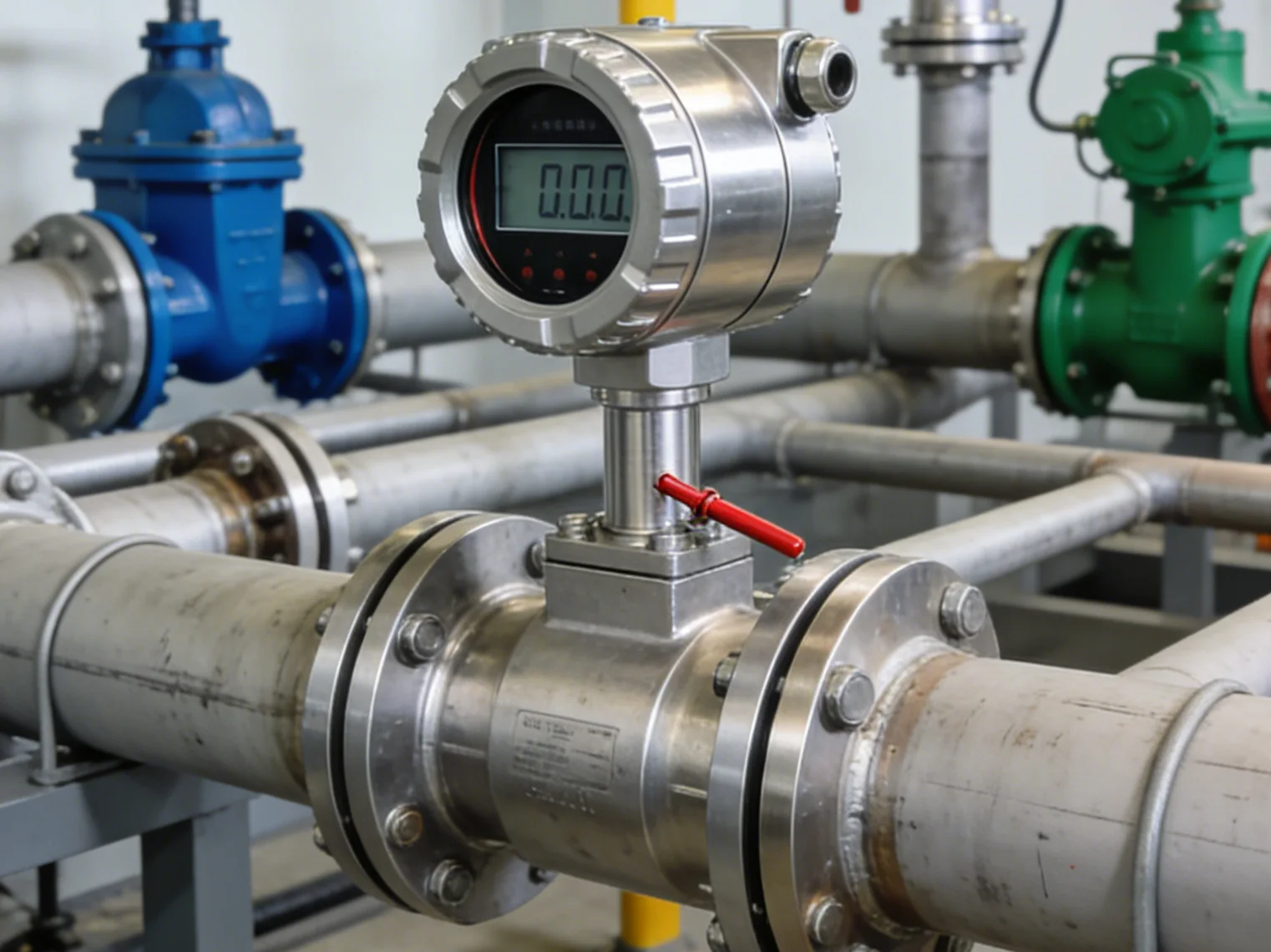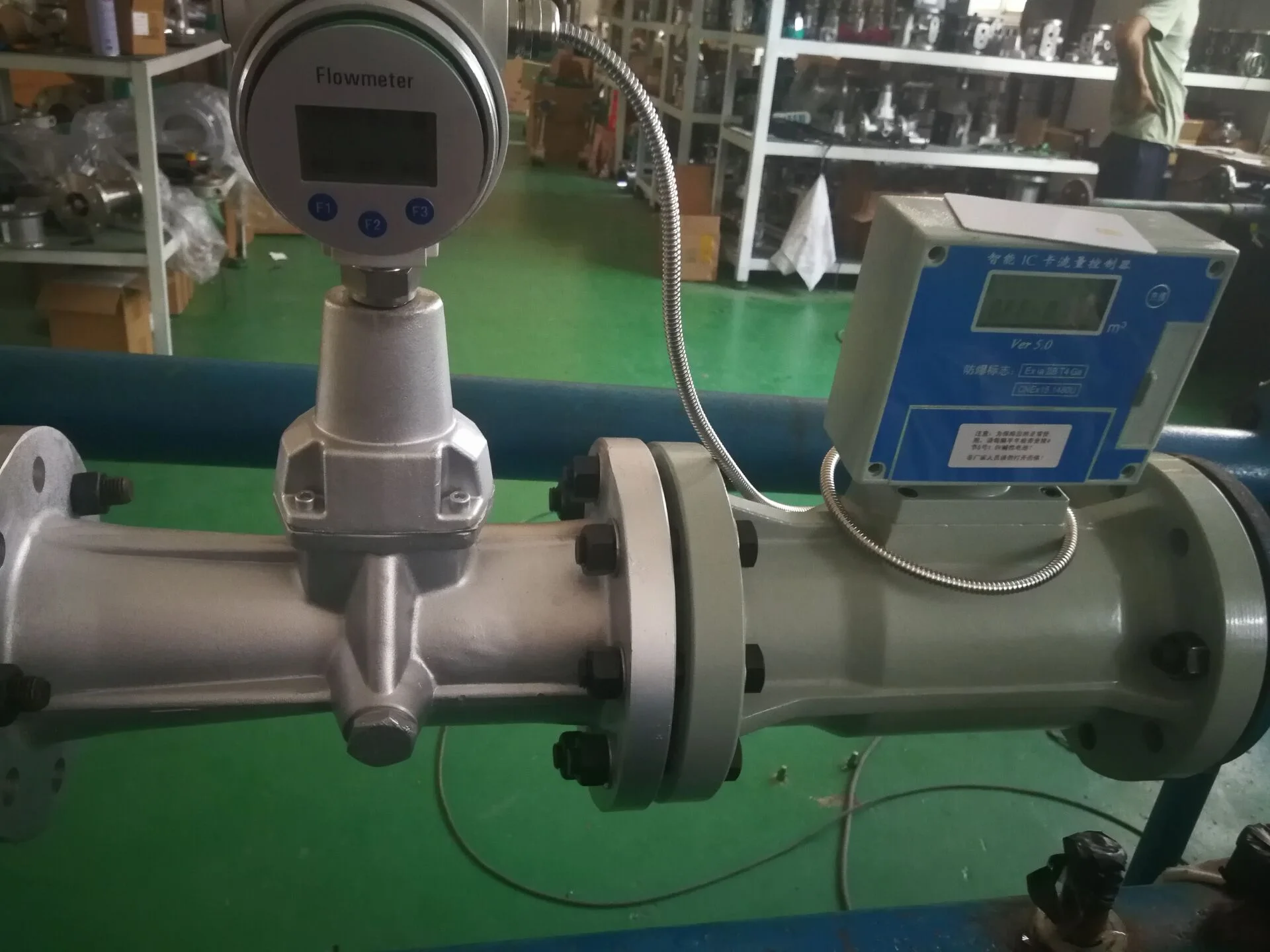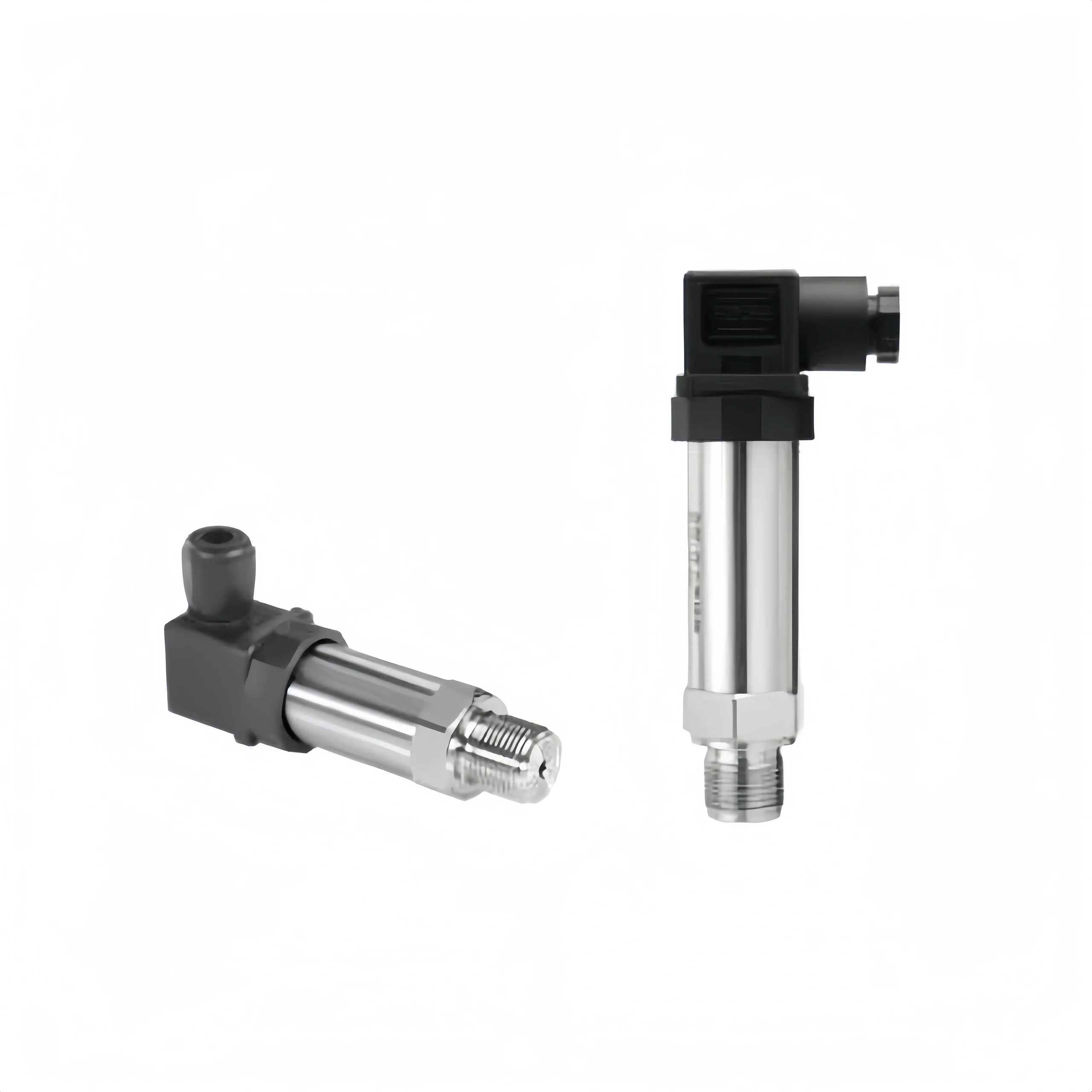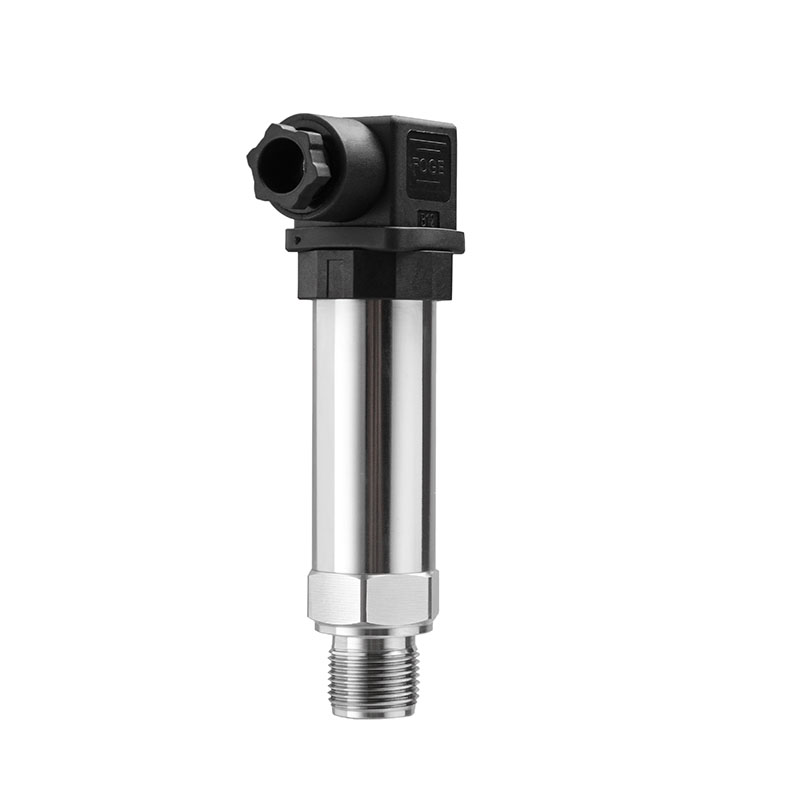
Three-wire pressure sensors are a pretty common type of sensor. They connect to the controller via three wires and are used to detect the temperature, humidity and pressure of objects. Their power supply and signal lines are relatively independent, offering simple wiring, good stability and strong interference resistance. They are a common type of pressure sensor used in industrial automation and can be found in industrial control systems, environmental monitoring systems, and home control systems.
Principle of Operation for Three-Wire Pressure Sensors
Three-wire pressure sensors work using something called a strain gauge. A strain gauge is a sensor that can detect pressure and change it into an electrical signal. It works by attaching a special piece of equipment called a strain gauge to an elastic element, which can stretch. When pressure is applied to the elastic element, its shape changes, which alters the resistance value of the strain gauge. You can calculate the pressure by measuring the change in resistance.
Typically, a three-wire pressure sensor comprises an elastic element, strain gauges, and signal processing circuitry. When pressure is applied to the elastic element, it deforms, causing the strain gauges to deform accordingly and altering their resistance values. This change in resistance is converted into an electrical signal, which is then processed by the signal-processing circuitry to produce a corresponding voltage or current signal.
Three-wire pressure sensors are great because they’re precise, reliable, stable and long-lasting. What’s more, because they produce an electrical signal, you can hook them up straight to your computer or controller, making automated control systems a breeze.
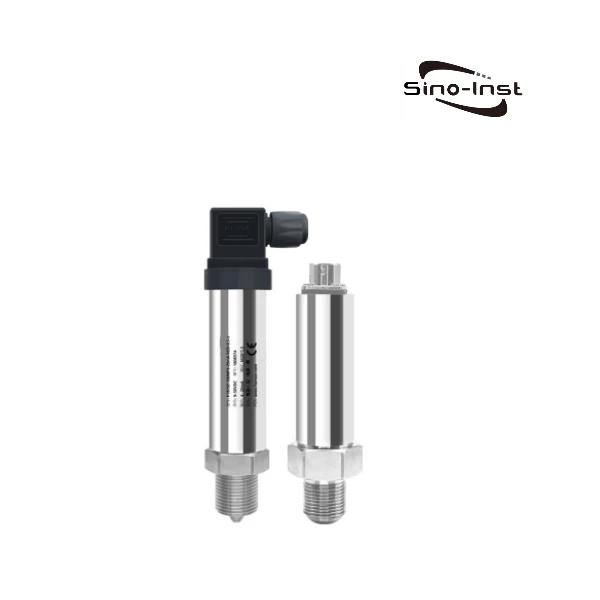
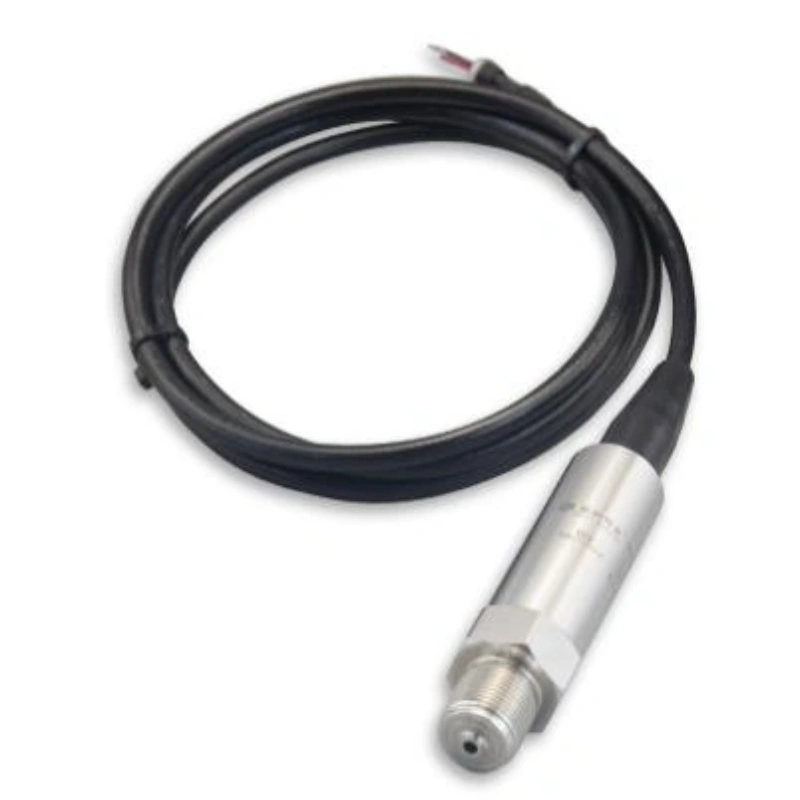
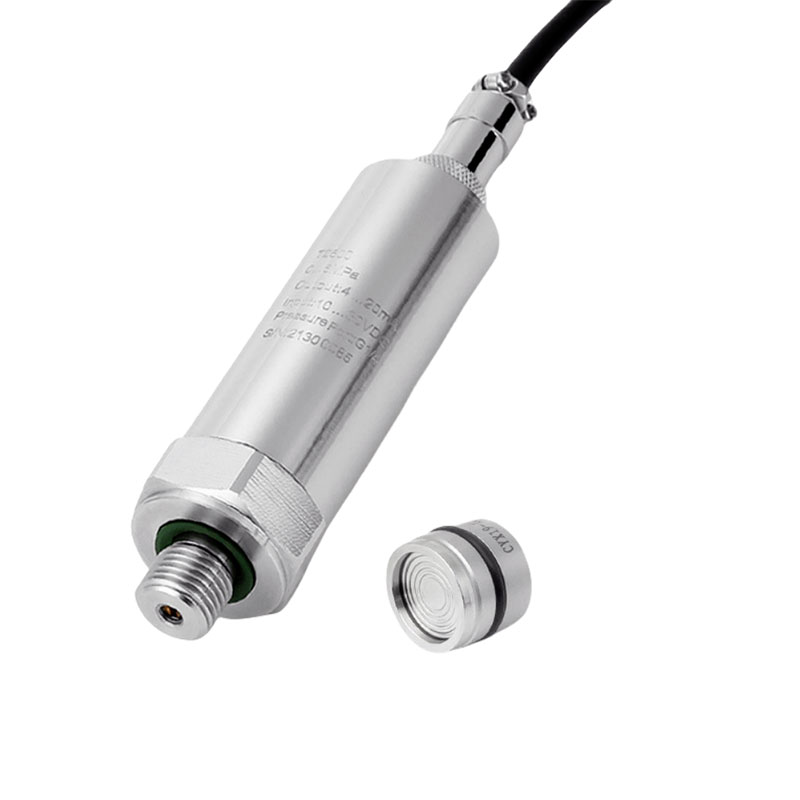
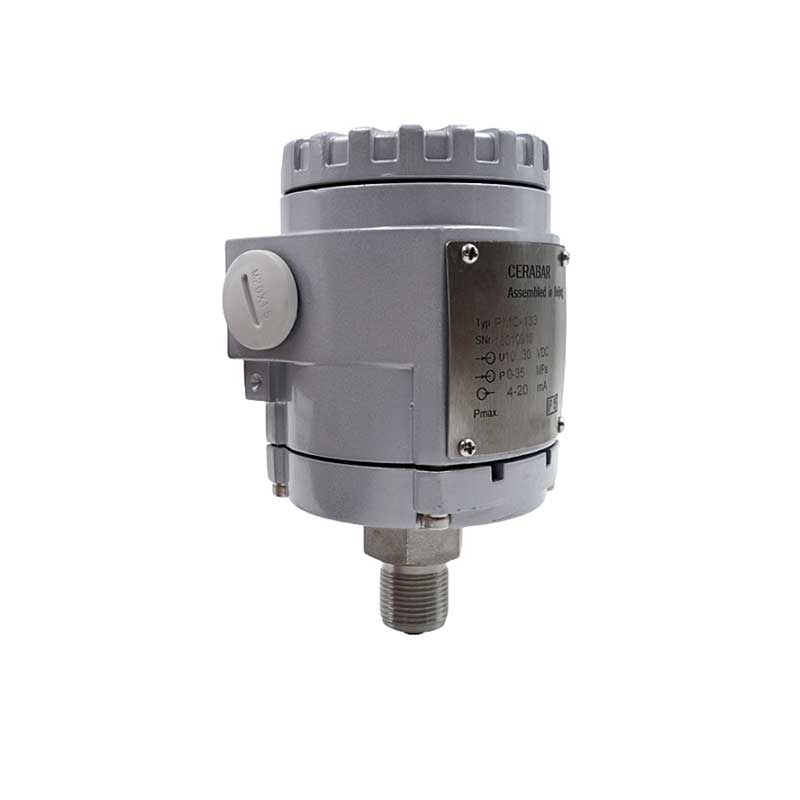
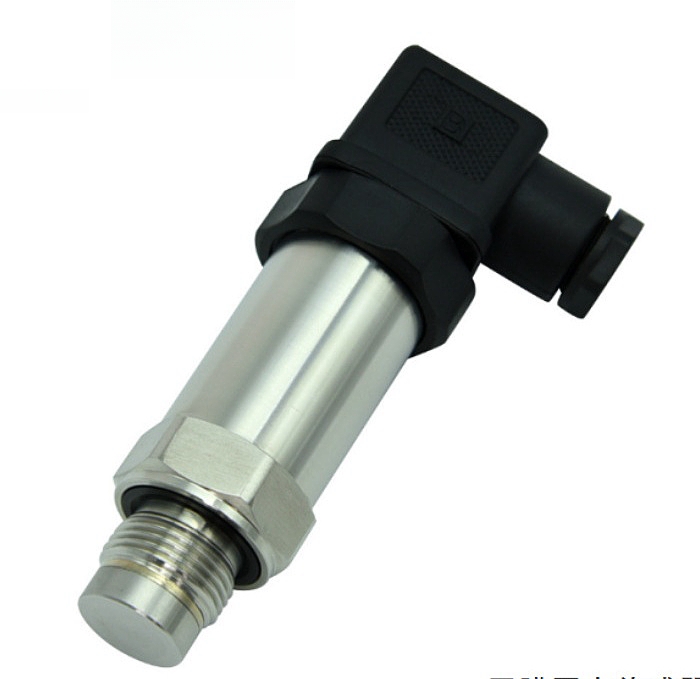
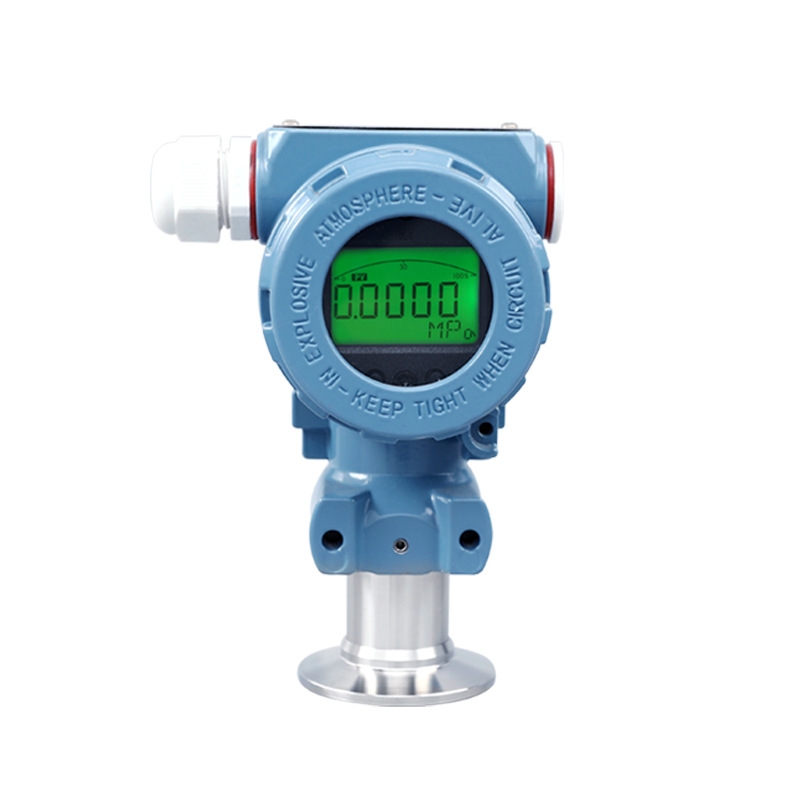
Structure of a Three-Wire Sensor
A three-wire sensor comprises a sensor body, signal wires, and a controller. The sensor body incorporates built-in sensors for temperature, humidity, and pressure, enabling it to detect external parameters and transmit the results to the controller. The controller receives signals from the sensor and regulates external parameters based on the magnitude and trend of these signals.
What are the respective functions of the three wires in a three-wire pressure sensor?
A three-wire system typically comprises three wires:
V+ (Power Positive): Supplies the sensor’s operating voltage, commonly 24VDC.
GND / COM (Power Negative): The common terminal for the power circuit.
Signal (Signal Output): Outputs an analogue signal, typically: 4–20 mA, 0–10 V, 0–5 V
Positive Power Supply Lead: Primarily supplies stable operating voltage to the sensor’s internal sensing elements and amplification circuits. This constitutes the energy source enabling normal sensor startup, operation, and pressure detection, typically connected to the positive terminal of a DC power supply.
Common Ground Lead: Serves both as the negative power return path and the reference zero potential point for signal output. It also performs potential equalisation between the sensor and receiving equipment such as PLCs or instruments, effectively reducing common-mode interference and enhancing signal transmission stability.
Signal Output Wire: Responsible for converting the pressure signal detected by the sensor into a standard voltage or current output following internal processing. This transmits real-time pressure values to host computers, controllers, or display instruments, enabling pressure monitoring and control.
Advantages and Disadvantages of Three-Wire Pressure Sensors
Advantages
The power and signal circuits are pretty much independent, which means that any interference from power fluctuations on the output signal is effectively reduced. This provides superior interference resistance compared to two-wire sensors, resulting in more stable signals and higher measurement accuracy. It meets the precise detection requirements of most industrial scenarios.
The three wires are pretty straightforward – power supply, grounding and signal output. This straightforward wiring logic simplifies on-site installation, commissioning, and subsequent maintenance, lowering both construction and operational barriers.
Flexible output signal formats support voltage signals (e.g., 0–5V, 0–10V) or current signals (4–20mA), offering strong compatibility for direct integration with PLCs, display instruments, data acquisition modules, and other control/monitoring devices.
Its moderate structure and cost strike a balance between performance and economy. It is widely used in applications such as standard automation equipment, hydraulic and pneumatic systems, and constant-pressure water supply, providing excellent value for money.
Disadvantages
Compared to two-wire sensors, the additional wire increases material costs and wiring labour, presenting slight inconvenience in confined spaces or complex wiring environments.
Voltage-output sensors are prone to voltage drop and signal attenuation during long-distance transmission and are susceptible to external electromagnetic interference, typically being suitable only for short-range signal transmission.
Compared to four-wire sensors, they offer lower isolation between power supply and signal lines. Consequently, they exhibit reduced stability and accuracy in demanding environments characterised by strong electromagnetic interference or requiring high-precision measurement.
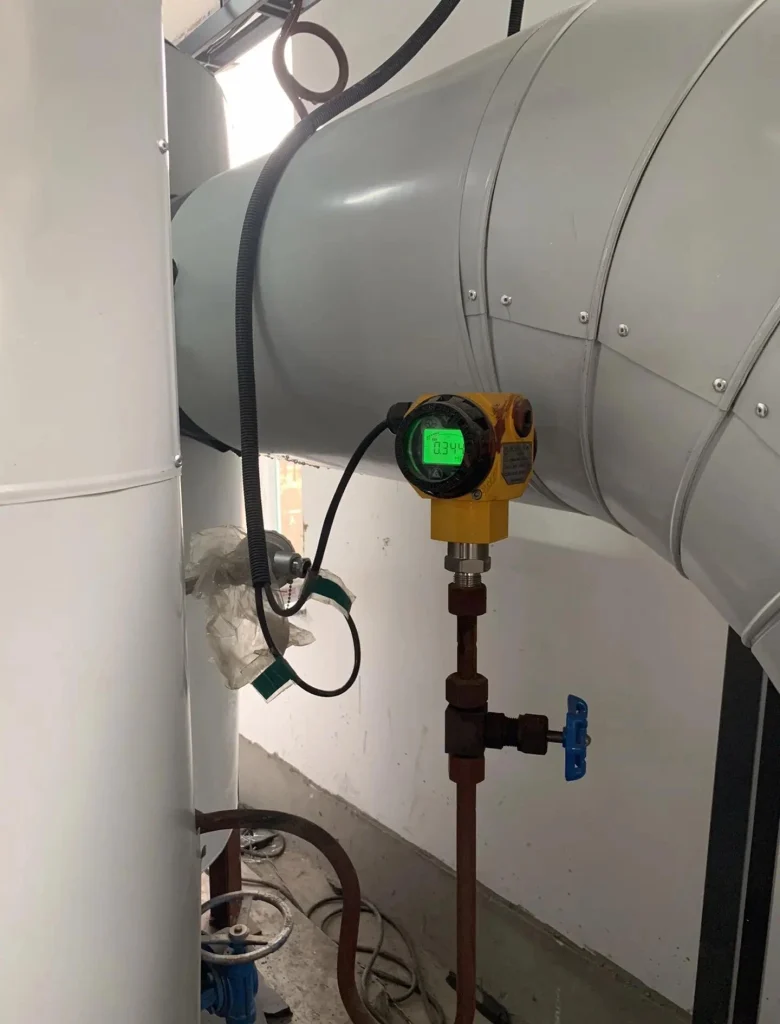
Applications of Three-Wire Pressure Sensors
Pressure sensors with three wires are used in many different industries. Here are some typical examples:
1. Industrial Control Sector:
Three-wire pressure sensors are widely used in industrial control systems for detecting and regulating cylinder pressure. These sensors can be mounted on gas cylinders to keep track of their internal pressure.
The sensors convert pressure signals into electrical signals, enabling precise control of cylinder pressure. Three-wire pressure sensors are also used in other industrial pipelines and vessels to detect and regulate pressure.
2. Medical Equipment Sector:
Three-wire pressure sensors are primarily used in medical equipment for pressure detection in blood pressure and electrocardiogram (ECG) monitoring devices.
By connecting these sensors to blood pressure cuffs or ECG monitors, it is possible to monitor a patient’s blood pressure or ECG signals in real time. This data is then sent to computers or controllers for processing and analysis. In addition, ventilators use three-wire pressure sensors to detect and control airway pressure.
3. Automotive sector:
Within the automotive industry, three-wire pressure sensors are primarily employed for detecting and controlling engine intake manifold pressure. If you put these sensors on the intake manifold, you can keep an eye on the pressure in real-time, which sends data to the engine control unit so it can do its thing with the pressure and keep things running smoothly. Also, we use three-wire pressure sensors to detect and control pressure in braking systems and gas cylinders.
4. Environmental Monitoring Sector:
Within environmental monitoring, three-wire pressure sensors are chiefly employed for measuring atmospheric pressure and wind speed in meteorological stations and pollution source monitoring equipment.
These sensors can be installed in meteorological stations or pollution monitoring devices. This means that atmospheric pressure and wind speed can be measured at any time and sent to computers or controllers for further analysis.
Comparison of Three-Wire Pressure Sensors with Two-Wire/Four-Wire Systems
Comparison with Two-Wire Pressure Sensors
Wiring: The two-wire system uses only two conductors, which share power and signal lines. This makes the cabling simpler, uses less material and saves time, so it’s great for situations where there’s not much space for wiring. The three-wire system needs three conductors (power positive, ground, signal), which makes the wiring slightly more complex. However, it is easy to separate its functions, which makes it easier to find and fix problems.
Signal and Power Supply: Two-wire systems use loop-powered operation, which only sends 4–20mA signals and can’t be easily changed. Three-wire systems separate power and signal, allowing you to output voltages (e.g. 0–5V) or current signals. This makes it more compatible with different types of industrial control equipment.
Noise immunity and precision: The two-wire system has a shared line, making it susceptible to interference and less stable. In contrast, the three-wire system has its own loops, making it better at dealing with interference and more accurate. This makes it ideal for most industrial applications requiring precision detection.
Suitable Applications: The two-wire system is perfect for long-distance transmission, explosion-proof environments, and spaces with limited wiring (like petrochemical plants). The three-wire system is great for medium to short distances and standard industrial applications that need accuracy (like hydraulic/pneumatic systems and constant-pressure water supplies).
Comparison with Four-Wire Pressure Sensors
Structure and Isolation: Four-wire systems offer complete separation of power and signal lines, providing the highest level of isolation and optimal interference resistance. On the other hand, three-wire systems only partly separate the lines and share a ground wire, which can cause minor interference in highly disruptive environments.
Accuracy and Stability: Four-wire systems are really accurate, with a margin of error of ±0.1% FS or better, making them great for demanding applications. Three-wire systems are pretty accurate and meet the general requirements of industrial automation detection.
Cost and Complexity: Four-wire circuits are complex, with higher wiring and installation costs; three-wire designs are structurally simple and cost-effective, suitable for mass-produced routine applications.
Application Scenarios: Four-wire systems are employed in laboratories and high-end precision measurement; three-wire systems focus on general industrial scenarios, representing the mainstream choice for industrial measurement and control.
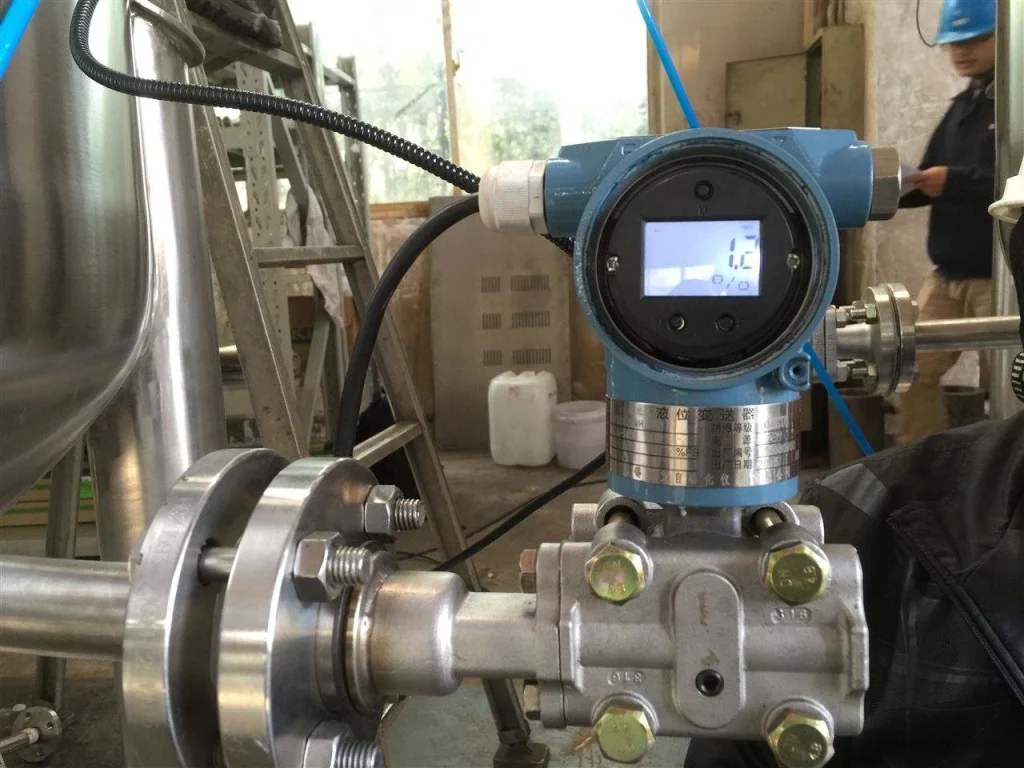
Three-wire pressure sensors are now the go-to choice in industrial pressure measurement because they’re stable, reliable, easy to wire up, and they don’t cost an arm and a leg. Their design separates power supply from signal transmission, and they’re really robust and resistant to interference. They also have flexible signal output options, which ensures seamless compatibility with hydraulic and pneumatic systems, constant-pressure water supply, HVAC, automation equipment, and diverse industrial measurement and control applications.
Whether for standard operating conditions or bespoke requirements, three-wire pressure sensors deliver precise, continuous pressure data to systems, enhancing equipment operational accuracy, control efficiency, and operational safety. Sion-Inst consistently provides reliable support for your projects through high-quality sensor products and professional technical services, creating long-term value for industrial automation upgrades.