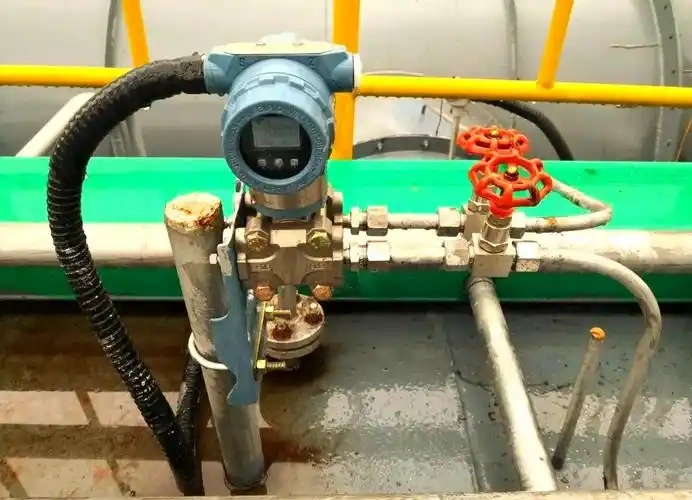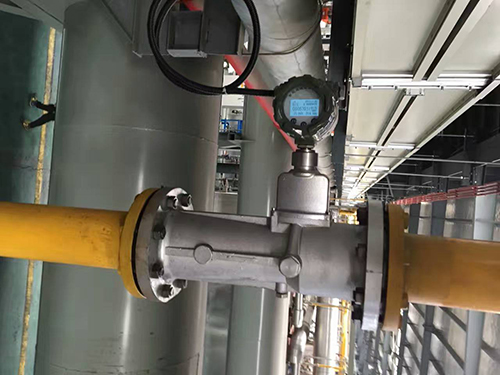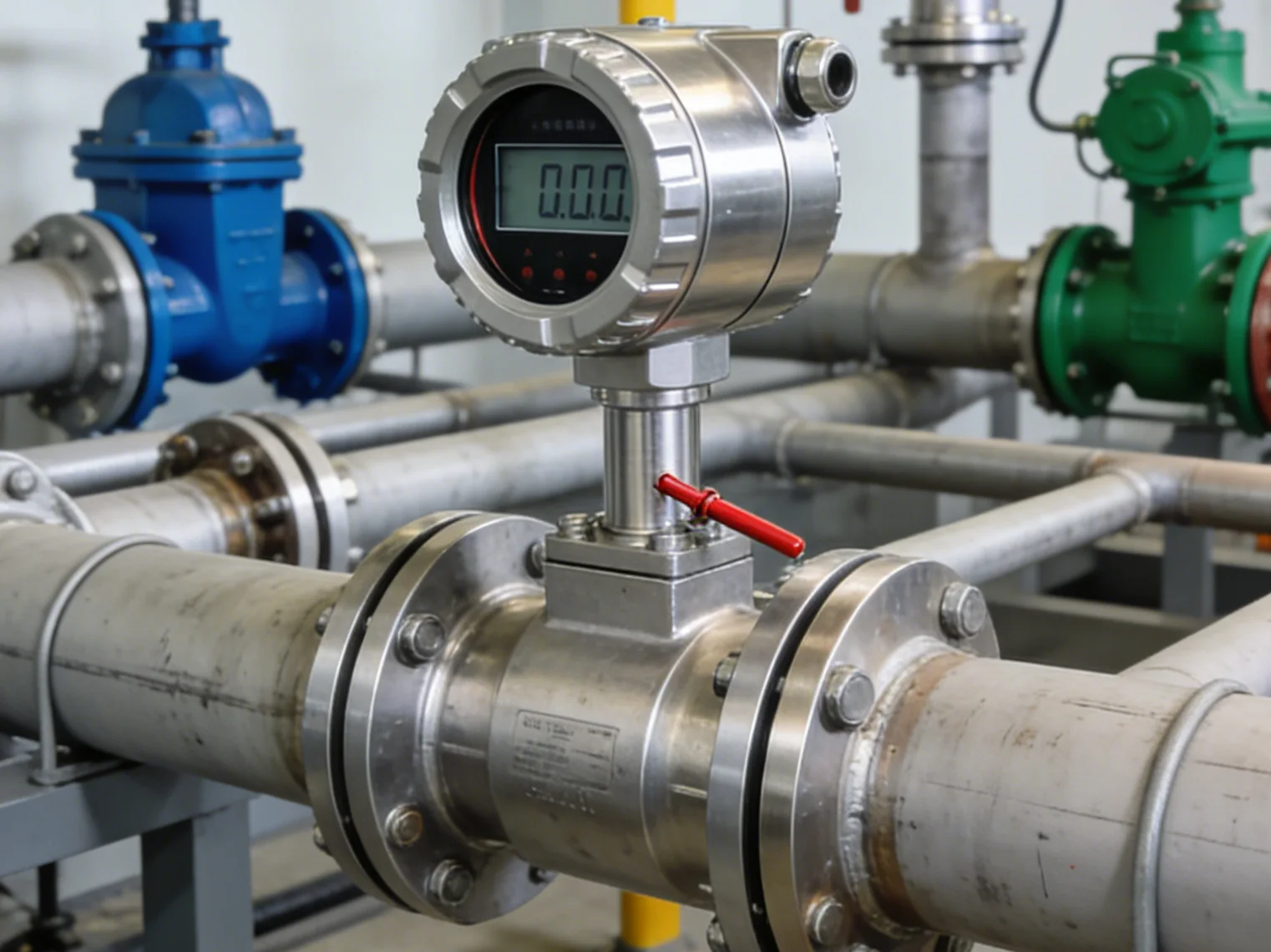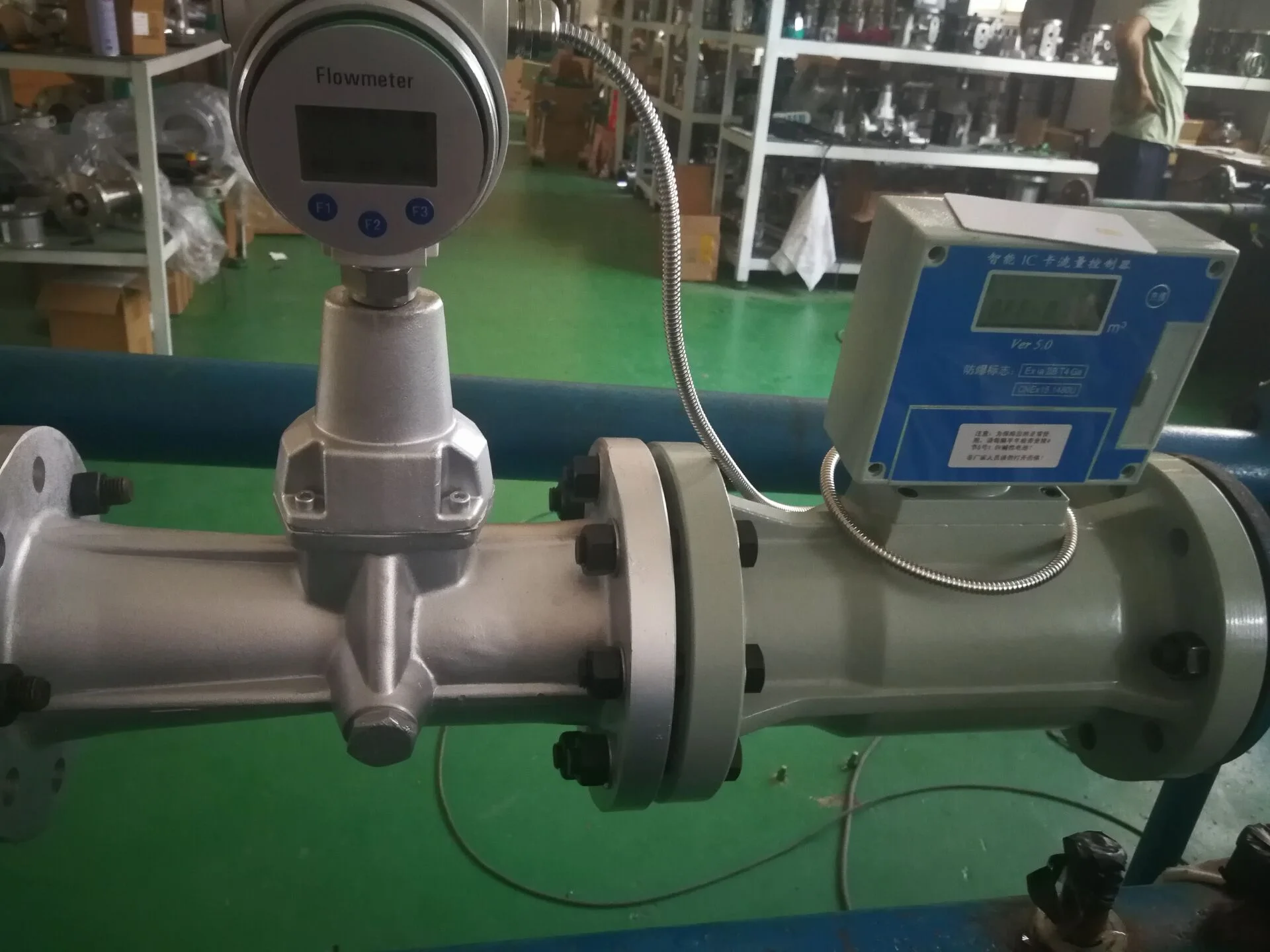
In areas like industrial metrology, environmental monitoring and hydrology, there are many uses for which it is necessary to work without an external power source, where having to lay lots of wires is difficult, and where it is very important to be able to check that things are working correctly over a long period of time.
Battery powered flow meters, leveraging their core characteristics of self-contained power supply, flexible deployment, and low power operation, provide an ideal flow measurement solution for such scenarios. There is no single type of battery-powered flow meter; different types work in different ways and are designed for specific uses.
Battery Powered VS Conventional External Power Supply Flow Meters
Battery powered flow meters typically utilise 3.6V lithium batteries, sufficient to support the meter’s local digital display. With ultra-low power consumption, the battery can sustain continuous operation for over six years. However, battery-powered flow meters cannot support signal output.
Conventional flow meters, powered by an external 24 VDC or 220 VAC supply, not only support local digital display but also output signals such as pulses, frequency, 4-20mA, RS485, and others. This facilitates more convenient remote monitoring of flow parameters.
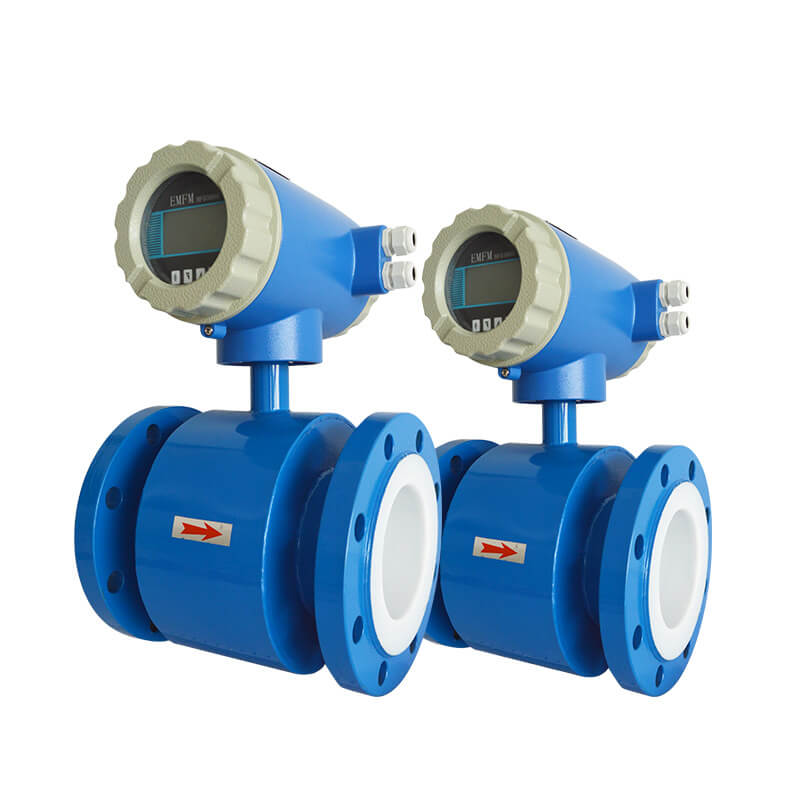
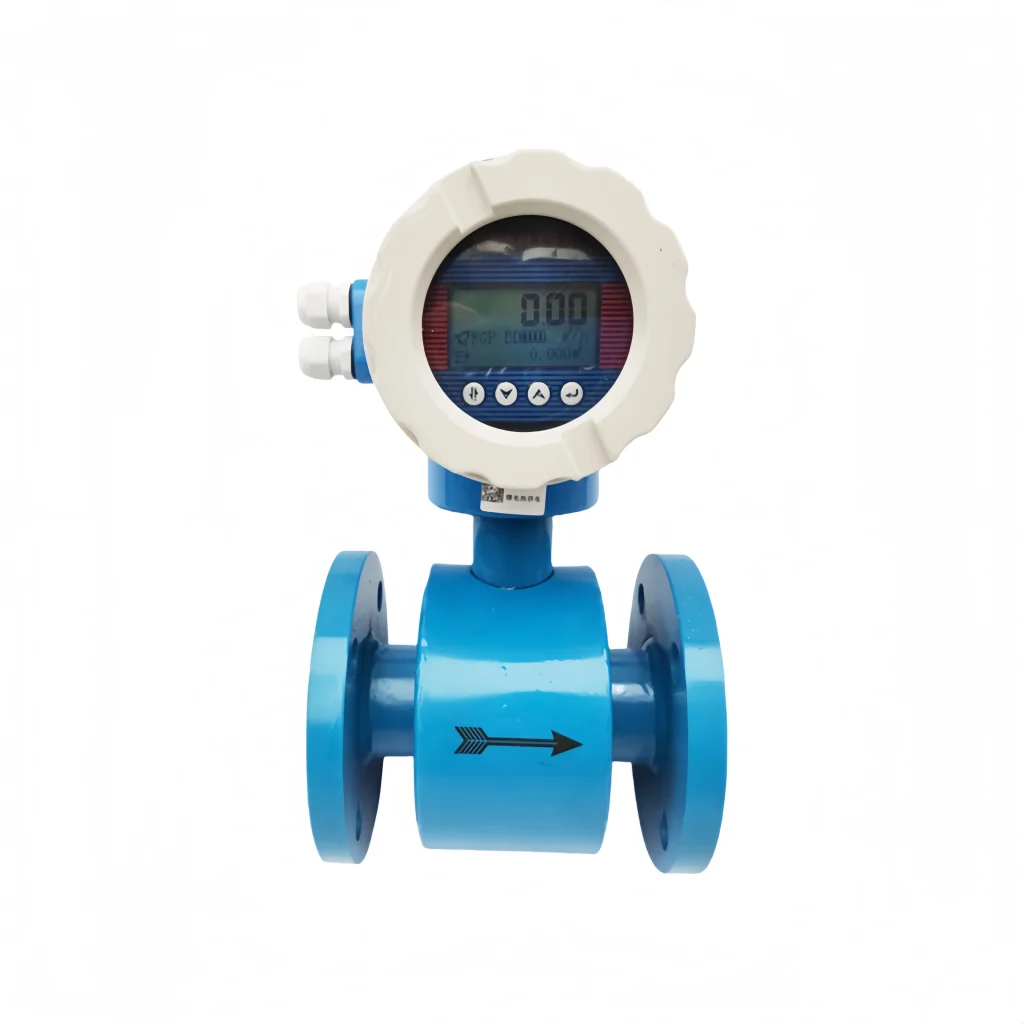
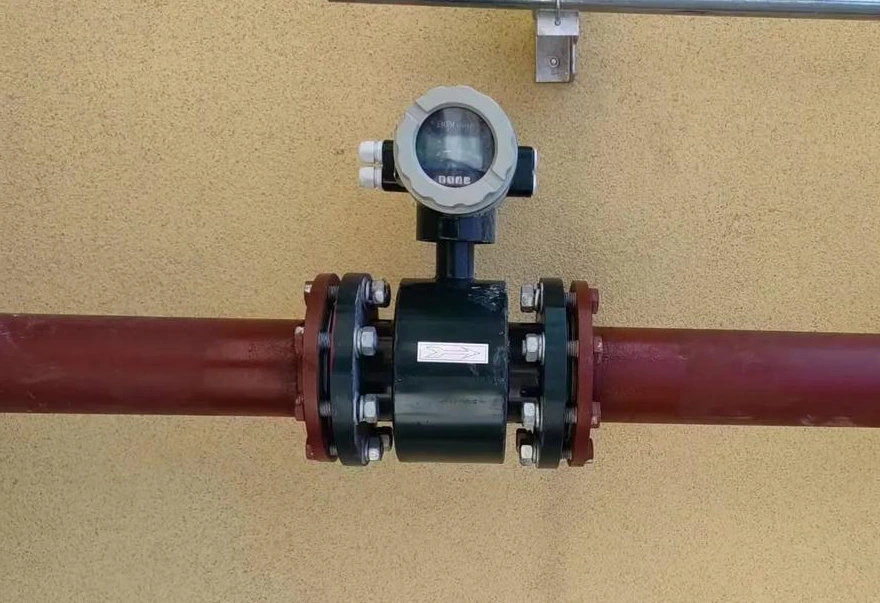
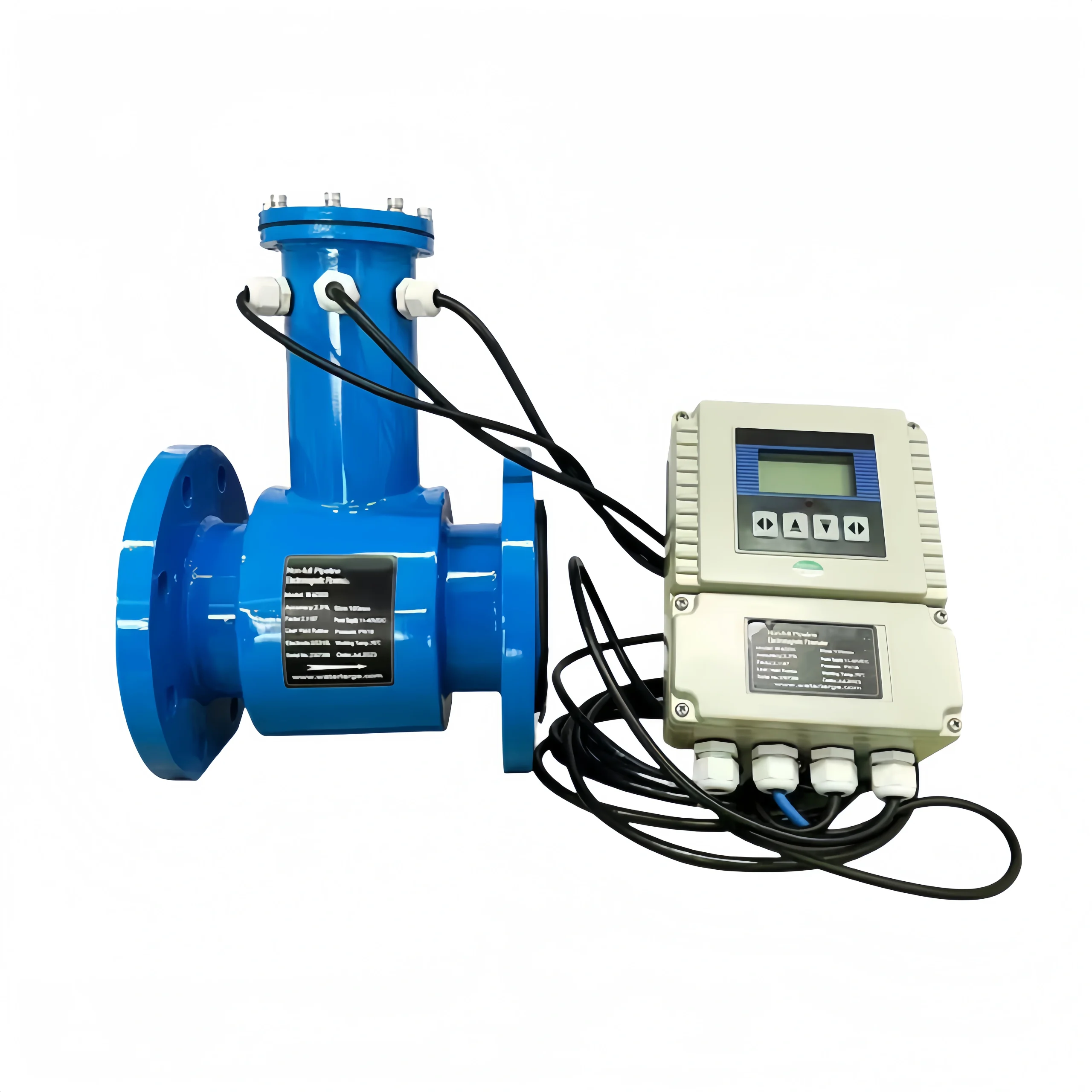
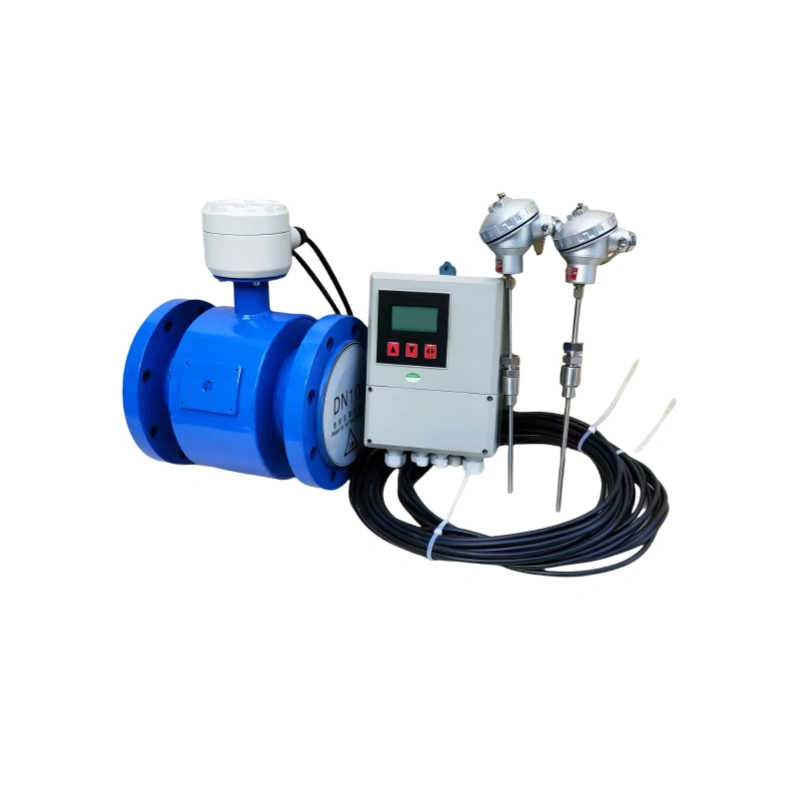
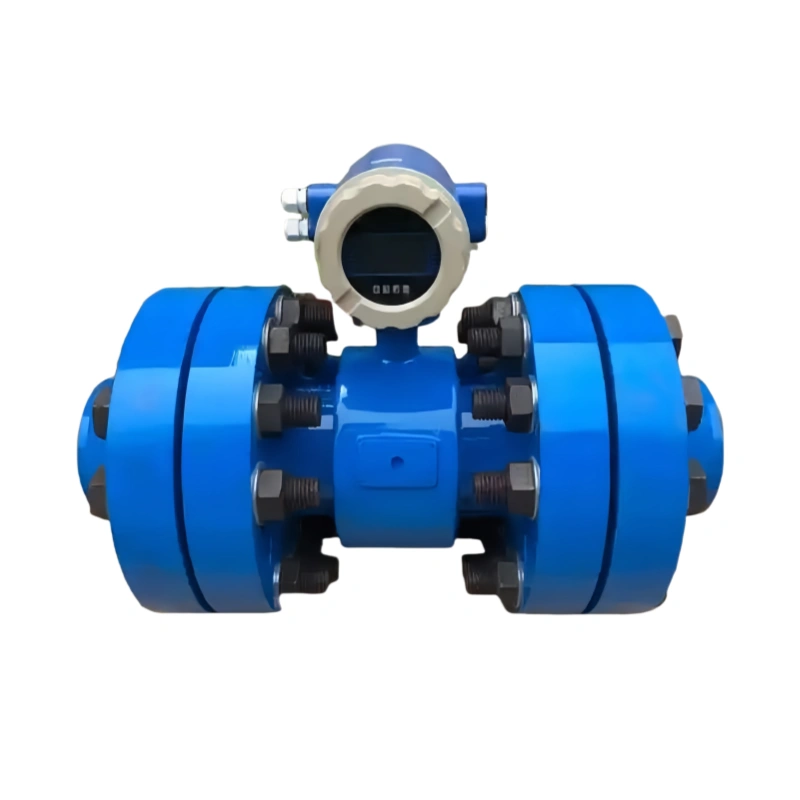
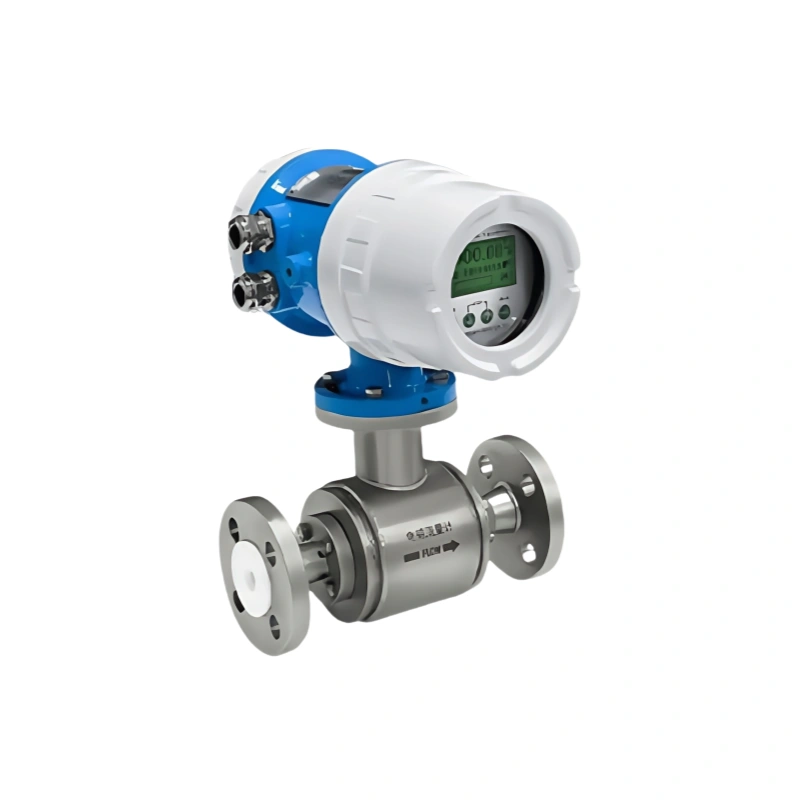
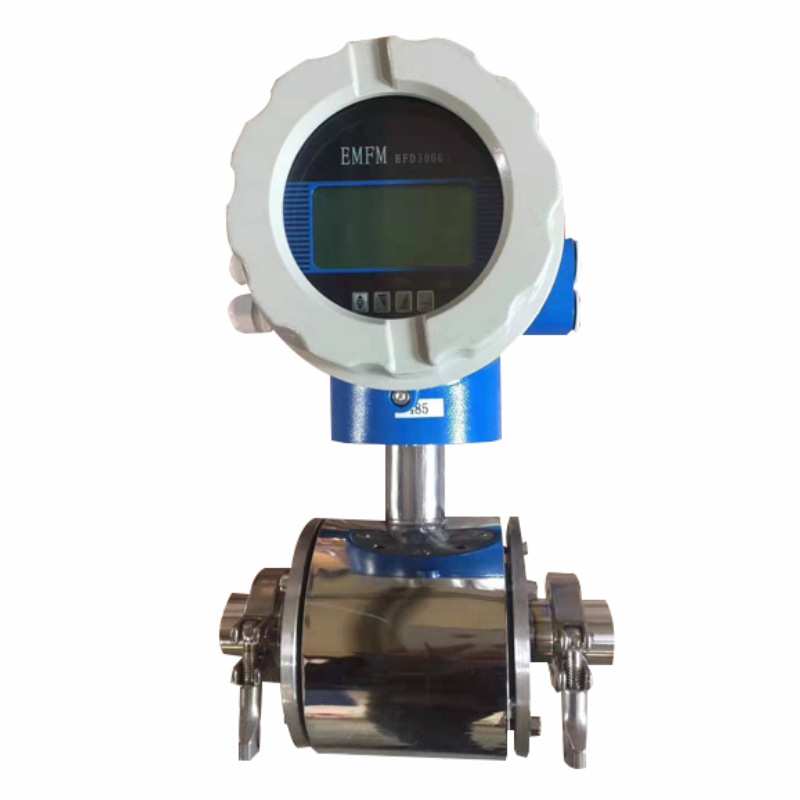
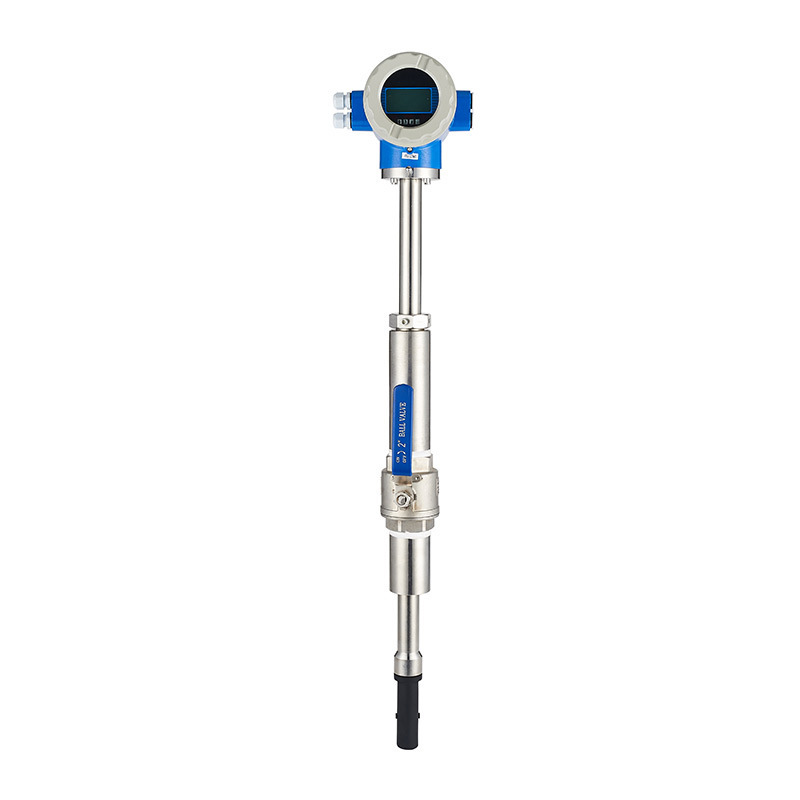
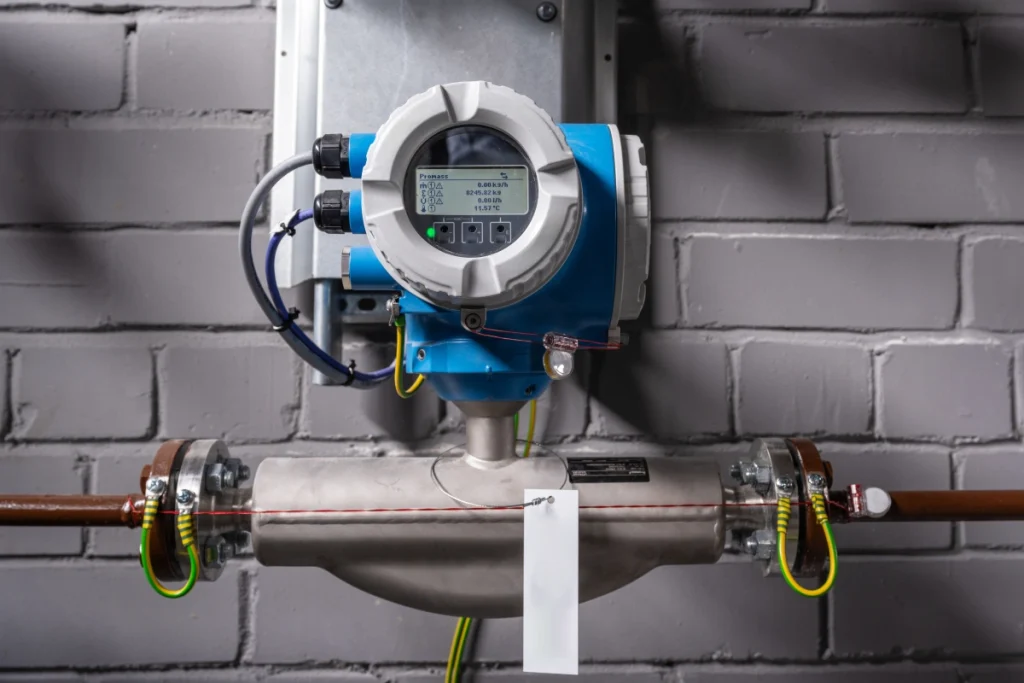
Battery powered Electromagnetic Flowmeter
Operating on the principle of electromagnetic induction, this flowmeter calculates flow rate by measuring the induced electromotive force generated by a fluid within a magnetic field. Suitable exclusively for conductive liquids, it represents the preferred choice for metering corrosive industrial media.
Advantages and Disadvantages of Battery Powered Electromagnetic Flowmeters
Advantages
1.Strong adaptability in power-free scenarios: It’s low-power and uses a high-performance lithium battery, so you don’t need to connect it to a mains power supply. One battery set will last 3-5 years.
2.Stable and precise measurement performance: Inherits the advantages of electromagnetic flowmeters—zero pressure loss and interference resistance. Unaffected by changes in fluid density, viscosity, or temperature, it achieves measurement accuracy of ±0.5%. Suitable for complex media such as sewage, acidic/alkaline solutions, and slurries. Corrosion-resistant materials adapt to diverse industrial conditions.
3.Convenient Installation and Operation: It’s pretty versatile and can be mounted in different ways, like with a flange or a clamp-on. It’s small enough to be easily installed in pipelines, open channels and similar places, so there’s no need to remove the cover during commissioning. Optional wireless modules make it easy to send data remotely and manage it in the cloud, which improves how well things are done.
4.Extensive Safety and Scenario Compatibility: Features no mechanical moving parts, eliminating the risk of medium blockage. Suitable for explosive hazardous environments, it can be safely used for metering corrosive and hazardous chemicals. It also covers diverse requirements across hydrology, environmental protection, agriculture, industry, and wastewater treatment.
Disadvantages
1.Battery-powered electromagnetic flowmeters have their limits when it comes to how they can be used. They can only measure the flow of conductive liquids and can’t measure the flow of non-conductive media.
2.Battery powered electromagnetic flowmeters determine volumetric flow rate by measuring the velocity of conductive liquids. For liquid media, mass flow measurement is required according to metrological standards. This necessitates accounting for fluid density, which varies across different media and with temperature.
3.Installation environments face certain constraints, being significantly affected by external strong magnetic fields and vibrations. Sources of interference such as variable frequency drives and large motors must be avoided. Additionally, requirements exist for straight pipe sections, rendering them unsuitable for irregular piping with extremely confined spaces.
4.Changing how big the water supply pipes are, or how worn they are, will affect the flow rate. This can lead to errors when we’re measuring it.
5.The transmitter’s measurement signal is a minute millivolt-level potential signal. Alongside the flow signal, it also carries some signals unrelated to flow. To accurately measure flow, it is essential to eliminate various interference signals and effectively amplify the flow signal.
Practical Applications of Battery Powered Electromagnetic Flow Meters
1.Hydraulic Engineering: Great for setting up remote irrigation channels and temporary water diversion projects. It uses low power, so you don’t have to worry about wiring. This makes it really easy to install, whether it’s on pipelines or open channels. Collecting data helps to manage water resources more precisely, making it easier to adjust sluice gates and control water usage.
2.Environmental Monitoring: Employed for multi-point short-term monitoring of natural water bodies, overcoming power supply constraints. By comparing flow rates with pollutant concentrations, it quantifies wastewater impacts and verifies compliance with discharge standards, while also monitoring urban stormwater drainage systems.
3.Industrial Production: It’s perfect for environments where explosions could be a risk, and it’ll help you measure corrosive media and dangerous chemicals safely. In the pharmaceutical industry, it measures API closed-process raw material flows precisely, making sure the product always meets the required quality standards.
4.Wastewater Treatment: It’ll keep going without a steady power supply, giving you accurate flow data for process calibration to make sure you’re following the treatment rules. It meets the water volume measurement requirements for reclaimed water reuse systems.
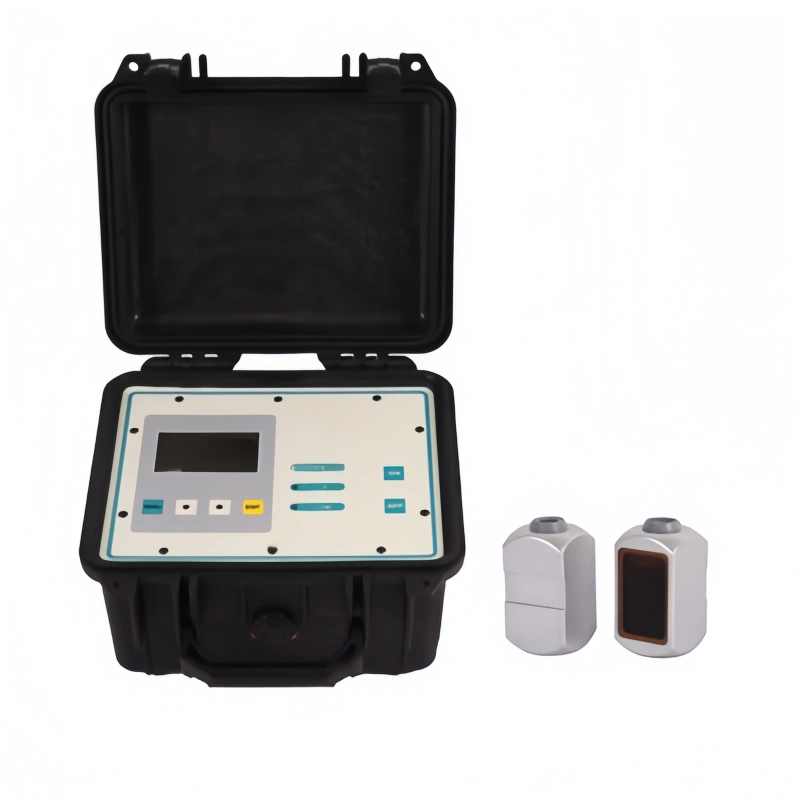
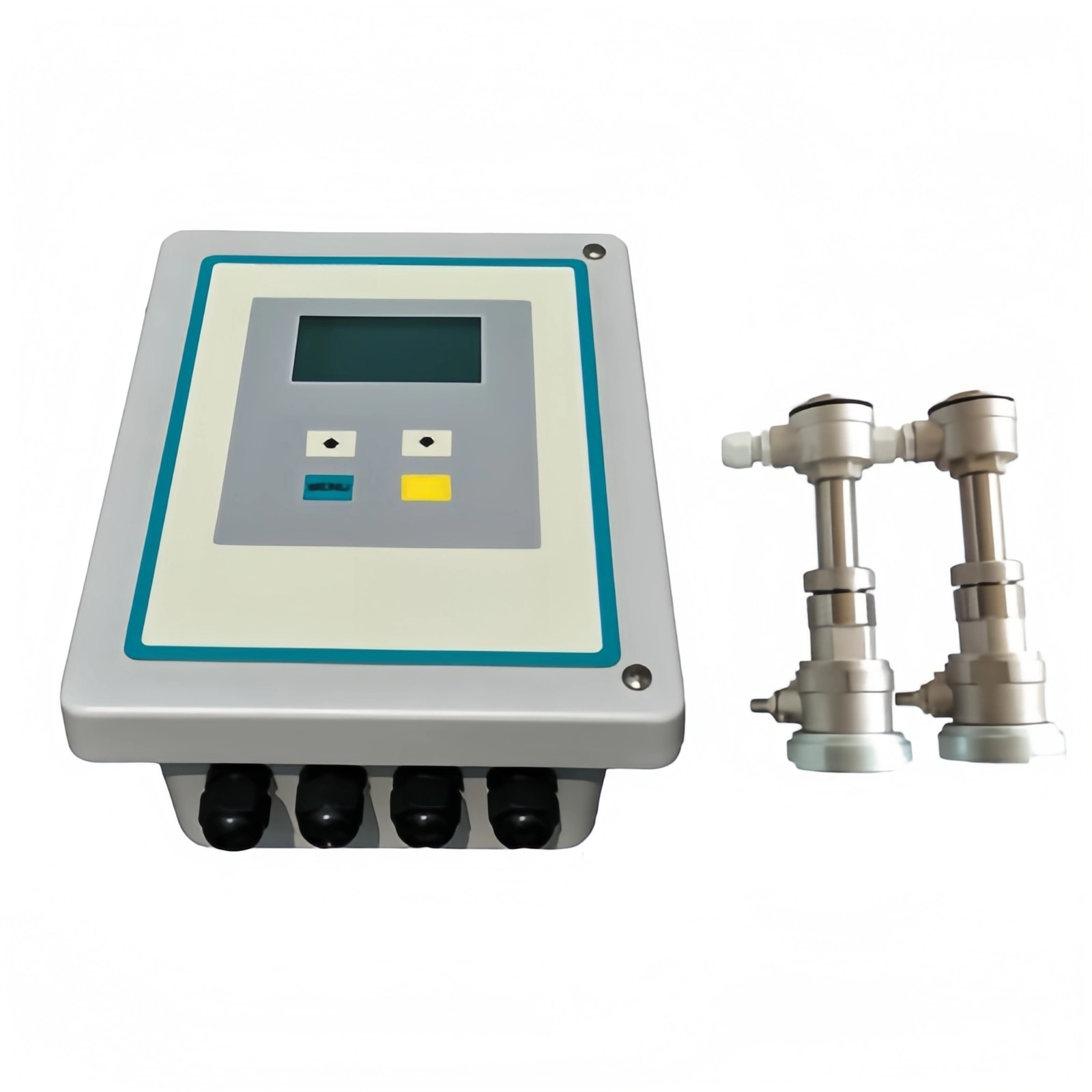
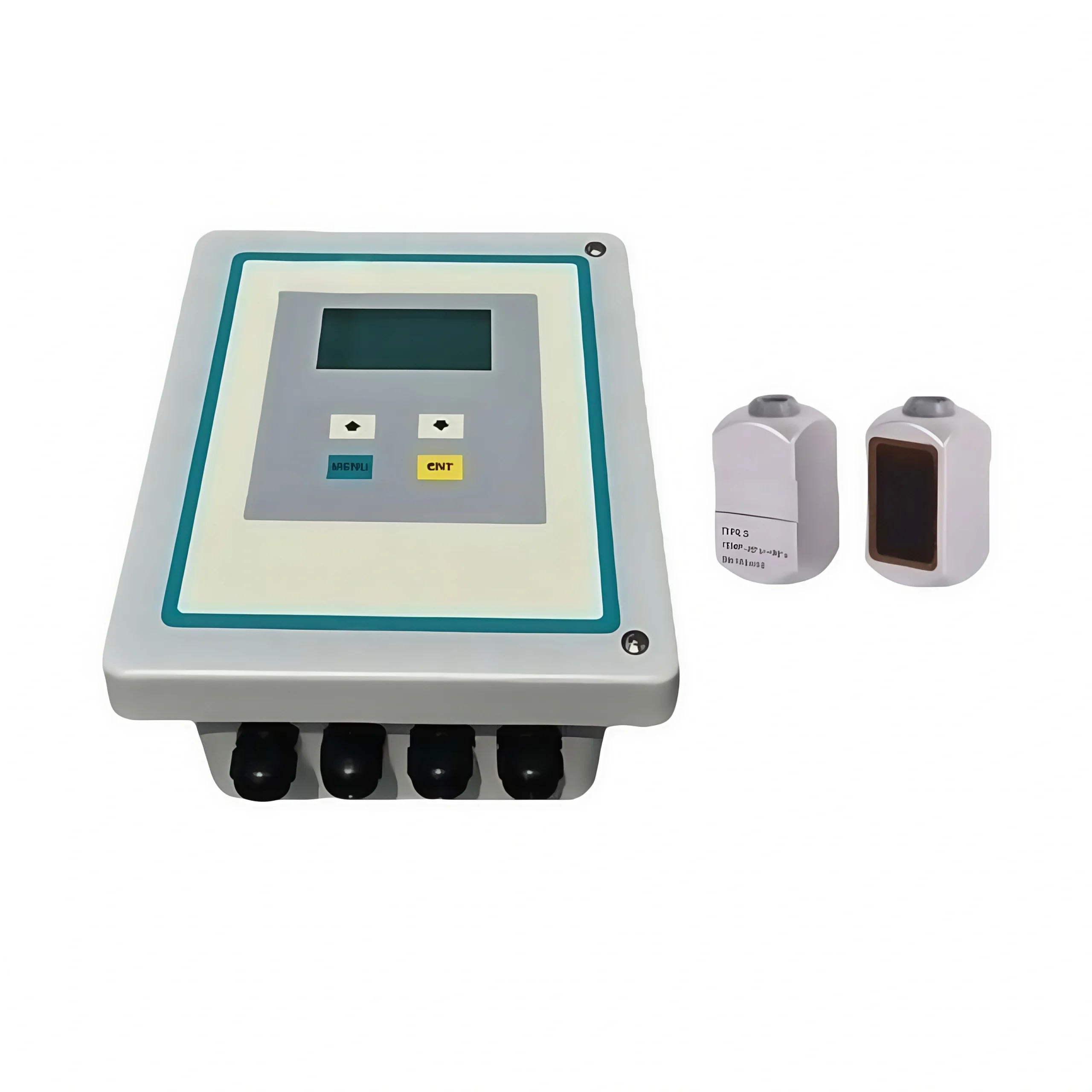
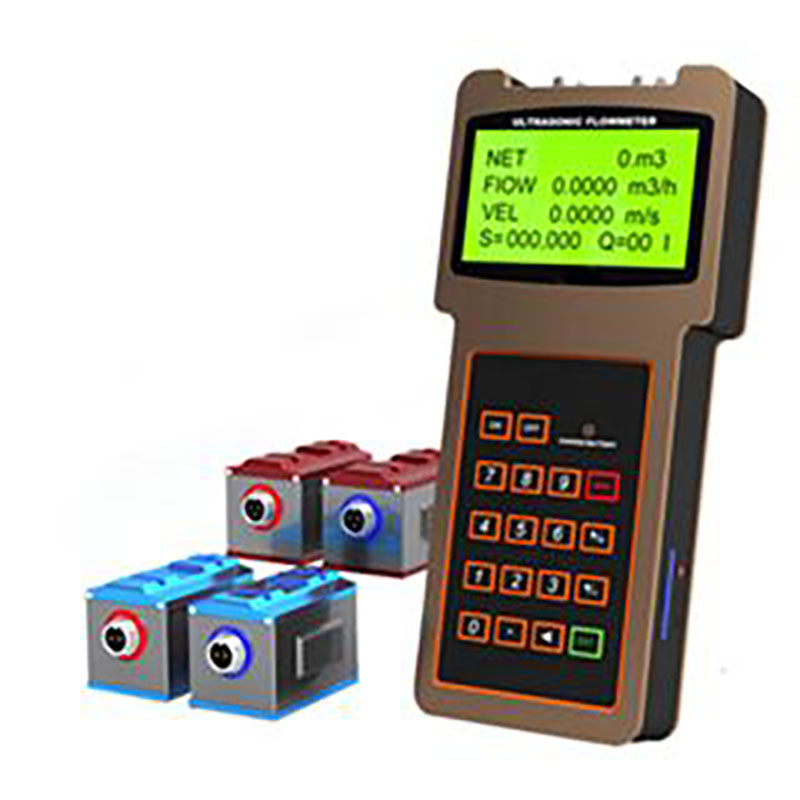
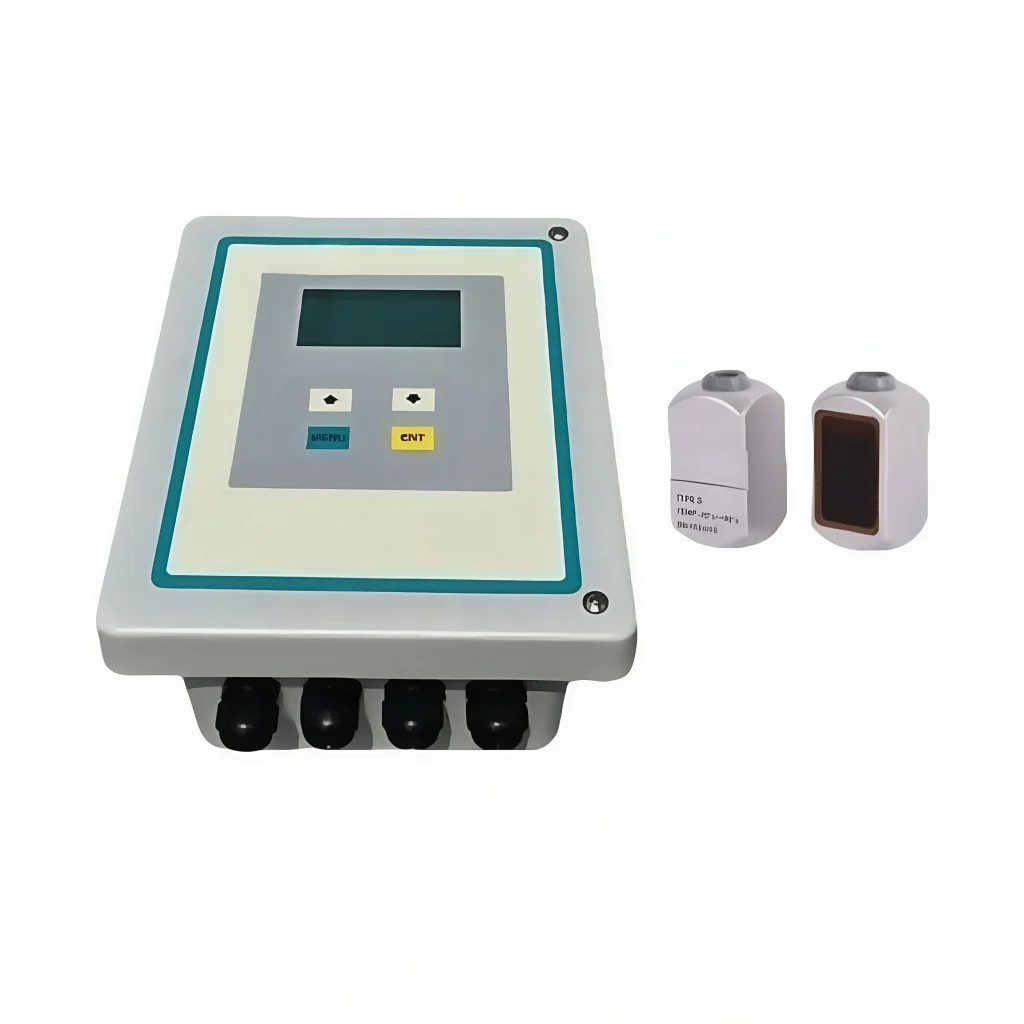
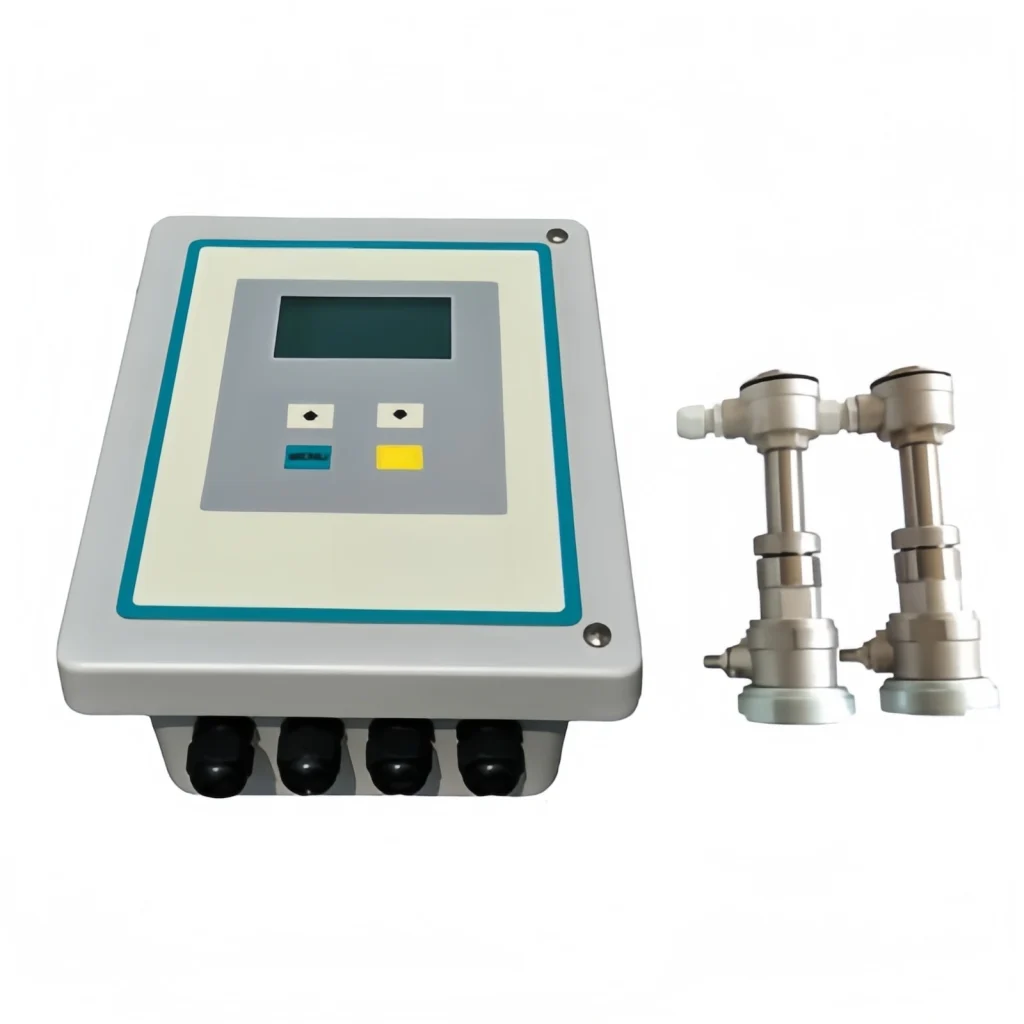
Battery powered ultrasonic flowmeter
The battery powered ultrasonic flowmeter is one of the most popular models out there, and the big plus is that it measures without touching the product. The idea is that it can detect the time difference in ultrasonic waves passing through the fluid to work out the flow speed and volume, without having to touch the medium.
Advantages and Disadvantages of Battery Powered Ultrasonic Flow Meters
Advantages
1.Independence and Convenience: One of the main plus points of battery-powered ultrasonic flow meters is that they’re self-sufficient. These devices are equipped with an internal battery, enabling them to function autonomously without the need for an external power source. This facilitates the installation and wiring processes, leading to cost and complexity reductions while enhancing operational efficiency.
2.Long-Term Stable Operation: The device’s battery lasts a long time, so it can be used for a long time without needing to be recharged. The battery will last for several years if you use it normally. The reduced need for replacements will also result in cost savings over time.
3.High-Precision Measurement: These flow meters use advanced ultrasonic sensing technology to measure various liquids very accurately. This method does not involve contact, which makes it more accurate and less likely to cause pollution.
4.Multiple Output Options: The battery-powered ultrasonic flow meter supports various output formats, including RS485 communication and 4-20mA analogue signals. This makes it easy to use with other systems, so you can send and check data remotely.
5.High Adaptability: Ultrasonic flow meters that are powered by batteries can adapt well to different situations. They operate effectively across varying environmental temperatures, pressures, and medium conditions, with minimal requirements regarding medium properties (e.g., corrosiveness, conductivity).
Disadvantages
1.Limited Battery Life: Even with high-capacity batteries, the operational time is still a big problem. This is especially true when it needs to be used for a long time without stopping, because the battery might not be able to handle it. Battery lifespan is also influenced by the operating environment.
2.Maintenance Costs: Battery-powered ultrasonic flow meters usually need to be replaced only every now and then. However, if the batteries are empty or broken, they will need to be replaced or fixed. Just a heads-up, though, this might mean more expensive maintenance costs.
3.Installation locati0n requirements: When picking a spot for the meters, it’s really important to think about putting in battery-powered ultrasonic flow meters. Just a heads-up that you might run into some problems in smaller spaces or when mounting it upside down. Also, you need to be careful when you install the battery to make sure it’s stable and safe, because the centre of gravity might change.
Practical Applications of Battery Powered Ultrasonic Flow Meters
1.Hydrological Monitoring
Suitable for long-term flow monitoring in field rivers, lakes, and groundwater intake points, as well as agricultural irrigation water metering in remote irrigation districts. Requiring no cable laying, they can be directly installed on pipelines or open channels, meeting precise measurement demands for hydrological surveys and water resource allocation.
2.Municipal Water Supply and Drainage Networks
It’s used to detect leaks in old urban networks and suburban branch pipelines, and to monitor flow in sewage systems. You can also use it at unpowered network nodes, where it can collect real-time flow data, which is great for supporting pipeline maintenance and leakage rate control. It’s also perfect for measuring flow in temporary water supply projects.
3.Industrial Fluid Measurement
Chemical and metallurgical industries: Measures corrosive or clean media such as acid-alkali solutions and cooling water. Non-contact measurement prevents media abrasion of instruments and adapts to complex operating conditions.
Petrochemical sector: Monitors flow in remote oil wells and oil transmission branches. Operates long-term without external power, reducing maintenance costs at field stations.
4.Temporary Emergency Monitoring
Provides interim flow measurement during pipeline modifications or maintenance, or emergency monitoring during sudden water pollution incidents. Features straightforward installation and immediate operation, enabling rapid acquisition of fluid flow data.
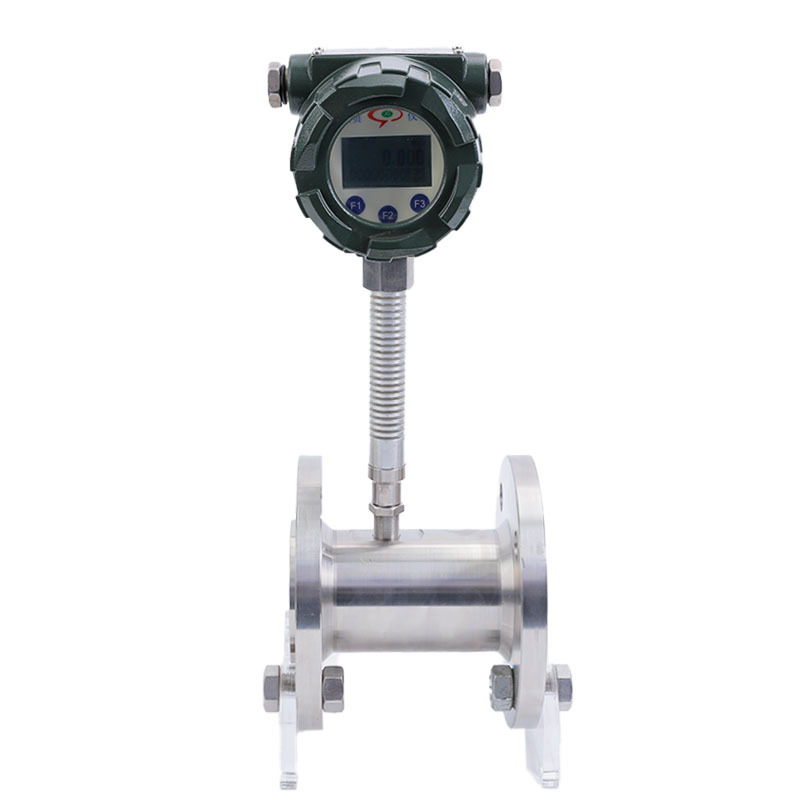
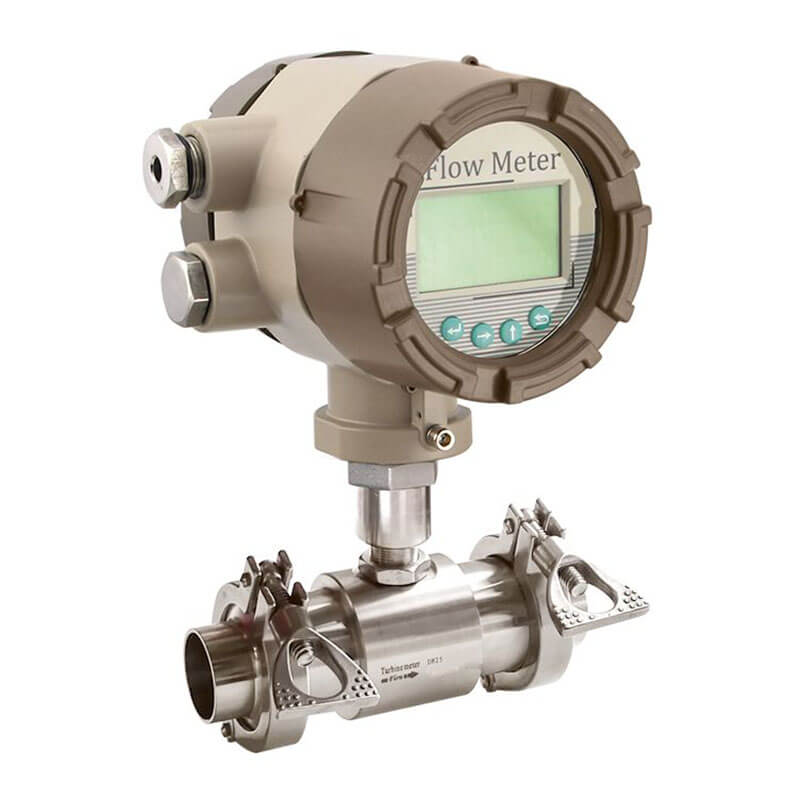
Battery powered turbine flowmeter
The battery powered turbine flowmeter operates on mechanical principles: the fluid impels freely rotating turbine blades within the pipe, with their rotational speed being directly proportional to the flow velocity. By detecting the blade rotation frequency via magnetic-electrical or inductive sensors, this can be converted into instantaneous flow rate and cumulative flow.
Advantages and disadvantages of battery powered turbine flow meters
Advantages
1.Independent power supply, flexible deployment: Requires no external mains connection; the built-in high-capacity battery supports continuous operation for several years, making it particularly suitable for scenarios without power supply such as remote oil wells, isolated irrigation areas, and retrofitting of ageing pipeline networks. You won’t need to worry about any wiring, which makes construction cheaper and easier. You can get it up and running right away.
2.Superior measurement performance: This product inherits the high precision, repeatability and rapid response characteristics of turbine flowmeters, accurately capturing instantaneous flow variations. It is perfectly suited to metering and monitoring clean fluids. This model requires fewer straight pipe sections than electromagnetic flowmeters, making it well suited to installations where space is at a premium.
3.Low maintenance, easy integration: Low-power design reduces battery replacement frequency. Routine checks only require periodic inspection of the impeller status. Supports 4-20mA, RS485, or wireless transmission for seamless integration into industrial control or IoT systems, enabling remote data acquisition and monitoring.
4.Compact size and high adaptability: It’s small and light, so it’s great for when you’re working on small pipes and don’t have much space. It’s perfect for industrial sites and small-scale metering applications.
Disadvantages
1.Strict medium and operating condition limitations: Suitable only for low-viscosity, clean, impurity-free fluids (e.g., petrol, diesel, pure water). Media containing particles, fibres or high viscosity may cause problems with impeller wear or jamming. This means you might need extra filtration.
2.Pressure loss occurs: The internal impeller obstructs fluid flow, causing pressure loss. Not suitable for applications sensitive to pressure drop.
3.Battery life is affected by operating conditions: Low temperatures and high-frequency data transmission accelerate battery consumption, reducing operational duration. Battery replacement requires shutdown, potentially disrupting continuous monitoring requirements.
4.High long-term operational and maintenance costs: Impellers are mechanical rotating components that wear out and age over time. You’ll need to calibrate it regularly and replace the impeller, which means you’ll have to do more maintenance than with non-moving-part instruments like electromagnetic flowmeters.
Practical Applications of Battery-Powered Turbine Flow Meters
1.Oil and Gas: Employed for production monitoring in oil and gas wells to ensure accuracy of production data.
2.Chemical Industry: It is used in chemical production to measure how much raw material and product is used, which helps to make the most of how work is done.
3.Water Treatment: Checking the speed of the water in water supply systems and sewage treatment facilities to make sure they are working well.
4.Food and Pharmaceuticals: This role involves the implementation of quality control measures on production lines, with the objective of ensuring adherence to specified requirements.
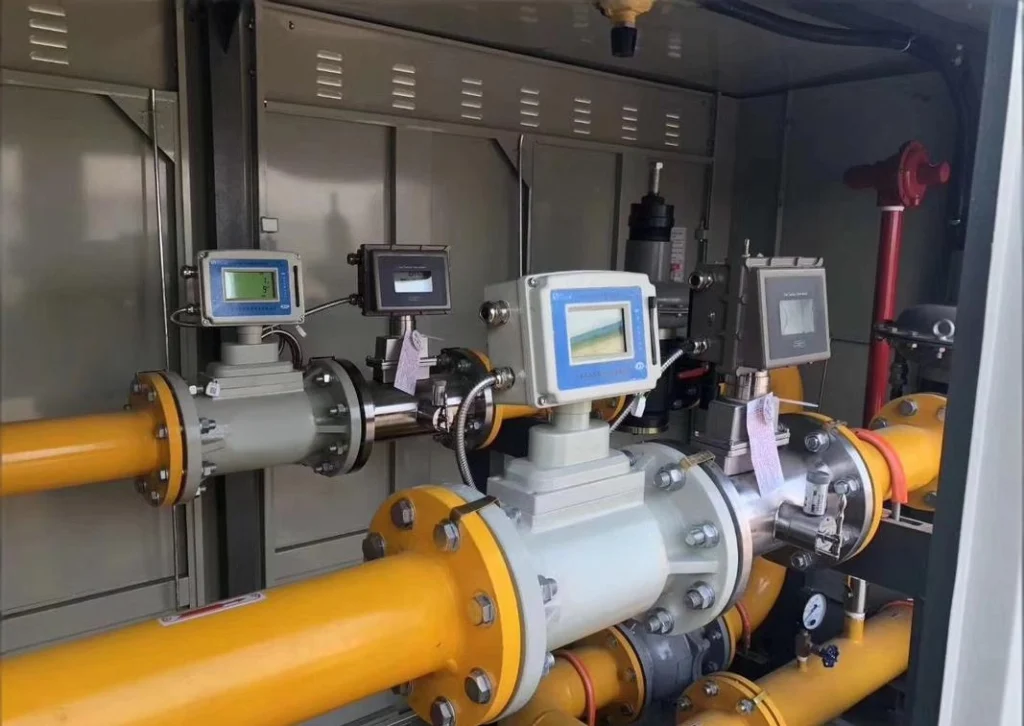
Sion-Inst has become very good at measuring flow over a number of years. Our well-established research and development framework and wide-reaching service network enable us to deliver custom products and full technical support that’s tailored to your specific operational needs, medium-specific characteristics and data transmission requirements. Our company is pleased to offer comprehensive services, providing assurance at every stage of the process, from selection planning to after-sales maintenance.
We look forward to collaborating with partners across industries to empower cost reduction and efficiency gains through precise measurement, jointly building high-efficiency, green, and intelligent operational systems. Please feel free to enquire at any time to explore new flow measurement solutions tailored to your business requirements.