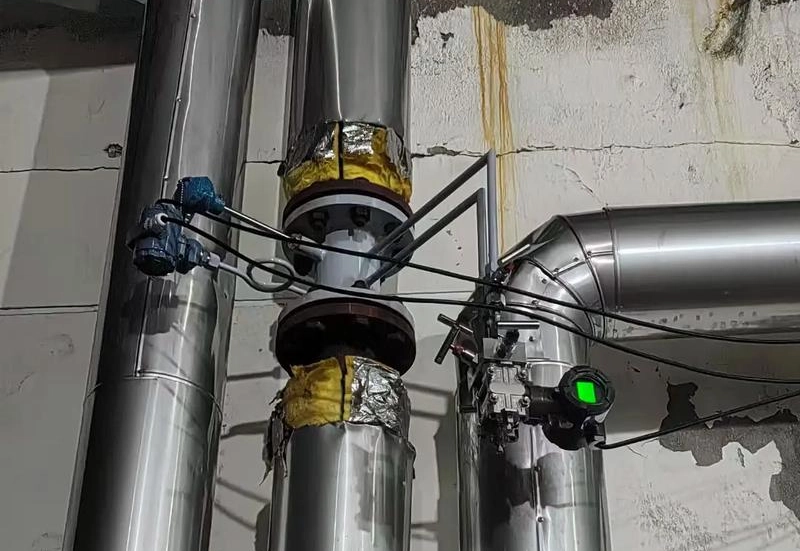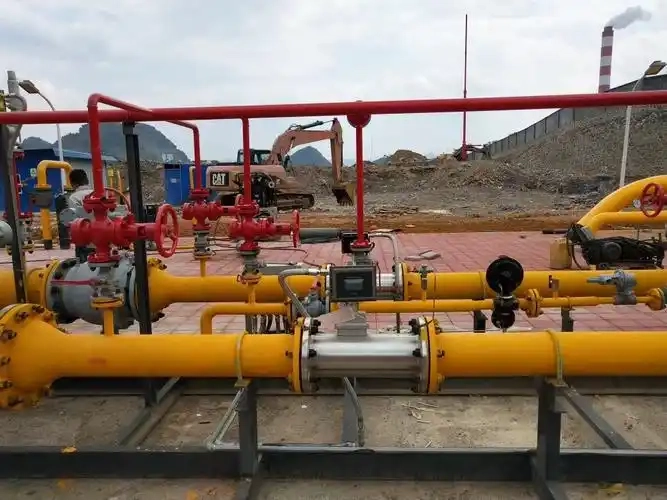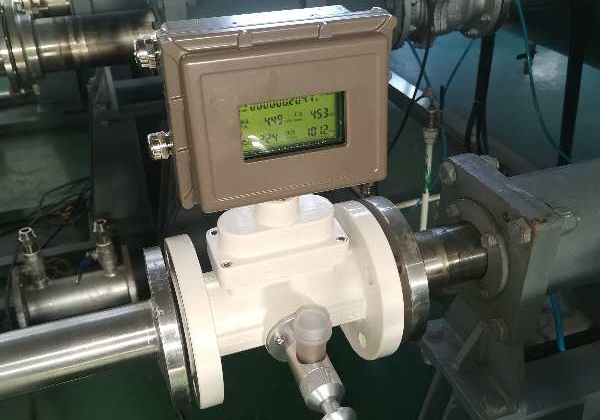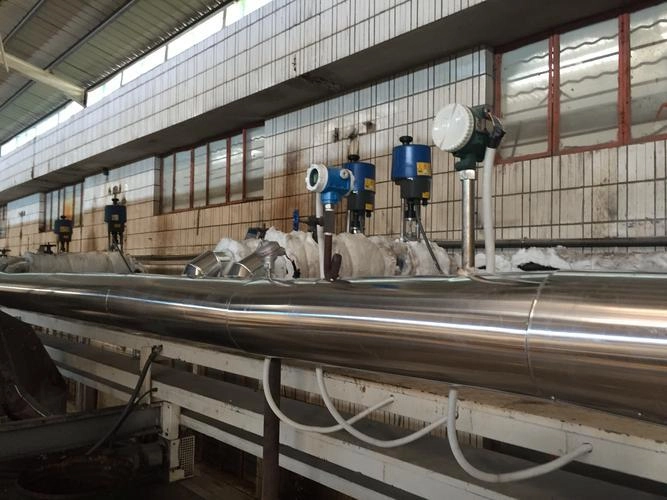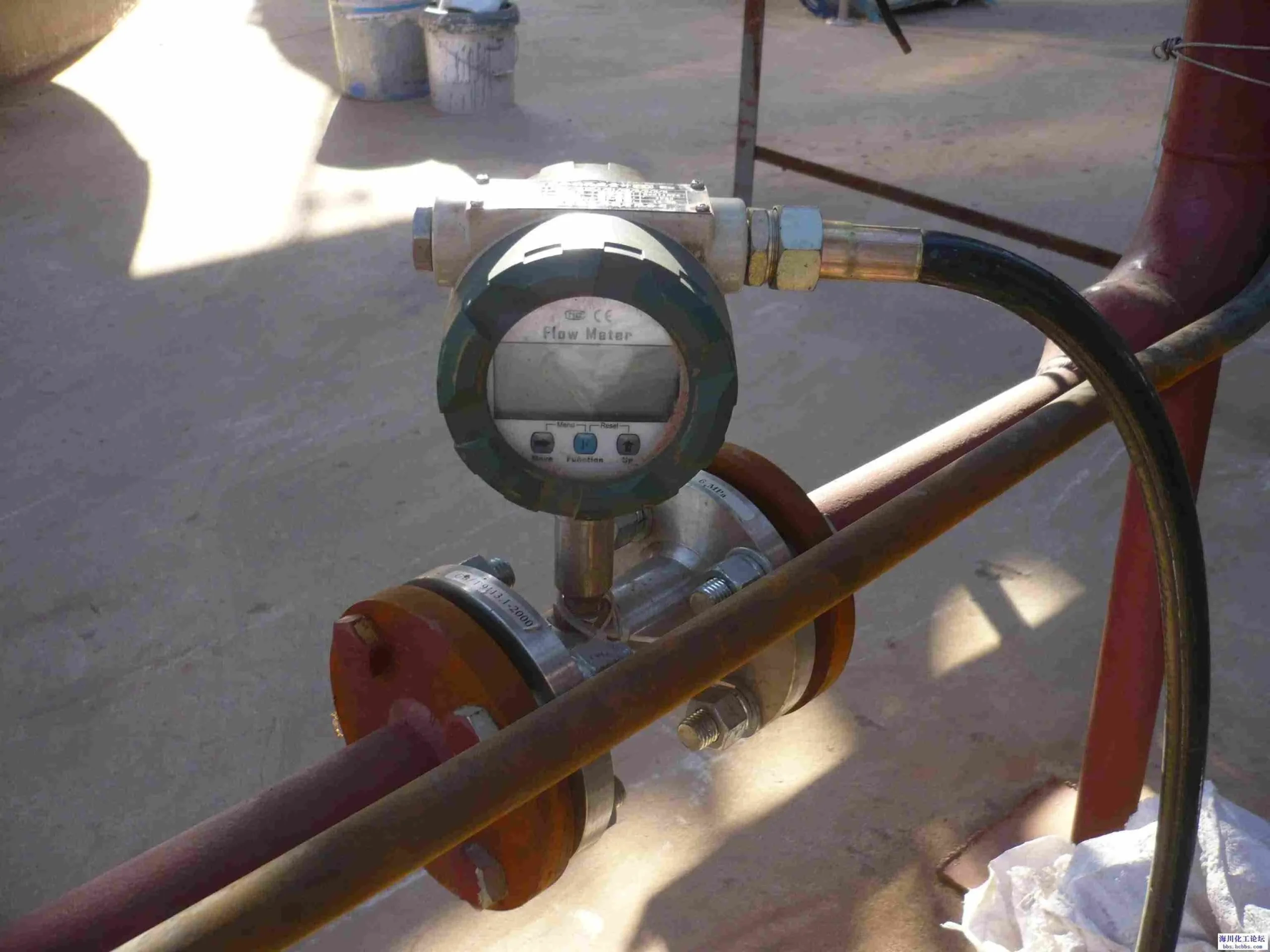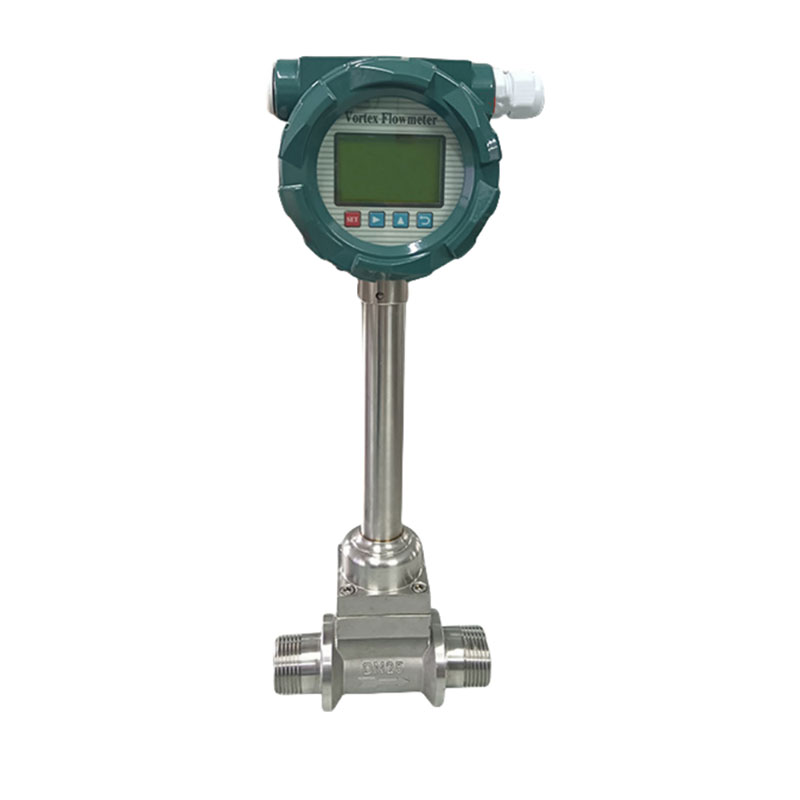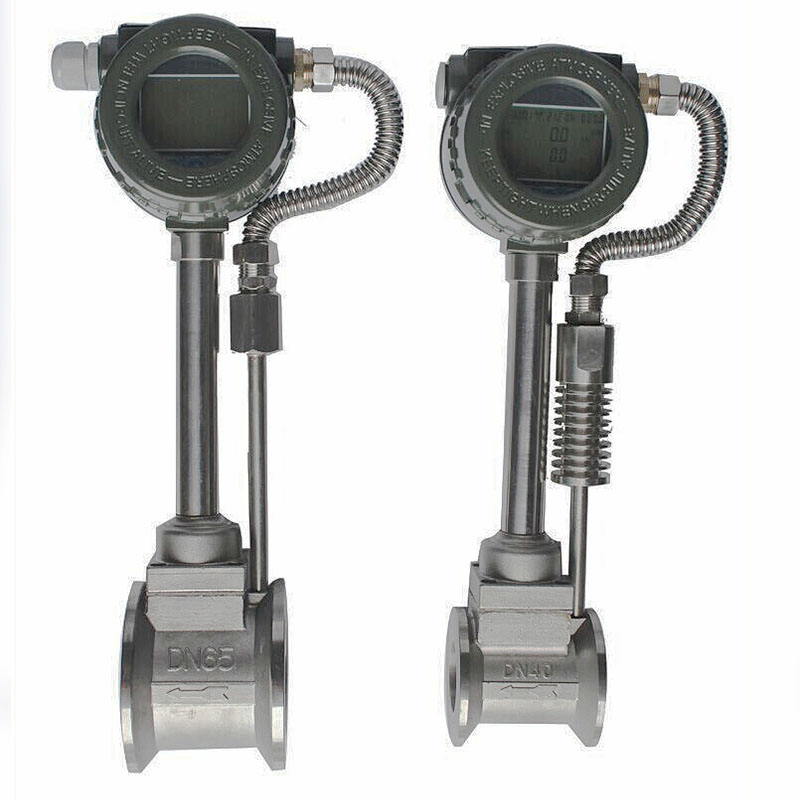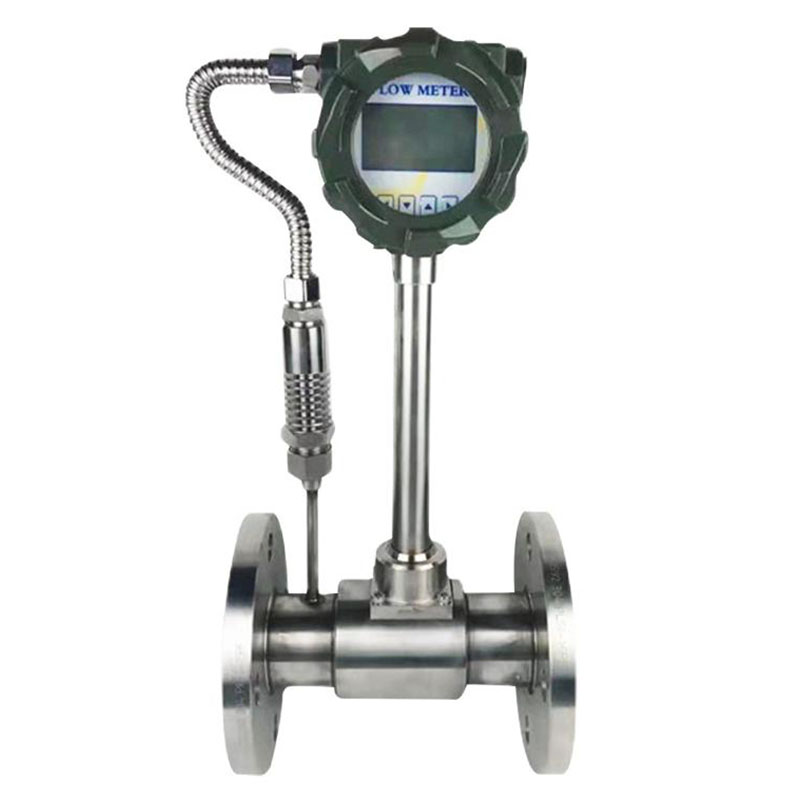
Vortex flow meters are one of the most popular ways to measure flow, and they’re great because they don’t have any moving parts and they’ve got a wide turndown ratio. Multivariable vortex flow meters are pretty cool. They measure three important things – flow rate, temperature and pressure – at the same time. This makes them really important tools for measuring things in lots of different areas, like petrochemicals, power generation and environmental management.
What is a Multivariable Vortex Flow Meter?
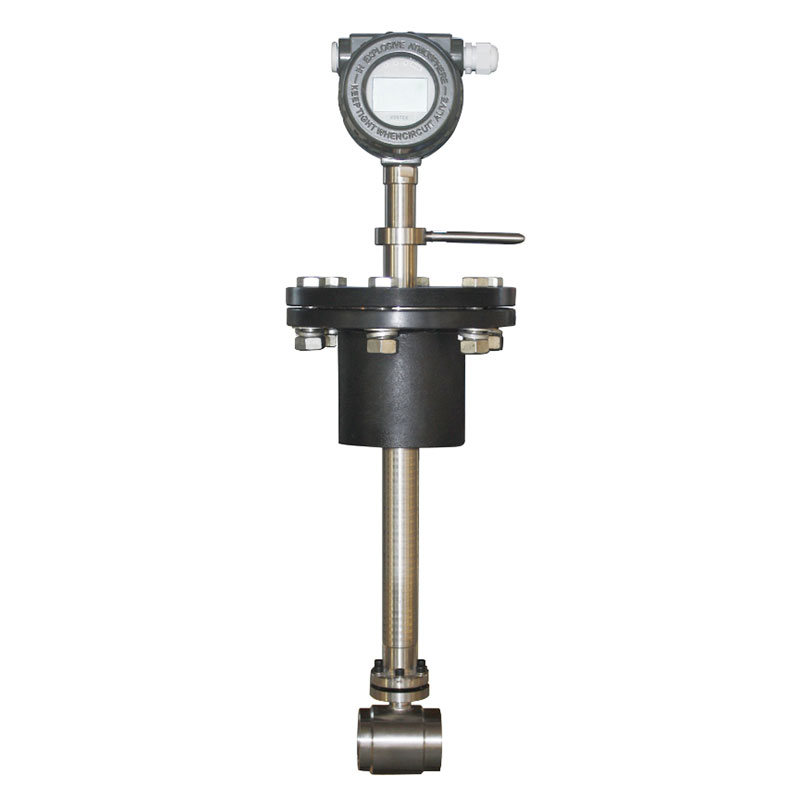
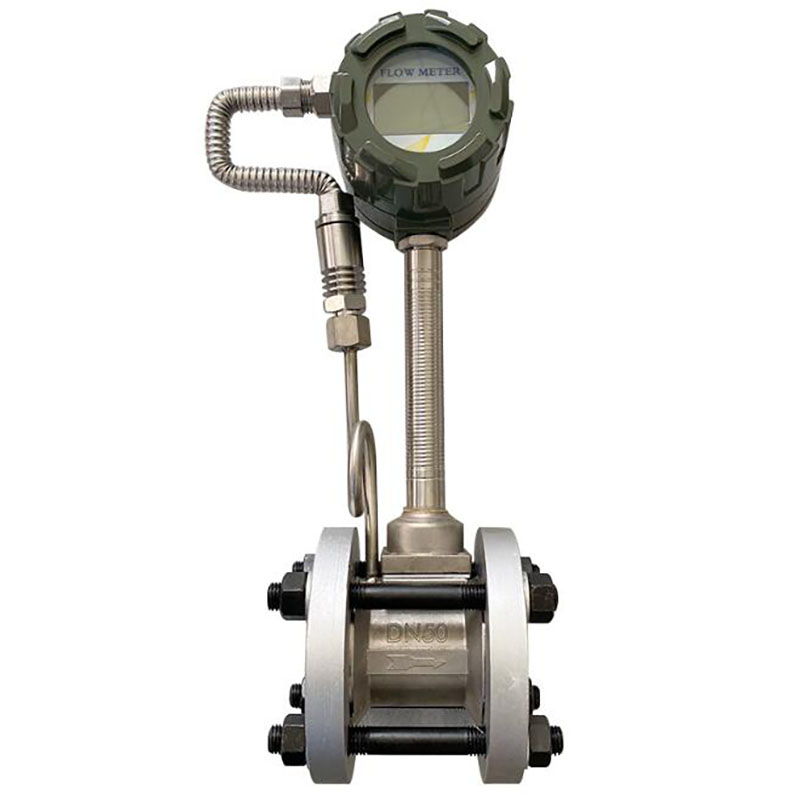
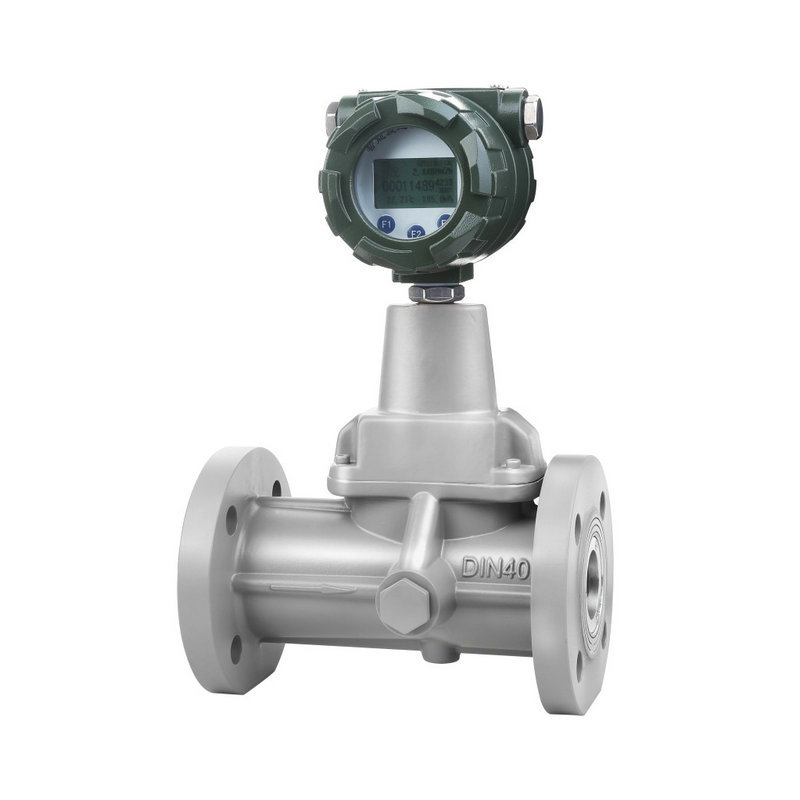
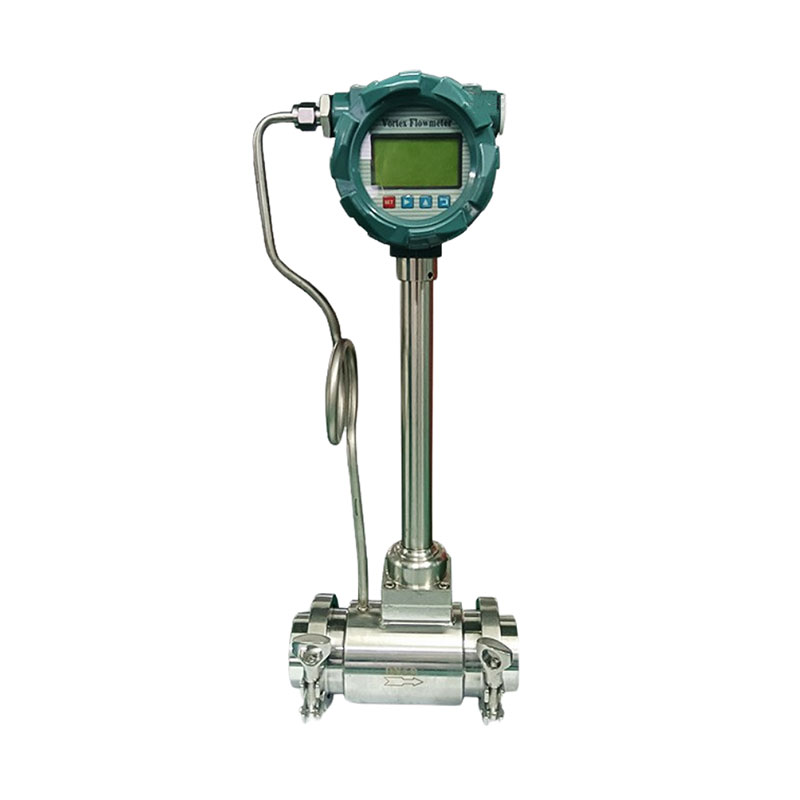
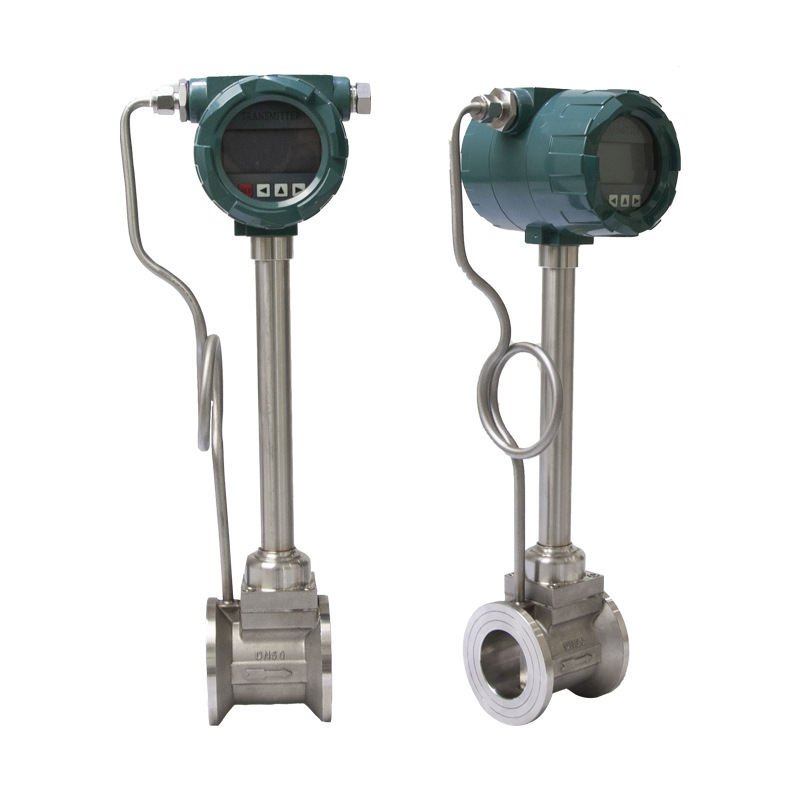
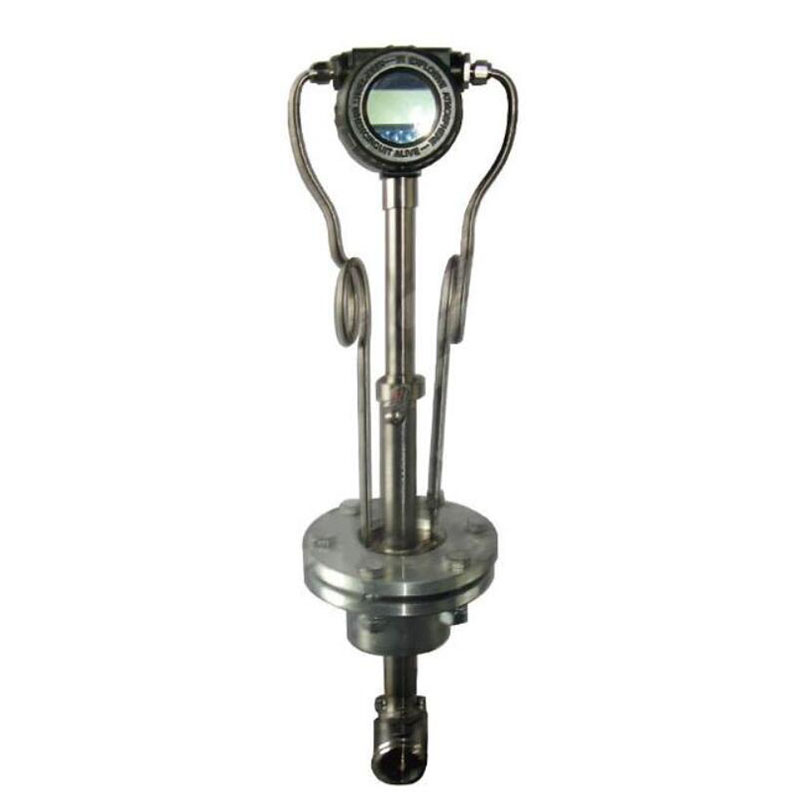
The multivariable vortex flow meter is an integrated intelligent measurement device. It’s based on the old Karman vortex street principle, and it’s got three core components in a single unit: a vortex shedding velocity sensor, an RTD temperature sensor, and a solid-state pressure sensor. This lets you measure key fluid parameters like flow rate, temperature and pressure all at the same time.
You know how conventional vortex flow meters only measure volume? Well, the multivariable vortex flow meter is different because it doesn’t need extra temperature and pressure transmitters. With sensors integrated at the same measurement point, it achieves higher measurement accuracy. It makes pipeline installation and wiring easier, which reduces construction and maintenance costs, making it perfect for industrial settings where space is limited.
Advantages of Multivariable Vortex Flow Meters
Integrated Efficiency, Streamlined Convenience
Single-meter multi-measurement, eliminating additional accessories: It measures volume, mass, temperature and pressure all at once, so you don’t need to buy and install temperature transmitters separately, which saves money.
Built-in density compensation: It’s great for steam, gases and other stuff that needs temperature-pressure compensation, so you can calculate mass flow straight away and with no extra computing needed.
Simplified System Architecture: It reduces the number of points where pipes need to be put in, and it makes installation easier and cheaper.
Precise Measurement, Broad Adaptability
High-Accuracy Measurement: Liquid measurement accuracy reaches ±1%, gas/steam measurement ±1.5%. Accuracy further improves with temperature-pressure compensation, meeting industrial precision measurement demands.
Wide Range Adaptability: The standard turndown ratio is approximately 10:1 to 30:1, with some models capable of 50:1, making it straightforward to manage intermittent production.
Reynolds Number Adaptation: It’s stable at high Reynolds numbers (Re > 10⁴), making it great for measuring high-velocity fluids and opening up a bunch of different applications.
Weather and Corrosion Resistant, Suitable for Complex Media
Multi-media compatibility: It can measure liquids (like water and oil), gases (like natural gas and air), and saturated or superheated steam, so it’s pretty versatile.
Temperature and Corrosion Resistance: It’s made from top-quality materials such as 316L stainless steel and Hastelloy, which can withstand temperatures of up to 400°C and are highly resistant to rust caused by acidic or alkaline substances.
Superior Viscosity Adaptability: Turbine flowmeters are great for measuring higher viscosities, but they’re not so good at lower ones (less than 30 cP).
Stable, Durable, and Low Maintenance
No moving parts: It’s based on the Karman vortex street principle, so it’s got no mechanical moving parts, which reduces wear and cuts failure rates.
Anti-fouling and anti-blocking: Its design makes it less likely to become blocked, and it can be used with materials containing fine particles, such as slightly contaminated industrial wastewater.
Long-term stability: Plus, the fact they have longer calibration intervals means less maintenance, which means lower costs over their lifetime.
Intelligent and Convenient, Suited for Industrial Control
Multi-protocol Compatibility: It integrates with all the main communication protocols, like HART, Modbus and PROFIBUS, so it’ll slot straight into your DCS/PLC systems and let you manage everything from one place.
Intelligent Self-Diagnosis: It’s always keeping an eye on how the sensors are doing, and it’ll let you know straight away if something’s up, like if there’s an empty pipe or something’s not working right. This makes it super easy to sort out any problems.
Energy-efficient and Economical, Outstanding Value
Low pressure drop design: The pressure loss substantially reduces the energy required for pumping, which is only one-tenth to one-fifth of that required for orifice plate flowmeters.
Low total cost of ownership: Although the unit price per instrument is relatively high, it eliminates the need for extra temperature and pressure sensors, which would incur additional procurement, installation and maintenance costs. This makes it much better value in the long run.
Environmental Adaptability and Operational Reliability
Rugged for Harsh Conditions: It’s got an IP65/IP67 protection rating and Ex d/Ex ia explosion-proof certification. This makes it perfect for use in hazardous areas in the chemical, oil and gas industries.
Strong Anti-Interference Capability: Reliable and accurate measurement data is ensured by digital signal processing technology, which is great at dealing with pipeline vibration noise.
Multivariable Vortex Flow Meter VS Conventional Vortex Flow Meter
I. Core Configuration Differences
- Built-in Sensors: The multivariable vortex flow meter integrates triple sensors for flow, temperature, and pressure, eliminating the need for any external auxiliary components and achieving a fully integrated design. The conventional vortex flow meter incorporates only a single flow sensor; to measure temperature and pressure, additional external temperature and pressure transmitters are required, resulting in cumbersome accessory requirements.
- Signal Processing Module: Multivariable vortex flow meters have high-precision, multi-parameter data processing modules that can calculate flow-, temperature- and pressure-related data simultaneously, making them highly efficient. By contrast, standard vortex flowmeters only have basic signal processing modules that deal with flow-related signals, resulting in limited functionality.
- Communication Capabilities: Multivariable vortex flow meters support multiple mainstream digital communication protocols including HART, Modbus, and PROFIBUS, enabling seamless integration into industrial DCS/PLC systems for centralised control. Conventional vortex flowmeters typically only provide basic analogue signal output (4–20 mA), with only a few models supporting basic digital communication. This means they fail to meet the requirements of centralised control systems.
II. Differences in Measurement Capabilities
- Measurement Parameters: Multivariable vortex flow meters measure four key things at the same time – volume flow, mass flow, temperature, and pressure – and they have built-in density compensation. They can output mass flow straight away, so you don’t need any extra conversion. Normal vortex flow meters only measure volume flow, so they can’t give you mass flow data directly. Getting the mass flow right means converting the measurement manually after checking the temperature and pressure with external devices, which makes things awkward and can lead to mistakes.
- Measurement Accuracy:Multivariable vortex flowmeters are highly accurate, with an error margin of ±1% for liquids and ±1.5% for gases or vapours. They become even more accurate with temperature and pressure compensation, making them ideal for industrial settings that require precise metrology. However, vortex flowmeters are not usually the most accurate, with liquid measurement ranging from ±1.5% to ±2% and gas/steam measurement from ±2% to ±3%. However, changes in temperature and pressure can affect their accuracy, making them unstable.
- Turndown Ratio: Multivariable vortex flowmeters have a wider turndown ratio, typically ranging from 10:1 to 30:1. Some models can even achieve 50:1. This makes them ideal for applications involving significant flow fluctuations, such as intermittent production. Standard vortex flowmeters usually have a range of 10:1 to 20:1, making them less suitable for dealing with flow variations. They are better suited to simple metering situations where the flow rate is fairly consistent.
- Intelligent Functionality:Multivariable vortex flow meters feature comprehensive intelligent capabilities, enabling real-time monitoring of operational status and fault alarms for conditions like empty pipes or signal anomalies. Certain models support historical data storage, facilitating subsequent fault analysis and process optimisation. Conventional vortex flow meters lack intelligent self-diagnostic functions, outputting only basic flow data. This complicates fault troubleshooting and precludes data traceability.
III. Differences in Applicable Scenarios
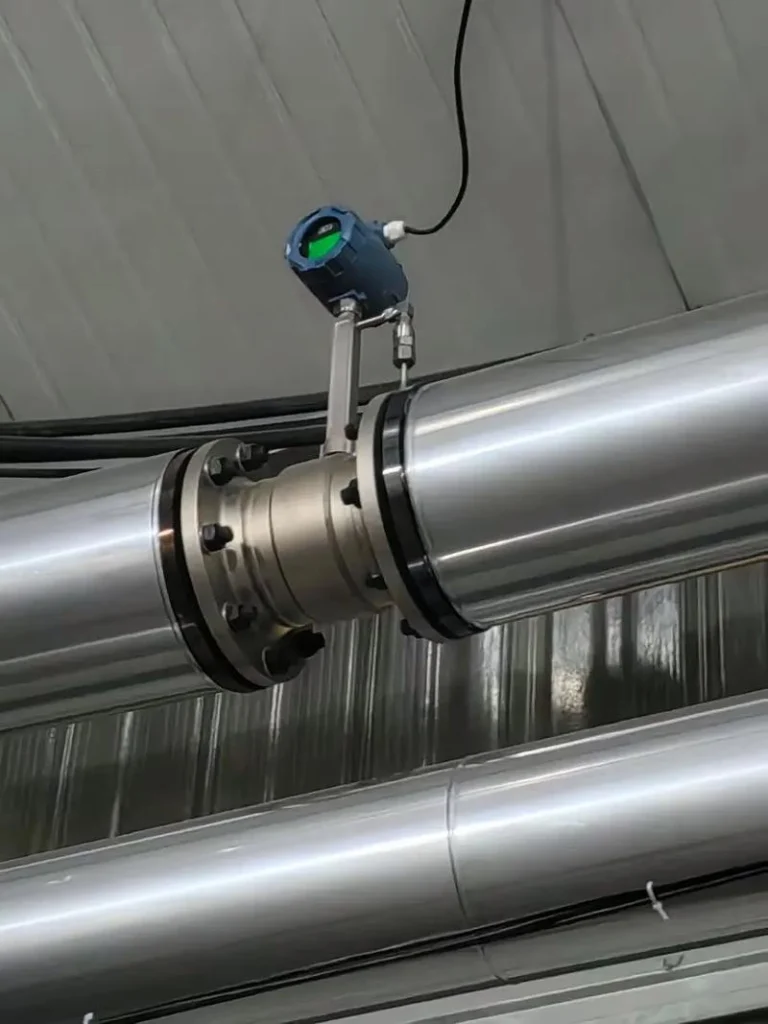
- Scenarios for Multivariable Vortex Flow Meters: It’s great for metering applications that need to account for temperature and pressure, like measuring steam, natural gas, and industrial gases. It’s also perfect for industrial sites with limited space for pipelines, where having a compact design is essential. It’s also perfect for measuring corrosive or high-temperature substances in the chemical and oil/gas industries. It’s also great for use in places where it’s important to keep maintenance costs low and to have central control, like in factories and for monitoring chemical processes.
- Standard Vortex Flow Meters:It’s great for simple measurement jobs where you just need to know the volume of a liquid flowing through at a time (e.g., measuring water in the home, basic liquid metering); and for industrial sites on a budget that don’t need fancy control or high-precision measurements.
Practical Applications of Multivariable Vortex Flow Meters
1. Power Generation Sector: Primarily employed for measuring saturated or superheated steam at boiler outlets and turbine inlets. It can monitor flow rate, temperature, and pressure at the same time. This helps to avoid errors caused by changes in steam temperature and pressure. It also allows for precise control of how much energy is used.
2. Chemical Industry:It is suited to diverse corrosive, high-temperature and high-pressure conditions, and enables precise monitoring of media such as acidic and alkaline solutions, as well as process gases. Achieves synchronous multi-parameter control while meeting the low-maintenance requirements of continuous chemical production.
3. Oil and Gas Industry:It is used to measure in extraction and transmission operations, and it is explosion-proof and vibration-resistant. They make sure that oil and gas trade settlements are accurate and support safety controls during transportation.
4. Metallurgical Industry:It also monitors the flow of steam and the temperature of furnaces, waste heat recovery systems and cooling water. This optimises the use of waste heat, prevents equipment damage due to overheating, and maintains stable production.
5. Municipal Sector: This is used to measure urban heating, steam, drinking water and gas pipelines. It ensures that both suppliers and consumers are charged fairly, while also supporting network scheduling and leak detection alerts.
6. General Industry (Food, Pharmaceuticals, Pulp & Paper, etc.):Suitable for common media including water, industrial oils, and compressed air, aiding process compliance while assisting enterprises in achieving energy conservation and consumption reduction.
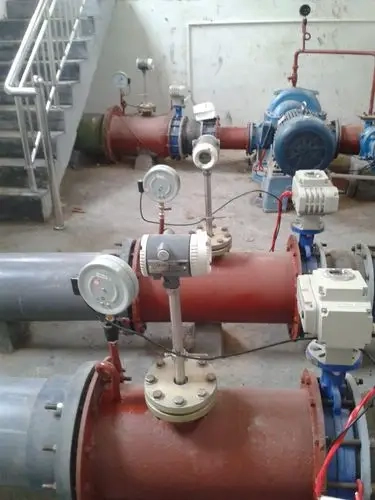
In today’s era of intelligent and precision-driven industrial development, accurate measurement serves as the cornerstone for enterprises to achieve efficient operations and compliant growth. Sion-inst has loads of experience in flow measurement, and uses its well-developed R&D skills and a full service system to deliver custom flow meter solutions for all kinds of industries and tricky operating conditions.
We provide all the technical support you could need, from start to finish, and we’re great at resolving measurement issues and helping you upgrade your metrology management systems in a smart way. So, whether you need to optimise your current measurement systems, replace traditional instruments, or get bespoke metrology solutions for specific operating conditions, just get in touch!