Choosing the Right Level Sensor for Solids/Powders

Table of Contents

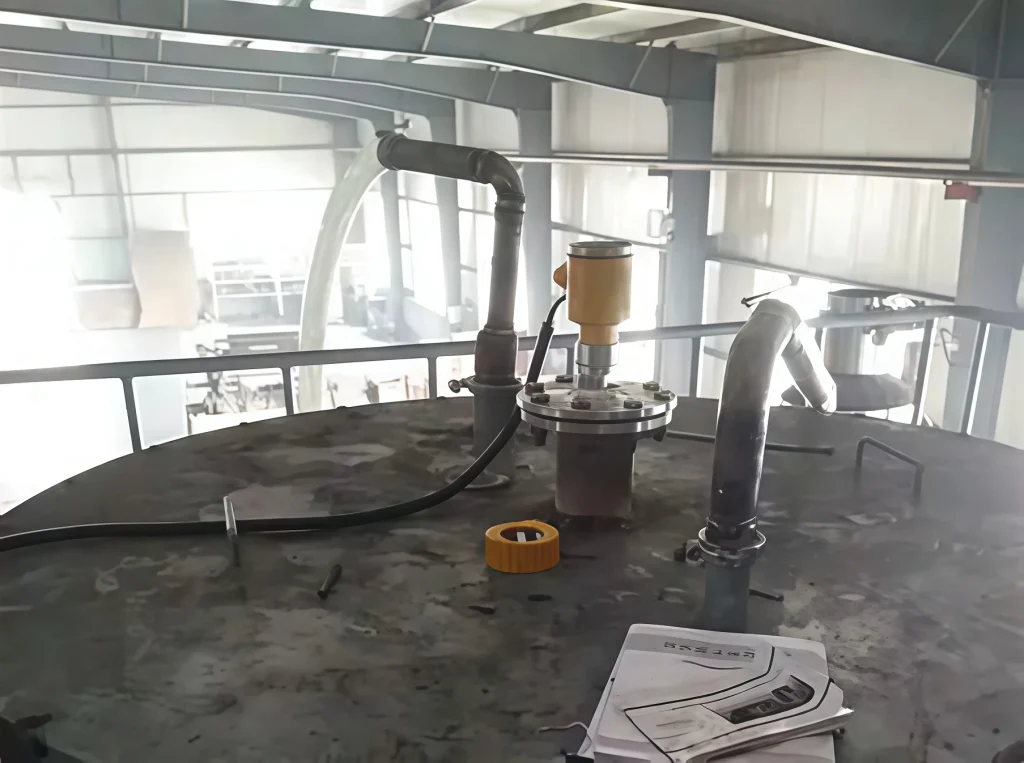
In industrial process control, level sensors are used to monitor material levels, provide overflow warnings, and control loading and unloading of materials such as cement, grain, coal, and limestone. Different material handling conditions present different measurement challenges, such as dust, high temperatures, and steam interference. These conditions may occur in open environments, silos, or reaction vessels.

We have compiled this guide and recommend that you follow our steps to analyze your specific situation and select the appropriate level sensor for solids/powders.

Level Sensor for Solids-Powders

Step 1: Identify the Measured Medium

Determine the medium you need to measure, whether it is powder or solid chunks.

Consider the material’s state, density, particle size, moisture content, and chemical properties;

If it is a powder, consider the possibility of the powder adhering to the level sensor probe.

Step 2: Clarify Measurement Requirements

Clearly define the results you want to obtain.

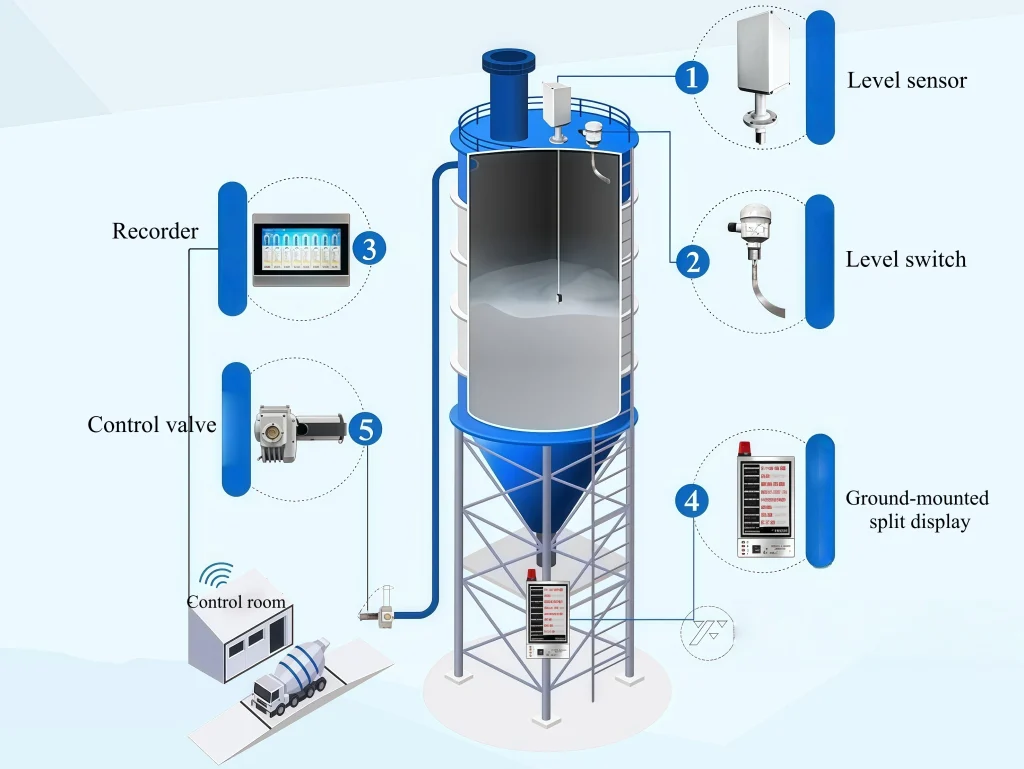
1. Do you need to directly display the material level height in real time? Or do you need to display the material level as a percentage?

Level measurements generally have a large range, such as 10 meters or tens of meters in height. Do you need to set up a level display screen at a lower ground level?

2. Do you need to transmit the level signal to the control room? If so, how far is the distance? What type of signal is acceptable?

Level sensors typically output signals such as 4-20mA or RS485. We need to confirm in advance the signals that the back-end monitoring equipment can accept.

3. Or, do you only need a switch signal output when the material level reaches a high or low point?

Switch signal outputs are generally used for overflow warnings and controlling loading and unloading.

Material Level Management System

Step 3: 8 Types of Level Sensors for Solids/Powders and Measurement Techniques

In industry, there are mainly eight types of level sensors that can measure the level of solids/powders: radar level meters, ultrasonic level meters, guided wave radar level meters, plumb bob level meters, capacitive level meters, radiometric level meters, tuning fork level switches, and rotary paddle level switches.

Of course, there are also some new technologies, such as patch-type level meters and 3D level scanners, but these technologies are not yet mature and are not widely used. We can divide them into two main categories: contact and non-contact.

Non-Contact Level Measurement

Non-contact level measurement technologies mainly include radar, ultrasound, and radiation.

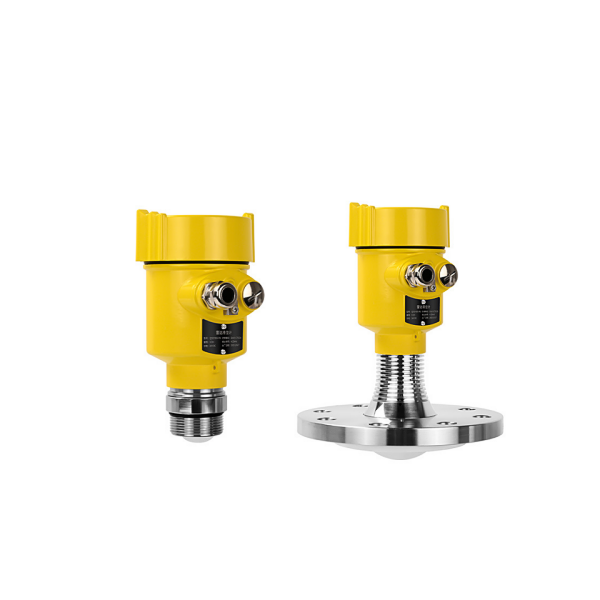
1. Radar Level Meter

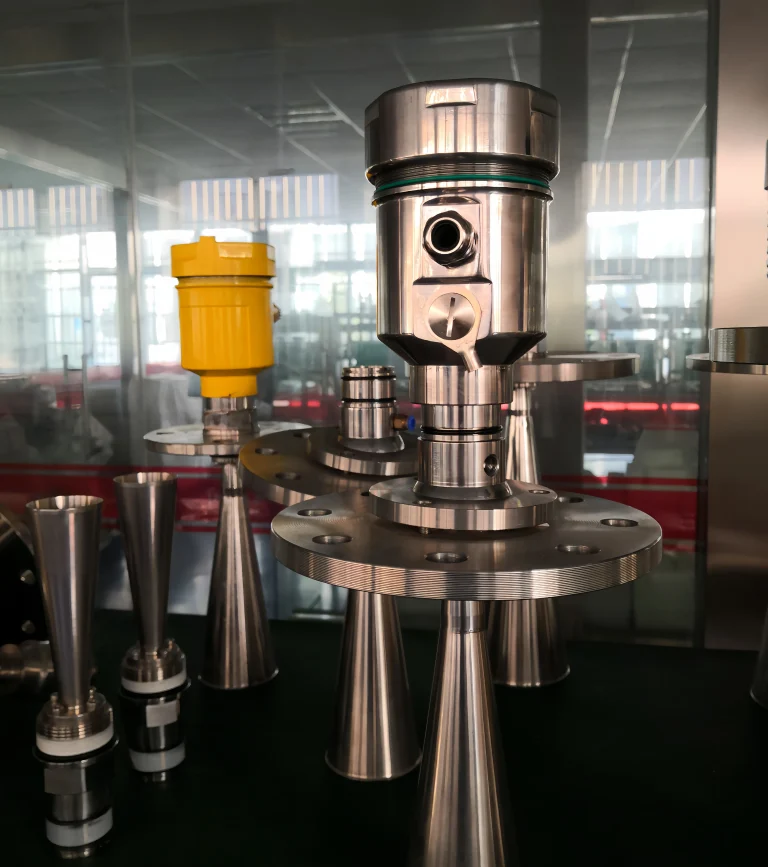
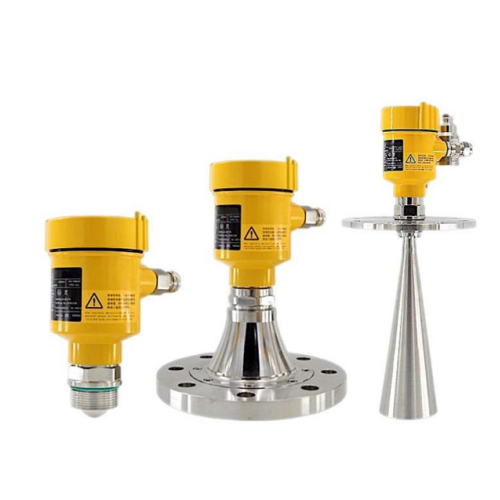
Radar level meters transmit microwaves through a transmitting antenna, which reach the material surface, forming an effective reflected wave. The reflected wave is received by a receiving antenna, and the corresponding analog signal of 4-20mA is output through calculation, corresponding to the material level height.

Currently, the most widely used is the 80G radar level meter, which uses the Frequency Modulated Continuous Wave (FMCW) method. The measurement circuit is more complex, but the accuracy is higher, reaching 0.1% F.S., and interference echoes are easier to remove.

With air purging, radar level meters can be applied to most powder and solid level measurements. Special parameters such as high temperature (800℃) and high pressure (10MPa) can be customized.

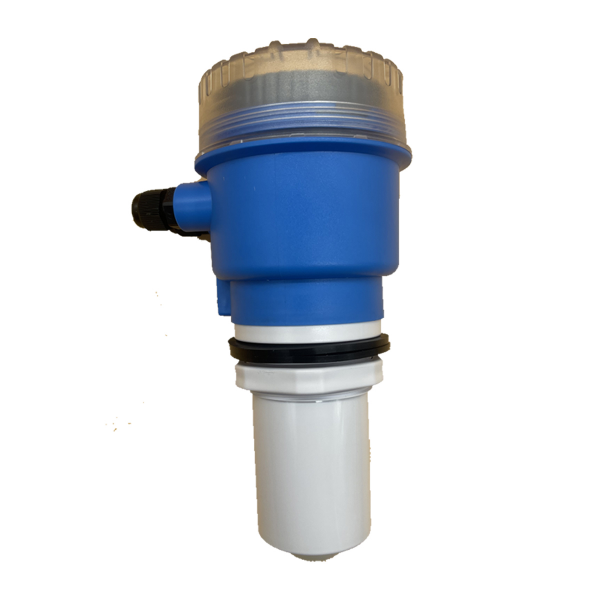
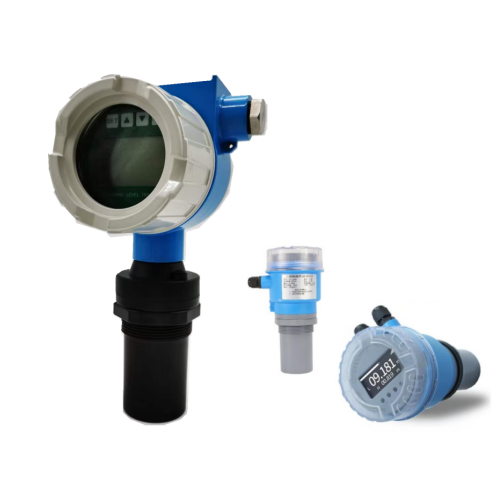
Ultrasonic level meters primarily utilize the echo ranging principle, calculating the distance from the transducer to the material surface by measuring the time it takes for the sound wave to be transmitted and received by the transducer. This level meter is suitable for measuring the level of granular and bulk solid materials.

Ultrasonic level meters are generally less expensive than radar level meters. Ultrasonic waves require a medium for propagation; for example, in cement plants, air is typically used as the propagation medium for level measurement. However, changes in air temperature and humidity affect the speed of ultrasonic wave propagation. Therefore, ultrasonic level meters may not function properly in environments with varying temperatures, pressures, or steam. Dust in the air of the storage silo also attenuates the ultrasonic signal, affecting measurement accuracy.

Radiation level meters emit a gamma ray from a source, which penetrates the material to a radiation receiving lead plate, thereby outputting a level signal corresponding to the material level. They can be designed as continuous level meters or point level switches.

Radiation level meters are suitable for various working conditions and materials. Depending on the silo shape and process requirements, gamma-ray level meters can be installed in different positions.

However, the radioactive source pollutes the environment; the decay of the radioactive source makes level control unreliable.

17. Radar Level Meters
Radar Level Meter
16.Ultrasonic Level Transmitters
Ultrasonic Level Transmitter

Contact Level Measurement

Contact level sensors generally have rod or cable-type probes. Examples include guided wave radar, plumb bob, capacitive, tuning fork vibration, and rotary paddle measurement technologies.

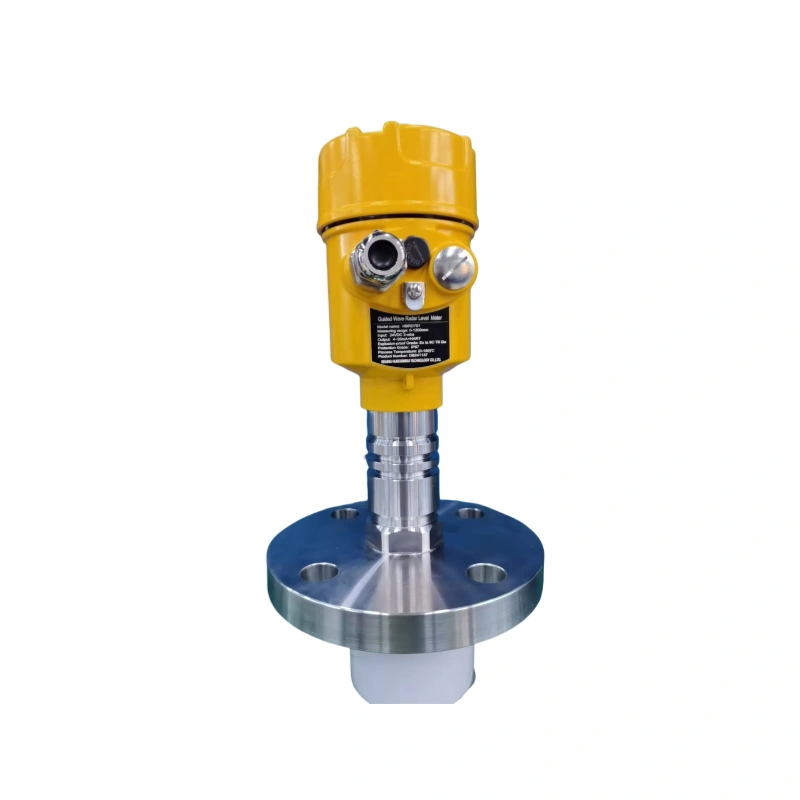
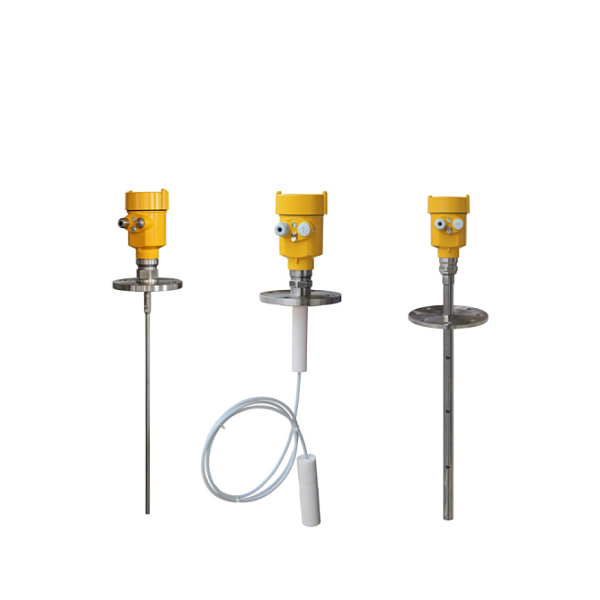
4. Guided Wave Radar Level Meter

The guided wave radar level transmitter is a variant of the radar level transmitter, typically operating in a pulsed wave mode. Unlike conventional radar level transmitters, the microwave pulses are not propagated through space, but rather through one (or two) waveguides extending from the top of the silo to the bottom. The waveguide can be a rigid metal rod or a flexible metal cable.

The microwave pulse propagates downwards along the outside of the rod or cable, is reflected by the surface of the measured material, and the echo is received by the antenna. The propagation distance can be calculated from the time difference between the transmitted and reflected pulses.

Compared to ultrasonic and conventional radar level transmitters, guided wave radar level transmitters are stable and reliable; similar to conventional radar level transmitters, the strength of the reflected signal depends on the dielectric constant or conductivity of the measured material, but the guided wave type can measure materials with lower dielectric constants.

A motor-driven steel belt reel lowers an inductive hammer head at the end of the steel belt into the silo. When the inductive hammer touches the material surface and loses weight, the motor reverses to pull the hammer head back to the top stop position. During this process, the controller calculates the distance from the top of the silo to the material surface by detecting the number of turns of the winding drum. It simultaneously outputs an analog signal of 4~20mA corresponding to the actual material level.

This level transmitter is suitable for measuring the level of granular, particulate, and powdered solid materials. The results are accurate and reliable, with a measurement accuracy of ±1cm. It is vertically installed at the top of the silo and is easy to install and use. The measurement is not affected by media density or particle size.

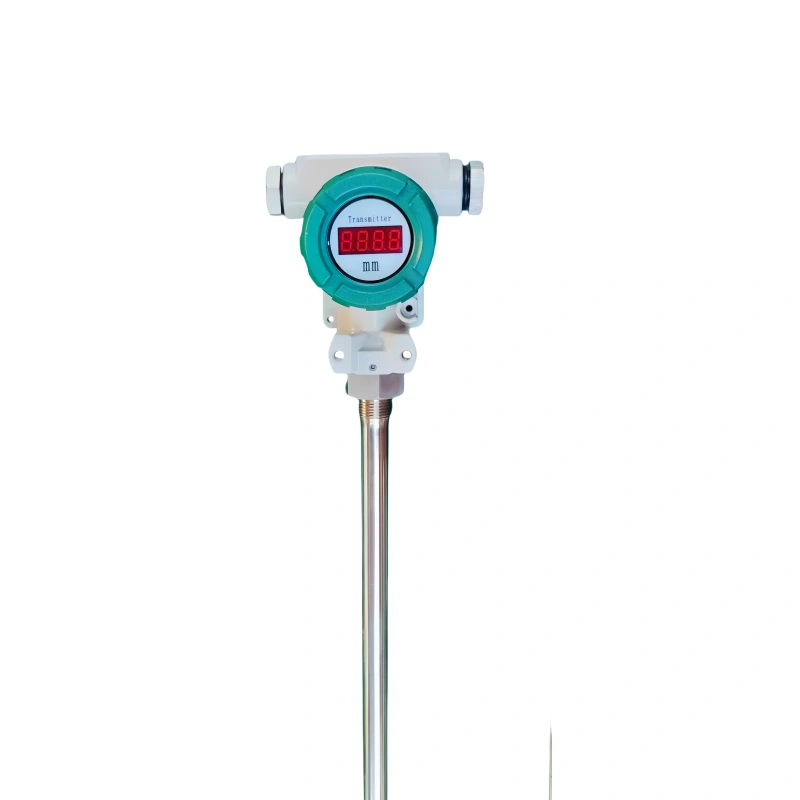
The principle of the capacitive level transmitter is that the electrode inserted into the silo and the silo wall form a capacitor. When the material level in the silo changes, the capacitance changes, and a corresponding control signal is obtained through a conversion circuit.

Capacitive level sensors can be used for continuous level measurement or as level switches for alarms or as input signals for feeding and unloading equipment.

Depending on the range and control method, the electrode is designed as a rod (bar) type or a steel cable (heavy-duty steel cable) type, and can be applied to various silos. If material adheres to the electrode (probe) or the tank wall, it can cause the controller to malfunction, thus affecting the measurement results. The probe and level switch operation should be checked and calibrated regularly.

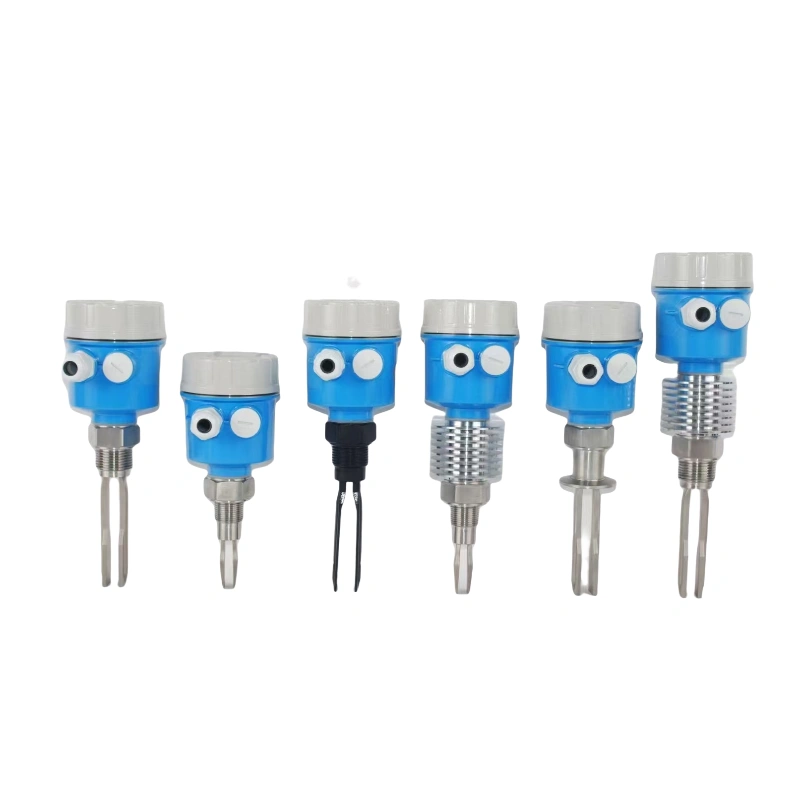
The tuning fork level switch uses a piezoelectric crystal to drive a tuning fork to vibrate, and detects the presence or absence of material by utilizing changes in vibration frequency and amplitude.

It can be used to measure and control liquids, powders, or granular solids. Solid particles should be ≤10mm, and liquid viscosity <1000mm²/s.

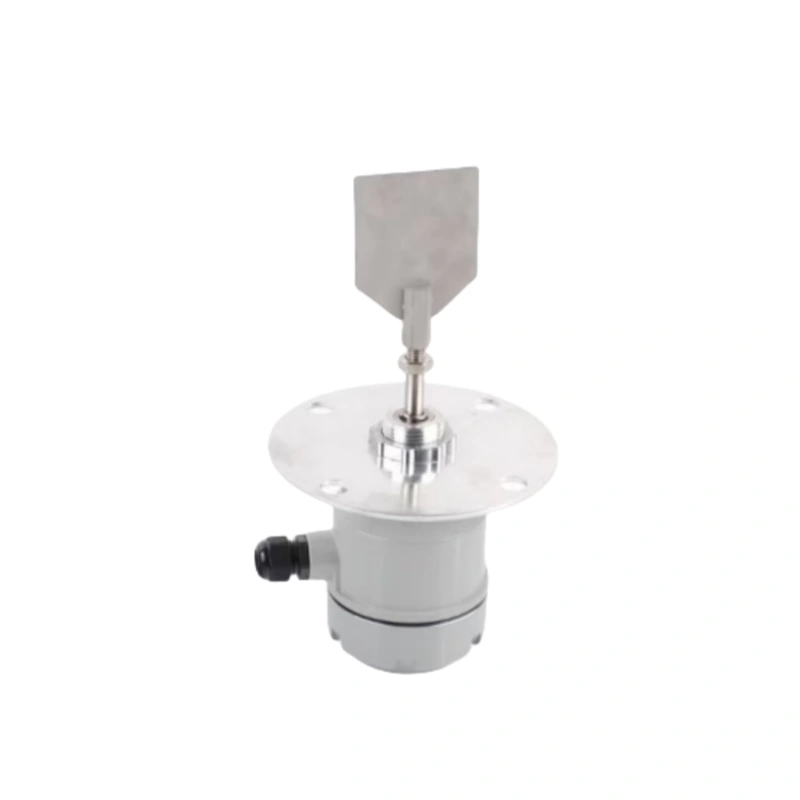
The rotary paddle level switch uses a miniature motor to drive a blade to rotate at a speed of 2.5-5 r/min. When the blade contacts the material, the motor stops rotating and outputs a signal, thus achieving material level detection and control.

Suitable for various solid materials; temperature ≤800℃. Customizable cable or rod type probes of different sizes are available.

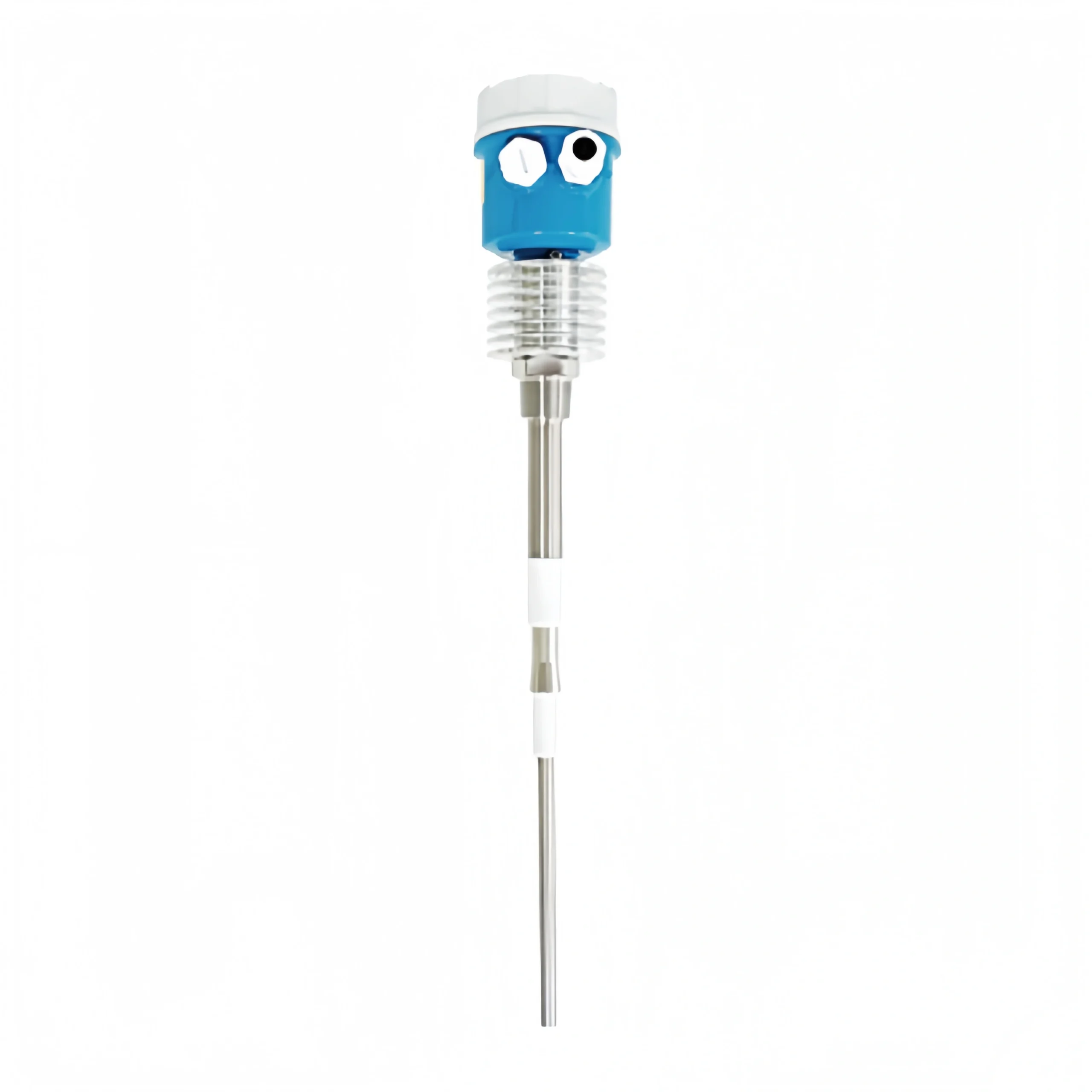
Guided Wave Radar Level Transmitters
Capacitive cryogenic level sensor for ammonia
Capacitive Level Sensor
Tuning fork level switches
Rotary Paddle Level Switches

About New Technologies:

3D radar level scanners are suitable for accurate measurement of material distribution in complex-shaped silos, large stockpiles, and irregular containers. However, the supporting signal and monitoring software are not yet widely available. Therefore, the current market application rate is not high.

Patch-type level sensors overcome the disadvantages of contact-type level sensors and combine the advantages of non-contact level sensors and weighing modules. They are directly installed on the support legs or support beams of the tank, and like weighing sensors, can achieve stable and continuous material mass output. However, patch-type level sensors can only measure the weight change of the powder silo and do not control the empty silo height.

Step 4: Organize Operating Parameters

The different types of level measurement technologies described above all require selection based on your actual measurement parameters. Therefore, we recommend that you compile the following parameters:

  1. Measured medium
  2. Medium density and viscosity
  3. Measurement range
  4. Installation dimensions and location
  5. Temperature and pressure
  6. Is continuous level measurement required? Or is point level control needed?
  7. Is local display required, and is separate display needed?
  8. What signal output is required?
  9. Accuracy requirements
  10. Material, explosion-proof, and other special requirements

Expert Advice:

After analyzing the level measurement technologies above, you may already have a preliminary choice. Then, you can directly inform us of your operating parameters and preferred product type. We will combine our technical experience to recommend suitable products for you.

For example:

  • Avoid ultrasonic sensors if there is a lot of dust: prone to reflection distortion and measurement fluctuations.
  • Avoid capacitive or tuning fork sensors for wet or sticky materials: prone to material buildup and false alarms.
  • When choosing a rotary paddle level switch, remember to select a dual-bearing + clutch structure: to prevent jamming and motor burnout.
  • When installing a weight-type level switch, avoid the material impact zone: otherwise, the weight may break or be buried. For silos with severe material buildup on the walls, choose a model with an interrupted weight lifting function.

More Level Measurement Solutions

What Is An Ultrasonic Tank Level sensor?:A comprehensive guide
Read More
The working principle of a level sensor is based on different physical phenomena.
Read More
External ultrasonic level gauge for measuring liquid ammonia
Read More
Horn antenna radar level meter
Read More

Sino-Inst has over 10 years of experience in process measurement and control services. We have mature liquid level measurement products and technologies. Whether it’s powder, solid level measurement, or liquid level measurement, we have extensive experience.

We support customization based on your measurement conditions and requirements. Please feel free to contact us to confirm your liquid level measurement solution.

Welcome To Share This Page:
Product Categories
Latest News
Get A Free Quote Now !
Contact Form Demo (#3)

Related Products

Related News

In industrial process control, level sensors are used to monitor material levels, provide overflow warnings, and control loading and unloading

Electromagnetic flowmeters are instruments that measure the flow of fluids. They are used in many industries, including industry, chemistry and

High frequency pressure sensors are specifically designed for measuring rapidly changing dynamic pressures. They feature a high natural frequency, extremely

Low temperature pressure sensors find application in numerous industrial control settings, primarily serving aerospace, submarine cryogenic storage, low-temperature scientific experiments,

Electromagnetic flow meters are used a lot in modern industry to measure liquid and gas flow rates, and they’re pretty crucial

In industrial sectors such as oil and gas, petrochemicals, and power generation, flow measurement under high-pressure conditions is critical for

In modern industry, scientific research and automation, pressure sensors are ubiquitous, playing a pivotal role in measurement, monitoring and control.There

Electromagnetic flow meters are an important piece of equipment for measuring flow in industry. The material used to line the

The insertion electromagnetic flowmeter is an inductive instrument for measuring the volumetric flow rate of conductive fluids, representing a new

Scroll to Top

Get A Free Quote Now !

Contact Form Demo (#3)