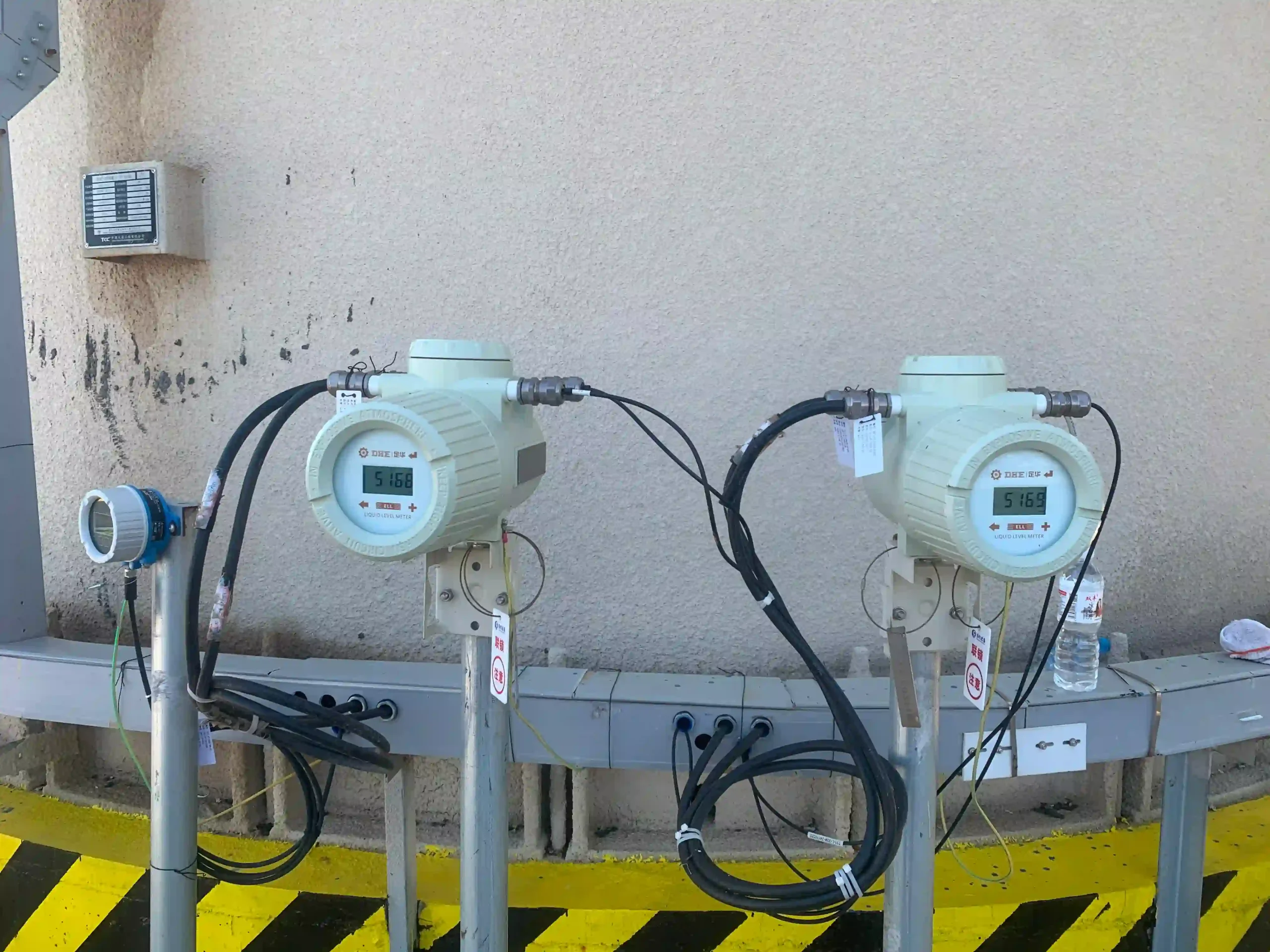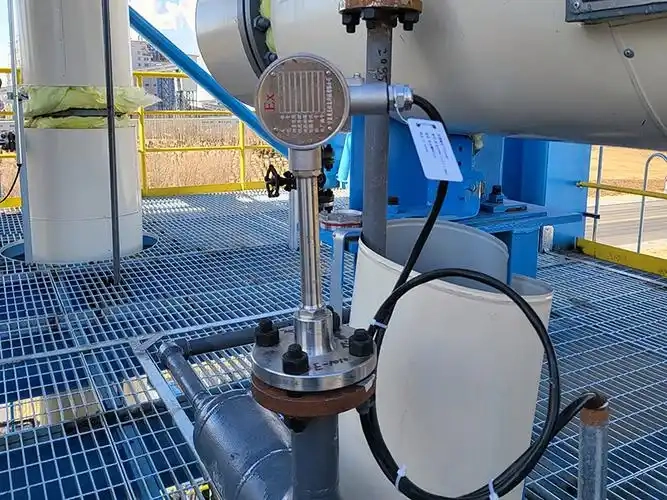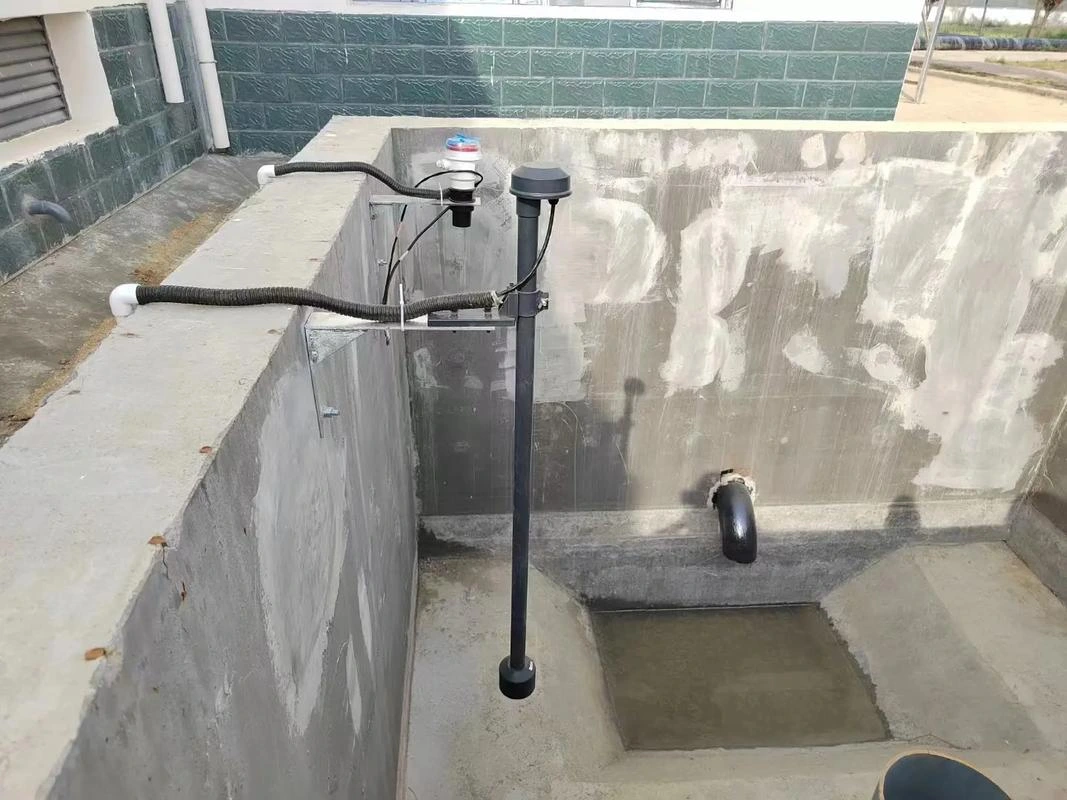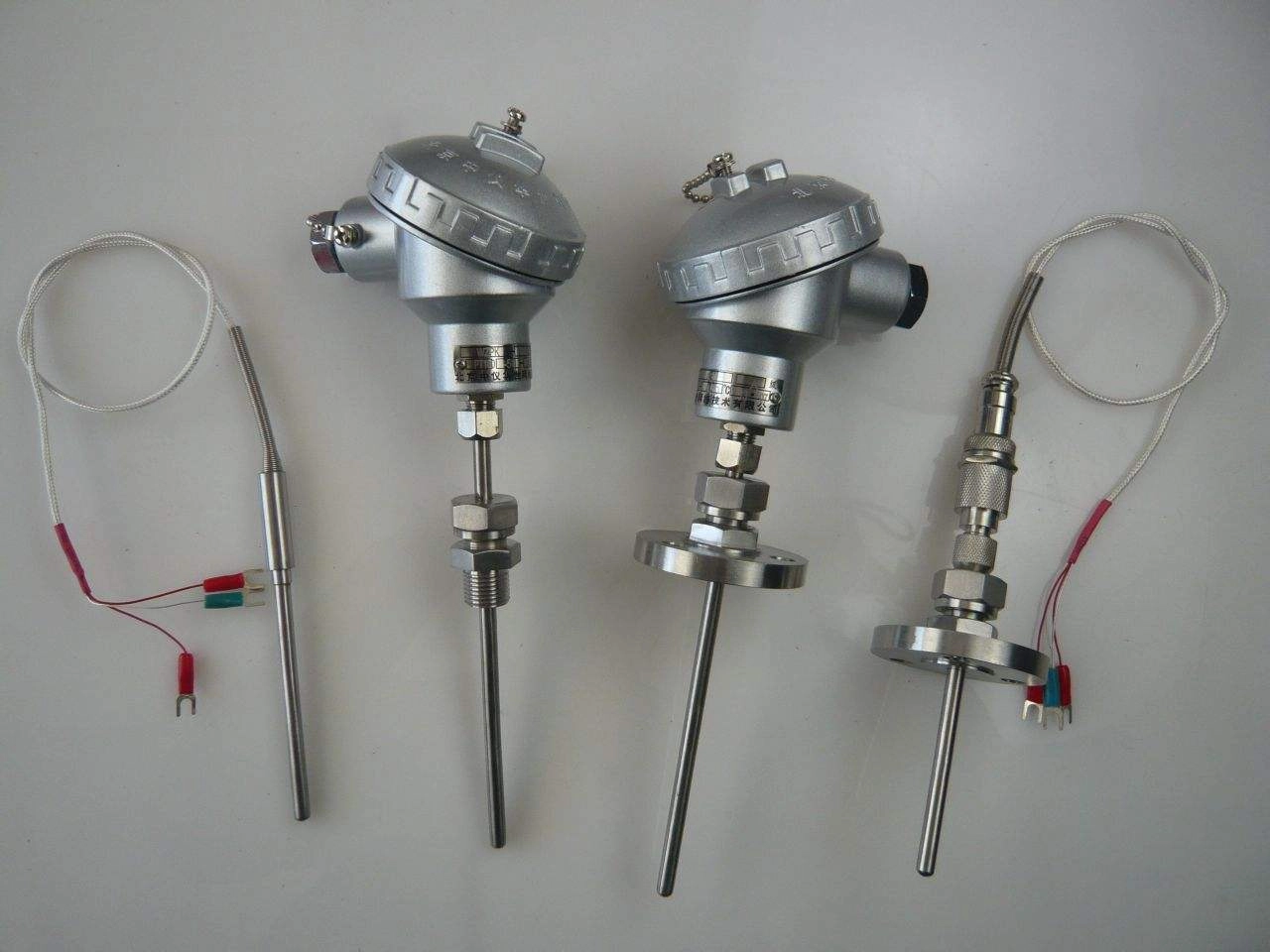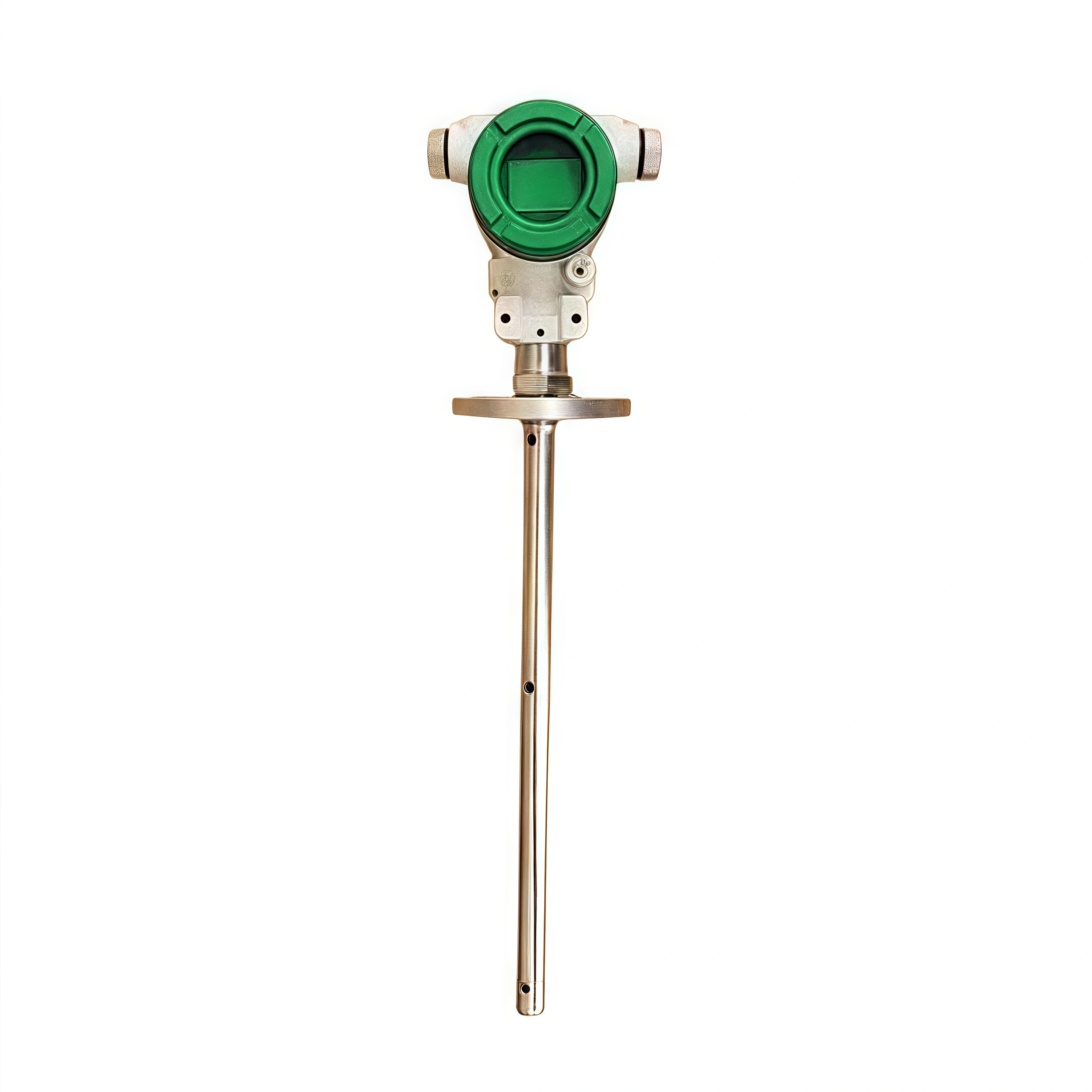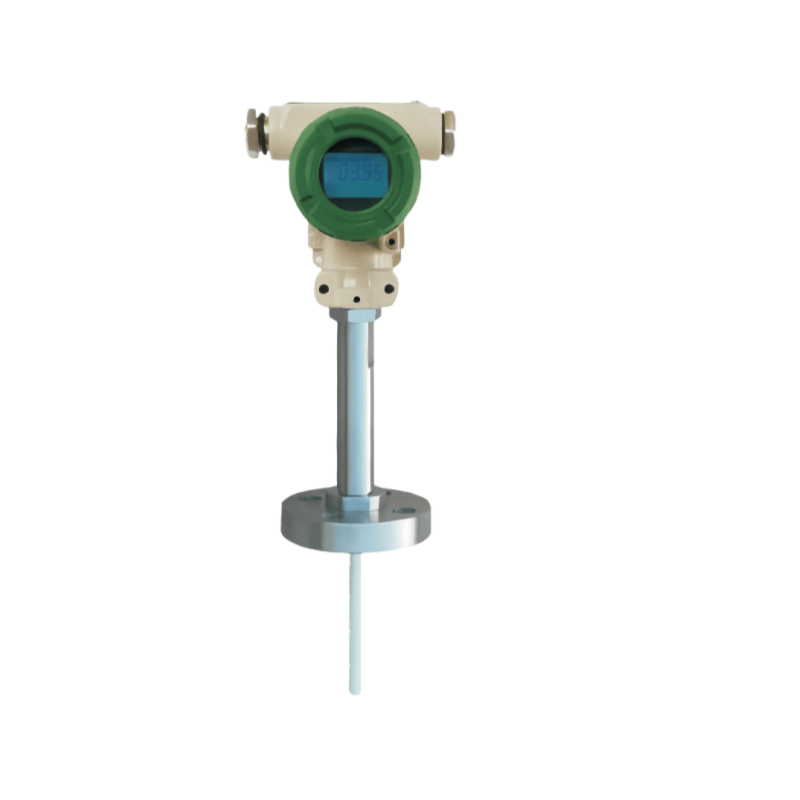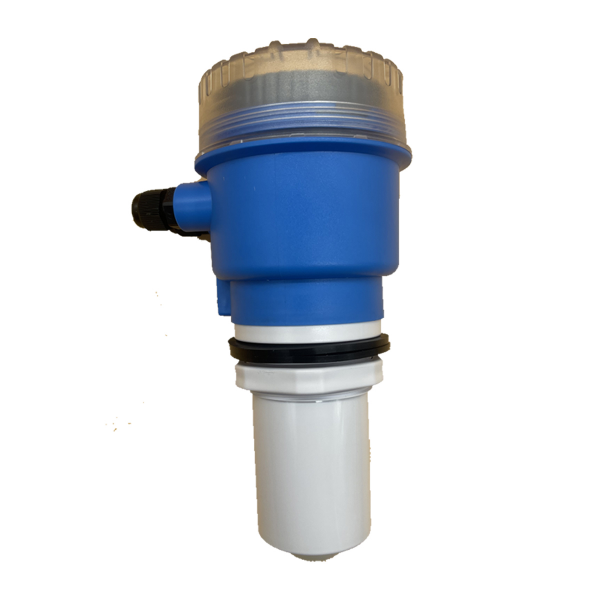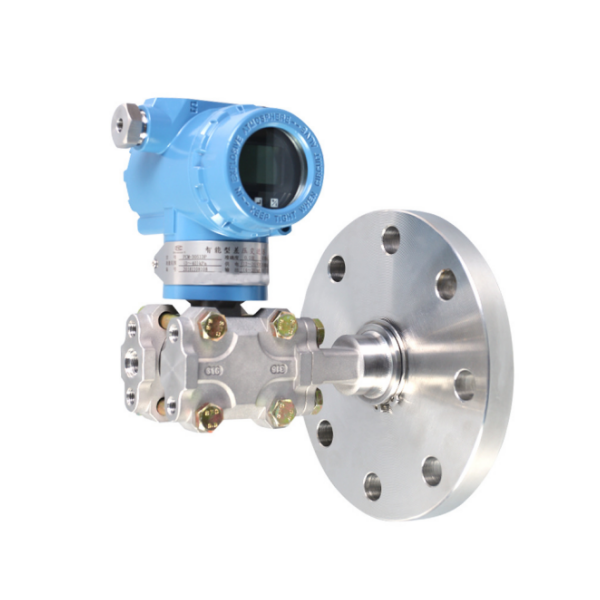
Level transmitters are used in many different industries, such as manufacturing, energy, chemicals, water, pharmaceuticals and food. They’re really important for checking the levels of stuff in containers, making sure that production is safe, improving how processes work and making sure that measurements are correct.
The accuracy of level measurement is directly linked to production efficiency and product quality. Should a level transmitter display an error, it may trigger a series of issues such as material spillage, equipment running dry, and measurement inaccuracies. Therefore, conducting regular, scientific and standardised calibration of level transmitters is an indispensable and vital part of the industrial production process.
Why Calibrate Level Transmitters
Firstly, eliminate any measurement errors and ensure the data is accurate. If used for a long time, level transmitters can be affected by wear and tear, ageing electronic components and corrosion of the medium. This can sometimes lead to errors in the measurements taken.
You can adjust the parameters of the instrument by comparing them with those of the standard equipment. This eliminates any discrepancies and ensures that level measurement data is accurate and reliable. This makes it easier to control production processes and make improvements.
Secondly, the aim is to prevent safety hazards and safeguard production safety. In hazardous operating conditions, such as those involving high pressure or temperature, flammable or explosive substances, or toxic or harmful substances, the accuracy of level measurement directly affects the safety of personnel and equipment.
Calibration helps to prevent accidents in the factory, such as media overflow, leakage, or equipment dry-running. This is because inaccurate level readings can cause these accidents. So, calibration makes production safer.
Thirdly, it makes sure that everything meets the right standards and we can keep track of quality. Level transmitters have to meet national metrological regulations, industry standards and internal corporate quality management requirements.
Regular calibration ensures that measurement results are legally valid, providing compliant data support for production accounting and product quality traceability, whilst avoiding compliance risks and financial losses arising from non-compliance with metrological standards.
Fourthly, extending instrument lifespan and reducing maintenance costs. The calibration process allows for the timely detection of instrument faults and component wear, enabling early adjustment or repair.
This prevents minor faults from escalating into serious damage, thereby extending the service life of the level transmitter and reducing expenditure on equipment replacement and maintenance.
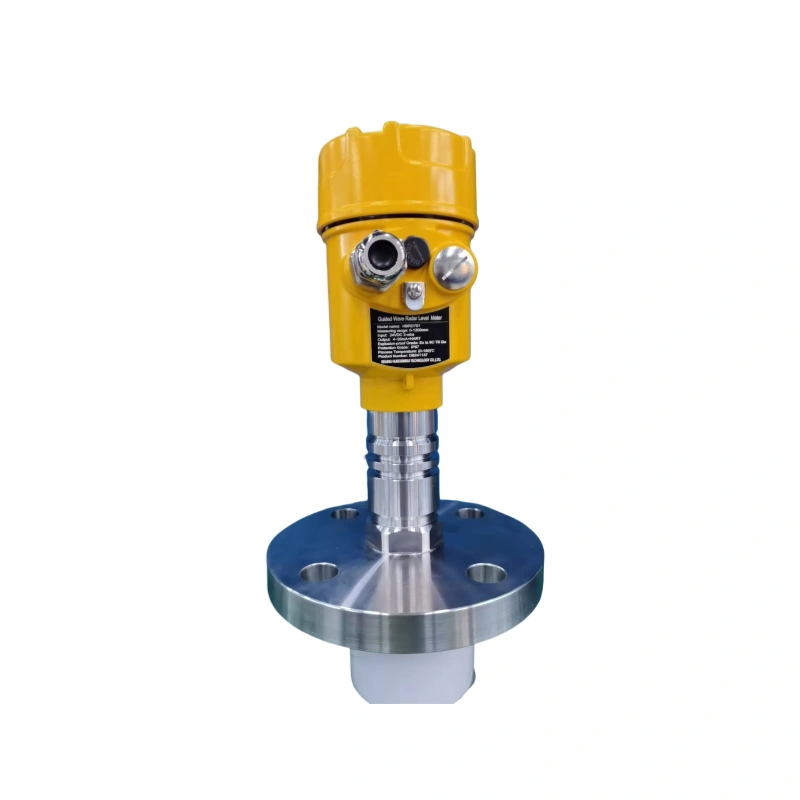
Factors leading to measurement inaccuracies in level transmitters
The factors leading to measurement inaccuracies in level transmitters can be broadly categorised into five types:
Factors inherent to the instrument itself.
Following prolonged use, components of a level transmitter may exhibit wear and ageing; for example, the float in a mechanical level transmitter may wear out and the magnet may demagnetise, whilst in a smart level transmitter, the sensor may age and electronic components may fail.
Also, choosing the wrong instrument, not having enough accuracy, or not meeting the factory calibration standards can directly lead to measurement errors. This is the main reason why measurements are inaccurate.
Installation and commissioning factors.
The standardisation of on-site installation and commissioning directly affects measurement accuracy. Improper or non-vertical installation, probes deviating from the centre of the vessel or positioned too close to inlet or outlet ports, can cause signal interference.
Incorrect setting of the zero reference plane, poor sealing during installation, failure to calibrate the zero point and range according to procedures during commissioning, and failure to perform necessary zero-point migration will all result in a mismatch between the instrument reading and the actual liquid level.
Environmental interference factors.
The outside world can significantly impact how we measure things. For example, the signal transmission of smart level transmitters can be affected by proximity to electromagnetic equipment, while equipment vibration can cause probes to become loose or floating balls to sway.
Environmental temperature and humidity exceeding standard ranges can alter the performance of electronic components and the density of the medium. Furthermore, foam, obstructions and dust can block signals, reducing detection sensitivity and causing measurement errors.
Medium characteristics.
Changes in the parameters and properties of the process medium directly affect measurement results. Fluctuations in medium density, viscosity and temperature can lead to calculation errors in differential pressure and static pressure level transmitters; crystallisation or solidification of the medium may block the probe or pressure-conducting tubes, whilst material build-up or corrosion can damage the probe and alter detection parameters; violent fluctuations in the liquid surface or the presence of bubbles can also prevent the level gauge from capturing a stable liquid level, resulting in dynamic errors.
Maintenance and calibration factors.
Inadequate post-installation management is another significant contributing factor. Failure to calibrate at the prescribed intervals, or to shorten the calibration cycle under critical operating conditions, leads to the long-term accumulation of errors; insufficient accuracy of calibration standards, failure to undergo regular verification, and non-standard calibration procedures render calibration results unreliable; simultaneously, failure to promptly remove scale from probes or check the patency of piping leads to a decline in instrument performance and a continuous increase in measurement deviation.
Add Your Heading Text Here
Pre-Calibration Preparation
This primarily involves preparations across three key areas: environment, tools and instruments. The environment must maintain suitable temperature and humidity levels; direct sunlight and strong electromagnetic interference must be avoided; in explosion-proof and high-pressure conditions, pressure must first be relieved and the system purged, and appropriate protective measures must be in place;
Select a standard instrument with an accuracy one grade higher than the instrument under test and within its validity period; check the verticality of the instrument installation, its sealing integrity, and that power supply and communication are functioning normally; confirm the measurement reference plane and stabilise the zero point.
Core Calibration Procedures
1. Zero Point Calibration: Drain the medium to the zero point; adjust the instrument display to 0 and the remote output to 4 mA; for mechanical types, adjust components to zero; for intelligent types, calibrate via a HART handheld communicator or the menu.
2. Full-scale calibration: Fill the system to full scale; adjust the instrument reading to match the actual liquid level, with a remote output of 20 mA; for differential pressure/static pressure types, calculate the full-scale pressure using ΔP = ρgh and apply the calibration using a calibration unit.
3. Multi-point linearity calibration: Pick five points at 0%, 25%, 50%, 75% and 100%. Once you’ve got that sorted, record the standard values, instrument readings, output signals and direction of rise/fall data so you can calculate the hysteresis.
Data Processing and Evaluation
And you need to be able to calculate the absolute error, relative error, reference error and hysteresis. Then, compare these against national regulations, industry standards and the instrument manual to see whether the indicated value, hysteresis and output signal errors are within acceptable limits. If they’re not, you’ll need to recalibrate, repair or replace the instrument.
Calibration Methods for Common Types of Level Transmitters
Different types of level transmitters work in different ways and are made in different ways. This means that calibration methods must be changed to suit each type. The following provides a detailed explanation of the key calibration points for several of the most commonly used level transmitters in industry:
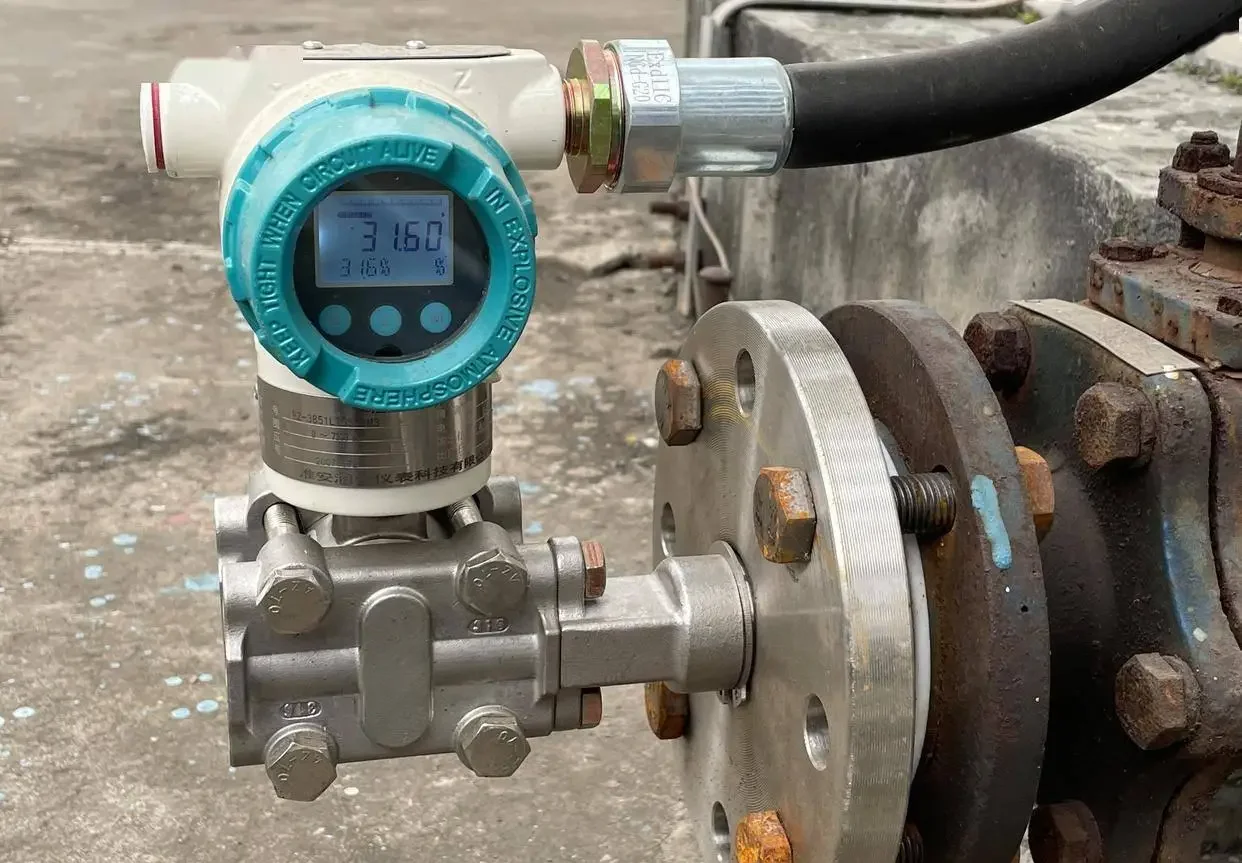
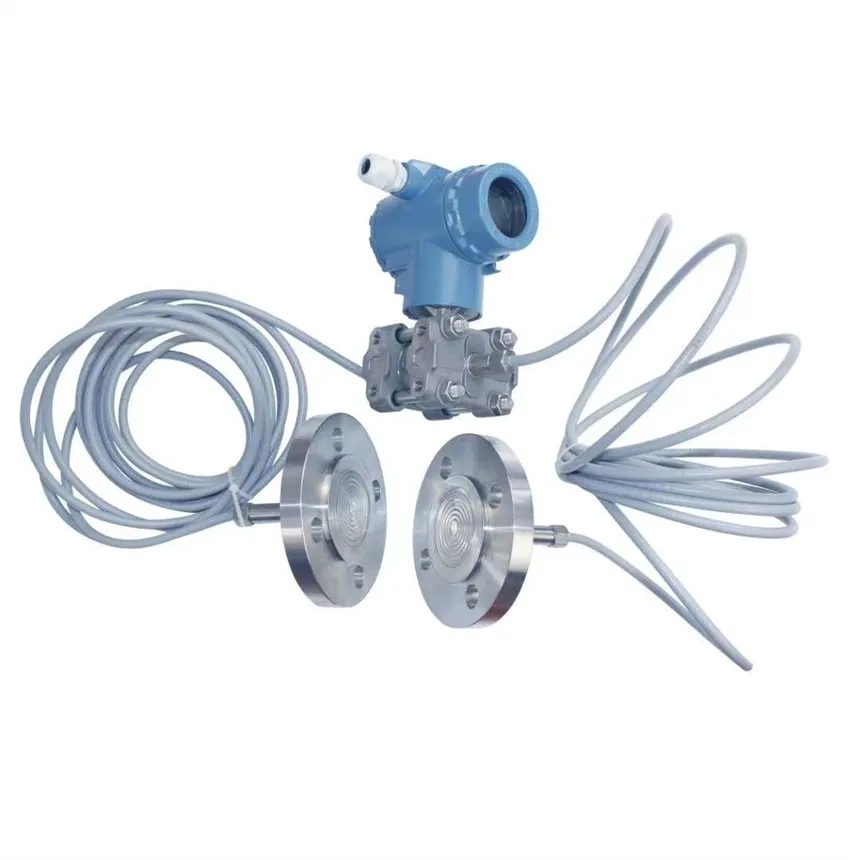
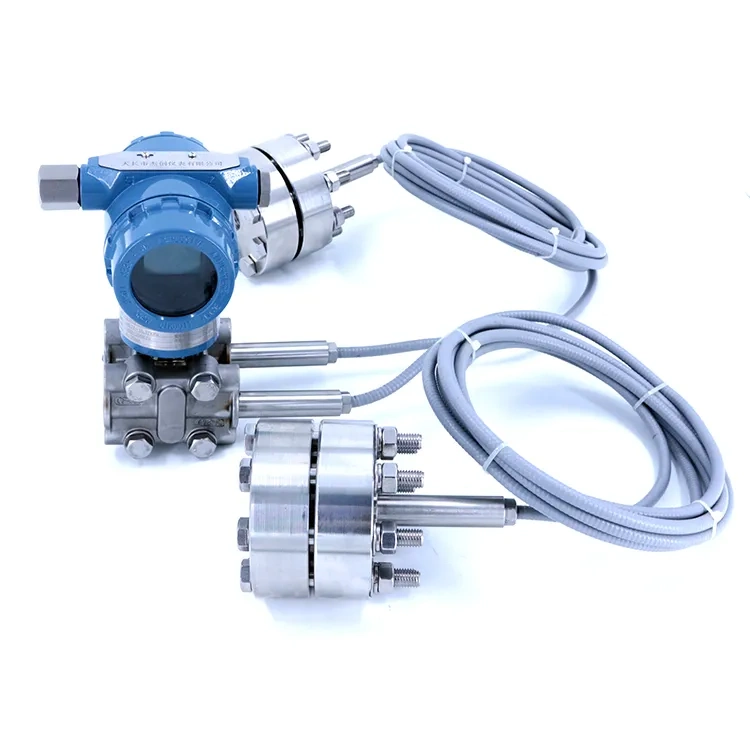
Differential Pressure/Double-Flange Level Transmitters
Differential pressure level transmitters operate on the principle that ‘the difference in static pressure is proportional to the liquid level height’. They are widely used for level measurement in sealed and high-pressure vessels. The core of their calibration lies in eliminating offset errors and accurately simulating the differential pressure signal:
Calibration of zero-point migration: The capillary tube in a dual-flange level transmitter contains a filling fluid that exerts static pressure. Therefore, the initial static pressure (ΔP = ρgh) must first be calculated. Using a HART handheld communicator to set positive or negative migration eliminates the error caused by the initial static pressure, ensuring the instrument’s zero point is accurate when the tank is empty.
Core Calibration: A pressure calibrator is used to simulate differential pressure signals. Differential pressure values corresponding to 0%, 25%, 50%, 75% and 100% of the full scale range are applied sequentially. The instrument’s displayed value and output signal are recorded, and the instrument parameters are adjusted so that the displayed value corresponds to the liquid level height associated with the standard differential pressure, whilst the output signal complies with the 4–20 mA requirement.
Precautions: When you’re calibrating it, make sure the capillary tube’s free from bends or damage and that the flange seal’s secure to stop the filling fluid leaking, which could mess up the calibration; if the operating medium temperature’s high, think about how the temperature affects the density of the filling fluid and adjust the calibration data as needed.
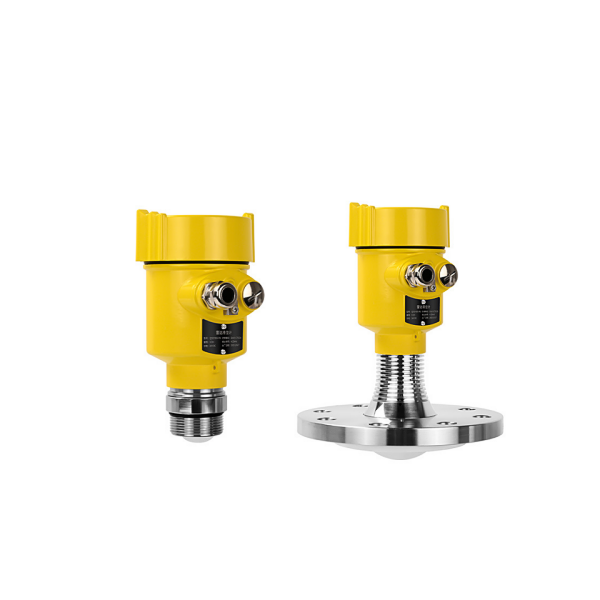
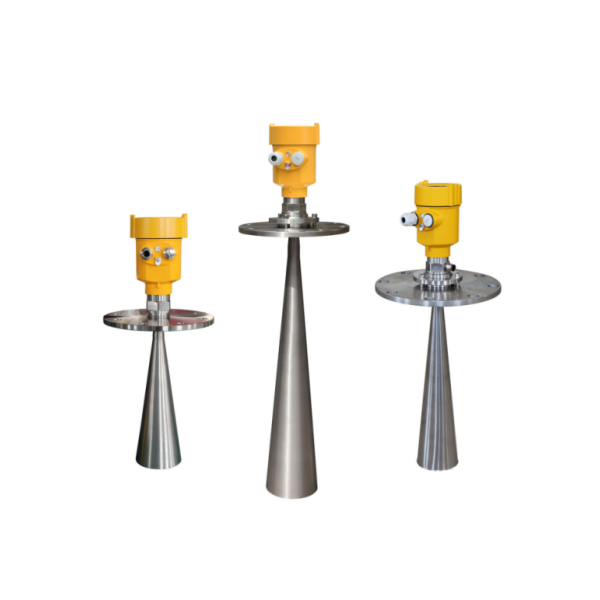
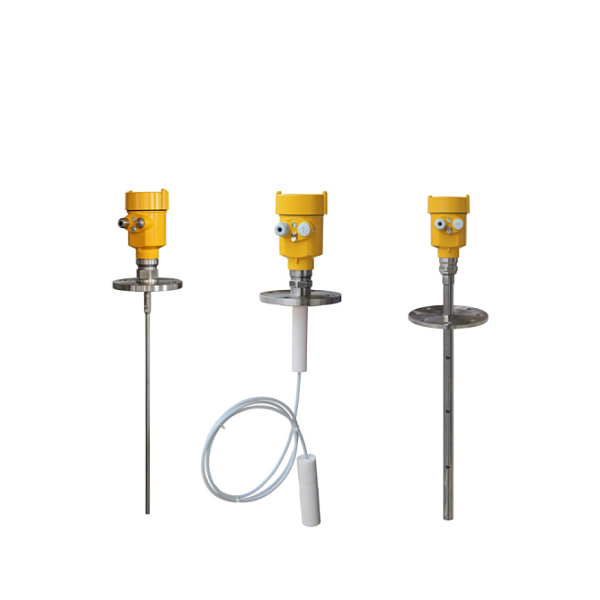
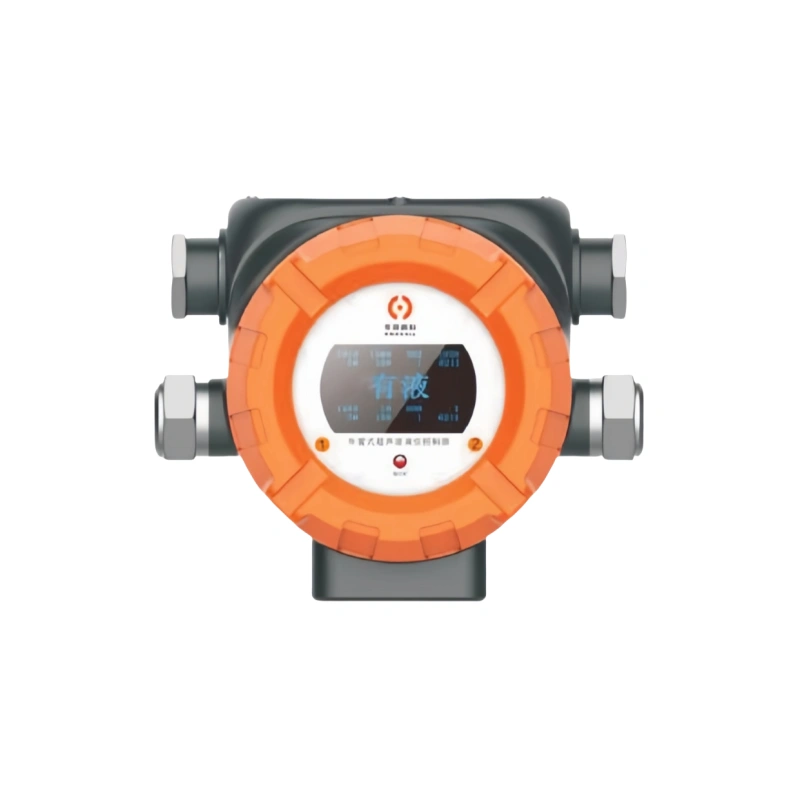
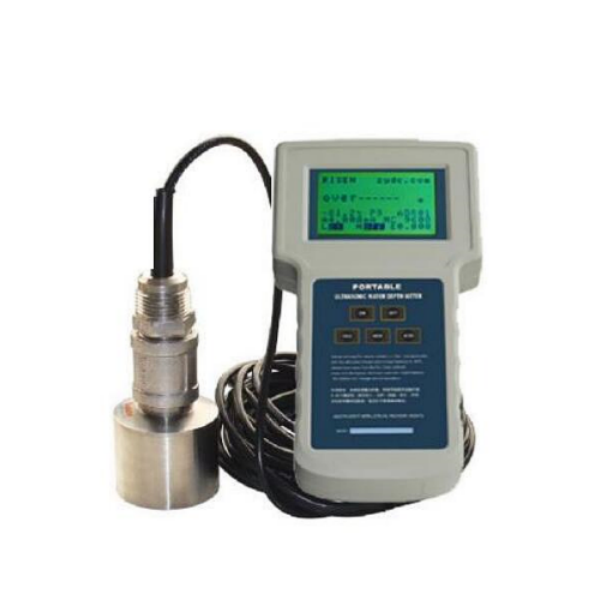
Radar/Ultrasonic Level Transmitters
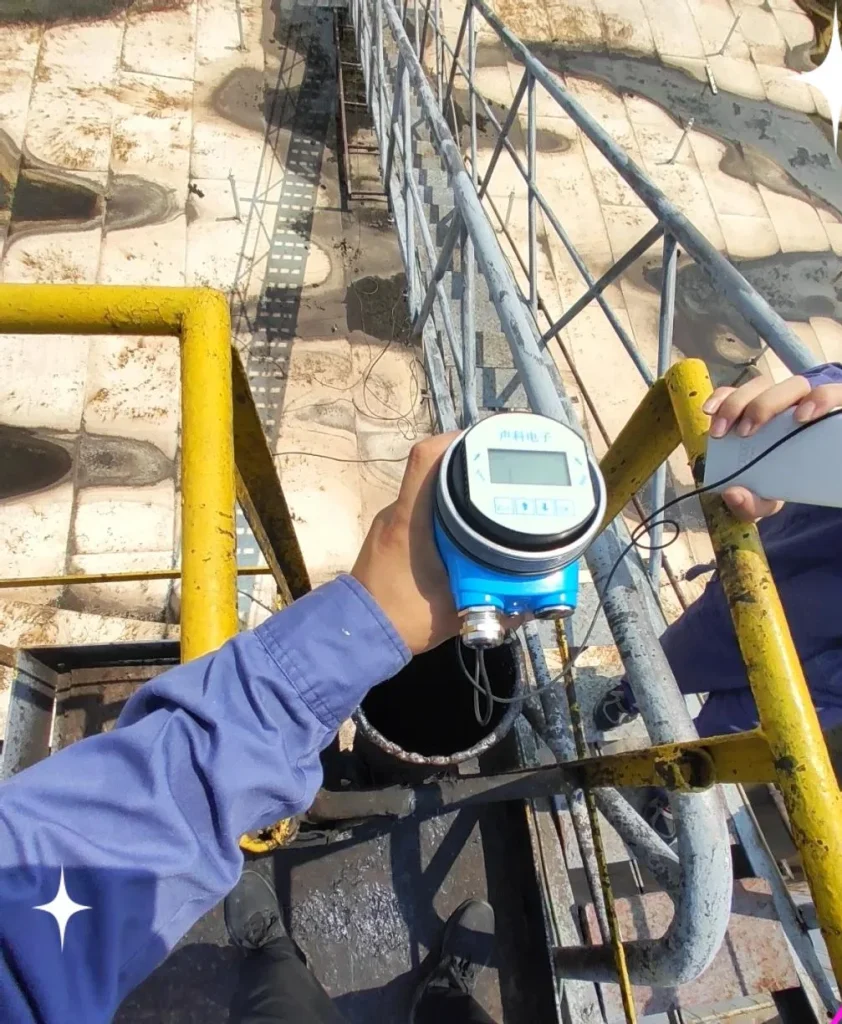
Radar and ultrasonic level transmitters employ non-contact measurement, requiring no contact with the medium, and are suitable for level measurement of corrosive, viscous, or crystallising media. The core of calibration involves setting the empty height and eliminating environmental interference:
Empty Height Calibration: Empty the vessel and use a laser rangefinder to precisely measure the distance from the level transmitter probe to the tank bottom. Use this as the reference empty height, set the empty height parameter in the instrument menu, and complete the zero-point calibration.
Multi-point calibration: Fill the vessel with the medium so that the liquid levels match 25%, 50%, 75% and 100% of the full scale range. Use a laser rangefinder to measure the actual empty height. To work out the actual liquid level, you just need to use the formula ‘Liquid level = Reference empty height – Measured empty height’. Just adjust the instrument’s display value to match the actual liquid level while you calibrate the output signal.
Online calibration: If you can’t empty the vessel, measure the actual liquid level using a laser rangefinder at the manhole or level sight glass. Pick a couple of stable liquid level points, compare them to the instrument reading, and adjust the instrument parameters to complete the online calibration. When you’re calibrating it, make sure the liquid surface is calm, free of foam and obstructions, and avoid electromagnetic interference and temperature fluctuations that might affect the measurement accuracy.
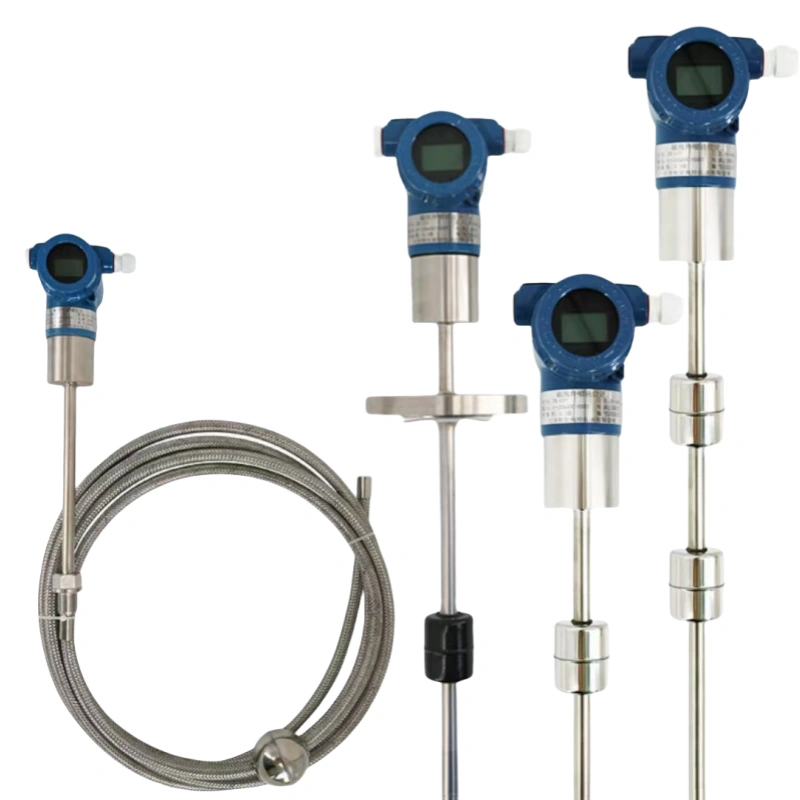
Float/Magnetic Flip-plate Level Transmitter
Float and magnetic flip-plate level transmitters feature a simple and intuitive design, making them suitable for level measurement in atmospheric-pressure, open-top vessels. The core of calibration involves checking the accuracy of mechanical transmission and signal linearity:
Zero-point calibration: Place the float at the bottom of the vessel and observe the magnetic flip-plate display to ensure the plates are entirely red. For remote-transmission float level transmitters, adjust the output signal to 4 mA.
Full-scale calibration: Raise the float to the top of the vessel (full-scale position), observe the magnetic flip-plate display to ensure the plates are entirely green (or correspond to the full-scale mark), and adjust the remote output signal to 20 mA.
Linearity verification: Manually and slowly raise the float, stopping sequentially at 0%, 25%, 50%, 75% and 100% of the full scale range. Check the consistency and accuracy of the magnetic flip-flop display, whilst recording the remote output signal to ensure a linear relationship between the signal and the liquid level. If any deviation is found, adjust the length of the float linkage or the signal converter parameters.
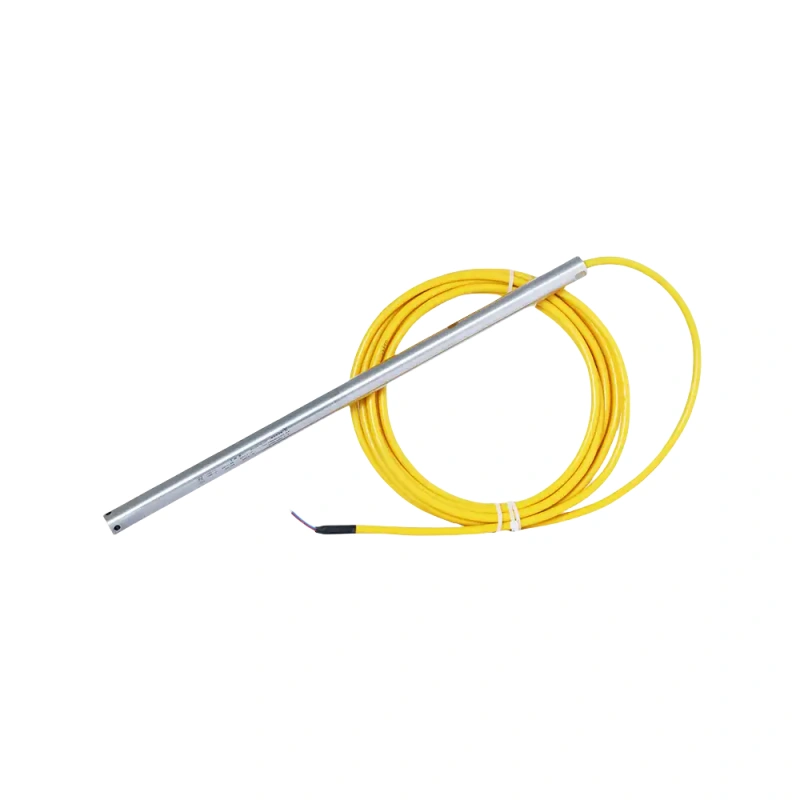
Static Pressure/Submersible Level Transmitter
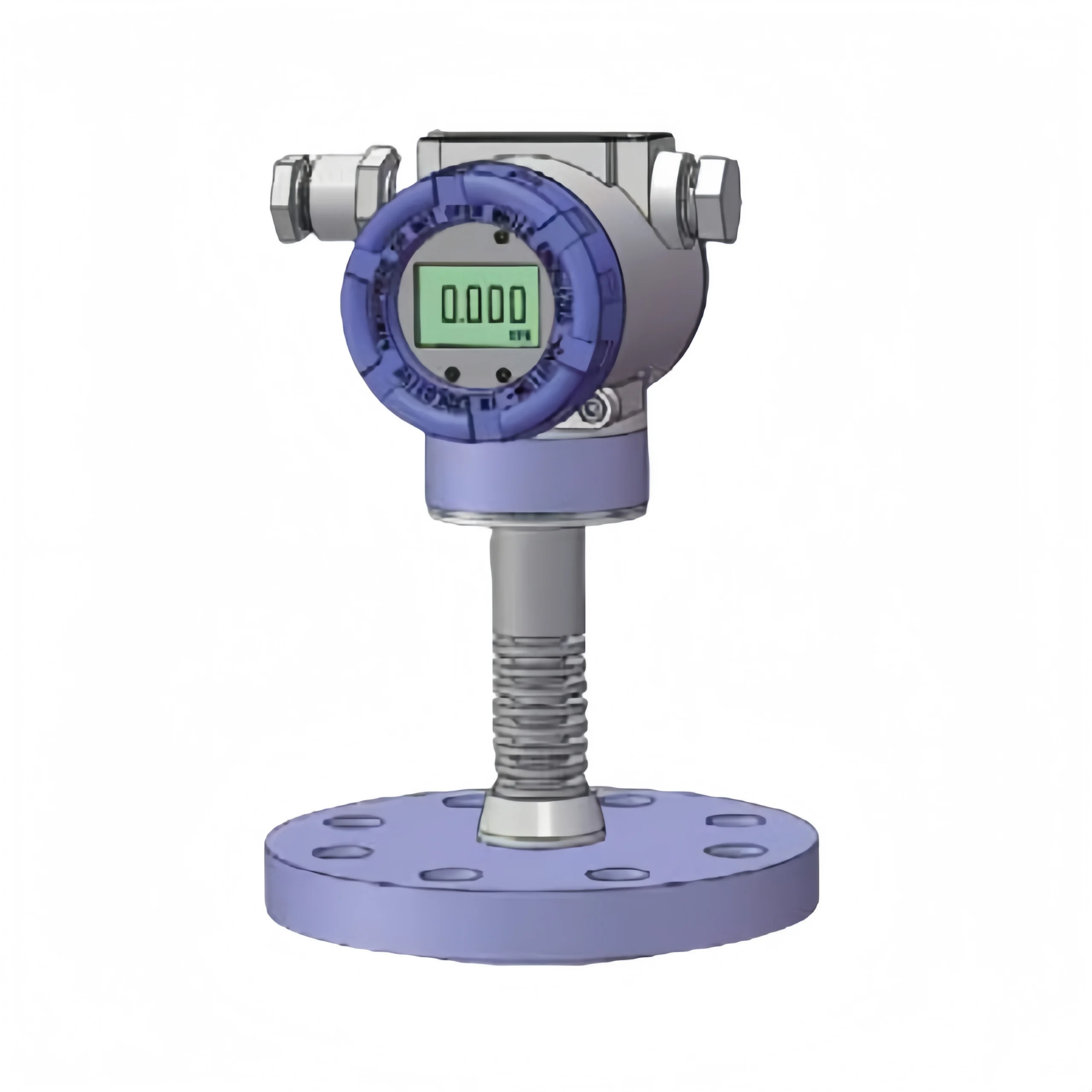
Static pressure and submersible level transmitters are immersed directly into the medium and calculate the liquid level height by measuring the static pressure of the medium. They are suitable for open-top vessels, water tanks and similar applications. Calibration is divided into two methods: dry calibration and wet calibration:
Dry calibration: No need to fill with medium; a pressure calibrator is used to apply pressures corresponding to 0% and 100% of the range to the level sensor (calculated as ΔP = ρgh). Instrument parameters are adjusted so that the indicated value matches the liquid level height corresponding to the pressure, and the output signal meets requirements. This is suitable for scenarios where filling with liquid on-site is not possible.
Wet calibration: The level transmitter is immersed in a standard liquid column. The height of the liquid column is adjusted sequentially to each calibration point, and the standard liquid level height and the instrument reading are recorded. Instrument parameters are then adjusted to eliminate errors.
During calibration, attention must be paid to the effect of medium temperature on density; if there is a significant difference between the operating temperature and the calibration temperature, a temperature correction must be applied.
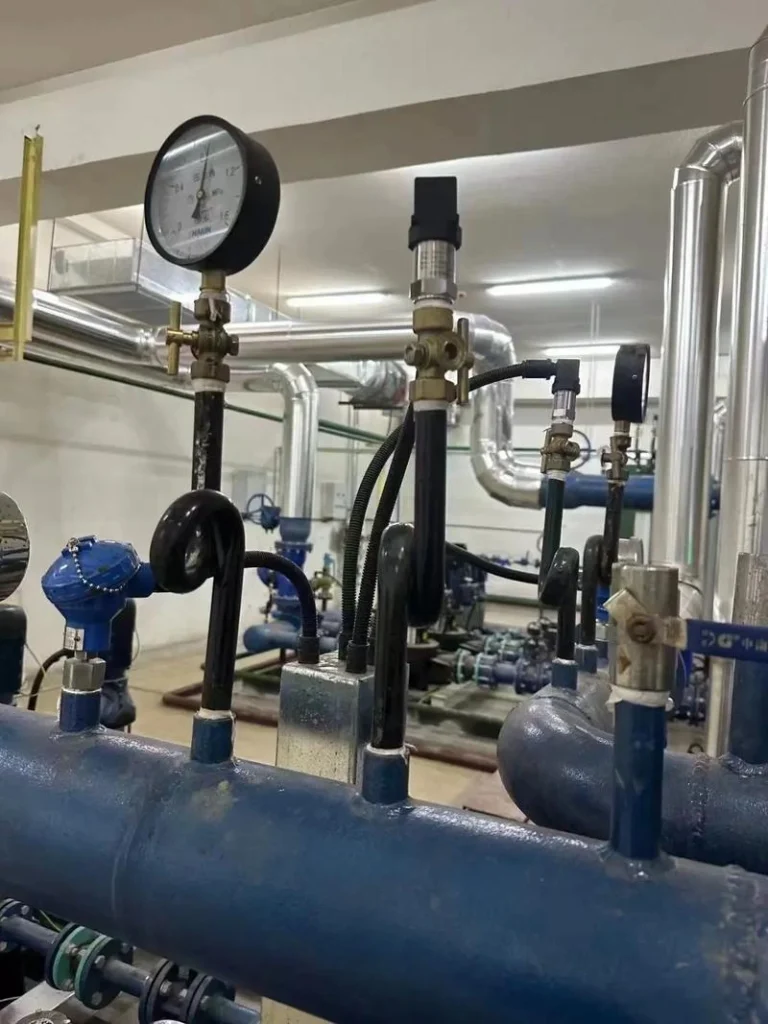
In industrial production, the accurate operation of level gauges relies on scientific calibration and routine maintenance. Whether it be common types such as differential pressure or radar gauges, or specialised level transmitters for unique operating conditions, only by strictly adhering to calibration standards, paying close attention to operational details, and eliminating sources of interference can these devices continue to fulfil their critical measurement role, thereby supporting production efficiency, product quality and safety management. Leveraging a team of technical experts and years of manufacturing experience.
SinoInst is all about measuring liquid levels for different industries, and we’ve got a great range of top-notch level gauges, including the popular differential pressure, radar and float-type options. Our products meet and exceed national and industry standards. They are meticulously calibrated multiple times before leaving the factory. This ensures they are always accurate from the outset, and that you are covered against any potential issues.