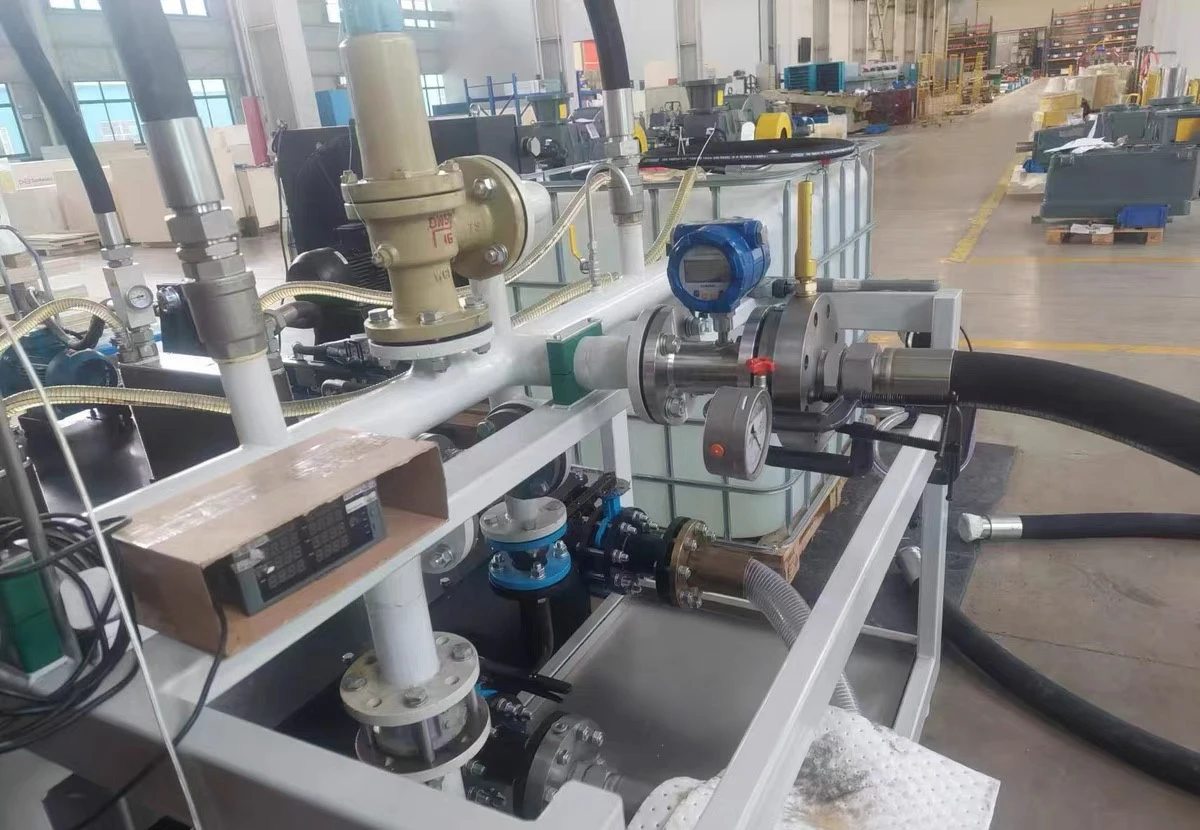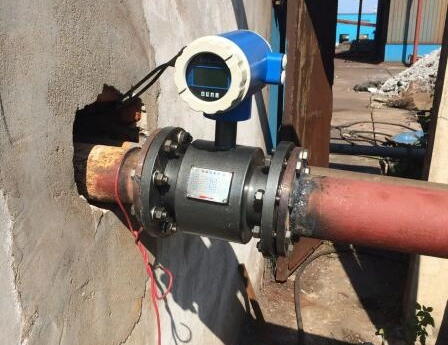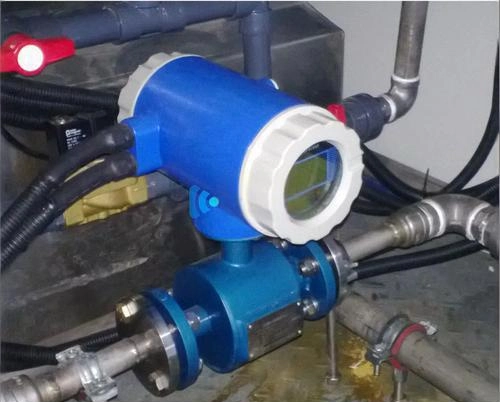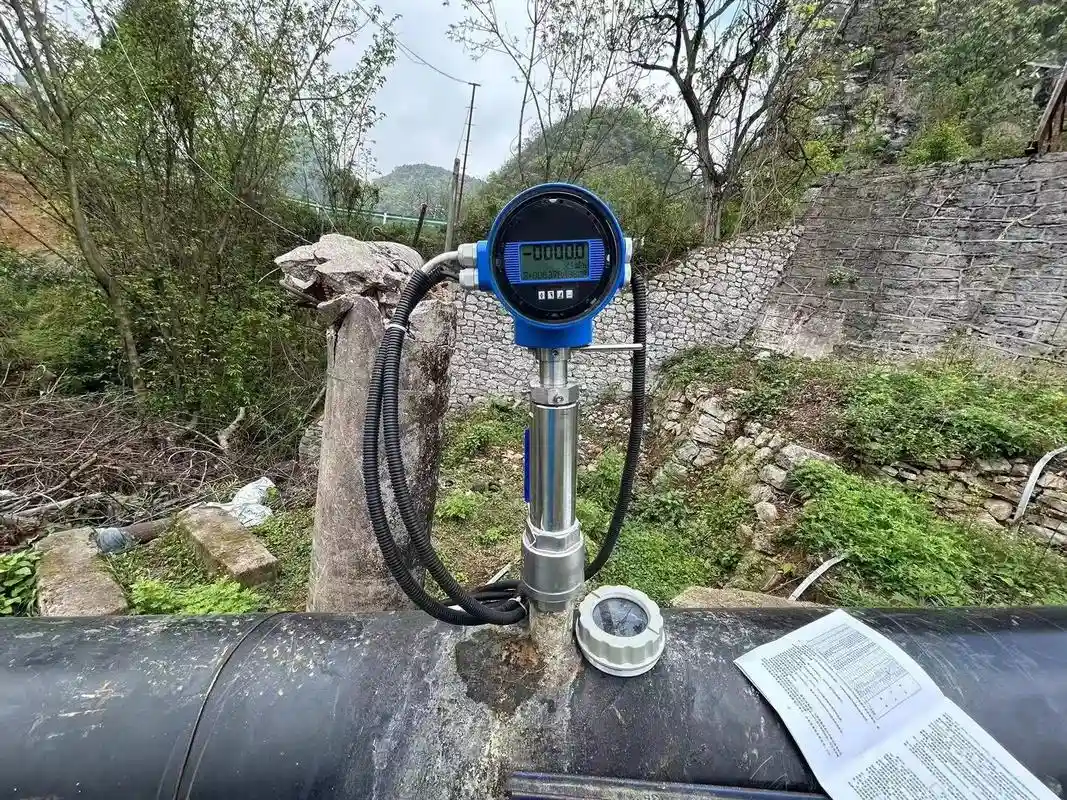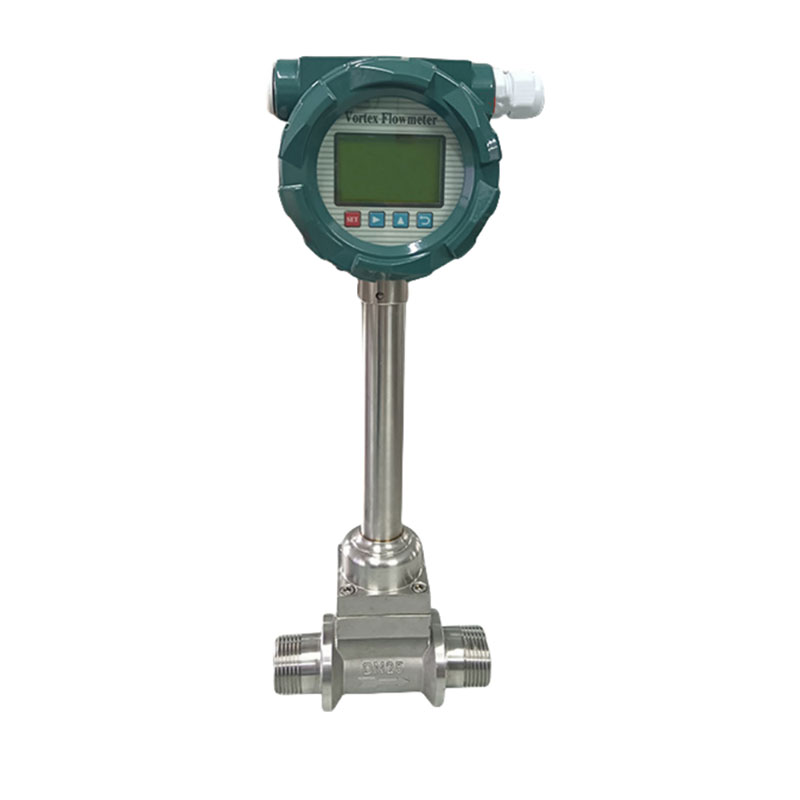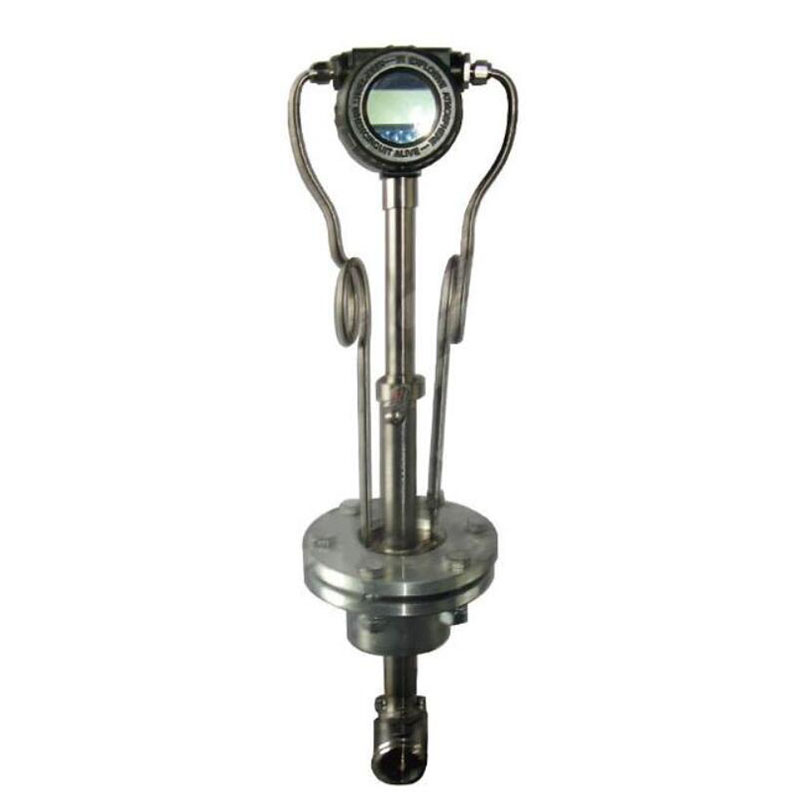
As an important industrial energy source, measuring steam flow is key to how well and how cheaply industrial production can be done. However, traditional methods of measuring steam flow, such as orifice plates and nozzle flowmeters, often have issues such as inaccuracy and excessive maintenance requirements. On the other hand, vortex flowmeters are very good at measuring steam. This is because they have a special way of measuring and advanced technology. This establishes them as a key component of modern steam measurement technology.
Operating Principle of Vortex Flow Meters:
The operational principle of vortex steam flow meters is based on the Karman vortex street effect. When steam flows past non-streamlined vortex generators (such as triangular or trapezoidal columns) within a pipeline, regular vortices are generated alternately on both sides. These swirling masses of air form two rows of swirling air that rotate in opposite directions. The more quickly the steam is moving, the more often these lumps of ice form and break up. The steam flow rate can be calculated by detecting this frequency. To work out the flow rate (Q), we need to use this formula: Q = A · v = f · d · A / St, where A is the cross-sectional area of the pipe, v is the flow velocity, f is the vortex frequency, d is the characteristic width of the generator and St is the Strouhal number, which is related to the shape of the vortex generator and is typically constant. To calculate the mass flow rate, you need to consider the steam density. This must be corrected for temperature and pressure.
Steam
Steam is the gaseous form assumed by a substance when heated and pressurised, transforming from liquid to vapour. In layman’s terms, vapour is the gas produced when a liquid (liquid substance) evaporates or boils. Steam is ubiquitous in daily life. With the rapid advancement of thermal power and electricity industries, coupled with heightened corporate scrutiny of energy costs, steam metering has gained increasing prominence.
Types of Steam
Saturated Steam: The most common type used in industrial heating and light manufacturing. Due to its one-to-one correspondence between temperature and pressure, it is prone to condensation and liquid carryover as a result of operational fluctuations. Measurement requires integrated temperature-pressure compensation. To prevent condensate impacting the sensor and causing measurement signal fluctuations or component damage, vortex generators with anti-liquid-strike structures should be prioritised. Condensate management must be implemented during on-site installation.
Superheated Steam: It’s mostly used in power generation and high-temperature chemical processes. The most important thing to know about it is that there isn’t a fixed temperature-pressure relationship. They usually have higher operating temperatures and pressures, so you don’t have to worry about condensation or liquid carryover. You also need to make sure you use integrated temperature-pressure compensation for measurement. If you’re dealing with high-temperature superheated steam (≥250°C), you’ll need to use high-temperature-resistant vortex flowmeters. It’s best to set up the converter away from the high-temperature measuring tube to stop it from overheating and messing up the rest of the instrument.
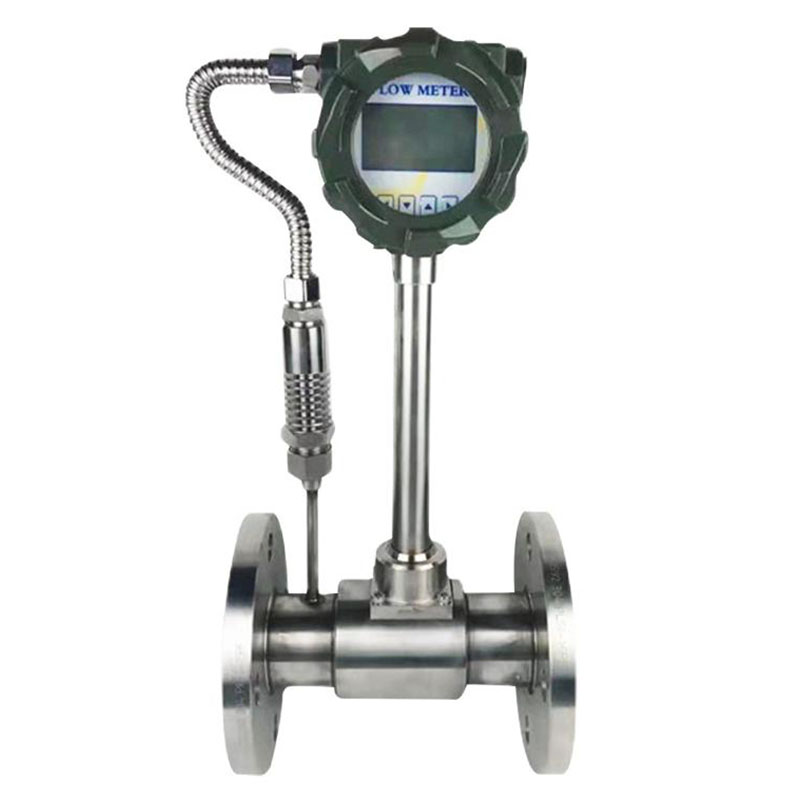
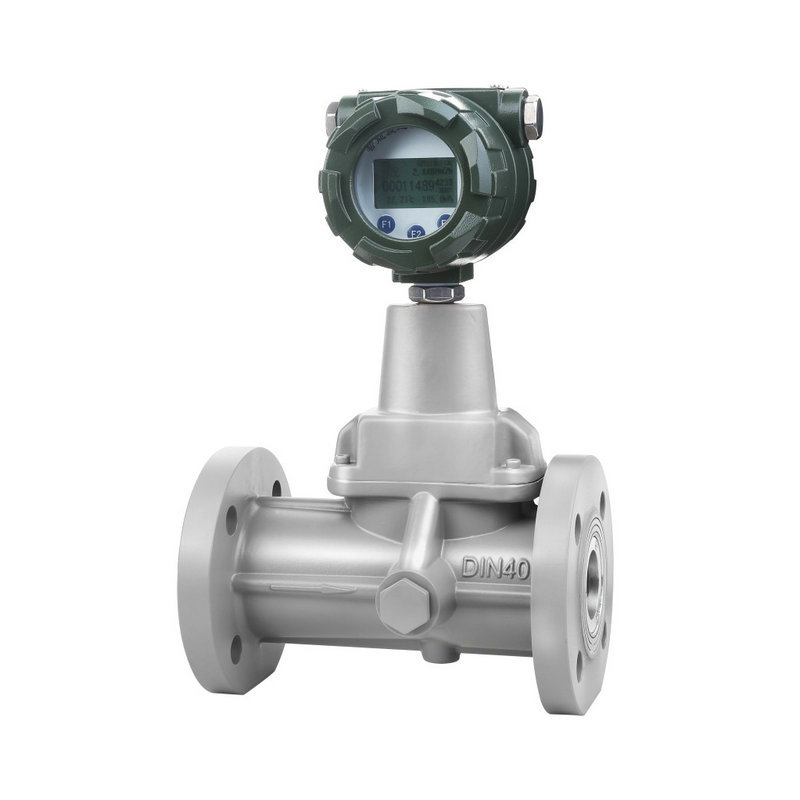
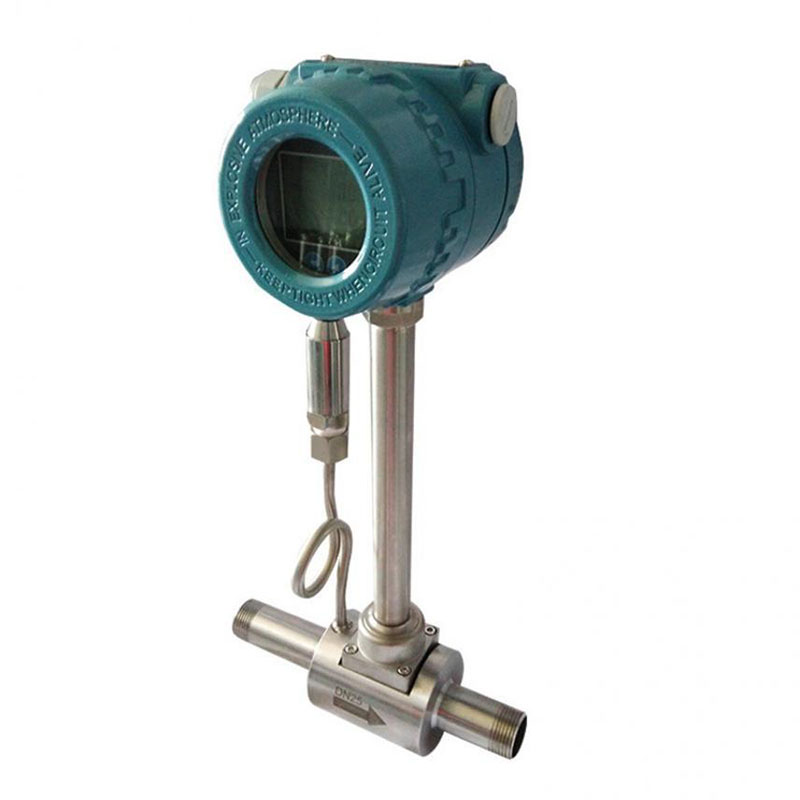
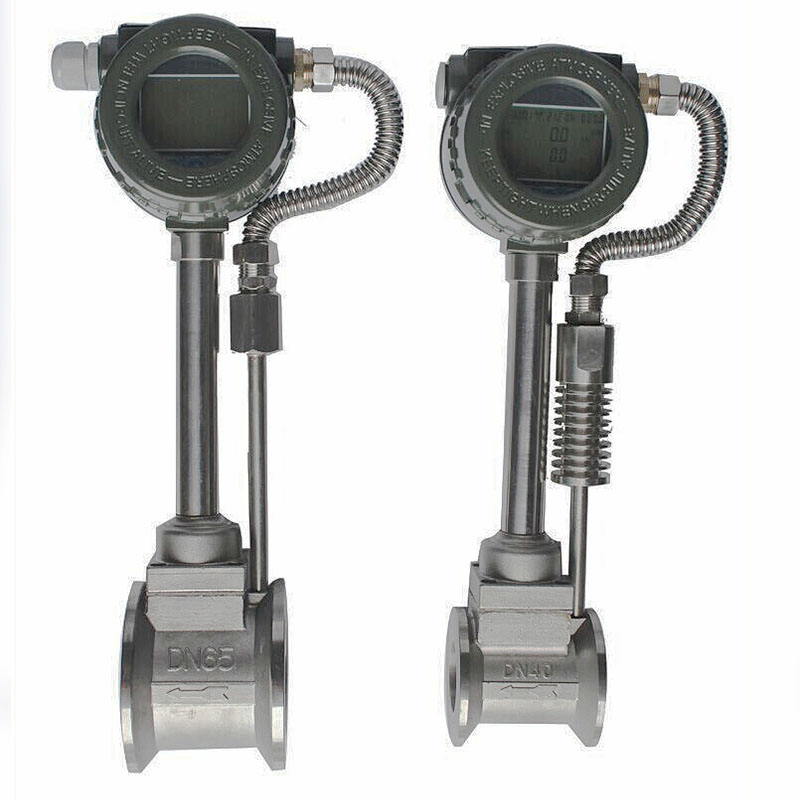
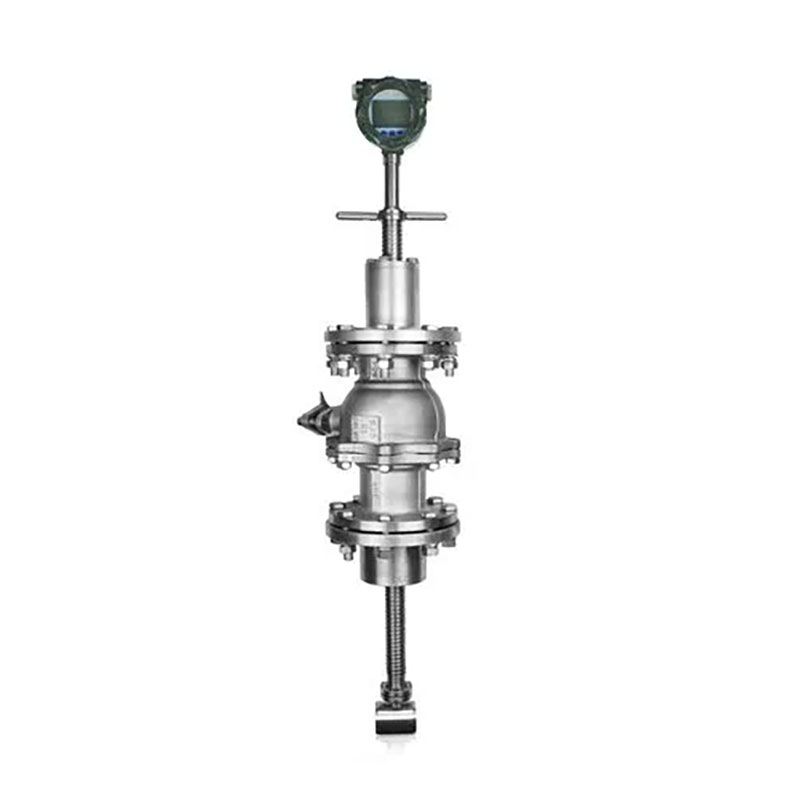
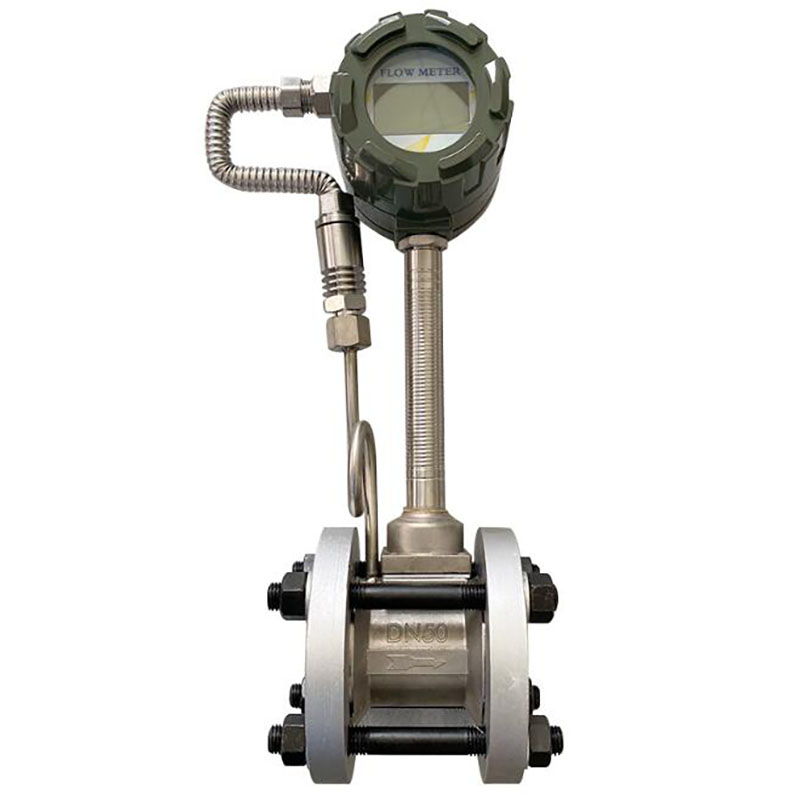
Advantages of Vortex Flow Meters in Steam Measurement:
High-Precision Measurement: The measurements are spot on, and the repeatability of the data is great, too. The usual accuracy you can get with this kind of measurement is between plus or minus one to two per cent. Measurement data stability significantly surpasses that of traditional flow meters. This characteristic precisely meets the process control and energy metering requirements of steam systems, making it particularly suitable for industrial production processes demanding high-precision flow data.
High Operational Reliability: Its streamlined structural design with minimal internal core components fundamentally reduces the probability of equipment failure. Its robust construction from high-quality, heat- and corrosion-resistant materials enables it to withstand harsh industrial steam measurement conditions, such as high temperatures and pressures, and exposure to corrosive media. This ensures long-term stable continuous operation, significantly reducing equipment downtime due to faults and minimising losses from production interruptions.
Exceptional Adaptability: Fully accommodates diverse steam measurement requirements across industrial settings, precisely handling flow measurement scenarios for saturated and superheated steam at varying pressures and temperatures. Supports multi-range flow measurement capabilities. Manufacturers offer multiple product specifications, enabling flexible selection based on actual steam parameters and process demands to meet varied steam application needs.
Dedicated Temperature Compensation Advantage: It’s designed to deal with the fact that steam can expand and contract, and it’s got this special module that adjusts the temperature and these sensing parts that can handle high temperatures. This captures real-time changes in the operating temperature of the steam, automatically performing density correction and flow conversion. This eliminates measurement distortion caused by temperature fluctuations, significantly improving measurement stability. No additional independent compensation equipment is required, enabling direct adaptation to both saturated and superheated steam conditions.
Non-contact Measurement Design: The instrument’s core measurement sensor avoids direct contact with the steam medium, effectively preventing erosion, corrosion, and wear from high-temperature steam. This significantly extends the service life of critical components. The non-contact measurement method also ensures long-term signal stability, maintaining precise measurement accuracy even during prolonged continuous operation without frequent sensor replacement.
Extensive Turndown Ratio Coverage: It has an exceptionally wide measurement range, typically reaching 1:10 and up to 1:20 in certain models, making it perfect for industrial steam flow measurement in situations where there are significant fluctuations and load imbalances. You can get precise measurements even when there is not much water flowing through, so you don’t need to replace instruments often because of changing steam flow rates. This makes it much more useful in different situations.
Streamlined Installation: This meter is much easier to install than traditional differential pressure flowmeters. There is no need for extra parts or piping, so it is quick and easy to install. This reduces the likelihood of things going wrong. This makes the installation process much quicker. The instrument’s structural design also makes it easy to maintain in the future, as it can be easily disassembled, assembled and calibrated. Routine inspections and fixing any problems can be done quickly, which makes maintenance easier later on.
Multi-format signal output: Equipped with a comprehensive and flexible array of signal outputs, including pulse output, current output, voltage output, 4-20mA standard analogue output, and RS485 digital communication output. This allows flexible selection based on the interface requirements of industrial control systems and data acquisition equipment, enabling seamless integration with industrial control systems such as DCS and PLC. It meets a variety of on-site requirements for data transmission, remote monitoring and system interconnection.
Multi-specification structural customisation: It offers comprehensive structural and functional customisation solutions that can be tailored to meet a variety of industrial installation and operational requirements. Structural configurations include integrated, split, and insertion types to accommodate varying installation spaces and site conditions. Connection methods encompass flange clamp (wafer-type), flange connection, threaded connection, and clamp connection to suit different pipe diameters and installation specifications.
Compensation options include temperature-pressure compensation, single-temperature compensation, single-pressure compensation, or no compensation, precisely addressing metering compensation requirements. Specialised variants such as high-temperature resistant, high-pressure resistant, and explosion-proof models can be customised for demanding steam measurement environments involving extreme temperatures, pressures, or flammable/explosive conditions, comprehensively meeting diverse industrial customisation needs.
Applications of Vortex Flow Meters in Diverse Steam-Related Fields
Thermal Power Generation: Vortex flow meters measure steam discharge from boilers, ensuring efficient power generation and safe operation.
Chemical Production: The process of steam heating is monitored by vortex flowmeters, which ensure the flow rate remains consistent and accurate.
Pharmaceutical Industry: When steam sterilisation is taking place, vortex flowmeters are the perfect tool for checking the flow. That way you can be sure the process is being done properly.
Food Processing: These meters make sure that the steam flows just right when your food is being reheated, so it will always taste great.
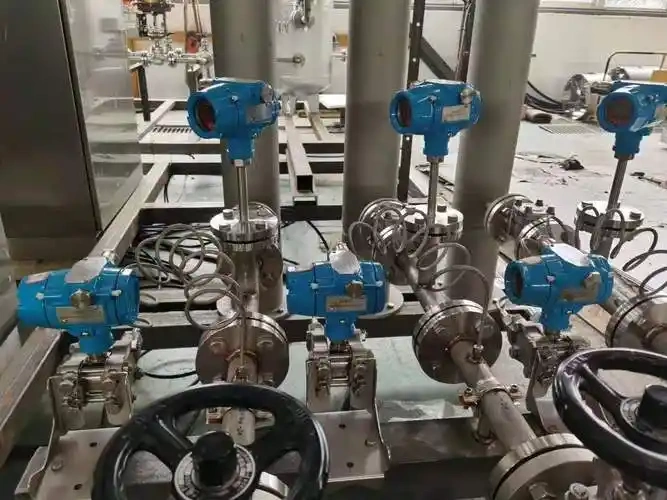
Selection of Vortex Steam Flow Meters
Verify fundamental medium parameters: Please tell us whether the steam is saturated or superheated and how dry the wet steam is. Also provide the operating conditions, including the pressure, temperature and the typical, minimum and maximum flow rates. Convert actual flow rates to volumetric or mass flow rates under both operating and standard conditions to provide precise selection criteria.
Matching Appropriate Rangeability: Select instruments with a conventional rangeability ratio of between 10:1 and 20:1, ensuring that the typical flow rate falls within 30% and 80% of the instrument’s capacity. This prevents measurement inaccuracies at low flows and instrument damage from exceeding capacity at high flows.
Adapting to Site Installation Conditions: Make sure the 10D sections are straight and that the 5D sections are also straight. If you have things like elbows or valves that get in the way of the water flow, you need to make sure you have straight pipe sections or flow straighteners. Make sure the pipe diameter matches the instrument. If you are installing it vertically, ensure that the steam flows upwards. Position it away from vibrating objects, such as pumps or fans, to avoid problems with the flow field or vibration affecting the measurement.
Selecting Temperature/Pressure Resistance and Measurement Configuration: Prioritise 304/316 stainless steel or an equivalent temperature- and pressure-resistant material for the main body, and use a vibration- and wear-resistant alloy for the probes. Select 0.5 accuracy class for trade settlement applications and 1.0 accuracy class for process control. Steam measurement must incorporate integrated temperature/pressure compensation to ensure accurate density conversion and measurement.
Matching Site Protection and Signal Requirements: For outdoor installations, select IP65 or higher protection ratings. In flammable/explosive zones, choose explosion-proof instruments like Exd II BT4/CT6 per site requirements. Output signals must interface with local control systems, offering options such as 4-20mA analogue, RS485 (Modbus) digital, or pulse outputs. Battery-powered models are available for locations without external power supply. Optional local LCD display modules can be added as needed.
Balancing Media Impurities and Operational Convenience: Where steam contains impurities such as solid particles or condensate, install upstream filters and steam-water separators to prevent probe wear and detection channel blockages. Prioritise models with hot-swappable probes. For large-diameter pipelines, select insertion-type instruments to enable maintenance without shutdown, thereby reducing installation and operational costs.
Sion-Inst is a company that specialises in making flowmeters and sensors. They have a lot of experience in this area, and they have been doing this job for many years. We use technology and what our customers need to help us make a wide range of vortex, electromagnetic and turbine flow meters, as well as sensor equipment that is used in many different industries. Our solutions are ideal for measuring all types of media, including steam, gases and liquids. They can withstand tough conditions such as high temperatures, pressures and vibrations, while striking a balance between accuracy and durability.
Whether you require flow meter selection for specific operating conditions, high-performance sensor replacements, or bespoke metrology and sensing solutions, we welcome your enquiries at any time. With a sincere approach to collaboration, cost-effective products, and comprehensive technical support, we empower your enterprise to achieve precise, efficient, and intelligent upgrades in metrology and sensing. Together, we shall deepen our engagement in the industrial sector, jointly promoting lean operations and securing mutual long-term growth!