In modern industry, thermal energy transfer systems are of paramount importance. Whether in central heating systems, industrial production lines, or chemical reaction units, the precise measurement of flow rates for hot water and thermal oil (heat transfer fluid) – serving as primary heat-transfer media – directly impacts energy efficiency, process stability, and production costs.
While these two media have some things in common (they are both high-temperature liquids), they also have significant differences (electrical conductivity, viscosity, cleanliness, etc.). Consequently, selecting a flow meter involves considering both overlapping factors and distinct priorities.
Medium Characteristics
Hot Water
Hot water within heating systems is not ordinary tap water. It typically possesses a certain temperature, may contain trace impurities, and circulates continuously within the system. Industrial hot water generally refers to water media operating at temperatures between 80°C and 180°C (or even higher).
These hot water systems exhibit several key characteristics: good electrical conductivity (except in the case of high-purity deionised water), moderate viscosity and the potential for the dissolution of gases and minerals (which are prone to forming scale), as well as suspended particulates. At elevated temperatures, water’s physical properties change – density decreases, viscosity reduces, and vapour pressure increases – all of which impact flow measurement accuracy. Flow meters that are resistant to temperature, pressure, corrosion and long-term stability are necessary.
Hot Oil
As a high-temperature heat transfer medium, thermal oil typically operates between 200°C and 350°C, with specialised systems reaching over 400°C. Unlike hot water, thermal oil is a non-conductive organic liquid whose viscosity varies significantly with temperature: it may be highly viscous at ambient conditions yet exhibit excellent fluidity at operating temperatures. Furthermore, thermal oil systems are highly susceptible to leakage, so measurement equipment with exceptional sealing reliability is necessary.
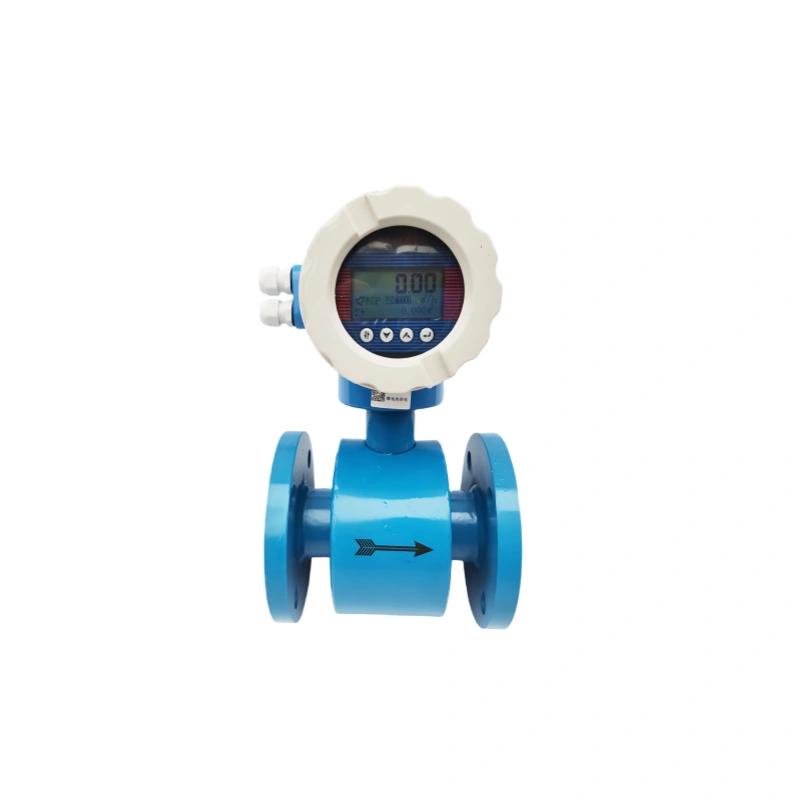
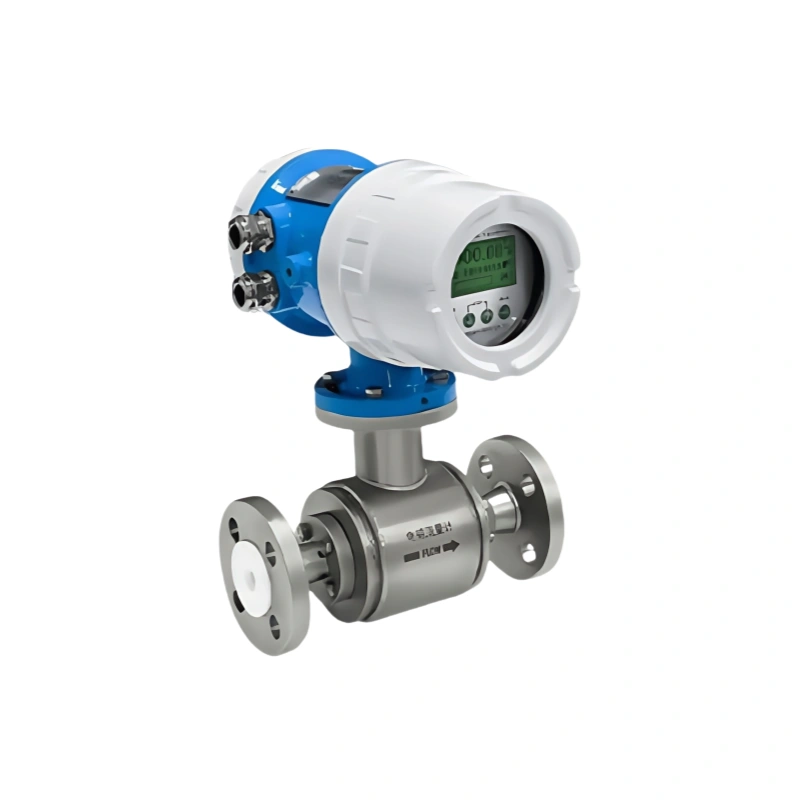
Electromagnetic Flowmeter
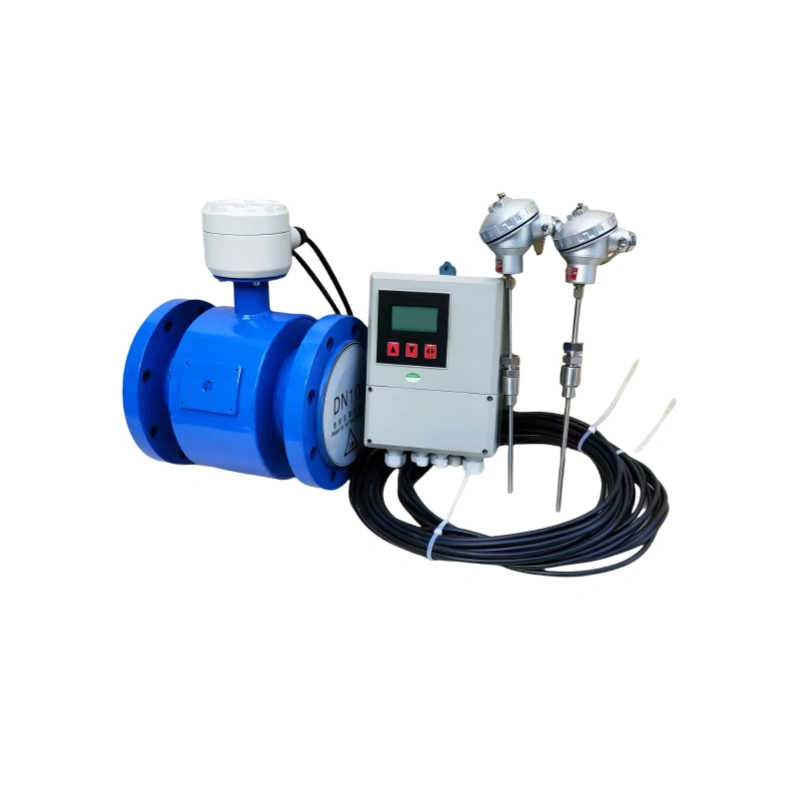
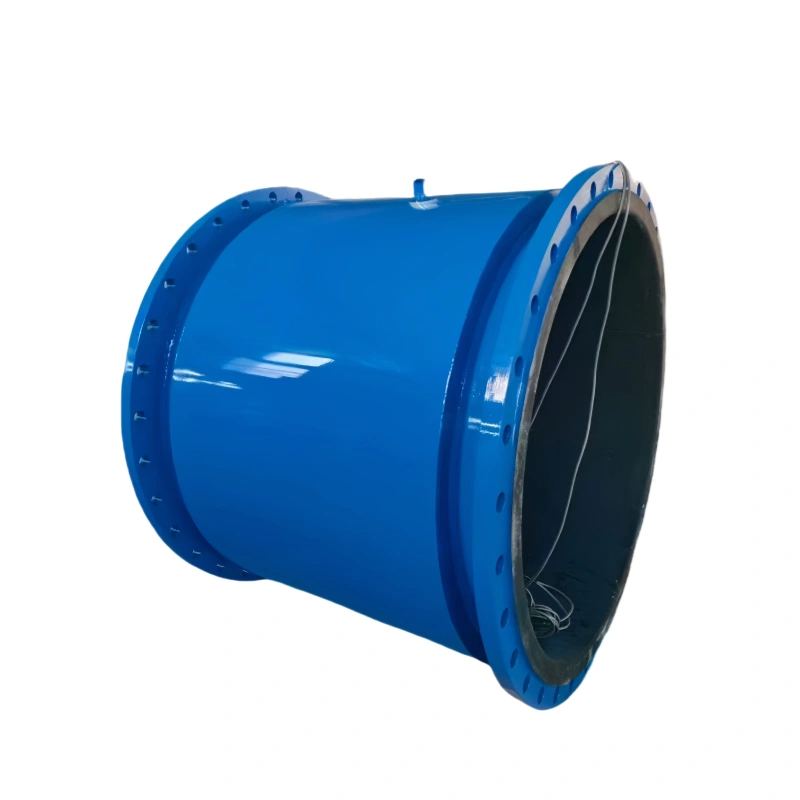
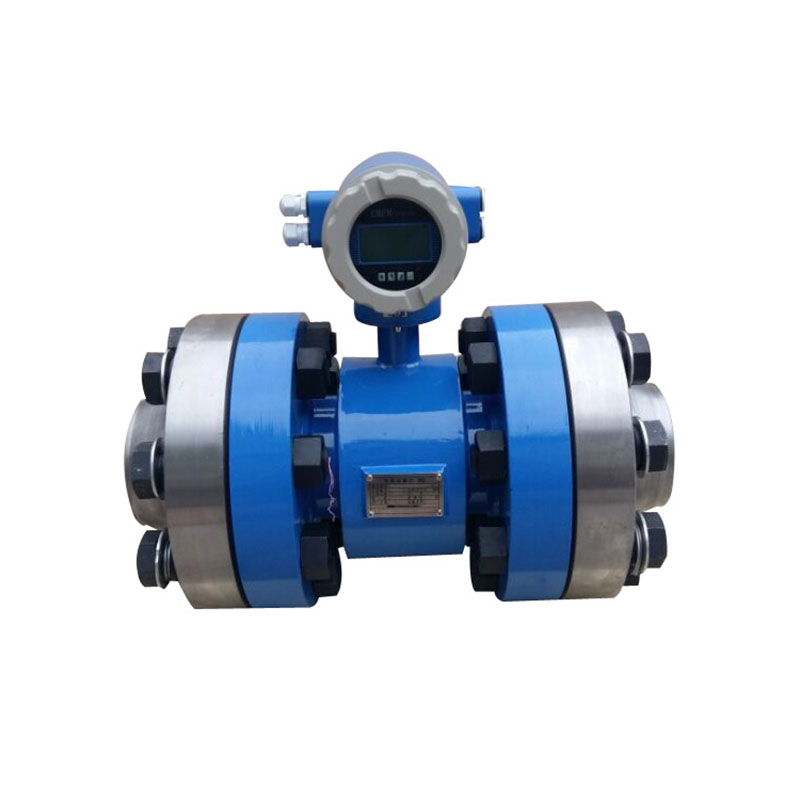
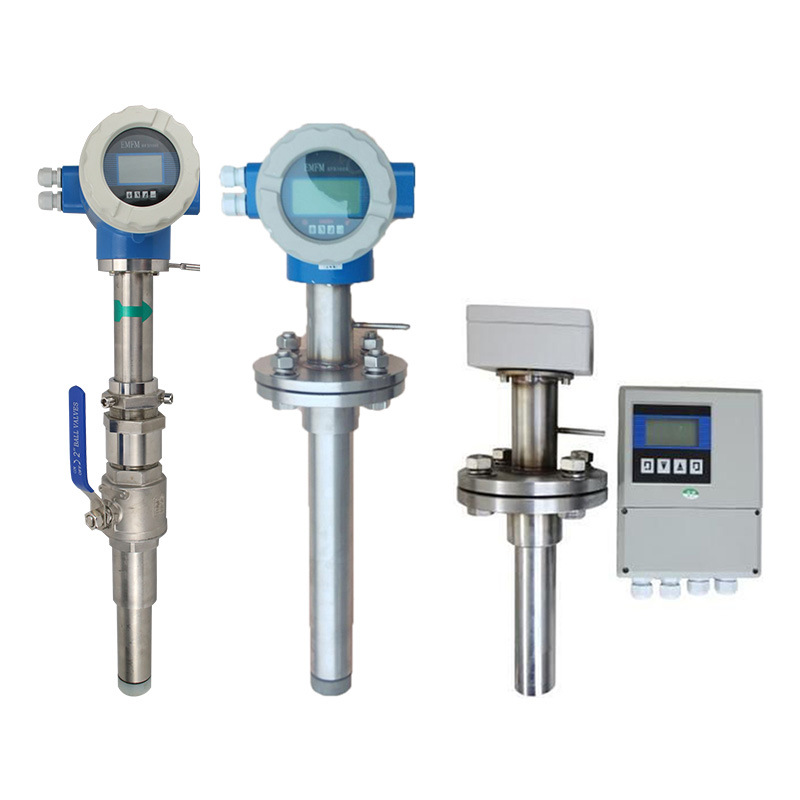
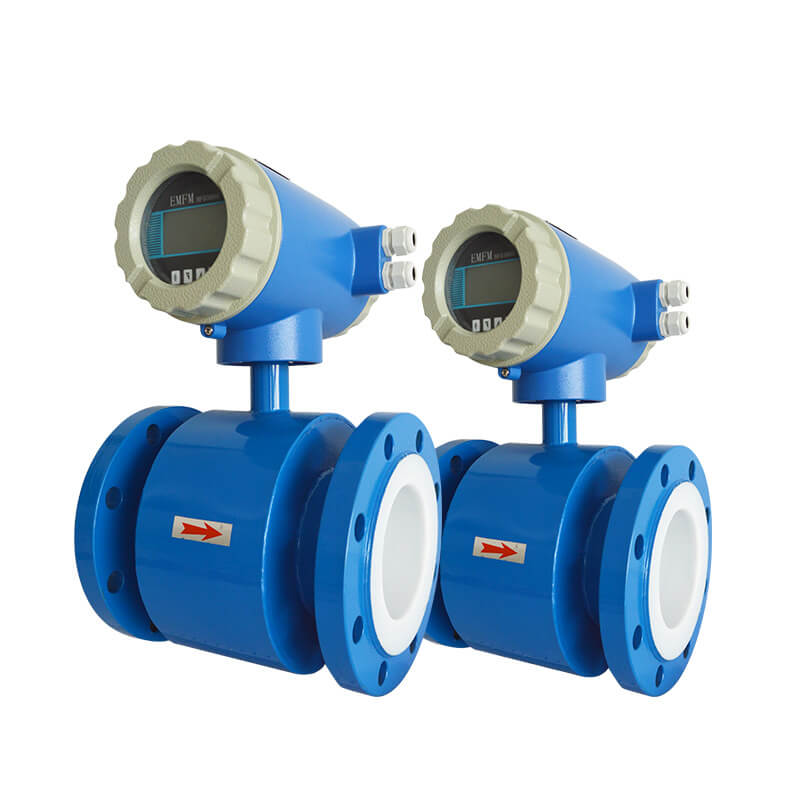
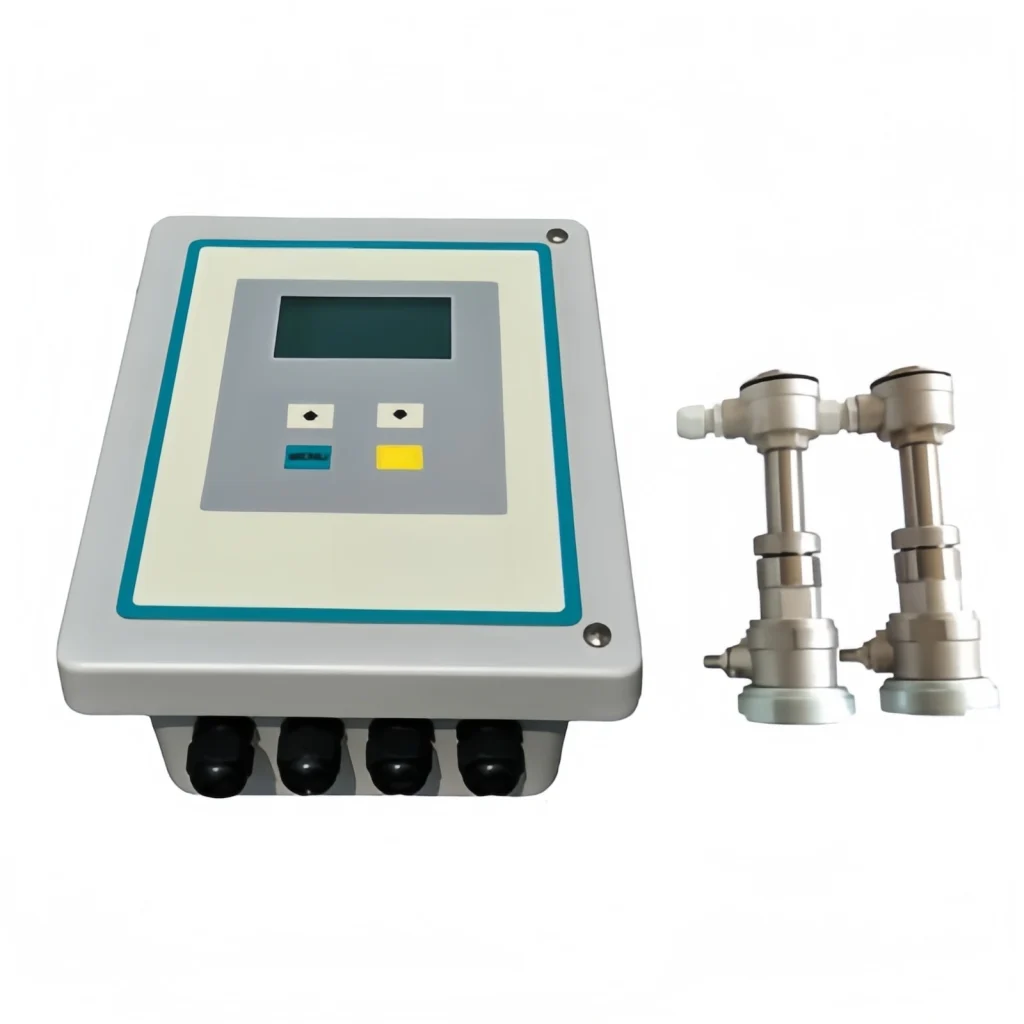
The electromagnetic flowmeter is a flow measurement instrument operating on the principle of electromagnetic induction. Comprising both a sensor and a transmitter, its measurement range is distinctly targeted, being suitable solely for conducting liquids. In practical applications, it is predominantly employed for measuring conductive hot water and is rarely used for oil measurement. Its maximum measurable temperature reaches 160 degrees Celsius.
Working Principle
A pair of magnetic poles is mounted externally on a pipe constructed from non-magnetic material to generate a magnetic field. When conductive liquid flows through the pipe, it cuts through the magnetic field lines, inducing an electromotive force. This induced voltage is collected via two electrodes positioned perpendicular to the magnetic poles. With a constant magnetic field strength and fixed pipe diameter, the magnitude of this induced voltage is solely dependent on the flow velocity. Transmitting this voltage to a display instrument enables the reading of flow rate.
Advantages
1. No moving parts or flow obstructions within the measuring conduit result in minimal pressure loss and no mechanical inertia, ensuring rapid response;
2. Wide measurable range: typical turndown ratio of 10:1, extendable to 100:1; flow velocity range generally 1–6 m/s, expandable to 0.5–10 m/s; Flow rates span from 90 mL/h to over 100,000 m³/h; pipe diameters range from 2 mm to 2400 mm or 3000 mm;
3. Measures volumetric flow of conductive liquids containing solid particles, suspensions, or acidic/alkaline/saline solutions; accommodates pulsating flow and bidirectional measurement;
4. Compared to most other flow meters, it requires less upstream straight pipe length.
Disadvantages
1. Operating temperature and pressure must not exceed specified limits;
2. Limited application scope: cannot measure non-conductive fluids such as gases, vapours, petroleum products, or fluids containing numerous large bubbles;
3. Significant measurement errors occur when flow velocity and velocity distribution deviate from specified conditions;
4. At excessively low flow velocities, amplifying and measuring the induced electromotive force—which is of the same order of magnitude as interference signals—becomes challenging, and the instrument is prone to zero-point drift;
5. The electromagnetic flowmeter’s signal is relatively weak, making it susceptible to external interference that can compromise measurement accuracy.
Turbine Flow Meter
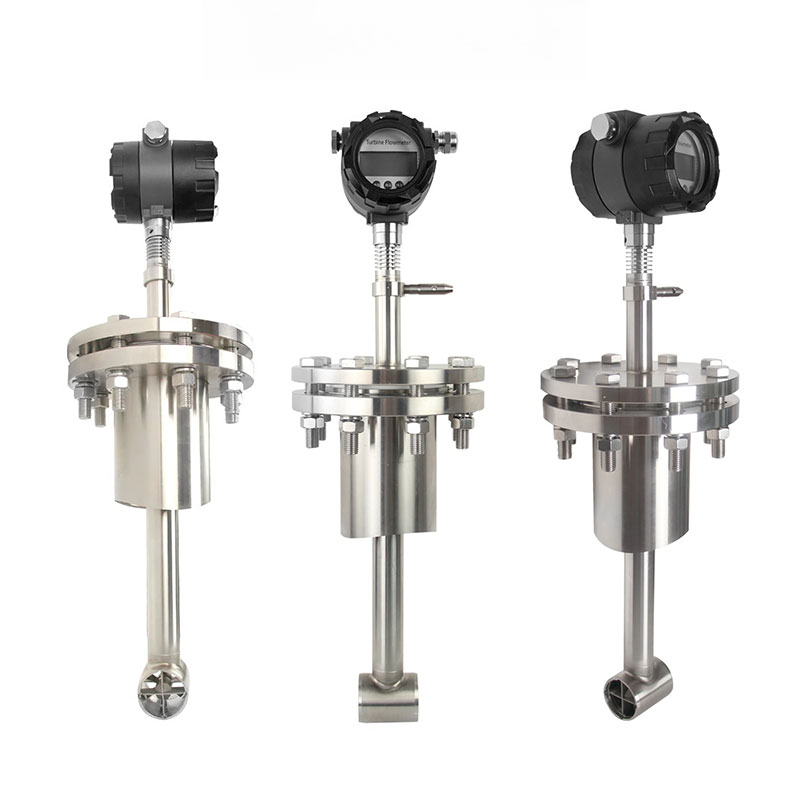
Turbine flow meters offer the advantages of high accuracy, excellent repeatability, a compact and lightweight design, and a substantial flow capacity. They are categorised as gas and liquid measurement instruments based on the medium being measured. This is why they are also known as lightweight and portable water flow meters. They are perfect for measuring clean, oil-based fluids and are very accurate.
Working Principle
Based on Faraday’s law of electromagnetic induction, when conductive media flow through the sensor’s magnetic field, they cut magnetic flux lines and generate an induced electromotive force that is proportional to the velocity of the flow. This signal is then processed by a converter to produce flow data.
Advantages
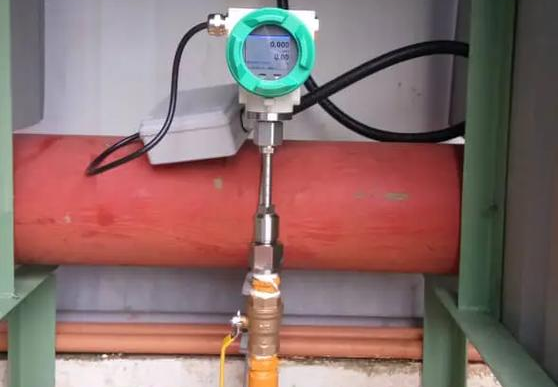
1. Vortex flow meters lack moving parts, resulting in a relatively simple and robust structure with extended service life. Owing to their structural characteristics, maintenance is relatively straightforward, installation is quick and convenient, requiring minimal effort and low costs.
2. Typically offering a large turndown ratio, vortex flow meters accommodate diverse flow range measurement requirements.
3. They demonstrate low pressure loss during measurement, as well as high accuracy, excellent repeatability and superior long-term operational stability.
4. The frequency signal output by vortex flow meters remains unaffected by fluid parameters such as temperature, pressure, viscosity, or density, ensuring highly reliable measurement results.
5. High-temperature vortex flow meters are perfect for measuring flow in high-temperature media, like thermal oils. These instruments are designed to work in very hot places. This means that they can always give the right answer.
6. In high-temperature environments, the performance of high-temperature vortex flow meters remains stable and reliable, without measurement errors arising from temperature variations.
Disadvantages
1. Water must meet very strict standards to be used. The bearings and impeller of vortex flow meters are precision-fit components rotating at high speeds. Sediment, rust, and scale particles in water cause severe wear to bearings and bushings, leading to rapid accuracy degradation and reduced service life.
2. Even with relatively clean hot water, long-term rotational wear persists. For high-temperature hot water/oil, standard lubricants become ineffective, necessitating wear-resistant hard alloy or ceramic self-lubricating bearings. However, this cannot fundamentally eliminate wear.
3. Instrumentation coefficients are influenced by fluid viscosity. Temperature fluctuations in hot water alter its viscosity, thereby affecting measurement accuracy. Although viscosity changes in hot water are relatively minor, they warrant attention for high-precision metering.
4. The high-speed rotating turbine blades and shaft assembly are highly vulnerable. Water hammer phenomena potentially occurring in hot water systems, coupled with flow surges caused by sudden pump start-stop cycles, readily lead to mechanical component damage.
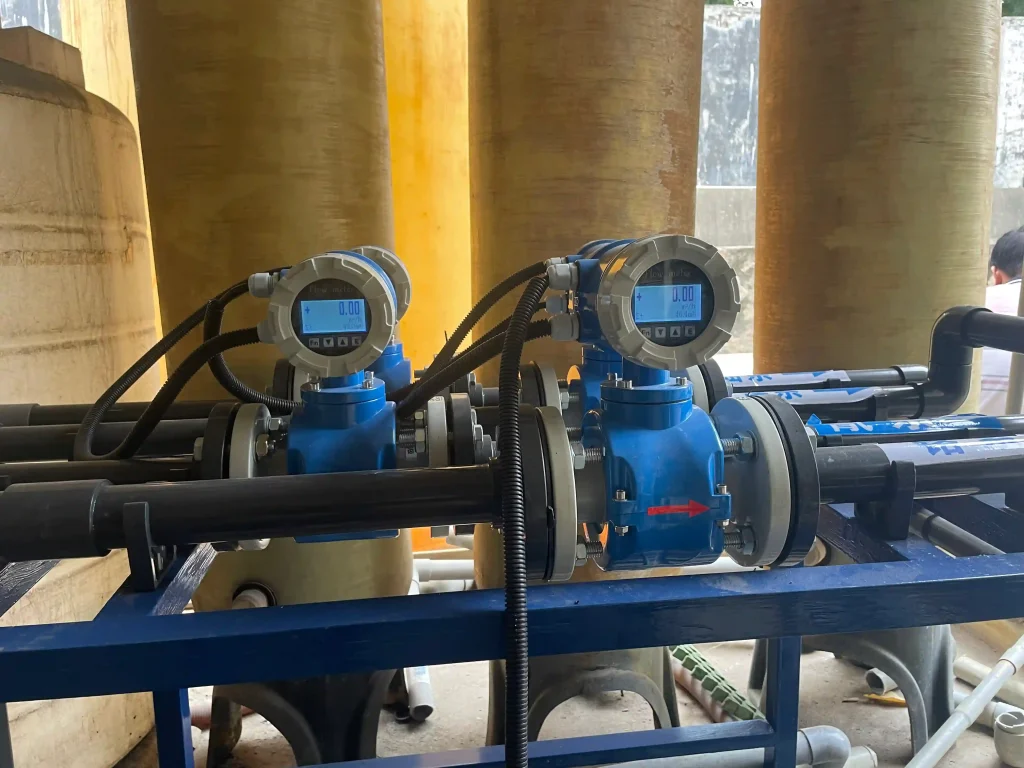
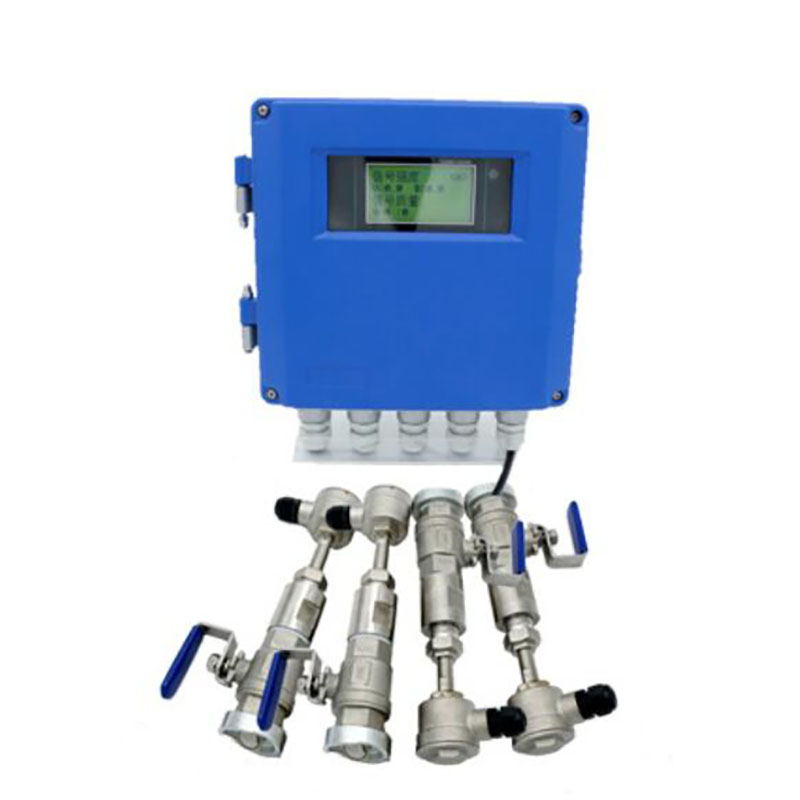
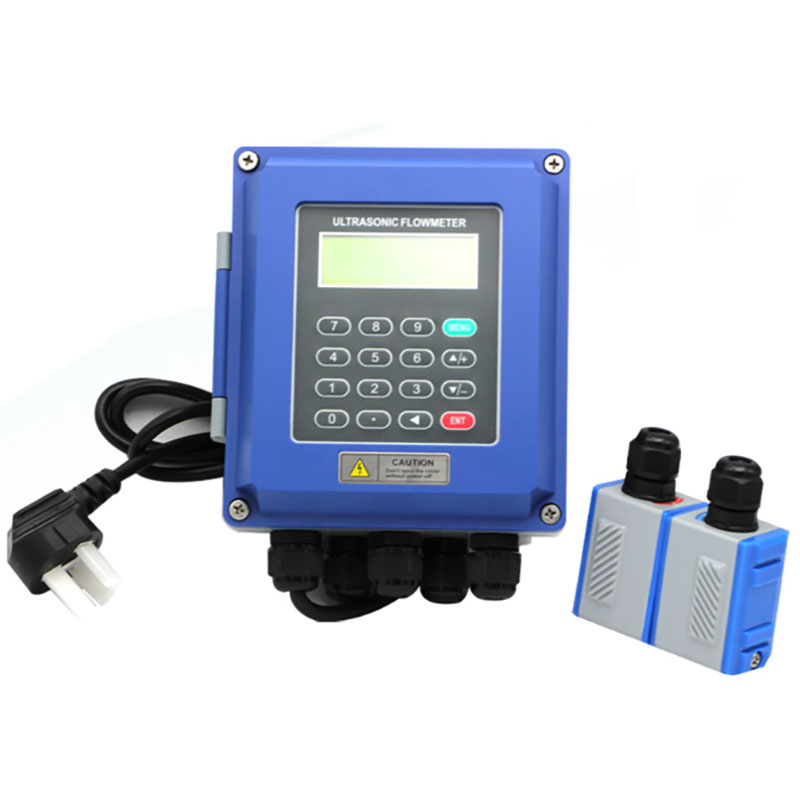
Ultrasonic Flow Meter
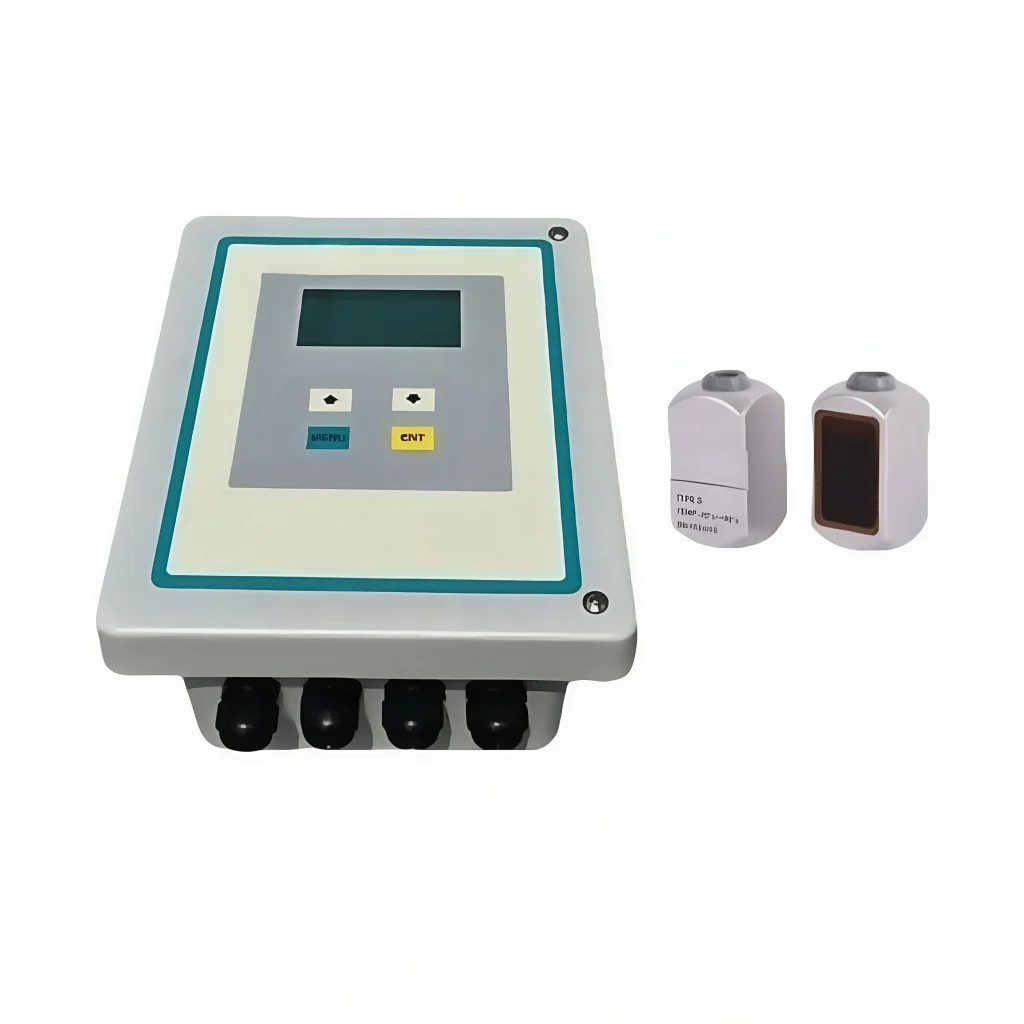
An ultrasonic flow meter is an instrument that measures volumetric flow rate by detecting the effect of fluid flow on an ultrasonic beam (or ultrasonic pulse).
Working Principle
Sound waves propagate through the fluid, accelerating in the direction of flow and decelerating against it. This results in differing propagation times for the same distance travelled. The transit time method calculates flow velocity by utilising the relationship between this velocity difference and the measured liquid flow rate, then determines flow rate in conjunction with the pipe diameter. Suitable for various types of hot water/oil, with a maximum measurable temperature of 160 degrees Celsius.
Advantages
1. Ultrasonic flowmeters enable non-contact measurement. Clamp-on transducer models require no flow interruption for installation, as transducers are mounted externally on the pipe. This facilitates flow measurement on existing pipelines where flow cannot be halted or drilling is impractical.
2. Measurement involves no flow obstruction, incurring no additional pressure loss.
3. You can work out the instrument coefficient using the actual geometric dimensions of the pipe and the acoustic path, which lets you do dry calibration. Unless you’re working with models that need a calibration pipe section, it’s usually not necessary to verify the actual flow.
4. Suitable for large circular and rectangular pipes, with no inherent limitations on pipe diameter.
5. Doppler ultrasonic flowmeters can measure liquids with high solid content or containing bubbles.
Disadvantages
1. Time-of-flight ultrasonic flowmeters are only suitable for clean liquids and gases, and cannot measure liquids with suspended particles or bubbles exceeding a certain threshold; conversely, Doppler LSF is only suitable for measuring liquids containing a certain amount of dispersed phase;
2. Clamp-on ultrasonic flow meters cannot be used on pipes with thick linings or scale deposits, nor on pipes where the lining has delaminated from the inner pipe or where severe corrosion is present;
3. Doppler ultrasonic flow meters typically exhibit limited accuracy under most measurement conditions.
Differential Pressure Flow Meter
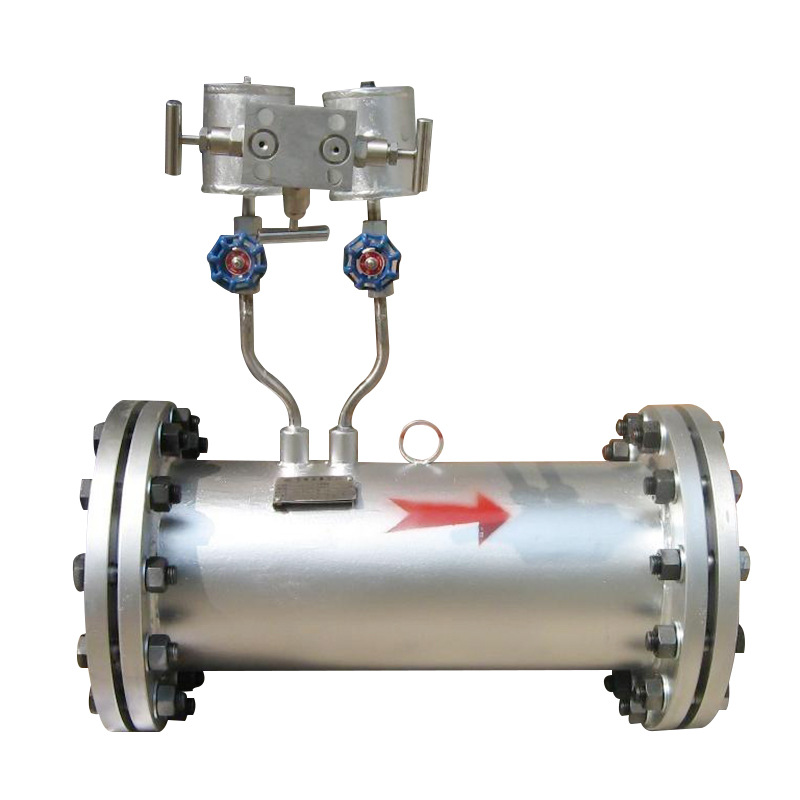
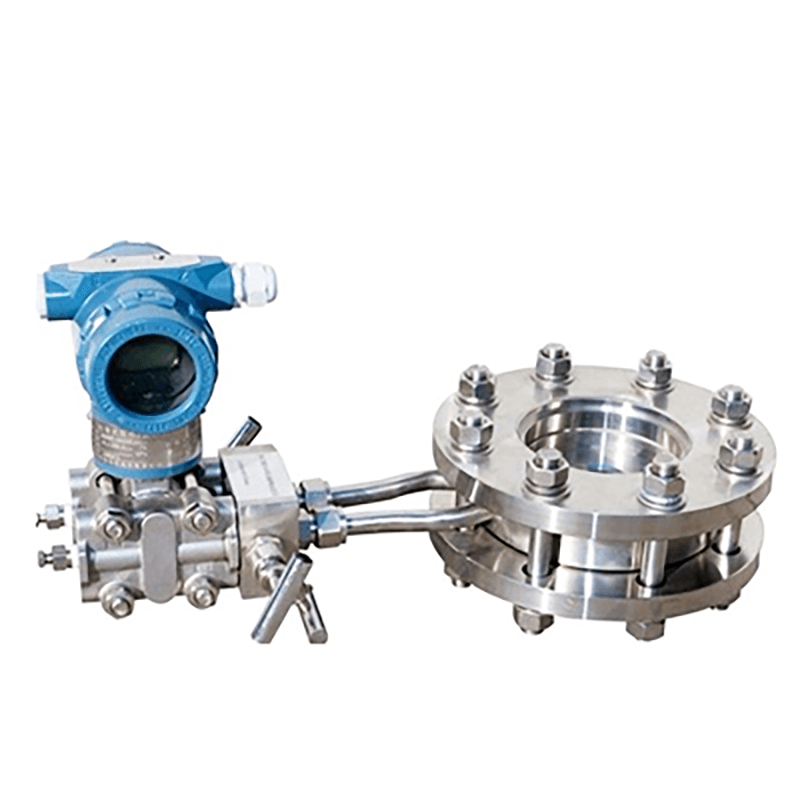
This device calculates flow rate by measuring the pressure differential across a pipe as fluid passes through. It features a simple structure and stable measurement, though it imposes certain requirements on the fluid properties.
Working Principle
High-temperature differential pressure flowmeters operate on the Bernoulli equation. When high-temperature media flow through throttling elements (orifices, nozzles, etc.) within the pipeline, velocity increases sharply while static pressure decreases. This creates a differential pressure upstream and downstream of the throttling element. The differential pressure value is proportional to the square of the medium flow rate. The differential pressure transmitter picks up the signal, changes it, and finally gives us exact info about the flow.
Advantages
1. Exceptional high-temperature adaptability: Throttling elements and pressure-conducting tubes are manufactured using heat-resistant alloy materials. The transmitter supports split-type installation, enabling operation under high-temperature thermal oil conditions.
2. Reliable structure with no moving parts: Resistant to jamming or wear caused by medium viscosity, featuring low failure rates and suitability for continuous production.
3. Broad media compatibility unaffected by thermal oil’s non-conductive properties, enabling measurement of various mineral and synthetic thermal oils.
4. Flexible installation and high cost-effectiveness, easily adaptable for retrofitting existing systems with lower procurement and maintenance costs than high-precision flowmeters.
Disadvantages
1. Susceptible to scaling; thermal oil oxidation impurities adhering to the throttling element cause accuracy degradation, requiring periodic shutdowns for cleaning.
2. Accuracy significantly affected by temperature and pressure fluctuations. Thermal oil density varies markedly with temperature, necessitating precise temperature and pressure compensation.
3. Significant pressure loss increases pump energy consumption, requiring provision of pressure margin.
4. Demanding installation requirements necessitate sufficient straight pipe runs; otherwise, turbulent flow patterns compromise measurement accuracy.
5. Poor performance at low flow rates. Weak signals are susceptible to interference, rendering it unsuitable for start-stop or low-load operating conditions.
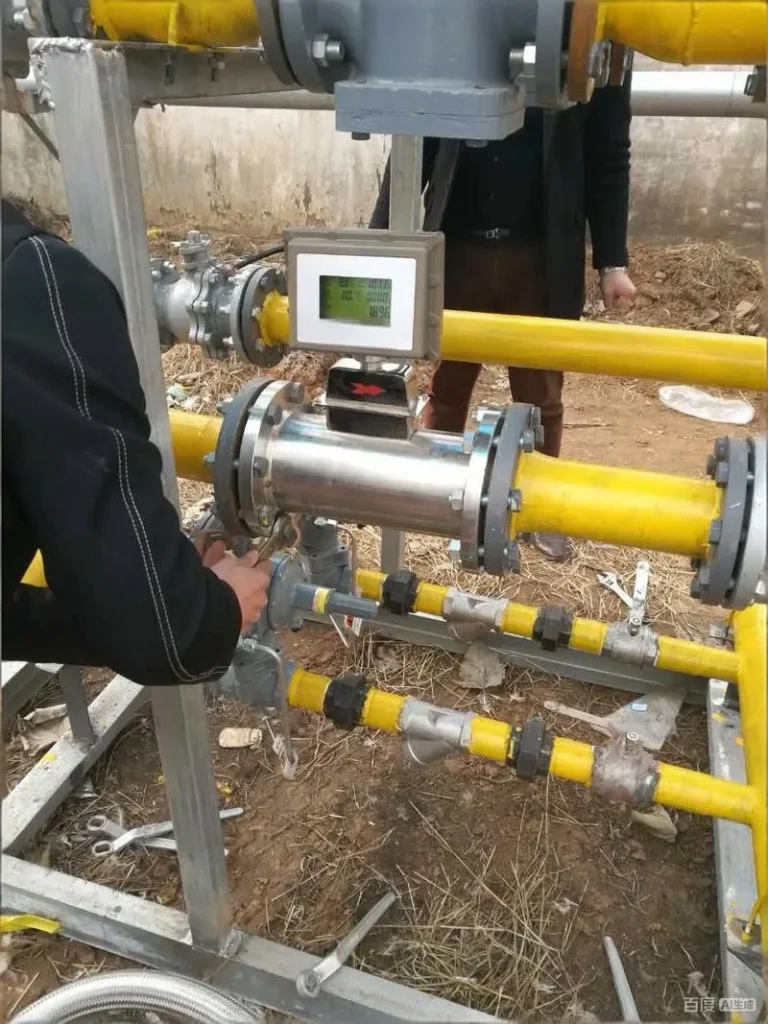
Precision measurement is key to efficient industrial production. Sion-Inst’s got a pretty comprehensive range of products, from high-temperature electromagnetic, turbine, and ultrasonic flowmeters to differential pressure and Coriolis instruments. Everything meets the tough technical standards of the chemical, thermal power, and metallurgical industries.
Sion-Inst’s technical team is able to deliver personalised professional support for both standardised selection in routine conditions and bespoke solutions for extreme environments, such as high temperatures and severe corrosion.
If you need a reliable solution for flow measurement, we’re here for you. Just give us a shout! We’ll work with you to create a selection proposal just right for you, and we’ll give you a quote that’s spot on. Together, we can make your production even more efficient and accurate!