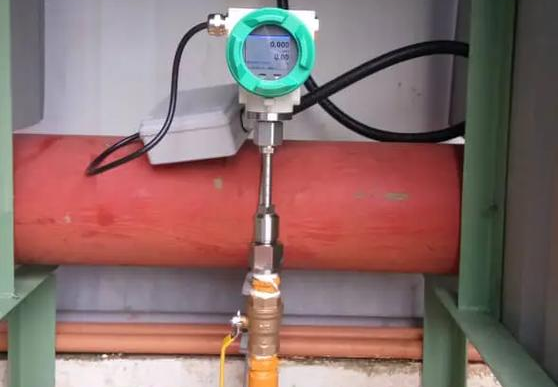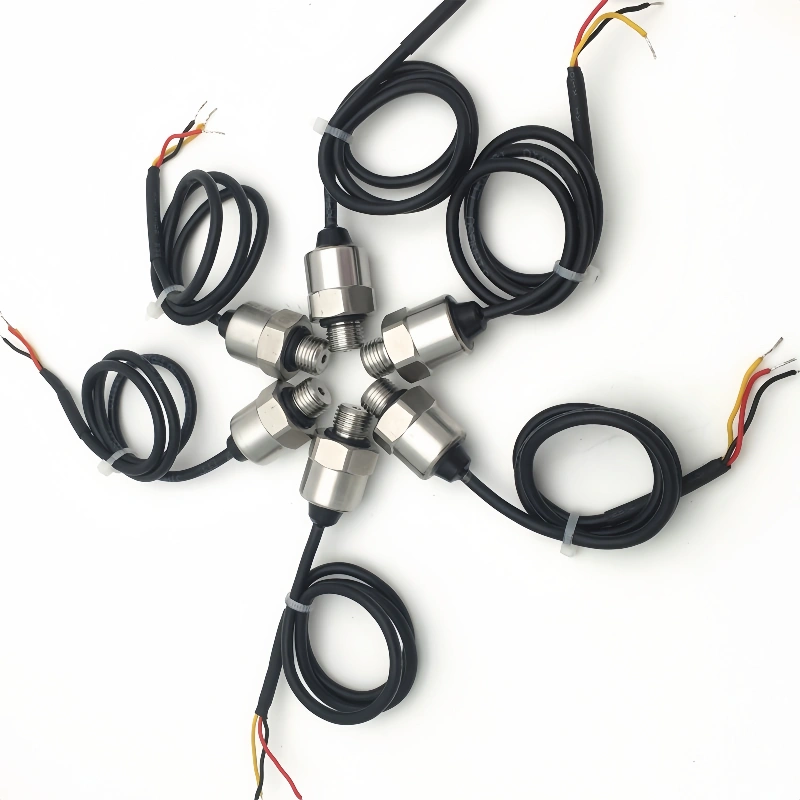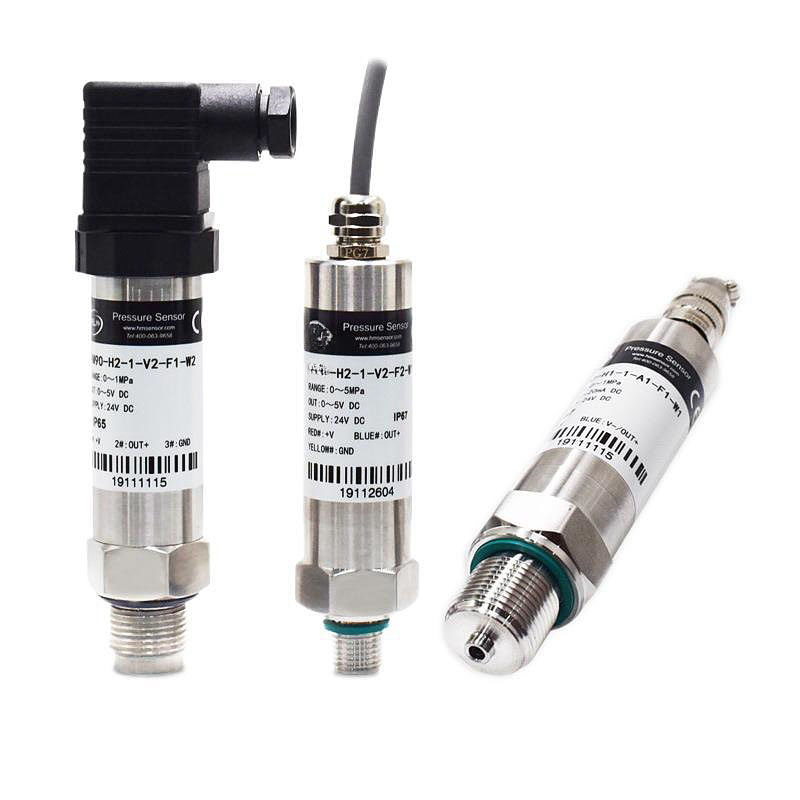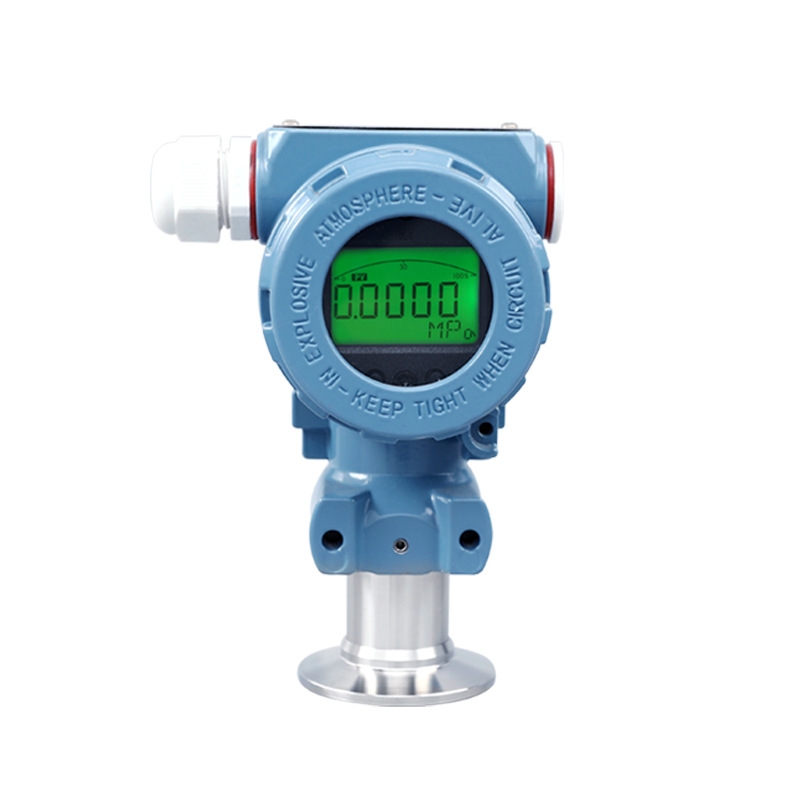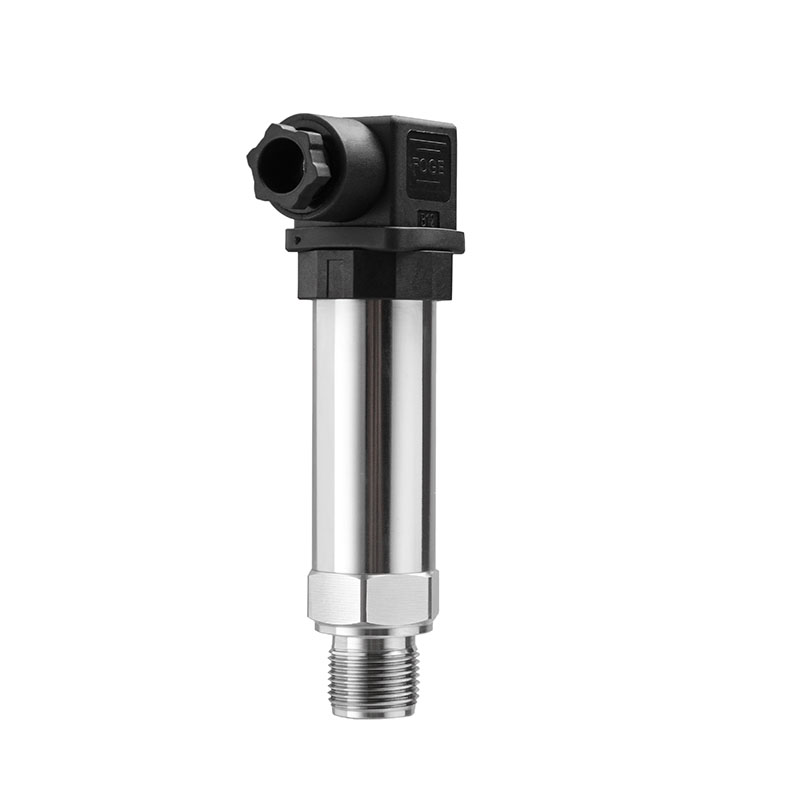
In core industrial production scenarios, not all operating conditions offer stable and benign environments. The harsh conditions faced by pressure sensors in petrochemical plants, polar engineering, metallurgical workshops and flammable/explosive environments are a lot tougher than they are in more conventional settings. The stability, environmental resilience, and precision of pressure sensors directly influence production safety, process enhancement, and operational costs.
Five Common Harsh Operating Conditions
1. Extreme Temperature Ranges
At the same time, high temperatures and strong alkalis (substances containing a high concentration of oxygen) speed up the ageing and breakdown of non-metallic materials.
Organic solvents such as acetone, toluene and esters may damage non-metallic components such as encapsulation colloids and sealing rings by causing them to swell and dissolve. This can lead to seal failure and the ingress of media into the internal cavity, thereby damaging electronic components. Internal electrolytes and filling media may solidify or crystallise, causing irreversible damage such as preventing normal deformation of force-sensitive elements.
At 1500°C temperatures, encountered in metallurgical furnaces or aero-engine combustion chambers, conventional metal diaphragms oxidise and creep deform. Packaging materials age and carbonise, while the semiconductor properties of force-sensitive chips degrade. Signal drift increases by tens of times compared to conventional levels, and high-temperature radiation readily induces thermal breakdown in circuits. Conventional heat dissipation proves inadequate.
2. High-Pressure Environments
High pressure can make it hard to seal sensors properly and to make sure they are strong enough. This is usually a problem in deep sea operations and in industrial high-pressure reaction vessels.
In the deep sea, the pressure increases by one atmosphere for every 10 metres of water. At 1,100 atmospheres, the housings of the sensors are put under a lot of pressure. Any minor imperfections in the seal can allow the ingress of seawater, which can result in damage to electronic components and compromise the equilibrium of the force-sensitive diaphragm. Conversely, high pressure can cause the diaphragm to change shape in a non-linear manner. This can make the measurement results less accurate.
In high-pressure reaction vessels—such as those used in chemical synthesis or supercritical fluid reactors—high-pressure media readily permeate through sealing surfaces. This not only tests the pressure resistance of the housing but also imposes dual demands on the seal’s resistance to both the medium and pressure. Seal failure may trigger safety incidents through high-pressure leakage while simultaneously damaging the sensor.
3. Chemical Corrosion:
Things like strong acids, strong alkalis and organic solvents are really bad news for the longevity of the product, as they cause long-term degradation through chemical reactions.
In strong acid environments (e.g., sulphuric acid, hydrochloric acid, nitric acid), hydrogen ions induce electrochemical corrosion and hydrogen evolution reactions on metal casings and diaphragms. This leads to surface pitting, wall thinning, structural weakening, and seal failure. Strongly oxidising acids also accelerate the destruction of metal passivation films.
When you’ve got something like sodium hydroxide or potassium hydroxide solutions, that’s when you get things like alkaline etching reactions and stress corrosion cracking. At the same time, high temperatures and strong alkalis speed up the ageing and breakdown of non-metallic materials.
Organic solvents, such as acetone, toluene, and ester solvents, may damage non-metallic components like encapsulation colloids and sealing rings through swelling and dissolution, leading to seal failure and media ingress into the internal cavity, thereby damaging electronic components. Certain organic solvents may also form complexation reactions with metallic materials, further intensifying corrosion.
4. Mechanical Impact
Vibration, impact and overload from heavy machinery can wear out the mechanical structure and internal components of sensors.
Heavy machinery, like mining equipment, construction machinery, and metallurgical rolling mills, generates high-frequency vibrations and transient impact loads when it’s running. If you’ve got a vibration that’s been going on for a while, it can cause cracks in the internal solder joints, break the wires, and loosen the way the force-sensitive element is mounted in the housing. That could mess up your signal and lead to some dodgy measurements.
Overload conditions, such as instantaneous pressure peaks in hydraulic systems or abrupt pressure changes caused by mechanical collisions, may exceed the sensor’s upper measurement range. This can lead to the pressure-sensitive diaphragm getting overstressed or even breaking, which can cut the sensor’s lifespan short.
5. Electromagnetic Interference
Strong electric and magnetic fields can disrupt signal transmission and processing systems within sensors, which can affect how accurate the measurements are.
In industry, strong electromagnetic fields mostly come from high-frequency induction heating equipment, high-voltage frequency converters, large electromagnetic actuators, and radar stations. Strong electric fields can mess up signals and make them drift, while strong magnetic fields can create an electromotive force within signal circuits via something called electromagnetic induction. This can create interference currents that mix with valid signals, leading to incorrect data readings.
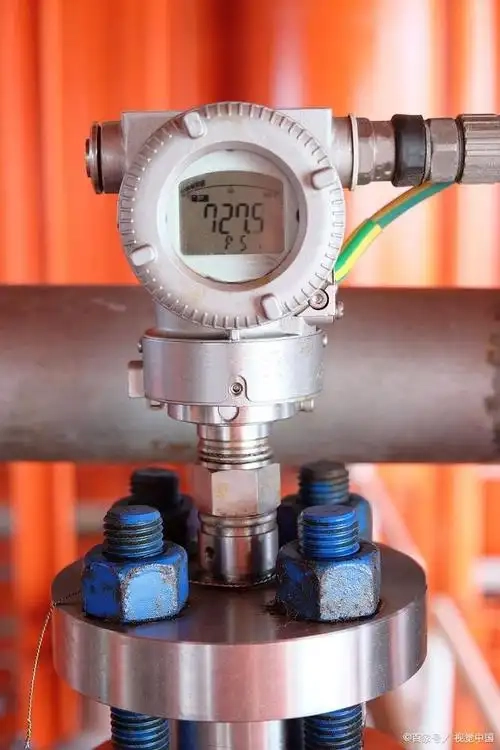
Pressure Sensors for Extreme Temperatures
Both high-temperature and low-temperature pressure sensors differ from conventional sensors. The former must withstand thermal stress shocks at elevated temperatures while maintaining long-term measurement stability, whereas the latter must resist material embrittlement and cold contraction stresses at low temperatures to preserve accuracy. Both incorporate core components including a sensing element, signal conversion module, temperature compensation unit, and corresponding temperature-zone encapsulation structure.
Sensitive elements employ high-temperature-resistant materials (ceramics, sapphire, etc.) or low-temperature-resistant materials (monocrystalline silicon, specialised cryogenic alloys, etc.) to mitigate temperature-range compatibility errors.
Signal conversion modules utilise piezoelectric or equivalent effects to convert pressure into electrical signals, paired with temperature-specific anti-interference conditioning chips to minimise signal interference.
The temperature compensation unit employs an internal sensor to collect temperature data, dynamically correcting it through specialised algorithms to offset corresponding temperature drift errors. High-temperature variants additionally utilise techniques such as metal-ceramic sealing to achieve environmental isolation.
Pressure sensors for high-pressure environments
High-pressure sensors represent an upgraded variant of standard pressure sensors tailored for high-pressure operating conditions. The main difference is that they can handle more pressure and are better at dealing with high-pressure situations. These sensors can reliably withstand high-pressure load impacts while maintaining measurement accuracy.
High-pressure sensors typically accommodate diverse measurement range requirements, spanning from tens of pascals to thousands of bar, and even higher ranges.
Standard pressure sensors commonly employ conventional silicon piezoresistive chips and 304 stainless steel housings. High-pressure sensors utilise high-strength sensitive materials such as thick-film ceramics, sapphire, or silicon carbide. Their housings are crafted from high-pressure-specific alloys like 316L stainless steel or Hastelloy. Ultra-high-pressure variants further undergo heat treatment on pressure-bearing components to enhance pressure resistance.
Standard pressure sensors use elastic seals, like nitrile rubber, and usually achieve an IP65 protection rating. On the other hand, high-pressure sensors use rigid metal seals, like copper gaskets or metal C-rings, to get a minimum IP67 protection rating.
Pressure Sensors for Corrosive Environments
The main thing that makes our corrosion-resistant pressure sensors stand out is their complete protection system, which is designed to handle extreme corrosive conditions. The core diaphragm is made from special materials like Hastelloy, tantalum and ceramics, and the sealing uses PTFE encapsulation and perfluoroelastomer rubber to physically stop corrosive media from getting in. The unique flat diaphragm isolation structure, combined with techniques such as laser welding, ensures long-term reliable sealing. This enables stable, sustained operation in strong acids, strong alkalis, or salt spray environments.
Pressure sensors for impact environments
Pressure sensors suitable for high-impact environments employ strain gauges rather than conventional ceramic or diffused silicon cores. A resistive strain gauge is a sensitive device that converts strain variations on the measured component into an electrical signal. It constitutes one of the primary components of piezoresistive strain sensors. Strain gauge pressure sensors generally exhibit good resistance to impact.
Conventional ceramic or diffused silicon pressure sensors may also be employed for measurement, though not directly. Instead, a buffer tube is fitted upstream, enabling the measurement of impact pressures.
Pressure Sensors for Electromagnetic Interference Environments
The core distinction between electromagnetic interference-resistant pressure sensors and standard pressure sensors lies in their comprehensive electromagnetic shielding and signal interference mitigation design, which counteracts distortion and interference of measurement signals caused by strong electric and magnetic fields.
In terms of electromagnetic shielding structure, conventional sensors feature only basic insulation without dedicated shielding design. In contrast, interference-resistant pressure sensors employ a multi-layer metallic shielding system. The housing consists of a grounded conductive shielding enclosure made from 316L stainless steel, while the internal circuit modules undergo independent shielded encapsulation. This approach blocks the penetration of electric and magnetic fields at source, minimising electromagnetic coupling effects.
With regard to signal processing modules, standard sensors use conventional signal conditioning chips without dedicated anti-interference filtering. Anti-interference pressure sensors are equipped with special chips that contain built-in multi-stage filtering circuits, incorporating low-pass and electromagnetic interference filters. These effectively suppress interference currents while eliminating signal drift and distortion.
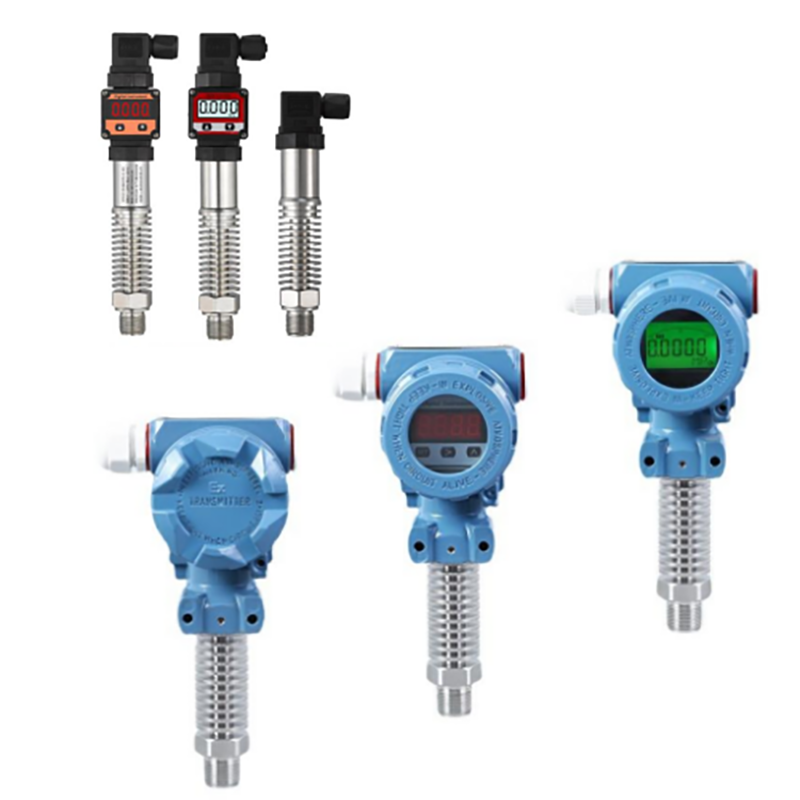
SI-2088 Customizable High Temperature Pressure Transmitter
SI-2088 series high temperature pressure transmitter is suitable for measuring high temperature liquid or gas. And Extremely cost-effective! The temperature can be customized from 160-350℃, up to 850℃.
1.316L stainless steel isolation diaphragm structure, all stainless steel shell, excellent corrosion resistance;
2.Wide pressure measurement range;
The applicable medium temperature range is wide and the temperature error is extremely small;
3.Direct contact to measure high-temperature media to increase pressure response frequency;
4.Wide range of measuring media: weakly corrosive liquid; weakly corrosive gas.
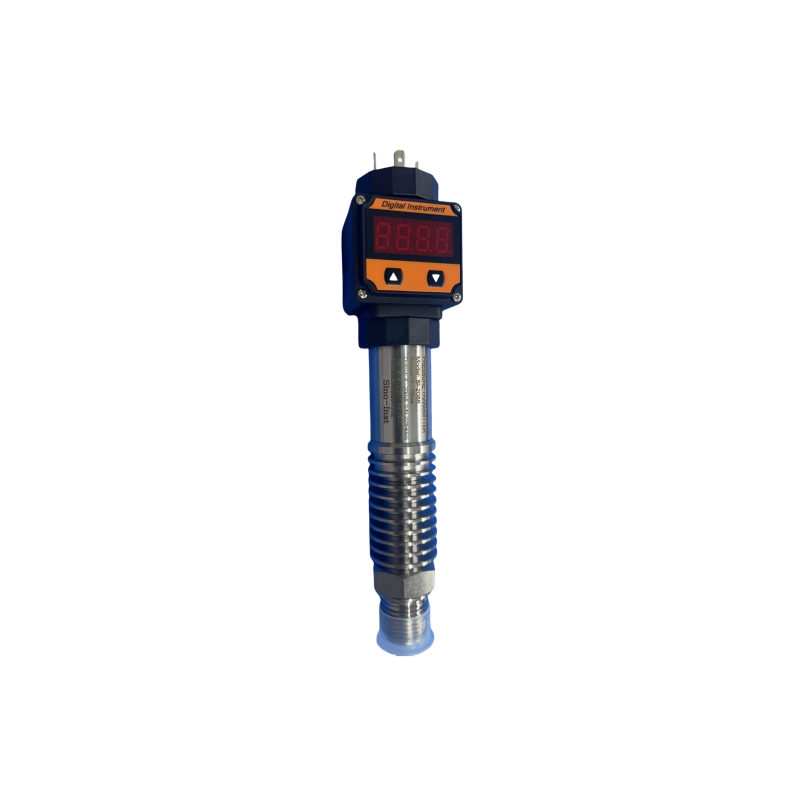
﹣200℃ Cryogenic Pressure Sensor
1.The lowest temperature can be measured to -200℃
2.Strong anti-interference ability
3.Designed for industrial refrigeration
4.Solid-state electronic components
4.Explosion-proof
5.High waterproof grade
6.High precision
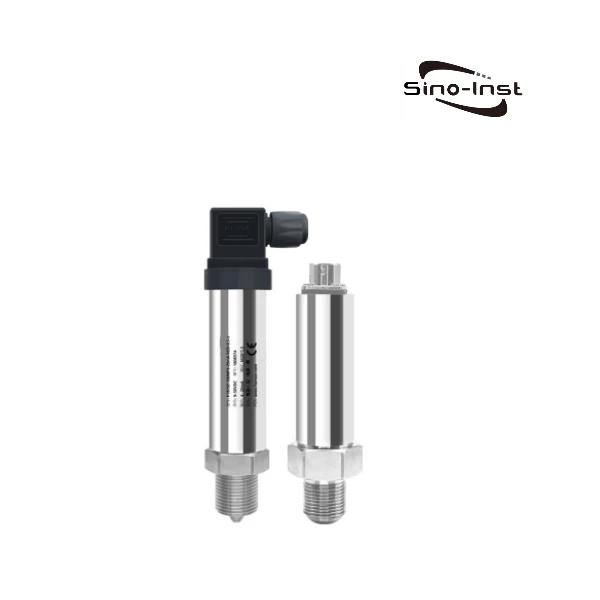
SI-702 Ultra High Pressure Transducer
1.Spherical seal or cone seal to ensure the tightness of the system;
2.0~150~700~1000MPa;
3.Good impact resistance;
4.Integrated structure of stainless steel isolation diaphragm.
5.Can adapt to the harsh environment;
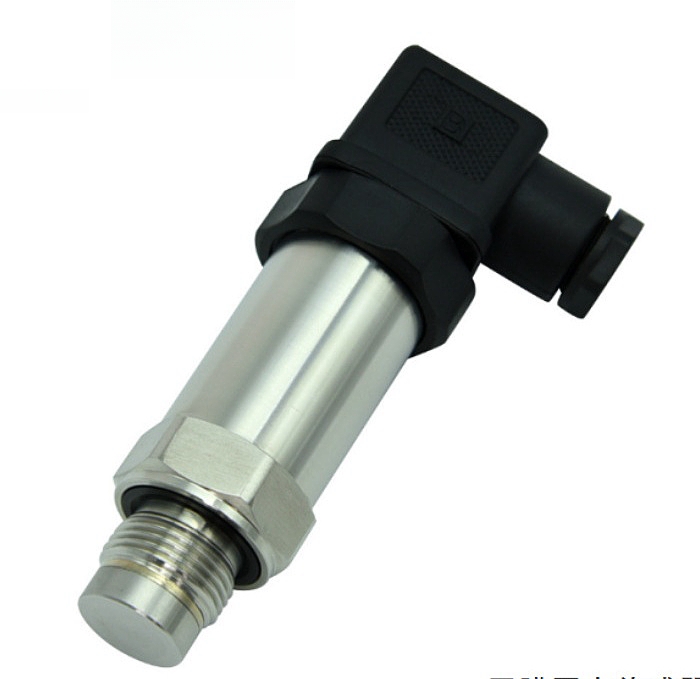
Diaphragm Pressure Transducer – Flush Mount
1.Stainless steel isolation diaphragm structure, no pressure hole, no pressure chamber;
2.There is no clogging of viscous media during the measurement process;
3.Wide measuring range, you can choose sensors and transmitters in the form of gauge pressure within 0-0.01-200MPa;
4.You can choose different signal output modes, such as mv, 4-20mA, 0-5V, 0-10V, 0.5-4.5V, etc.
5.Multiple accuracies to choose from: 0.1%, 0.25%, 0.5%
6.Optional on-site LED meter, optional RS485 or RS232 communication
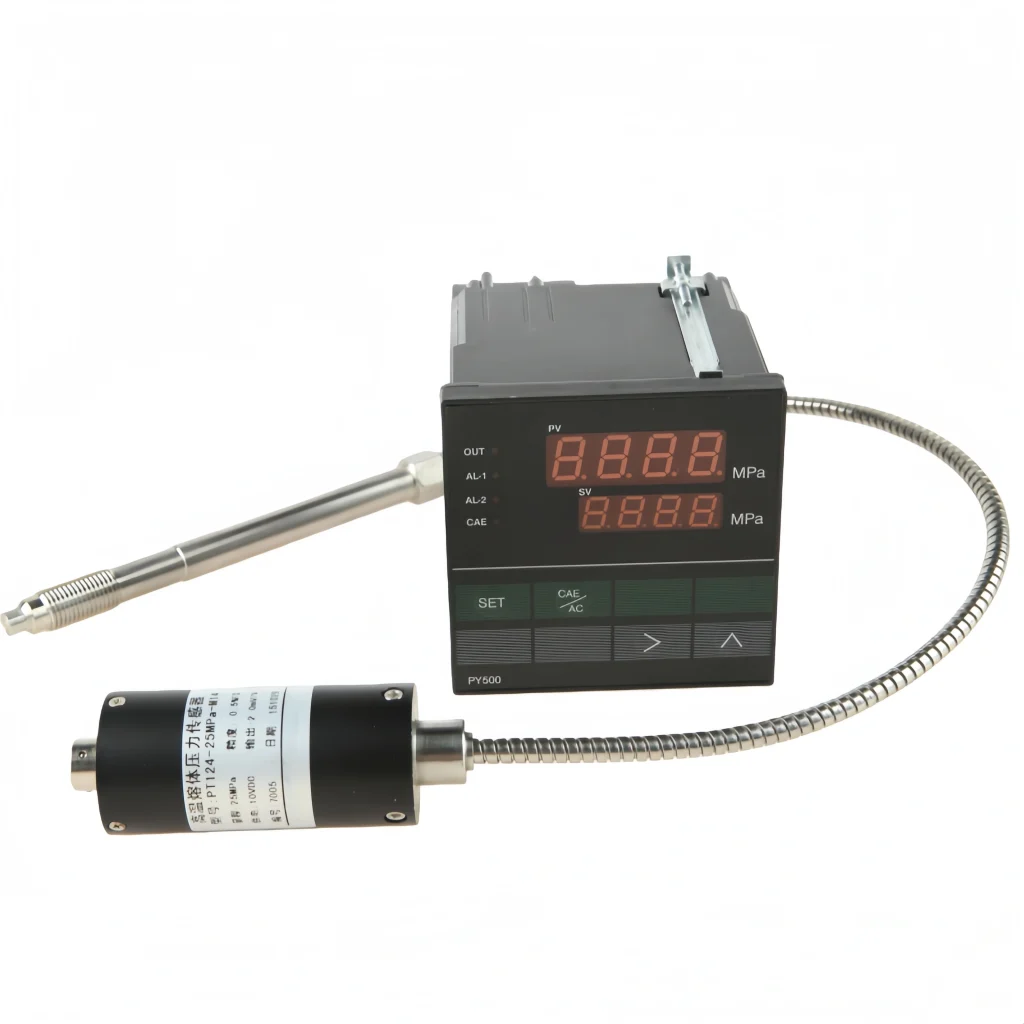
High-Temperature Melt Pressure Transducer
1.Accurate and reliable measurement;
2.Internal 80% calibration signal;
3.Diaphragm temperature resistance up to 350℃;
4.Good stability and repeatability;
5.The standard diaphragm is made of 15-5PH stainless steel;
6.High cost-effectiveness and long service life.
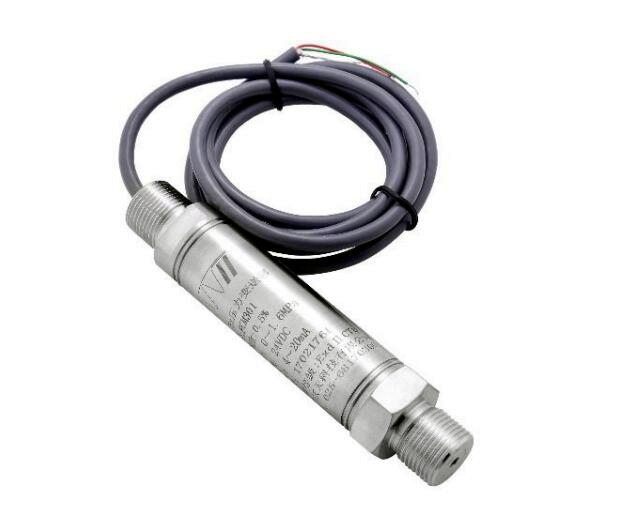
Flameproof Pressure Transmitter Exd
1.All stainless steel, all welded construction.
2.High strength, anti-vibration.
3.Passed the isolation and explosion-proof certification of the National Explosion-proof Electrical Products Quality Supervision and Inspection Center.
4.It has a wide measuring range and can measure absolute pressure, gauge pressure and sealing reference pressure.
5.Good sealing performance, can work stably for a long time.
6.Widely used in flammable and explosive situations.
As core components within industrial process measurement and control, precise and stable pressure sensors provide essential support for safeguarding production efficiency, enhancing process accuracy, and mitigating operational risks.
Sino-Inst has accumulated considerable specialised expertise in pressure and flow measurement technology. We offer a bespoke product selection and solutions that are tailored to your specific operational conditions. These include places with strong electromagnetic interference, corrosive materials, extreme temperatures, high pressures, and severe shock and vibration.
We are eager to collaborate with you to address industrial measurement and control challenges through our professional expertise and reliable products, working together to usher in a new era of efficient and stable production.